john loan


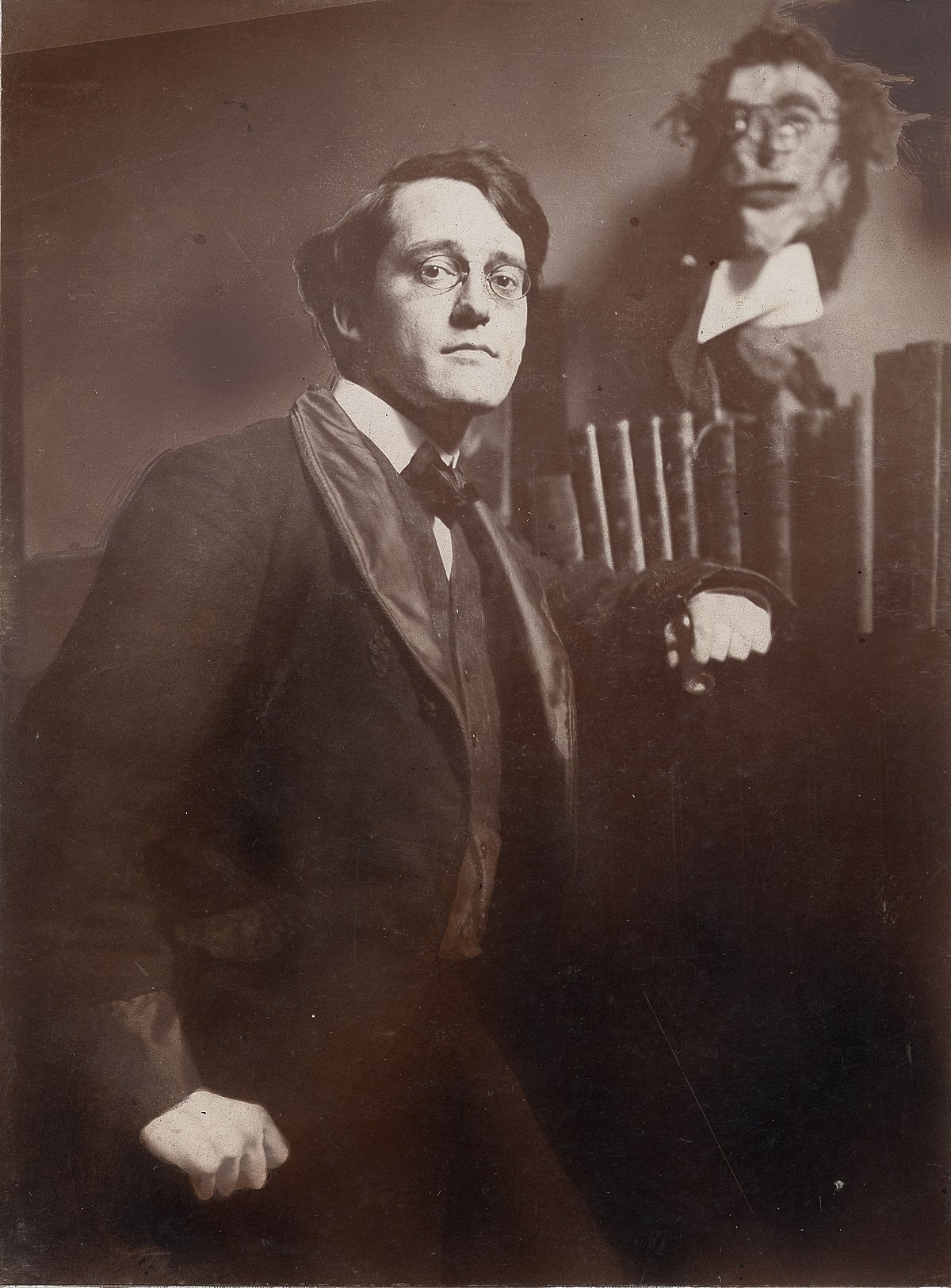
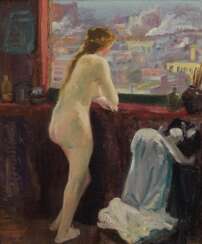
John French Sloan was an American impressionist painter, considered one of the founders of the Ashcan school of American art. He is best known for his urban, everyday genre scenes and his ability to capture the essence of New York City neighborhood life, which he observed from his studio window in Chelsea.


John French Sloan was an American impressionist painter, considered one of the founders of the Ashcan school of American art. He is best known for his urban, everyday genre scenes and his ability to capture the essence of New York City neighborhood life, which he observed from his studio window in Chelsea.

John French Sloan was an American impressionist painter, considered one of the founders of the Ashcan school of American art. He is best known for his urban, everyday genre scenes and his ability to capture the essence of New York City neighborhood life, which he observed from his studio window in Chelsea.


John French Sloan was an American impressionist painter, considered one of the founders of the Ashcan school of American art. He is best known for his urban, everyday genre scenes and his ability to capture the essence of New York City neighborhood life, which he observed from his studio window in Chelsea.
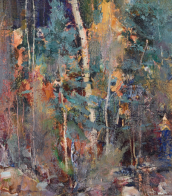
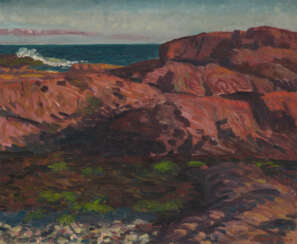

John French Sloan was an American impressionist painter, considered one of the founders of the Ashcan school of American art. He is best known for his urban, everyday genre scenes and his ability to capture the essence of New York City neighborhood life, which he observed from his studio window in Chelsea.
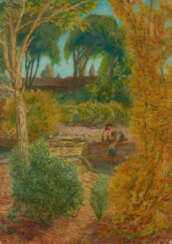

John French Sloan was an American impressionist painter, considered one of the founders of the Ashcan school of American art. He is best known for his urban, everyday genre scenes and his ability to capture the essence of New York City neighborhood life, which he observed from his studio window in Chelsea.


John French Sloan was an American impressionist painter, considered one of the founders of the Ashcan school of American art. He is best known for his urban, everyday genre scenes and his ability to capture the essence of New York City neighborhood life, which he observed from his studio window in Chelsea.

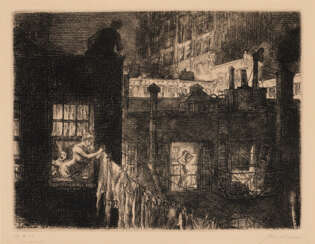

John French Sloan was an American impressionist painter, considered one of the founders of the Ashcan school of American art. He is best known for his urban, everyday genre scenes and his ability to capture the essence of New York City neighborhood life, which he observed from his studio window in Chelsea.
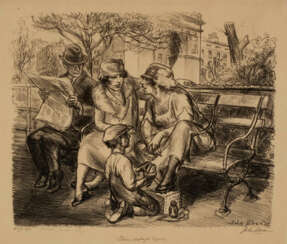

John French Sloan was an American impressionist painter, considered one of the founders of the Ashcan school of American art. He is best known for his urban, everyday genre scenes and his ability to capture the essence of New York City neighborhood life, which he observed from his studio window in Chelsea.
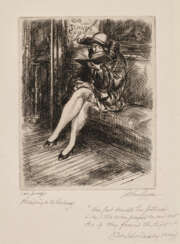

John French Sloan was an American impressionist painter, considered one of the founders of the Ashcan school of American art. He is best known for his urban, everyday genre scenes and his ability to capture the essence of New York City neighborhood life, which he observed from his studio window in Chelsea.
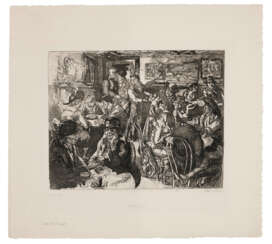

John French Sloan was an American impressionist painter, considered one of the founders of the Ashcan school of American art. He is best known for his urban, everyday genre scenes and his ability to capture the essence of New York City neighborhood life, which he observed from his studio window in Chelsea.
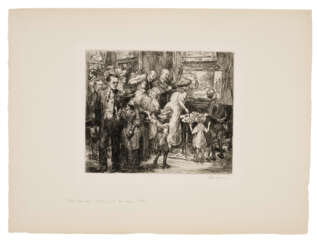

John French Sloan was an American impressionist painter, considered one of the founders of the Ashcan school of American art. He is best known for his urban, everyday genre scenes and his ability to capture the essence of New York City neighborhood life, which he observed from his studio window in Chelsea.
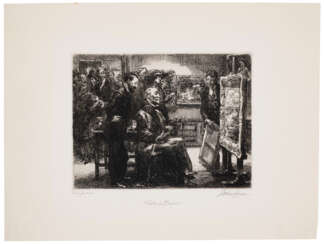

John French Sloan was an American impressionist painter, considered one of the founders of the Ashcan school of American art. He is best known for his urban, everyday genre scenes and his ability to capture the essence of New York City neighborhood life, which he observed from his studio window in Chelsea.
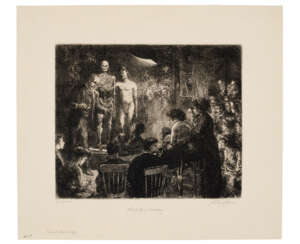

John French Sloan was an American impressionist painter, considered one of the founders of the Ashcan school of American art. He is best known for his urban, everyday genre scenes and his ability to capture the essence of New York City neighborhood life, which he observed from his studio window in Chelsea.
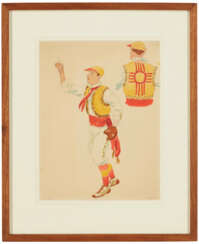

John French Sloan was an American impressionist painter, considered one of the founders of the Ashcan school of American art. He is best known for his urban, everyday genre scenes and his ability to capture the essence of New York City neighborhood life, which he observed from his studio window in Chelsea.
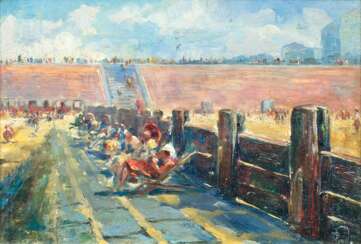


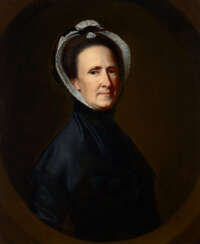

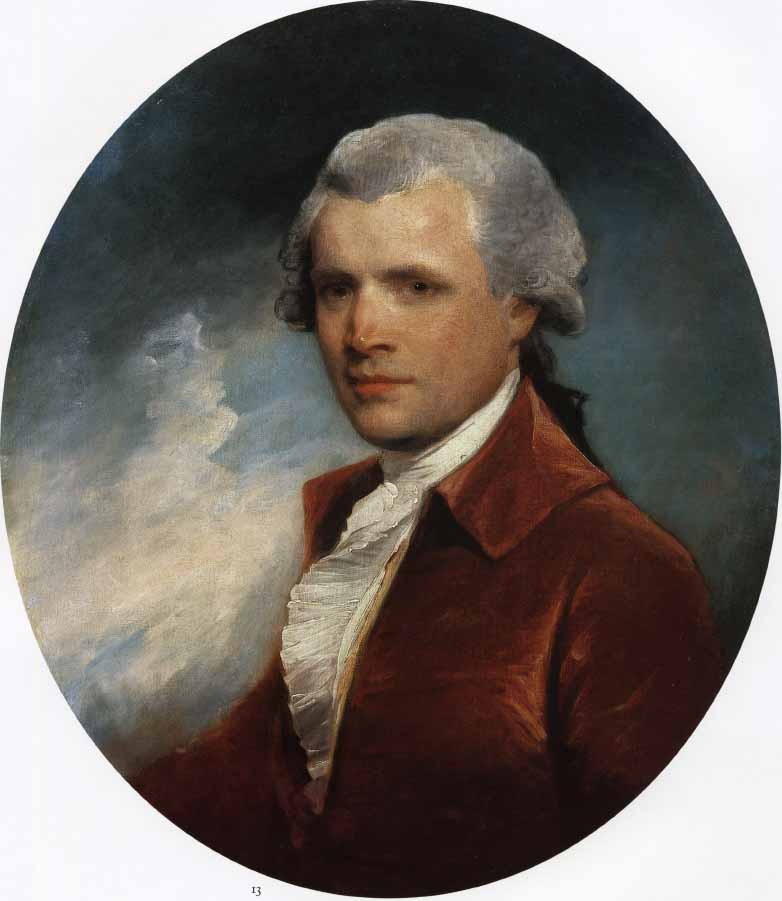
John Singleton Copley was an Anglo-American painter, active in both colonial America and England. He was probably born in Boston, Massachusetts, to Richard and Mary Singleton Copley, both Anglo-Irish. After becoming well-established as a portrait painter of the wealthy in colonial New England, he moved to London in 1774, never returning to America. In London, he met considerable success as a portraitist for the next two decades, and also painted a number of large history paintings, which were innovative in their readiness to depict modern subjects and modern dress. His later years were less successful, and he died heavily in debt.
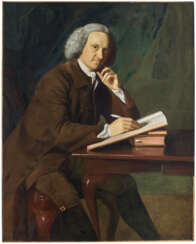

John Singleton Copley was an Anglo-American painter, active in both colonial America and England. He was probably born in Boston, Massachusetts, to Richard and Mary Singleton Copley, both Anglo-Irish. After becoming well-established as a portrait painter of the wealthy in colonial New England, he moved to London in 1774, never returning to America. In London, he met considerable success as a portraitist for the next two decades, and also painted a number of large history paintings, which were innovative in their readiness to depict modern subjects and modern dress. His later years were less successful, and he died heavily in debt.
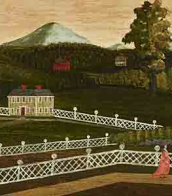
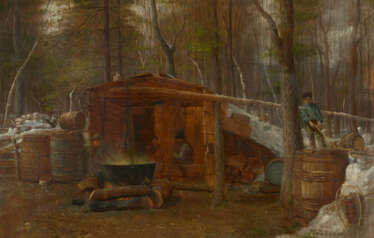

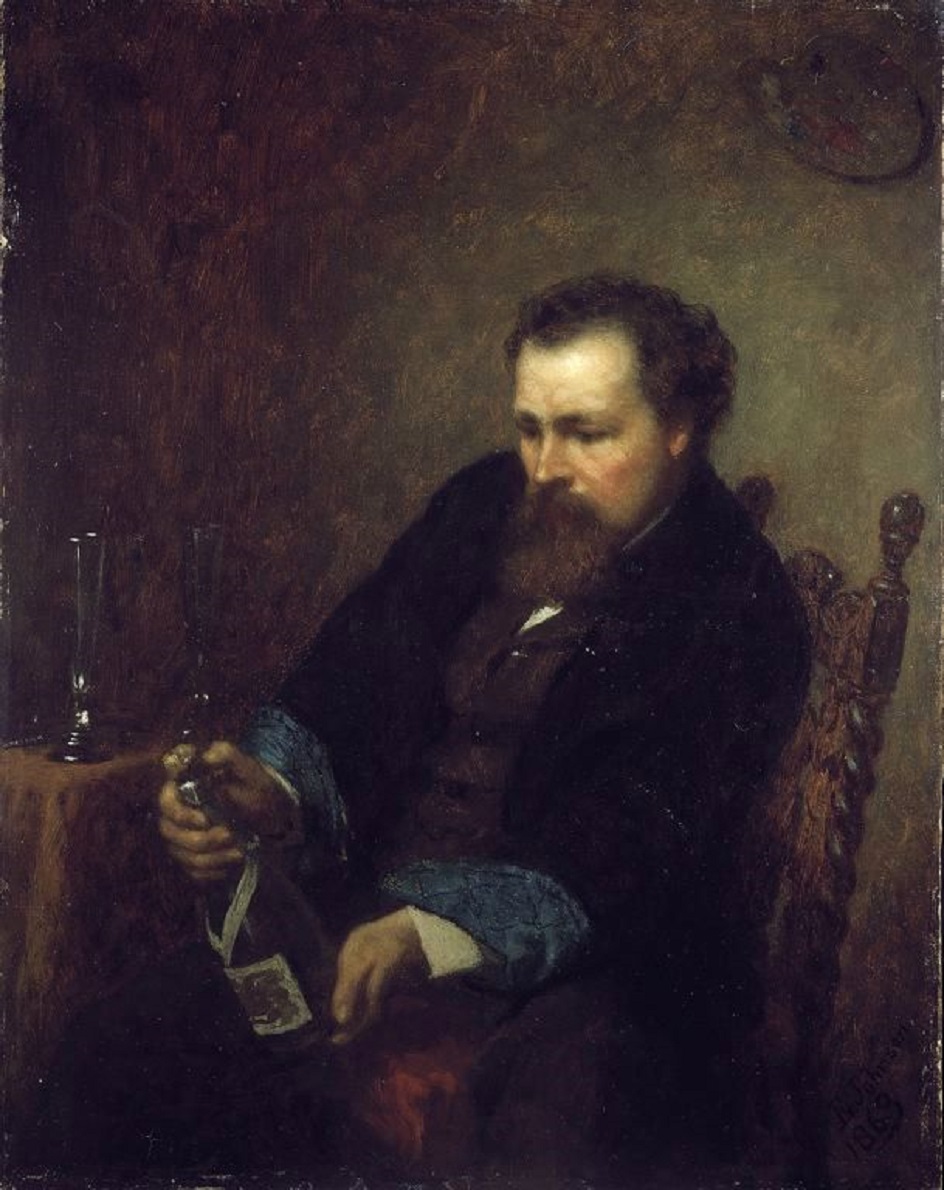
Eastman Johnson was a nineteenth-century American artist. He was known as a master of domestic and portrait genres. Johnson was a proponent of realism in art, his style was greatly influenced by the works of the Dutch and Flemish painters of the 17th century. Contemporaries often called him the "American Rembrandt".
Eastman Johnson in his paintings depicted for posterity many prominent historical figures and everyday life of his contemporaries - ordinary citizens of the United States. Many of his works of the domestic genre were devoted to the lives of black slaves. It was these works that brought the artist widespread fame, and in 1860 he was elected a full member of the National Academy of Design.
Johnson is one of the founders of the Metropolitan Museum of Art in New York, which now houses some of his paintings.
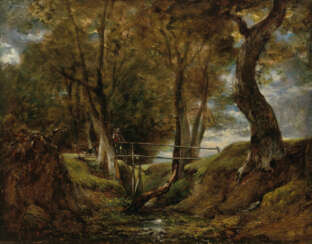

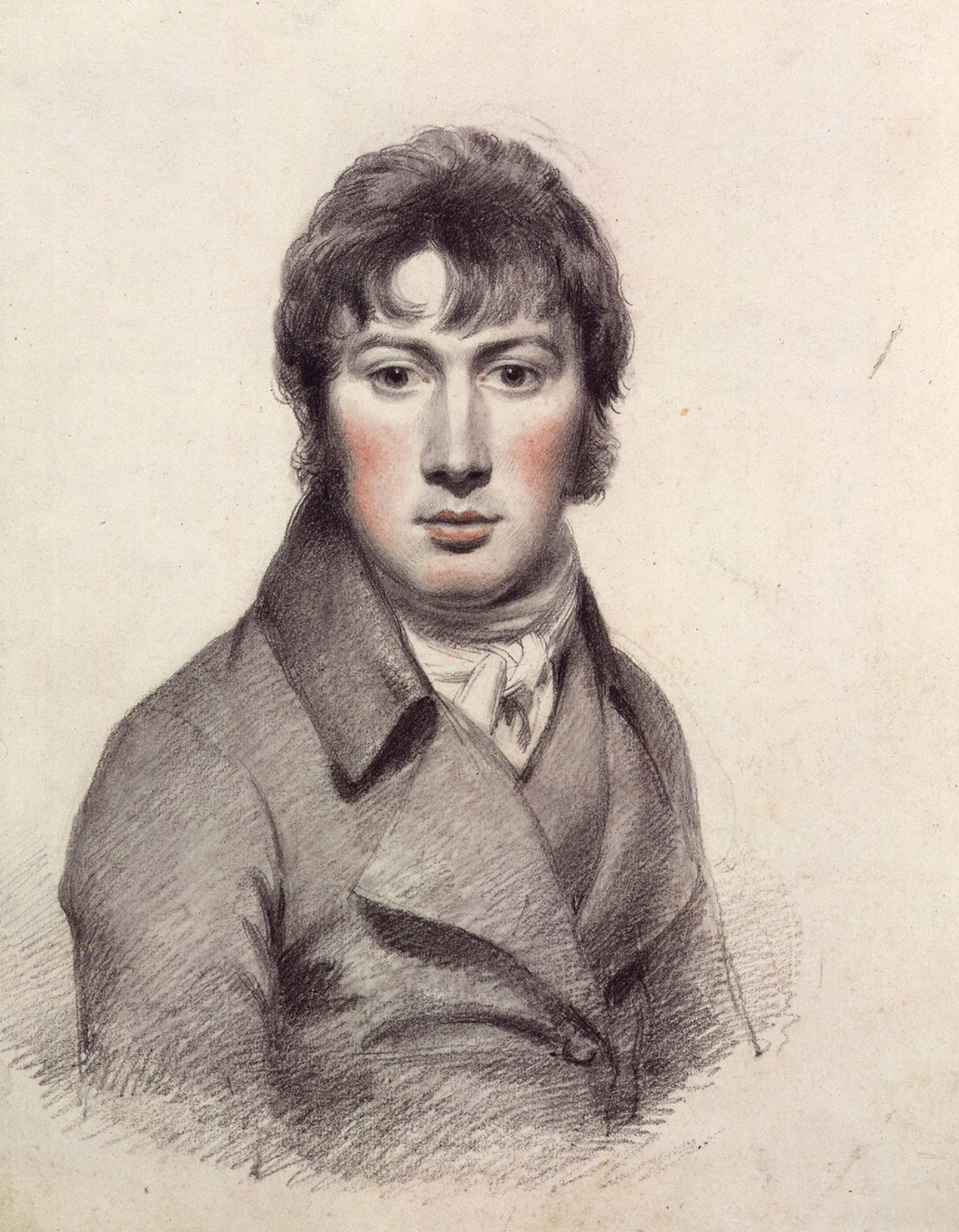
John Constable was an English landscape painter in the Romantic tradition. Born in Suffolk, he is known principally for revolutionising the genre of landscape painting with his pictures of Dedham Vale, the area surrounding his home — now known as "Constable Country" — which he invested with an intensity of affection. "I should paint my own places best", he wrote to his friend John Fisher in 1821, "painting is but another word for feeling".
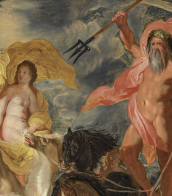
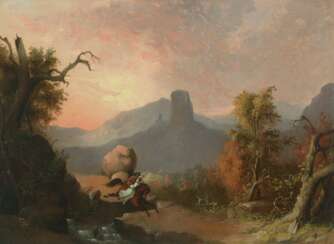

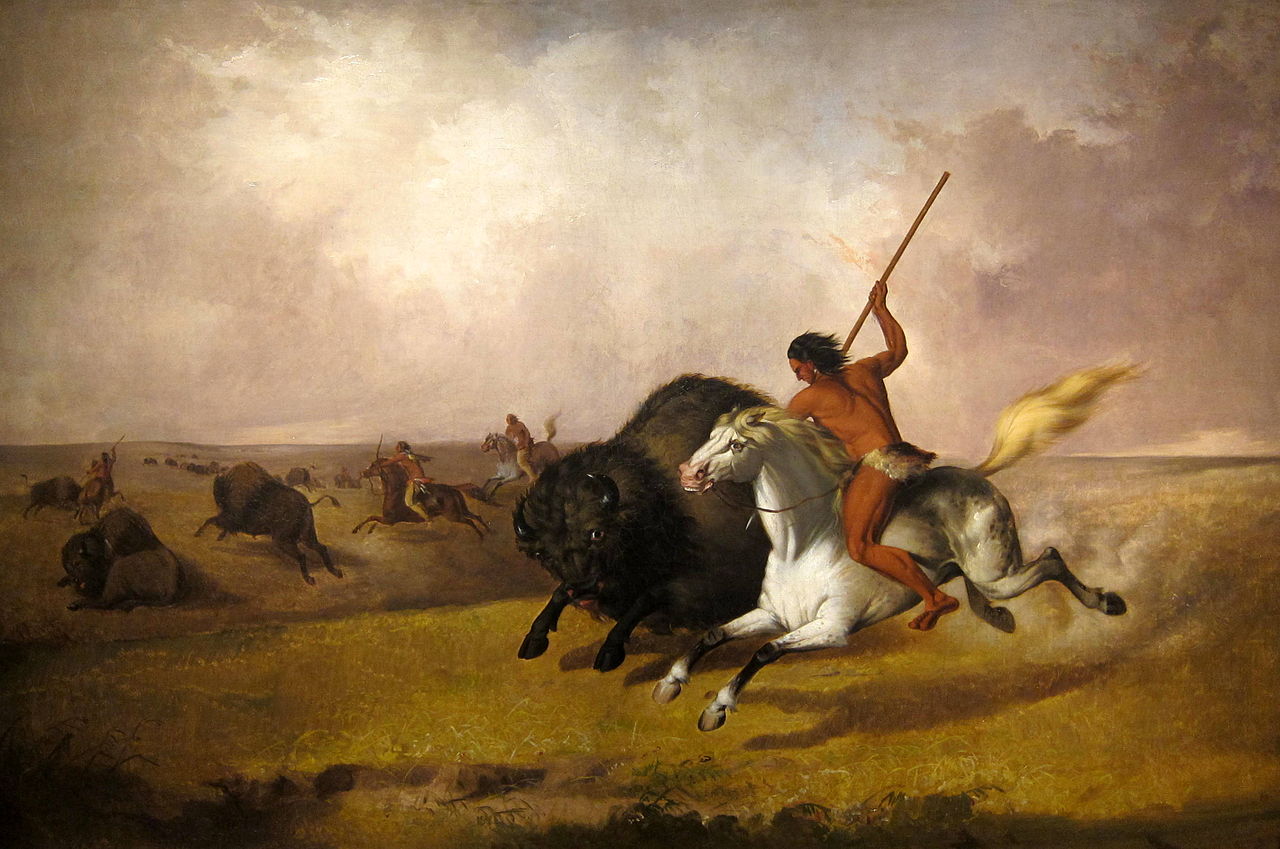
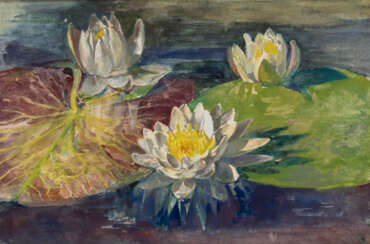

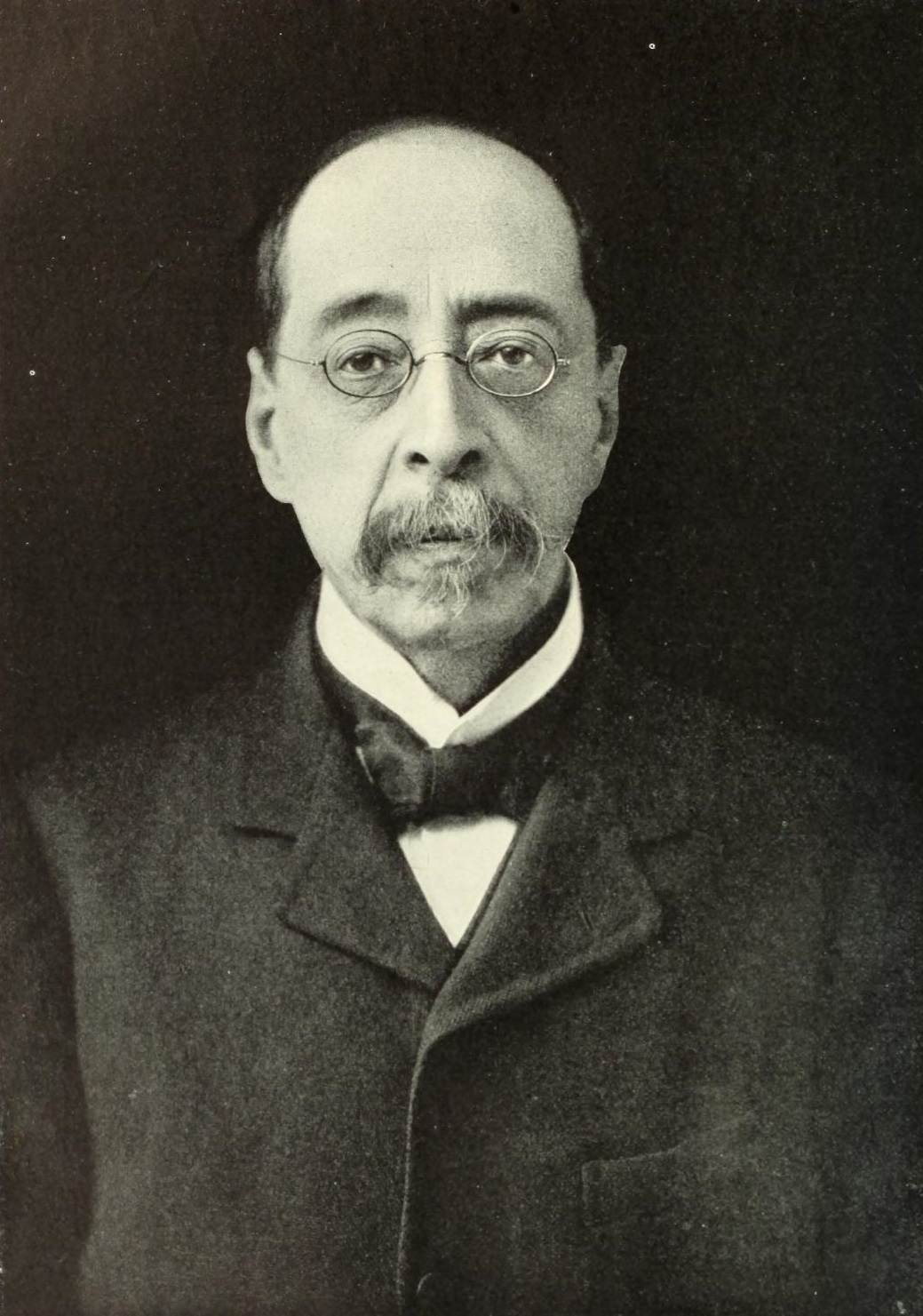
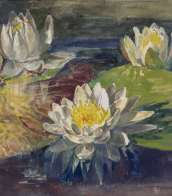
John La Farge was an American artist whose career spanned illustration, murals, interior design, painting, and popular books on his Asian travels and other art-related topics.
La Farge is best known for his production of stained glass, mainly for churches on the American east coast, beginning with a large commission for Henry Hobson Richardson's Trinity Church in Boston in 1878, and continuing for thirty years. La Farge designed stained glass as an artist, as a specialist in color, and as a technical innovator, holding a patent granted in 1880 for superimposing panes of glass. That patent would be key in his dispute with contemporary and rival Louis Comfort Tiffany.


_(NPG_x13488).jpg)


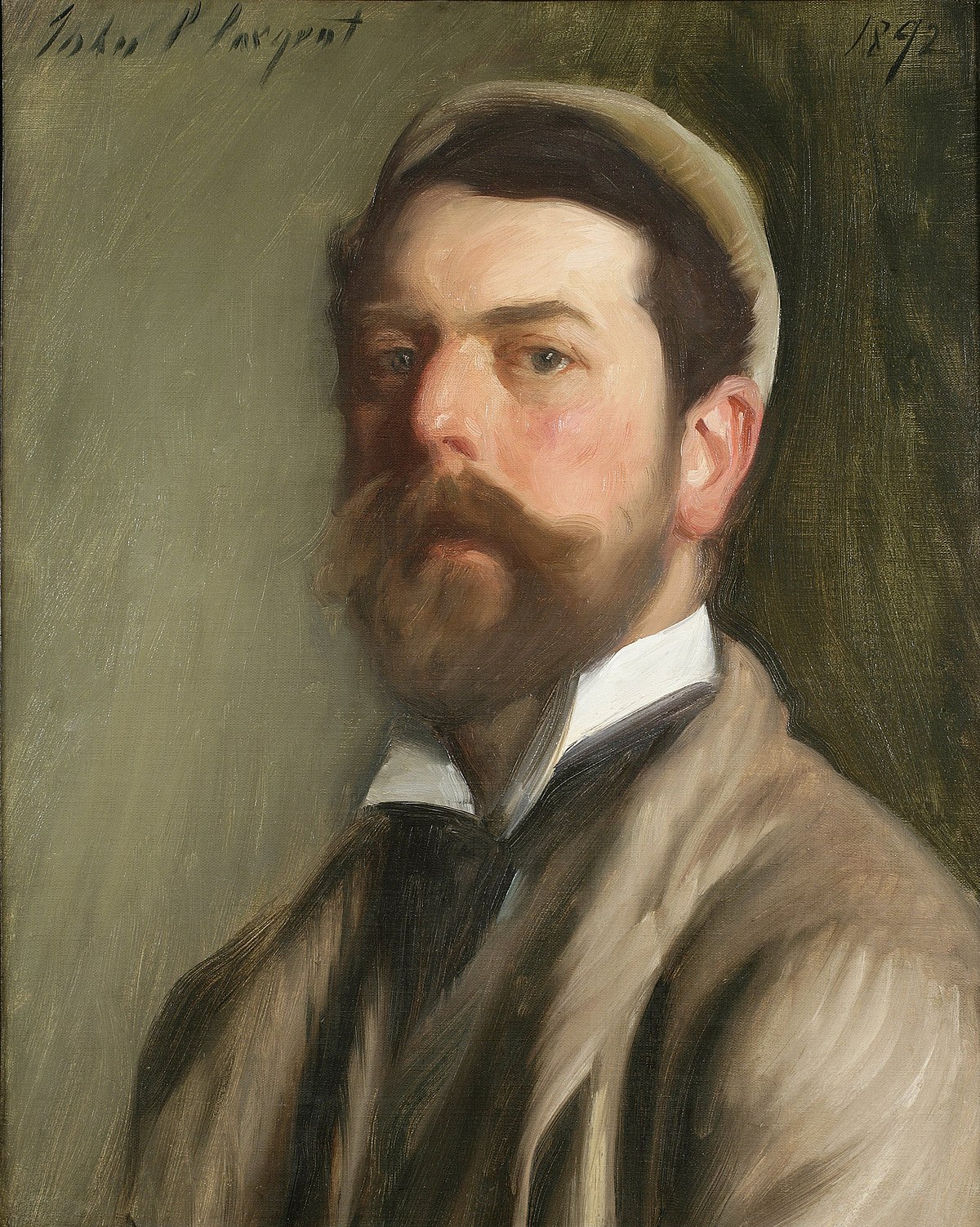
John Singer Sargent was an American artist celebrated for his captivating portraits, which mirrored the luxury of the Edwardian era. Born to American parents in Florence, Italy, Sargent was a well-traveled individual, fluent in multiple languages, and exposed to European art from a young age. His early artistic training came under the tutelage of Carolus-Duran in Paris, which significantly influenced his style and approach to art. Sargent's work, characterized by its striking realism and attention to detail, gained international acclaim, especially among the aristocracy in England and the United States.
Noteworthy is John Singer Sargent's "Carnation, Lily, Lily, Rose," a piece that, after its display at the Royal Academy in 1887, solidified his status in the London art scene. This painting, along with many others, showcases his ability to capture the essence of his subjects, earning him numerous commissions from prominent figures of his time. However, by the early 20th century, Sargent shifted his focus to watercolors and murals, seeking respite from the demands of portrait commissions. His mural works, like those for the Boston Public Library, highlight his versatility and commitment to art beyond portraiture.
For collectors and art experts, understanding John Singer Sargent's journey—from his early days in Florence and Paris to his ultimate success as a portraitist and muralist—offers valuable insights into his artistic evolution and the historical context of his work. His pieces, housed in prestigious institutions worldwide, continue to captivate audiences with their elegance and technical prowess.
If you're keen on staying updated with events and sales related to John Singer Sargent's art, consider signing up for updates. This subscription will keep you informed about new product sales and auction events specifically related to Sargent's works, ensuring you don't miss out on valuable opportunities.
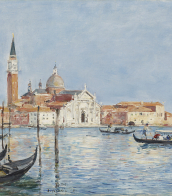


John Singer Sargent was an American artist celebrated for his captivating portraits, which mirrored the luxury of the Edwardian era. Born to American parents in Florence, Italy, Sargent was a well-traveled individual, fluent in multiple languages, and exposed to European art from a young age. His early artistic training came under the tutelage of Carolus-Duran in Paris, which significantly influenced his style and approach to art. Sargent's work, characterized by its striking realism and attention to detail, gained international acclaim, especially among the aristocracy in England and the United States.
Noteworthy is John Singer Sargent's "Carnation, Lily, Lily, Rose," a piece that, after its display at the Royal Academy in 1887, solidified his status in the London art scene. This painting, along with many others, showcases his ability to capture the essence of his subjects, earning him numerous commissions from prominent figures of his time. However, by the early 20th century, Sargent shifted his focus to watercolors and murals, seeking respite from the demands of portrait commissions. His mural works, like those for the Boston Public Library, highlight his versatility and commitment to art beyond portraiture.
For collectors and art experts, understanding John Singer Sargent's journey—from his early days in Florence and Paris to his ultimate success as a portraitist and muralist—offers valuable insights into his artistic evolution and the historical context of his work. His pieces, housed in prestigious institutions worldwide, continue to captivate audiences with their elegance and technical prowess.
If you're keen on staying updated with events and sales related to John Singer Sargent's art, consider signing up for updates. This subscription will keep you informed about new product sales and auction events specifically related to Sargent's works, ensuring you don't miss out on valuable opportunities.


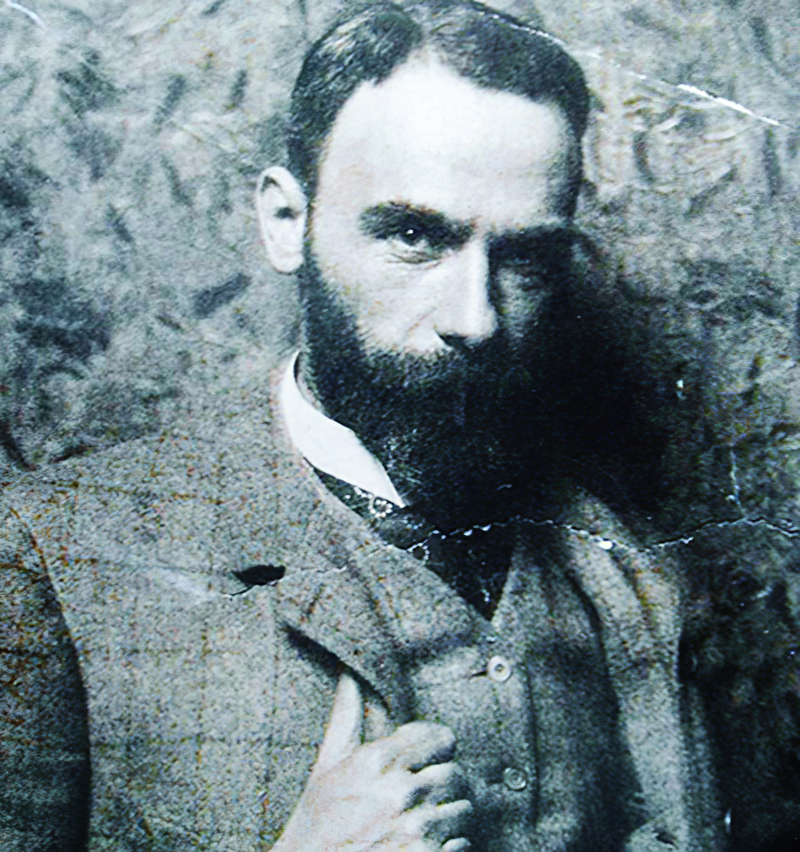
John William Waterhouse was an English painter known for working first in the Academic style and for then embracing the Pre-Raphaelite Brotherhood's style and subject matter. His artworks were known for their depictions of women from both ancient Greek mythology and Arthurian legend.
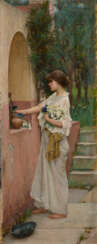

John William Waterhouse was an English painter known for working first in the Academic style and for then embracing the Pre-Raphaelite Brotherhood's style and subject matter. His artworks were known for their depictions of women from both ancient Greek mythology and Arthurian legend.
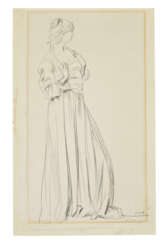

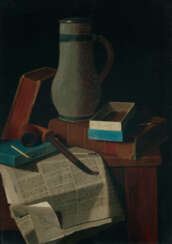

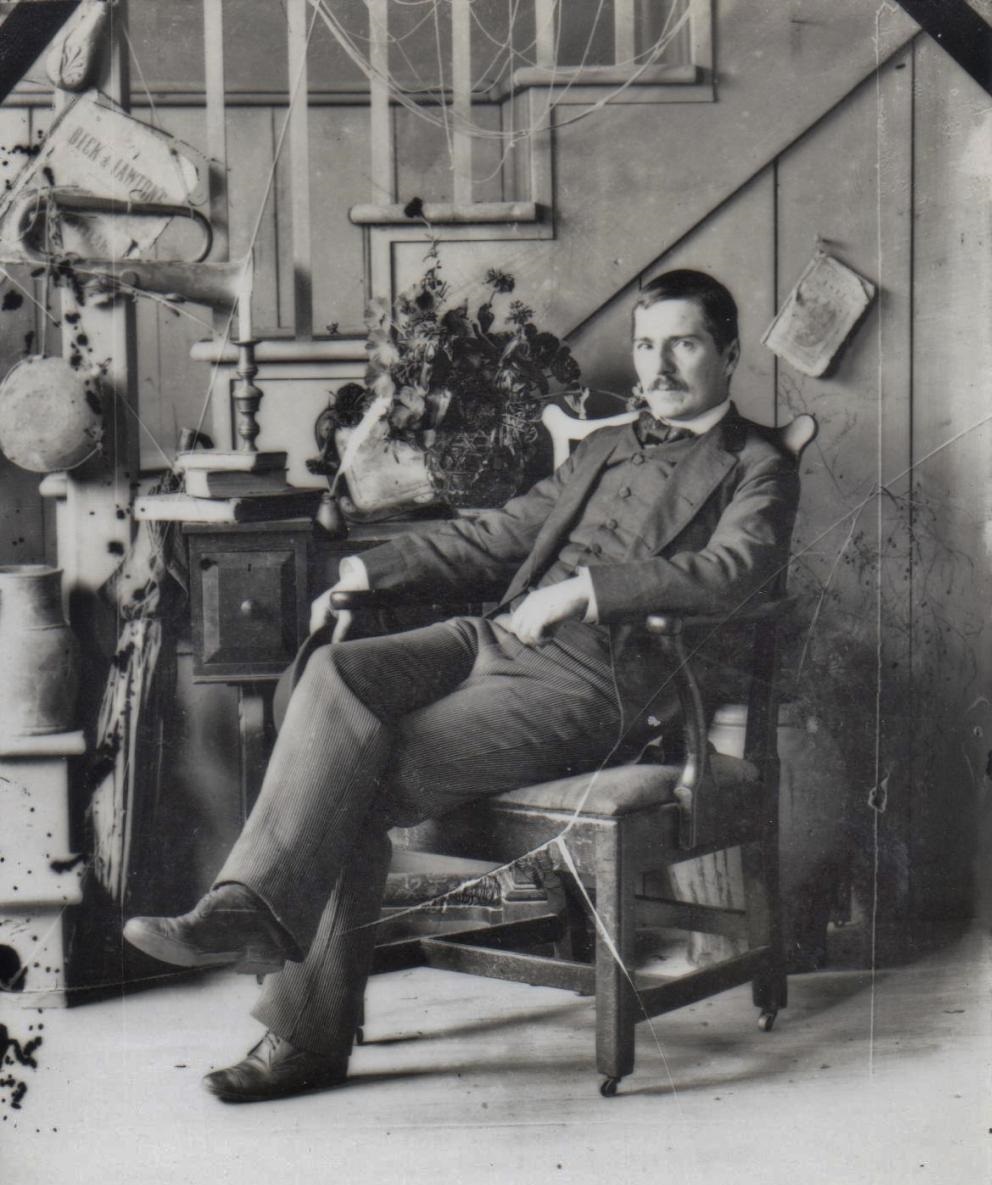
John Frederick Peto was an American trompe-l'œil ("fool the eye") painter who was long forgotten until his paintings were rediscovered along with those of fellow trompe-l'œil artist William Harnett.