julia scher






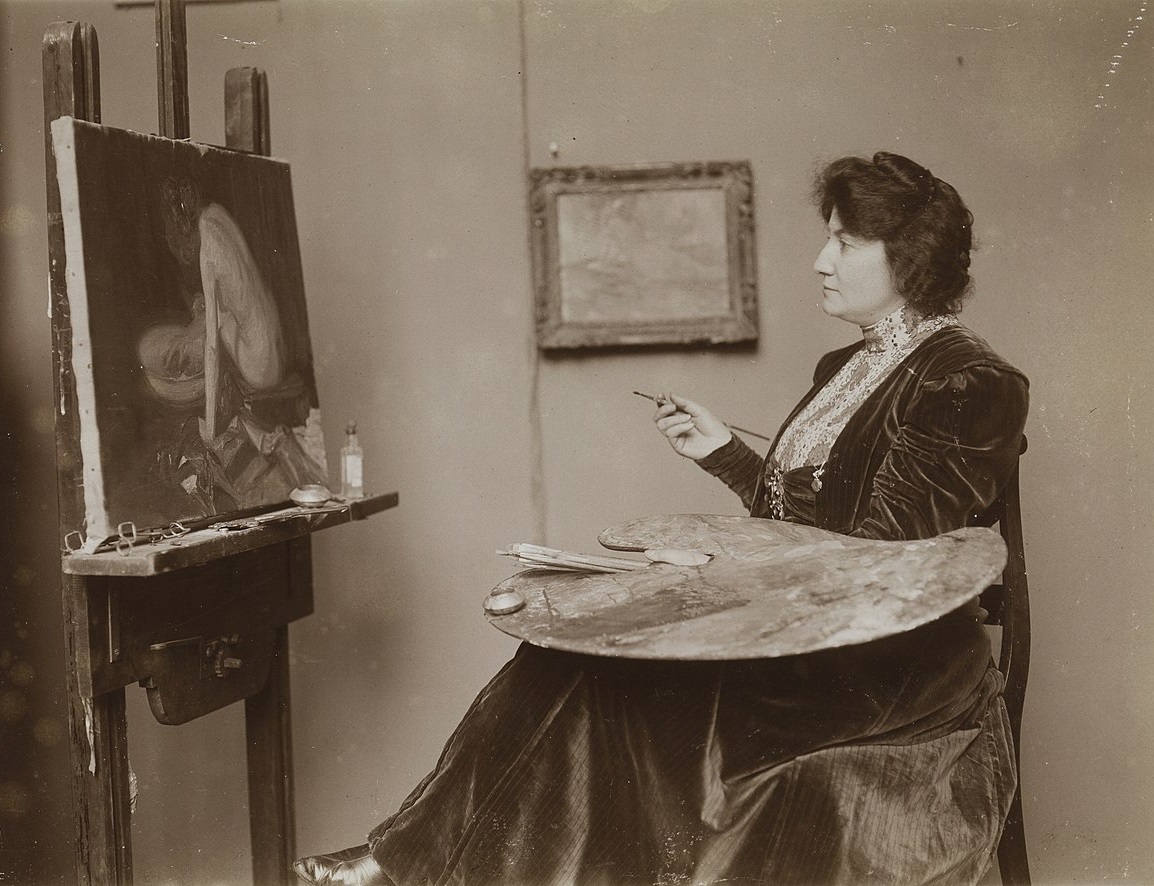
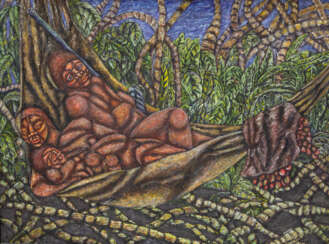
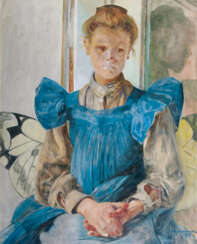
Julie Wolfthorn was a German artist, representative of the Symbolic Art Nouveau movement and member of the Berlin Secession. She studied painting in Berlin and then in Paris.
Julia Wolfthorn worked a lot and fruitfully, took part in exhibitions. She is widely known for her portraits of the poet Richard Demel, the family of the writer Gustav Landauer, the family of the architect Hermann Muthesius, the actress Tilla Dürje, and other Berlin celebrities of the time.
After the Nazis came to power, Julia Wolfthorn remained in Berlin, working with the 'Union of Jewish Culture'. In 1942 she and her sister were deported to Theresienstadt concentration camp.
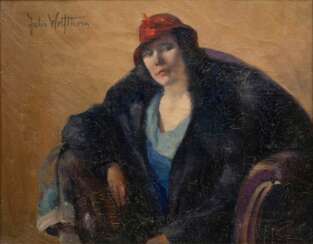

Julie Wolfthorn was a German artist, representative of the Symbolic Art Nouveau movement and member of the Berlin Secession. She studied painting in Berlin and then in Paris.
Julia Wolfthorn worked a lot and fruitfully, took part in exhibitions. She is widely known for her portraits of the poet Richard Demel, the family of the writer Gustav Landauer, the family of the architect Hermann Muthesius, the actress Tilla Dürje, and other Berlin celebrities of the time.
After the Nazis came to power, Julia Wolfthorn remained in Berlin, working with the 'Union of Jewish Culture'. In 1942 she and her sister were deported to Theresienstadt concentration camp.

Julie Wolfthorn was a German artist, representative of the Symbolic Art Nouveau movement and member of the Berlin Secession. She studied painting in Berlin and then in Paris.
Julia Wolfthorn worked a lot and fruitfully, took part in exhibitions. She is widely known for her portraits of the poet Richard Demel, the family of the writer Gustav Landauer, the family of the architect Hermann Muthesius, the actress Tilla Dürje, and other Berlin celebrities of the time.
After the Nazis came to power, Julia Wolfthorn remained in Berlin, working with the 'Union of Jewish Culture'. In 1942 she and her sister were deported to Theresienstadt concentration camp.


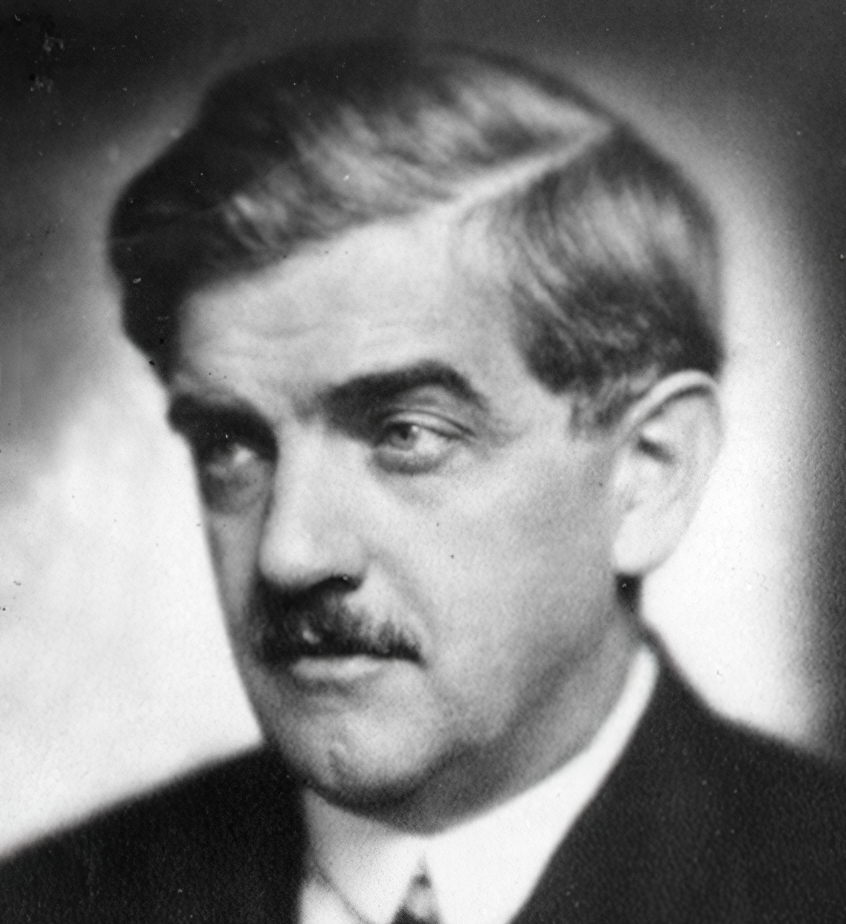
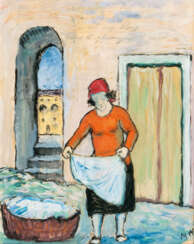
Otto Prücher was an Austrian architect and designer who worked in the Vienna Secession style.
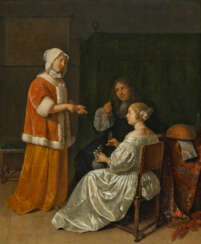

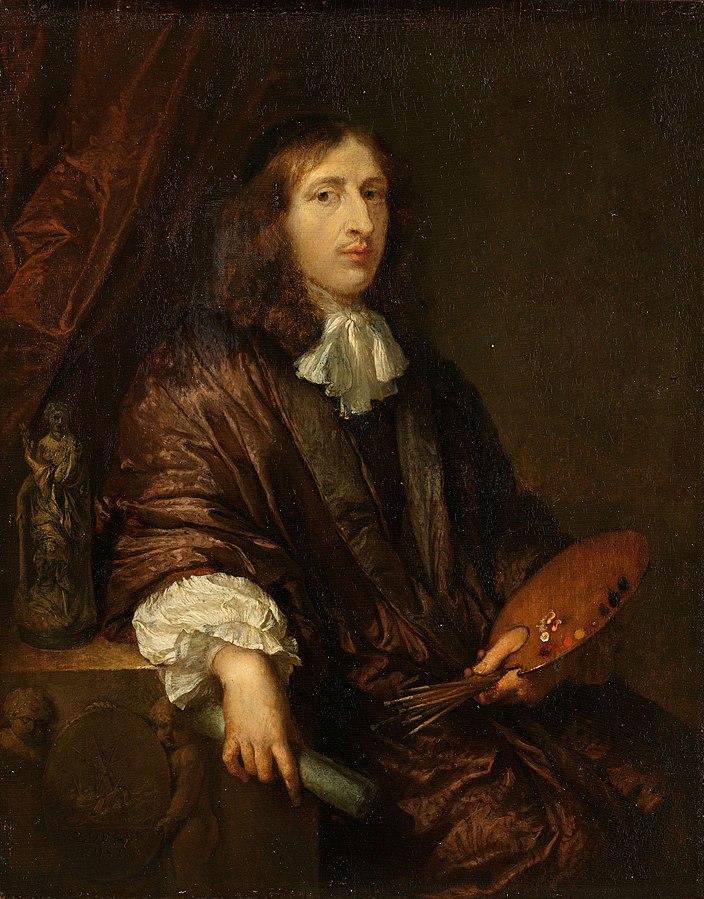
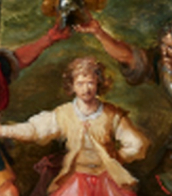
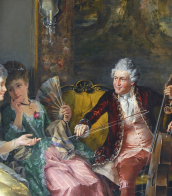
Caspar Netscher was a Dutch painter of the Golden Age of Dutch painting, known for his portraits. Netscher chose subjects from the life of the Dutch elegant and wealthy class; he painted many small portraits - mostly of women; some of them historical. After spending some time in Paris, he painted several persons belonging to the court of Louis XIV. In addition to the above-mentioned usual subjects, he depicted sometimes historical and biblical scenes.
Caspar Netscher's paintings were kept in many art galleries: in the Louvre, Amsterdam, Florence, in several private collections in England and in many other places. In the Hermitage at the beginning of the 20th century there were six of his paintings, including a portrait of the artist himself and a portrait of Mary Stuart, painted in 1683; today only two works have survived.
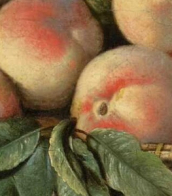


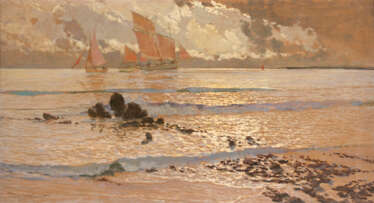

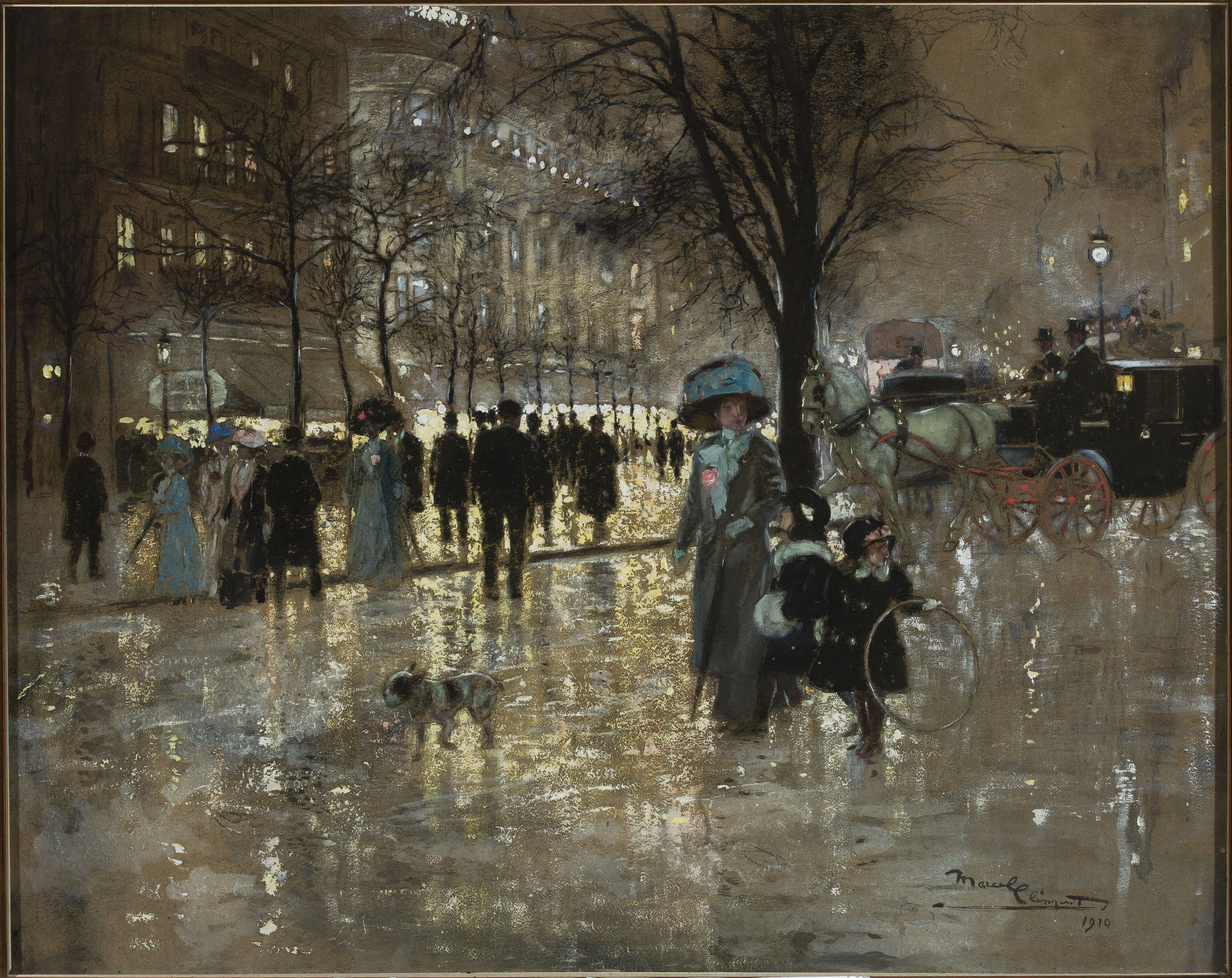
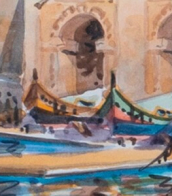
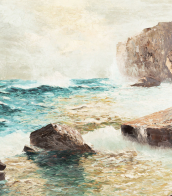
Amédée-Julien Marcel-Clément is a French landscape painter. He is known for his Parisian scenes and coastal views.


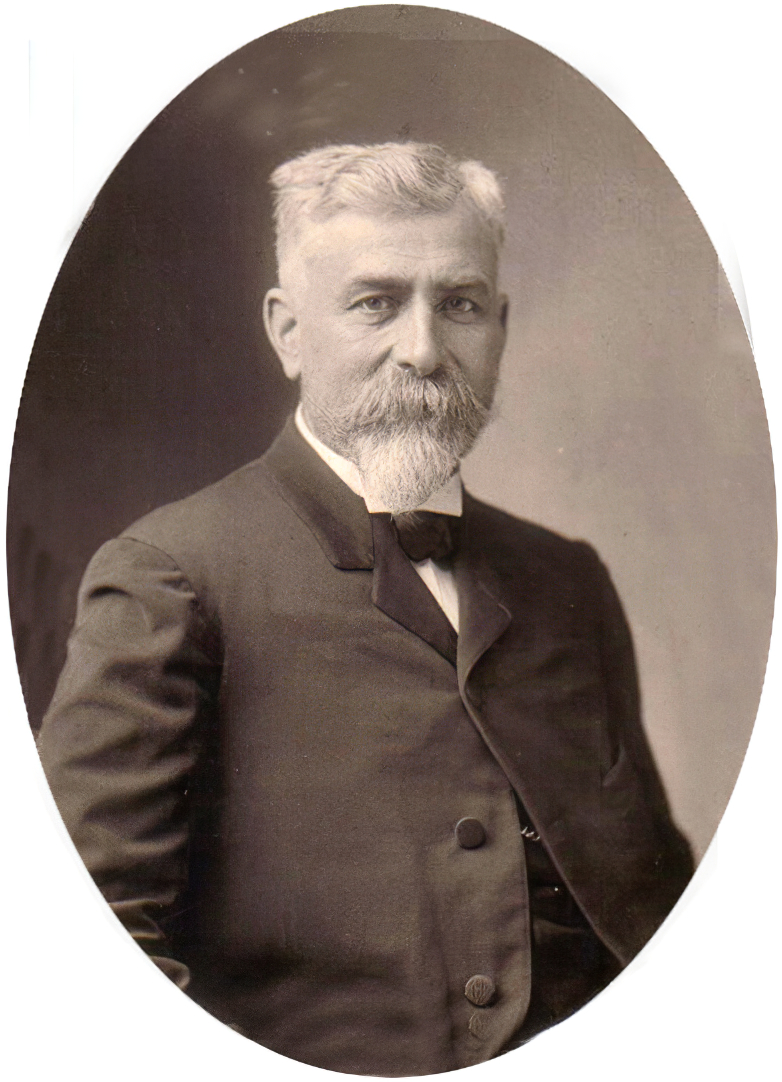
Julien Dupré, a distinguished French artist, emerged as a pivotal figure in the realm of painting, celebrated for his vivid and heartfelt portrayals of peasant life. Born into a family of jewelers in 1851, Dupré's artistic journey commenced in an unexpected turn of events when the Franco-Prussian war led him to pursue art, eventually studying at the École des Beaux-Arts under renowned teachers like Isidore Pils and Henri Lehmann.
Julien Dupré's oeuvre is renowned for its realistic depiction of rural scenes, particularly in Normandy and Brittany, capturing the essence of peasant life with a blend of romanticism and realism. His commitment to depicting the rustic life earned him prestigious accolades, including a gold medal at the Exposition Universelle in 1889 and the esteemed Legion of Honour in 1892.
Among his notable works are "The Hay Harvest" at the Chimei Museum, "Haying Scene" at the St. Louis Art Museum, and "The Haymakers" at the Worcester Art Museum. These paintings not only illustrate Julien Dupré's masterful depiction of rural life but also resonate with art enthusiasts and collectors worldwide for their historical and cultural significance.
For collectors and art aficionados, Julien Dupré's paintings are a testament to a bygone era, offering a window into the pastoral life of 19th-century France. His works are not merely artistic endeavors but historical narratives woven onto canvas, celebrating the unvarnished beauty of the countryside and its inhabitants.
If you're captivated by Julien Dupré's artistic legacy and wish to stay informed about upcoming sales and auction events featuring his works, consider signing up for updates. This subscription is your gateway to exploring the enchanting world of Dupré, ensuring you're abreast of the latest opportunities to own a piece of French art history.