land century
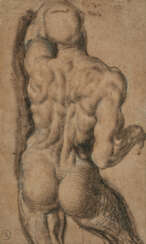

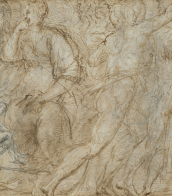
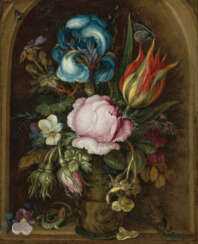

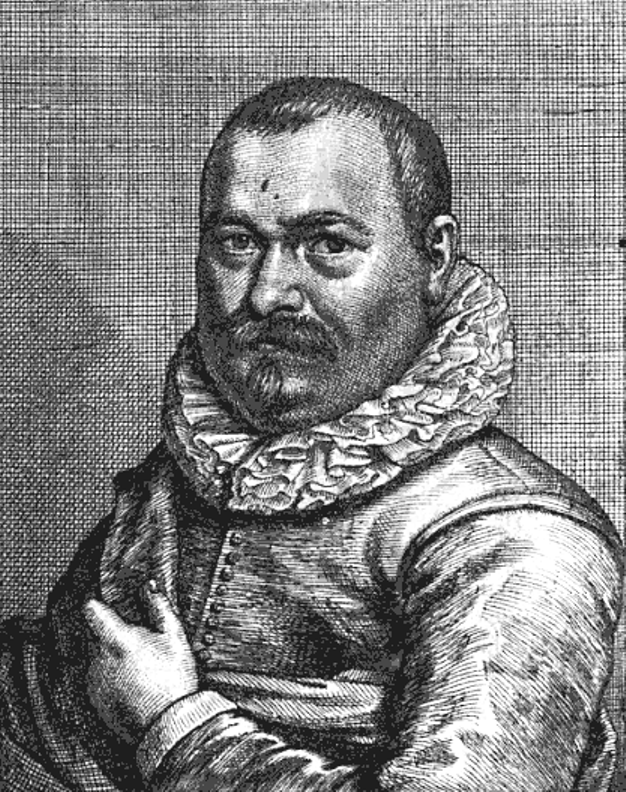
Roelant Savery was a Flanders-born Dutch Golden Age painter.
Savery primarily painted landscapes in the Flemish tradition of Gillis van Coninxloo, often embellished with many meticulously painted animals and plants, regularly with a mythological or biblical theme as background. He also painted multiple flower still lifes; bouquets in stone niches, sometimes with lizards such as Flowers with Two Lizards, insects or fallen petals and regarded as his best work.
His unique style of painting, related to the then reigning Mannerism, has been highly popular with collectors and can be found in many museums in Europe and North America. His preparatory drawings are also valued highly.
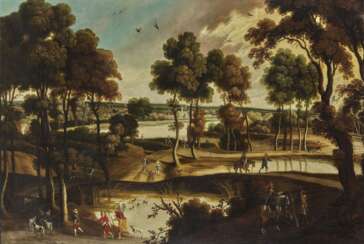



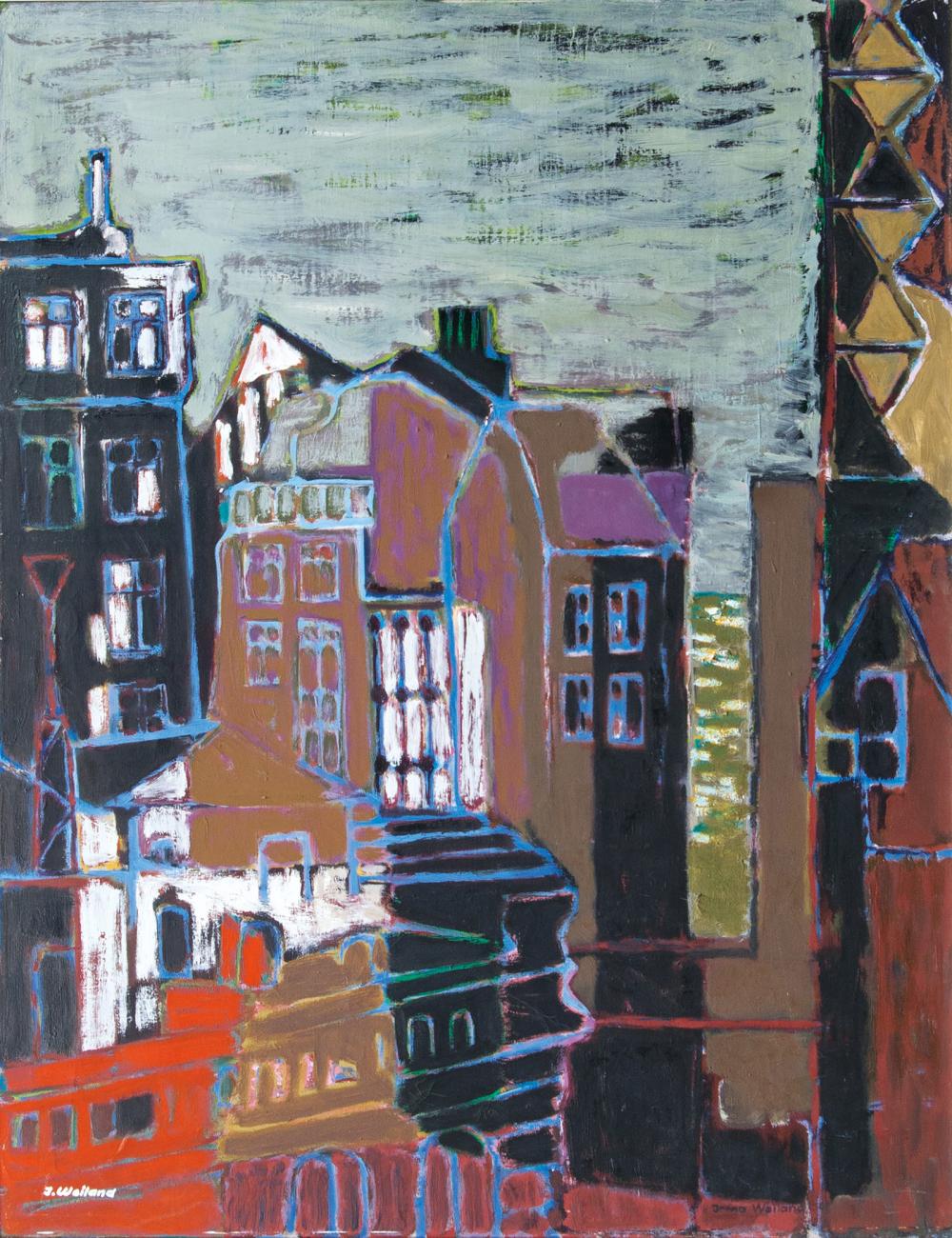
Irma Weiland was a German artist who worked mainly in painting and drawing.
Throughout her career, Weiland explored various artistic styles, including expressionism, surrealism and abstraction. She was particularly known for her expressive works, in which she often used bold colours and geometric shapes.
Irma Weiland's paintings are included in many private and public collections.
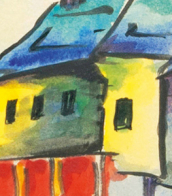
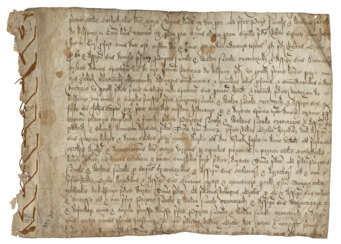

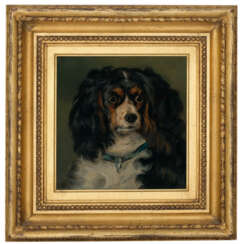

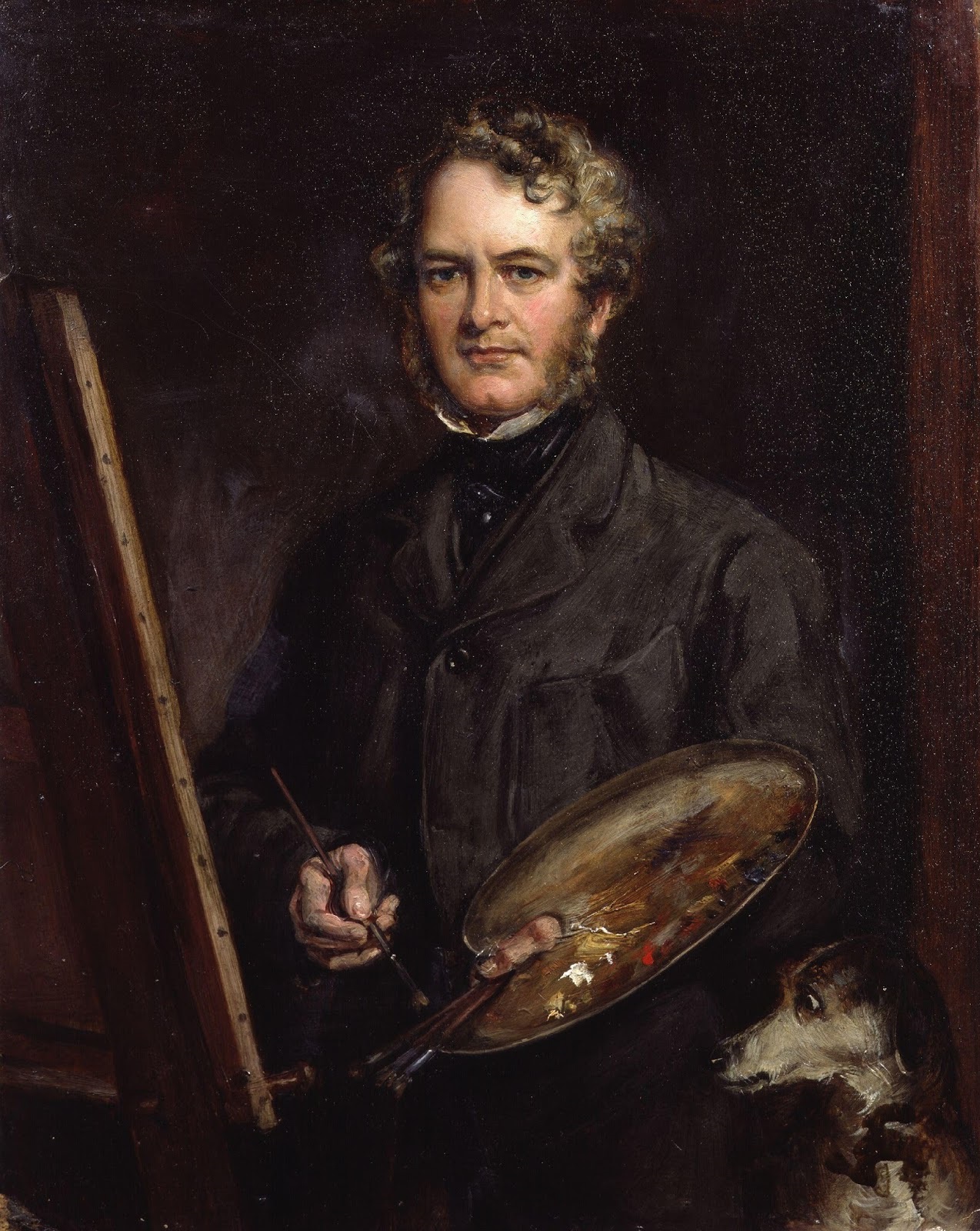
Edwin Henry Landseer was an English painter and sculptor, well known for his paintings of animals – particularly horses, dogs, and stags. However, his best-known works are the lion sculptures at the base of Nelson's Column in Trafalgar Square.








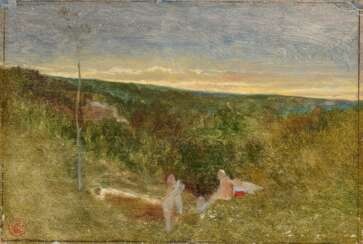

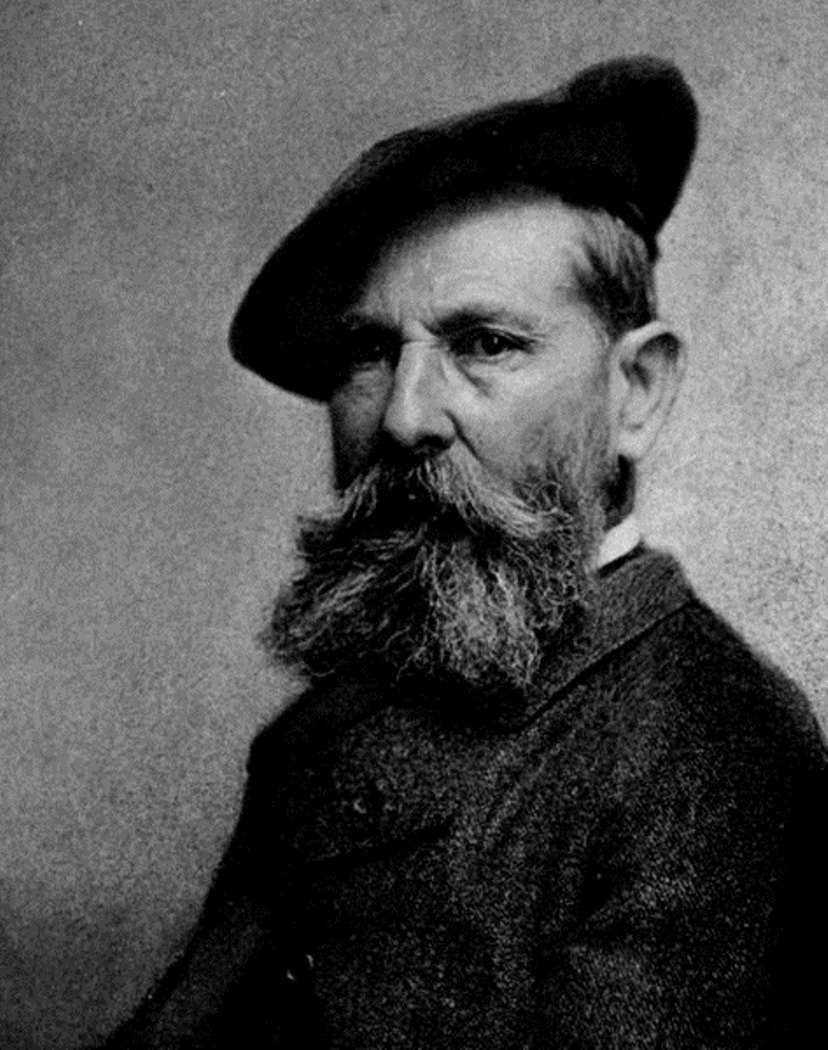
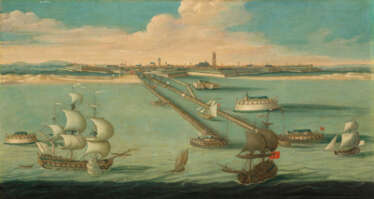

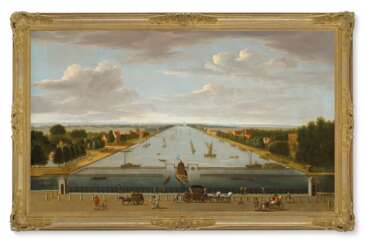



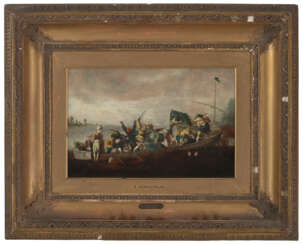

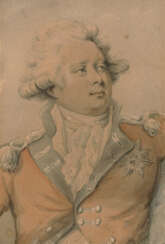

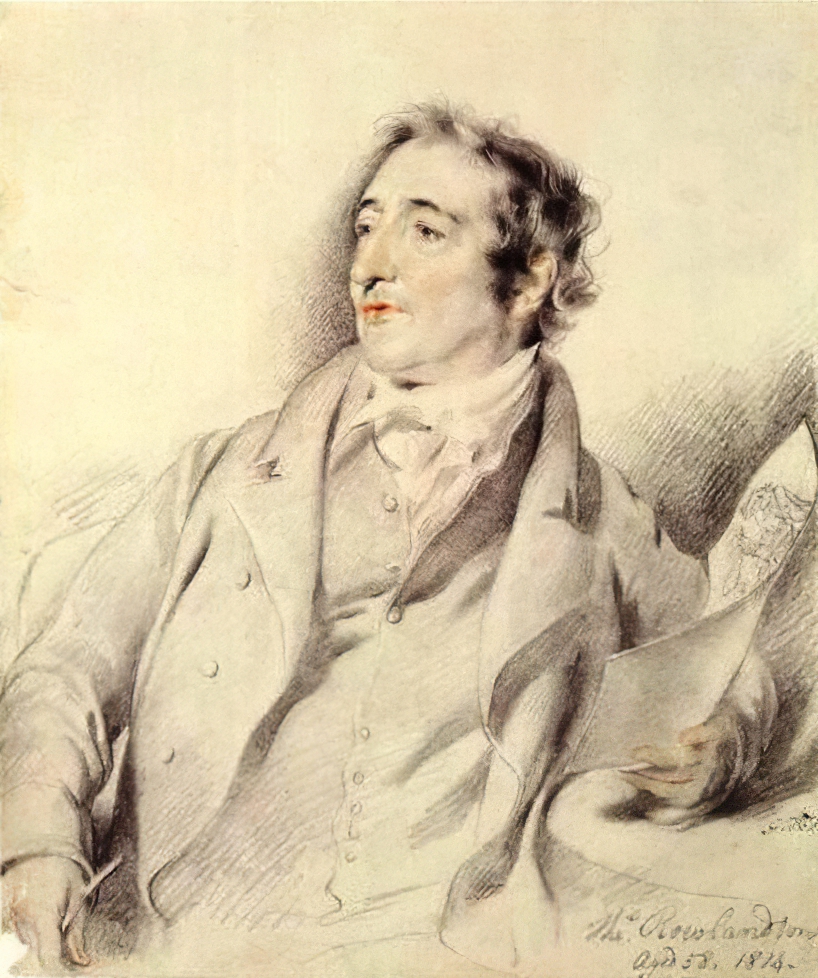
Thomas Rowlandson was an English artist and caricaturist of the Georgian Era, noted for his political satire and social observation. A prolific artist and printmaker, Rowlandson produced both individual social and political satires, as well as a large number of illustrations for novels, humorous books, and topographical works. Like other caricaturists of his age such as James Gillray, his caricatures are often robust or bawdy. Rowlandson also produced highly explicit erotica for a private clientele; this was never published publicly at the time and is now only found in a small number of collections. His caricatures included those of people in power such as the Duchess of Devonshire, William Pitt the Younger and Napoleon Bonaparte.
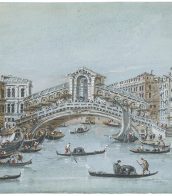
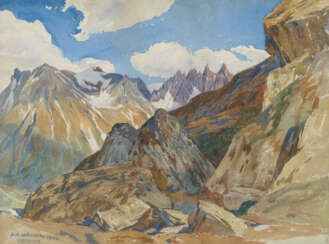

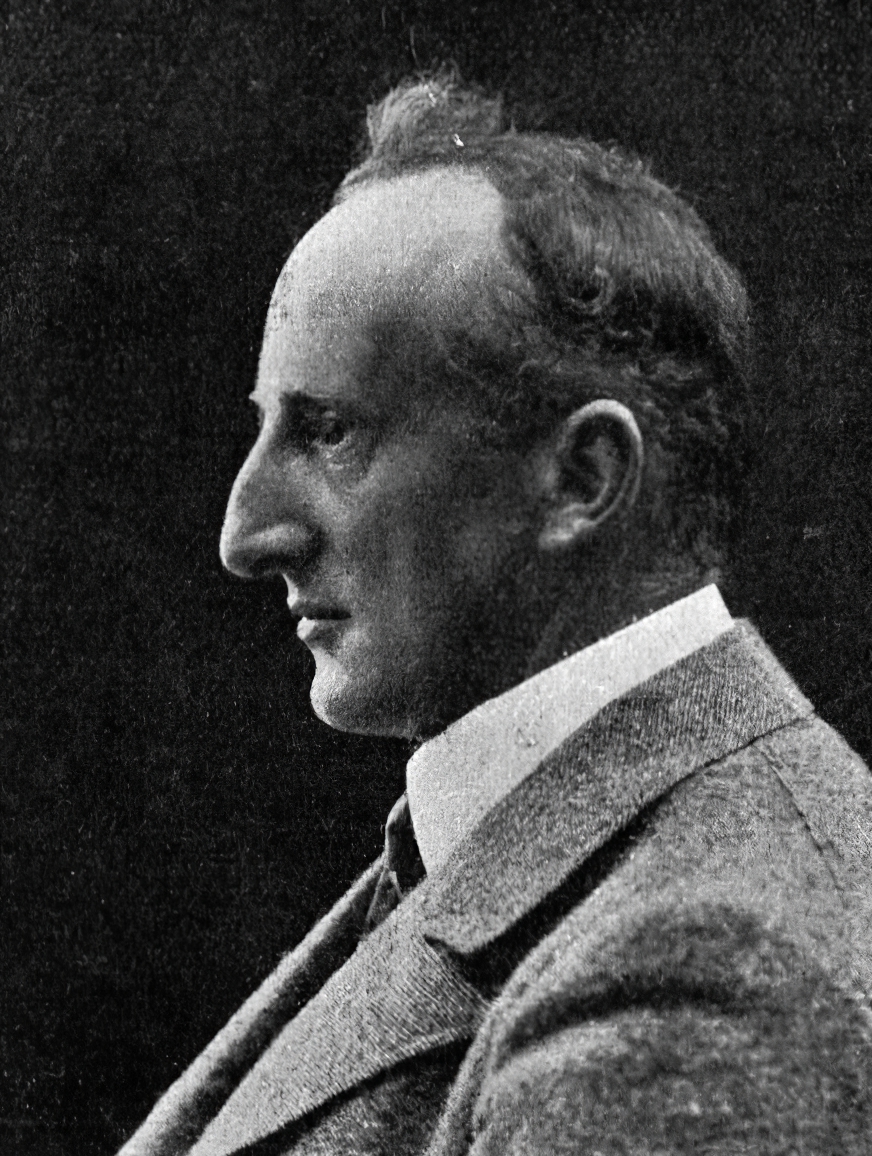
Hans Beat Wieland was a Swiss painter, best known for his realist paintings of Alpine sceneries.
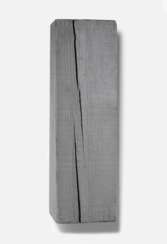

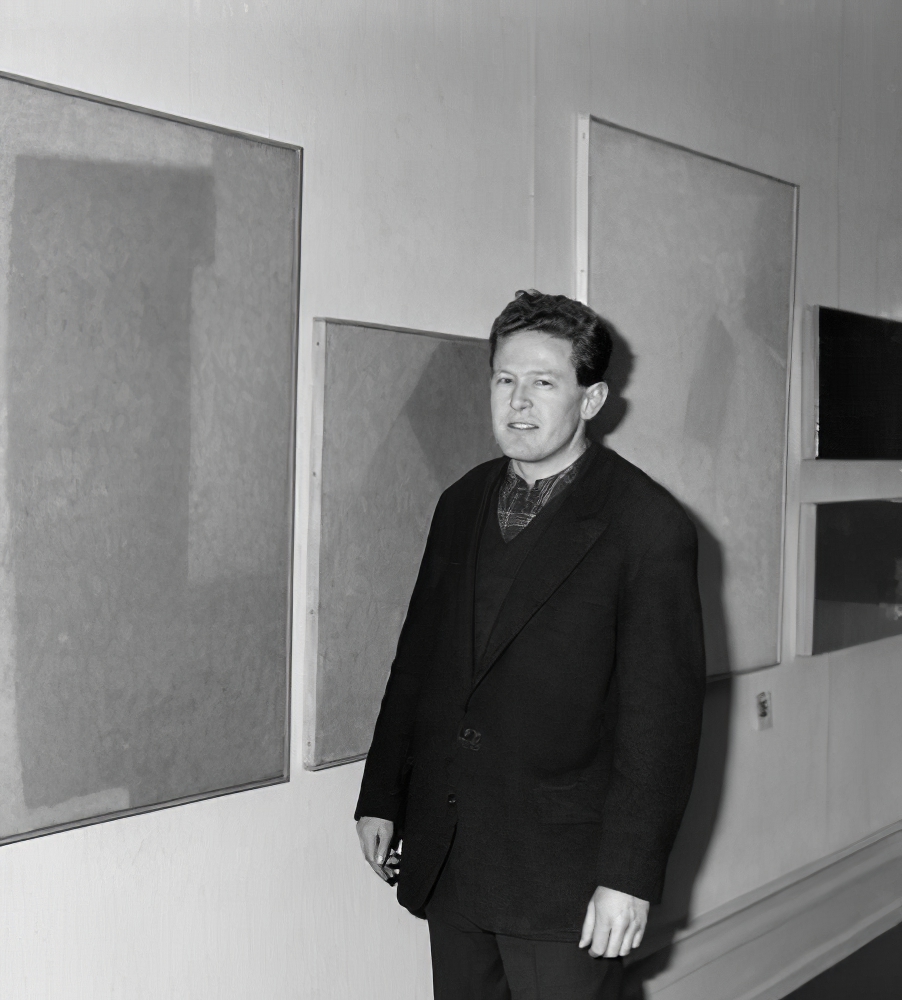
Roland Werro is a Swiss conceptual artist, sculptor and graphic designer.
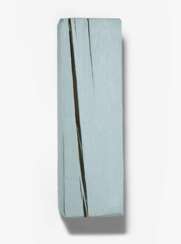

Roland Werro is a Swiss conceptual artist, sculptor and graphic designer.
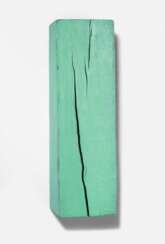

Roland Werro is a Swiss conceptual artist, sculptor and graphic designer.
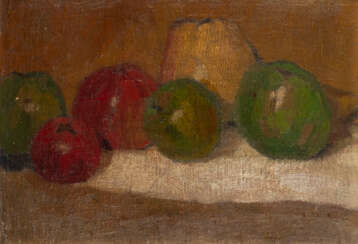

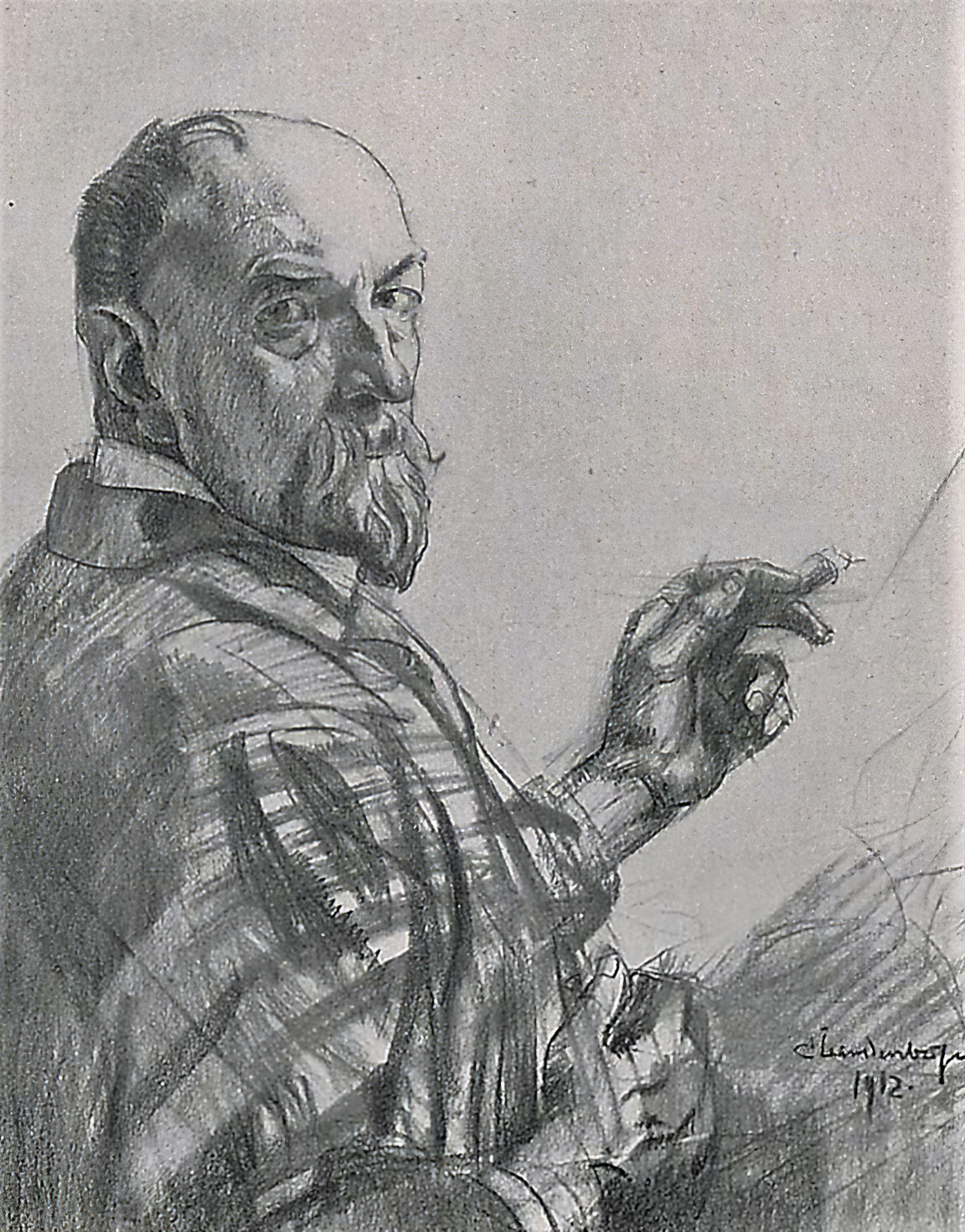
Christian Adam Landenberger was a German Impressionist painter and a professor at the State Academy of Fine Arts Stuttgart. He is especially known for his landscapes.
At first, he created realistic canvases using a dark palette. After 1890, he used brighter colors with lighting effects and broad brushstrokes. He is considered to have been one of the pioneers of German plein-air painting. After 1919, he began to produce etchings of a religious nature.




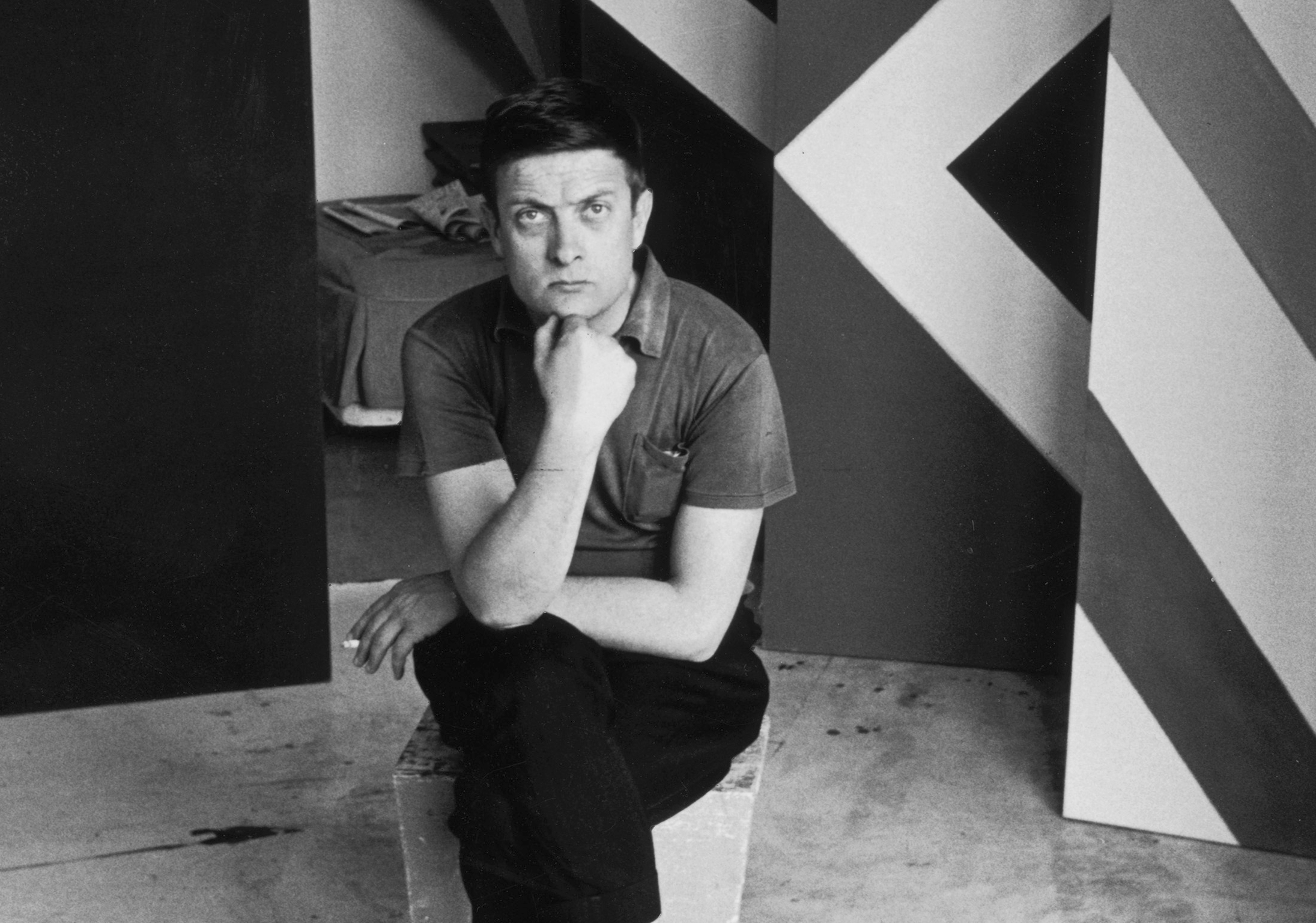
Kenneth Noland was an American painter, renowned for his pivotal role in the Color Field movement and his minimalist approach to art. Born in 1924, Noland's exploration of color and shape earned him a place among the most influential post-war American artists. His work is celebrated for its innovation in abstract painting, where he moved away from the gestural brushwork of Abstract Expressionism to a more structured, geometric form.
Noland's journey into the art world was nurtured by his "Sunday painter" father and propelled by his studies at Black Mountain College. There, luminaries like Josef Albers introduced him to the principles of color theory that became central to his practice. His iconic "Targets" series, featuring concentric circles on square canvases, showcased his fascination with the interaction of colors and their impact on the observer.
His pieces, often large-scale canvases, feature bold color blocks and striking patterns, which are housed in prestigious institutions worldwide, such as the Guggenheim Museum and the Tate. His chevron series, characterized by their V-like patterns, stand out as a testament to his minimalist yet powerful style, cementing his legacy in the realms of painting, art, and culture.
For collectors and art and antiques experts, Noland's works represent a transformative period in modern art, where simplicity and color spoke as loudly as the subject matter once did. His works are not just paintings; they are experiences crafted through the meticulous balance of form and hue.
If you're looking to stay informed on sales and auction events related to Kenneth Noland's transformative works, sign up for updates. Rest assured, our communications will focus solely on new product sales and auction events relevant to your interests.