

land in colorado

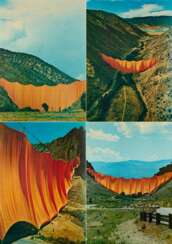

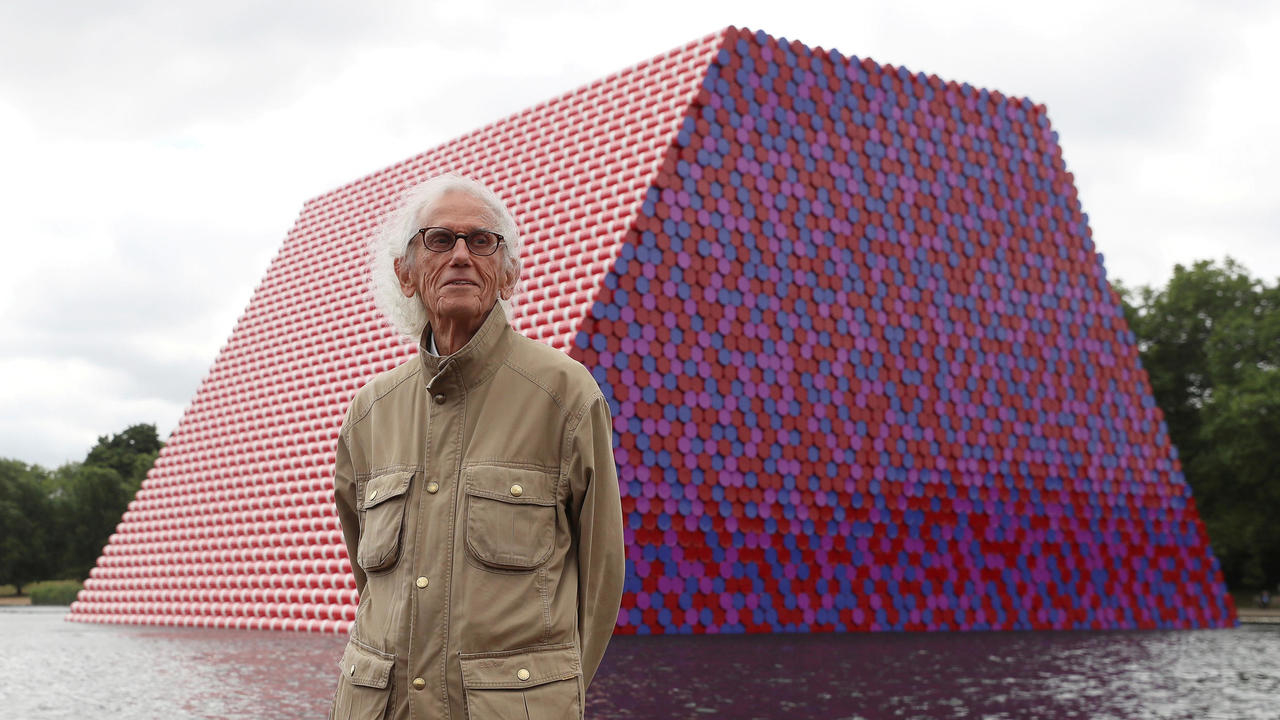
Christo Yavashev is a Bulgarian-born American sculptor and artist who, with his wife Jeanne-Claude de Guillebon, became famous for his work, in which he «packaged» objects ranging from a typewriter and a car to the Reichstag building and an entire seashore.


Christo Yavashev is a Bulgarian-born American sculptor and artist who, with his wife Jeanne-Claude de Guillebon, became famous for his work, in which he «packaged» objects ranging from a typewriter and a car to the Reichstag building and an entire seashore.

Christo Yavashev is a Bulgarian-born American sculptor and artist who, with his wife Jeanne-Claude de Guillebon, became famous for his work, in which he «packaged» objects ranging from a typewriter and a car to the Reichstag building and an entire seashore.
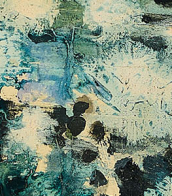
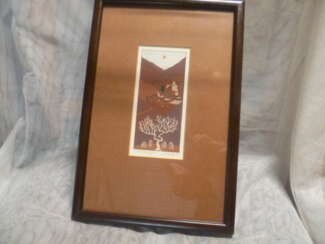

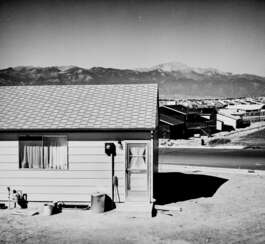

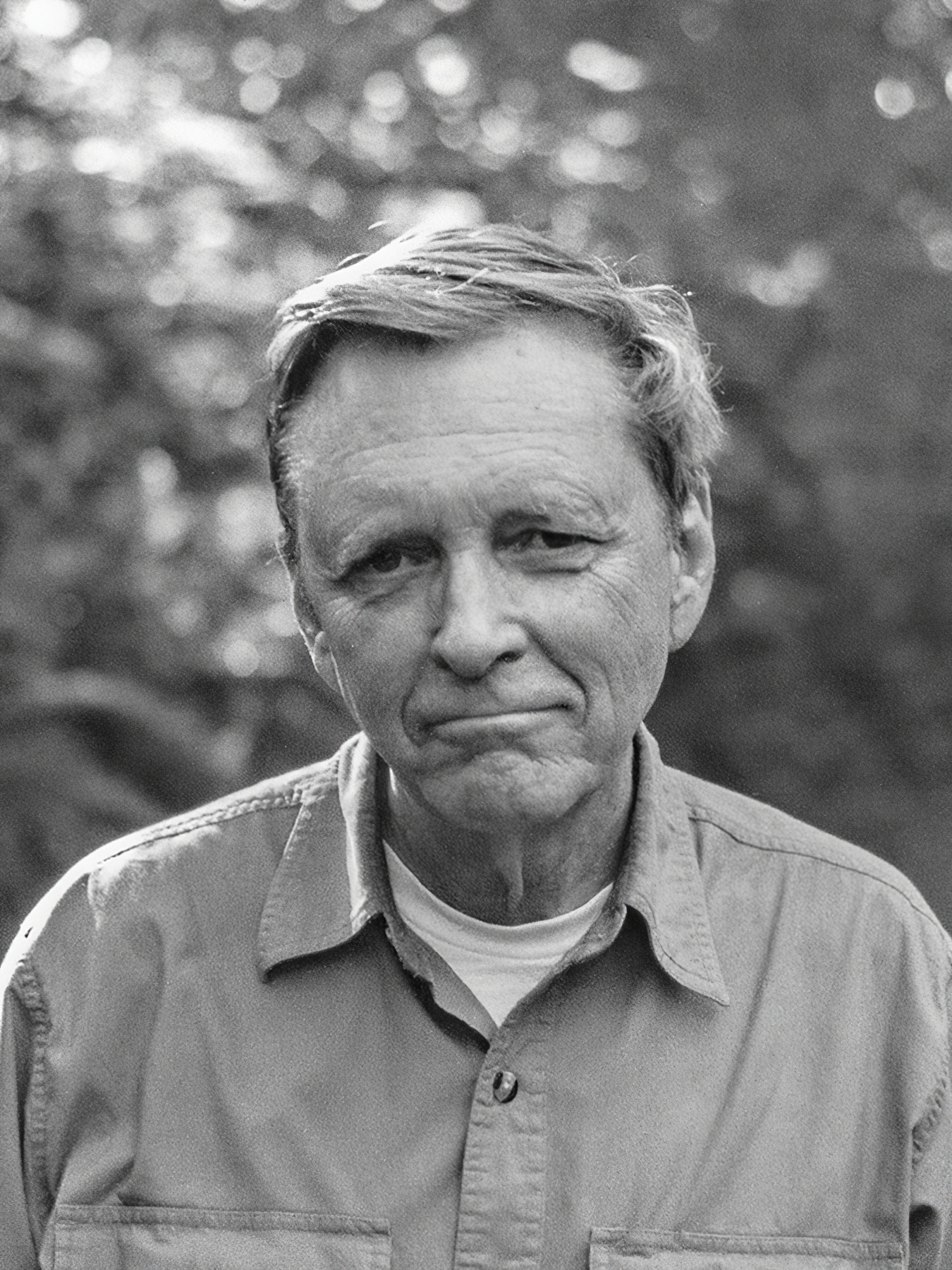
Robert Adams is an acclaimed American photographer known for his profound exploration of the American West's changing landscapes. His work, which gained prominence in the mid-1970s, delves into the tension between the natural beauty of the land and the marks of human encroachment. Adams's photography is a reflection on humanity's relationship with the environment, offering both a critique and a celebration of the landscape.
Robert Adams's notable series, such as "Turning Back" and "The New West," showcase his unique perspective on environmental and urban development issues. His work extends beyond just capturing images; it is a thoughtful commentary on the balance between nature and industrialization. His photographs, often devoid of people, focus on the land itself, telling a story of alteration and resilience.
Exhibitions of Adams's work, such as "American Silence: The Photographs of Robert Adams" at the National Gallery of Art, provide insight into his 50-year career and his ability to capture the silent yet profound narratives of the American landscape. His pieces are part of major collections and have been featured in numerous retrospectives, underlining his influence and significance in the world of photography.
For art collectors and enthusiasts, Robert Adams's work offers a poignant perspective on the American West, blending aesthetic beauty with critical environmental commentary. Engaging with his work invites reflection on our interaction with the landscape and our role in shaping the environment.
If you're interested in staying updated on Robert Adams's work and exhibitions, consider subscribing to newsletters from galleries and museums that feature his art. This way, you'll be informed about new displays of his work and opportunities to engage with his insightful perspectives on the American West.
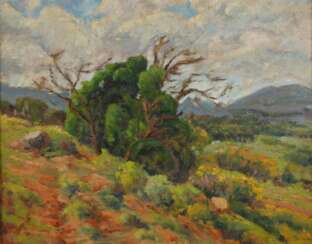











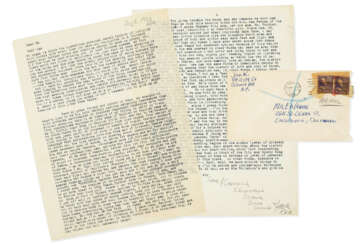

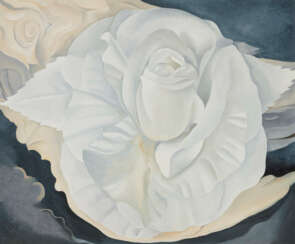

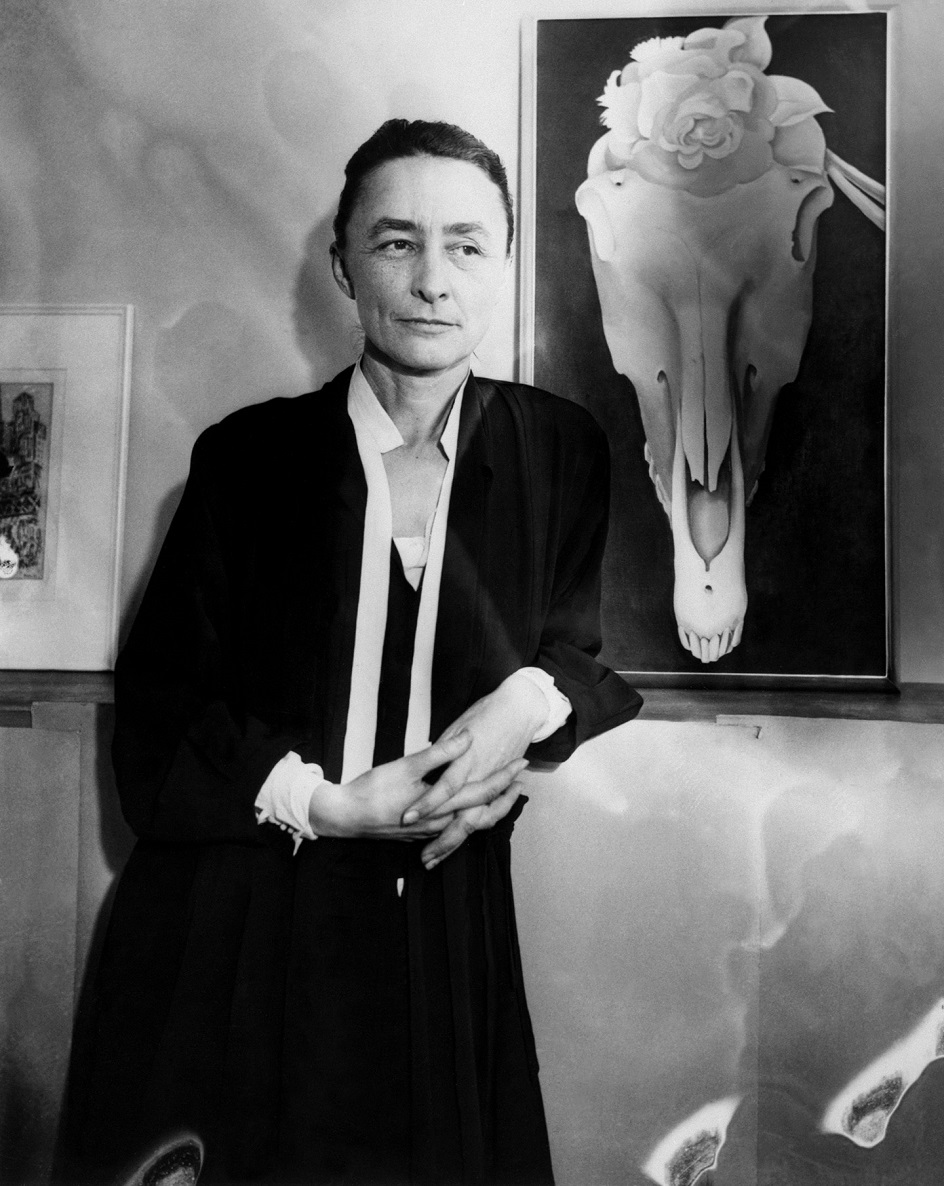
Georgia Totto O'Keeffe was an American modernist artist. She was known for her paintings of enlarged flowers, New York skyscrapers, and New Mexico landscapes. O'Keeffe has been called the "Mother of American modernism".
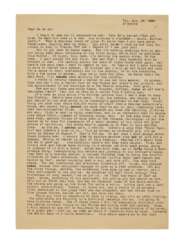

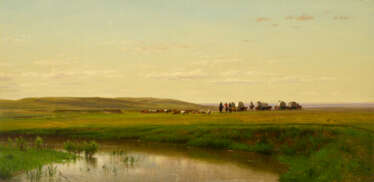

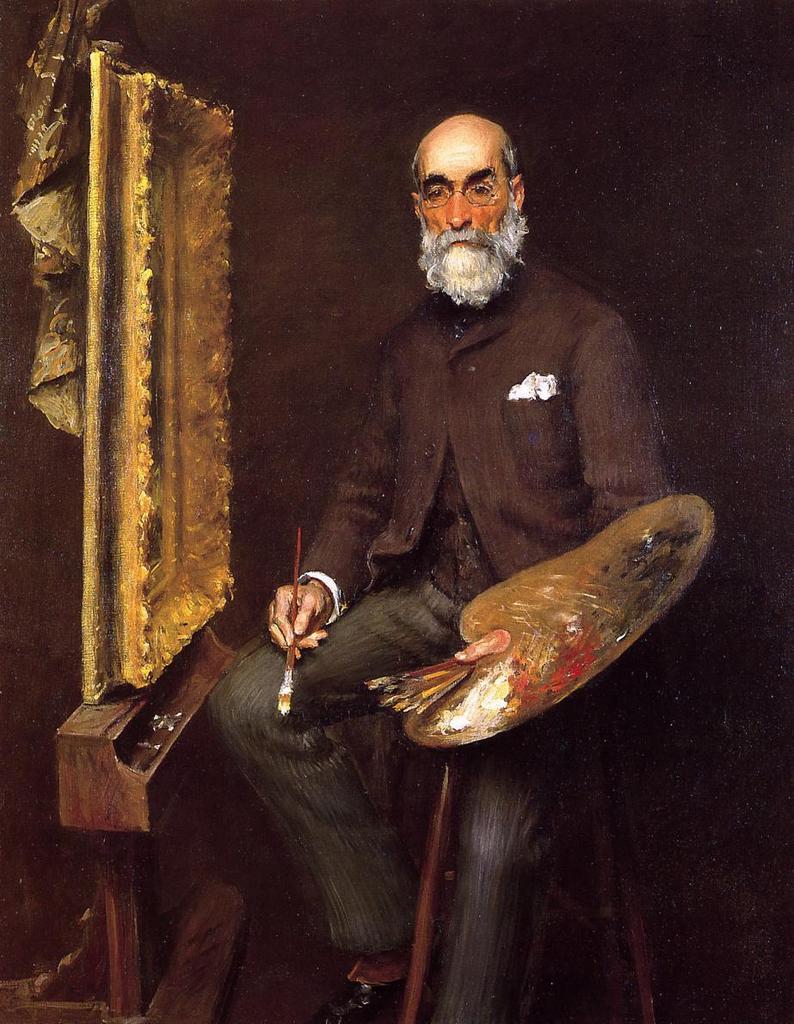
Thomas Worthington Whittredge was an American artist, a prominent figure of the Hudson River School, and is celebrated for his poetic forest scenes and serene landscapes. Born near Springfield, Ohio, Whittredge embarked on a journey that would see him become a household name in American art. His works are known for their depiction of the vastness and silence of the Plains, which he described as having a profound impact on him. He is particularly remembered for his trips to the West, which greatly influenced his art, leading to masterpieces that are treasured for their linear horizons and stark beauty.
Whittredge's legacy is preserved in the collections of esteemed institutions such as the Metropolitan Museum of Art in New York and the Louvre in Paris. His works, like 'The Trout Pool' (1870) and 'The Old Hunting Grounds' (1864), continue to enchant viewers with their tranquility and aesthetic appeal. His life, detailed in his autobiography, reflects a passionate dedication to capturing the essence of the American landscape.
For collectors, auctioneers, and experts in art and antiques, the works of Thomas Worthington Whittredge offer a timeless investment. His paintings are a testament to the Hudson River School's vision and skill, reflecting a deep connection to the American spirit. To stay informed about new product sales and auction events related to Whittredge, sign up for updates and ensure you don't miss the opportunity to own a piece of American art history.


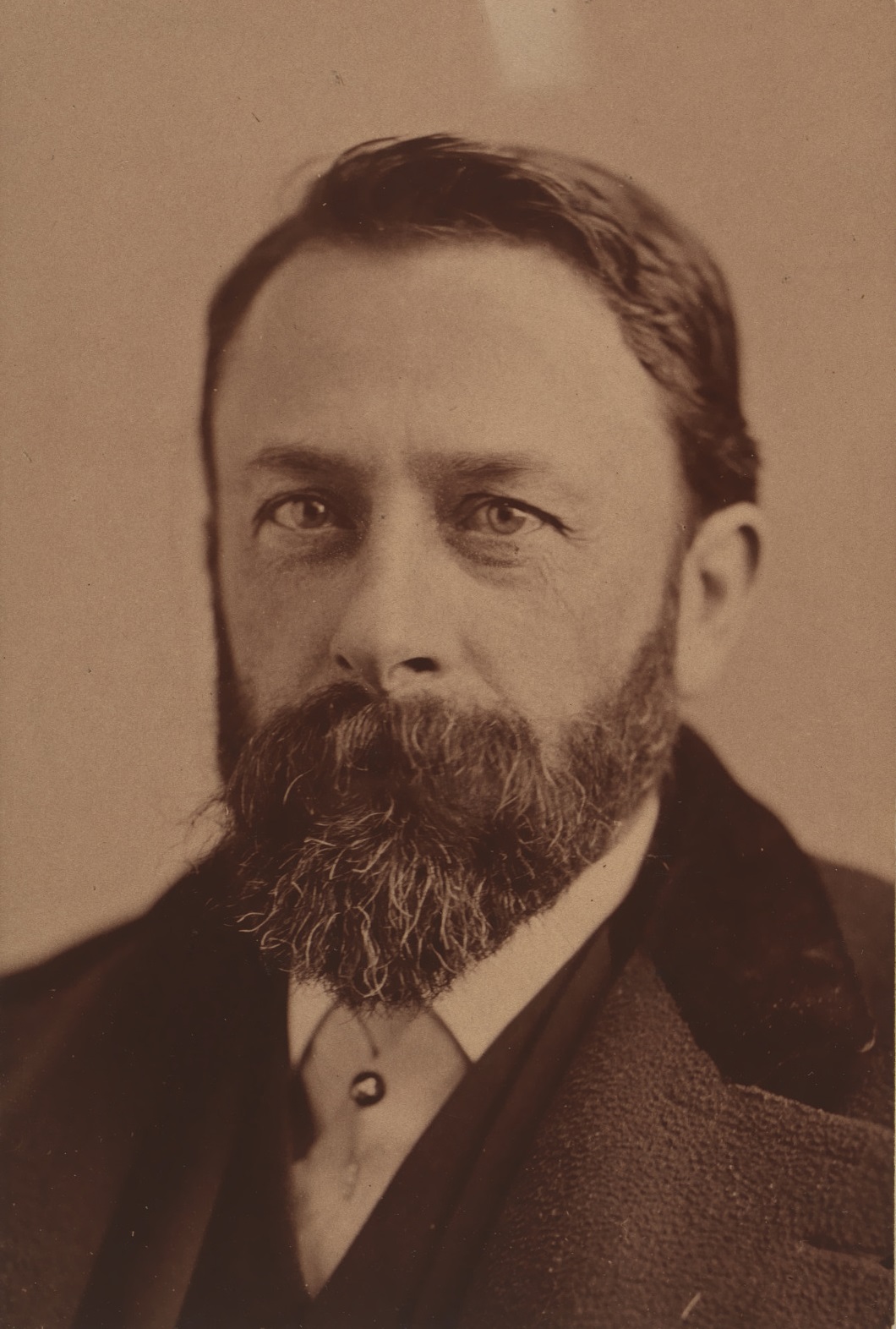
Albert Bierstadt, a German-American painter, became renowned for his expansive and romanticized landscapes of the American West. Born in Solingen, Germany, in 1830, Bierstadt moved to New Bedford, Massachusetts, at the age of two with his family. Largely self-taught, he initially worked as a drawing teacher before traveling to Europe to hone his skills. Bierstadt's European studies, particularly in Düsseldorf, greatly influenced his artistic style, equipping him with the techniques that he would later apply to his majestic depictions of the American wilderness.
Bierstadt's first major expedition to the West in 1859 marked the beginning of his lifelong fascination with the region. His works from this period, such as "The Rocky Mountains, Lander's Peak" (1863), captured the public imagination and established him as a leading figure in the Hudson River School. These paintings were celebrated for their detailed and idealized portrayal of the rugged landscapes and played a role in shaping the perception of the American West during a time of rapid territorial expansion and exploration.
Despite his success, Bierstadt's style fell out of favor towards the end of his career as tastes shifted towards realism and Impressionism. His later works, including "The Last of the Buffalo" (1888), were criticized for their perceived theatricality and excessive romanticism. Bierstadt's popularity waned, and he faced financial difficulties, but his legacy experienced a resurgence in the mid-20th century as interest in his technique and contributions to American art history grew.
For collectors and enthusiasts of American landscape painting, Bierstadt’s works offer a vivid, albeit embellished, glimpse into the 19th-century frontier spirit. His paintings are housed in major institutions like the Metropolitan Museum of Art and the National Gallery of Art, serving as testaments to his skill and vision.
To stay updated on exhibitions and sales related to Albert Bierstadt's works, consider signing up for alerts tailored to his artistic contributions. This subscription will keep you informed about new discoveries and auction events specifically linked to Bierstadt's enduring legacy.


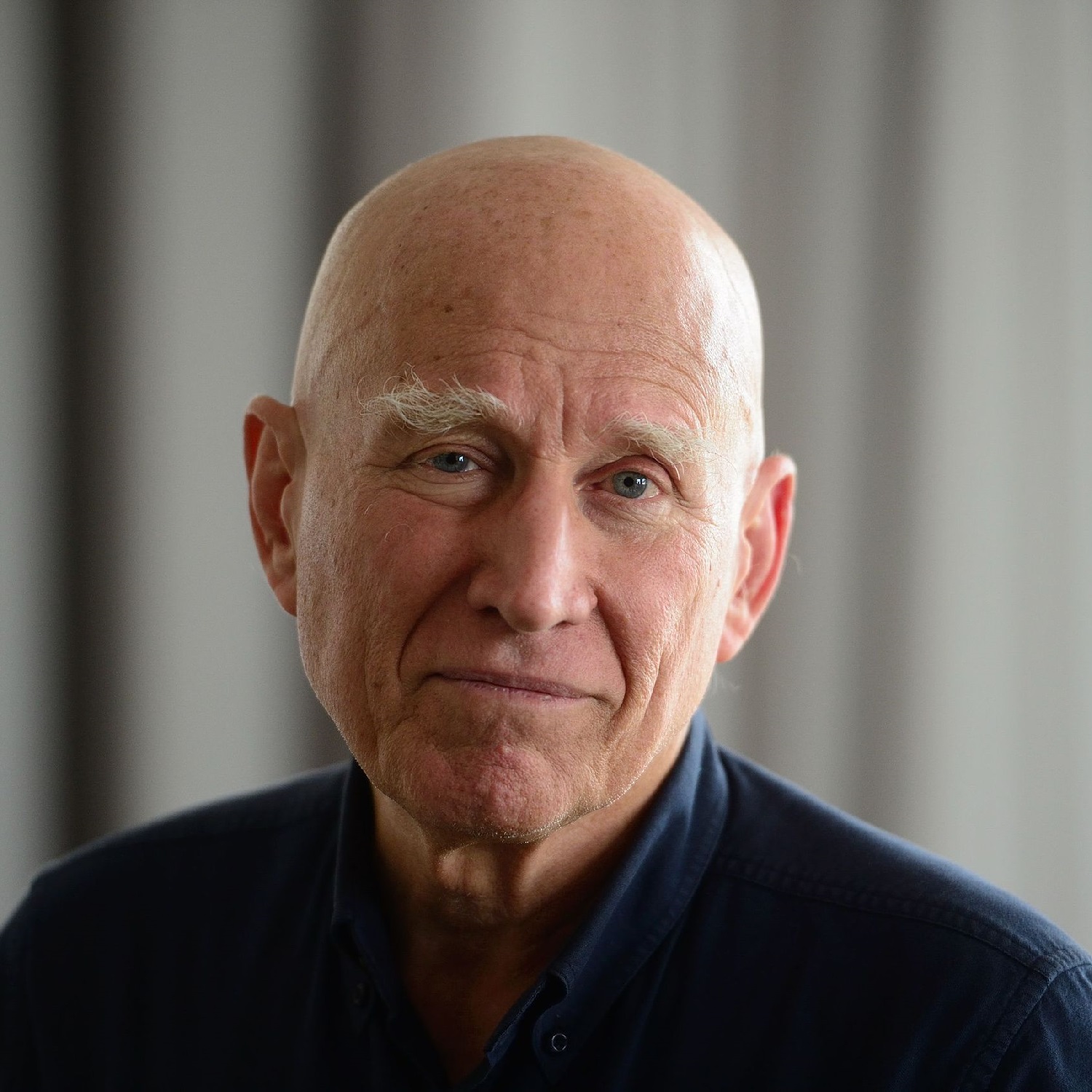
Sebastião Ribeiro Salgado is a Brazilian social documentary photographer and photojournalist.
He has traveled in over 120 countries for his photographic projects. Most of these have appeared in numerous press publications and books. Touring exhibitions of his work have been presented throughout the world.
Salgado is a UNICEF Goodwill Ambassador. He was awarded the W. Eugene Smith Memorial Fund Grant in 1982, Foreign Honorary Membership of the American Academy of Arts and Sciences in 1992 and the Royal Photographic Society's Centenary Medal and Honorary Fellowship (HonFRPS) in 1993. He has been a member of the Académie des Beaux-Arts at the Institut de France since April 2016.
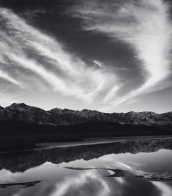
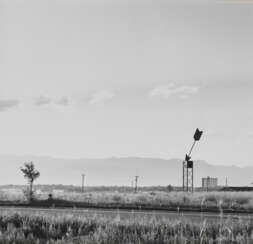

Robert Adams is an acclaimed American photographer known for his profound exploration of the American West's changing landscapes. His work, which gained prominence in the mid-1970s, delves into the tension between the natural beauty of the land and the marks of human encroachment. Adams's photography is a reflection on humanity's relationship with the environment, offering both a critique and a celebration of the landscape.
Robert Adams's notable series, such as "Turning Back" and "The New West," showcase his unique perspective on environmental and urban development issues. His work extends beyond just capturing images; it is a thoughtful commentary on the balance between nature and industrialization. His photographs, often devoid of people, focus on the land itself, telling a story of alteration and resilience.
Exhibitions of Adams's work, such as "American Silence: The Photographs of Robert Adams" at the National Gallery of Art, provide insight into his 50-year career and his ability to capture the silent yet profound narratives of the American landscape. His pieces are part of major collections and have been featured in numerous retrospectives, underlining his influence and significance in the world of photography.
For art collectors and enthusiasts, Robert Adams's work offers a poignant perspective on the American West, blending aesthetic beauty with critical environmental commentary. Engaging with his work invites reflection on our interaction with the landscape and our role in shaping the environment.
If you're interested in staying updated on Robert Adams's work and exhibitions, consider subscribing to newsletters from galleries and museums that feature his art. This way, you'll be informed about new displays of his work and opportunities to engage with his insightful perspectives on the American West.


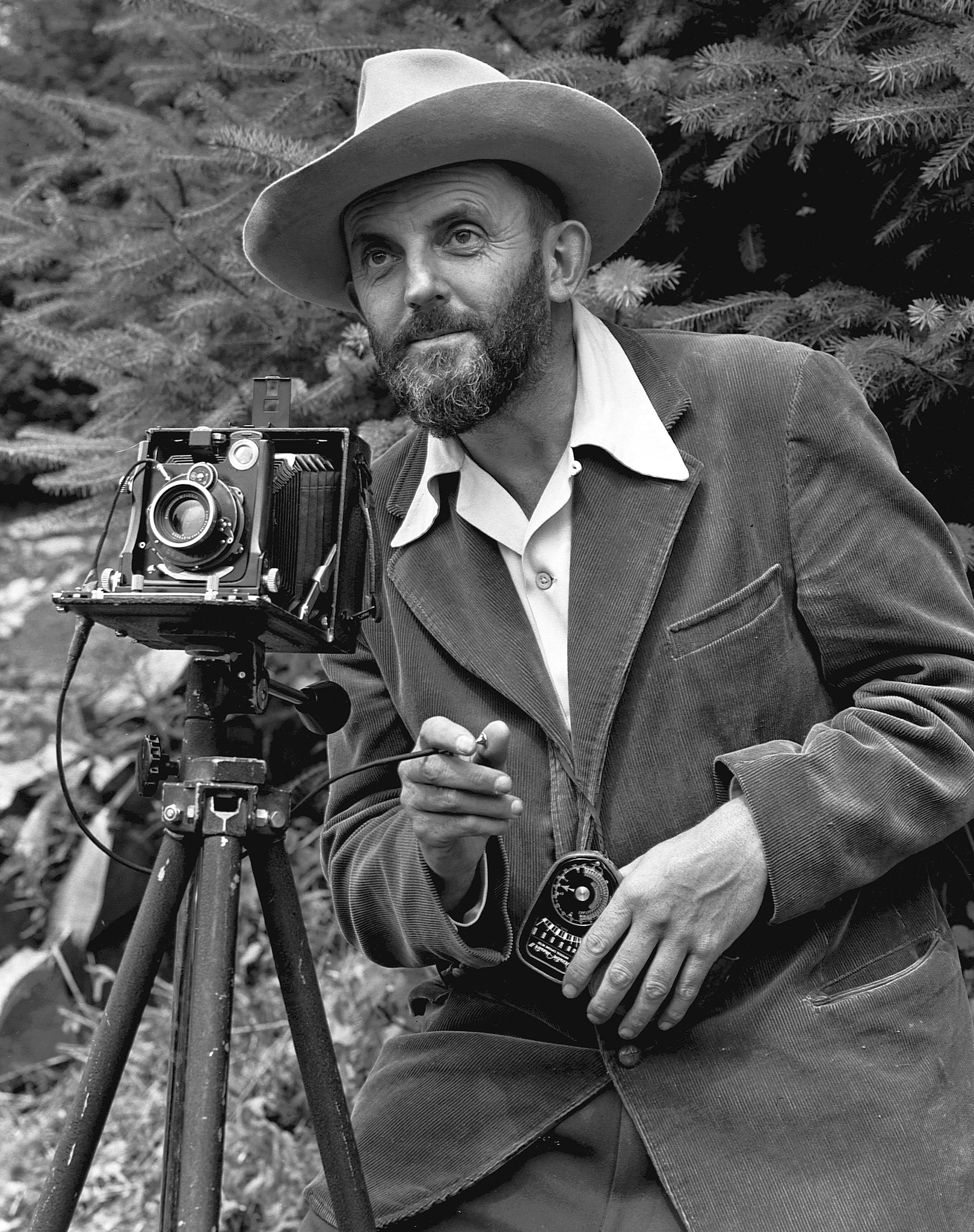
Ansel Easton Adams was an American photographer and environmentalist, celebrated for his black-and-white images of the American West, particularly Yosemite National Park. His profound connection with nature was not only the subject of his art but also the essence of his environmental advocacy, earning him a revered place in both the art and conservation worlds.
Ansel Adams' early exposure to the beauty of nature and a supportive family environment nurtured his dual interests in music and photography. His photographic journey began with a simple Kodak Box Brownie camera, which he used during his early visits to Yosemite, a place that would become the central theme of his life's work. Ansel Adams' dedication to photography and the environment was interwoven, as he utilized his art to advocate for the conservation of America's natural landscapes.
In the 1930s, Adams co-founded Group f/64, advocating for photographic purity and sharpness of focus, principles that would define his work. His role in establishing the photography department at the Museum of Modern Art in New York underscored his commitment to elevating photography as a respected art form. Ansel Adams' work has been exhibited in prestigious institutions such as the Smithsonian American Art Museum and MoMA, showcasing his contributions to American art and environmentalism.
For collectors and art experts, Ansel Adams' legacy transcends his iconic images; it lies in his ability to merge aesthetic excellence with a passionate message of environmental stewardship. His photographs not only capture the grandeur of landscapes but also serve as a timeless call to preserve the natural world.
To delve deeper into the world of Ansel Easton Adams and stay updated on new product sales and auction events related to his work, signing up for updates is a step toward embracing the heritage of a pivotal figure in art and environmental advocacy.
Join our community of art and antique enthusiasts to honor Adams' vision and ensure his message continues to inspire future generations.


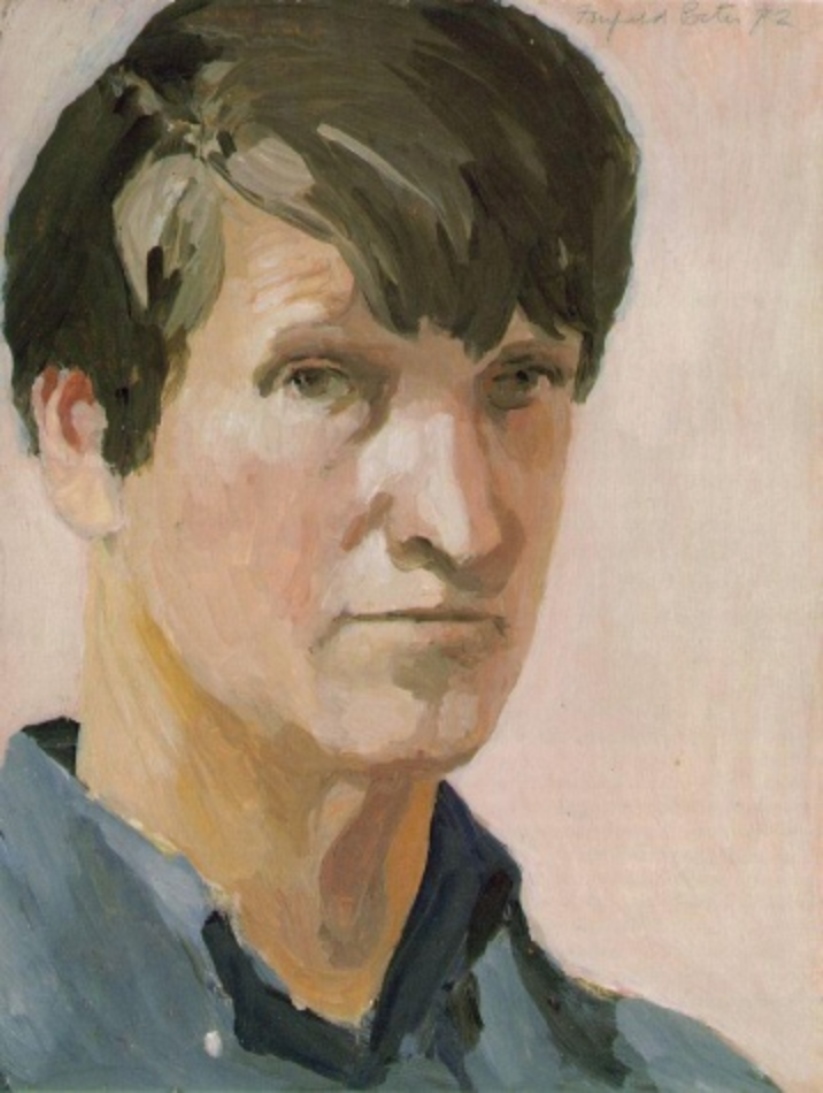
Fairfield Porter is an American artist known for his realistic paintings depicting his family, friends, and the natural environment. Porter began his career as an abstract painter, but later switched to a realistic style. His work is notable for its vibrant colors and his ability to convey the atmosphere and mood of his subjects. He is also known for his landscapes, including seascapes, which often depict his native Maine. Porter was also a professor at Stony Brook University in Manhattan and wrote several essays and articles on art. His work can be seen at the Museum of Modern Art in New York, the Metropolitan Museum of Art and the National Gallery of Art in Washington, DC.
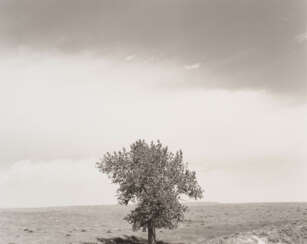

Robert Adams is an acclaimed American photographer known for his profound exploration of the American West's changing landscapes. His work, which gained prominence in the mid-1970s, delves into the tension between the natural beauty of the land and the marks of human encroachment. Adams's photography is a reflection on humanity's relationship with the environment, offering both a critique and a celebration of the landscape.
Robert Adams's notable series, such as "Turning Back" and "The New West," showcase his unique perspective on environmental and urban development issues. His work extends beyond just capturing images; it is a thoughtful commentary on the balance between nature and industrialization. His photographs, often devoid of people, focus on the land itself, telling a story of alteration and resilience.
Exhibitions of Adams's work, such as "American Silence: The Photographs of Robert Adams" at the National Gallery of Art, provide insight into his 50-year career and his ability to capture the silent yet profound narratives of the American landscape. His pieces are part of major collections and have been featured in numerous retrospectives, underlining his influence and significance in the world of photography.
For art collectors and enthusiasts, Robert Adams's work offers a poignant perspective on the American West, blending aesthetic beauty with critical environmental commentary. Engaging with his work invites reflection on our interaction with the landscape and our role in shaping the environment.
If you're interested in staying updated on Robert Adams's work and exhibitions, consider subscribing to newsletters from galleries and museums that feature his art. This way, you'll be informed about new displays of his work and opportunities to engage with his insightful perspectives on the American West.
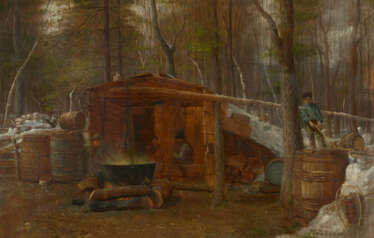

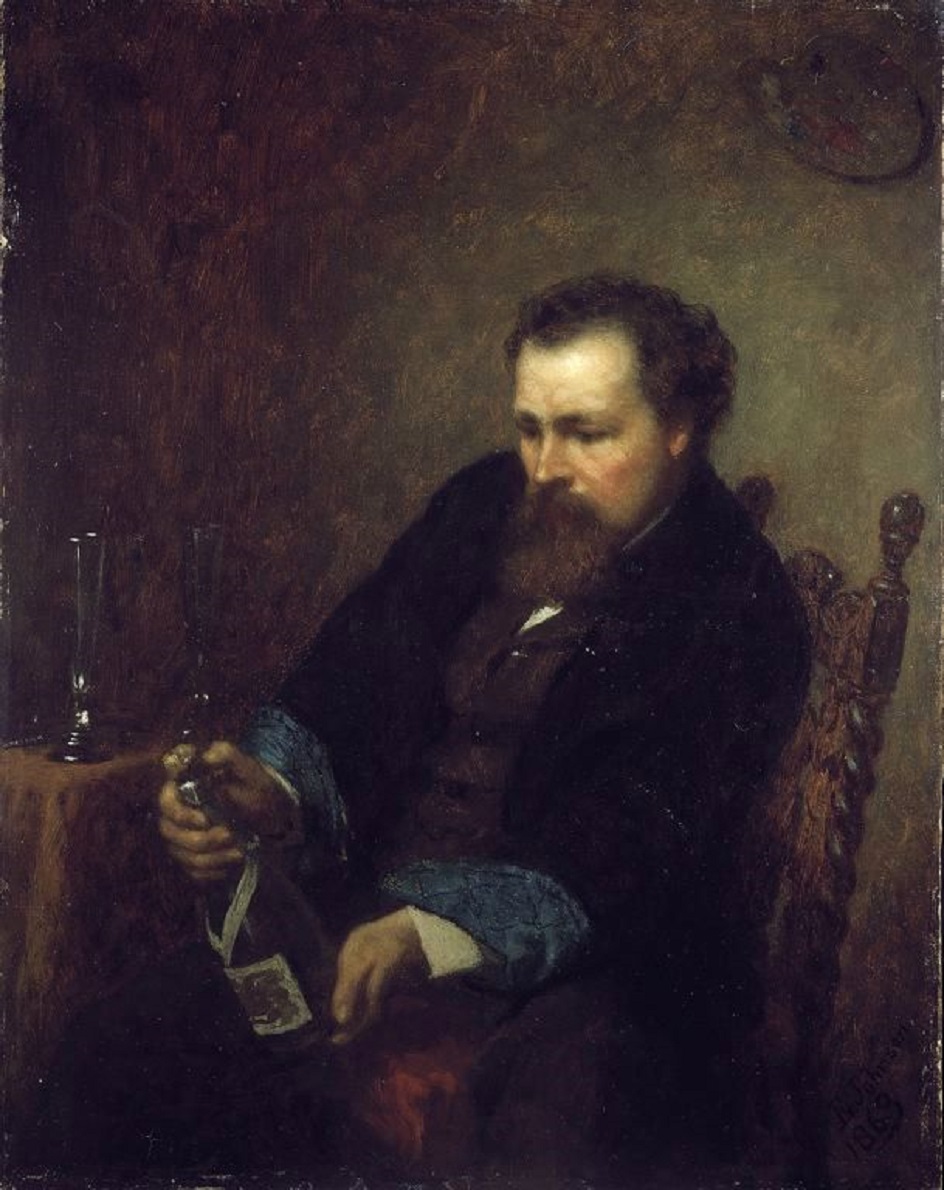
Eastman Johnson was a nineteenth-century American artist. He was known as a master of domestic and portrait genres. Johnson was a proponent of realism in art, his style was greatly influenced by the works of the Dutch and Flemish painters of the 17th century. Contemporaries often called him the "American Rembrandt".
Eastman Johnson in his paintings depicted for posterity many prominent historical figures and everyday life of his contemporaries - ordinary citizens of the United States. Many of his works of the domestic genre were devoted to the lives of black slaves. It was these works that brought the artist widespread fame, and in 1860 he was elected a full member of the National Academy of Design.
Johnson is one of the founders of the Metropolitan Museum of Art in New York, which now houses some of his paintings.
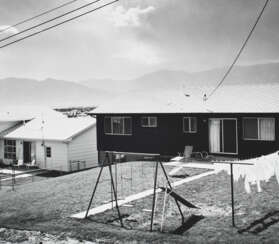

Robert Adams is an acclaimed American photographer known for his profound exploration of the American West's changing landscapes. His work, which gained prominence in the mid-1970s, delves into the tension between the natural beauty of the land and the marks of human encroachment. Adams's photography is a reflection on humanity's relationship with the environment, offering both a critique and a celebration of the landscape.
Robert Adams's notable series, such as "Turning Back" and "The New West," showcase his unique perspective on environmental and urban development issues. His work extends beyond just capturing images; it is a thoughtful commentary on the balance between nature and industrialization. His photographs, often devoid of people, focus on the land itself, telling a story of alteration and resilience.
Exhibitions of Adams's work, such as "American Silence: The Photographs of Robert Adams" at the National Gallery of Art, provide insight into his 50-year career and his ability to capture the silent yet profound narratives of the American landscape. His pieces are part of major collections and have been featured in numerous retrospectives, underlining his influence and significance in the world of photography.
For art collectors and enthusiasts, Robert Adams's work offers a poignant perspective on the American West, blending aesthetic beauty with critical environmental commentary. Engaging with his work invites reflection on our interaction with the landscape and our role in shaping the environment.
If you're interested in staying updated on Robert Adams's work and exhibitions, consider subscribing to newsletters from galleries and museums that feature his art. This way, you'll be informed about new displays of his work and opportunities to engage with his insightful perspectives on the American West.


Robert Adams is an acclaimed American photographer known for his profound exploration of the American West's changing landscapes. His work, which gained prominence in the mid-1970s, delves into the tension between the natural beauty of the land and the marks of human encroachment. Adams's photography is a reflection on humanity's relationship with the environment, offering both a critique and a celebration of the landscape.
Robert Adams's notable series, such as "Turning Back" and "The New West," showcase his unique perspective on environmental and urban development issues. His work extends beyond just capturing images; it is a thoughtful commentary on the balance between nature and industrialization. His photographs, often devoid of people, focus on the land itself, telling a story of alteration and resilience.
Exhibitions of Adams's work, such as "American Silence: The Photographs of Robert Adams" at the National Gallery of Art, provide insight into his 50-year career and his ability to capture the silent yet profound narratives of the American landscape. His pieces are part of major collections and have been featured in numerous retrospectives, underlining his influence and significance in the world of photography.
For art collectors and enthusiasts, Robert Adams's work offers a poignant perspective on the American West, blending aesthetic beauty with critical environmental commentary. Engaging with his work invites reflection on our interaction with the landscape and our role in shaping the environment.
If you're interested in staying updated on Robert Adams's work and exhibitions, consider subscribing to newsletters from galleries and museums that feature his art. This way, you'll be informed about new displays of his work and opportunities to engage with his insightful perspectives on the American West.
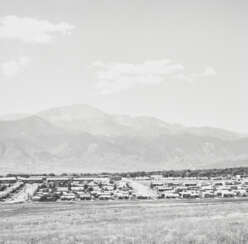

Robert Adams is an acclaimed American photographer known for his profound exploration of the American West's changing landscapes. His work, which gained prominence in the mid-1970s, delves into the tension between the natural beauty of the land and the marks of human encroachment. Adams's photography is a reflection on humanity's relationship with the environment, offering both a critique and a celebration of the landscape.
Robert Adams's notable series, such as "Turning Back" and "The New West," showcase his unique perspective on environmental and urban development issues. His work extends beyond just capturing images; it is a thoughtful commentary on the balance between nature and industrialization. His photographs, often devoid of people, focus on the land itself, telling a story of alteration and resilience.
Exhibitions of Adams's work, such as "American Silence: The Photographs of Robert Adams" at the National Gallery of Art, provide insight into his 50-year career and his ability to capture the silent yet profound narratives of the American landscape. His pieces are part of major collections and have been featured in numerous retrospectives, underlining his influence and significance in the world of photography.
For art collectors and enthusiasts, Robert Adams's work offers a poignant perspective on the American West, blending aesthetic beauty with critical environmental commentary. Engaging with his work invites reflection on our interaction with the landscape and our role in shaping the environment.
If you're interested in staying updated on Robert Adams's work and exhibitions, consider subscribing to newsletters from galleries and museums that feature his art. This way, you'll be informed about new displays of his work and opportunities to engage with his insightful perspectives on the American West.
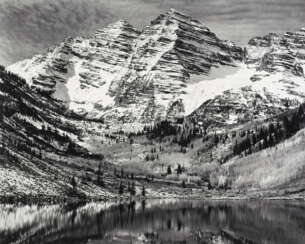

Ansel Easton Adams was an American photographer and environmentalist, celebrated for his black-and-white images of the American West, particularly Yosemite National Park. His profound connection with nature was not only the subject of his art but also the essence of his environmental advocacy, earning him a revered place in both the art and conservation worlds.
Ansel Adams' early exposure to the beauty of nature and a supportive family environment nurtured his dual interests in music and photography. His photographic journey began with a simple Kodak Box Brownie camera, which he used during his early visits to Yosemite, a place that would become the central theme of his life's work. Ansel Adams' dedication to photography and the environment was interwoven, as he utilized his art to advocate for the conservation of America's natural landscapes.
In the 1930s, Adams co-founded Group f/64, advocating for photographic purity and sharpness of focus, principles that would define his work. His role in establishing the photography department at the Museum of Modern Art in New York underscored his commitment to elevating photography as a respected art form. Ansel Adams' work has been exhibited in prestigious institutions such as the Smithsonian American Art Museum and MoMA, showcasing his contributions to American art and environmentalism.
For collectors and art experts, Ansel Adams' legacy transcends his iconic images; it lies in his ability to merge aesthetic excellence with a passionate message of environmental stewardship. His photographs not only capture the grandeur of landscapes but also serve as a timeless call to preserve the natural world.
To delve deeper into the world of Ansel Easton Adams and stay updated on new product sales and auction events related to his work, signing up for updates is a step toward embracing the heritage of a pivotal figure in art and environmental advocacy.
Join our community of art and antique enthusiasts to honor Adams' vision and ensure his message continues to inspire future generations.
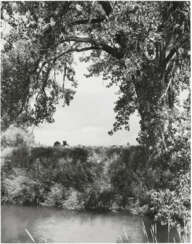

Robert Adams is an acclaimed American photographer known for his profound exploration of the American West's changing landscapes. His work, which gained prominence in the mid-1970s, delves into the tension between the natural beauty of the land and the marks of human encroachment. Adams's photography is a reflection on humanity's relationship with the environment, offering both a critique and a celebration of the landscape.
Robert Adams's notable series, such as "Turning Back" and "The New West," showcase his unique perspective on environmental and urban development issues. His work extends beyond just capturing images; it is a thoughtful commentary on the balance between nature and industrialization. His photographs, often devoid of people, focus on the land itself, telling a story of alteration and resilience.
Exhibitions of Adams's work, such as "American Silence: The Photographs of Robert Adams" at the National Gallery of Art, provide insight into his 50-year career and his ability to capture the silent yet profound narratives of the American landscape. His pieces are part of major collections and have been featured in numerous retrospectives, underlining his influence and significance in the world of photography.
For art collectors and enthusiasts, Robert Adams's work offers a poignant perspective on the American West, blending aesthetic beauty with critical environmental commentary. Engaging with his work invites reflection on our interaction with the landscape and our role in shaping the environment.
If you're interested in staying updated on Robert Adams's work and exhibitions, consider subscribing to newsletters from galleries and museums that feature his art. This way, you'll be informed about new displays of his work and opportunities to engage with his insightful perspectives on the American West.