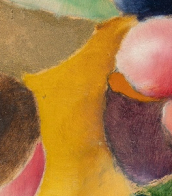
laser etching
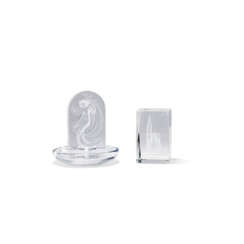

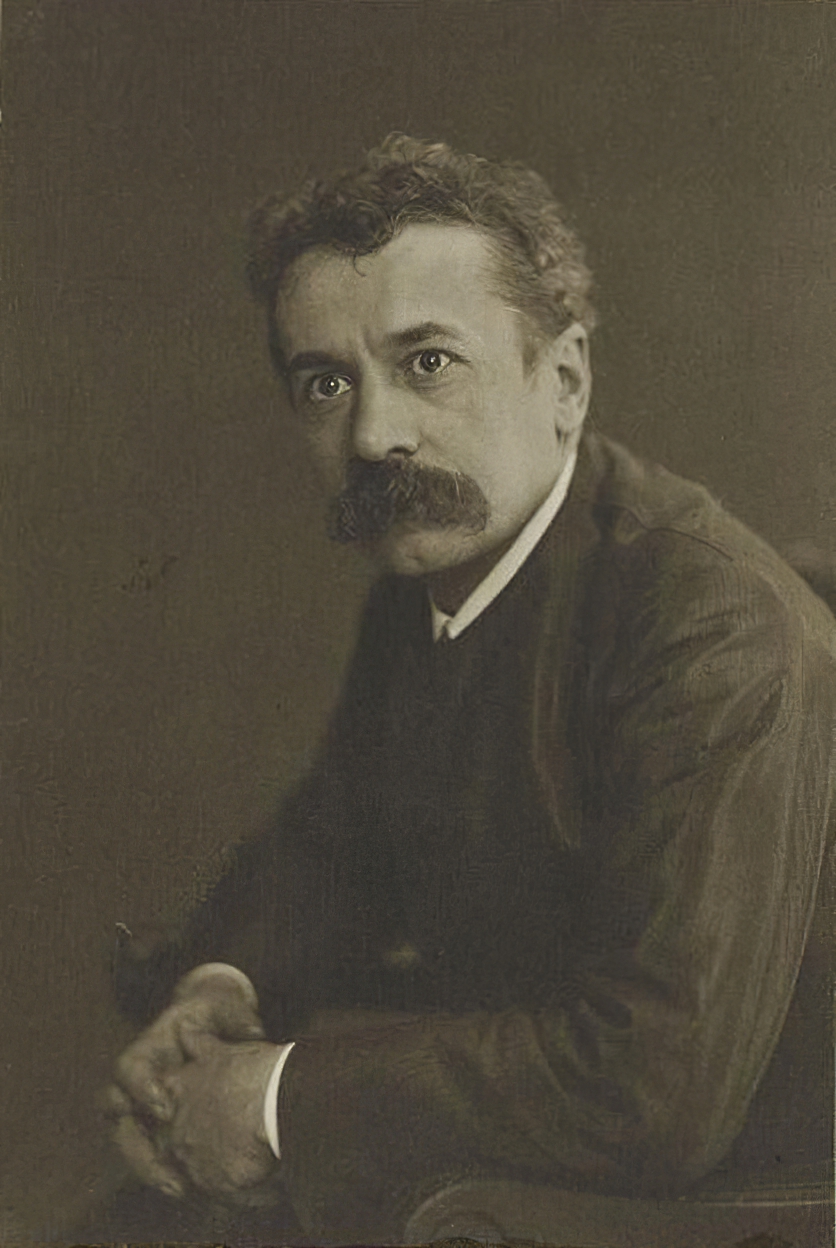
René Jules Lalique was a French jeweller, medallist, and glass designer known for his creations of glass art, perfume bottles, vases, jewellery, chandeliers, clocks, and automobile hood ornaments.
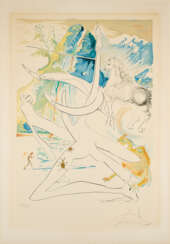

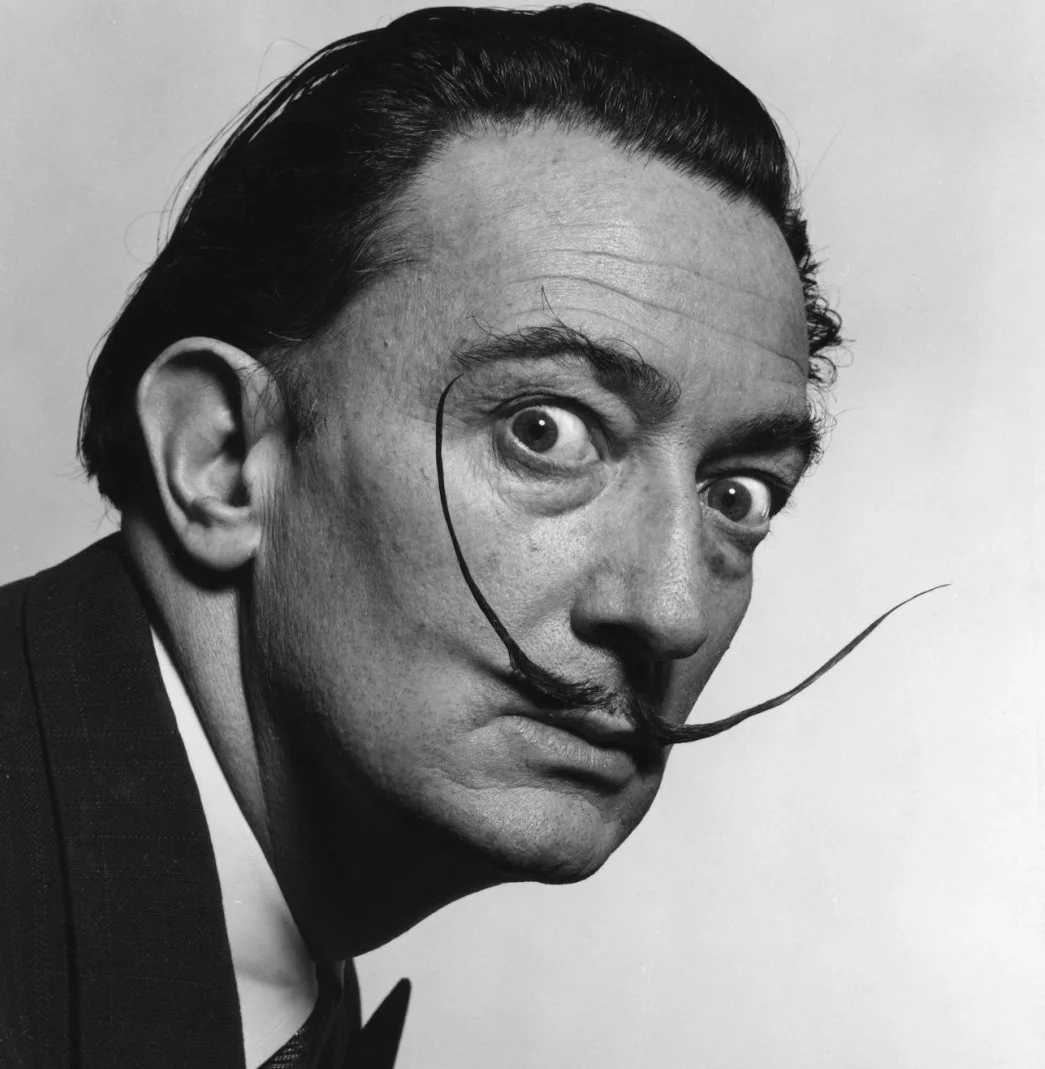
Salvador Dalí, a Spanish Surrealist painter and printmaker, is celebrated for his vivid and imaginative works that delve into subconscious imagery. Born on May 11, 1904, in Figueres, Catalonia, Spain, Dalí's early exposure to Impressionism and Renaissance masters significantly influenced his artistic development. His education in fine arts in Madrid further shaped his style, leading him to experiment with Cubism and avant-garde movements. In the late 1920s, Dalí embraced Surrealism, joining the Surrealist group in 1929 and rapidly becoming one of its most prominent figures.
Dalí's most famous work, "The Persistence of Memory," completed in 1931, epitomizes the Surrealist movement with its iconic melting clocks symbolizing the fluidity of time. His artistic repertoire was diverse, including painting, graphic arts, film, sculpture, design, and photography, often incorporating themes of dreams, the subconscious, sexuality, religion, and science. Despite his remarkable artistic contributions, Dalí's eccentric and flamboyant public persona often overshadowed his work. He faced criticism for his public support of the Francoist regime and the authenticity of some of his late works.
Dalí's legacy is preserved in major museums, notably the Dalí Theatre-Museum in Figueres and the Salvador Dalí Museum in St. Petersburg, Florida. These institutions showcase his extensive and varied body of work, illustrating his profound impact on Surrealism, pop art, and contemporary artists.
If you're captivated by the surreal world of Salvador Dalí and want to stay informed about new sales and auction events featuring his works, sign up for our updates. Our service is tailored specifically for art collectors and experts, providing timely information and insights into the vibrant market of Dalí's art. Remember, this subscription is focused solely on bringing you the latest in product sales and auction events related to Salvador Dalí. Don't miss out on the opportunity to enrich your collection with pieces from one of the most influential surrealists of all time. Sign up now and be the first to know about these exclusive events.




.webp)
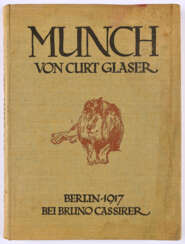
Edvard Munch, a renowned Norwegian painter and graphic artist, left an indelible mark on the world of art with his emotionally charged and symbolically rich compositions. Born on December 12, 1863, in Løten, Norway, Munch's work is emblematic of the Expressionist and Symbolist movements, through which he explored complex themes of life, death, fear, love, and anxiety. His most famous painting, "The Scream," conceived during a walk at sunset when Munch experienced an intense emotional episode, has become a universal symbol of human anxiety and existential dread.
Munch's upbringing was marred by illness, bereavement, and the fear of inheriting mental illness, themes that deeply influenced his artistic expression. This personal turmoil, coupled with his encounters with the works of Paul Gauguin, Vincent van Gogh, and Henri de Toulouse-Lautrec in Paris, and his association with the radical intellectual circle in Kristiania (now Oslo), propelled Munch to depict his own psychological and emotional states through his art. These experiences culminated in "The Frieze of Life," a series of works exploring the depths of human emotion and experience.
Throughout his career, Munch's art was met with both controversy and acclaim. His early works, characterized by their bold use of color and innovative exploration of psychological themes, sparked debate and scandal, particularly in Berlin where his first solo exhibition was closed prematurely. However, this controversy only served to increase Munch's fame and influence, particularly within the German Expressionist movement.
Later in life, after a nervous breakdown in 1908, Munch's style evolved towards a brighter palette and more optimistic themes, reflecting his recovery and a newfound interest in portraying the Norwegian landscape and rural life. Despite the challenges he faced, including the Nazi occupation of Norway during which many of his works were deemed "degenerate," Munch's legacy as a pioneer of Expressionism remained unshaken. He died on January 23, 1944, leaving behind a body of work that continues to resonate with audiences for its profound emotional depth and raw, unfiltered exploration of the human condition.
For collectors and art and antiques experts, Munch's works not only represent significant artistic achievements but also embody the tumultuous journey of an artist who used his canvas to navigate and make sense of the complexities of human emotion and existence. His paintings, many of which are displayed in museums and galleries around the world, continue to captivate and inspire.
To stay informed on new sales, auction events, and exhibitions related to Edvard Munch, sign up for updates. This subscription is a valuable resource for those keen on expanding their collection and knowledge of one of the most influential figures in modern art.
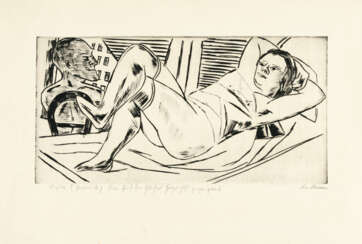

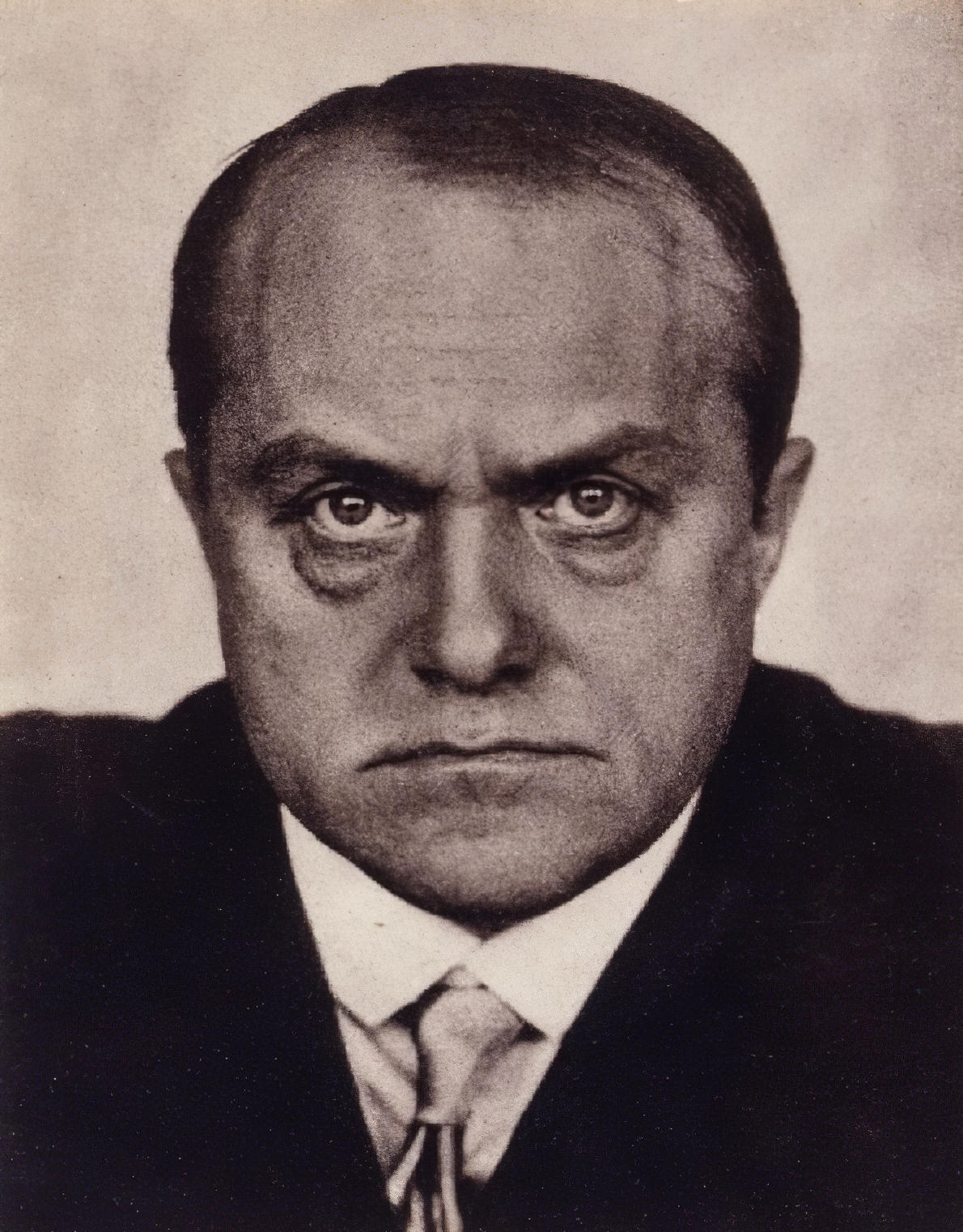
Max Beckmann, a German painter, printmaker, sculptor, and writer, stood out in the early 20th century for his profound contributions to modern art. Beckmann's career spanned a tumultuous period in history, deeply influencing his thematic and stylistic choices. Unlike many of his contemporaries who embraced non-representational painting, Max Beckmann persisted with and evolved the tradition of figurative painting, drawing inspiration from a wide array of artists spanning from Cézanne and Van Gogh to medieval masters like Bosch and Bruegel.
Max Beckmann's experiences, particularly those related to the World Wars, significantly shaped his work. Following Adolf Hitler's rise to power and the subsequent condemnation of modern art as "degenerate," Beckmann fled Germany, spending a decade in self-imposed exile in Amsterdam before eventually relocating to the United States. His art from this period, especially his large triptychs, is considered some of his most potent, offering a stark reflection on humanity and the chaos of the times.
One of Max Beckmann's most personally allegorical works, "Beginning" (1949), encapsulates his knack for blending real and imagined elements from his life to comment on the broader human condition. This piece, alongside others, underscores Beckmann's enduring fascination with the existential struggles modern society faces, teetering between desire and societal roles.
Max Beckmann's legacy is cemented not just by his unique approach to modernism but also by his influence on subsequent generations of artists, particularly in the United States, where he spent his final years teaching and working. Despite a path that often diverged from the mainstream narratives of art history, Beckmann's work continues to resonate, housed in prestigious institutions like The Museum of Modern Art and The Metropolitan Museum of Art in New York.
For collectors and experts in art and antiques, Max Beckmann's oeuvre offers a compelling exploration of 20th-century art and history. To stay informed about new discoveries, sales, and auction events related to Max Beckmann, consider signing up for updates. This subscription ensures access to the latest opportunities to engage with the work of one of modernism's most individual voices.