lead on to


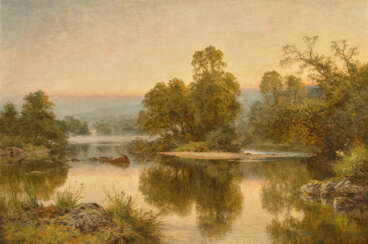


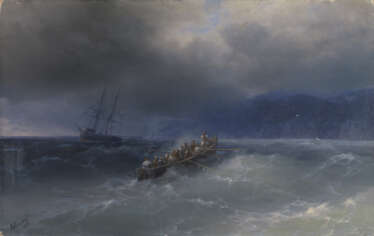
Benjamin Williams Leader was an English landscape painter.

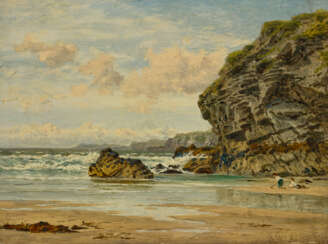

Benjamin Williams Leader was an English landscape painter.
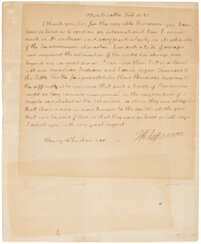

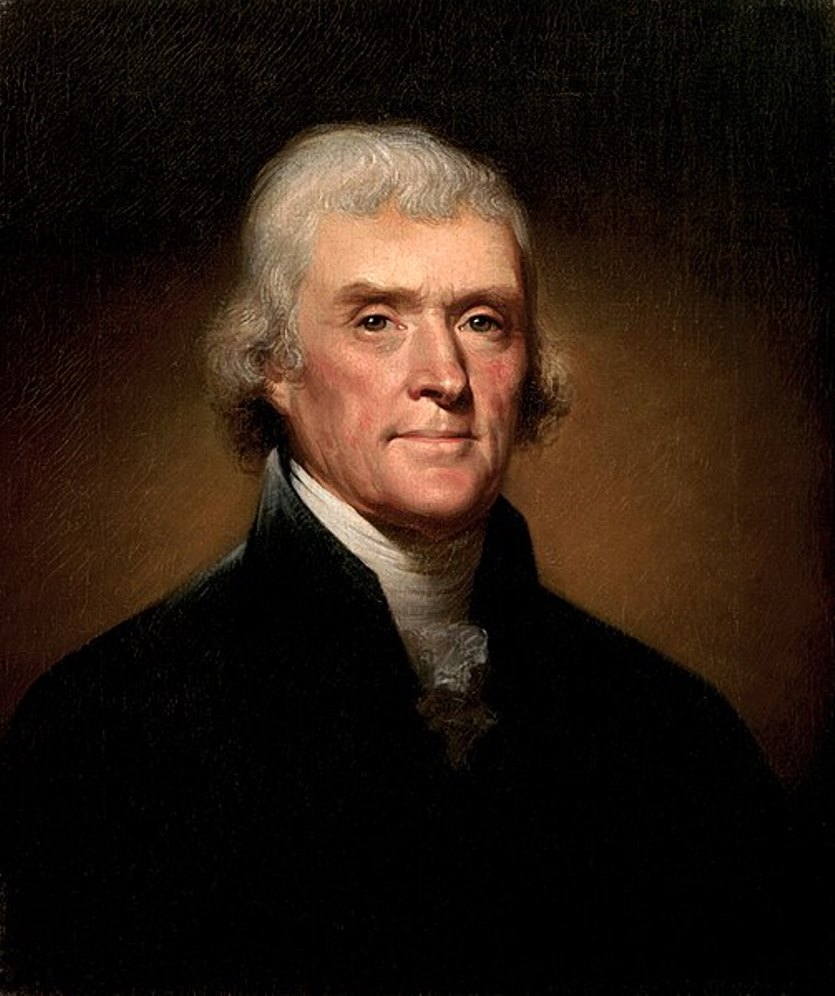
Thomas Jefferson was an American politician and statesman, the third President of the United States (March 4, 1801 - March 4, 1809).
Jefferson was the son of a planter and received a law degree. In 1774, he wrote A Summary of the Rights of British America, which attracted public attention, and he soon gained a reputation as one of the first advocates of American independence from the authority of the British Parliament. In the spring of 1775, the Virginia legislature appointed him a delegate to the Second Conference of the Continental Congress. A year later he was appointed to a committee of five, which also included Adams and Benjamin Franklin, to draft a formal statement of reasons to justify a break with Great Britain. Jefferson thus became one of the authors of the Declaration of Independence. Jefferson succeeded Benjamin Franklin as minister to France in 1785, was secretary of state (1790-1793) under Washington, and vice president (1797-1801) under John Adams.
A Democratic-Republican, Jefferson, who believed that the national government should play a limited role in the lives of citizens, was elected president in 1800. One of the most significant accomplishments of Jefferson's first administration was the purchase of the Louisiana Territory from France for $15 million dollars in 1803 (from the Gulf of Mexico to present-day Canada), effectively doubling the size of the United States. During his second term, Jefferson was focused on trying to keep America out of the Napoleonic Wars in Europe. After his second term as president, he was succeeded by James Madison in 1808.
Upon leaving office, Jefferson retired to his plantation in Virginia, pursued his favorite pastimes, and helped found the University of Virginia. In addition to politics, he is known as a writer, farmer, horticulturist, inventor, book collector, art historian, architect, and scientist. He died at the age of 83 on July 4, 1826, the 50th anniversary of the Declaration of Independence.



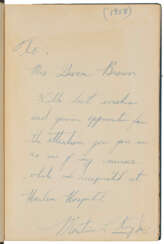

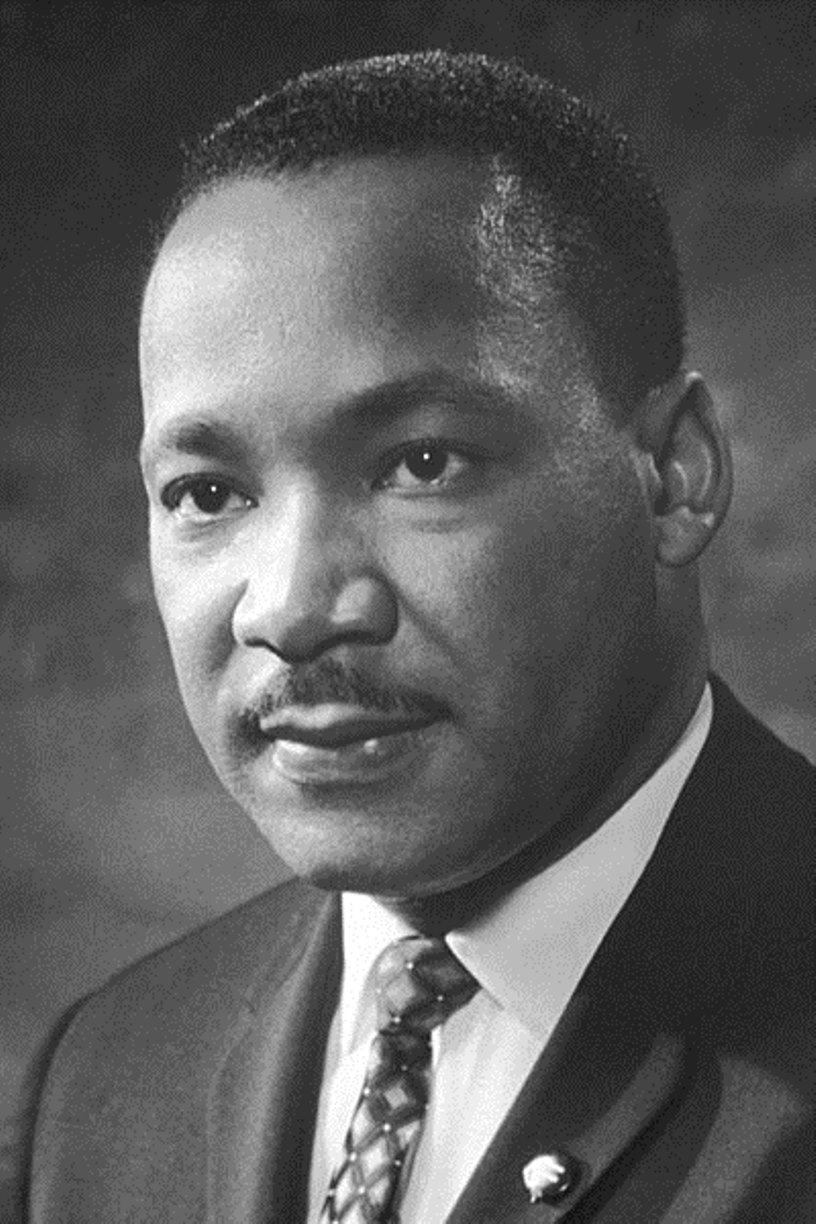
Martin Luther King Jr, born Michael King, is an American preacher, leader of the Black Civil Rights Movement in the United States, and Nobel Laureate.
His father was the famous Baptist missionary and leader of the Civil Rights Movement Martin Luther King Sr. (1899-1984). He studied medicine and law at Morehouse College, then earned a bachelor's degree in theology at Crozer Theological Seminary in Pennsylvania, followed by a doctorate in theology at Boston University. And beginning in 1955, King Jr. became active in the community with protests over segregated seating on public buses.
On September 20, 1958, the first assassination attempt was made on Martin. Isola Ware Curry, a mentally unstable Harlem woman, stabbed King with a metal letter opener at a department store where he was signing copies of Stride Toward Freedom as part of a tour to promote the book.
Martin Luther King, Jr. was a driving force behind such watershed events as the Montgomery Bus Boycott and the 1963 March on Washington, which resulted in the historic Civil Rights Act (1964) and Voting Rights Act (1965). He was a prominent African American leader of the civil rights movement of the 1950s and 1960s. In 1964, Martin Luther King, Jr. was awarded the Nobel Peace Prize for his activism for civil rights and social justice. King also actively opposed the Vietnam War, calling for an end to the bombing, negotiations, and the withdrawal of U.S. troops.
On April 4, 1968, King was assassinated by gunfire on the balcony of the Lorraine Motel in Memphis. James Earl Ray, a petty criminal who had escaped from a maximum-security prison a year earlier, was blamed for the murder. Years after his death, Martin Luther King Jr. became the most famous African-American leader of his era. Today, he has a reputation as a visionary leader who was deeply committed to achieving social justice through nonviolent means. In 1983, President Ronald Reagan signed into law a U.S. federal day in King's honor; it is observed nationwide on the third Monday in January.

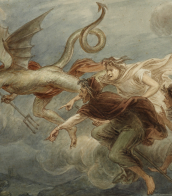

.jpeg)
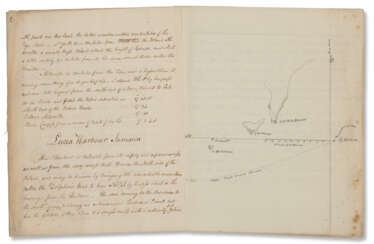
Sir John Frederick William Herschel, 1st Baronet was a British astronomer and son of the Uranus discoverer Wilhelm Herschel. He is credited with the first double star and nebula catalogues of the southern starry sky, which he observed during a five-year stay near Cape Town.

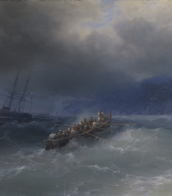

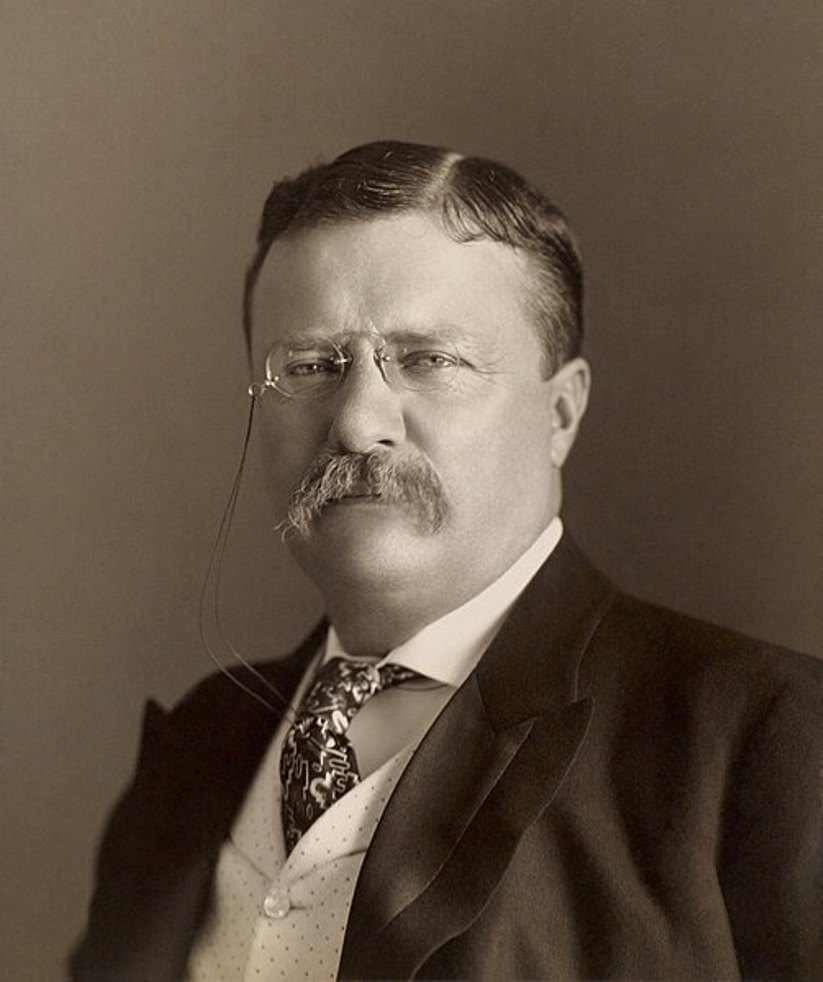





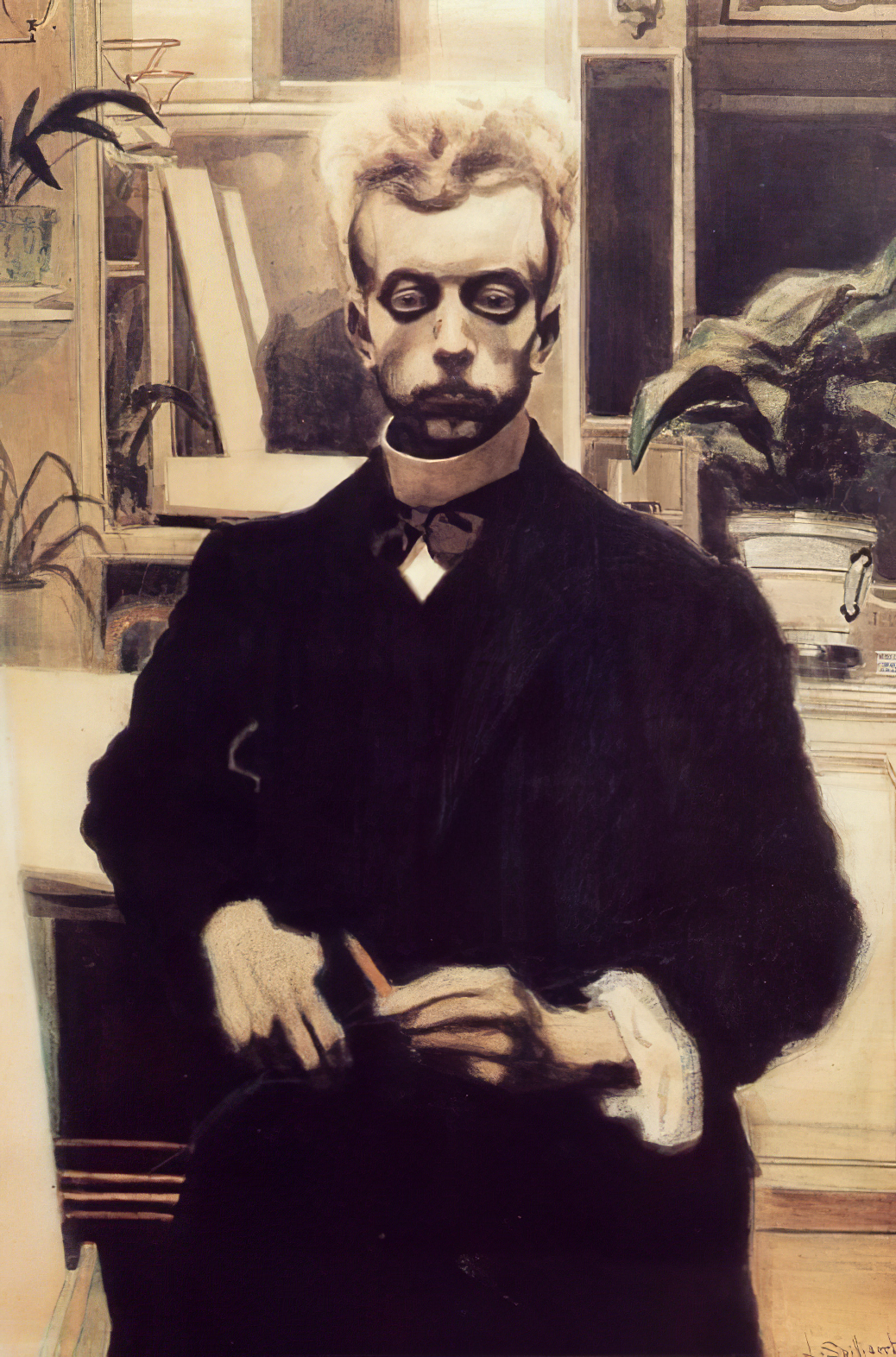
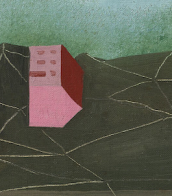
Léon Spilliaert was a Belgian artist. He is known for his unique style of symbolism, with many of his works featuring dream-like landscapes, eerie still lifes, and enigmatic figures.
Spilliaert grew up in a wealthy family, and he initially studied architecture before turning to art. He was largely self-taught, and his work was heavily influenced by the Belgian symbolist movement, as well as the works of artists such as James Ensor and Edvard Munch.
Spilliaert was particularly interested in exploring the mysteries of the human psyche, and many of his works reflect a sense of unease or uncertainty. He often used strong contrasts of light and shadow to create a sense of drama and tension in his works, and his use of color was often muted and subdued.
Despite his success as an artist, Spilliaert was a deeply private individual, and he rarely exhibited his work during his lifetime. He continued to work throughout his life, however, producing a large body of haunting and enigmatic works that continue to captivate audiences today.
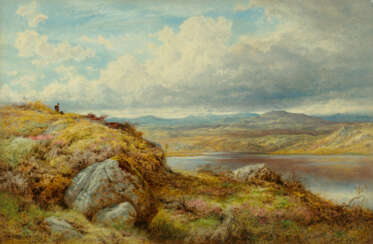

Benjamin Williams Leader was an English landscape painter.
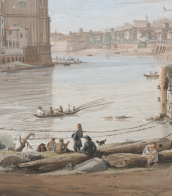
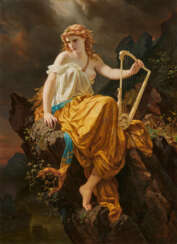








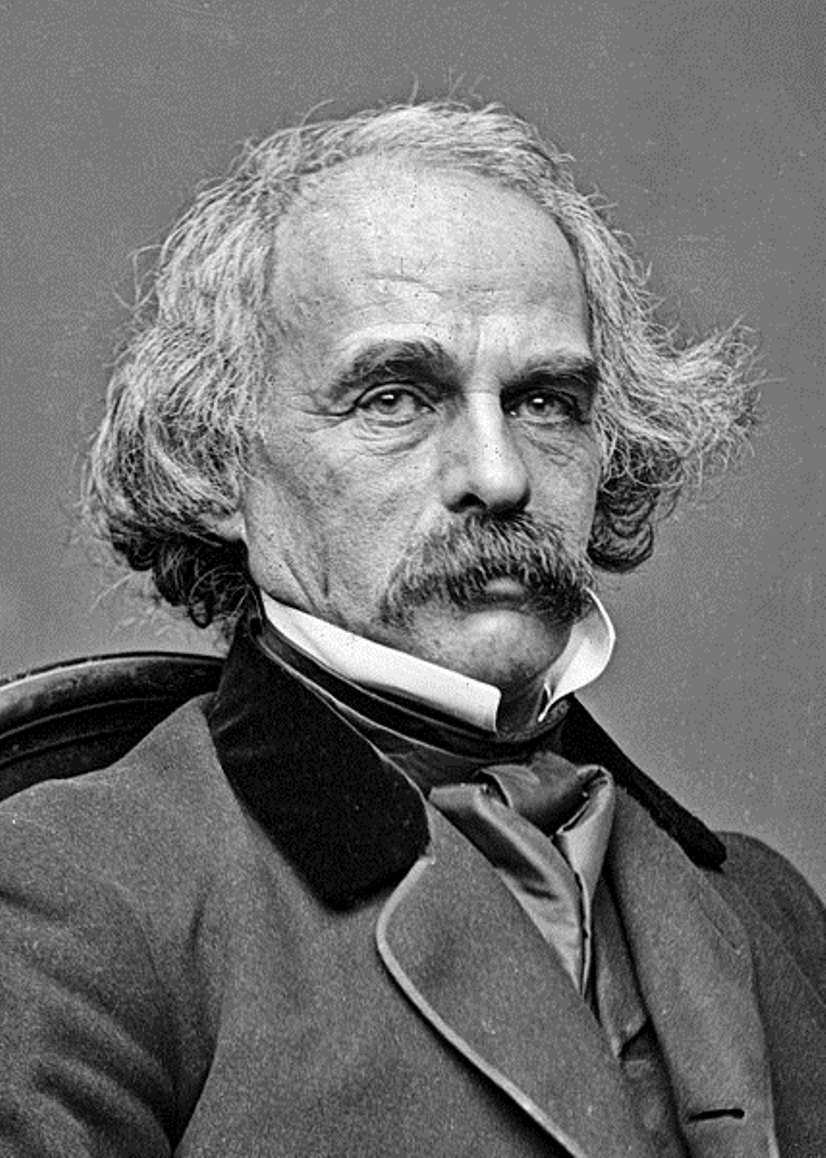
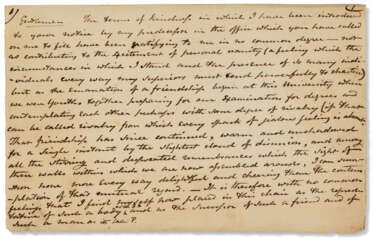
Nathaniel Hawthorne is an American writer and author.
Hawthorne is a recognized short story writer and a master of allegorical and symbolic narrative. One of the first fiction writers in American literature, he is best known for his works The Scarlet Letter (1850) and The House of Seven Gables (1851). Hawthorne's artistic works are considered part of the American Romantic movement and, in particular, of so-called dark Romanticism, a popular mid-19th-century fascination with the irrational, the demonic, and the grotesque.
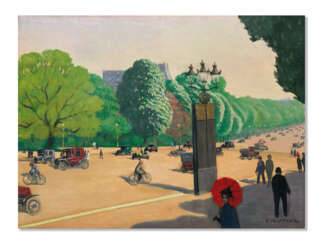

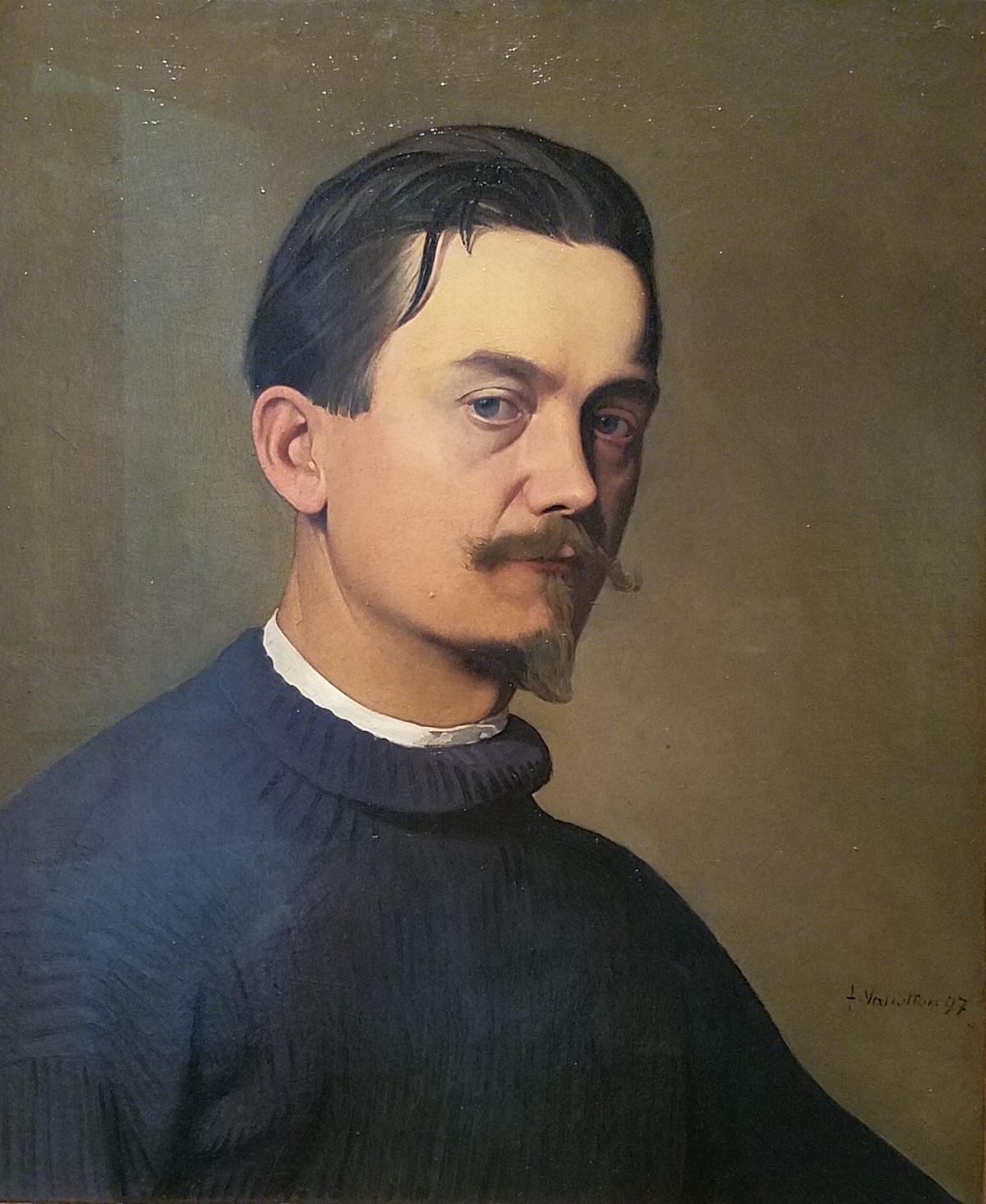
Félix Vallotton, a Swiss-born French graphic artist and painter, is recognized for his distinctive woodcuts and paintings of nudes and interiors. Vallotton's journey into art began in Paris, where he attended the Académie Julian, fostering a unique style that broke from traditional norms. His early works, characterized by extreme realism, were showcased at the Salon des Artistes Français and the Paris Universal Exposition of 1889. This period also marked Vallotton's encounter with Japanese prints, notably those by Hokusai, profoundly influencing his artistic direction.
In 1892, Vallotton joined Les Nabis, a group of avant-garde artists including Pierre Bonnard, Maurice Denis, and Édouard Vuillard, which led to a significant evolution in his style. His paintings from this era, such as "Bathers on a Summer Evening" and "Moonlight," exhibited at the Kunsthaus Zürich and the Musée d'Orsay respectively, reveal a departure from realism towards a more symbolic and abstract representation. The works from this period are characterized by flat areas of color, hard edges, and simplified details, mirroring the style he developed in his woodcuts.
Vallotton's woodcuts, like "Intimités" (Intimacies), a series published in 1898, showcased his mastery in capturing the nuances of human relationships, particularly the tensions between men and women. His graphic art, which included depictions of domestic scenes, bathing women, and street crowds, was not just celebrated in Europe but also influenced artists like Edvard Munch, Aubrey Beardsley, and Ernst Ludwig Kirchner.
Towards the end of his career, Vallotton continued to innovate, combining elements of realism and abstraction, evident in paintings like "La Malade" (The Sick Girl) and "Clair de lune" (Moonlight). His works remain a testament to his ability to merge technical precision with a poignant exploration of human emotions and societal themes.
For art collectors and experts, Vallotton's body of work offers a rich and diverse exploration of early 20th-century art movements, especially his role in the development of modern woodcut techniques and his contribution to the Nabis movement. His works are a study in the fusion of realism and symbolism, marked by a distinctive style that makes his art enduringly relevant and compelling.
For those interested in discovering more about Félix Vallotton and staying updated on related product sales and auction events, signing up for updates is a great opportunity. This subscription will exclusively alert you to new sales and events pertaining to Vallotton's works, ensuring you remain informed in the dynamic world of art and antiques.




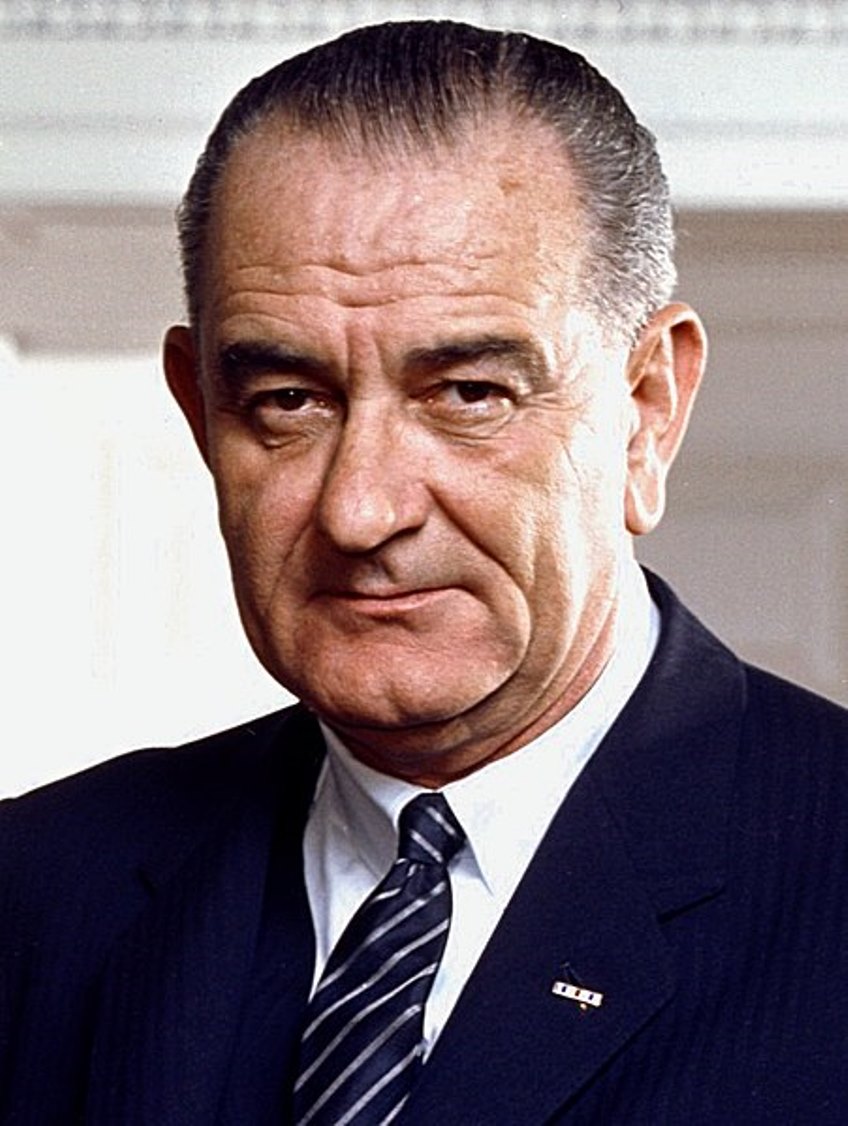
Lyndon Baines Johnson was an American politician and statesman, the 36th President of the United States (1963-1969).
Johnson was from a Texas farming family and graduated from Southwestern State Teachers College (now Texas State University) in San Marcos, Texas. In 1931, he began serving as Secretary of Congress for newly elected U.S. Representative Richard Kleberg. In 1935 Johnson was appointed Texas director of the National Youth Administration, President Franklin D. Roosevelt's New Deal program. Roosevelt, which helped young people find jobs during the Great Depression. In 1937, Lyndon Johnson was elected to the U.S. House of Representatives as a Democrat.
He served briefly in the U.S. Navy during World War II with the rank of lieutenant commander, and was elected to the U.S. Senate in 1948. In 1960, Democratic presidential candidate John F. Kennedy invited Johnson to be his running mate for vice president. He was elected vice president, and after the assassination of President John F. Kennedy, he was sworn in and assumed the presidency on the same day, November 22, 1963.
President Lyndon Johnson soon declared a war on poverty. In the 1964 presidential election, he defeated his Republican rival and introduced a list of new reforms that he was convinced would build a "great society" for all Americans. Johnson also made great strides against racial discrimination, signing the historic Civil Rights Act of 1964 and the Voting Rights Act of 1965.
In foreign policy, however, Johnson could not boast of successes. Increased U.S. military involvement in the Vietnam War and heavy casualties led to a sharp rise in anti-war sentiment in the country. Lyndon Johnson's ratings steadily declined, eventually he refused to run for a second term and in January 1969 returned to his ranch in Texas. He spent the last years of his life as a librarian, writing his memoirs and died at the age of 64. Lyndon Johnson has a reputation as one of the least popular presidents in American history.