lebensphasen





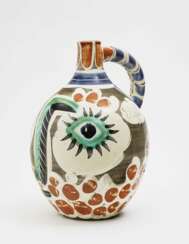

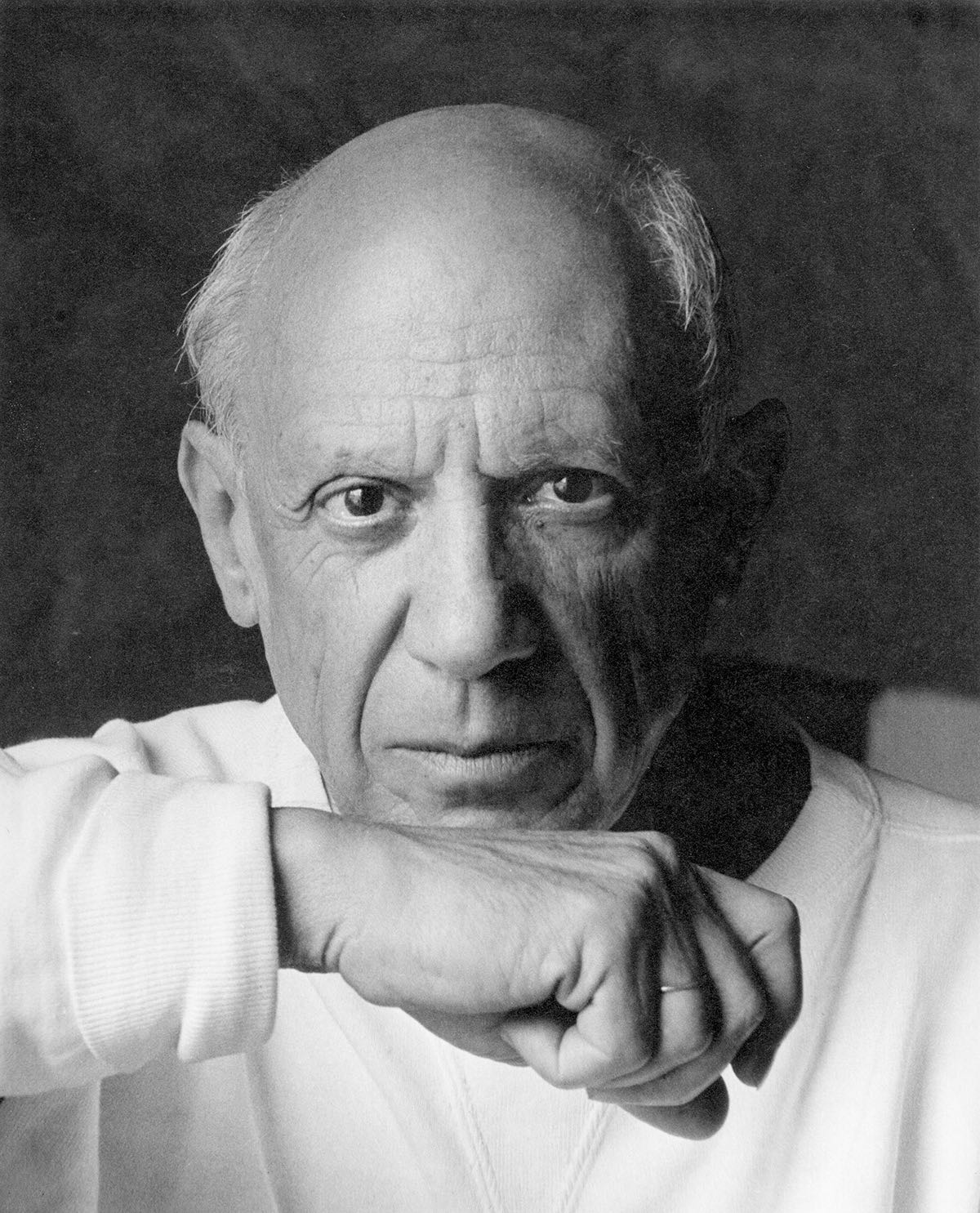
Pablo Ruiz Picasso, a Spanish artist renowned for his revolutionary contributions to the 20th-century art scene, is a figure that resonates profoundly with collectors and art experts. His unique blend of talents in painting, sculpture, printmaking, and ceramic art, infused with his time in France, positioned him as a pivotal character in modern art history.
Picasso's artistic journey was marked by distinct periods, each showcasing his evolving style and genius. His early years were characterized by the Blue Period (1901-1904), followed by the Rose Period (1904-1906), and then the African-influenced Period (1907-1909). Picasso's name is synonymous with Cubism, a movement he co-founded, which significantly altered artistic perspectives and methods. Works like "Les Demoiselles d'Avignon" (1907) and "Guernica" (1937) are emblematic of his cubist legacy, the latter being a poignant anti-war statement that remains influential.
His later years saw a return to more traditional styles, with neoclassical and surrealist influences becoming evident. Works from these phases reflect a deep engagement with mythological themes, as seen in "Faun with Stars" (1955), symbolizing his late-life romance with Jacqueline Roque, his second wife.
Picasso's prolific output and innovative spirit made him a legend in his own time, a status that only grew after his death. His works, housed in major museums and private collections worldwide, continue to captivate and inspire.
As a collector or expert in art and antiques, staying informed about Picasso's works, their auction events, and sales is essential. To stay updated on the latest developments and opportunities related to Pablo Picasso, sign up for our specialized updates. Rest assured, this subscription will focus solely on new product sales and auction events pertaining to Picasso's art, ensuring that you receive only the most relevant and valuable information.



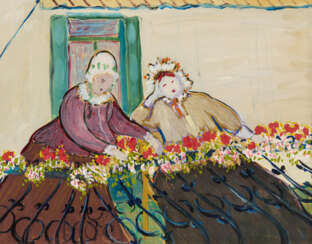

Marianne von Werefkin (Russian: Марианна Владимировна Верёвкина), born in Russia in 1860, was a distinguished artist whose innovative work bridged the realms of realism and expressionism. Known as the "Russian Rembrandt" in her early career, Werefkin's artistic journey began with realism, earning her acclaim within the Tsarist Empire. However, her move to Munich in 1896 marked a significant shift in her style and artistic affiliations, leading her to explore and eventually embrace expressionism.
Werefkin's life was marked by a pivotal relationship with fellow artist Alexej von Jawlensky, which greatly influenced her personal and professional trajectory. Despite pausing her painting to focus on Jawlensky's development, Werefkin's contribution to art went beyond her own creations. She founded the influential artist groups, including the New Association of Artists in Munich (NKVM) and later The Blue Rider, alongside luminaries like Wassily Kandinsky and Franz Marc.
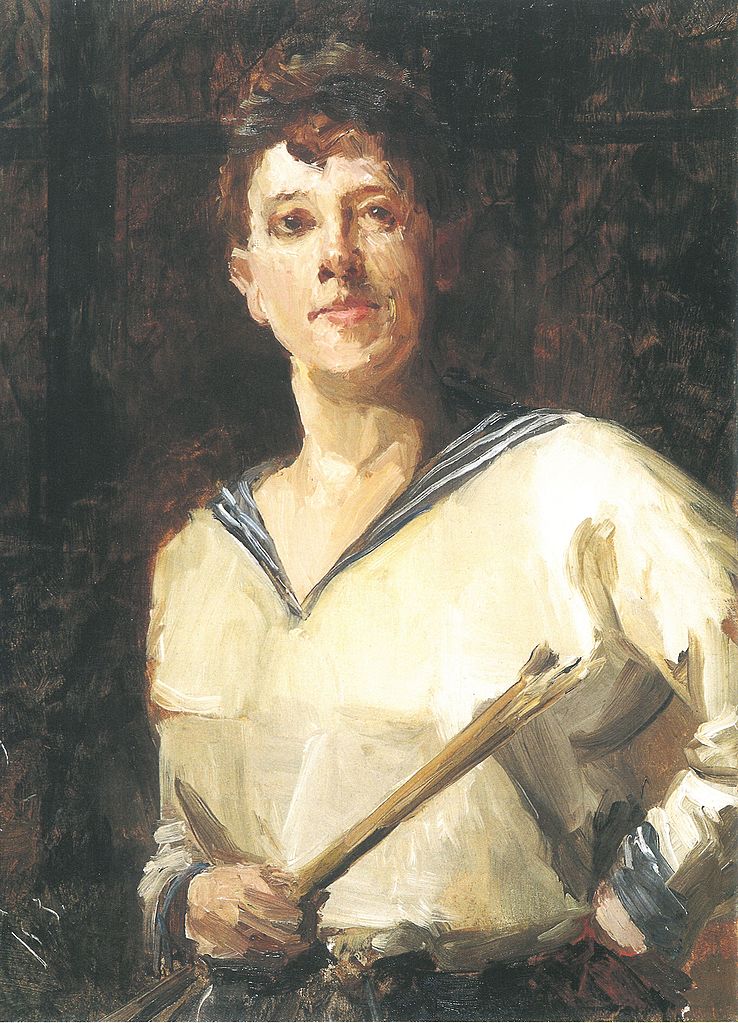
Her return to painting saw a dramatic transformation in her style, characterized by bold, expressive strokes and a deep exploration of the emotional and spiritual aspects of her subjects. This period of her work is marked by significant pieces such as the "Self-Portrait" (1910), which is celebrated for its emotional depth and innovative use of color, encapsulating the essence of Munich-school Expressionism.
Werefkin's later years in Ascona, Switzerland, were devoted to capturing the natural landscape and its emotional resonances through a vibrant expressionist lens. Her works from this period reflect a continued engagement with human fragility and resilience, as seen in pieces like "Eternal Path" (1929).
Her oeuvre is a testament to her pioneering spirit and her role in shaping the course of modern art. Werefkin's works are held in esteemed collections, including the Museum of Modern Art in Ascona and the Städtische Galerie im Lenbachhaus in Munich, ensuring her legacy endures within the art world.
For collectors and experts in art and antiques, Marianne von Werefkin's life and work offer a rich field of study. Her contributions to the development of expressionism and her unique artistic voice make her a figure of enduring interest. To stay informed about new product sales and auction events related to Marianne von Werefkin, signing up for updates can provide exclusive insights and opportunities to engage with her remarkable legacy.

 Серж Поляков. Фотопортрет художника.jpg)
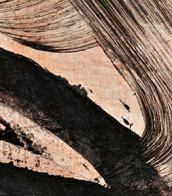
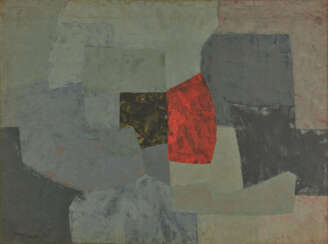
Serge Poliakoff was a Russian-born French modernist painter belonging to the 'New' Ecole de Paris (Tachisme).
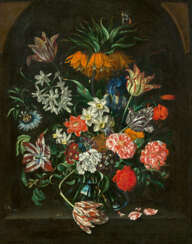

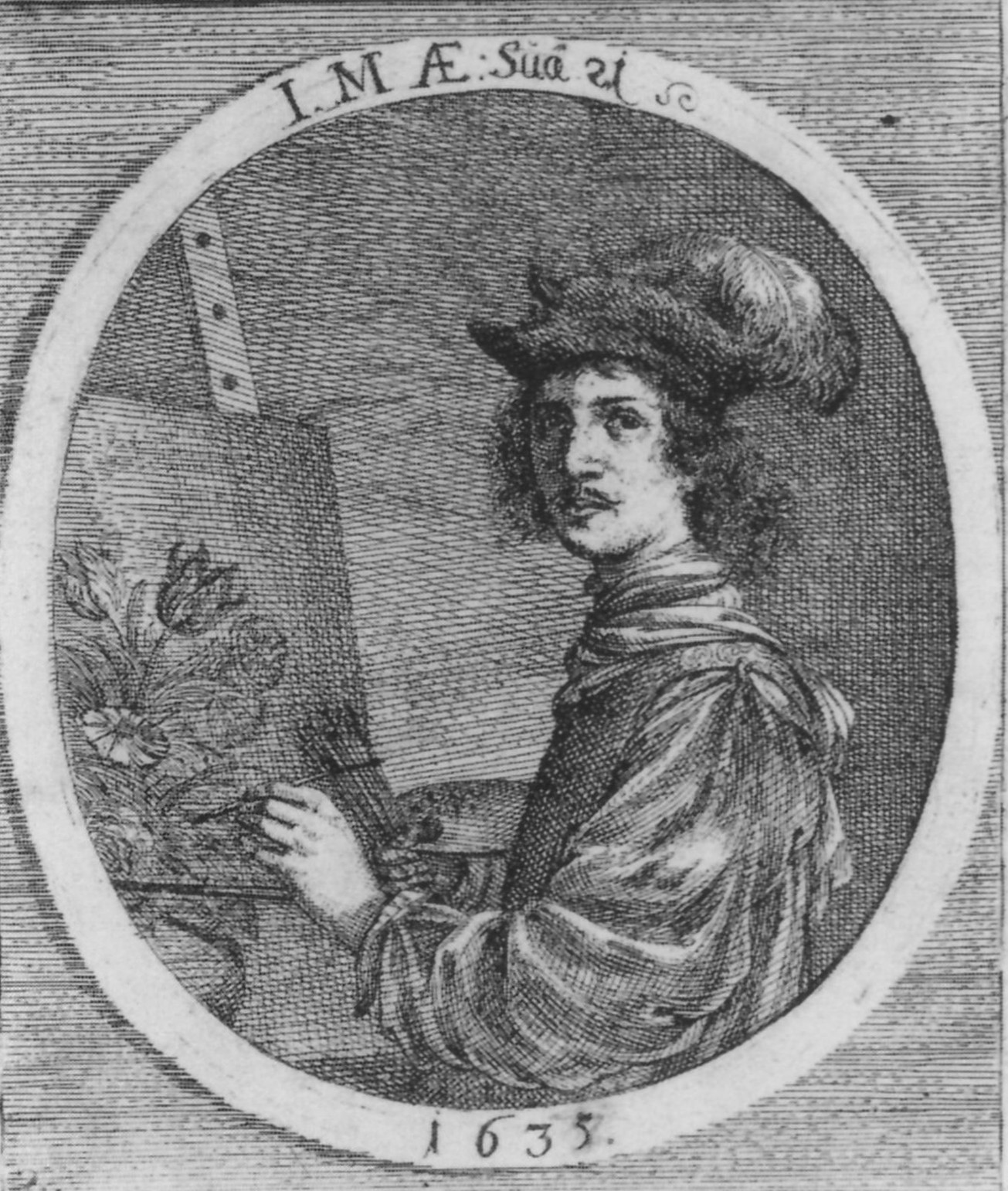
Jakob Marrel was a German still life painter active in Utrecht during the Dutch Golden Age.
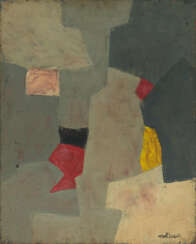

Serge Poliakoff was a Russian-born French modernist painter belonging to the 'New' Ecole de Paris (Tachisme).




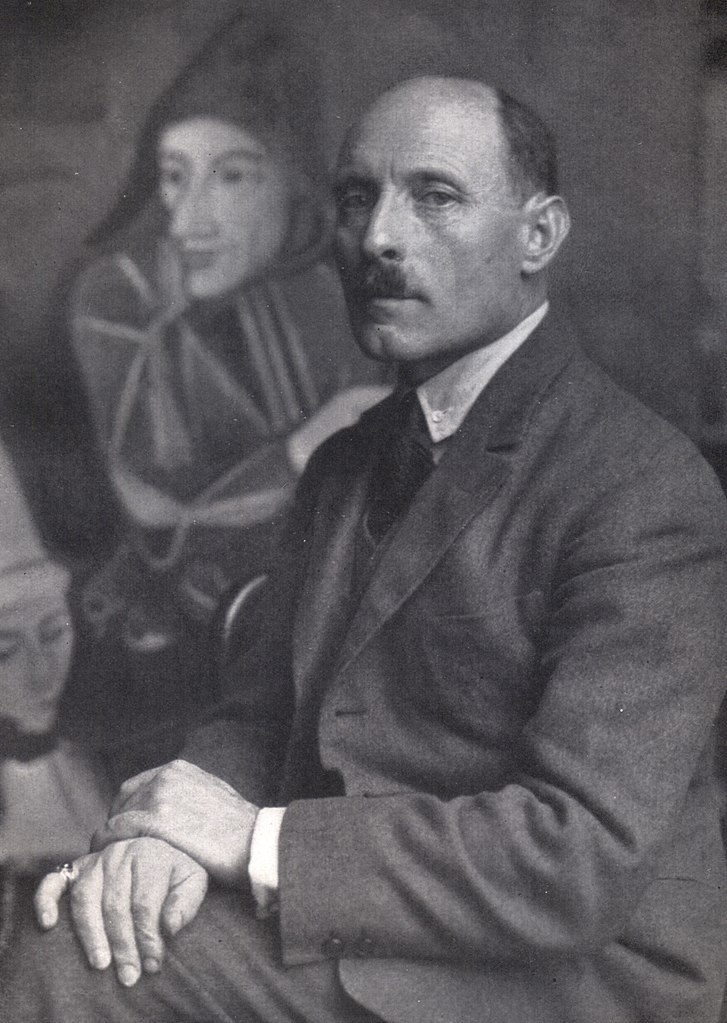
Karl Hofer was a German expressionist painter. He was director of the Berlin Academy of Fine Arts.
One of the most prominent painters of expressionism, he never was a member of one of the expressionist painting groups, like "Die Brücke", but was influenced by their painters. His work was among those considered degenerate art by the Nazis, but after World War II he regained recognition as one of the leading German painters.