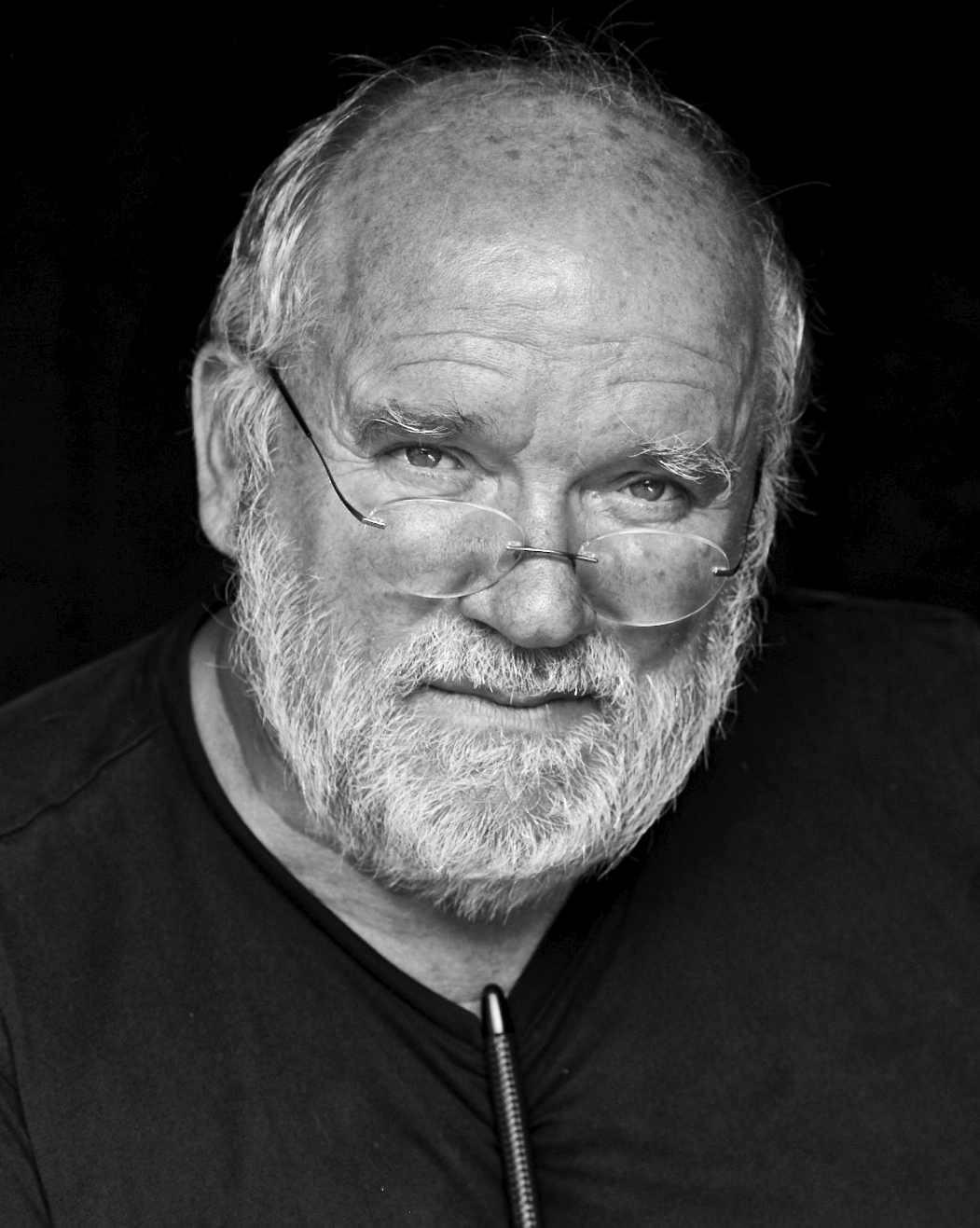
licht<br />

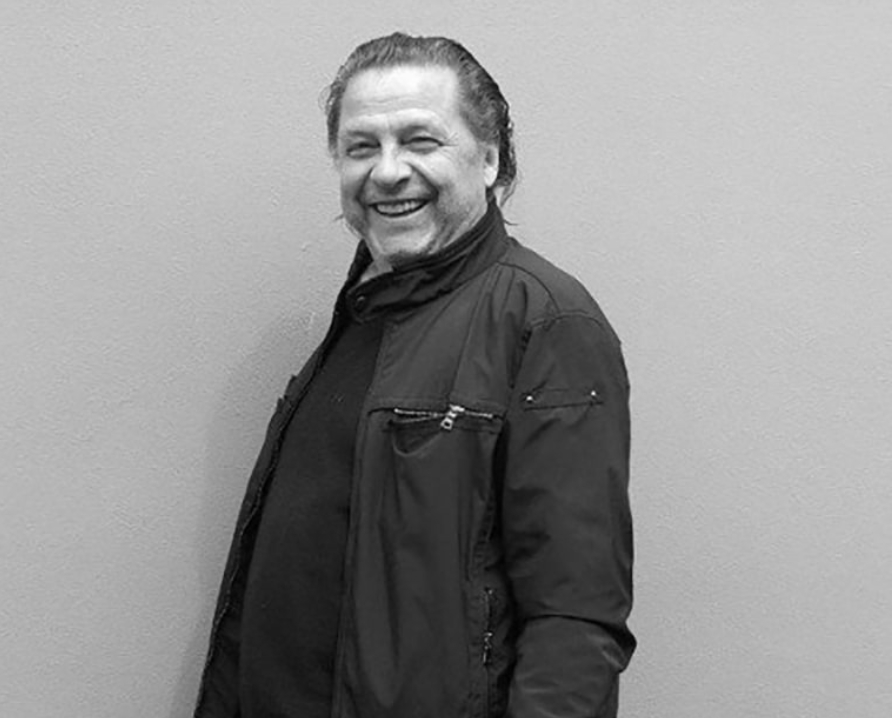
Peter Lindbergh (born Peter Brodbeck) was a German fashion photographer and film director.


Karl Hofer was a German expressionist painter. He was director of the Berlin Academy of Fine Arts.
One of the most prominent painters of expressionism, he never was a member of one of the expressionist painting groups, like "Die Brücke", but was influenced by their painters. His work was among those considered degenerate art by the Nazis, but after World War II he regained recognition as one of the leading German painters.
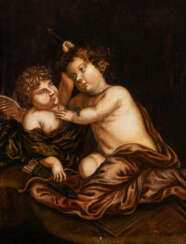

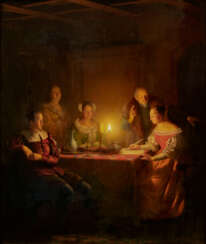
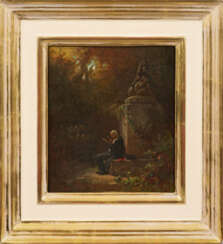
Petrus van Schendel was a Dutch-Belgian genre painter in the Romantic style who specialized in nighttime scenes, lit by lamps or candles. This led to him being known as "Monsieur Chandelle".

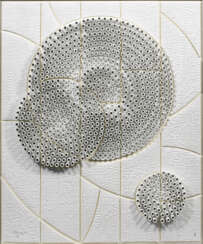
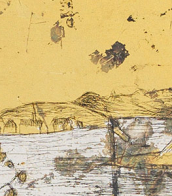
Georg Herold is a German artist. He works in sculpture, installation, painting, photography, and video art. He lives and works in Cologne, Germany.
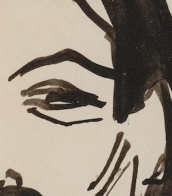

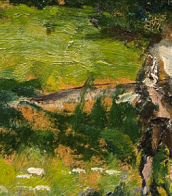
Max Clarenbach was a German painter of the first half of the twentieth century. He is known as a painter, landscape painter, genre painter and teacher and is considered one of the most important representatives of Rhenish painting of his time.
Max Clarenbach made study trips to Italy and Holland early in his career, where he formed his genre preferences and became a landscape painter. His work reflected the influence of the Hague School and the French Barbizonians. The artist skillfully depicted winter scenes and the nature of western Germany. He also painted sports and street scenes.
Clarenbach was one of the organizers of the Düsseldorf Sonderbund and taught at the Düsseldorf Academy of Art.


Lovis Corinth was a German artist and writer whose mature work as a painter and printmaker realized a synthesis of impressionism and expressionism.
Corinth studied in Paris and Munich, joined the Berlin Secession group, later succeeding Max Liebermann as the group's president. His early work was naturalistic in approach. Corinth was initially antagonistic towards the expressionist movement, but after a stroke in 1911 his style loosened and took on many expressionistic qualities. His use of color became more vibrant, and he created portraits and landscapes of extraordinary vitality and power. Corinth's subject matter also included nudes and biblical scenes.


George Grosz was a twentieth-century German painter, graphic artist, and cartoonist. In his work one can find features of various styles of avant-garde art, including Dadaism, Expressionism, and Futurism.
George Grosz drew in every style in a sharp-grotesque and satirical spirit, ridiculing the vices of society. The erotic theme, which occupied a prominent place in Gross's work, was executed in the same spirit.
Grosz devoted more than 20 years to teaching at the Art Students League of New York, and was elected an honorary member of the American and Berlin Academies for his outstanding services to the arts.


Max Liebermann was a German painter and printmaker, and one of the leading proponents of Impressionism in Germany and continental Europe. In addition to his activity as an artist, he also assembled an important collection of French Impressionist works.


Hanne Darboven was a German conceptual artist known for her large-scale installations, drawings, and writings that explore the intersections of mathematics, language, and time.
Darboven studied at the Hochschule für Bildende Künste in Hamburg. In the 1960s, she became associated with the Conceptual Art movement, creating works that often involved systems of numerical and textual notation.
In the 1970s, Darboven began to produce her signature installations, which combined writing, drawing, and found objects to create immersive environments that explored complex systems of meaning and structure. One of her most famous works is "Kulturgeschichte 1880-1983", a monumental installation consisting of 1,590 framed sheets of paper, each containing a series of numbers, letters, and symbols that chart the course of modern history.
Throughout her career, Darboven continued to explore the relationship between language, numbers, and time, often drawing inspiration from her own life and experiences. She exhibited her work widely in Europe and the United States, and was the subject of numerous retrospectives and solo exhibitions.
Her legacy as a pioneering conceptual artist continues to be recognized and celebrated by the art world today.
.