lime
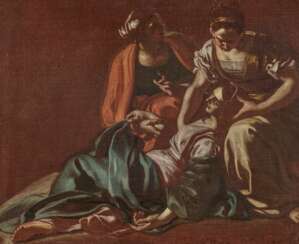

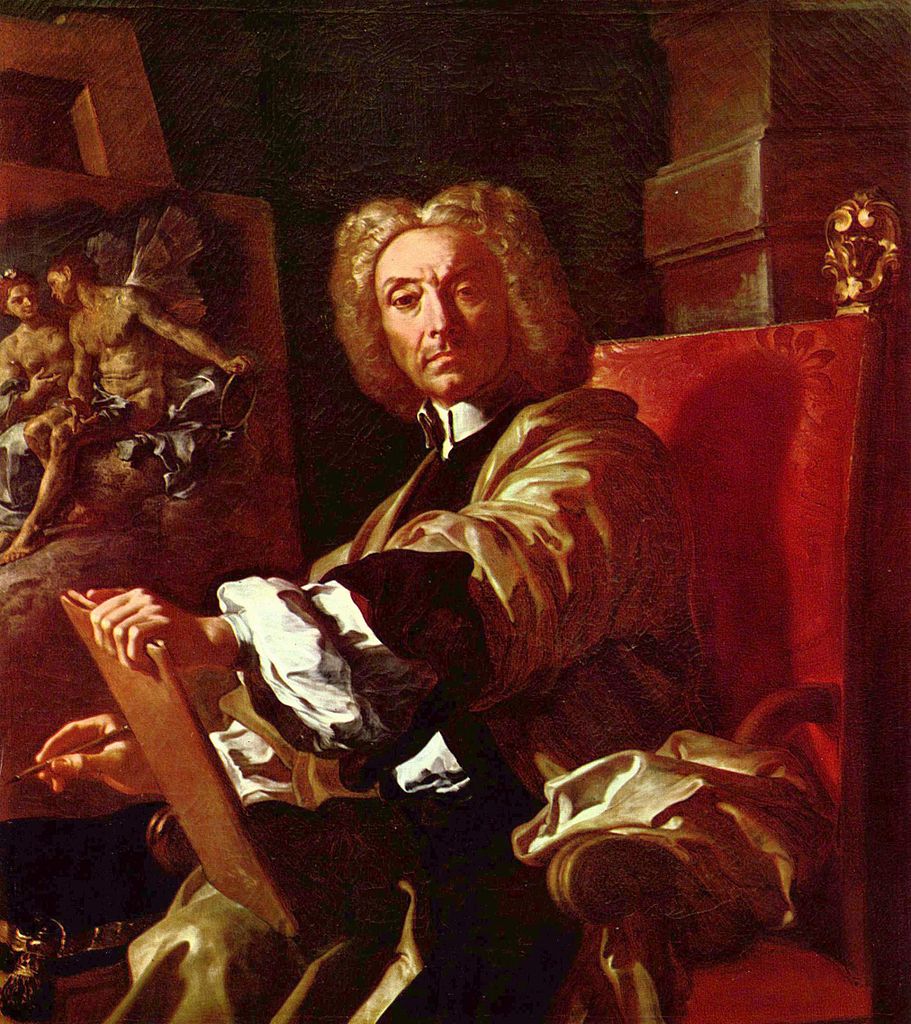
Francesco Solimena was an Italian painter of the seventeenth and eighteenth centuries. He is known as a representative of the Neapolitan school of late Baroque painting. The painter's creativity was highly appreciated by his contemporaries, during his long career he earned a large fortune by selling his works. The artist's biography is closely linked to Naples, the city in which the great genius spent most of his life.
Francesco Solimena was devoted to the religious genre, for which he was often called "Abbot Ciccio" during his lifetime. He educated many famous artists. Solimena's paintings are now in museums in St. Petersburg (Hermitage), London (National Gallery), New York (Metropolitan Museum of Art), Paris (Louvre) and other cities.
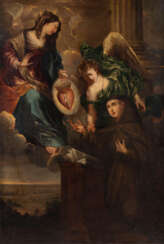

Francesco Solimena was an Italian painter of the seventeenth and eighteenth centuries. He is known as a representative of the Neapolitan school of late Baroque painting. The painter's creativity was highly appreciated by his contemporaries, during his long career he earned a large fortune by selling his works. The artist's biography is closely linked to Naples, the city in which the great genius spent most of his life.
Francesco Solimena was devoted to the religious genre, for which he was often called "Abbot Ciccio" during his lifetime. He educated many famous artists. Solimena's paintings are now in museums in St. Petersburg (Hermitage), London (National Gallery), New York (Metropolitan Museum of Art), Paris (Louvre) and other cities.
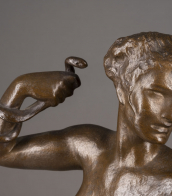


Francesco Solimena was an Italian painter of the seventeenth and eighteenth centuries. He is known as a representative of the Neapolitan school of late Baroque painting. The painter's creativity was highly appreciated by his contemporaries, during his long career he earned a large fortune by selling his works. The artist's biography is closely linked to Naples, the city in which the great genius spent most of his life.
Francesco Solimena was devoted to the religious genre, for which he was often called "Abbot Ciccio" during his lifetime. He educated many famous artists. Solimena's paintings are now in museums in St. Petersburg (Hermitage), London (National Gallery), New York (Metropolitan Museum of Art), Paris (Louvre) and other cities.


Francesco Solimena was an Italian painter of the seventeenth and eighteenth centuries. He is known as a representative of the Neapolitan school of late Baroque painting. The painter's creativity was highly appreciated by his contemporaries, during his long career he earned a large fortune by selling his works. The artist's biography is closely linked to Naples, the city in which the great genius spent most of his life.
Francesco Solimena was devoted to the religious genre, for which he was often called "Abbot Ciccio" during his lifetime. He educated many famous artists. Solimena's paintings are now in museums in St. Petersburg (Hermitage), London (National Gallery), New York (Metropolitan Museum of Art), Paris (Louvre) and other cities.
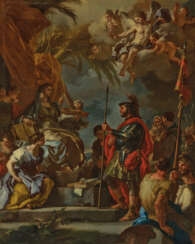

Francesco Solimena was an Italian painter of the seventeenth and eighteenth centuries. He is known as a representative of the Neapolitan school of late Baroque painting. The painter's creativity was highly appreciated by his contemporaries, during his long career he earned a large fortune by selling his works. The artist's biography is closely linked to Naples, the city in which the great genius spent most of his life.
Francesco Solimena was devoted to the religious genre, for which he was often called "Abbot Ciccio" during his lifetime. He educated many famous artists. Solimena's paintings are now in museums in St. Petersburg (Hermitage), London (National Gallery), New York (Metropolitan Museum of Art), Paris (Louvre) and other cities.
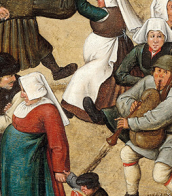
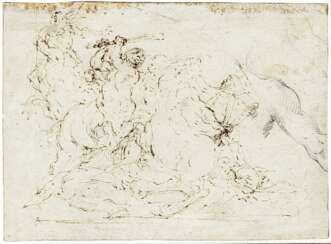

Francesco Solimena was an Italian painter of the seventeenth and eighteenth centuries. He is known as a representative of the Neapolitan school of late Baroque painting. The painter's creativity was highly appreciated by his contemporaries, during his long career he earned a large fortune by selling his works. The artist's biography is closely linked to Naples, the city in which the great genius spent most of his life.
Francesco Solimena was devoted to the religious genre, for which he was often called "Abbot Ciccio" during his lifetime. He educated many famous artists. Solimena's paintings are now in museums in St. Petersburg (Hermitage), London (National Gallery), New York (Metropolitan Museum of Art), Paris (Louvre) and other cities.
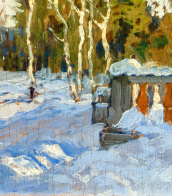


Francesco Solimena was an Italian painter of the seventeenth and eighteenth centuries. He is known as a representative of the Neapolitan school of late Baroque painting. The painter's creativity was highly appreciated by his contemporaries, during his long career he earned a large fortune by selling his works. The artist's biography is closely linked to Naples, the city in which the great genius spent most of his life.
Francesco Solimena was devoted to the religious genre, for which he was often called "Abbot Ciccio" during his lifetime. He educated many famous artists. Solimena's paintings are now in museums in St. Petersburg (Hermitage), London (National Gallery), New York (Metropolitan Museum of Art), Paris (Louvre) and other cities.
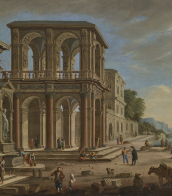


Francesco Solimena was an Italian painter of the seventeenth and eighteenth centuries. He is known as a representative of the Neapolitan school of late Baroque painting. The painter's creativity was highly appreciated by his contemporaries, during his long career he earned a large fortune by selling his works. The artist's biography is closely linked to Naples, the city in which the great genius spent most of his life.
Francesco Solimena was devoted to the religious genre, for which he was often called "Abbot Ciccio" during his lifetime. He educated many famous artists. Solimena's paintings are now in museums in St. Petersburg (Hermitage), London (National Gallery), New York (Metropolitan Museum of Art), Paris (Louvre) and other cities.
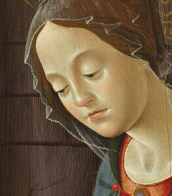


Francesco Solimena was an Italian painter of the seventeenth and eighteenth centuries. He is known as a representative of the Neapolitan school of late Baroque painting. The painter's creativity was highly appreciated by his contemporaries, during his long career he earned a large fortune by selling his works. The artist's biography is closely linked to Naples, the city in which the great genius spent most of his life.
Francesco Solimena was devoted to the religious genre, for which he was often called "Abbot Ciccio" during his lifetime. He educated many famous artists. Solimena's paintings are now in museums in St. Petersburg (Hermitage), London (National Gallery), New York (Metropolitan Museum of Art), Paris (Louvre) and other cities.

Francesco Solimena was an Italian painter of the seventeenth and eighteenth centuries. He is known as a representative of the Neapolitan school of late Baroque painting. The painter's creativity was highly appreciated by his contemporaries, during his long career he earned a large fortune by selling his works. The artist's biography is closely linked to Naples, the city in which the great genius spent most of his life.
Francesco Solimena was devoted to the religious genre, for which he was often called "Abbot Ciccio" during his lifetime. He educated many famous artists. Solimena's paintings are now in museums in St. Petersburg (Hermitage), London (National Gallery), New York (Metropolitan Museum of Art), Paris (Louvre) and other cities.

Francesco Solimena was an Italian painter of the seventeenth and eighteenth centuries. He is known as a representative of the Neapolitan school of late Baroque painting. The painter's creativity was highly appreciated by his contemporaries, during his long career he earned a large fortune by selling his works. The artist's biography is closely linked to Naples, the city in which the great genius spent most of his life.
Francesco Solimena was devoted to the religious genre, for which he was often called "Abbot Ciccio" during his lifetime. He educated many famous artists. Solimena's paintings are now in museums in St. Petersburg (Hermitage), London (National Gallery), New York (Metropolitan Museum of Art), Paris (Louvre) and other cities.
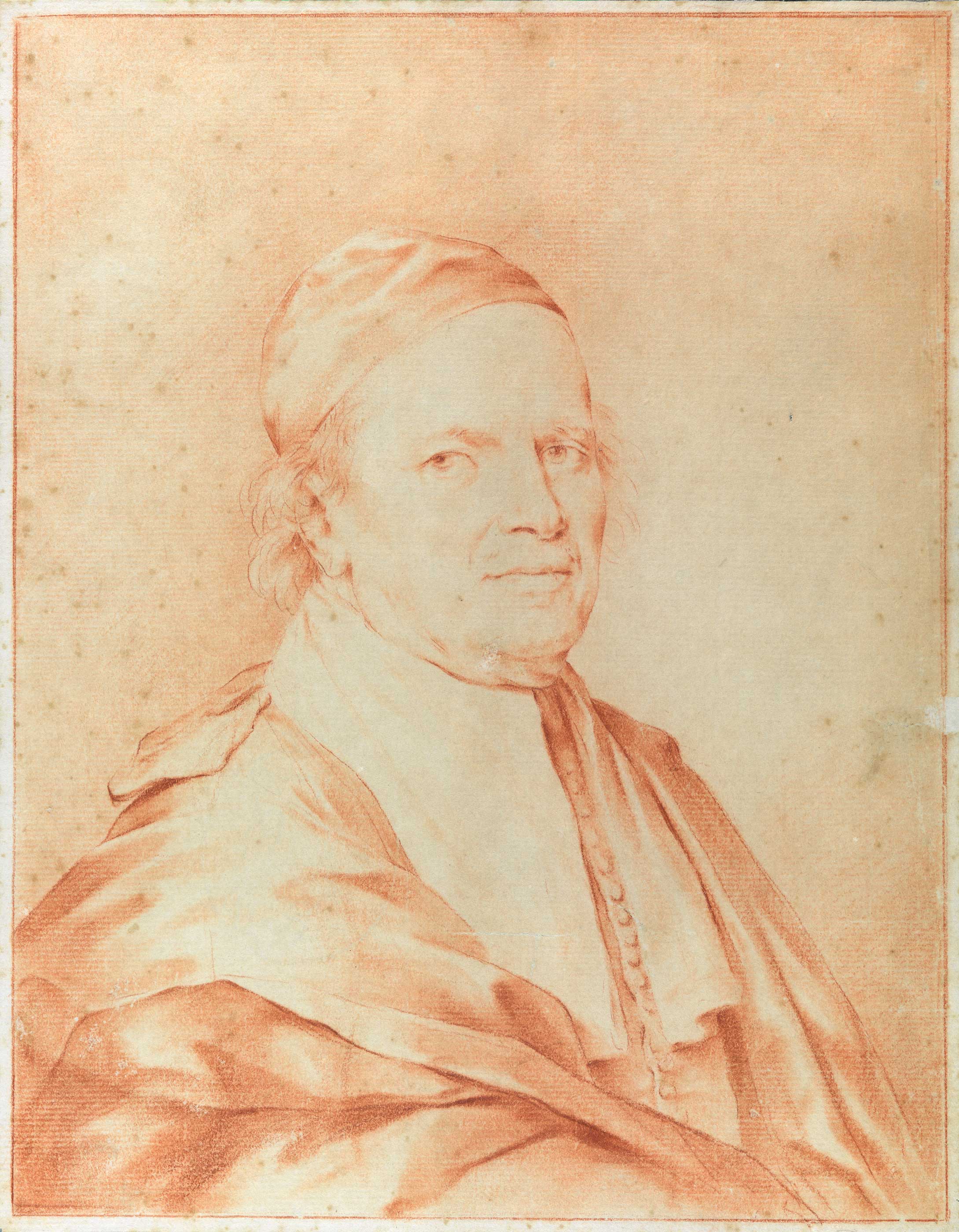
Carlo Cignani was an Italian painter, a representative of the Bolognese Baroque school.
Although he was educated in Bologna, he was more influenced by Correggio. The last 20 years of his life the artist spent in Forli, engaged in painting churches. The fresco "Assumption of the Virgin" in the dome of the cathedral of Forlì was painted by Cignani on the motives of the painting of the dome of the Cathedral of Parma, made by Correggio.
His son Felice (1660-1724) and nephew Paolo (1709-1764) were also artists.


Francesco Solimena was an Italian painter of the seventeenth and eighteenth centuries. He is known as a representative of the Neapolitan school of late Baroque painting. The painter's creativity was highly appreciated by his contemporaries, during his long career he earned a large fortune by selling his works. The artist's biography is closely linked to Naples, the city in which the great genius spent most of his life.
Francesco Solimena was devoted to the religious genre, for which he was often called "Abbot Ciccio" during his lifetime. He educated many famous artists. Solimena's paintings are now in museums in St. Petersburg (Hermitage), London (National Gallery), New York (Metropolitan Museum of Art), Paris (Louvre) and other cities.
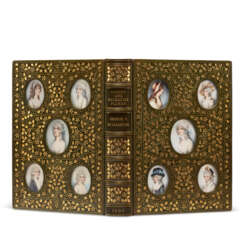

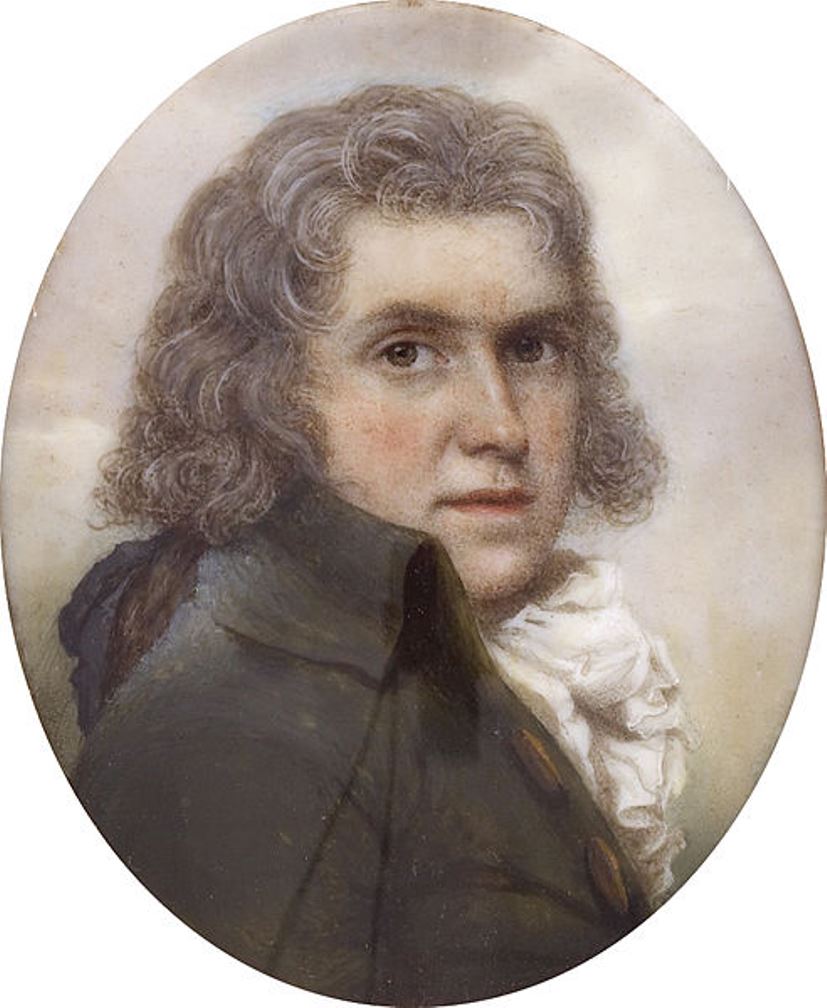
Nathaniel Plimer was a British miniature painter and portraitist.
Like his brother Andrew Plimer, he studied first with his watchmaker father, but both ran away and traveled for over two years in Wales and the west of England with a troupe of gypsies before settling in London. Together they studied miniature painting under Richard Cosway (1742-1821). Nathaniel Plimer exhibited at the Royal Academy from 1787 to 1815, and his portraits were much appreciated by his contemporaries.
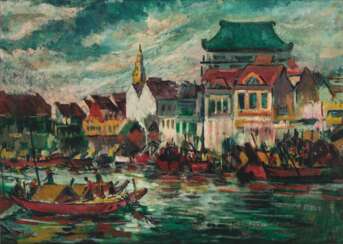

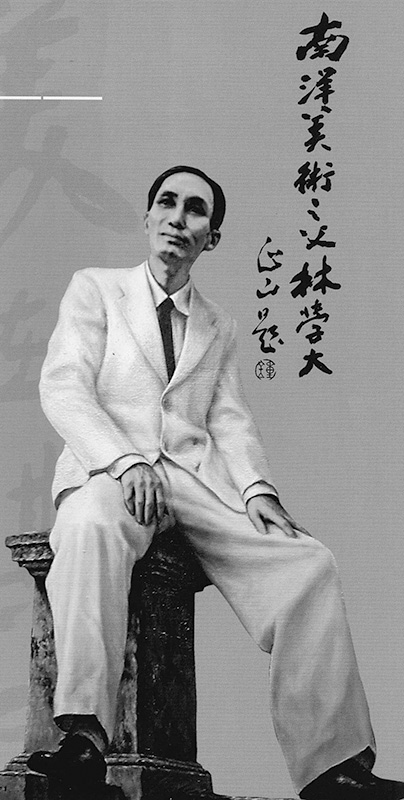
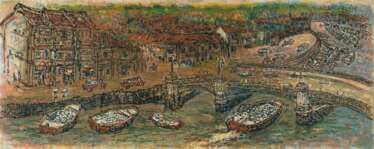
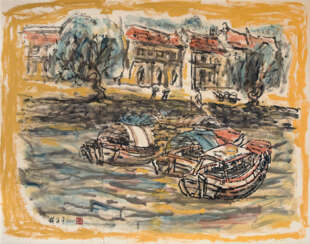
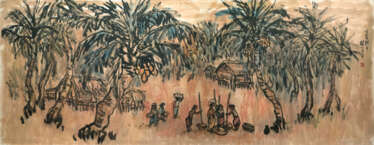
Lim Hak Tai, SK (simplified Chinese: 林学大; traditional Chinese: 林學大; pinyin: Lín Xué Dà; Pe̍h-ōe-jī: Lîm Ha̍k-tāi) was one of Singapore's pioneer artist at the turn of the 20th century, and was the person who inspired the Nanyang School of art form, to reflect the 'Nanyang' (South-east Asia) region, both in painting style and subject matter.