lithografie


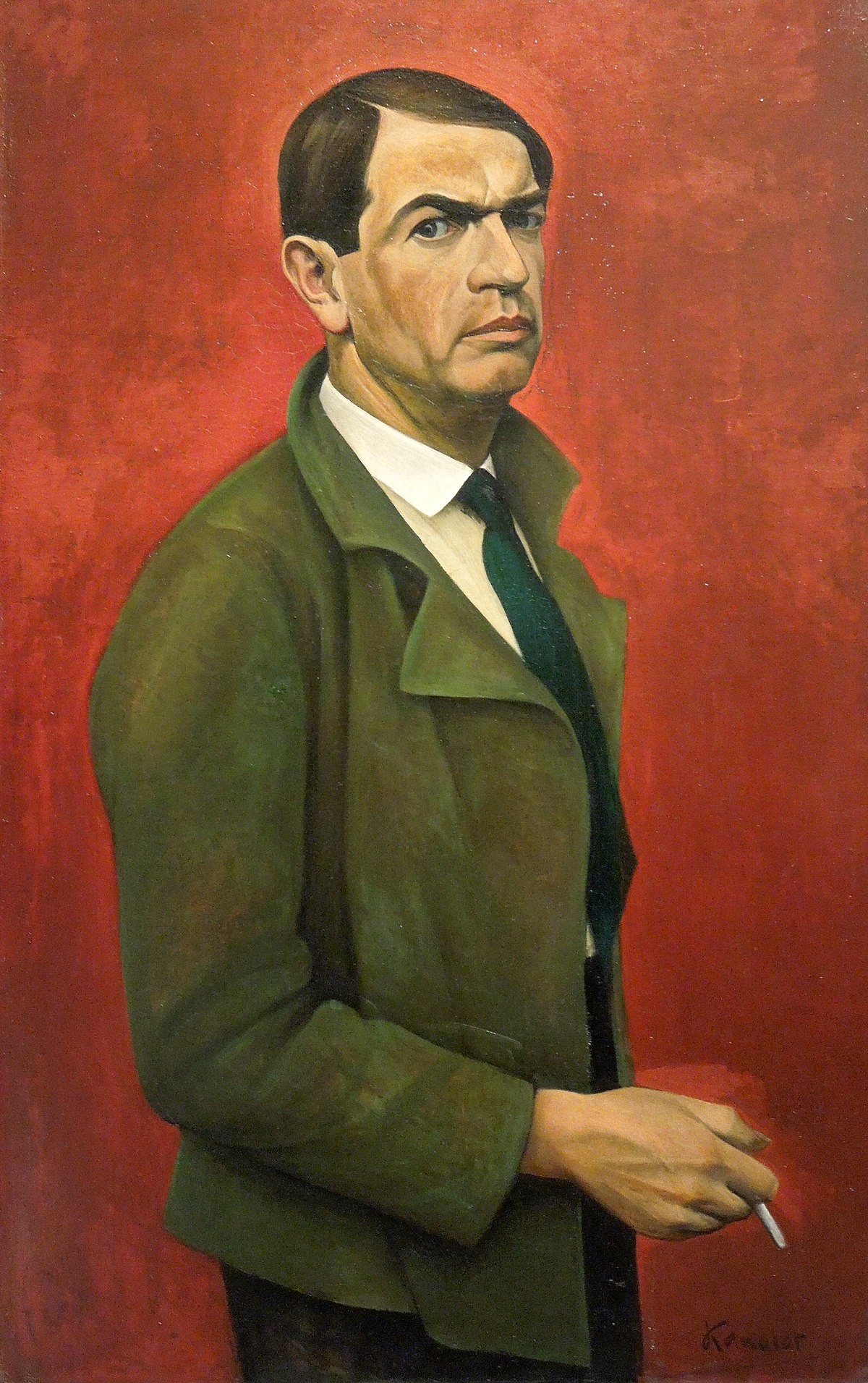
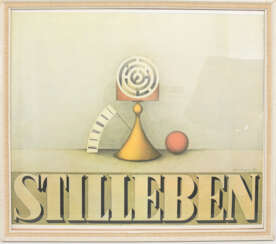
Alexander Kanoldt was a German painter of the first half of the twentieth century. He is known as a painter, landscape and portrait painter, a representative of the New Materiality movement.
Alexander Kanoldt was one of the founders of the New Munich Art Association and the Blue Rider group. His style evolved from Neo-Impressionism to magic realism, to depicting plants, objects, landscapes and people in angular forms. During the Nazi regime, he tried to adapt to the styles in demand, but many of his works were confiscated as belonging to "degenerate art."
Kanoldt was a professor at the Berlin Academy of Art and director of the State School of Art in Berlin until his retirement in 1936.



Alexander Kanoldt was a German painter of the first half of the twentieth century. He is known as a painter, landscape and portrait painter, a representative of the New Materiality movement.
Alexander Kanoldt was one of the founders of the New Munich Art Association and the Blue Rider group. His style evolved from Neo-Impressionism to magic realism, to depicting plants, objects, landscapes and people in angular forms. During the Nazi regime, he tried to adapt to the styles in demand, but many of his works were confiscated as belonging to "degenerate art."
Kanoldt was a professor at the Berlin Academy of Art and director of the State School of Art in Berlin until his retirement in 1936.


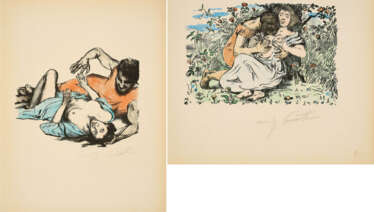

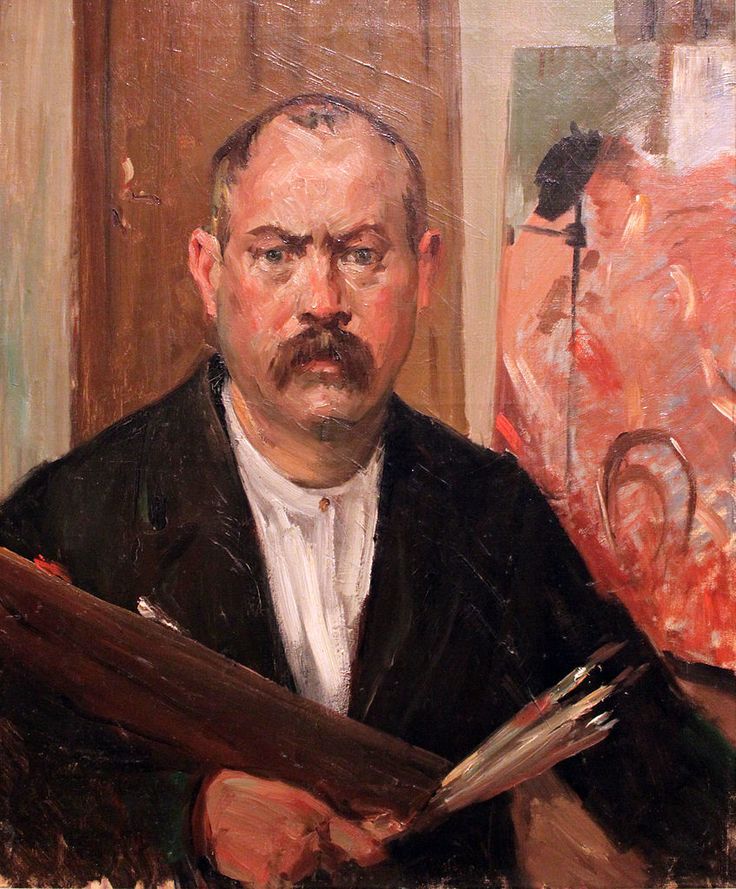
Lovis Corinth was a German artist and writer whose mature work as a painter and printmaker realized a synthesis of impressionism and expressionism.
Corinth studied in Paris and Munich, joined the Berlin Secession group, later succeeding Max Liebermann as the group's president. His early work was naturalistic in approach. Corinth was initially antagonistic towards the expressionist movement, but after a stroke in 1911 his style loosened and took on many expressionistic qualities. His use of color became more vibrant, and he created portraits and landscapes of extraordinary vitality and power. Corinth's subject matter also included nudes and biblical scenes.


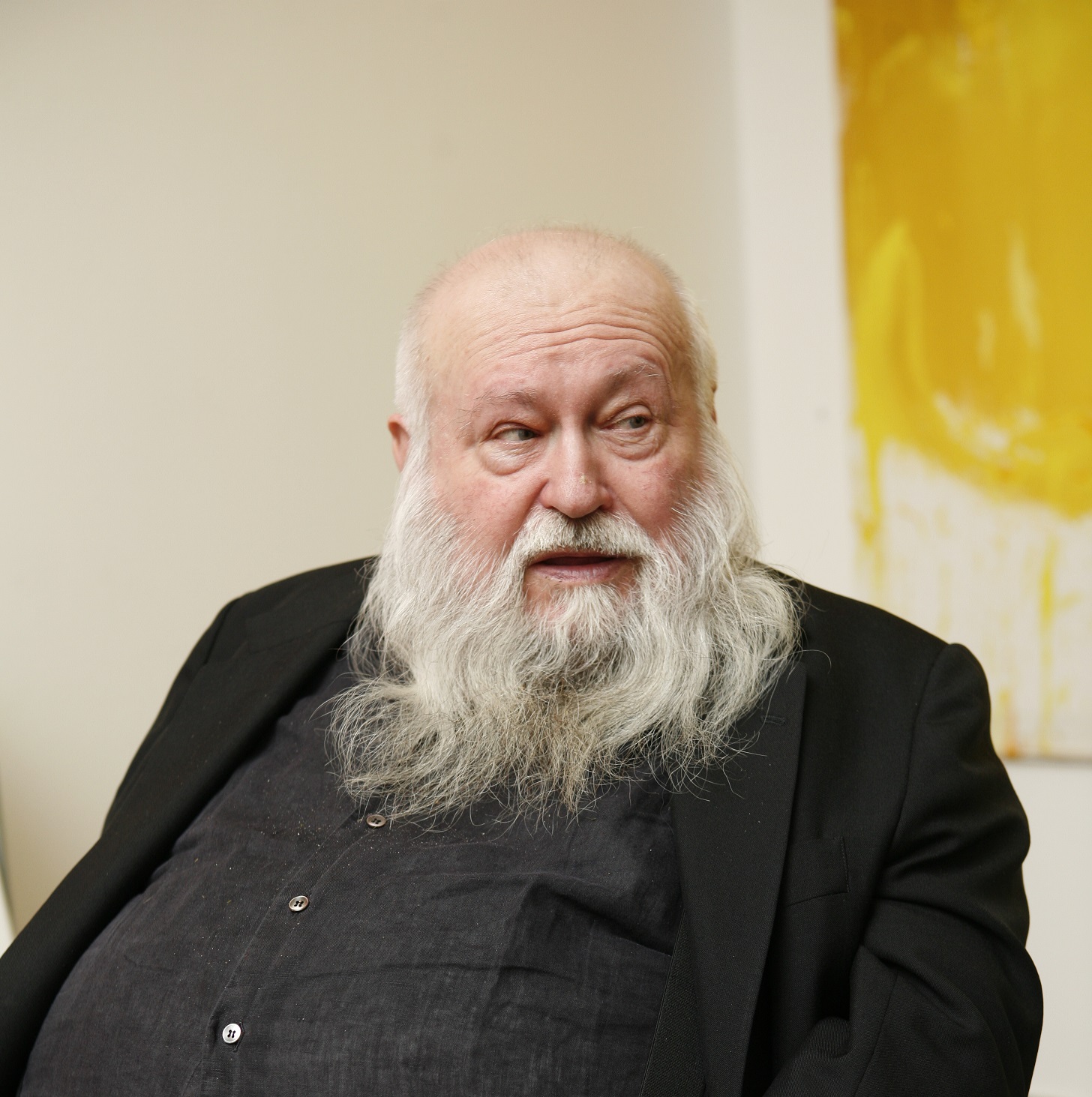
Hermann Nitsch was an Austrian contemporary artist and composer. His art encompassed wide-scale performances incorporating theater, multimedia, rituals and acted violence. He was a leading figure of Viennese Actionism.








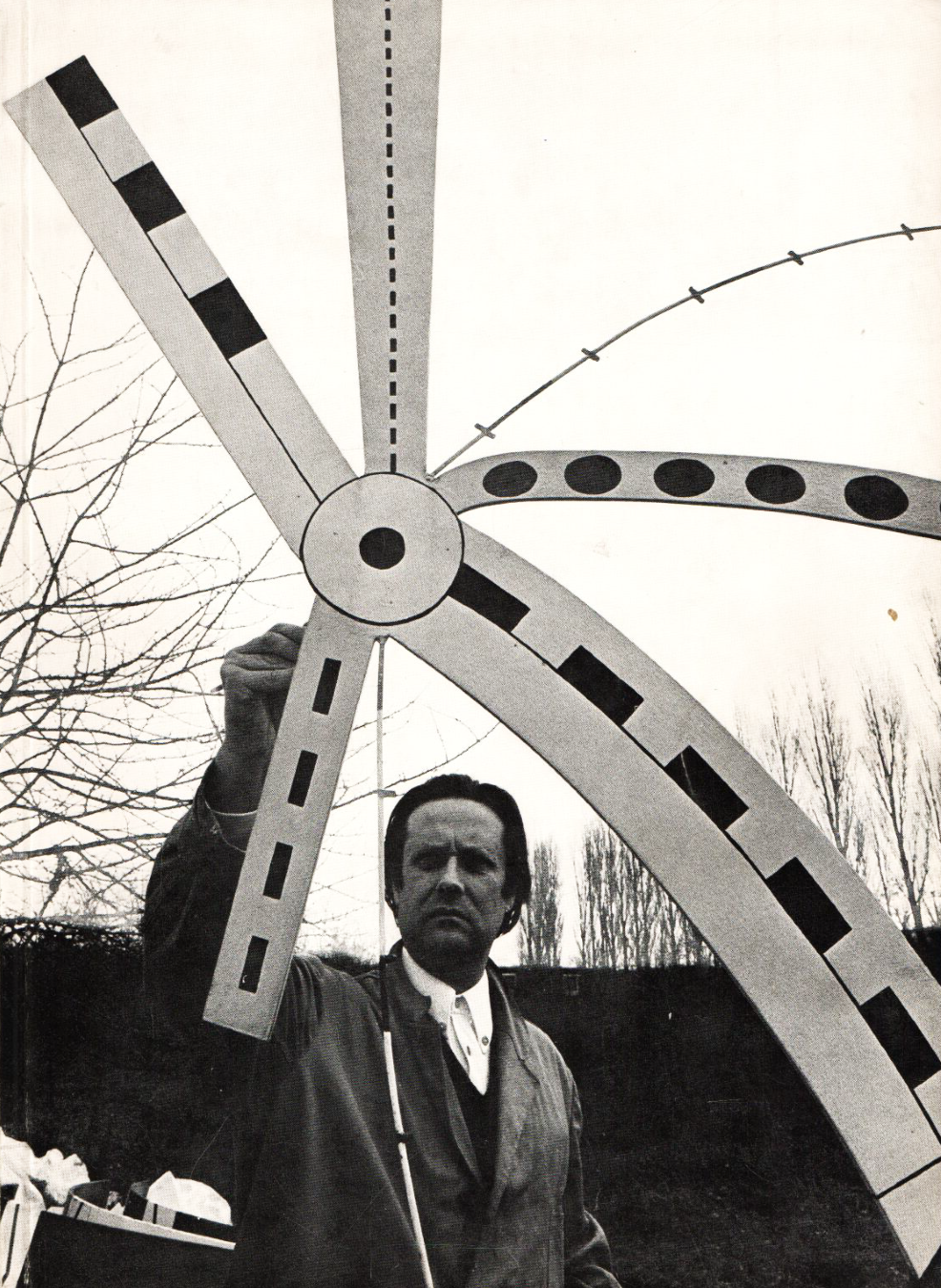
Peter Brüning was an internationally renowned German modernist painter and sculptor. His works of the 1950s can be classified as Informel.
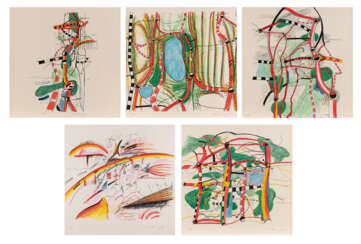

Peter Brüning was an internationally renowned German modernist painter and sculptor. His works of the 1950s can be classified as Informel.
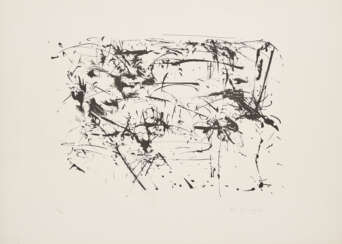

Peter Brüning was an internationally renowned German modernist painter and sculptor. His works of the 1950s can be classified as Informel.
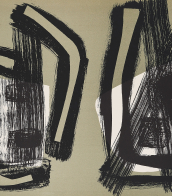
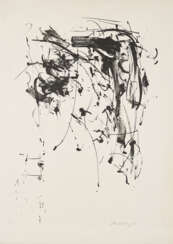

Peter Brüning was an internationally renowned German modernist painter and sculptor. His works of the 1950s can be classified as Informel.
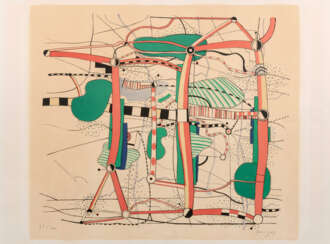

Peter Brüning was an internationally renowned German modernist painter and sculptor. His works of the 1950s can be classified as Informel.
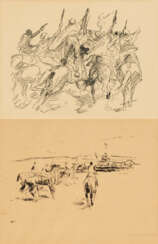

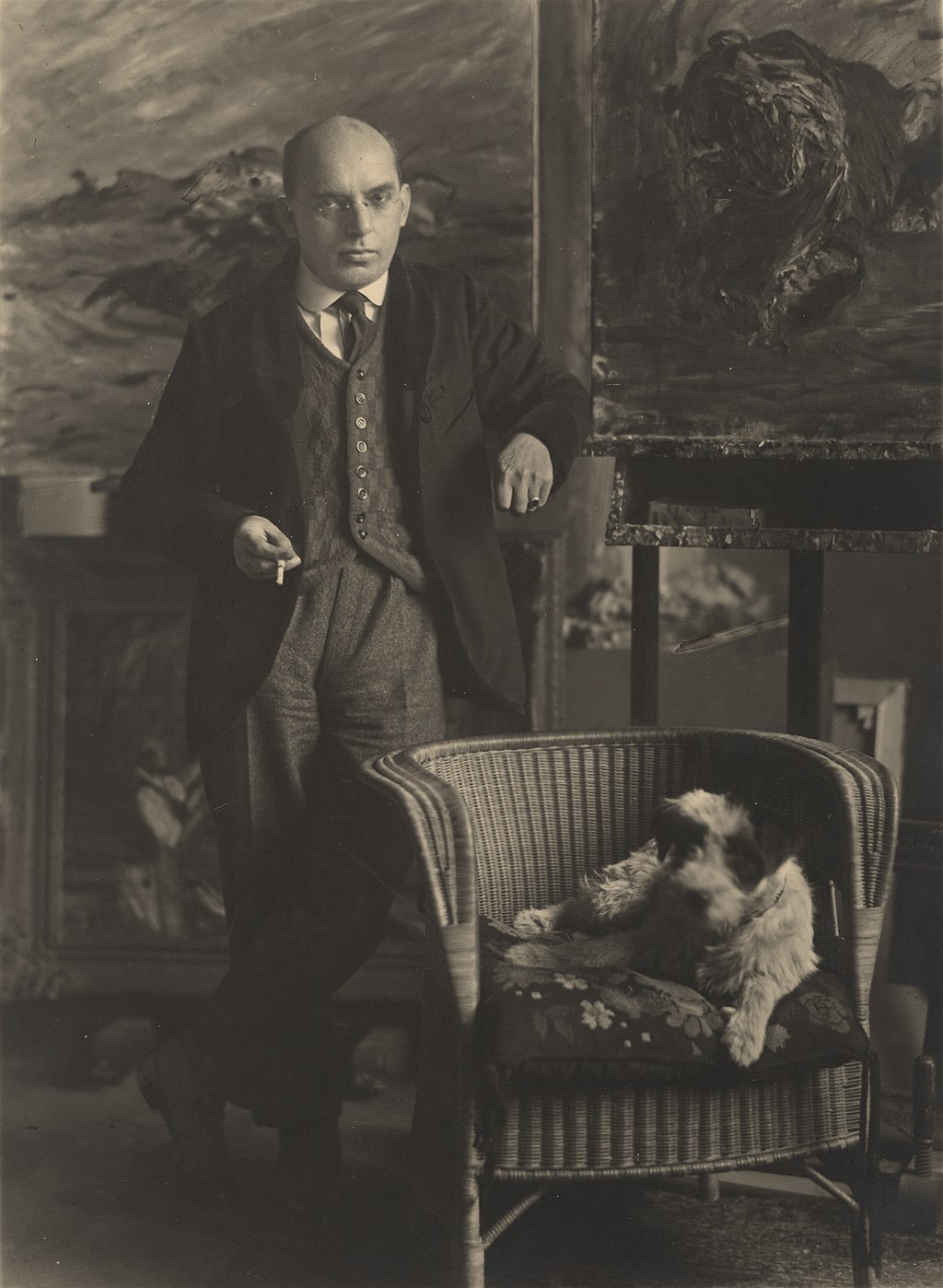
Otto Dill was a German painter. His work was part of the art competitions at the 1928 Summer Olympics and the 1932 Summer Olympics.
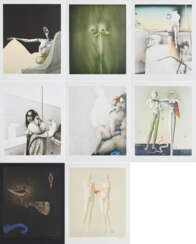

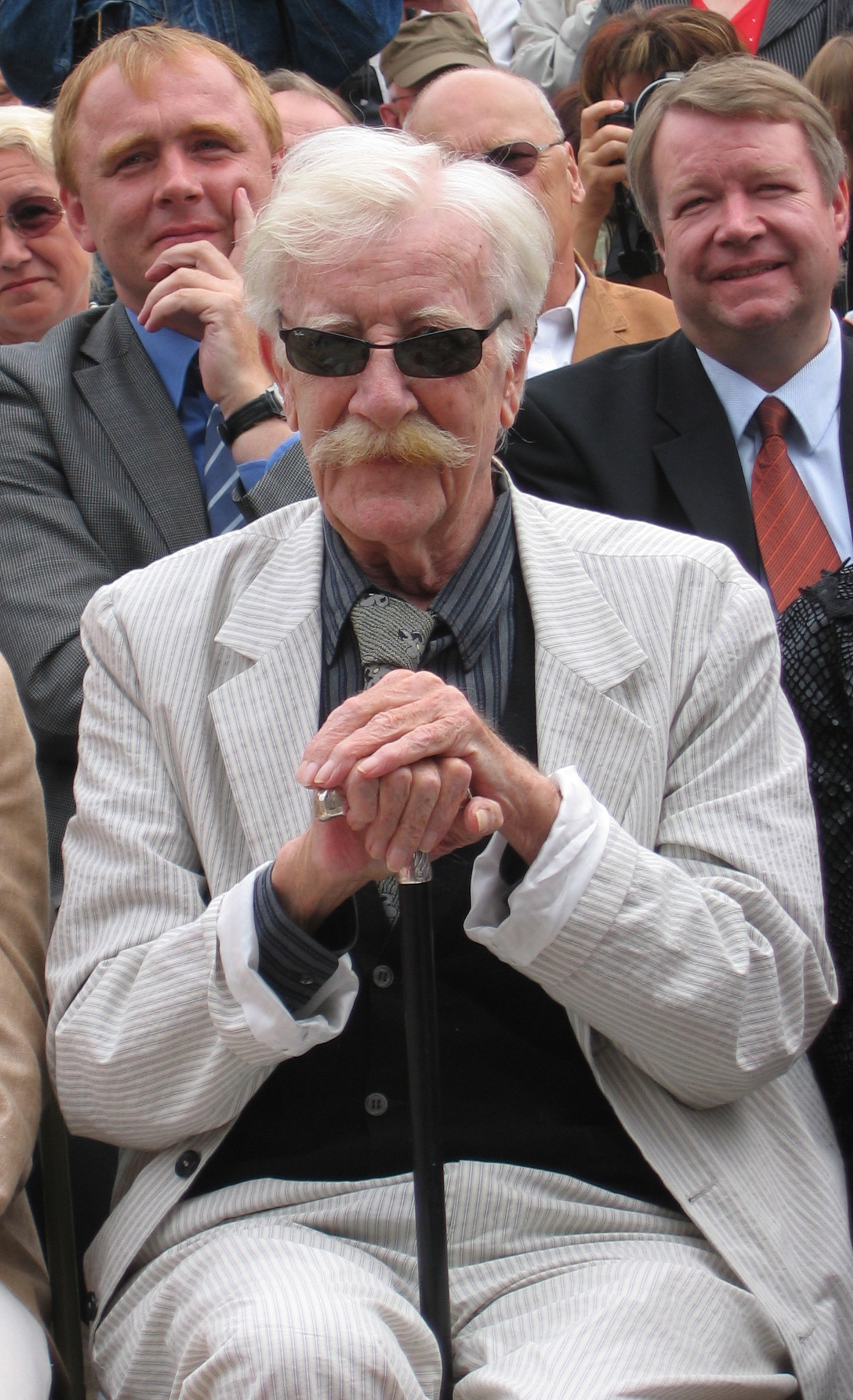
Paul Wunderlich was a German painter, sculptor and graphic artist. He designed Surrealist paintings and erotic sculptures. He often created paintings which referred to mythological legends.
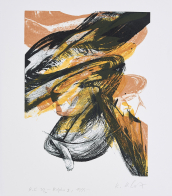
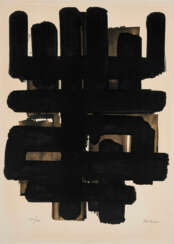

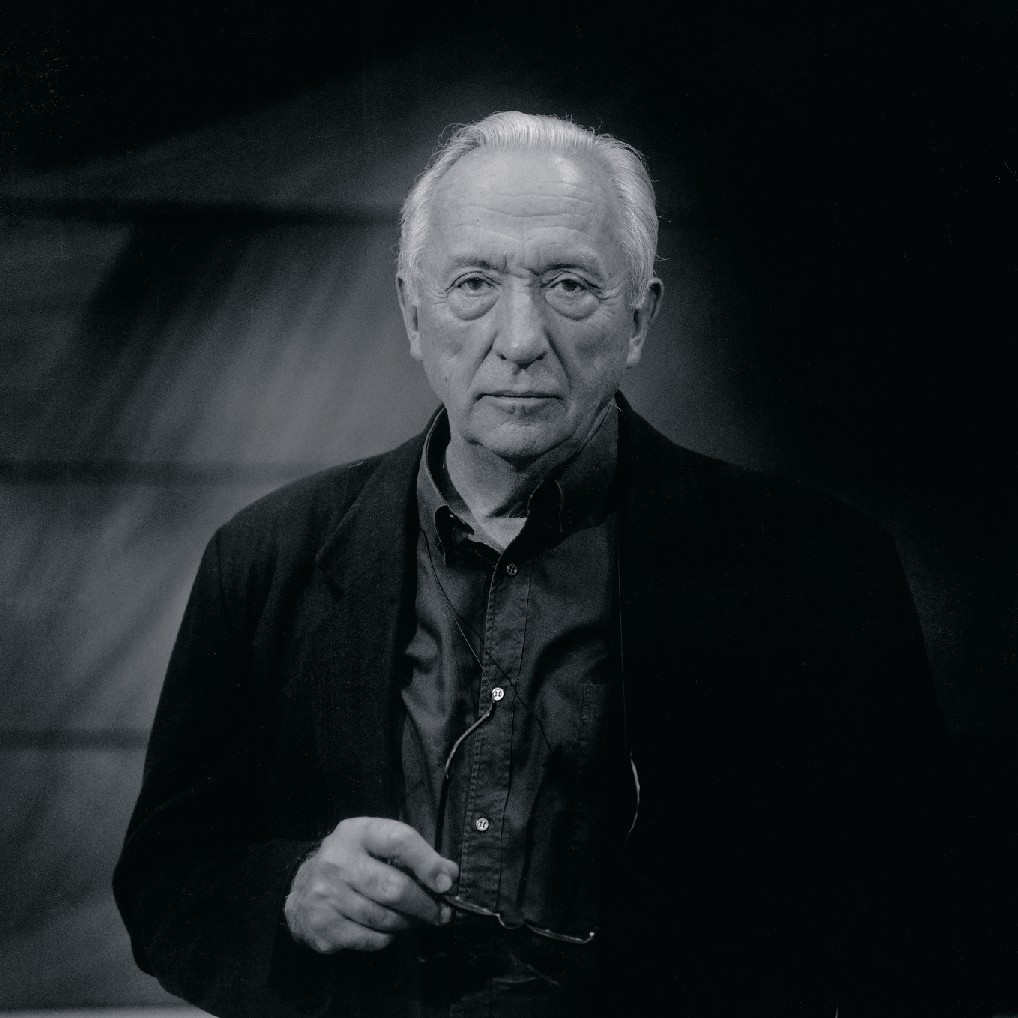
Pierre Soulages was a French painter, printmaker, and sculptor. In 2014, François Hollande described him as "the world's greatest living artist."
Soulages is known as "the painter of black," owing to his interest in the colour "both as a colour and a non-colour. When light is reflected on black, it transforms and transmutes it. It opens a mental field all its own." He saw light as a work material; striations of the black surface of his paintings enable him to reflect light, allowing the black to come out of darkness and into brightness, thus becoming a luminous colour.
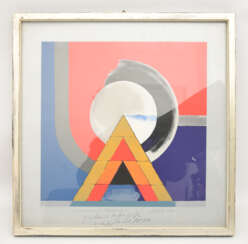




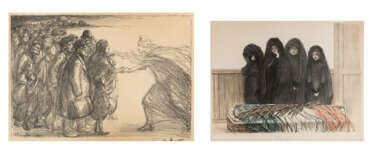

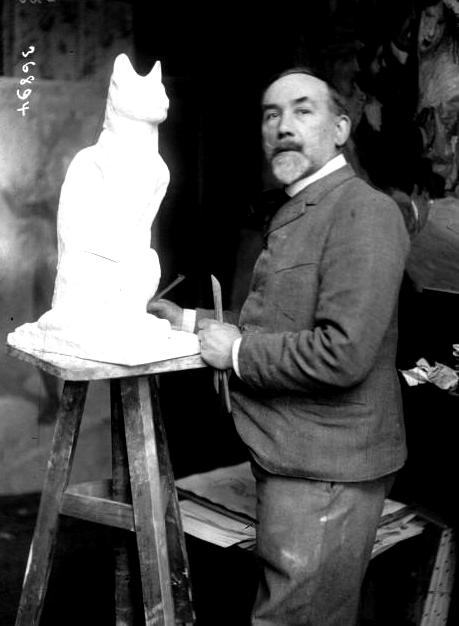
Théophile Alexandre Steinlen was a French painter, graphic artist, etcher, and illustrator of Swiss origin who worked in the Realist and Art Nouveau styles.



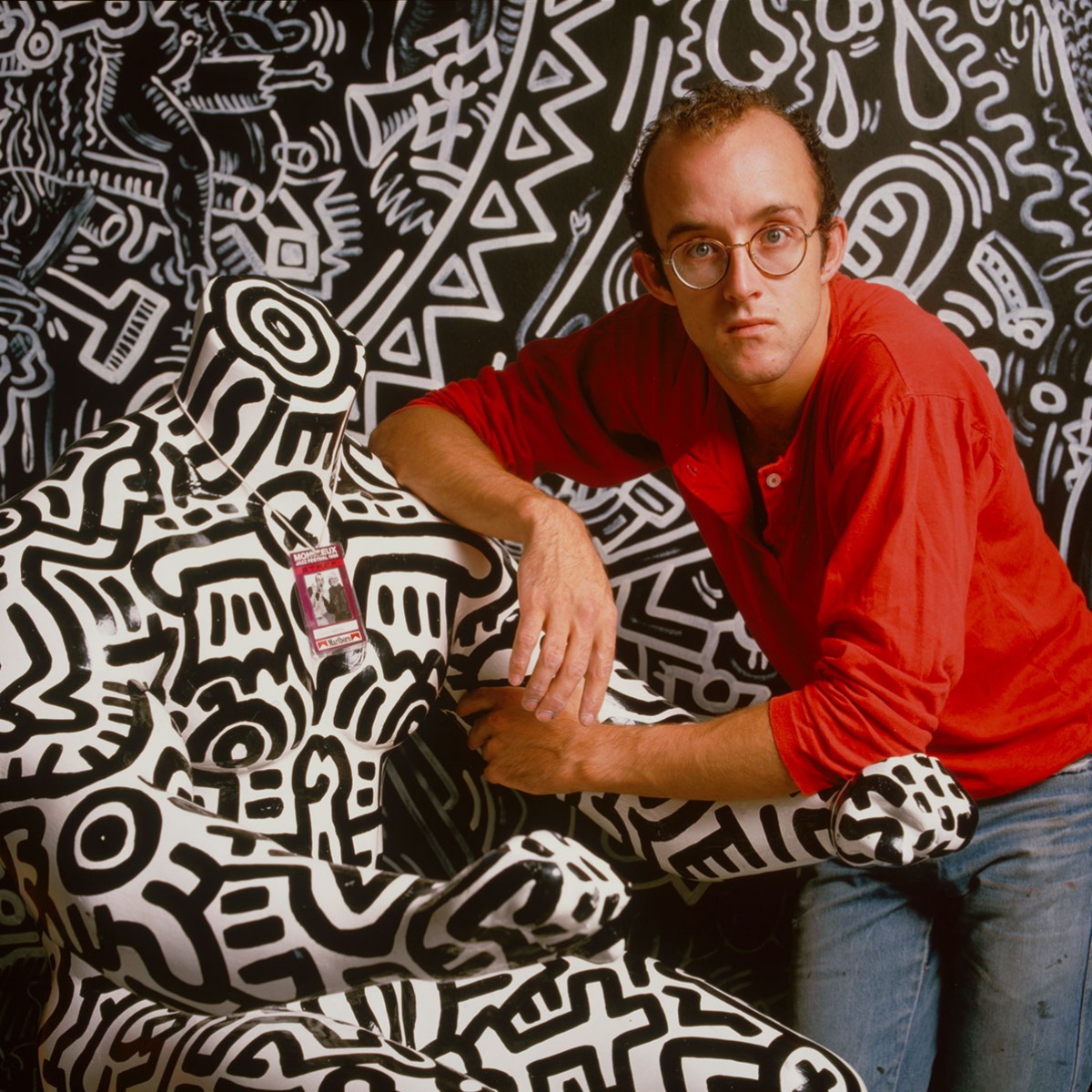
Keith Allen Haring was an iconic American artist, recognized globally for his distinctive contributions to painting, sculpture, and art culture. Haring's work is celebrated for its vibrant, dynamic imagery and its profound social activism, which addressed critical themes such as AIDS awareness, racial inequality, and the empowerment of communities through art. His art transcends conventional galleries, marking its presence in public spaces, museums, and collections worldwide, thereby democratizing art access and engagement.
Haring's unique approach to art was characterized by bold lines, vivid colors, and animated figures, which not only attracted art collectors and experts but also resonated with a broader audience. His ability to blend art with activism, using public spaces as his canvas, was revolutionary. Works like the "Crack is Wack" mural and the untitled piece on the Berlin Wall stand testament to his commitment to societal issues, making him a pioneer in using art as a tool for social change.
Keith Haring's legacy continues through the Keith Haring Foundation, established by the artist in 1989 to support children's programs and organizations dedicated to raising AIDS awareness. The Foundation ensures that Haring's artistic and philanthropic vision persists, facilitating exhibitions and educational initiatives. For collectors and art experts keen on exploring Haring's influential body of work and its impact on contemporary art and culture, his creations offer profound insights into the intersection of art, social activism, and community engagement.
For those interested in staying informed about new product sales, auction events, and exhibitions related to Keith Allen Haring, signing up for updates is a straightforward way to remain connected with the ongoing celebration of his art and humanitarian legacy. This subscription ensures direct access to the latest on Haring's impactful contributions to the world of art and culture.
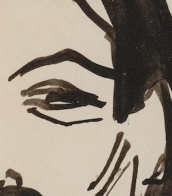


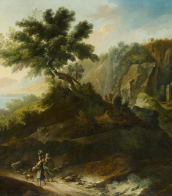
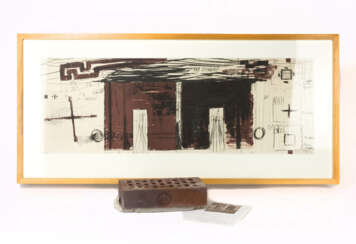


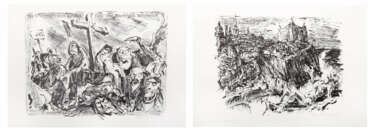

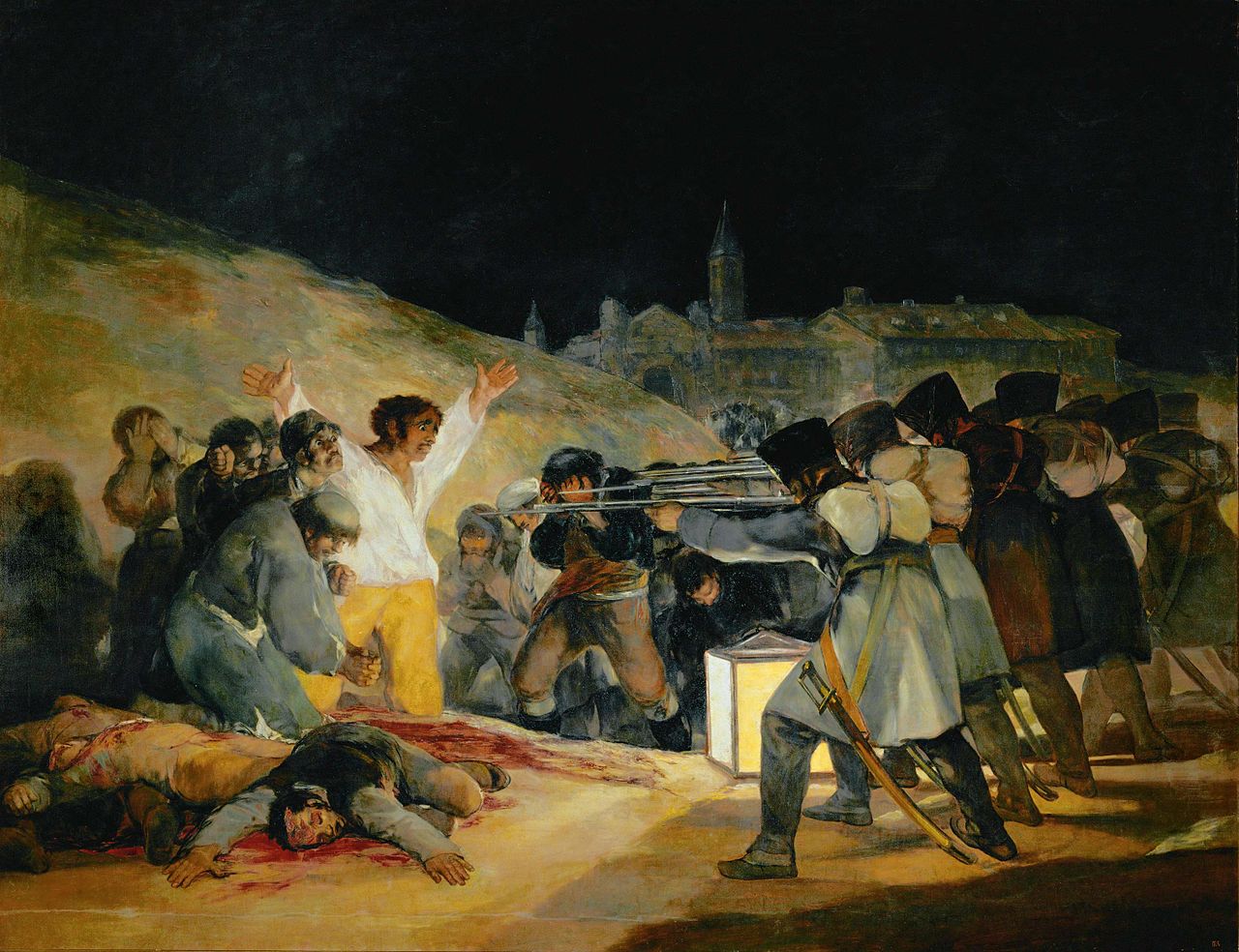
Hans Fronius was an Austrian painter and illustrator. His work is considered an example of "expressive realism," and he painted portraits, street scenes, and literary interpretations. Fronius was one of the first to illustrate stories by Franz Kafka, as well as works by Edgar Allan Poe and Robert Louis Stevenson.


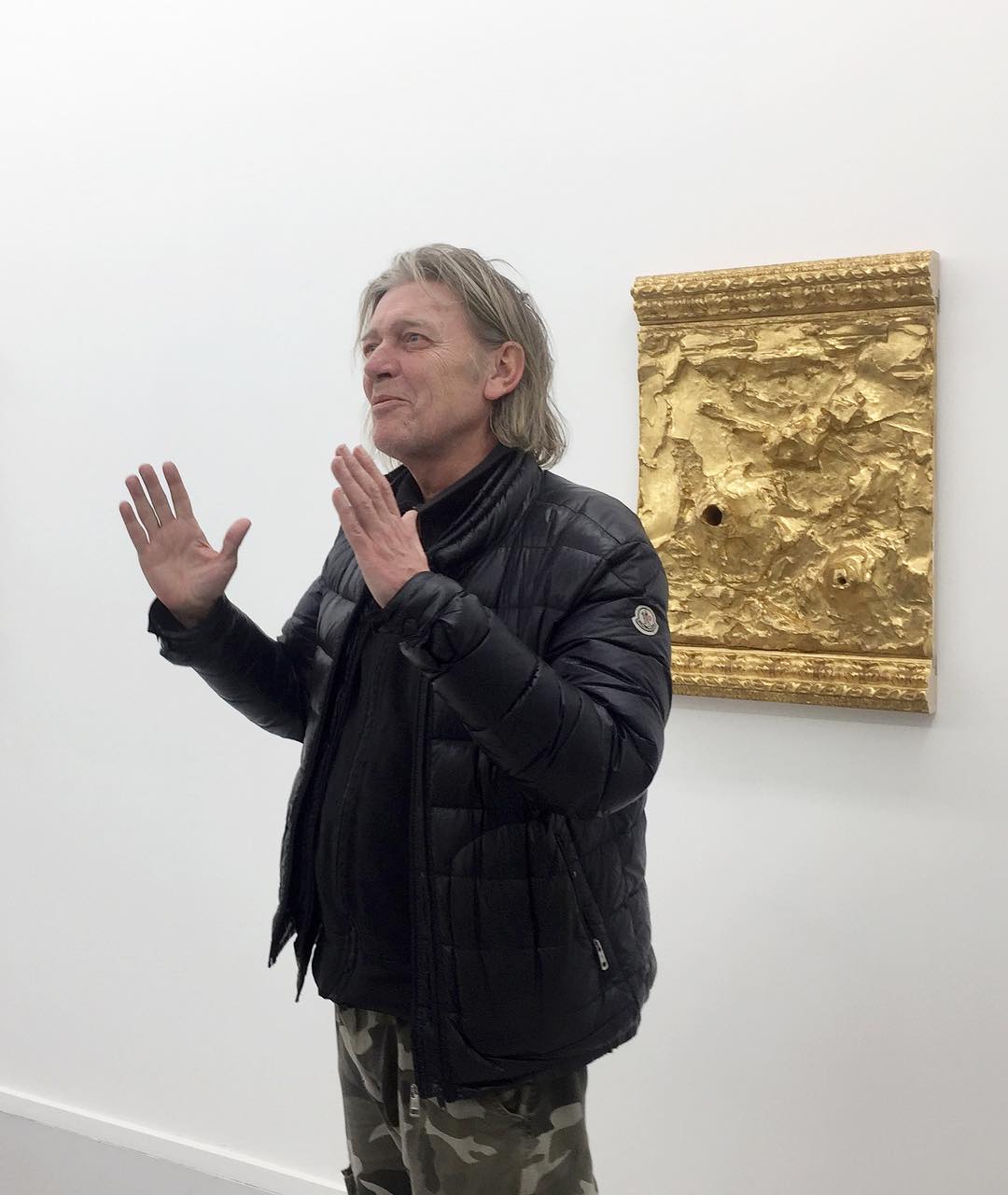


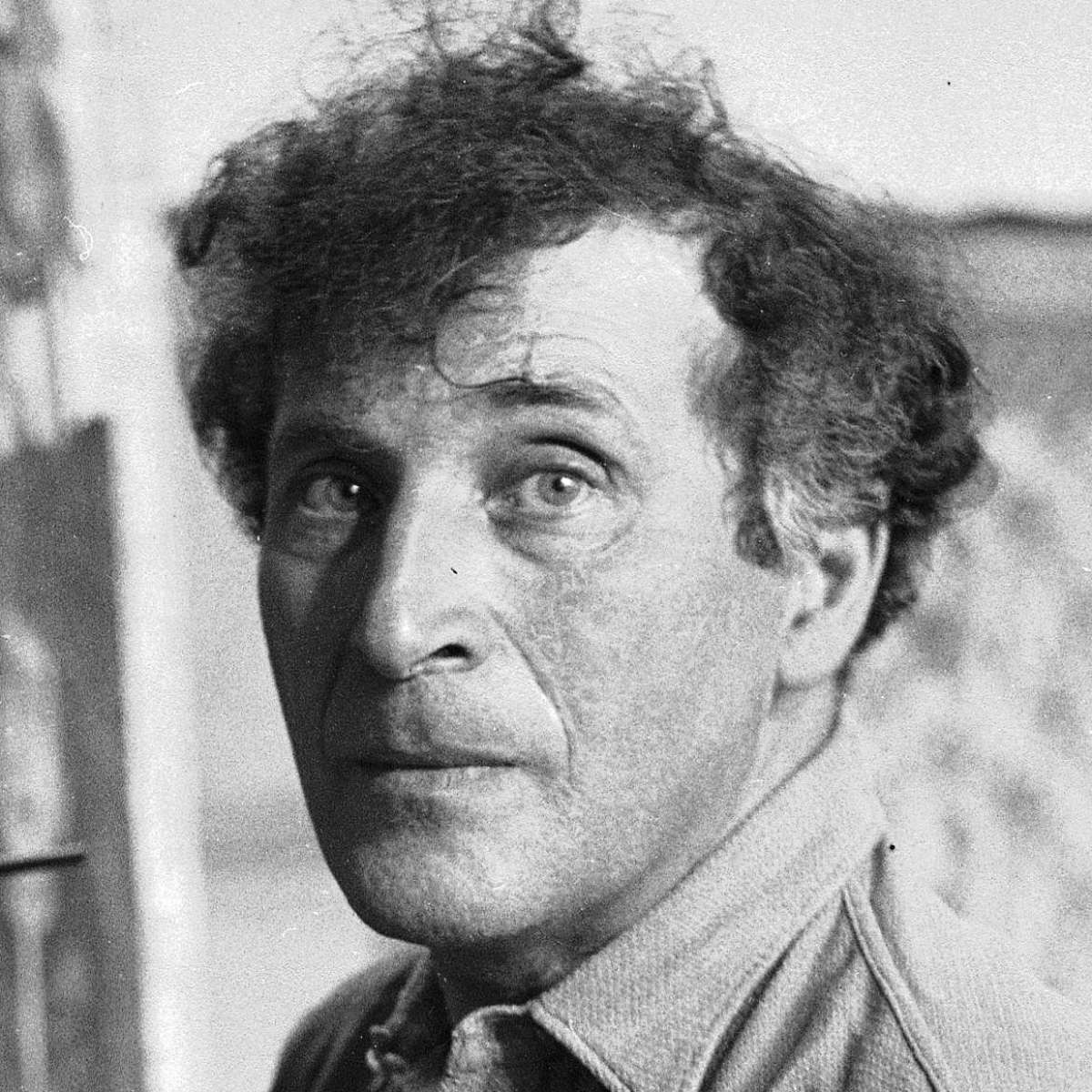
Marc Chagall (Russian: Марк Заха́рович Шага́л), born Moishe Shagal in 1887 near Vitebsk, Belarus (then part of the Russian Empire), was a Belarusian and French artist celebrated for his pivotal role in the avant-garde movement and his unique integration of Eastern European Jewish culture into modern art. His contributions spanned several artistic formats including painting, stained glass, stage sets, ceramics, tapestries, and fine art prints. Chagall's early modernist tendencies were enriched by his experiences across Saint Petersburg, Paris, and Berlin before World War I, leading to a distinctive style that melded Cubism, Symbolism, and Fauvism with his Jewish heritage.
Chagall's work is recognized for its emotional depth, often exploring themes of love, memory, and Jewish folklore through vibrant colors and dreamlike imagery. Notably, art critic Robert Hughes described him as "the quintessential Jewish artist of the twentieth century," a sentiment echoed by art historian Michael J. Lewis who regarded Chagall as a significant figure within European modernism and as the world's preeminent Jewish artist of his time.
Among Chagall's famed contributions are his stained-glass windows for the cathedrals of Reims and Metz, the UN, and the Jerusalem Windows in Israel. His monumental paintings include parts of the ceiling of the Paris Opéra and works that explore biblical themes, a hallmark of his oeuvre that underscores his enduring engagement with spiritual and religious motifs.
For art collectors and antiques experts, Chagall's works are notable not only for their artistic innovation but also for their rich cultural and historical significance. His art is housed in many prestigious museums worldwide, including the Marc Chagall National Museum in Nice, France, which focuses on his works inspired by religion and houses the series of paintings illustrating the biblical message.
For those interested in exploring Chagall's legacy and the vibrant intersection of culture, art, and history his work represents, signing up for updates on new product sales and auction events related to Marc Chagall can provide invaluable insights and opportunities. This is an invitation to engage more deeply with the world of art and culture that Chagall so uniquely encapsulated in his work.