lot 241


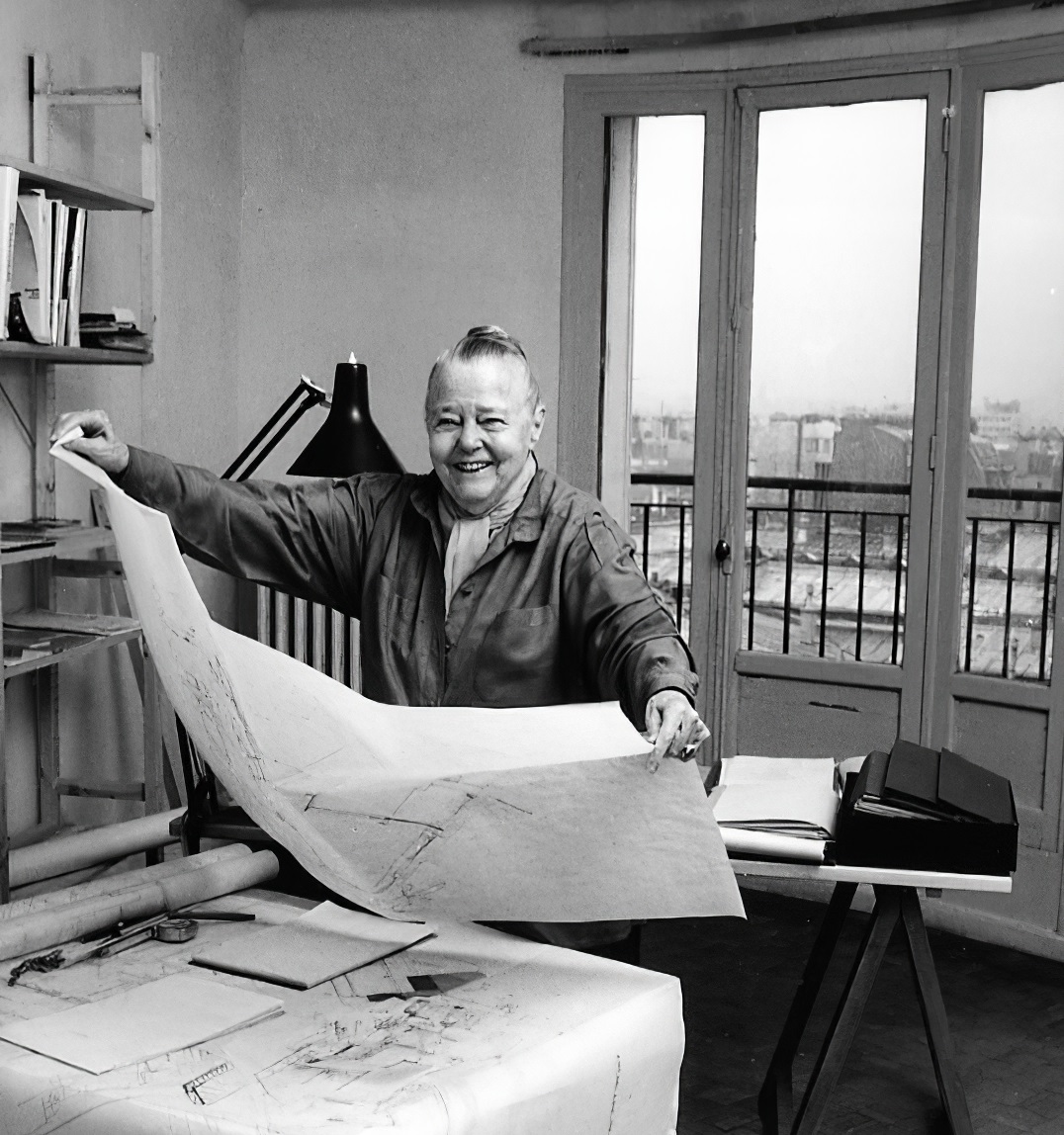
Charlotte Perriand was a French architect and designer. Her work aimed to create functional living spaces in the belief that better design helps in creating a better society. In her article "L'Art de Vivre" from 1981 she states "The extension of the art of dwelling is the art of living — living in harmony with man's deepest drives and with his adopted or fabricated environment." Charlotte liked to take her time in a space before starting the design process.
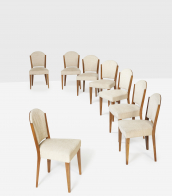


Charlotte Perriand was a French architect and designer. Her work aimed to create functional living spaces in the belief that better design helps in creating a better society. In her article "L'Art de Vivre" from 1981 she states "The extension of the art of dwelling is the art of living — living in harmony with man's deepest drives and with his adopted or fabricated environment." Charlotte liked to take her time in a space before starting the design process.
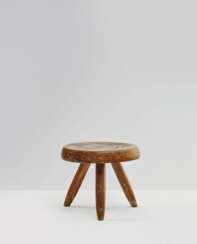

Charlotte Perriand was a French architect and designer. Her work aimed to create functional living spaces in the belief that better design helps in creating a better society. In her article "L'Art de Vivre" from 1981 she states "The extension of the art of dwelling is the art of living — living in harmony with man's deepest drives and with his adopted or fabricated environment." Charlotte liked to take her time in a space before starting the design process.


Charlotte Perriand was a French architect and designer. Her work aimed to create functional living spaces in the belief that better design helps in creating a better society. In her article "L'Art de Vivre" from 1981 she states "The extension of the art of dwelling is the art of living — living in harmony with man's deepest drives and with his adopted or fabricated environment." Charlotte liked to take her time in a space before starting the design process.

















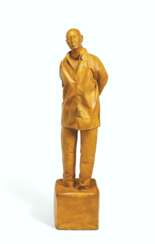










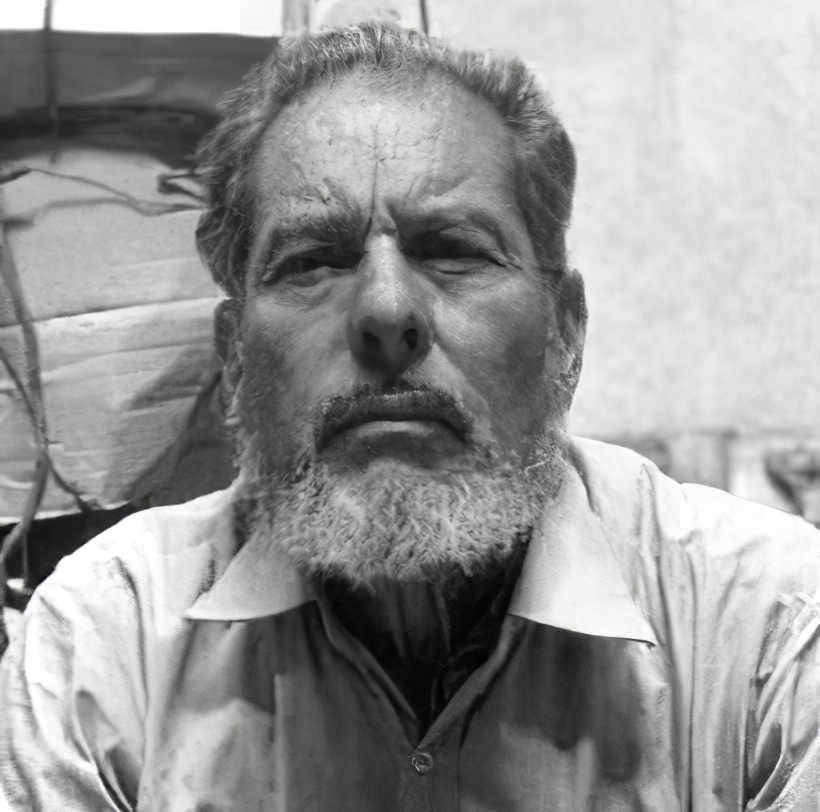
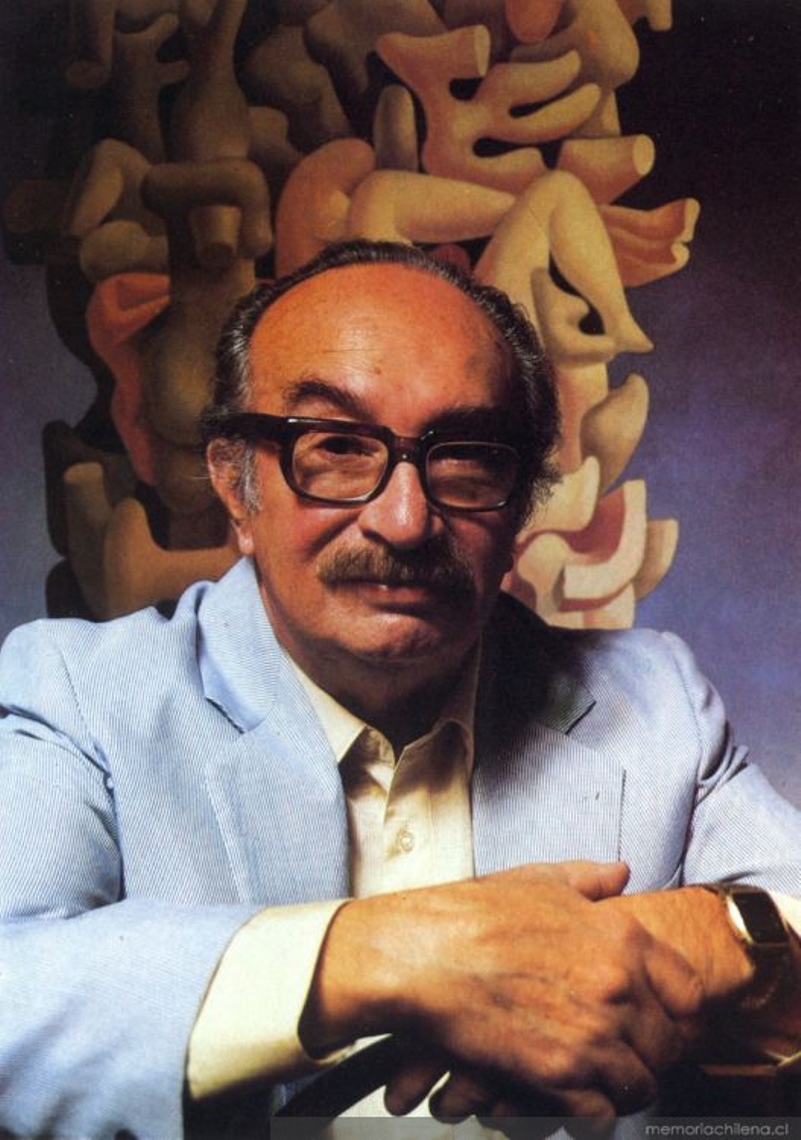
José Jesús Francisco Zúñiga Chavarría was a Costa Rican-born Mexican artist, known both for his painting and his sculpture. Journalist Fernando González Gortázar lists Zúñiga as one of the 100 most notable Mexicans of the 20th century, while the Encyclopædia Britannica calls him "perhaps the best sculptor" of the Mexican political modern style.






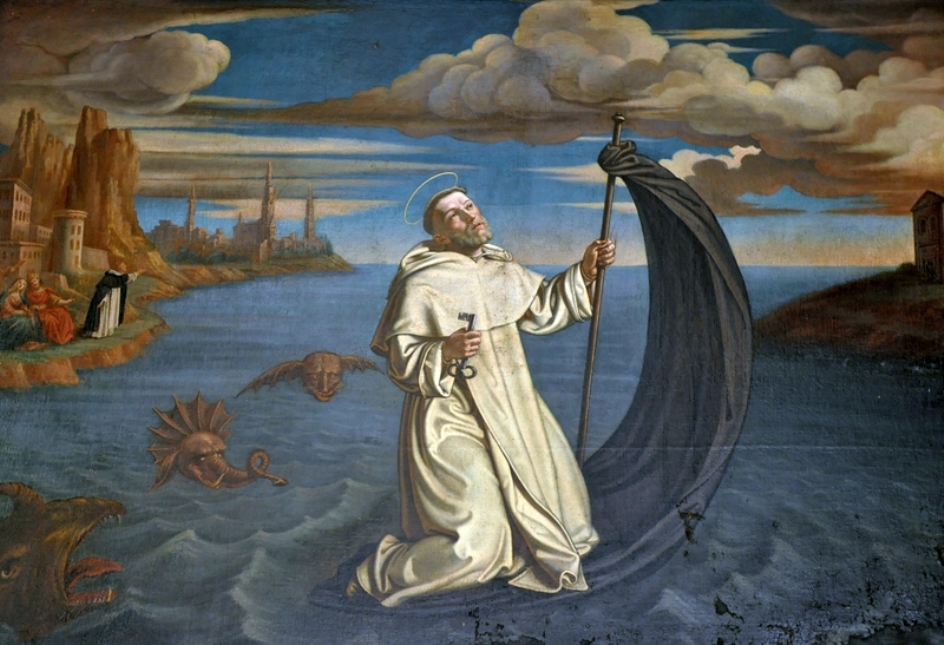
Raymond of Penyafort (Spanish: San Raimundo de Peñafort) was a Spanish theologian, canonist, and Dominican friar who is revered as a saint in the Catholic Church.
Raimondo was an adviser and confessor to the Pope in Rome as well as to kings, particularly James I of Catalonia and Aragon. Together with King James of Aragon and St. Peter Nolasco, he founded the Order of Our Lady of Ransom. The monks of this Order devoted themselves to saving Christians captured by the Moors. One of Raimondo of Peñafort's main goals was the conversion of Jews and Muslims to Christianity, and to achieve this goal he ordered Arabic and Hebrew to be studied and taught in the higher schools run by the Dominicans. He was also among those who founded the Inquisition in Catalonia.
Raimondo died at the age of 100 in Barcelona in 1275 and was canonized by Pope Clement VIII in the same year.
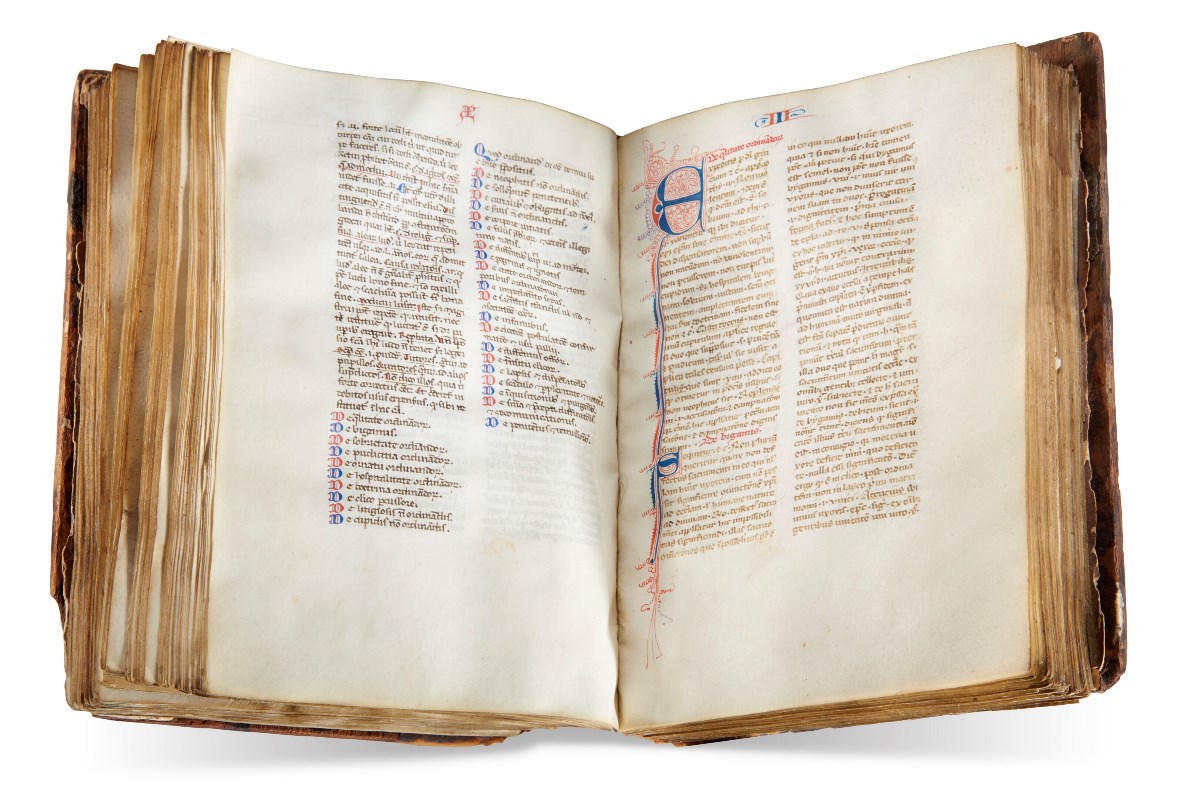
William of Rennes was a 13th-century French Roman Catholic monk, poet, theologian, and expert in canon law.
His commentaries and annotations on the works of the revered Catholic saint Raymond of Peñafort enjoyed almost equal authority in most manuscripts and early editions on academic theology and canon law. William of Rennes also wrote the epic of King Arthur, which is of interest to scholars of literature in that it was the first attempt to transform a medieval hero into a hero of classical eras.











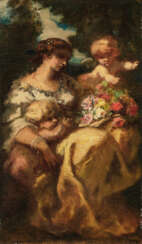

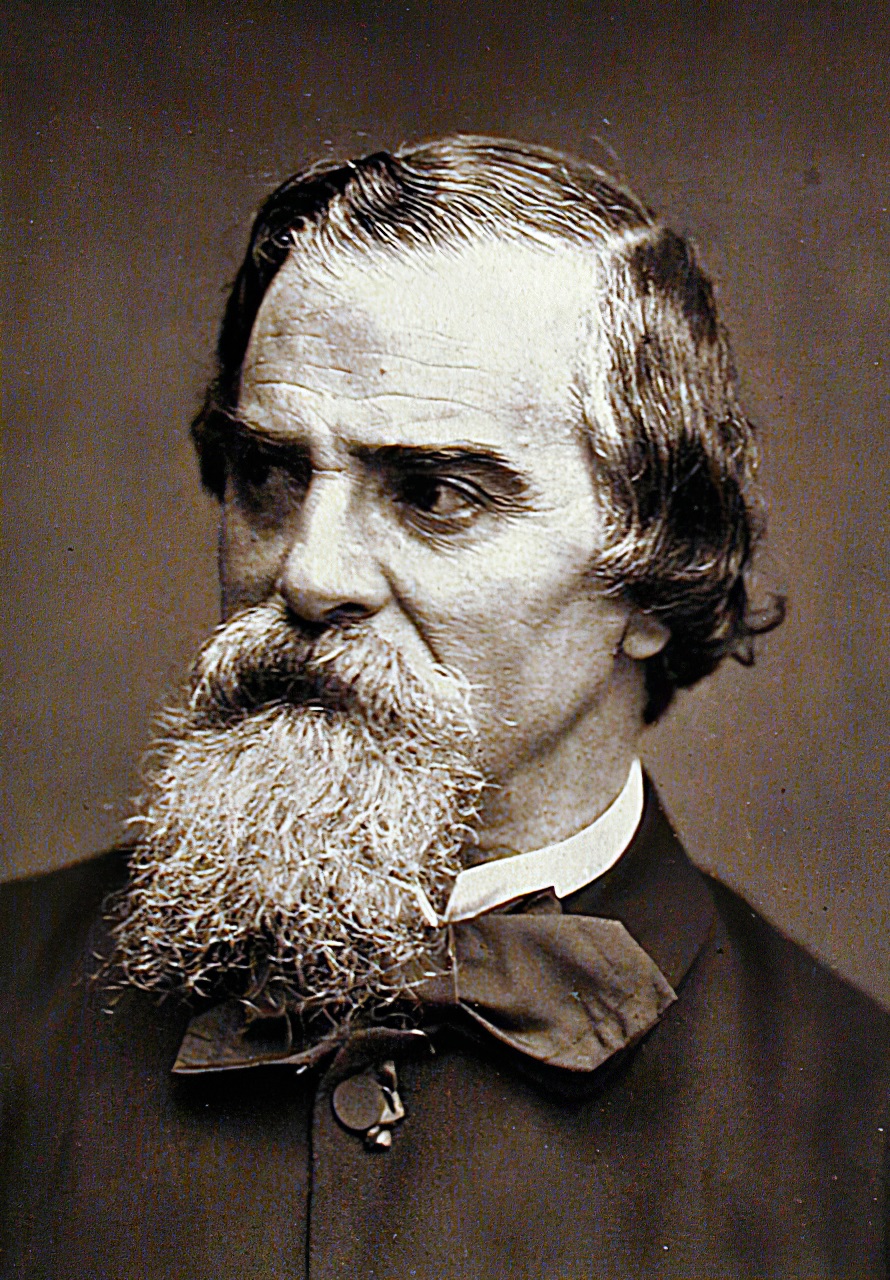
Narcisse Virgilio Díaz de la Peña was a French painter of the Barbizon school.
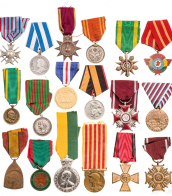
Díaz exhibited many pictures at the Paris Salon, and was decorated in 1851 with the rank of Chevalier (Knight) of the Légion d’honneur.