mat




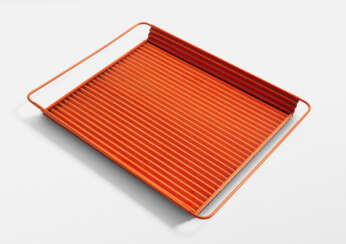

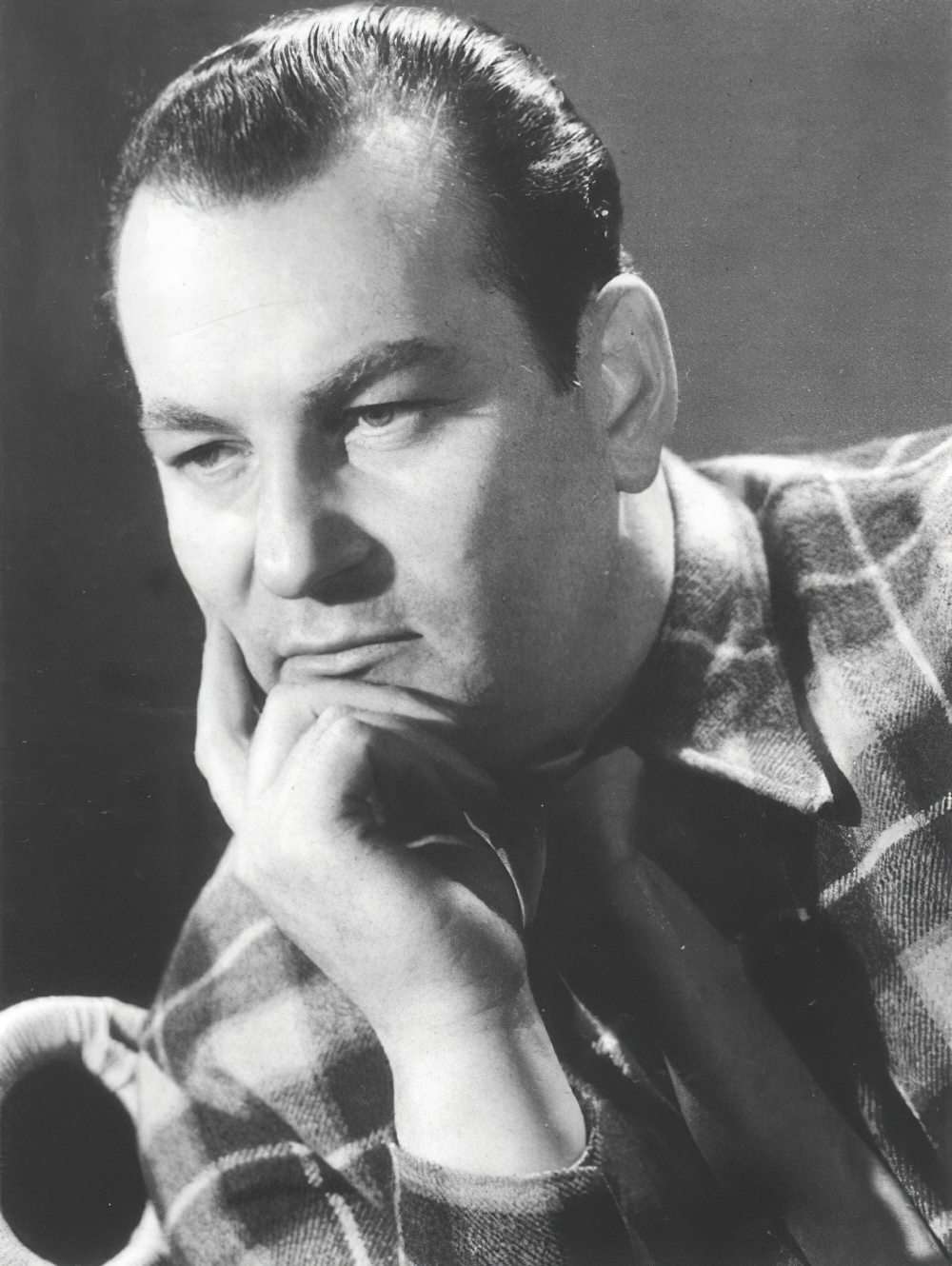
Mathieu Matégot was a Hungarian / French designer and material artist. He was one of the most renowned French designers of the 1950s.
Following the war, Matégot established a workshop for making handcrafted furniture using a variety of materials such as metal, rattan, glass, formica, and perforated sheet metal. The workshop made chairs, tables, sideboards, desks and other objects that he had designed. At first based in Paris, the workshop later moved to Casablanca. All the furniture and other objects had clever, practical and amusing designs. Distributed to decoration shops in editions of 200, his work was extremely successful.
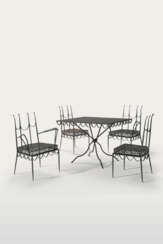

Mathieu Matégot was a Hungarian / French designer and material artist. He was one of the most renowned French designers of the 1950s.
Following the war, Matégot established a workshop for making handcrafted furniture using a variety of materials such as metal, rattan, glass, formica, and perforated sheet metal. The workshop made chairs, tables, sideboards, desks and other objects that he had designed. At first based in Paris, the workshop later moved to Casablanca. All the furniture and other objects had clever, practical and amusing designs. Distributed to decoration shops in editions of 200, his work was extremely successful.
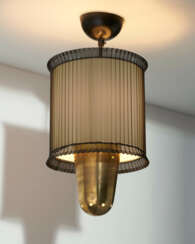

Mathieu Matégot was a Hungarian / French designer and material artist. He was one of the most renowned French designers of the 1950s.
Following the war, Matégot established a workshop for making handcrafted furniture using a variety of materials such as metal, rattan, glass, formica, and perforated sheet metal. The workshop made chairs, tables, sideboards, desks and other objects that he had designed. At first based in Paris, the workshop later moved to Casablanca. All the furniture and other objects had clever, practical and amusing designs. Distributed to decoration shops in editions of 200, his work was extremely successful.

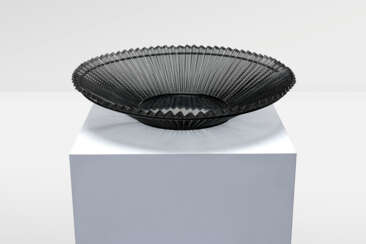

Mathieu Matégot was a Hungarian / French designer and material artist. He was one of the most renowned French designers of the 1950s.
Following the war, Matégot established a workshop for making handcrafted furniture using a variety of materials such as metal, rattan, glass, formica, and perforated sheet metal. The workshop made chairs, tables, sideboards, desks and other objects that he had designed. At first based in Paris, the workshop later moved to Casablanca. All the furniture and other objects had clever, practical and amusing designs. Distributed to decoration shops in editions of 200, his work was extremely successful.






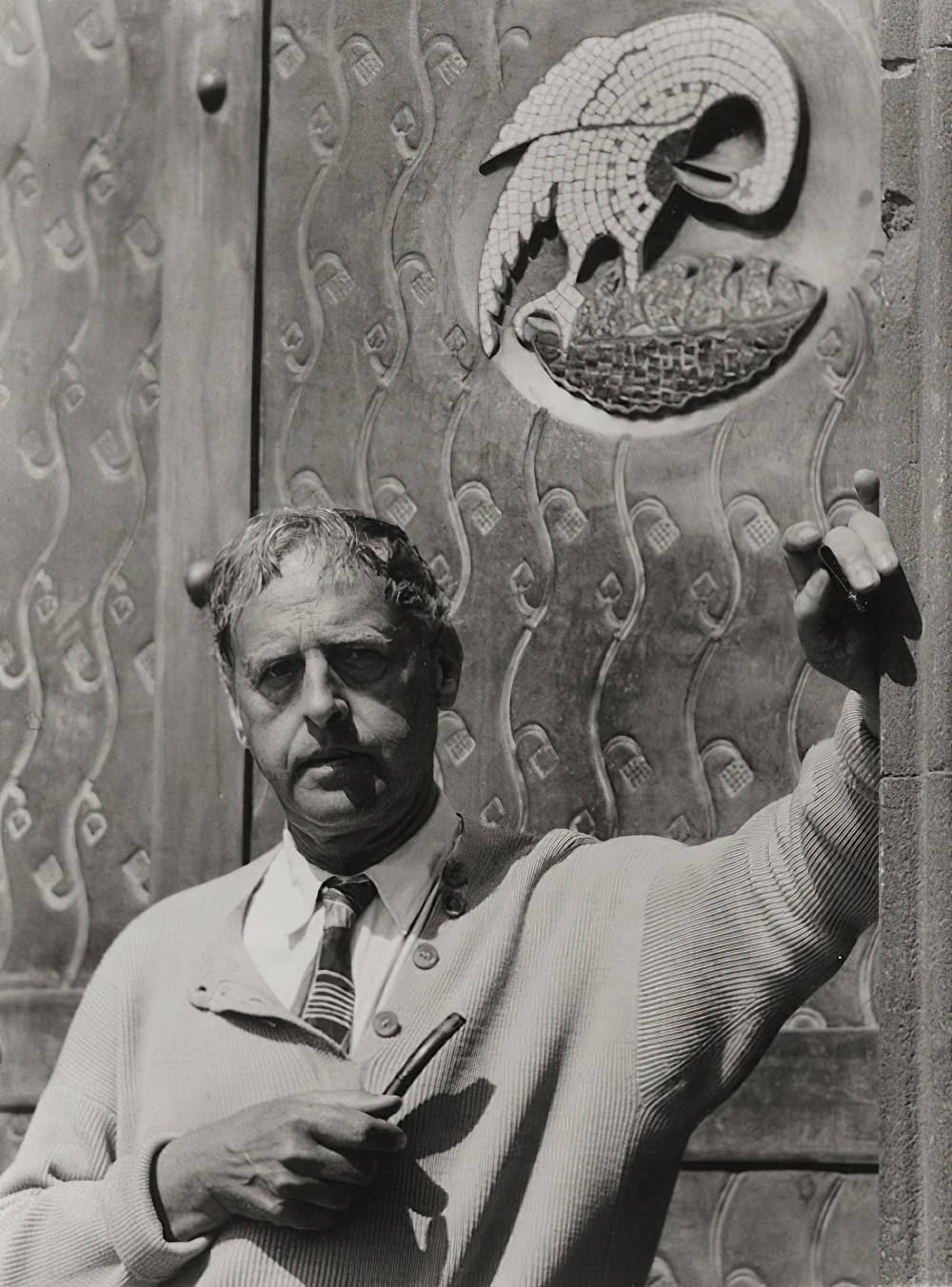
Ewald Wilhelm Hubert Mataré was a German painter and sculptor, who dealt with, among other things, the figures of men and animals in a stylized form.
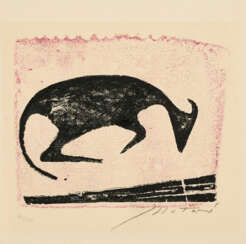

Ewald Wilhelm Hubert Mataré was a German painter and sculptor, who dealt with, among other things, the figures of men and animals in a stylized form.



.jpg)
Jean Elysée Puiforcat was a French silversmith, sculptor and designer. Miller's Antiques Encyclopedia calls Puiforcat the «most important French Art Deco silversmith».
Mathieu Matégot was a Hungarian / French designer and material artist. He was one of the most renowned French designers of the 1950s.
Following the war, Matégot established a workshop for making handcrafted furniture using a variety of materials such as metal, rattan, glass, formica, and perforated sheet metal. The workshop made chairs, tables, sideboards, desks and other objects that he had designed. At first based in Paris, the workshop later moved to Casablanca. All the furniture and other objects had clever, practical and amusing designs. Distributed to decoration shops in editions of 200, his work was extremely successful.
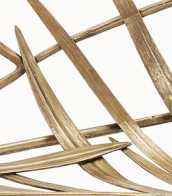


Jean Elysée Puiforcat was a French silversmith, sculptor and designer. Miller's Antiques Encyclopedia calls Puiforcat the «most important French Art Deco silversmith».
Mathieu Matégot was a Hungarian / French designer and material artist. He was one of the most renowned French designers of the 1950s.
Following the war, Matégot established a workshop for making handcrafted furniture using a variety of materials such as metal, rattan, glass, formica, and perforated sheet metal. The workshop made chairs, tables, sideboards, desks and other objects that he had designed. At first based in Paris, the workshop later moved to Casablanca. All the furniture and other objects had clever, practical and amusing designs. Distributed to decoration shops in editions of 200, his work was extremely successful.


Jean Elysée Puiforcat was a French silversmith, sculptor and designer. Miller's Antiques Encyclopedia calls Puiforcat the «most important French Art Deco silversmith».
Mathieu Matégot was a Hungarian / French designer and material artist. He was one of the most renowned French designers of the 1950s.
Following the war, Matégot established a workshop for making handcrafted furniture using a variety of materials such as metal, rattan, glass, formica, and perforated sheet metal. The workshop made chairs, tables, sideboards, desks and other objects that he had designed. At first based in Paris, the workshop later moved to Casablanca. All the furniture and other objects had clever, practical and amusing designs. Distributed to decoration shops in editions of 200, his work was extremely successful.


Jean Elysée Puiforcat was a French silversmith, sculptor and designer. Miller's Antiques Encyclopedia calls Puiforcat the «most important French Art Deco silversmith».
Mathieu Matégot was a Hungarian / French designer and material artist. He was one of the most renowned French designers of the 1950s.
Following the war, Matégot established a workshop for making handcrafted furniture using a variety of materials such as metal, rattan, glass, formica, and perforated sheet metal. The workshop made chairs, tables, sideboards, desks and other objects that he had designed. At first based in Paris, the workshop later moved to Casablanca. All the furniture and other objects had clever, practical and amusing designs. Distributed to decoration shops in editions of 200, his work was extremely successful.


Jean Elysée Puiforcat was a French silversmith, sculptor and designer. Miller's Antiques Encyclopedia calls Puiforcat the «most important French Art Deco silversmith».
Mathieu Matégot was a Hungarian / French designer and material artist. He was one of the most renowned French designers of the 1950s.
Following the war, Matégot established a workshop for making handcrafted furniture using a variety of materials such as metal, rattan, glass, formica, and perforated sheet metal. The workshop made chairs, tables, sideboards, desks and other objects that he had designed. At first based in Paris, the workshop later moved to Casablanca. All the furniture and other objects had clever, practical and amusing designs. Distributed to decoration shops in editions of 200, his work was extremely successful.


Jean Elysée Puiforcat was a French silversmith, sculptor and designer. Miller's Antiques Encyclopedia calls Puiforcat the «most important French Art Deco silversmith».
Mathieu Matégot was a Hungarian / French designer and material artist. He was one of the most renowned French designers of the 1950s.
Following the war, Matégot established a workshop for making handcrafted furniture using a variety of materials such as metal, rattan, glass, formica, and perforated sheet metal. The workshop made chairs, tables, sideboards, desks and other objects that he had designed. At first based in Paris, the workshop later moved to Casablanca. All the furniture and other objects had clever, practical and amusing designs. Distributed to decoration shops in editions of 200, his work was extremely successful.


Jean Elysée Puiforcat was a French silversmith, sculptor and designer. Miller's Antiques Encyclopedia calls Puiforcat the «most important French Art Deco silversmith».
Mathieu Matégot was a Hungarian / French designer and material artist. He was one of the most renowned French designers of the 1950s.
Following the war, Matégot established a workshop for making handcrafted furniture using a variety of materials such as metal, rattan, glass, formica, and perforated sheet metal. The workshop made chairs, tables, sideboards, desks and other objects that he had designed. At first based in Paris, the workshop later moved to Casablanca. All the furniture and other objects had clever, practical and amusing designs. Distributed to decoration shops in editions of 200, his work was extremely successful.


Jean Elysée Puiforcat was a French silversmith, sculptor and designer. Miller's Antiques Encyclopedia calls Puiforcat the «most important French Art Deco silversmith».
Mathieu Matégot was a Hungarian / French designer and material artist. He was one of the most renowned French designers of the 1950s.
Following the war, Matégot established a workshop for making handcrafted furniture using a variety of materials such as metal, rattan, glass, formica, and perforated sheet metal. The workshop made chairs, tables, sideboards, desks and other objects that he had designed. At first based in Paris, the workshop later moved to Casablanca. All the furniture and other objects had clever, practical and amusing designs. Distributed to decoration shops in editions of 200, his work was extremely successful.


Jean Elysée Puiforcat was a French silversmith, sculptor and designer. Miller's Antiques Encyclopedia calls Puiforcat the «most important French Art Deco silversmith».
Mathieu Matégot was a Hungarian / French designer and material artist. He was one of the most renowned French designers of the 1950s.
Following the war, Matégot established a workshop for making handcrafted furniture using a variety of materials such as metal, rattan, glass, formica, and perforated sheet metal. The workshop made chairs, tables, sideboards, desks and other objects that he had designed. At first based in Paris, the workshop later moved to Casablanca. All the furniture and other objects had clever, practical and amusing designs. Distributed to decoration shops in editions of 200, his work was extremely successful.


Jean Elysée Puiforcat was a French silversmith, sculptor and designer. Miller's Antiques Encyclopedia calls Puiforcat the «most important French Art Deco silversmith».
Mathieu Matégot was a Hungarian / French designer and material artist. He was one of the most renowned French designers of the 1950s.
Following the war, Matégot established a workshop for making handcrafted furniture using a variety of materials such as metal, rattan, glass, formica, and perforated sheet metal. The workshop made chairs, tables, sideboards, desks and other objects that he had designed. At first based in Paris, the workshop later moved to Casablanca. All the furniture and other objects had clever, practical and amusing designs. Distributed to decoration shops in editions of 200, his work was extremely successful.


Jean Elysée Puiforcat was a French silversmith, sculptor and designer. Miller's Antiques Encyclopedia calls Puiforcat the «most important French Art Deco silversmith».
Mathieu Matégot was a Hungarian / French designer and material artist. He was one of the most renowned French designers of the 1950s.
Following the war, Matégot established a workshop for making handcrafted furniture using a variety of materials such as metal, rattan, glass, formica, and perforated sheet metal. The workshop made chairs, tables, sideboards, desks and other objects that he had designed. At first based in Paris, the workshop later moved to Casablanca. All the furniture and other objects had clever, practical and amusing designs. Distributed to decoration shops in editions of 200, his work was extremely successful.
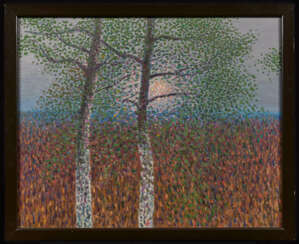

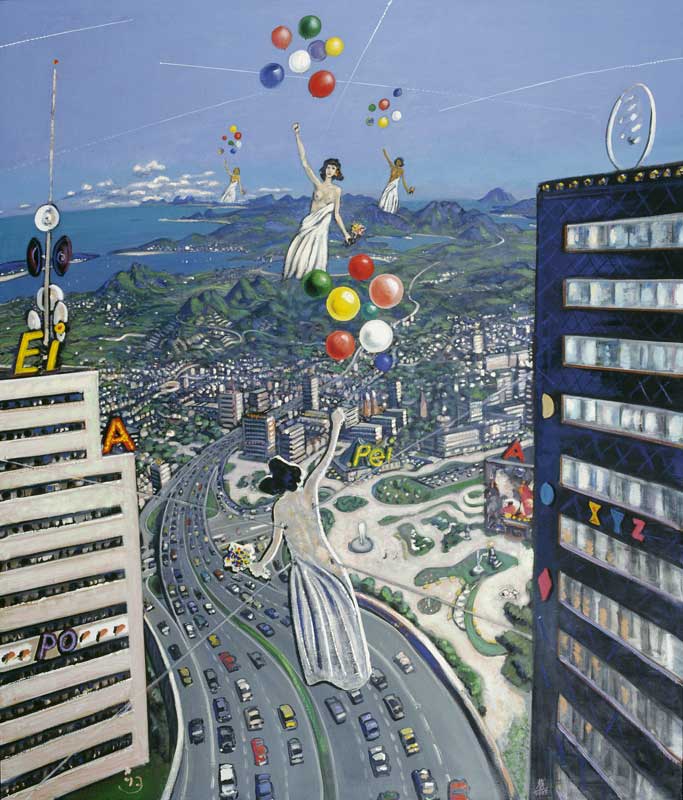
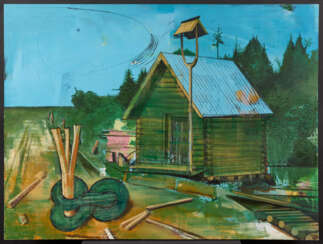

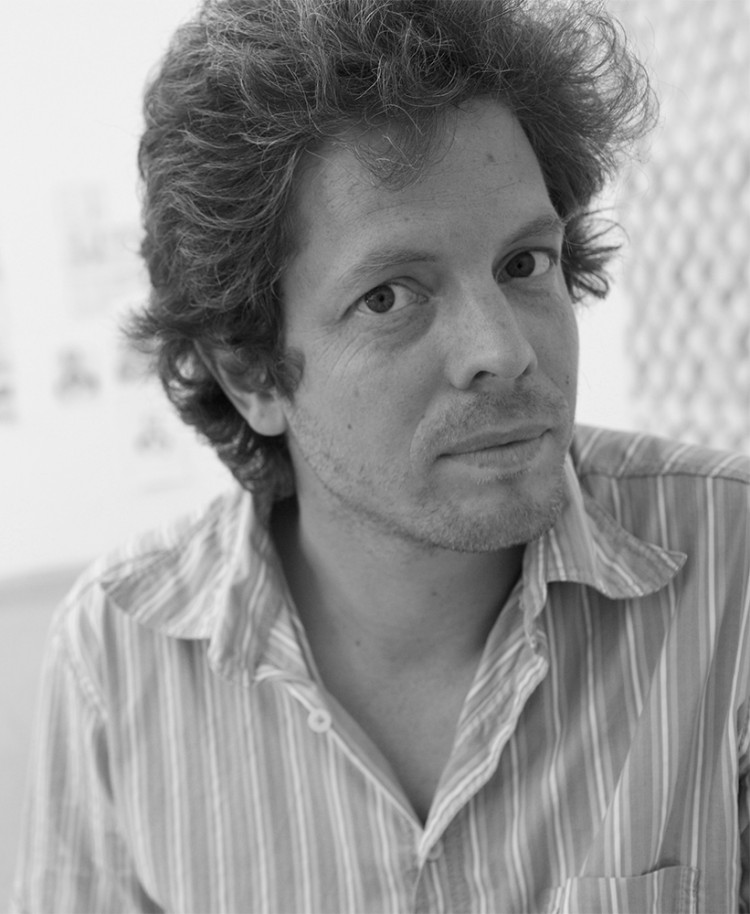
Matthias Weischer is a German artist and painter.
He graduated from the School of Graphic Arts and Book Art in Leipzig and also lives and works in Leipzig. Weischer's imaginative, incompatible interiors have become his calling card.
The never-populated, deserted rooms in his paintings create psychological tension and inexplicable anxiety in the viewer.
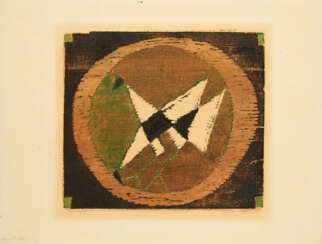

Ewald Wilhelm Hubert Mataré was a German painter and sculptor, who dealt with, among other things, the figures of men and animals in a stylized form.