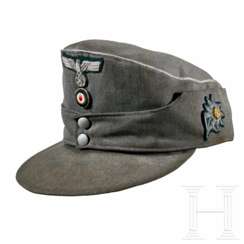
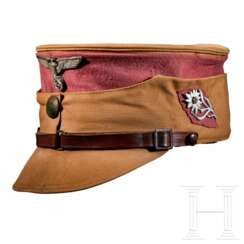
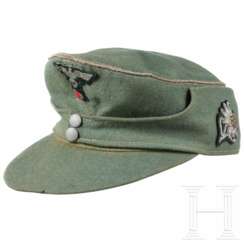
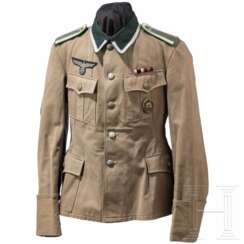
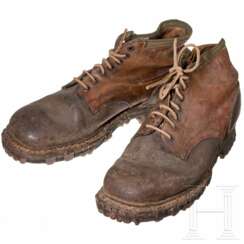
mountain troops





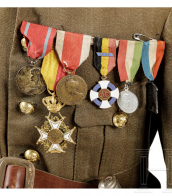






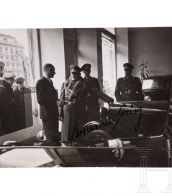

























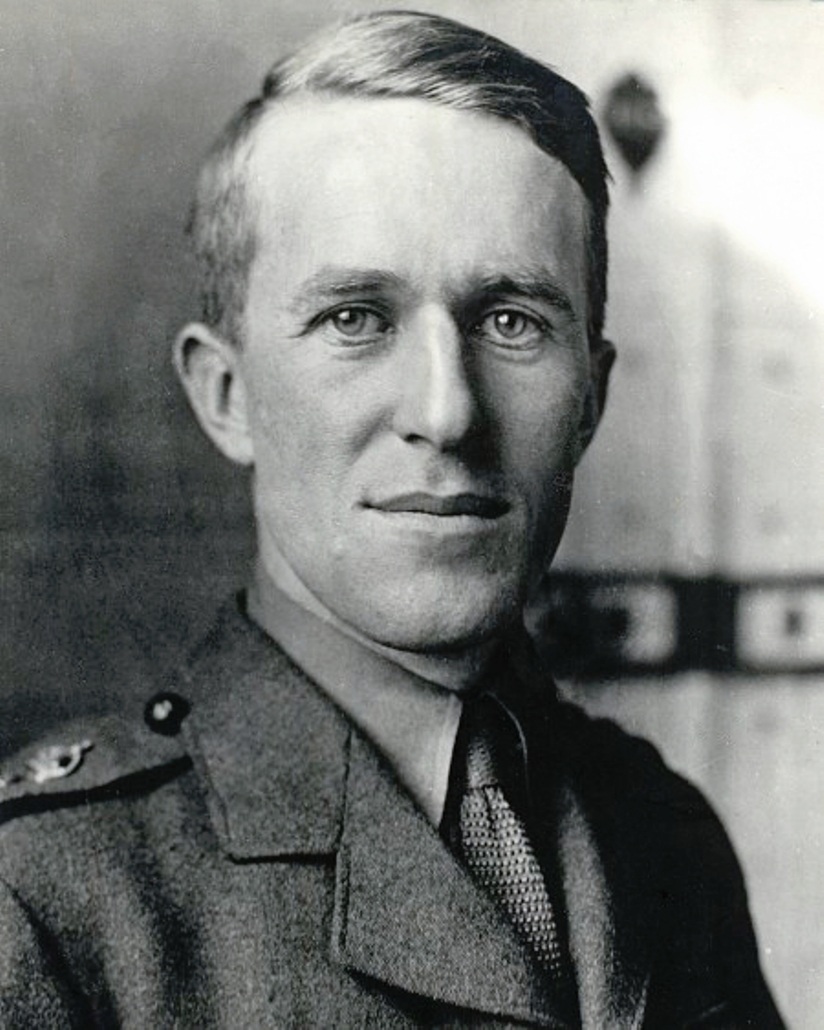
Thomas Edward Lawrence was a British scholar-archaeologist, military intelligence and strategist, writer and poet.
Thomas studied at the High School and Jesus College, Oxford, studying medieval military architecture in particular, researching Crusader castles in France and in Syria and Palestine. Then in the early 1900s he took part in an excavation, though more likely a cartographic reconnaissance from Gaza to Aqaba for strategic military purposes. The study was published in 1915 under the title The Wilderness of Zin (The Wilderness of Zin).
At the outbreak of World War I, Lawrence became a member of the cartographic staff of the War Office in London, tasked with producing a militarily useful map of Sinai. From 1914, with the rank of lieutenant, he was already active in various operations in Cairo and other Arab countries. It is believed that Lawrence made a significant contribution to the victory of the Arab revolt against the Ottoman Empire, and locals gave him the nickname Lawrence of Arabia.
Lawrence had time to work on his war memoirs as well, publishing a book about his activities, The Seven Pillars of Wisdom, in 1926. Also of interest are his poignant service chronicle "The Mint" and a considerable amount of correspondence. He was commissioned by book designer Bruce Rogers to translate Homer's Odyssey into English. Lawrence also wrote over 100 poems, which were published in the collection Minorities in 1971.
After World War I, Lawrence worked for the British Foreign Office and served in the Royal Air Force. He died in a motorcycle accident in May 1935 at the age of 46.



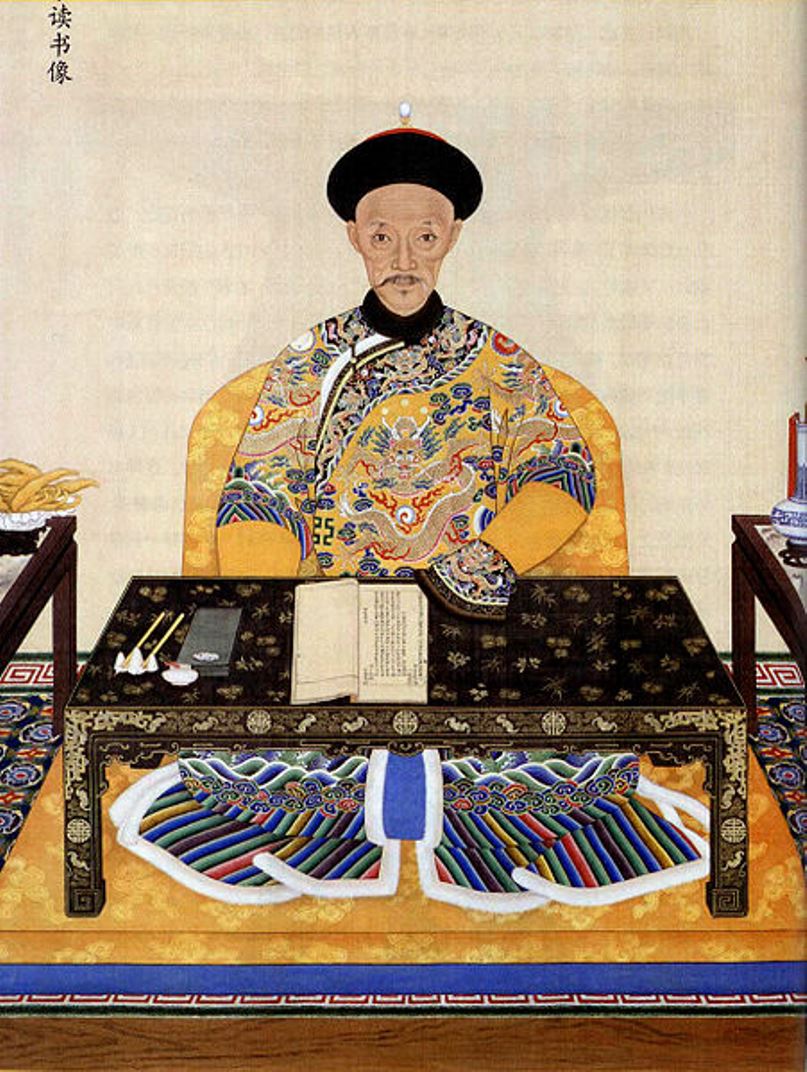
Emperor Daoguang, also known by his temple name Emperor Xuanzong of Qing, born Aixing-Gioro Mianning, was the seventh emperor of the Qing Dynasty and the sixth Qing emperor to rule China from 1820 to 1850.
As emperor and head of the country, Daoguang was weak. His 30-year reign was accompanied by internal and external problems, chief among them the First Opium War and the outbreak of the Taiping Rebellion. The country he led also experienced growing economic tensions, sectarian instability, and active foreign interference, which eventually led to the collapse of the Qing dynasty in 1911.