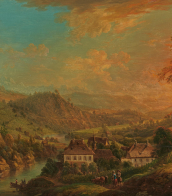
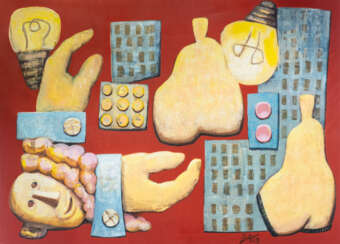
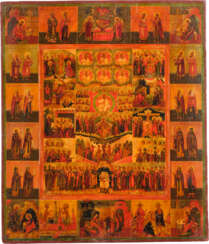
narrative painting












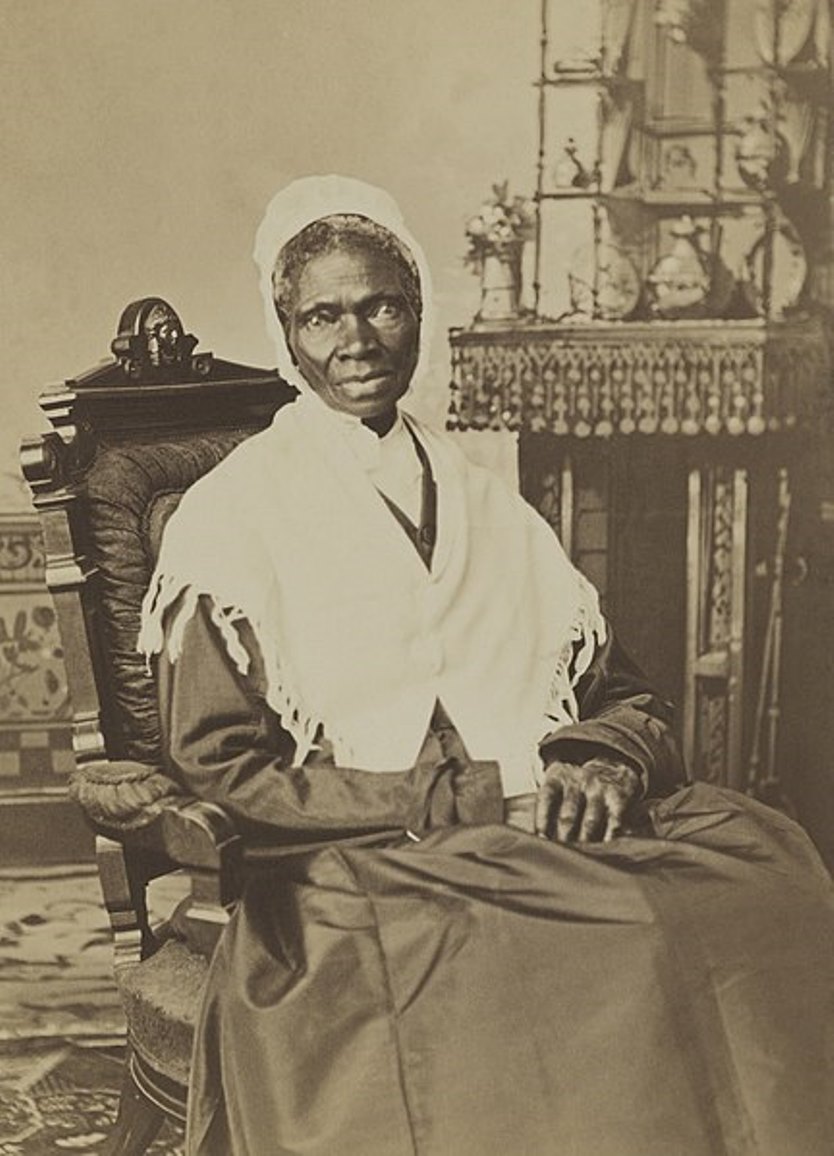
Sojourner Truth, born Isabella Baumfree, was an American abolitionist and feminist born into slavery.
Isabella Baumfree was born a slave in Dutch-speaking Ulster County, New York. She was bought and sold four times, subjected to hard physical labor and cruel punishments. As a teenager, she was united with another slave, by whom she had five children. In 1827 - a year before New York's slave emancipation law went into effect - Isabella and her daughter escaped to the nearby Van Wagener abolitionist family. This family bought her freedom for twenty dollars and helped her get her son back.
Isabella moved to New York City in 1828, where she worked for a local minister. By the early 1830s, she was involved in the religious actions sweeping the state and became a charismatic orator. In 1843, she claimed that the Spirit had called her to preach the truth and began calling herself Sojourner Truth. She advocated abolition, temperance, and civil and women's rights.
Being illiterate herself, Sojourner Truth dictated her story to Olive Gilbert, with whom she worked in the abolitionist Northampton Association. As a result, Sojourner Truth's Narrative of Sojourner Truth, a Northern slave freed from bodily slavery by the State of New York in 1828, was published in 1850. 1851 in Akron, Ohio, Truth gave her famous "Am I Not a Woman?" speech. She was a passionate fighter for all aspects of social justice and continued to travel the United States at the risk of her life giving speeches on women's rights, prison reform, and desegregation.
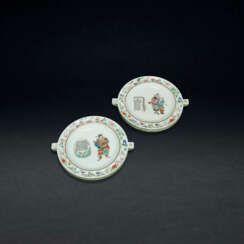


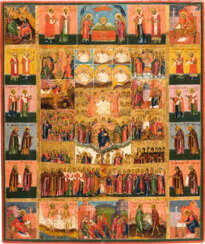

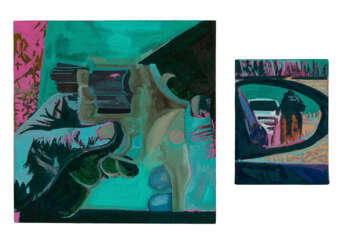













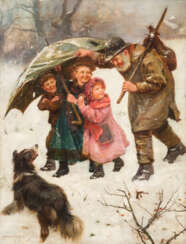

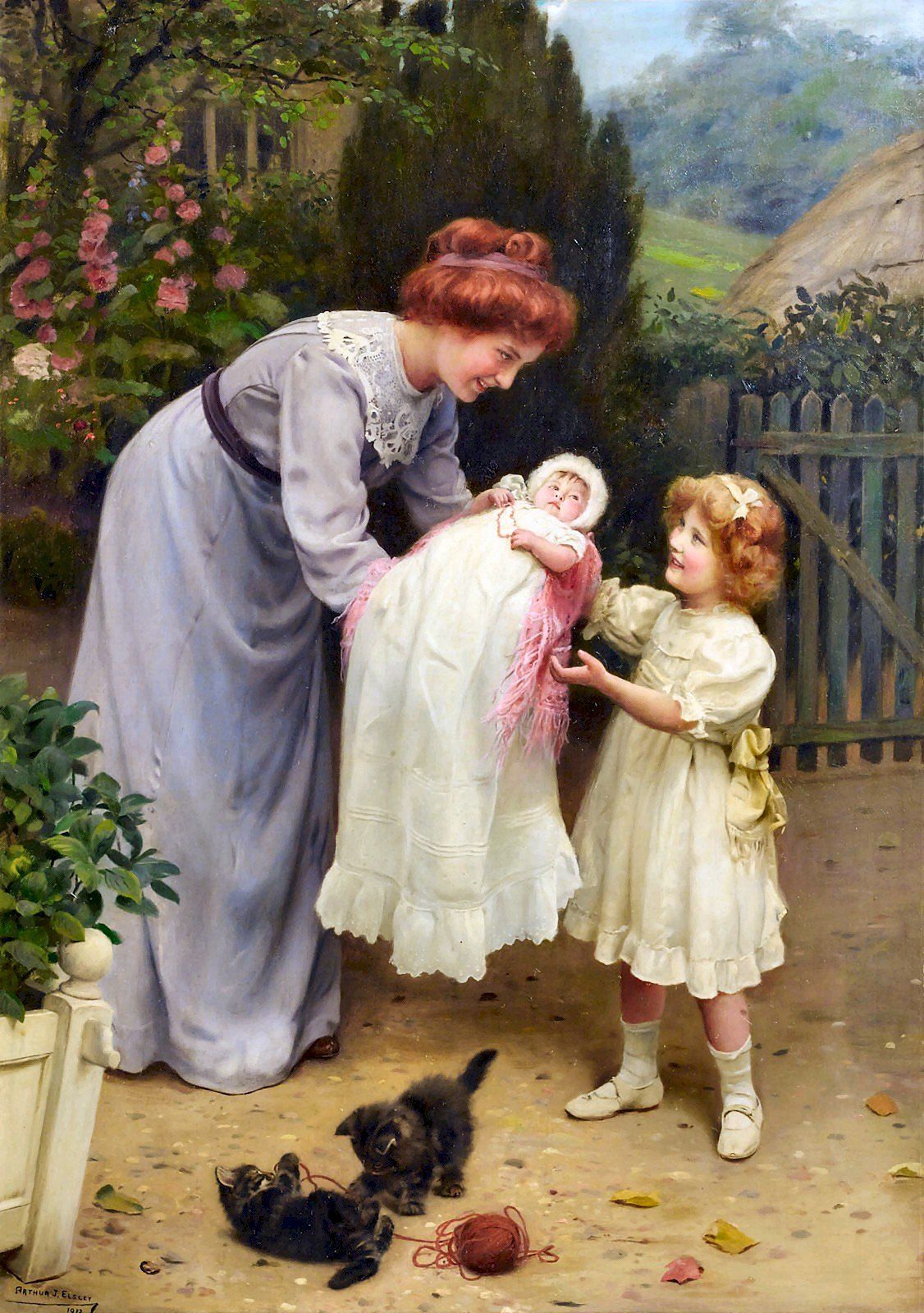
Arthur John Elsley was an English painter of the late Victorian and Edwardian periods, famous for his idyllic genre scenes of playful children and their pets. He achieved great popularity during his life and much of his work appeared in calendars, magazines and books.



.jpg)

.jpg)
René Magritte, a Belgian artist, was renowned for his significant contributions to the Surrealist movement. His art, known for merging ordinary objects with bizarre, dream-like contexts, captivated the art world. Born on November 21, 1898, in Lessines, Belgium, Magritte's early artistic pursuits were impressionistic, transitioning through Cubism and Futurism influenced by artists like Jean Metzinger. However, his encounter with Giorgio de Chirico's work in 1922 steered him towards Surrealism.
Magritte's career was marked by various phases, each showcasing his evolving style and thematic focus. His initial foray into Surrealism began in 1926 with "The Lost Jockey" and was further solidified during his time in Paris, where he mingled with other prominent Surrealists like André Breton. Despite facing initial criticism and financial challenges, Magritte's unique blend of familiar imagery in unfamiliar contexts, like in "The Empire of Light" and "Time Transfixed," earned him acclaim.
Magritte's distinct visual language, characterized by recurring motifs like bowler hats and apples, and his exploration of reality and illusion, remain influential. His works are displayed in major galleries worldwide, continuing to inspire and intrigue art collectors and enthusiasts.
For collectors and experts in art and antiques, staying informed about Magritte's works and related auction events is crucial. Signing up for updates ensures you're alerted to new sales and events focusing on René Magritte's art, offering unique opportunities to acquire or learn more about his remarkable creations. This subscription will exclusively cover new product sales and auction events related to Magritte, keeping you updated on the most relevant information in the art world.
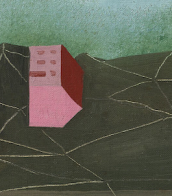
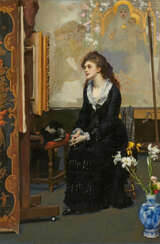

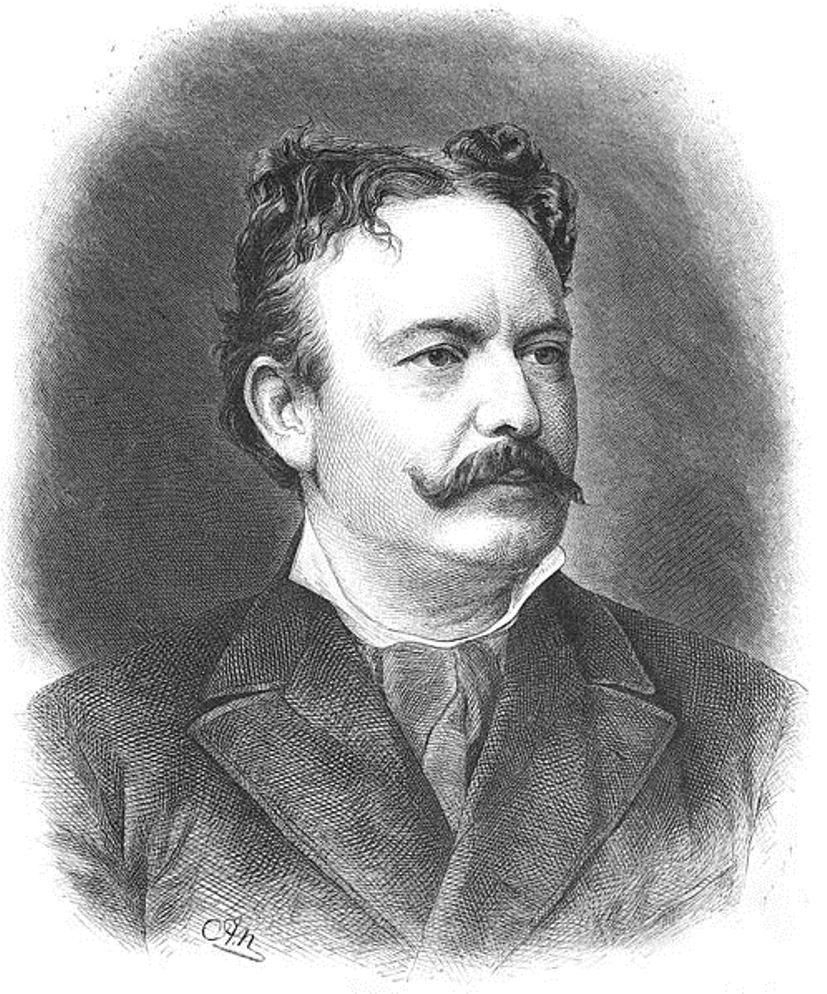
Karl Gussow or Carl Gussow was a German realist painter of the 19th century.
Gussow began his painting studies at the Saxon Art School in Weimar and traveled to Italy. He later worked with the Belgian painter-historian Ferdinand Pauwels, who greatly influenced his style.
Gussow was active as a genre and portrait painter. Over time, his work became characterized by an almost photographic realism, which was not only admired but also criticized, as it was a completely new direction.
Karl Gussow lived in Karlsruhe and Berlin, where he maintained a private ladies' studio, later founding another private painting school. He obtained a position at the Karlsruhe Academy of Fine Arts, also worked at the Prussian Academy of Fine Arts and taught at the Munich Academy of Fine Arts.




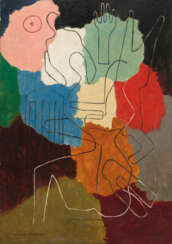

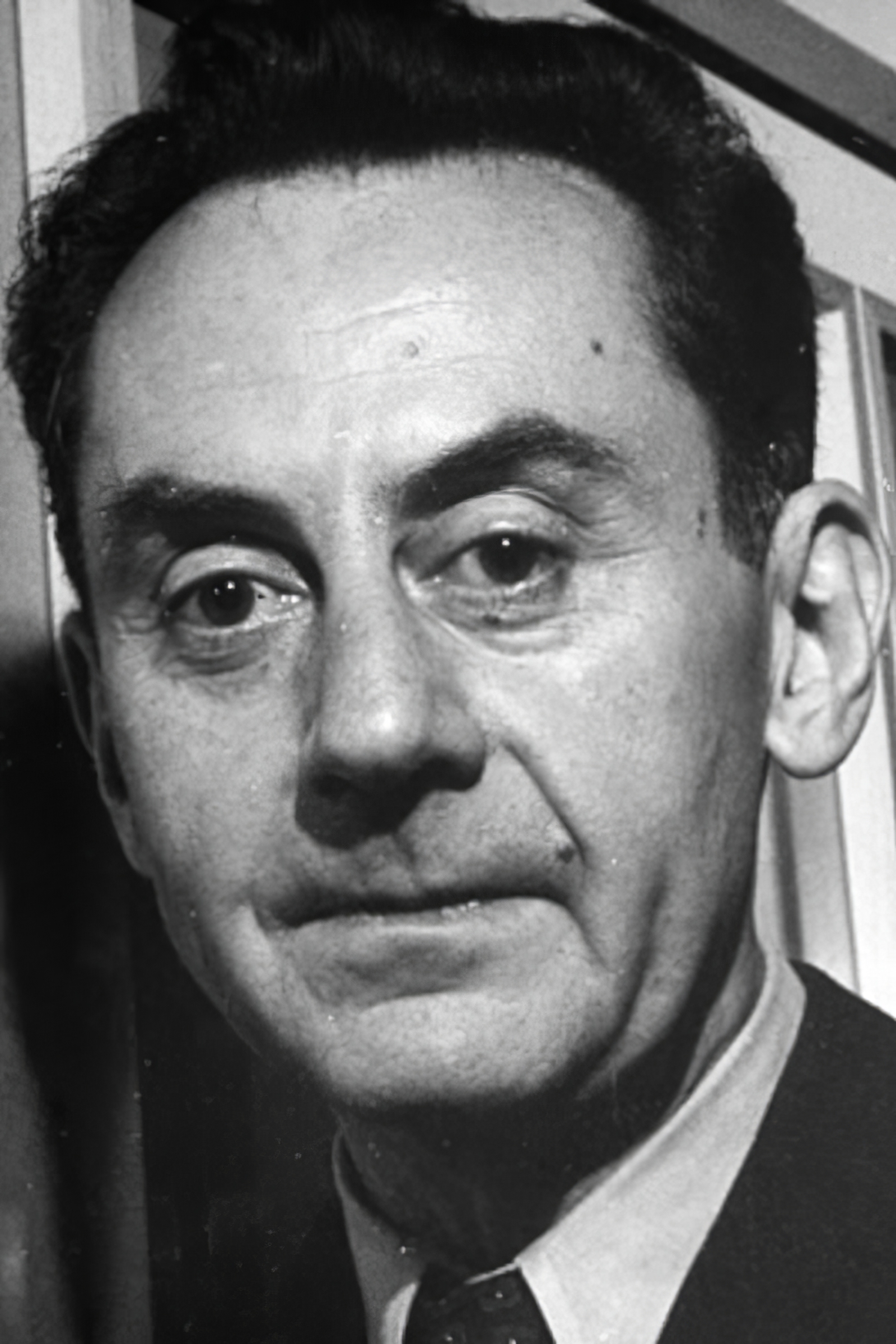
Man Ray, born Emmanuel Radnitzky, was an American visual artist who played a significant role in the Dada and Surrealist movements. His pioneering efforts in photography, alongside his work in painting and sculpture, have cemented his place as a major figure in modern art. Known for his innovative techniques and the ability to convey complex ideas through simple, striking visuals, Man Ray's contribution to the art world is profound.
Throughout his career, Man Ray was celebrated for his avant-garde approach and his ability to transcend traditional boundaries between different artistic mediums. His photography, characterized by experimental techniques such as solarization and rayographs (cameraless photographs), challenged conventional perceptions of photography as merely a means of representation. These artistic innovations made him a central figure in both Parisian and American art circles.
Man Ray's works are housed in some of the world's most prestigious museums and galleries, including the Museum of Modern Art in New York and the Centre Pompidou in Paris. His pieces, such as "Le Violon d'Ingres" and "Noire et Blanche," are iconic images that continue to influence artists today. His ability to blend the abstract with the realistic, and the humorous with the serious, has left a lasting legacy in the world of art.
For collectors and experts in art and antiques, the work of Man Ray offers a glimpse into the revolutionary changes that shaped the visual arts in the 20th century. His unique perspective and pioneering techniques continue to inspire and challenge those interested in the boundaries of creativity and expression.
If you're passionate about the avant-garde, or simply wish to explore the fascinating world of Man Ray further, sign up for our updates. You'll receive alerts on new product sales and auction events related to Man Ray, ensuring you never miss an opportunity to engage with the legacy of this extraordinary artist.
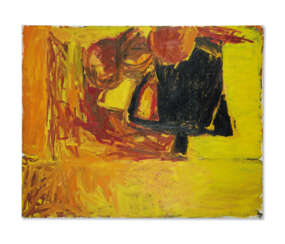

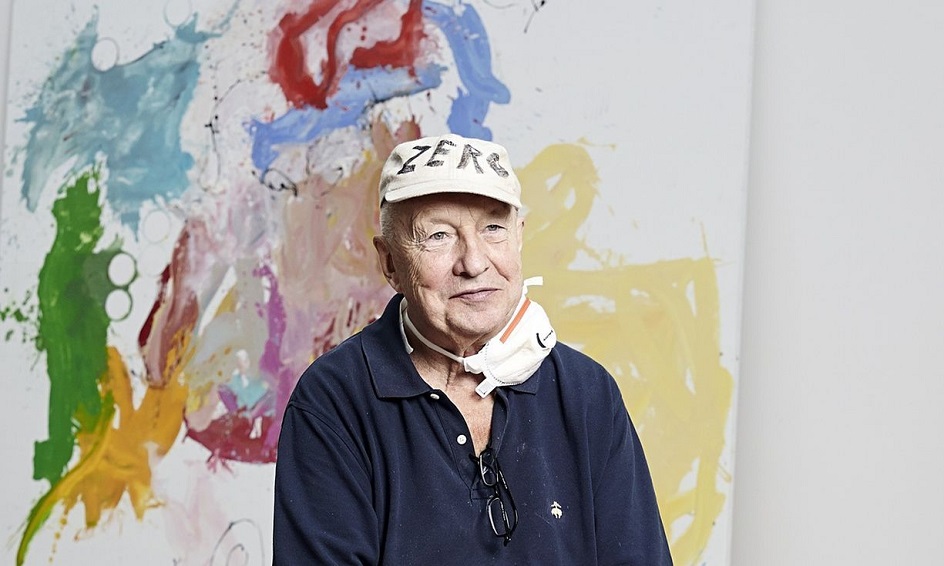
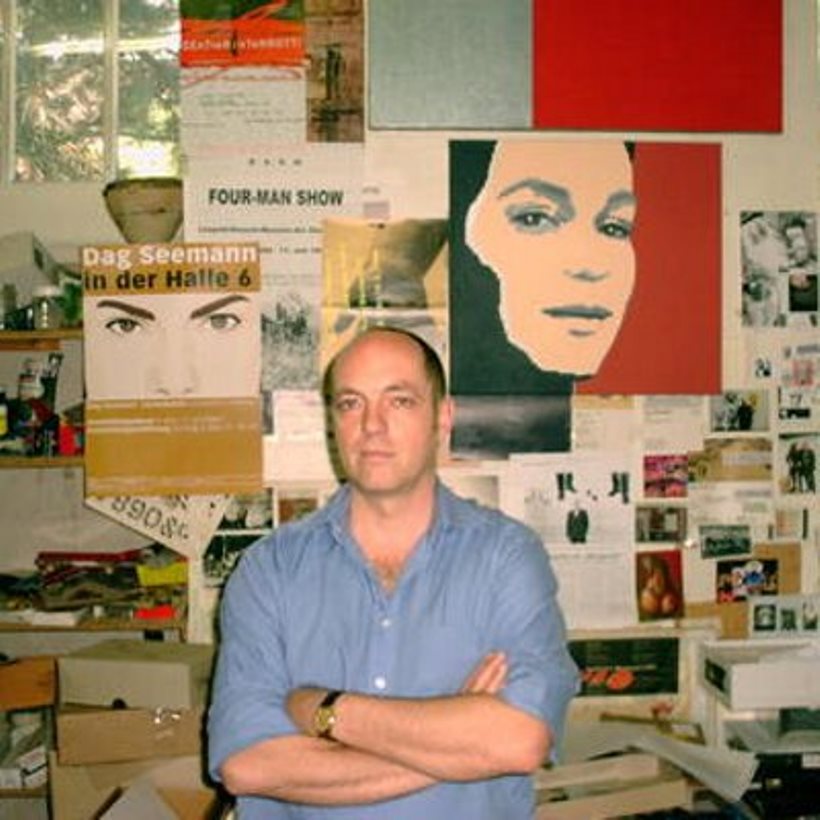
Georg Baselitz is a German painter, sculptor and graphic artist. In the 1960s he became well known for his figurative, expressive paintings. In 1969 he began painting his subjects upside down in an effort to overcome the representational, content-driven character of his earlier work and stress the artifice of painting. Drawing from myriad influences, including art of Soviet era illustration art, the Mannerist period and African sculptures, he developed his own, distinct artistic language.

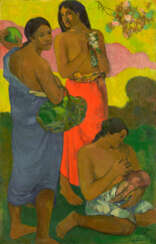


Paul Gauguin, a French artist born in Paris in 1848, is renowned for his significant contributions to Post-Impressionism, Primitivism, and Synthetism. Gauguin's art is distinguished by his experimental use of color and style, which set him apart from the traditional Impressionist movement.
Gauguin's early life was marked by a period in Peru, which influenced his artistic perspective. Initially, he pursued a career in stockbroking but soon turned to art, driven by financial necessity and a growing passion. His artistic journey began under the mentorship of Impressionist artist Camille Pissarro and through exposure to the works of other avant-garde artists.
The hallmark of Gauguin's work is his exploration of non-Western cultures, particularly during his time in Tahiti and the Marquesas Islands. This period saw the creation of some of his most famous works, including "Where Do We Come From? What Are We? Where Are We Going?" His paintings from this era, characterized by vivid colors and Symbolist themes, reflect a fusion of cultural influences and his quest for a "primitive" expression of spiritual and emotional states.
Despite his innovative style, Gauguin struggled with financial difficulties and health issues throughout his life. His work received little recognition during his lifetime, but posthumously, he gained acclaim for influencing modern artists like Pablo Picasso and Henri Matisse.
Today, Gauguin's works are celebrated in galleries and museums worldwide for their unique blend of cultural influences and artistic innovation. His enduring legacy is a testament to his unique vision and the profound impact he had on the art world.
Collectors and experts in art and antiques, stay updated on new product sales and auction events related to Paul Gauguin. Sign up now for exclusive updates and immerse yourself in the world of this visionary artist.
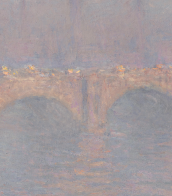
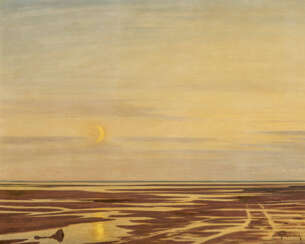

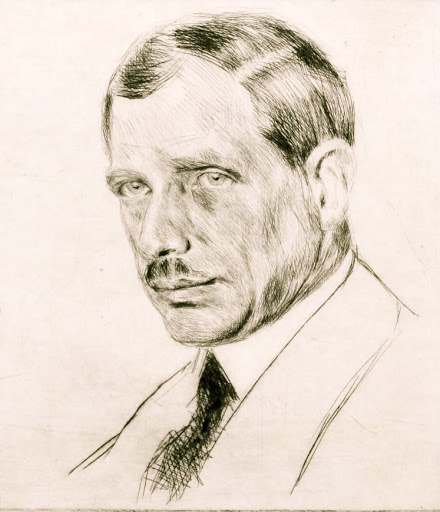
Max Clarenbach was a German painter of the first half of the twentieth century. He is known as a painter, landscape painter, genre painter and teacher and is considered one of the most important representatives of Rhenish painting of his time.
Max Clarenbach made study trips to Italy and Holland early in his career, where he formed his genre preferences and became a landscape painter. His work reflected the influence of the Hague School and the French Barbizonians. The artist skillfully depicted winter scenes and the nature of western Germany. He also painted sports and street scenes.
Clarenbach was one of the organizers of the Düsseldorf Sonderbund and taught at the Düsseldorf Academy of Art.
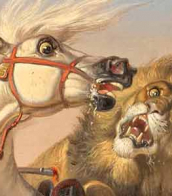
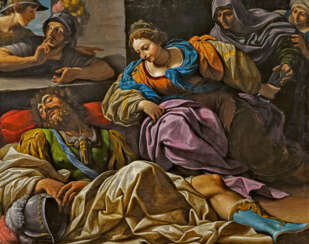

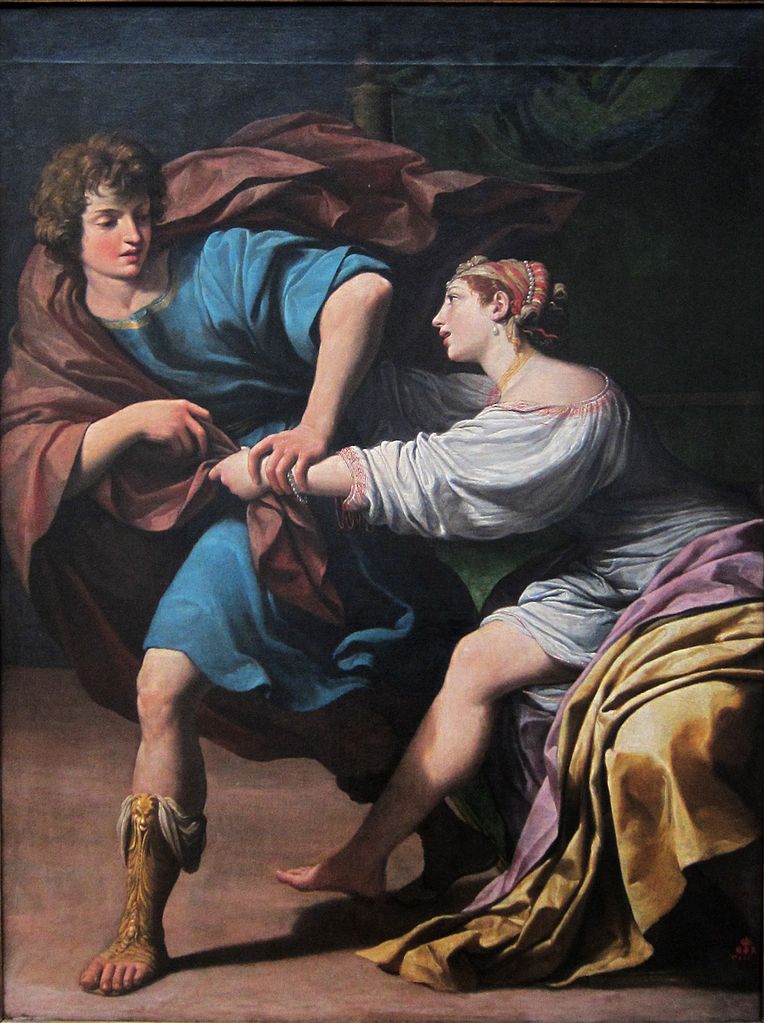
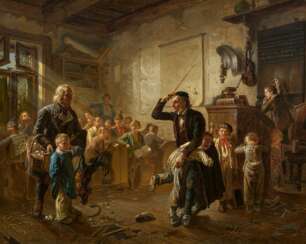

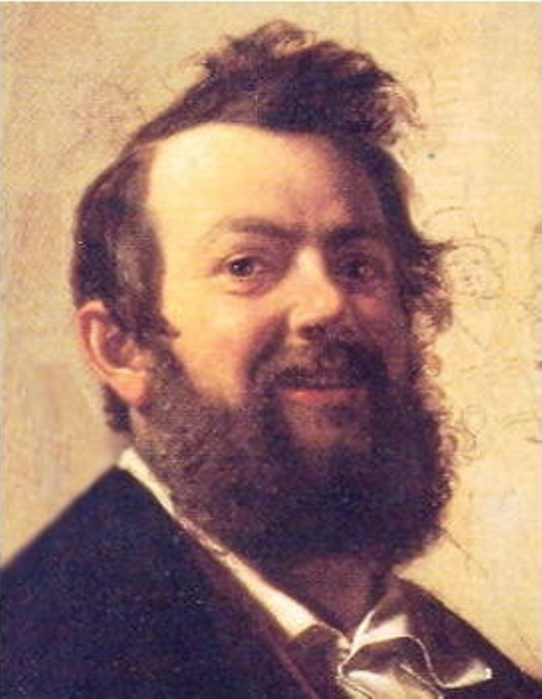
Johann Peter Hasenclever was a German painter of the first half of the 19th century. He is known as a painter, a representative of the Düsseldorf school of art, who is considered one of the founders of German genre painting.
Hasenclever began his work by interpreting biblical, mythological and romantic subjects, but eventually found his calling in humorous scenes from bourgeois life, especially Pyrenean towns and cities. Among his famous works are "The Amusing Examination," "The Reading Room," and "The Trial of Wine," distributed in engravings and lithographs.


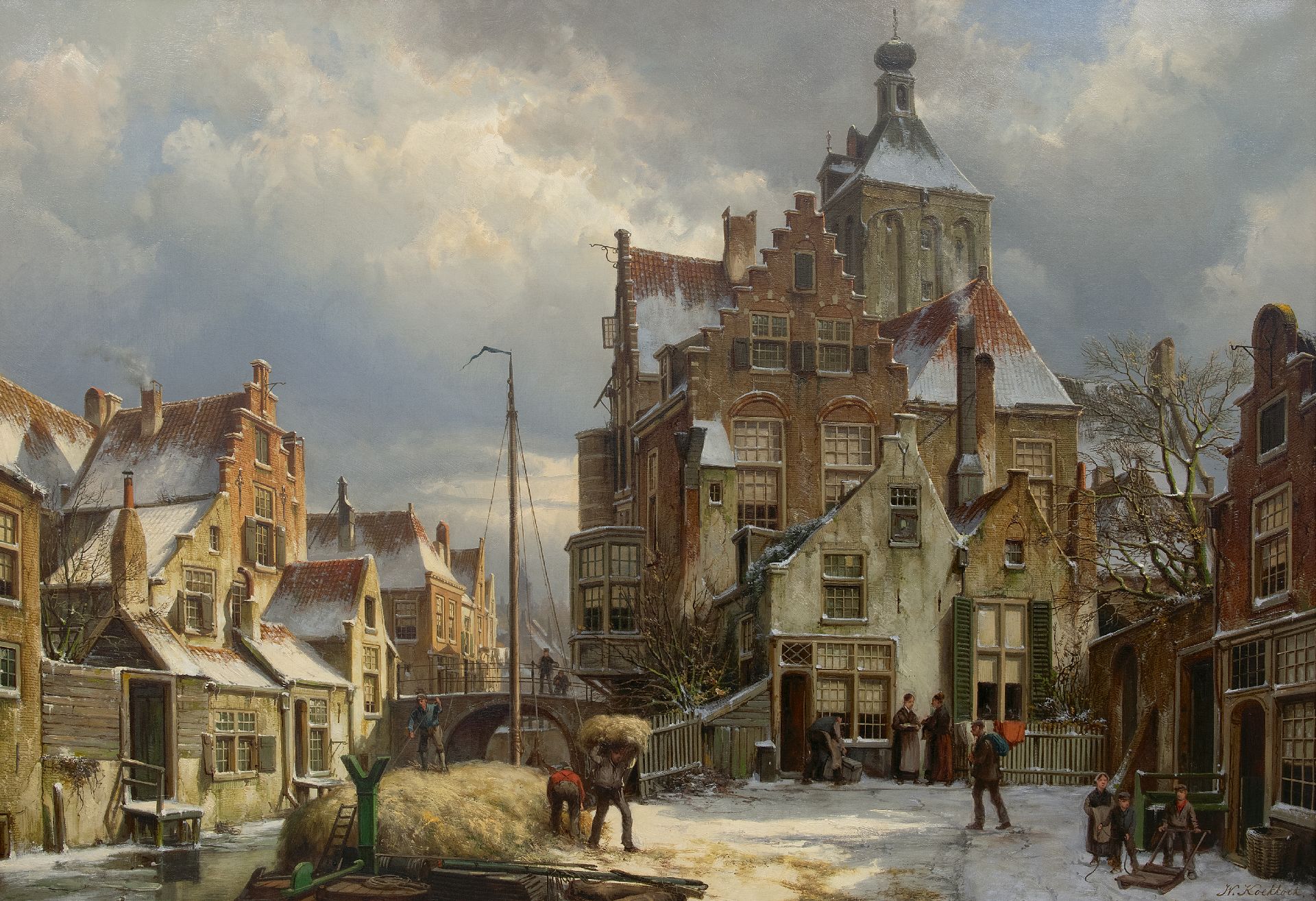
Willem Koekkoek was a Dutch painter of the urban landscape.
Following in the family tradition, his father gave all four brothers their first art lessons. Willem also received training as an architect, but practiced that profession for only a short time. It did, however, leave a lasting influence on his choice of subject matter.