

net cut





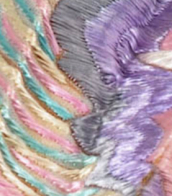





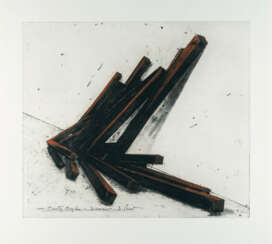


Bernar Venet is a French conceptual artist.
Venet’s work has become known internationally, with sculptures exhibited in Belgium, America, Japan, Austria, Switzerland, Germany, Canada and more recently New Zealand. In 2005, Venet received the title of Chevalier de La Legion d’Honneur, France’s highest honour.
In 2012, luxury car maker Bugatti invited Venet to create a one-off artwork to be applied to a Veyron Grand Sport. The finished work, described as "the fastest artwork ever", was revealed at the Rubell Family Collection in Miami during Art Basel Miami Beach.



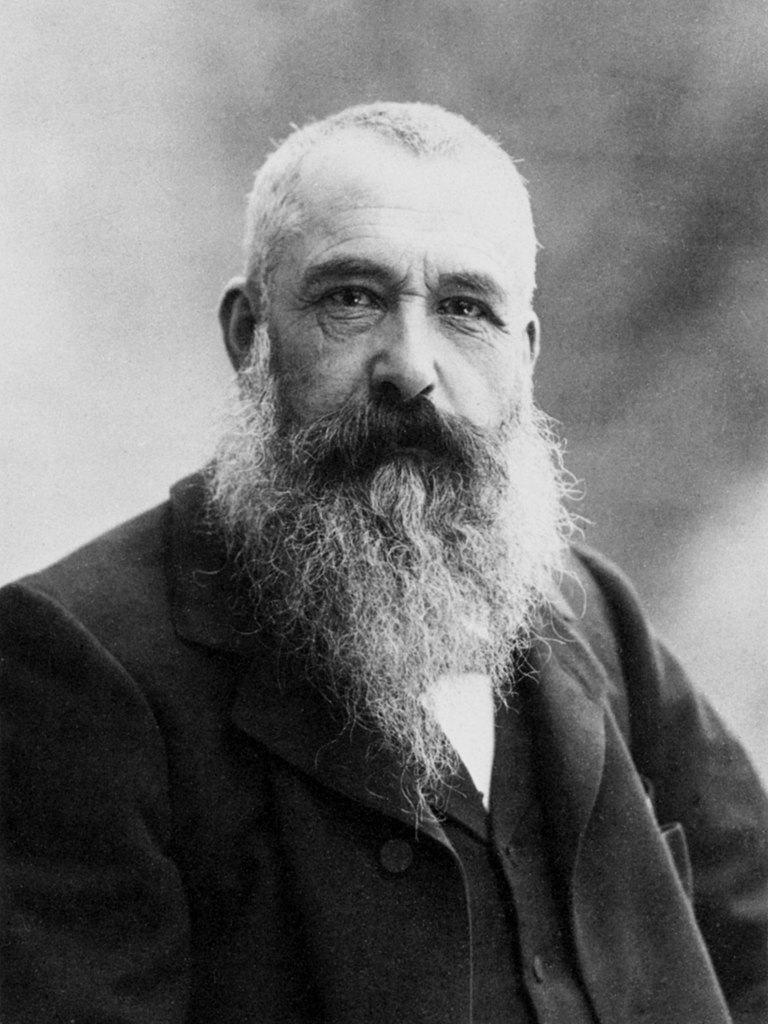
Oscar-Claude Monet, a French painter, revolutionized the art world with his Impressionist style, fundamentally altering the path of modern art. Born in Paris on November 14, 1840, Monet's journey into art was a defiance of his father's business aspirations for him, fueled instead by his mother's support. His early education in the arts began at Le Havre secondary school, where he honed his skills through charcoal caricatures and later, under the mentorship of Eugène Boudin, delved into outdoor painting, a technique that would later define his career.
Monet's works, characterized by their vibrant light and brushed color, are renowned for capturing the essence of their subjects. He often painted the same scene multiple times to depict the changing light and seasons, which is vividly displayed in his series of Haystacks, Rouen Cathedral, and the famed Water Lilies. These pieces, among others, showcase his unique ability to blend color and light, bringing scenes to life in a way that was never seen before.
His most notable works, including "Impression, Sunrise" and the "Water Lilies" series, are celebrated worldwide and remain an integral part of major museum collections, such as the Musée d'Orsay in Paris and the Metropolitan Museum of Art in New York. Monet's dedication to capturing the natural world around him led him to reject traditional approaches to composition, color, and perspective. This approach not only set a new standard for art but also laid the groundwork for the Impressionist movement, influencing generations of artists to come.
As an art collector or enthusiast, the legacy of Monet offers an unparalleled glimpse into the genesis of modern art. His works are not just paintings; they are historical landmarks that mark the transition of art from traditional to modernist ideologies.
For updates on new product sales and auction events related to Monet, sign up for our newsletter. Stay informed and connected to the pulse of the Impressionist world.
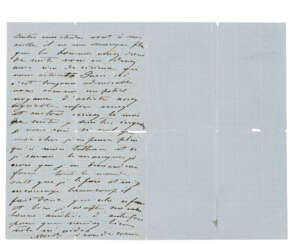

Oscar-Claude Monet, a French painter, revolutionized the art world with his Impressionist style, fundamentally altering the path of modern art. Born in Paris on November 14, 1840, Monet's journey into art was a defiance of his father's business aspirations for him, fueled instead by his mother's support. His early education in the arts began at Le Havre secondary school, where he honed his skills through charcoal caricatures and later, under the mentorship of Eugène Boudin, delved into outdoor painting, a technique that would later define his career.
Monet's works, characterized by their vibrant light and brushed color, are renowned for capturing the essence of their subjects. He often painted the same scene multiple times to depict the changing light and seasons, which is vividly displayed in his series of Haystacks, Rouen Cathedral, and the famed Water Lilies. These pieces, among others, showcase his unique ability to blend color and light, bringing scenes to life in a way that was never seen before.
His most notable works, including "Impression, Sunrise" and the "Water Lilies" series, are celebrated worldwide and remain an integral part of major museum collections, such as the Musée d'Orsay in Paris and the Metropolitan Museum of Art in New York. Monet's dedication to capturing the natural world around him led him to reject traditional approaches to composition, color, and perspective. This approach not only set a new standard for art but also laid the groundwork for the Impressionist movement, influencing generations of artists to come.
As an art collector or enthusiast, the legacy of Monet offers an unparalleled glimpse into the genesis of modern art. His works are not just paintings; they are historical landmarks that mark the transition of art from traditional to modernist ideologies.
For updates on new product sales and auction events related to Monet, sign up for our newsletter. Stay informed and connected to the pulse of the Impressionist world.
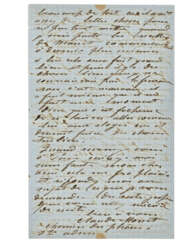

Oscar-Claude Monet, a French painter, revolutionized the art world with his Impressionist style, fundamentally altering the path of modern art. Born in Paris on November 14, 1840, Monet's journey into art was a defiance of his father's business aspirations for him, fueled instead by his mother's support. His early education in the arts began at Le Havre secondary school, where he honed his skills through charcoal caricatures and later, under the mentorship of Eugène Boudin, delved into outdoor painting, a technique that would later define his career.
Monet's works, characterized by their vibrant light and brushed color, are renowned for capturing the essence of their subjects. He often painted the same scene multiple times to depict the changing light and seasons, which is vividly displayed in his series of Haystacks, Rouen Cathedral, and the famed Water Lilies. These pieces, among others, showcase his unique ability to blend color and light, bringing scenes to life in a way that was never seen before.
His most notable works, including "Impression, Sunrise" and the "Water Lilies" series, are celebrated worldwide and remain an integral part of major museum collections, such as the Musée d'Orsay in Paris and the Metropolitan Museum of Art in New York. Monet's dedication to capturing the natural world around him led him to reject traditional approaches to composition, color, and perspective. This approach not only set a new standard for art but also laid the groundwork for the Impressionist movement, influencing generations of artists to come.
As an art collector or enthusiast, the legacy of Monet offers an unparalleled glimpse into the genesis of modern art. His works are not just paintings; they are historical landmarks that mark the transition of art from traditional to modernist ideologies.
For updates on new product sales and auction events related to Monet, sign up for our newsletter. Stay informed and connected to the pulse of the Impressionist world.
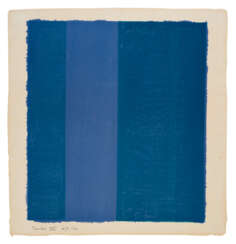

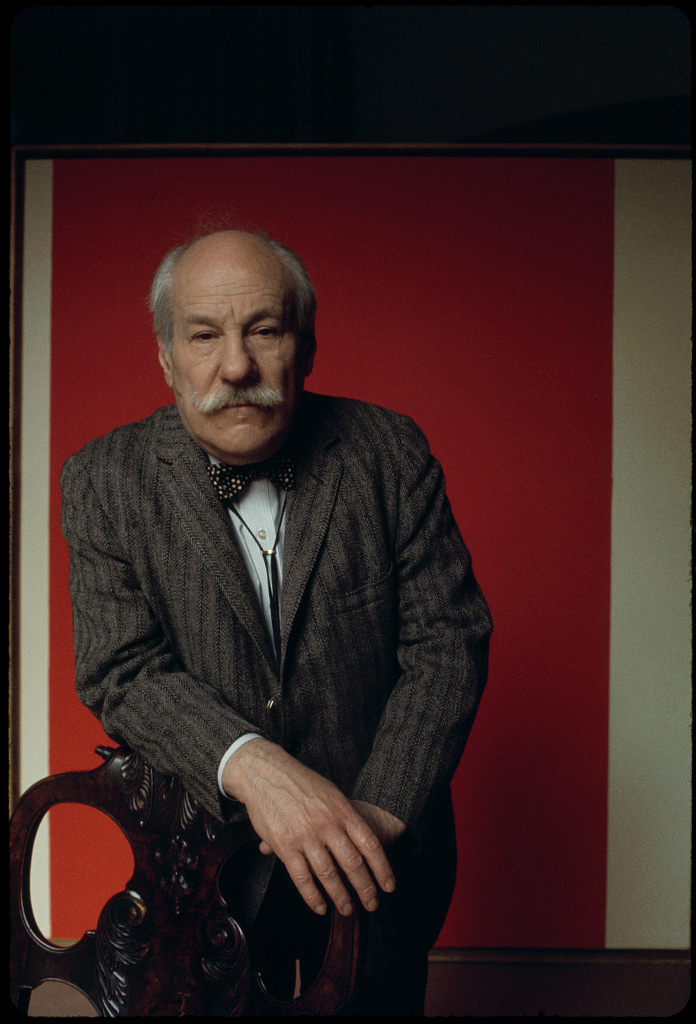
Barnett Newman was an American artist, recognized as a pivotal figure in the Abstract Expressionism movement. His innovative approach to painting, characterized by large fields of color and the distinctive use of vertical lines or "zips," marked a radical departure from the figurative norms of his time. Newman's work is celebrated for its ability to evoke profound emotional responses and invite philosophical contemplation, bridging the gap between the visual and the visceral.
Newman's artistic journey was one of constant evolution and self-discovery. After a period of experimentation and a brief hiatus from painting, he developed his signature style in the late 1940s. His creation of the "zip" became his trademark, a bold vertical line that dissected his canvases, challenging traditional perceptions of space and form. This innovation not only distinguished his work but also contributed significantly to the narrative of modern art. Among his notable works, "Onement I" marked the inception of this new direction, embodying the essence of his artistic philosophy. Newman's pieces, including the monumental "Vir heroicus sublimis" and the introspective "Stations of the Cross" series, are housed in prestigious institutions worldwide, attesting to his enduring influence on contemporary art.
Despite initial resistance and critique, Newman's oeuvre gradually garnered acclaim, with his contributions being integral to the discourse on abstraction and the sublime. His philosophical essays, particularly "The Sublime Is Now," articulate his vision of art's potential to transcend beauty and engage with existential themes. In his later years, Newman expanded his exploration into sculpture, further solidifying his legacy as a multifaceted pioneer of post-war American art.
For collectors and art and antiques experts, Newman's work represents not just an investment in art but an engagement with a transformative period in art history. His pieces are not merely visual spectacles but are imbued with depth and meaning, reflecting Newman's belief in art's capacity to communicate and connect on a profound level.
To stay informed about new sales, auctions, and exhibitions featuring Barnett Newman's work, we invite you to sign up for updates. This subscription ensures you are promptly notified of opportunities to acquire pieces by this influential artist, enriching your collection with works that embody the spirit of Abstract Expressionism.
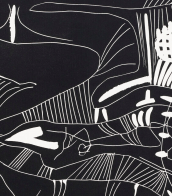


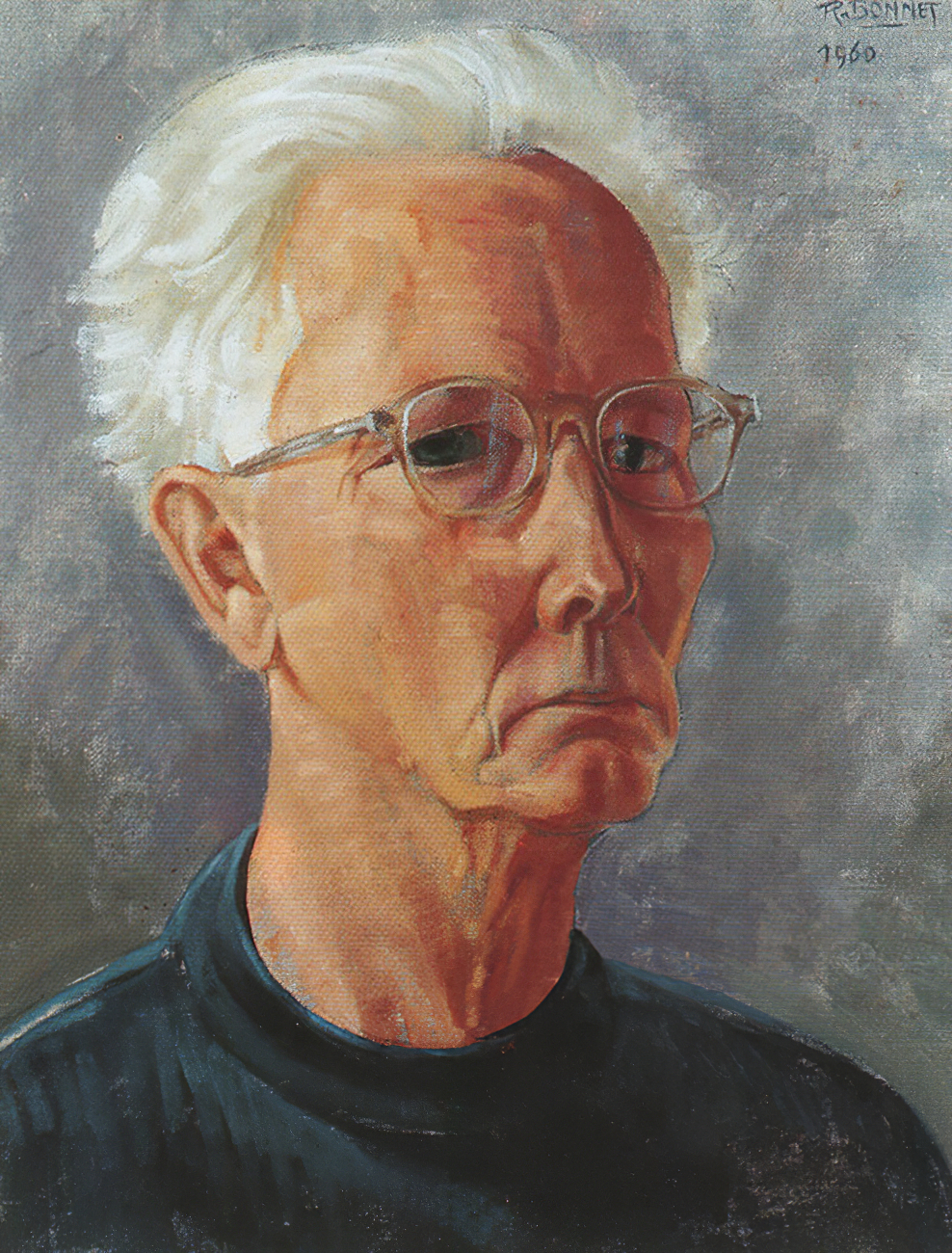
Johan Rudolf Bonnet was a Dutch artist who lived much of his life in the town of Ubud on Bali, Indonesia. He was born into a Dutch Huguenot-descended family who had been bakers for many generations. He attended the Rijksakademie van Beeldende Kunsten in Amsterdam.


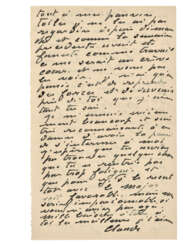

Oscar-Claude Monet, a French painter, revolutionized the art world with his Impressionist style, fundamentally altering the path of modern art. Born in Paris on November 14, 1840, Monet's journey into art was a defiance of his father's business aspirations for him, fueled instead by his mother's support. His early education in the arts began at Le Havre secondary school, where he honed his skills through charcoal caricatures and later, under the mentorship of Eugène Boudin, delved into outdoor painting, a technique that would later define his career.
Monet's works, characterized by their vibrant light and brushed color, are renowned for capturing the essence of their subjects. He often painted the same scene multiple times to depict the changing light and seasons, which is vividly displayed in his series of Haystacks, Rouen Cathedral, and the famed Water Lilies. These pieces, among others, showcase his unique ability to blend color and light, bringing scenes to life in a way that was never seen before.
His most notable works, including "Impression, Sunrise" and the "Water Lilies" series, are celebrated worldwide and remain an integral part of major museum collections, such as the Musée d'Orsay in Paris and the Metropolitan Museum of Art in New York. Monet's dedication to capturing the natural world around him led him to reject traditional approaches to composition, color, and perspective. This approach not only set a new standard for art but also laid the groundwork for the Impressionist movement, influencing generations of artists to come.
As an art collector or enthusiast, the legacy of Monet offers an unparalleled glimpse into the genesis of modern art. His works are not just paintings; they are historical landmarks that mark the transition of art from traditional to modernist ideologies.
For updates on new product sales and auction events related to Monet, sign up for our newsletter. Stay informed and connected to the pulse of the Impressionist world.
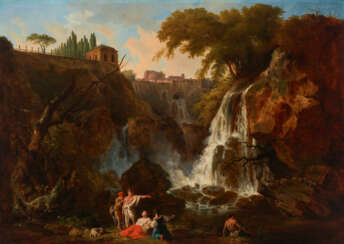


Claude Joseph Vernet was a French painter.
Vernet's work draws on natural themes, but in a way that is neither sentimental or emotive. The overall effect of his style is wholly decorative.
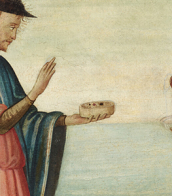


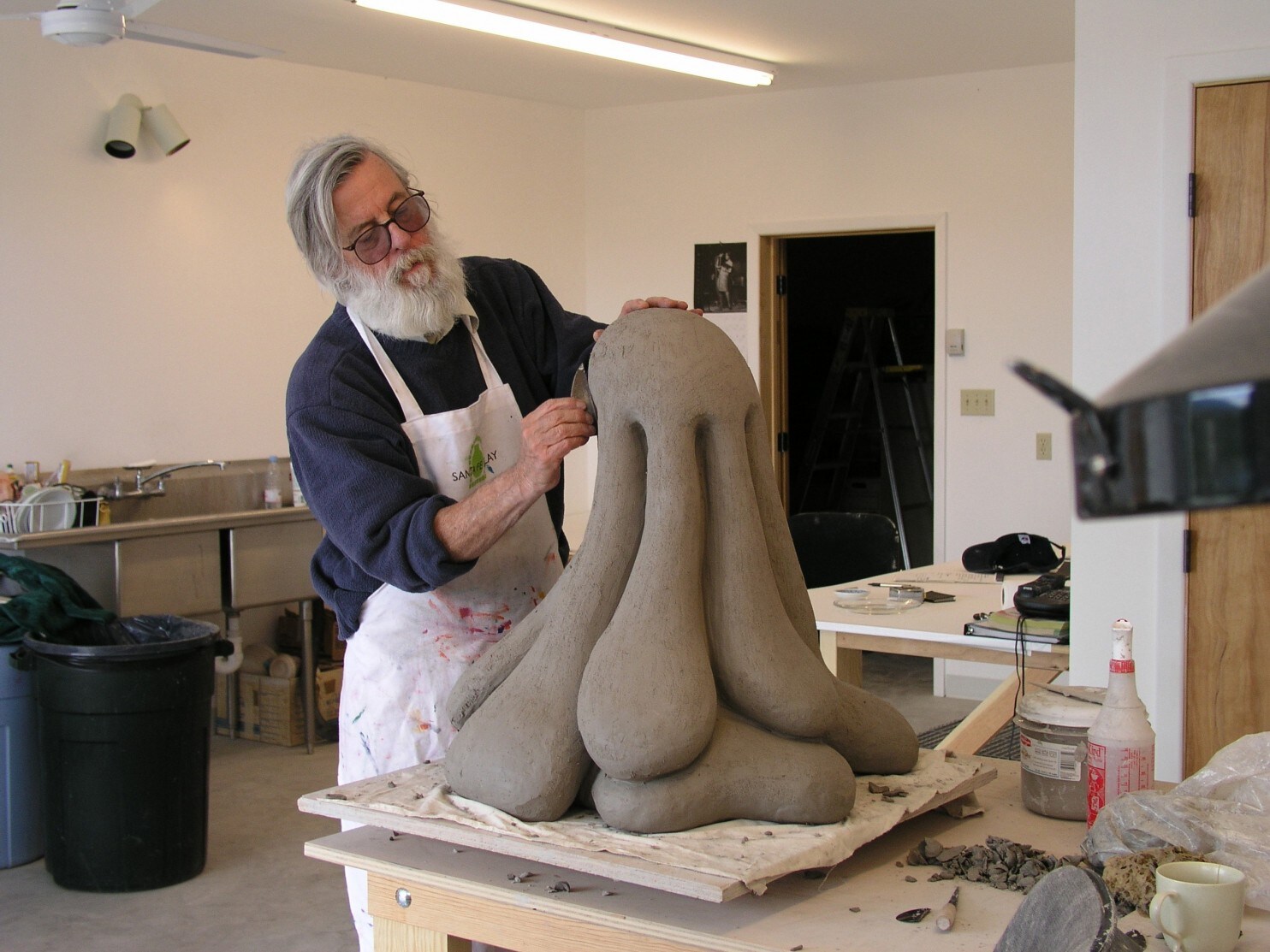
Kenneth Price was an American artist who predominantly created ceramic sculpture.
He is best known for his abstract shapes constructed from fired clay. Typically, they are not glazed, but intricately painted with multiple layers of bright acrylic paint and then sanded down to reveal the colors beneath.
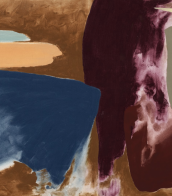


Kenneth Price was an American artist who predominantly created ceramic sculpture.
He is best known for his abstract shapes constructed from fired clay. Typically, they are not glazed, but intricately painted with multiple layers of bright acrylic paint and then sanded down to reveal the colors beneath.
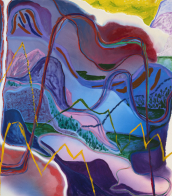


Kenneth Price was an American artist who predominantly created ceramic sculpture.
He is best known for his abstract shapes constructed from fired clay. Typically, they are not glazed, but intricately painted with multiple layers of bright acrylic paint and then sanded down to reveal the colors beneath.


Bernar Venet is a French conceptual artist.
Venet’s work has become known internationally, with sculptures exhibited in Belgium, America, Japan, Austria, Switzerland, Germany, Canada and more recently New Zealand. In 2005, Venet received the title of Chevalier de La Legion d’Honneur, France’s highest honour.
In 2012, luxury car maker Bugatti invited Venet to create a one-off artwork to be applied to a Veyron Grand Sport. The finished work, described as "the fastest artwork ever", was revealed at the Rubell Family Collection in Miami during Art Basel Miami Beach.
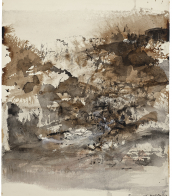


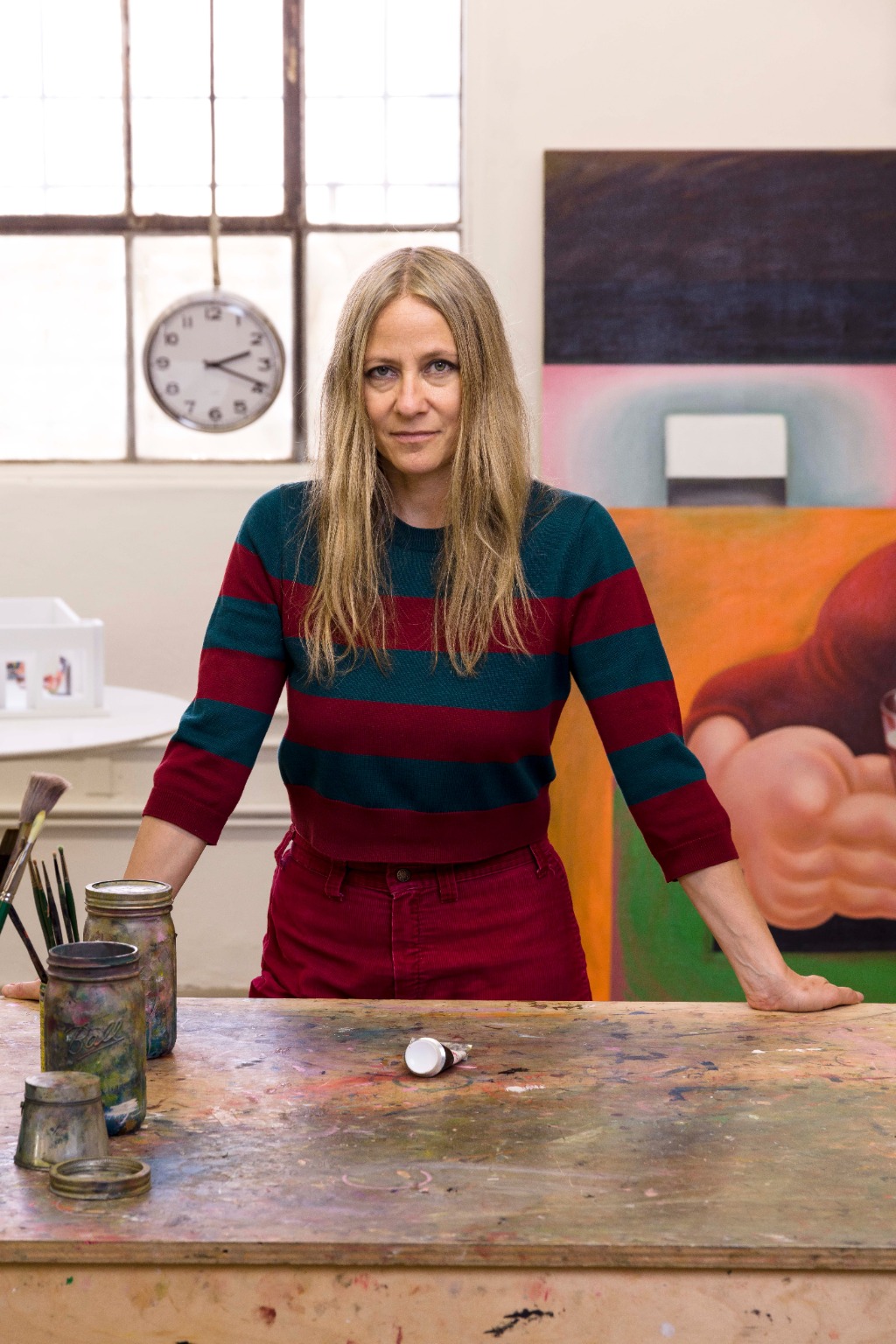
Louise Bonnet is a Swiss surrealist painter informed by alternative comix and dark humour. Her grotesque, corporeal figures often dominate the dreamlike settings they exist in, drawing on themes of gender, sexuality, and shame.
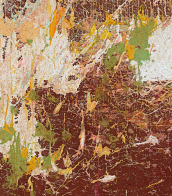
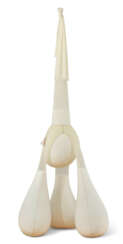

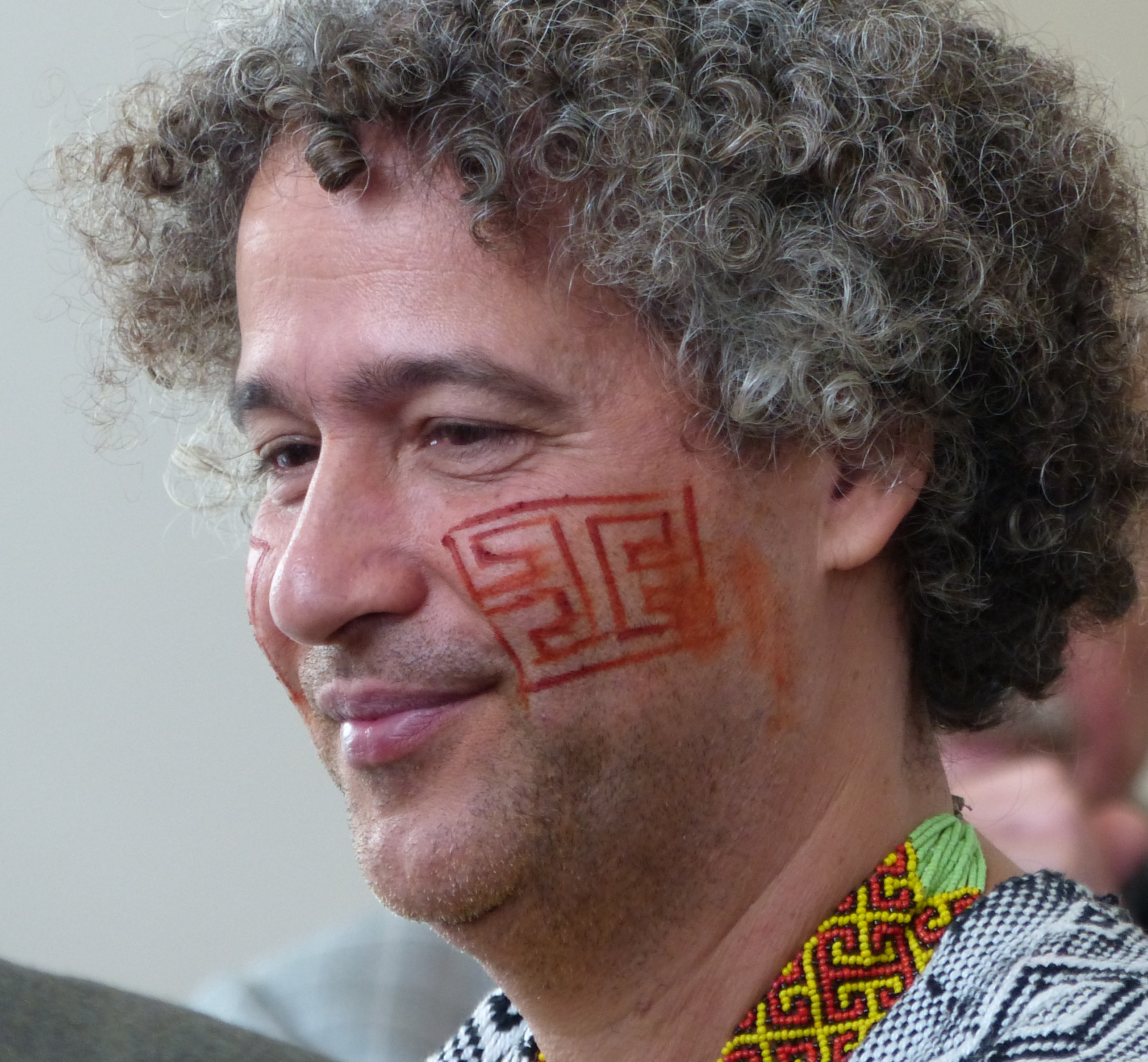
Ernesto Saboia de Albuquerque Neto is a contemporary visual artist. Ernesto Neto began exhibiting in Scotland in 1988 and has had solo exhibitions abroad since 1995. Neto's work has been described as "beyond abstract minimalism". His installations are large, soft, biomorphic sculptures that fill an exhibition space that viewers can touch, poke, and walk on or through. They are made of white, stretchy material—amorphous forms stuffed with Styrofoam pellets or, on occasion, aromatic spices. In some installations, he has also used this material to create translucent scrims that transform the space's walls and floor. His sculptures can be regarded as expression of traditional abstract form, but in their interaction with the viewer, they work on another level as well.


Édouard Manet, a French modernist painter born in 1832, was one of the pioneering artists of the 19th century who ventured into painting modern life, marking a significant transition from Realism to Impressionism. His notable works, such as "The Luncheon on the Grass" and "Olympia," both created in the early 1860s, were radical for their time and sparked controversy for their unconventional subject matter and depiction of modern life. These pieces, among others, have been recognized as milestones in the development of modern art.
Manet's background was one of privilege and connection, coming from an upper-class family with strong political ties. Despite expectations for him to pursue a career in law or the navy, Manet was drawn to painting from a young age, influenced by his uncle and the works of Old Masters like Diego Velázquez and Francisco José de Goya during his visits to the Louvre. His early rejection from the naval academy led him to fully commit to an art education under Thomas Couture, where he developed his unique style characterized by loose brush strokes and a focus on contemporary subjects over traditional historical, religious, or mythological themes.
Throughout his career, Manet's work was often met with criticism for its apparent disregard for traditional painting techniques and its bold choice of subject matter. Despite this, his exhibitions, including a self-organized one across from the Exposition Universelle in 1867, gradually gained the recognition and support of fellow artists and critics. His relationships with contemporaries like Émile Zola, Edgar Degas, and Claude Monet were crucial in his development and in establishing his legacy as a forerunner to the Impressionist movement, despite never formally joining their exhibitions.
Manet's influence on modern art cannot be overstated. His works are housed in prestigious museums worldwide, including the Musée d'Orsay in Paris, which holds "The Luncheon on the Grass," a testament to his enduring impact on the art world. Manet's ability to capture the essence of modern life, combined with his innovative techniques, positioned him as a central figure in the transition towards modern artistic expressions.
For collectors and experts in art and antiques, Manet's work represents not just the innovation of the 19th century but also the enduring appeal of an artist who dared to challenge the status quo. His paintings are not just artifacts of their time but also serve as a bridge between traditional and modern art, offering insight into the evolution of artistic expression.
To stay informed about new product sales, auction events, and updates related to Édouard Manet, signing up for updates can be a valuable resource for enthusiasts looking to deepen their understanding of this pivotal artist's contributions to the world of art.



Oscar-Claude Monet, a French painter, revolutionized the art world with his Impressionist style, fundamentally altering the path of modern art. Born in Paris on November 14, 1840, Monet's journey into art was a defiance of his father's business aspirations for him, fueled instead by his mother's support. His early education in the arts began at Le Havre secondary school, where he honed his skills through charcoal caricatures and later, under the mentorship of Eugène Boudin, delved into outdoor painting, a technique that would later define his career.
Monet's works, characterized by their vibrant light and brushed color, are renowned for capturing the essence of their subjects. He often painted the same scene multiple times to depict the changing light and seasons, which is vividly displayed in his series of Haystacks, Rouen Cathedral, and the famed Water Lilies. These pieces, among others, showcase his unique ability to blend color and light, bringing scenes to life in a way that was never seen before.
His most notable works, including "Impression, Sunrise" and the "Water Lilies" series, are celebrated worldwide and remain an integral part of major museum collections, such as the Musée d'Orsay in Paris and the Metropolitan Museum of Art in New York. Monet's dedication to capturing the natural world around him led him to reject traditional approaches to composition, color, and perspective. This approach not only set a new standard for art but also laid the groundwork for the Impressionist movement, influencing generations of artists to come.
As an art collector or enthusiast, the legacy of Monet offers an unparalleled glimpse into the genesis of modern art. His works are not just paintings; they are historical landmarks that mark the transition of art from traditional to modernist ideologies.
For updates on new product sales and auction events related to Monet, sign up for our newsletter. Stay informed and connected to the pulse of the Impressionist world.

Ernesto Saboia de Albuquerque Neto is a contemporary visual artist. Ernesto Neto began exhibiting in Scotland in 1988 and has had solo exhibitions abroad since 1995. Neto's work has been described as "beyond abstract minimalism". His installations are large, soft, biomorphic sculptures that fill an exhibition space that viewers can touch, poke, and walk on or through. They are made of white, stretchy material—amorphous forms stuffed with Styrofoam pellets or, on occasion, aromatic spices. In some installations, he has also used this material to create translucent scrims that transform the space's walls and floor. His sculptures can be regarded as expression of traditional abstract form, but in their interaction with the viewer, they work on another level as well.

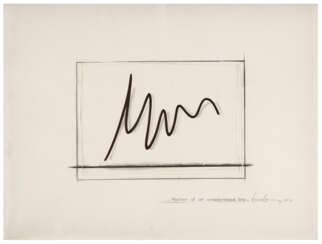

Bernar Venet is a French conceptual artist.
Venet’s work has become known internationally, with sculptures exhibited in Belgium, America, Japan, Austria, Switzerland, Germany, Canada and more recently New Zealand. In 2005, Venet received the title of Chevalier de La Legion d’Honneur, France’s highest honour.
In 2012, luxury car maker Bugatti invited Venet to create a one-off artwork to be applied to a Veyron Grand Sport. The finished work, described as "the fastest artwork ever", was revealed at the Rubell Family Collection in Miami during Art Basel Miami Beach.


Bernar Venet is a French conceptual artist.
Venet’s work has become known internationally, with sculptures exhibited in Belgium, America, Japan, Austria, Switzerland, Germany, Canada and more recently New Zealand. In 2005, Venet received the title of Chevalier de La Legion d’Honneur, France’s highest honour.
In 2012, luxury car maker Bugatti invited Venet to create a one-off artwork to be applied to a Veyron Grand Sport. The finished work, described as "the fastest artwork ever", was revealed at the Rubell Family Collection in Miami during Art Basel Miami Beach.



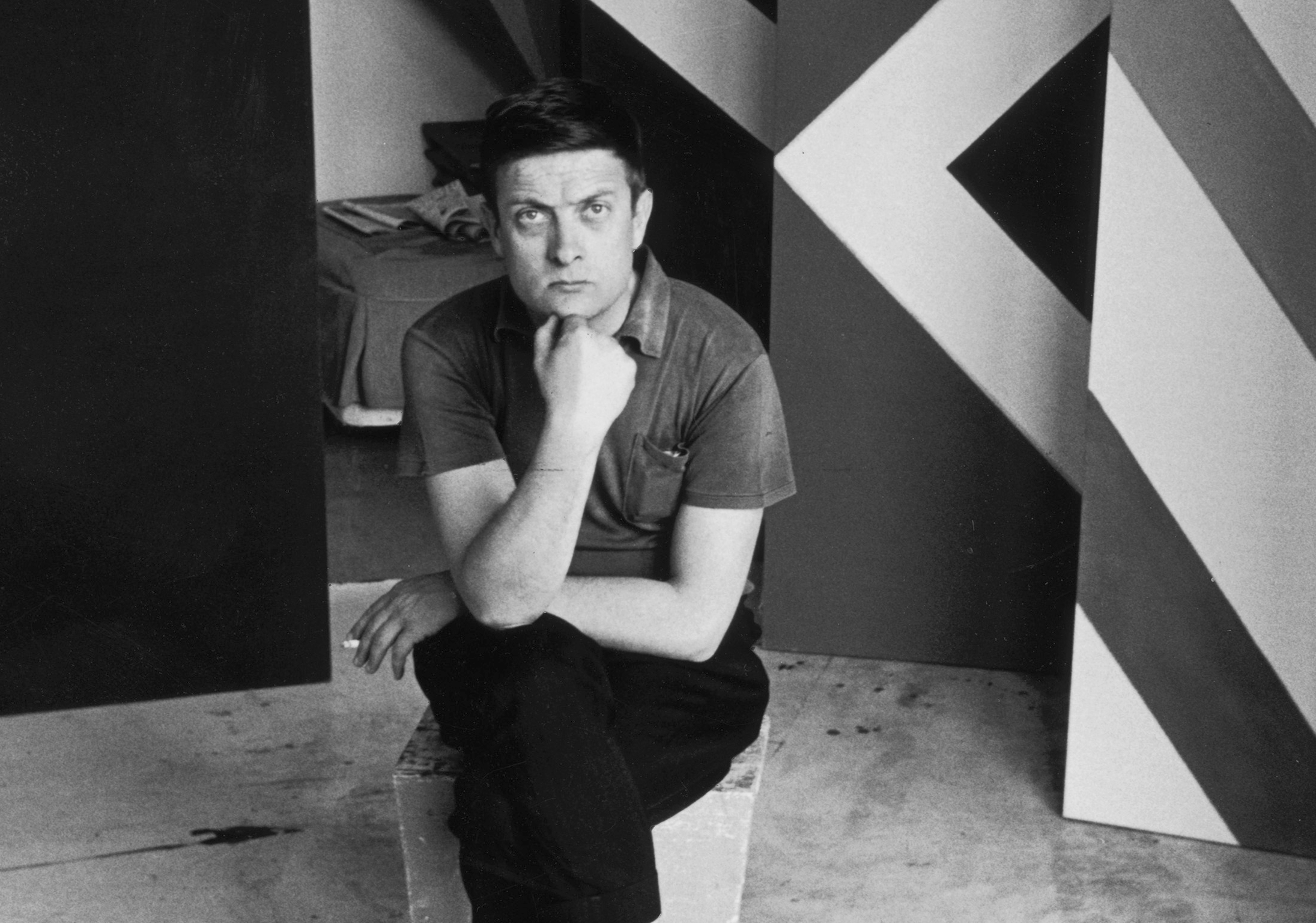
Kenneth Noland was an American painter, renowned for his pivotal role in the Color Field movement and his minimalist approach to art. Born in 1924, Noland's exploration of color and shape earned him a place among the most influential post-war American artists. His work is celebrated for its innovation in abstract painting, where he moved away from the gestural brushwork of Abstract Expressionism to a more structured, geometric form.
Noland's journey into the art world was nurtured by his "Sunday painter" father and propelled by his studies at Black Mountain College. There, luminaries like Josef Albers introduced him to the principles of color theory that became central to his practice. His iconic "Targets" series, featuring concentric circles on square canvases, showcased his fascination with the interaction of colors and their impact on the observer.
His pieces, often large-scale canvases, feature bold color blocks and striking patterns, which are housed in prestigious institutions worldwide, such as the Guggenheim Museum and the Tate. His chevron series, characterized by their V-like patterns, stand out as a testament to his minimalist yet powerful style, cementing his legacy in the realms of painting, art, and culture.
For collectors and art and antiques experts, Noland's works represent a transformative period in modern art, where simplicity and color spoke as loudly as the subject matter once did. His works are not just paintings; they are experiences crafted through the meticulous balance of form and hue.
If you're looking to stay informed on sales and auction events related to Kenneth Noland's transformative works, sign up for updates. Rest assured, our communications will focus solely on new product sales and auction events relevant to your interests.
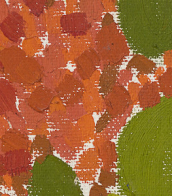


Kenneth Price was an American artist who predominantly created ceramic sculpture.
He is best known for his abstract shapes constructed from fired clay. Typically, they are not glazed, but intricately painted with multiple layers of bright acrylic paint and then sanded down to reveal the colors beneath.


Kenneth Price was an American artist who predominantly created ceramic sculpture.
He is best known for his abstract shapes constructed from fired clay. Typically, they are not glazed, but intricately painted with multiple layers of bright acrylic paint and then sanded down to reveal the colors beneath.


Kenneth Price was an American artist who predominantly created ceramic sculpture.
He is best known for his abstract shapes constructed from fired clay. Typically, they are not glazed, but intricately painted with multiple layers of bright acrylic paint and then sanded down to reveal the colors beneath.
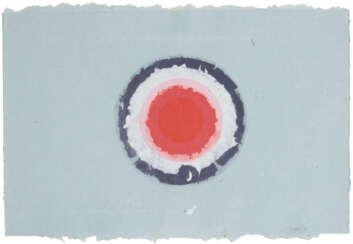

Kenneth Noland was an American painter, renowned for his pivotal role in the Color Field movement and his minimalist approach to art. Born in 1924, Noland's exploration of color and shape earned him a place among the most influential post-war American artists. His work is celebrated for its innovation in abstract painting, where he moved away from the gestural brushwork of Abstract Expressionism to a more structured, geometric form.
Noland's journey into the art world was nurtured by his "Sunday painter" father and propelled by his studies at Black Mountain College. There, luminaries like Josef Albers introduced him to the principles of color theory that became central to his practice. His iconic "Targets" series, featuring concentric circles on square canvases, showcased his fascination with the interaction of colors and their impact on the observer.
His pieces, often large-scale canvases, feature bold color blocks and striking patterns, which are housed in prestigious institutions worldwide, such as the Guggenheim Museum and the Tate. His chevron series, characterized by their V-like patterns, stand out as a testament to his minimalist yet powerful style, cementing his legacy in the realms of painting, art, and culture.
For collectors and art and antiques experts, Noland's works represent a transformative period in modern art, where simplicity and color spoke as loudly as the subject matter once did. His works are not just paintings; they are experiences crafted through the meticulous balance of form and hue.
If you're looking to stay informed on sales and auction events related to Kenneth Noland's transformative works, sign up for updates. Rest assured, our communications will focus solely on new product sales and auction events relevant to your interests.