north american mission board
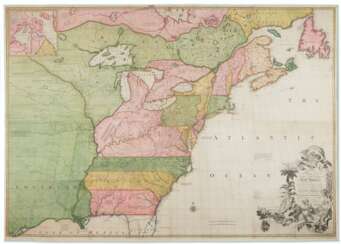


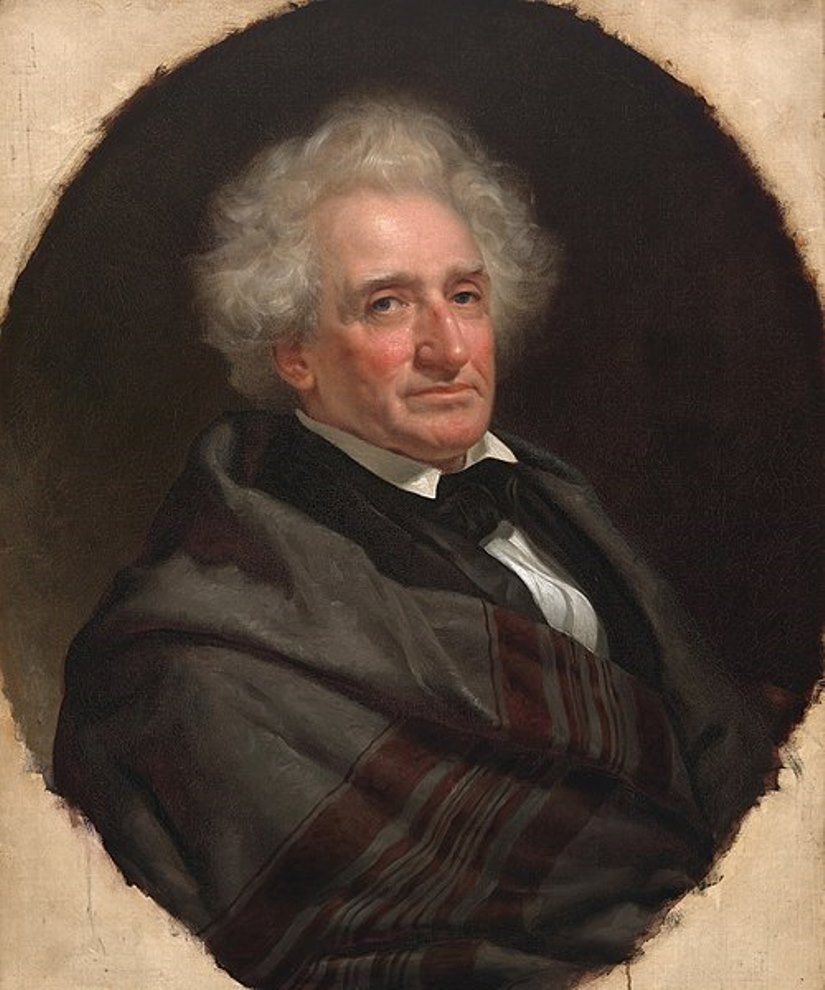
Thomas Loraine McKenney was an American statesman and author.
After the abolition of the U.S. Indian trading program in 1822, then Secretary of War John C. Calhoun established a position in the War Department called Superintendent of Indian Affairs (later to become part of the Bureau of Indian Affairs). McKenney was the first appointed to this position and held it until 1830. Over the years, he worked tirelessly to promote Indian-American relations, advocating for the interests of Indians and striving to preserve the memory of their vanishing culture. Despite his interest in Native American history, McKenney sought to have them assimilated to Euro-American culture through Christian education.
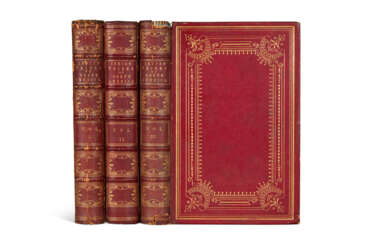
McKenney commissioned leading artists, including Charles Byrd King, to paint portraits of Indian chiefs from more than twenty tribes who visited Washington on official business over a ten-year period. These portraits formed the basis of the government's National Portrait Gallery, first housed in the War Department and later transferred to the Smithsonian Institution. This gallery was featured in part in the three-volume History of the Indian Tribes of North America (1836-1844), with biographical sketches by McKenney, co-authored with Illinois lawyer and writer James Hall.
In 1865, a fire at the Smithsonian Institution destroyed all but a few of the portraits, which are now in the White House. Thus this three-volume book represents the only reliable source on the appearance of many of the most prominent leaders of Indian tribes.
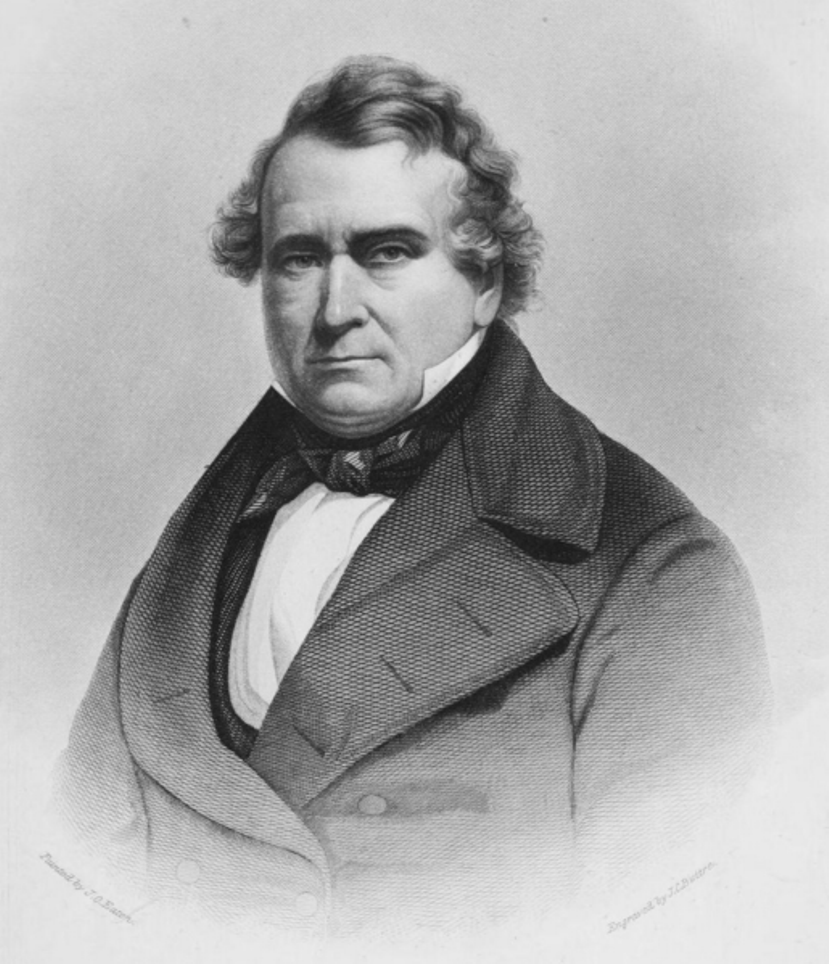
James Hall was an American lawyer, judge, treasurer, and editor.
Hall studied law, fought in the War of 1812, served as a lawyer and circuit judge, newspaper and magazine editor, Illinois state treasurer, and banker in Cincinnati, Ohio. In addition, he was also a historical and fiction writer. In 1828, Hall compiled the first western literary yearbook, Western Souvenir, and edited the Illinois Monthly Magazine. James Hall wrote a travel book, Letters from the West (1828), a novel, The Head of the Harp (1833), and several volumes of short stories.
Hall also contributed to the three-volume History of the Indian Tribes of North America (1836-1844). This book includes portraits of the chiefs of more than twenty Indian tribes, which were painted by noted artists of the day, with biographical sketches by Superintendent of Indian Affairs Thomas L. McKenney.
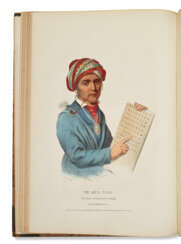




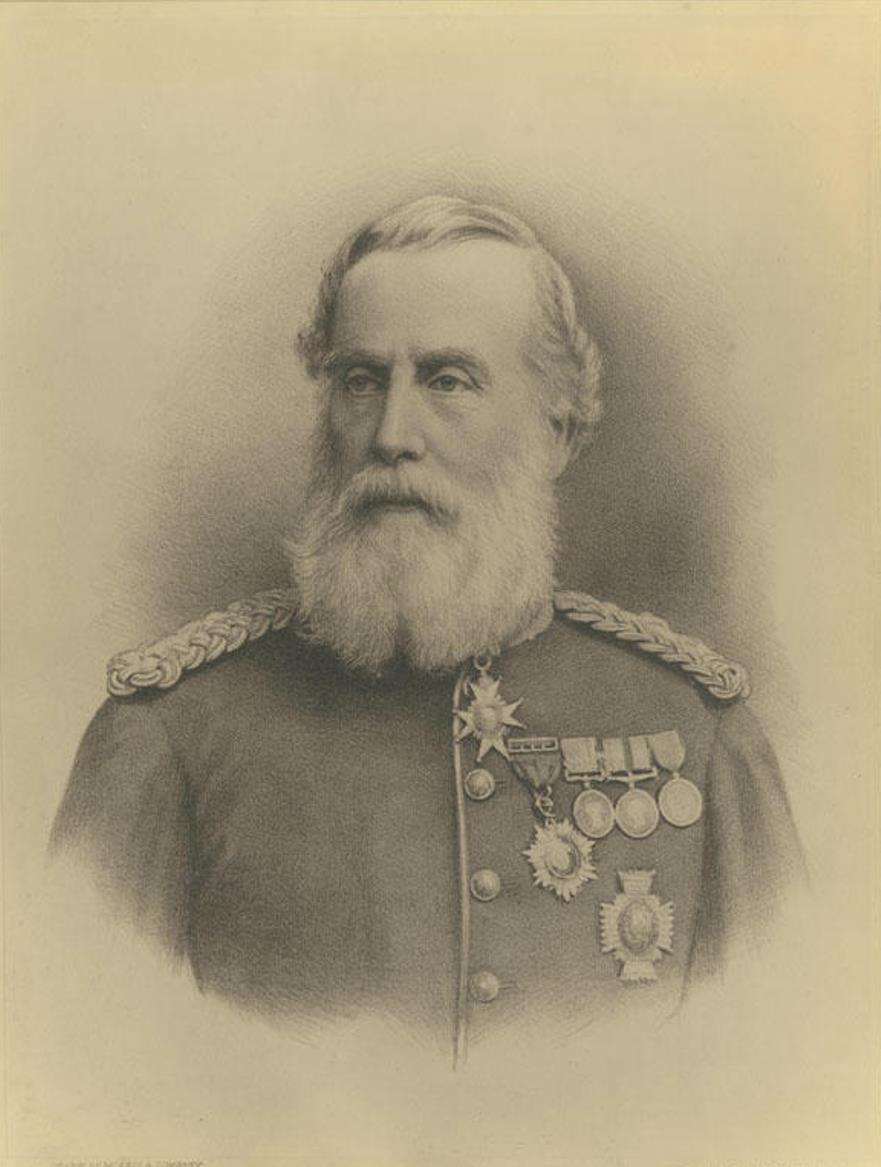
Henry James Warre was a British officer, traveler and artist.
Educated at the Royal Military College, Sandhurst, Warre began his service in British North America, including Canada, as adjutant (aide-de-camp) to his uncle, Sir R. D. Jackson, commander-in-chief of British forces. From 1845-1846, he traveled the country on a reconnaissance tour, visiting Oregon and British Columbia. Henry Warre later participated in the Crimean War, served as a colonel in New Zealand from 1861-1865, and made a sea voyage to the South Island.
Warre had a brilliant military career, rising to the rank of lieutenant general, commander of the Bombay Army. In 1881, while still in India, he retired and returned to London.
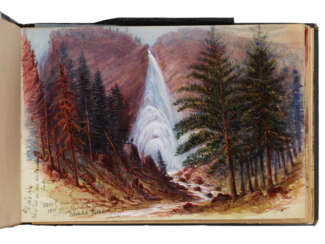
Henry Warre was a talented artist, and drew the surrounding vistas and landscapes in pencil and watercolor. He is best known for his books of colored plates, Sketches of North America and the Oregon Territory (1848) and Sketches in the Crimea (1856).






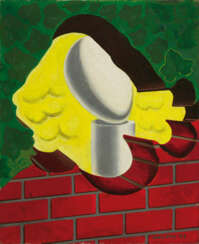

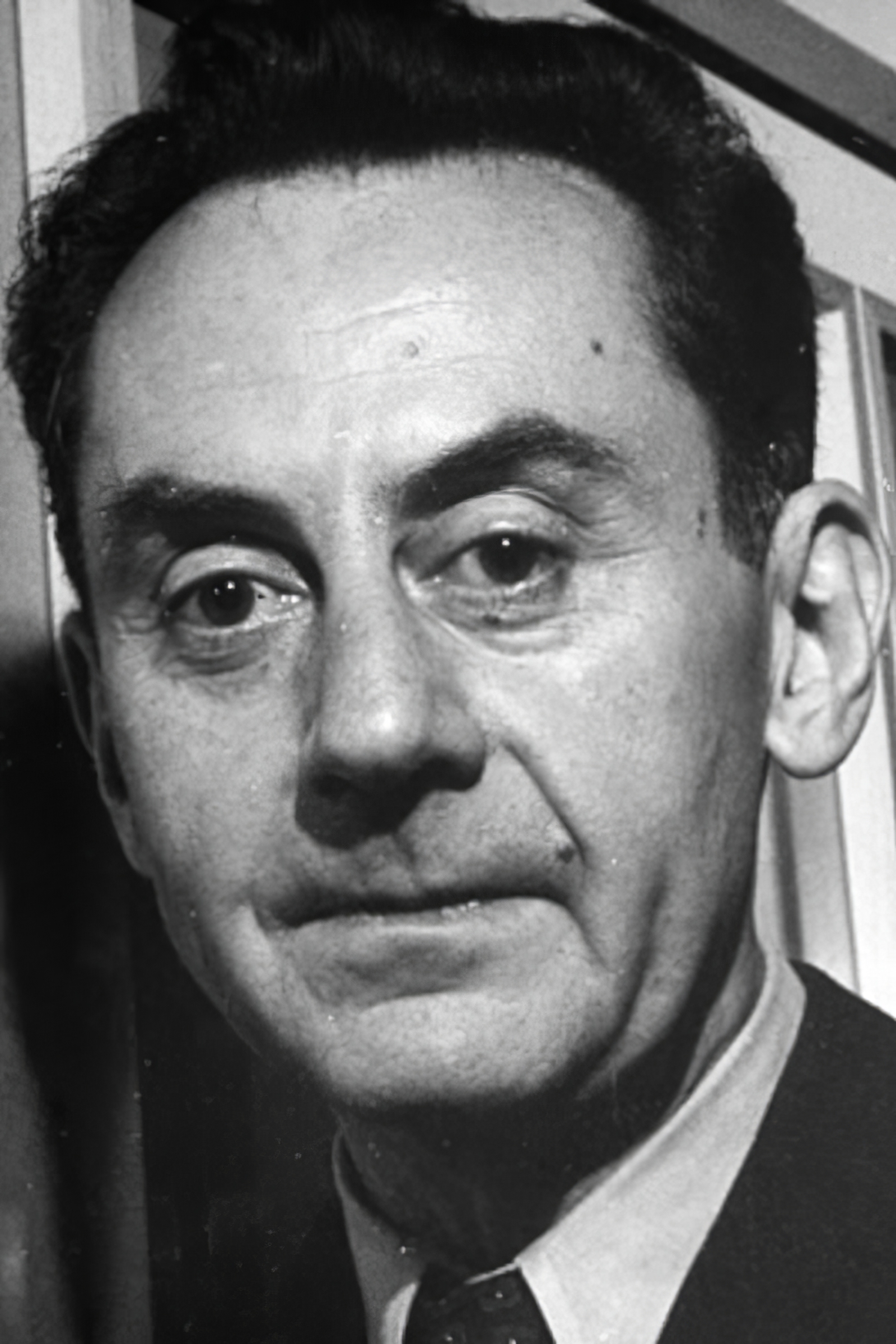
Man Ray, born Emmanuel Radnitzky, was an American visual artist who played a significant role in the Dada and Surrealist movements. His pioneering efforts in photography, alongside his work in painting and sculpture, have cemented his place as a major figure in modern art. Known for his innovative techniques and the ability to convey complex ideas through simple, striking visuals, Man Ray's contribution to the art world is profound.
Throughout his career, Man Ray was celebrated for his avant-garde approach and his ability to transcend traditional boundaries between different artistic mediums. His photography, characterized by experimental techniques such as solarization and rayographs (cameraless photographs), challenged conventional perceptions of photography as merely a means of representation. These artistic innovations made him a central figure in both Parisian and American art circles.
Man Ray's works are housed in some of the world's most prestigious museums and galleries, including the Museum of Modern Art in New York and the Centre Pompidou in Paris. His pieces, such as "Le Violon d'Ingres" and "Noire et Blanche," are iconic images that continue to influence artists today. His ability to blend the abstract with the realistic, and the humorous with the serious, has left a lasting legacy in the world of art.
For collectors and experts in art and antiques, the work of Man Ray offers a glimpse into the revolutionary changes that shaped the visual arts in the 20th century. His unique perspective and pioneering techniques continue to inspire and challenge those interested in the boundaries of creativity and expression.
If you're passionate about the avant-garde, or simply wish to explore the fascinating world of Man Ray further, sign up for our updates. You'll receive alerts on new product sales and auction events related to Man Ray, ensuring you never miss an opportunity to engage with the legacy of this extraordinary artist.