notion define


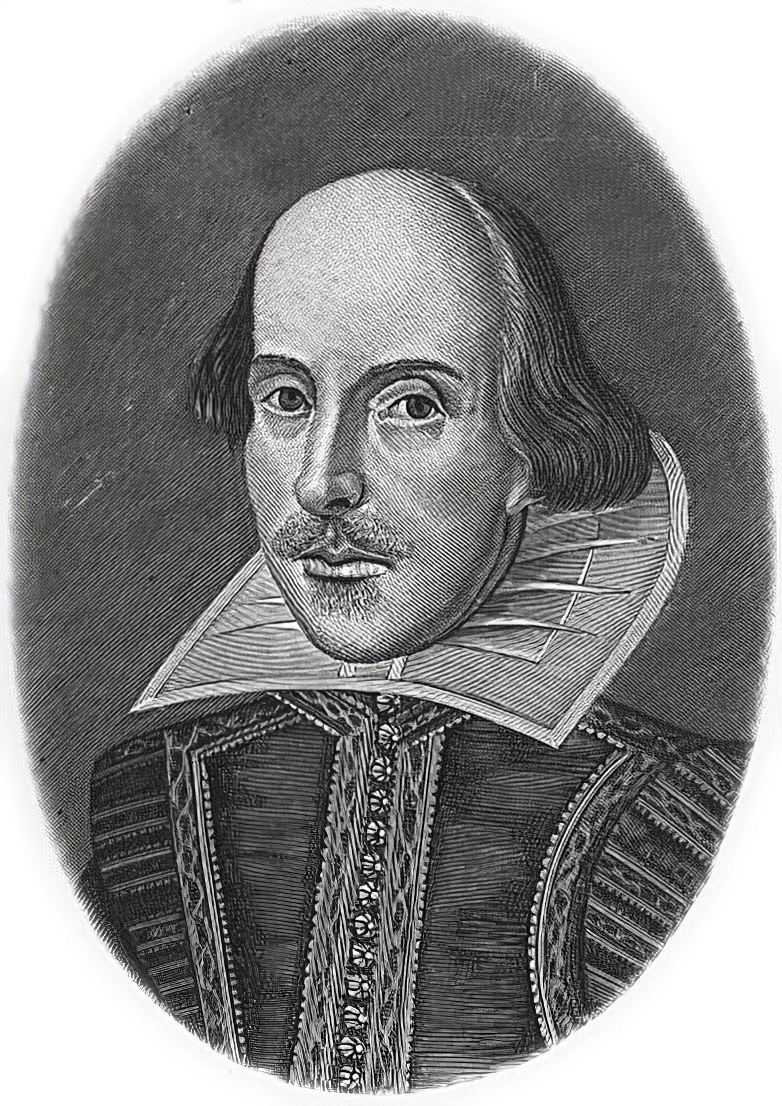
William Shakespeare was a British poet and playwright and writer.
William's father, John Shakespeare, was a merchant and official in Stratford. There are reports that he was a sailor for a time before joining a theater company in London. Beginning in the 1590s, Shakespeare began writing plays, and in 1593 he published a poem, Venus and Adonis, which became popular. He dedicated it to the Duke of Southampton, who was a philanthropist and patron of talent, and soon his business was booming.
From 1592 to 1600 Shakespeare wrote his dramas and romantic comedies "Richard III", "The Taming of the Shrew", "Romeo and Juliet", "A Midsummer Night's Dream" and "The Merchant of Venice", as well as the comedies "Much Ado About Nothing", "Twelfth Night" and the tragedy "Julius Caesar". The playwright's business was so successful that he even bought a large house in Stratford. In 1599, Shakespeare became one of the owners, playwright and actor of the new theater "Globe". In 1603 King James took Shakespeare's troupe under his direct patronage. In the mature period, the great playwright turned to tragedies, there were "Hamlet", "Othello", "King Lear", "Macbeth" and others.
Although in the 19th century researchers had some doubts about the authorship of many of these works, William Shakespeare is considered the greatest English playwright, one of the best playwrights in the world. His plays have been translated into all major languages and to this day form the basis of the world theatrical repertoire, most of them have been screened many times. According to the Guinness Book of Records, Shakespeare remains the world's best-selling playwright, and his plays and poems have sold more than 4 billion copies in the nearly 400 years since his death.
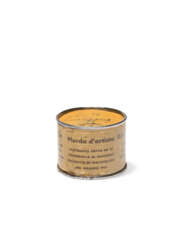

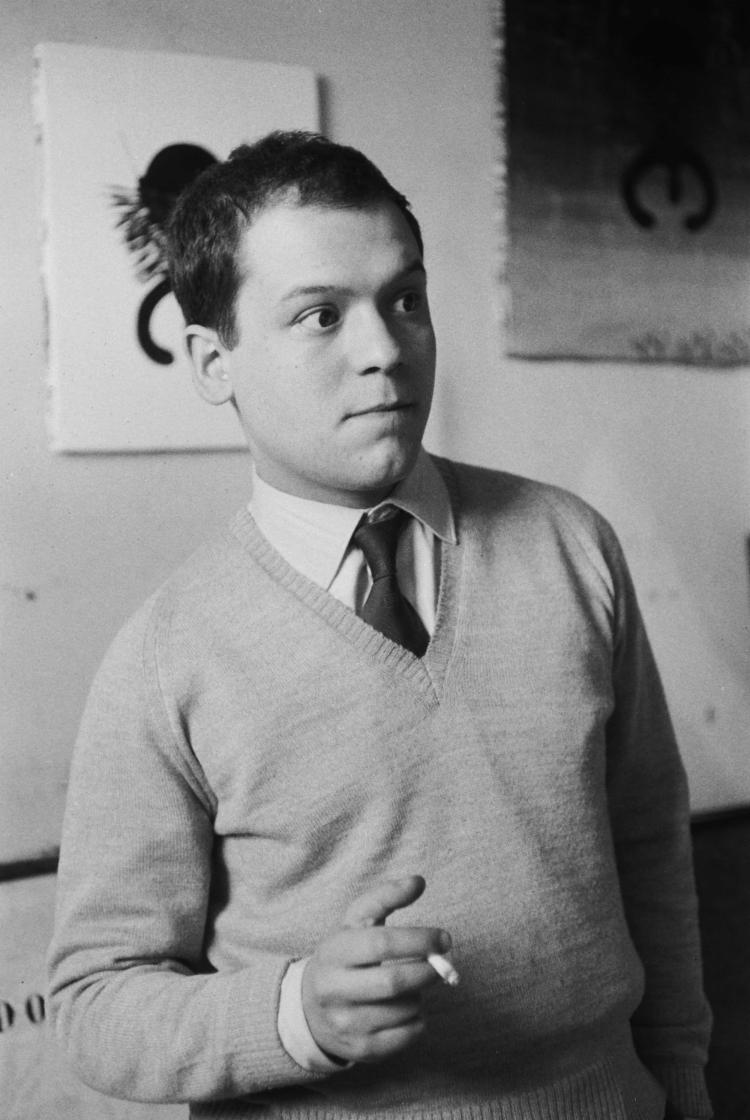
Piero Manzoni was an Italian artist. He was a leading figure in the Italian avant-garde movement of the 1950s and 1960s, and is best known for his conceptual and performance artworks.
Manzoni's works often involved the use of unconventional materials, such as his famous series of "Artist's Shit" cans, which were filled with his own excrement and sealed with a label that declared "Artist's Shit". He also created works using cotton balls, balloons, and even human hair.
One of Manzoni's most famous performances was "Living Sculptures," in which he covered himself in gold paint and posed as a living statue in a gallery. He also created a "Base of the World," a pedestal labeled with that phrase, and invited people to stand on it, thereby declaring themselves the center of the world.
Manzoni's works challenged traditional notions of art and pushed the boundaries of what was considered acceptable as artistic expression.


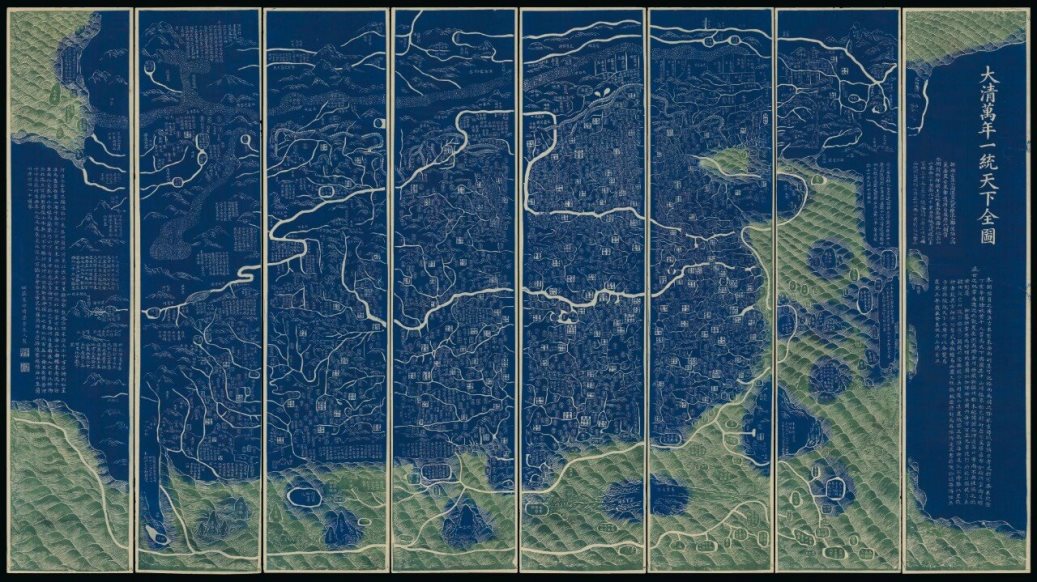
Qianren Huang was a Chinese cartographer and clerk who worked in the 18th century during the reign of the Qianlong Emperor.
His grandfather, Huang Zongxi (1610-1695), was a famous Qing Chinese polymath, Confucian scholar, cartographer, and father of the Chinese Enlightenment.
Qianren Huang is known for his 1767 revision of the map created by his grandfather Huang Zongxi, the so-called famous "Blue Map" of the world. Continuing the family tradition of outstanding scientific achievements, his grandson pointed out the addition of new territories such as Tibet and Xinjiang on the updated map, emphasizing the continuous strengthening of the Chinese state.


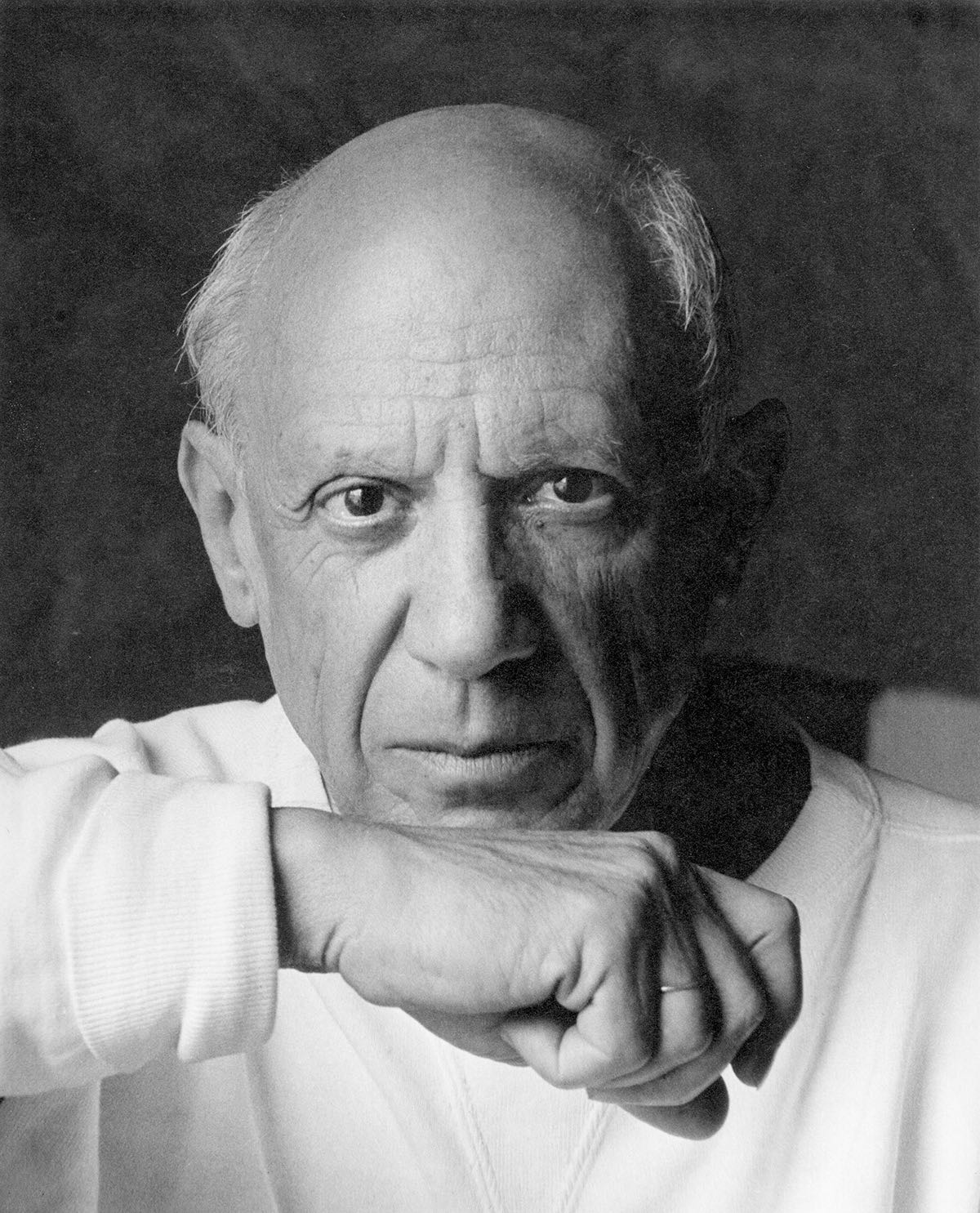
Pablo Ruiz Picasso, a Spanish artist renowned for his revolutionary contributions to the 20th-century art scene, is a figure that resonates profoundly with collectors and art experts. His unique blend of talents in painting, sculpture, printmaking, and ceramic art, infused with his time in France, positioned him as a pivotal character in modern art history.
Picasso's artistic journey was marked by distinct periods, each showcasing his evolving style and genius. His early years were characterized by the Blue Period (1901-1904), followed by the Rose Period (1904-1906), and then the African-influenced Period (1907-1909). Picasso's name is synonymous with Cubism, a movement he co-founded, which significantly altered artistic perspectives and methods. Works like "Les Demoiselles d'Avignon" (1907) and "Guernica" (1937) are emblematic of his cubist legacy, the latter being a poignant anti-war statement that remains influential.
His later years saw a return to more traditional styles, with neoclassical and surrealist influences becoming evident. Works from these phases reflect a deep engagement with mythological themes, as seen in "Faun with Stars" (1955), symbolizing his late-life romance with Jacqueline Roque, his second wife.
Picasso's prolific output and innovative spirit made him a legend in his own time, a status that only grew after his death. His works, housed in major museums and private collections worldwide, continue to captivate and inspire.
As a collector or expert in art and antiques, staying informed about Picasso's works, their auction events, and sales is essential. To stay updated on the latest developments and opportunities related to Pablo Picasso, sign up for our specialized updates. Rest assured, this subscription will focus solely on new product sales and auction events pertaining to Picasso's art, ensuring that you receive only the most relevant and valuable information.


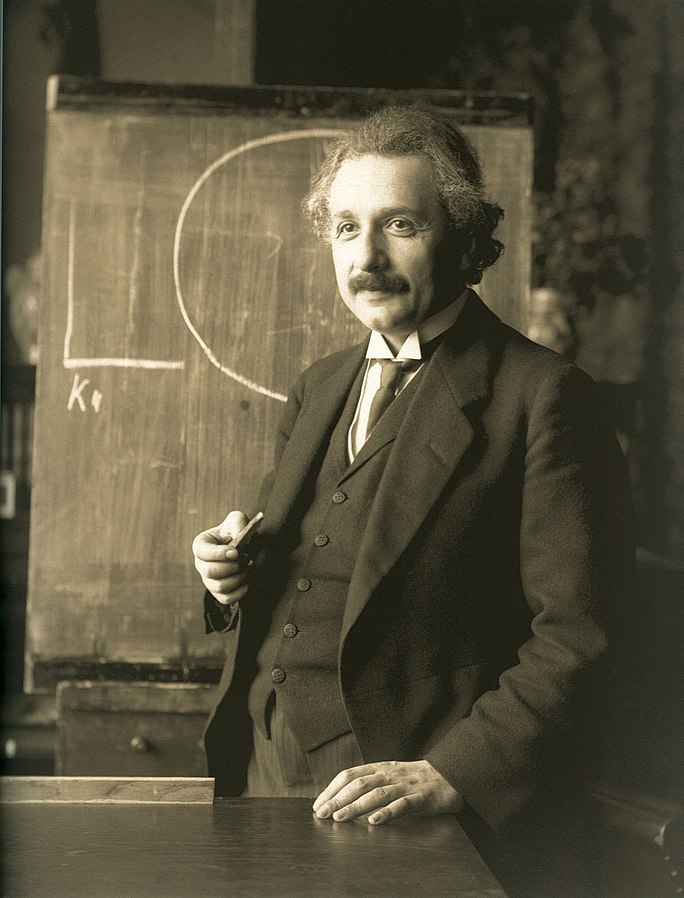
Albert Einstein was a German-born theoretical physicist, widely acknowledged to be one of the greatest and most influential physicists of all time. Einstein is best known for developing the theory of relativity, but he also made important contributions to the development of the theory of quantum mechanics. Relativity and quantum mechanics are together the two pillars of modern physics. His mass–energy equivalence formula E = mc2, which arises from relativity theory, has been dubbed "the world's most famous equation". His work is also known for its influence on the philosophy of science. He received the 1921 Nobel Prize in Physics "for his services to theoretical physics, and especially for his discovery of the law of the photoelectric effect", a pivotal step in the development of quantum theory. His intellectual achievements and originality resulted in "Einstein" becoming synonymous with "genius".


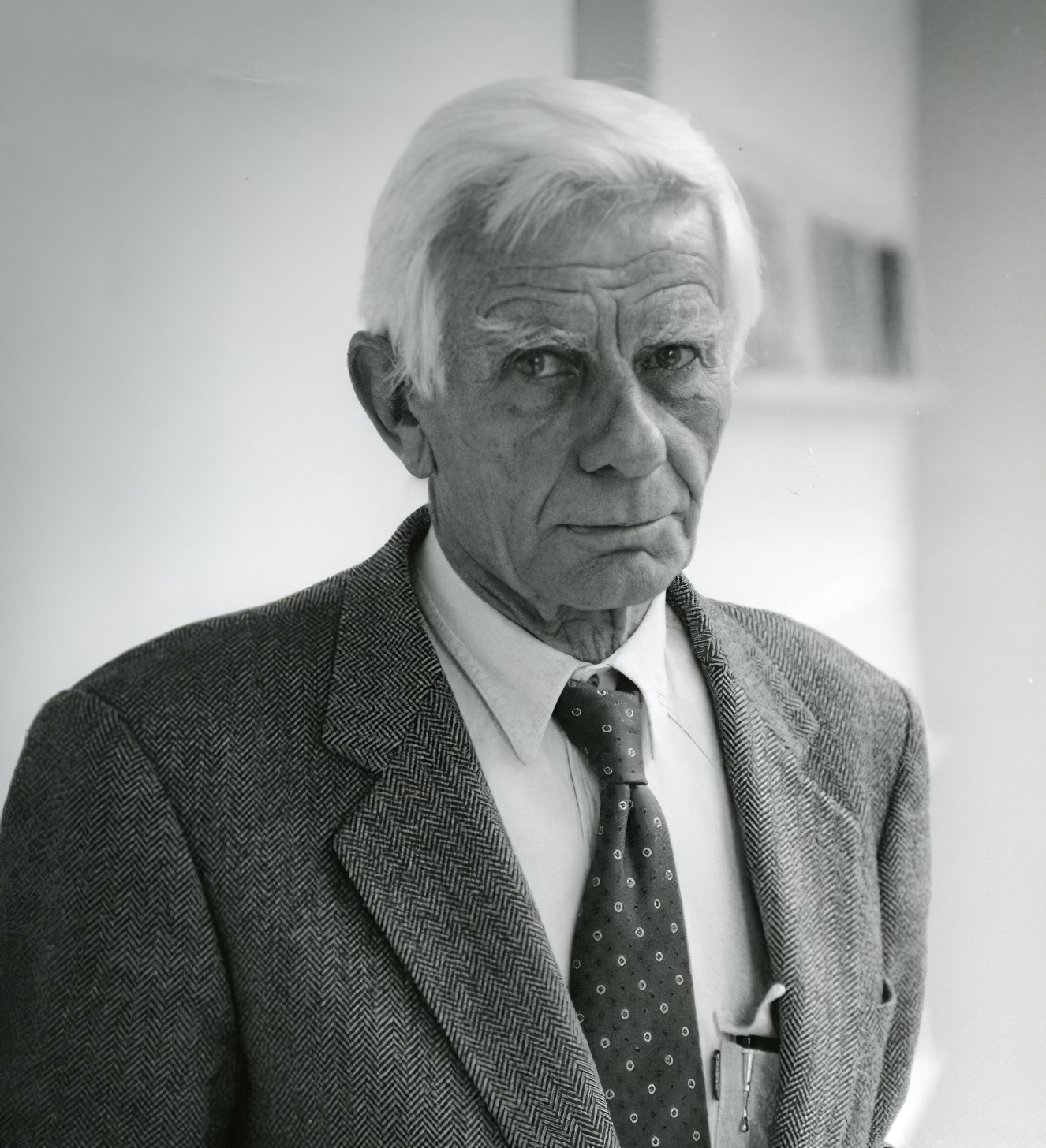
Enrico Castellani was an Italian artist. He was active in Italy from the early 1960s, and associated with Piero Manzoni and Vincenzo Agnetti. Castellani is known for his "paintings of light". He studied at the Ecole Nationale Superieure in Belgium, then settled in Milan. Castellani collaborated with artists such as Getulio Alviani, Piero Manzoni, and others. In 2010 he received the Praemium Imperiale for painting.