online fix me


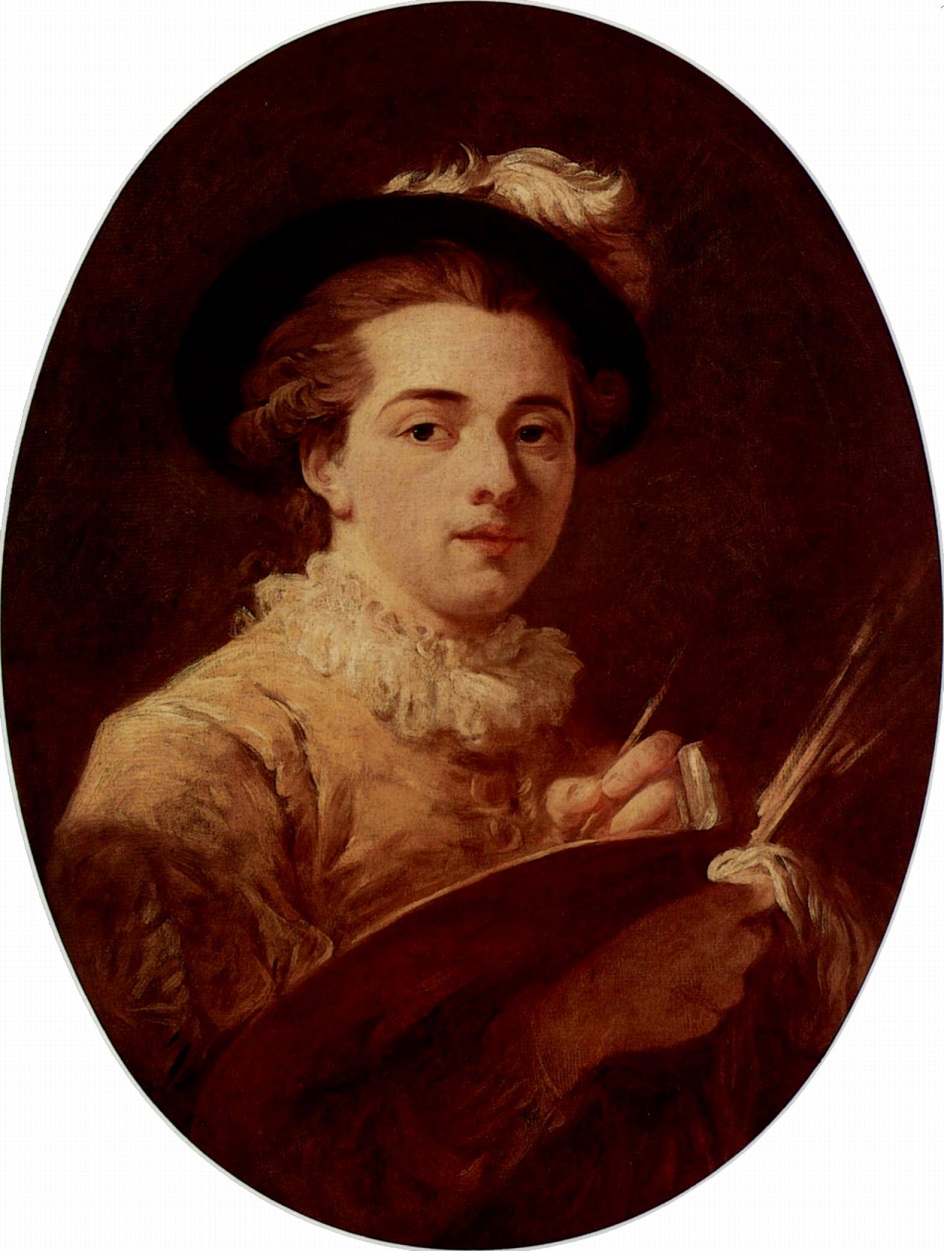
Jean-Honoré Fragonard, a prominent French Rococo painter, left an indelible mark on the art world with his vivacious and hedonistic approach to painting. Born in Grasse, France, in 1732, Fragonard's journey into the art world was marked by his early apprenticeship under François Boucher, whose influence is evident in the young artist's work. Fragonard's talent and skill were recognized early on when he won the prestigious Prix de Rome in 1752, which allowed him to study at the French Academy in Rome.
Jean-Honoré Fragonard's work is characterized by a remarkable facility, exuberance, and a penchant for themes of love and voluptuousness that resonated with the opulent and pleasure-seeking milieu of Louis XV's court. His paintings, such as "The Swing" (Wallace Collection), "Blind Man's Bluff," and "The Bolt," are celebrated for their tender beauty, vibrant color, and the virtuosity of his brushwork. These works encapsulate the essence of Rococo art with their playful themes, intricate compositions, and luminous palette.
Despite the initial success and the king's patronage, which saw his piece "Coresus et Callirhoe" being bought and reproduced at the Gobelins factory, Jean-Honoré Fragonard's career took a turn as the French Revolution upended the social order and the artist's private patrons were guillotined or exiled. This period forced Fragonard to leave Paris, seeking refuge in Grasse. He returned to the capital in the early 19th century, where he died in 1806, almost forgotten. It wasn't until the late 19th and early 20th centuries that Fragonard's work was re-evaluated, cementing his position among the masters of French painting. His influence on the Impressionists, particularly Renoir and his grandniece Berthe Morisot, is undeniable, showcasing his lasting impact on the trajectory of art history.
For collectors and experts in art and antiques, Jean-Honoré Fragonard's oeuvre represents the pinnacle of Rococo art, offering a glimpse into the opulent and sensuous world of 18th-century France. His paintings are not just artistic achievements but are also historical documents that reflect the cultural and social dynamics of his time.
To stay updated on new discoveries, sales, and auction events related to Jean-Honoré Fragonard's works, signing up for updates is recommended. This ensures that enthusiasts and collectors are promptly informed about opportunities to enrich their collections with the exquisite beauty of Fragonard's art.



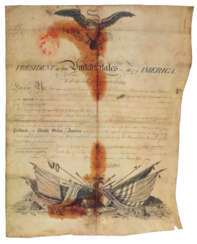

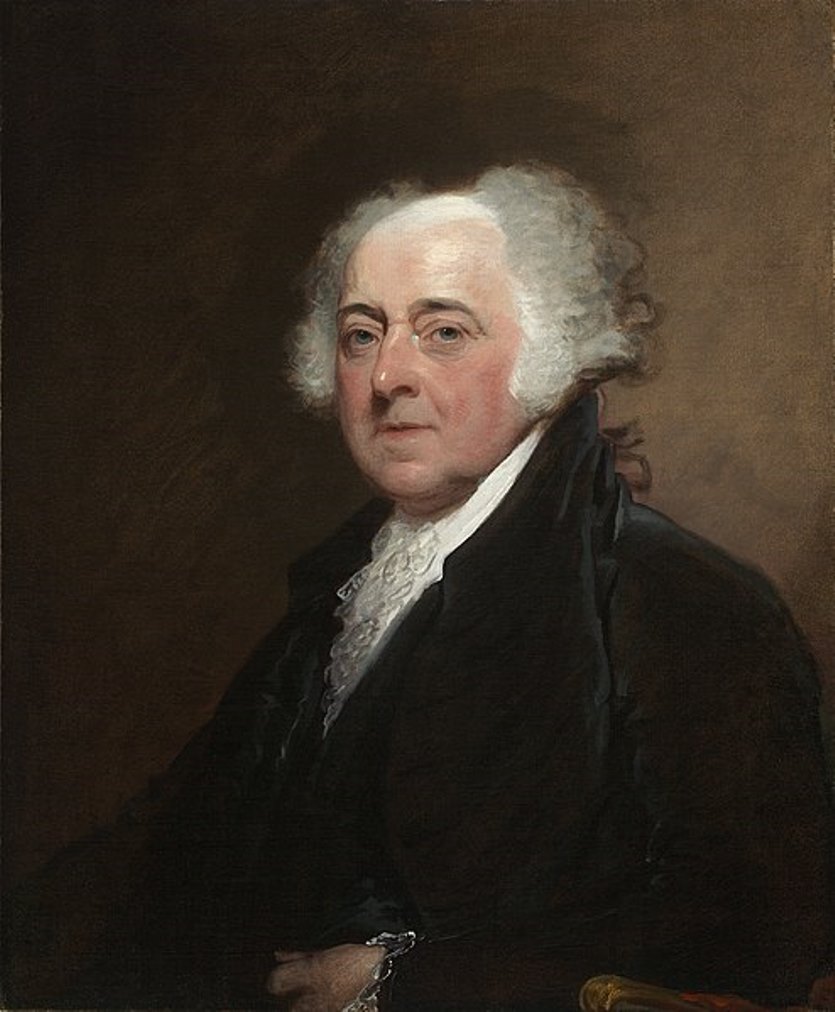
John Adams was an American statesman and politician and the second President of the United States (1797-1801).
The Adamses were among the first Puritan settlers in New England, and John's father was a farmer and shoemaker. John Adams graduated from Harvard College, taught grammar school in Worcester, Massachusetts, and then practiced law in Boston. In 1764, Adams married Abigail Smith, a minister's daughter, who became his confidante and lifelong political partner.
In 1765, Adams wrote "A Dissertation on Canon Law and Feudal Law," where he justified his opposition to British interference in the colonies. In the summer of 1774, Adams was elected to the Massachusetts delegation to the First Continental Congress, in which he became a major figure. He wrote Thoughts on Government as a basic guide to drafting new state constitutions. In July 1776, John Adams drafted the Plan of Treaties, which became the basis for the treaty with France and set the strategic priorities that would shape American foreign policy over the next century.
He was elected to the post of head of the War Council, in 1780 he became the author of the Massachusetts Constitution, which became a model for other states, in 1783 he signed the Treaty of Paris. From 1785 to 1788 John Adams served as the first American ambassador to Great Britain and proved himself worthy in this difficult situation, being the official embodiment of American independence from the British Empire. He studied European history extensively and the result was his three-volume book entitled A Defense of the Constitution of the Government of the United States of America (1787).
In 1789 Adams became the country's first vice president (Washington was the first president of the United States), and in 1797 he was elected the second president of the United States. However, his reign was not the best in the history of the new country. Deteriorating relations with France led to an undeclared naval war between the former allies. In 1798, Adams signed the controversial Alien and Sedition Acts, which restricted free speech rights. They met widespread opposition across the country. Adams resisted opposition demands for all-out war with France, but lost the 1800 election to Thomas Jefferson.
John Adams retired from politics and settled in his hometown of Quincy. He became the founder of an entire dynasty of politicians and died on July 4, 1826 (the 50th anniversary of the Declaration of Independence), living to see his eldest son John Quincy elected as the sixth president.