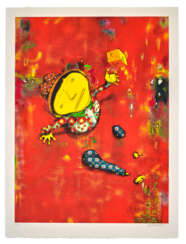
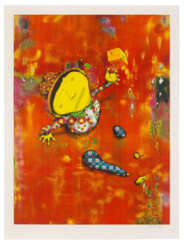
os gemêos


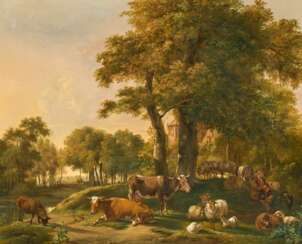

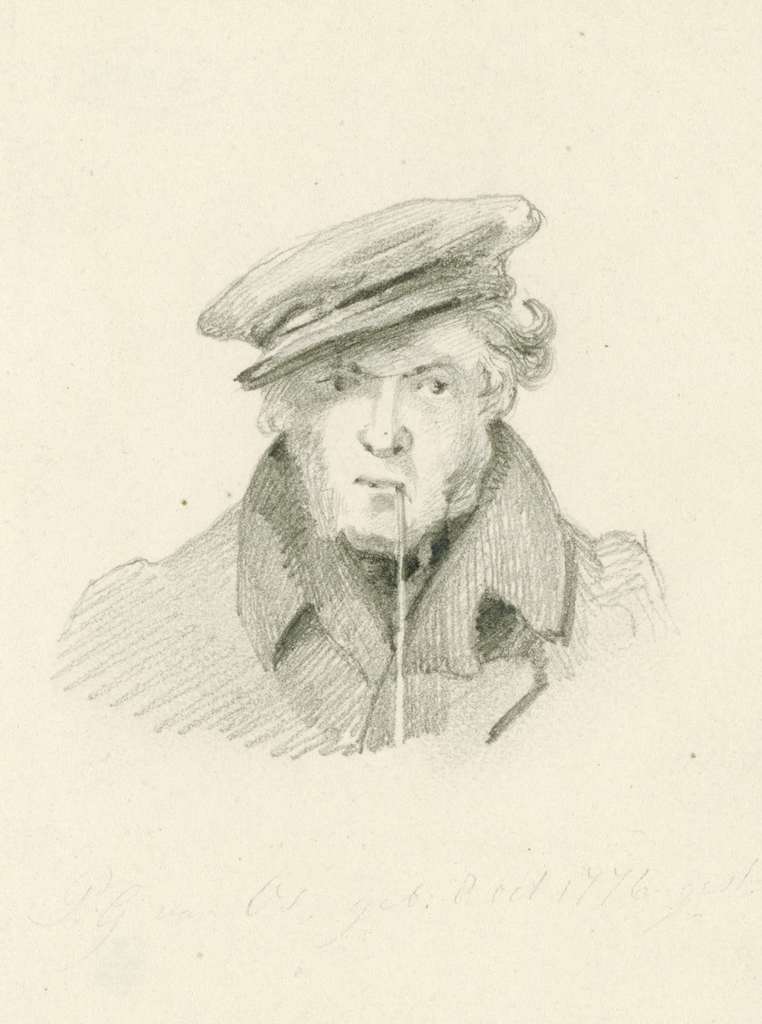
Pieter Gerardus van Os was a Dutch painter and engraver and a member of the renowned Van Os family of artists.
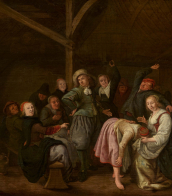


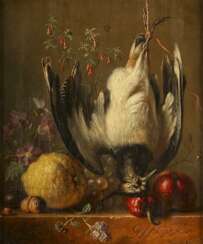
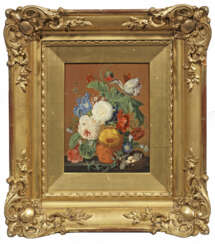
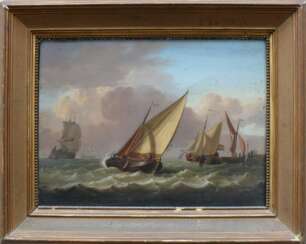
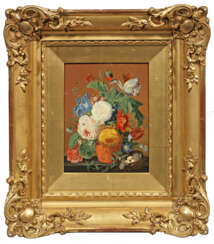
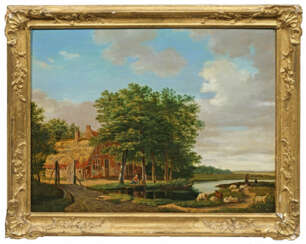
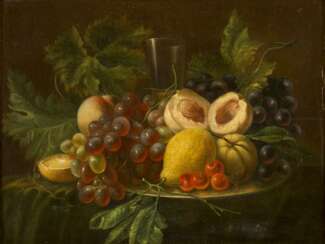
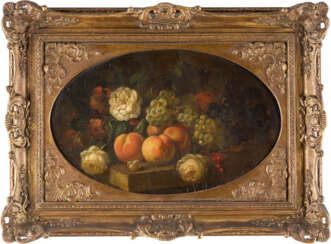
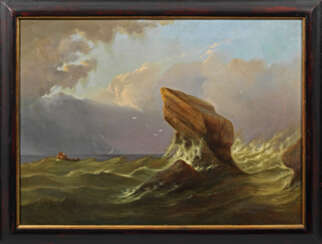
Jan van Os was a Dutch painter and a member of the renowned Van Os family of artists. He was born in Middelharnis. He was taught by Aert Schouman in The Hague, where he would spend the rest of his life. In 1773, he recorded in the painters' confraternity. Van Os is mostly known for his fruit and flower still life paintings, though he started his career painting seascapes. His floral still lifes were painted in the style of Jan van Huysum, with the flowers usually presented on a marble ledge against a green background. He was the father of artists Pieter van Os, Maria Margaretha van Os, and Georgius Jacobus Johannes van Os and grandfather to the painter Pieter Frederik van Os.
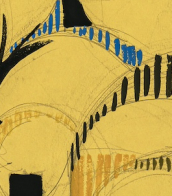


Pieter Gerardus van Os was a Dutch painter and engraver and a member of the renowned Van Os family of artists.
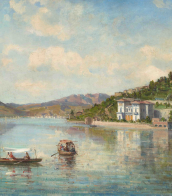



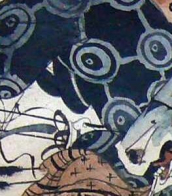











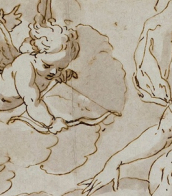
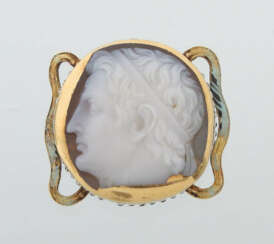

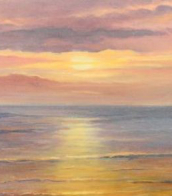
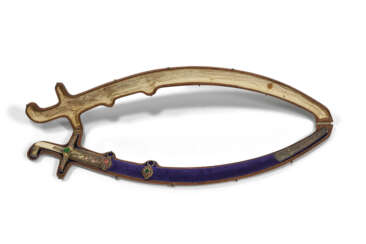




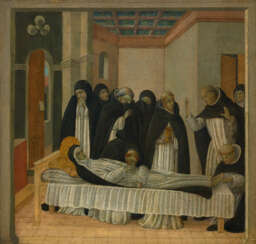

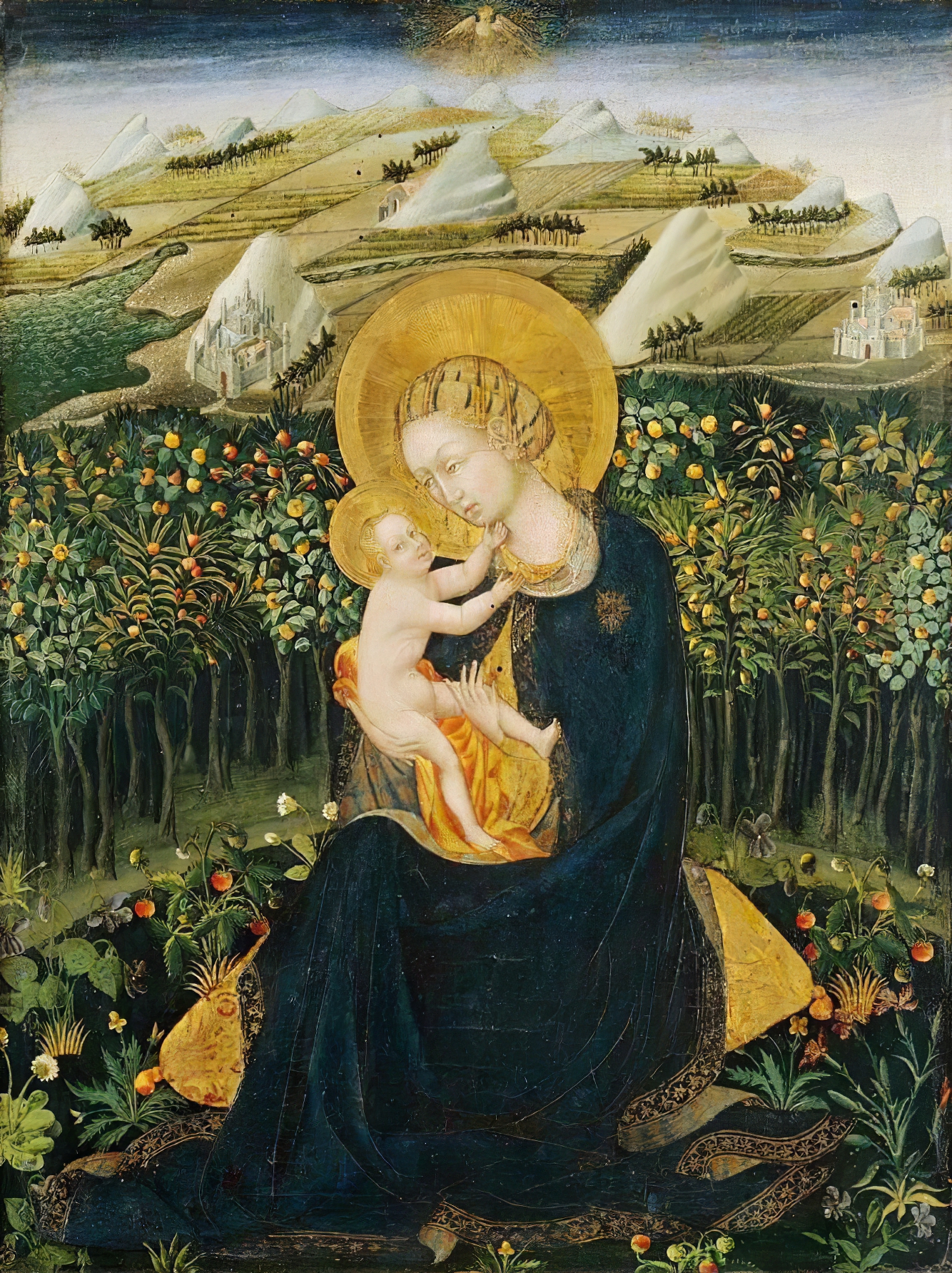
Giovanni di Paolo di Grazia was an Italian painter, working primarily in Siena, becoming a prolific painter and illustrator of manuscripts, including Dante's texts. He was one of the most important painters of the 15th century Sienese School. His early works show the influence of earlier Sienese masters, but his later style was more individual, characterized by cold, harsh colours and elongated forms. His style also took on the influence of International Gothic artists such as Gentile da Fabriano. Many of his works have an unusual dreamlike atmosphere, such as the surrealistic Miracle of St. Nicholas of Tolentino painted about 1455 and now housed in the Philadelphia Museum of Art, while his last works, particularly Last Judgment, Heaven, and Hell from about 1465 and Assumption painted in 1475, both at Pinacoteca Nazionale (Siena), are grotesque treatments of their lofty subjects. Giovanni's reputation declined after his death but was revived in the 20th century.






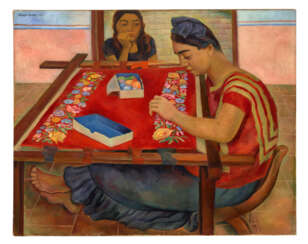

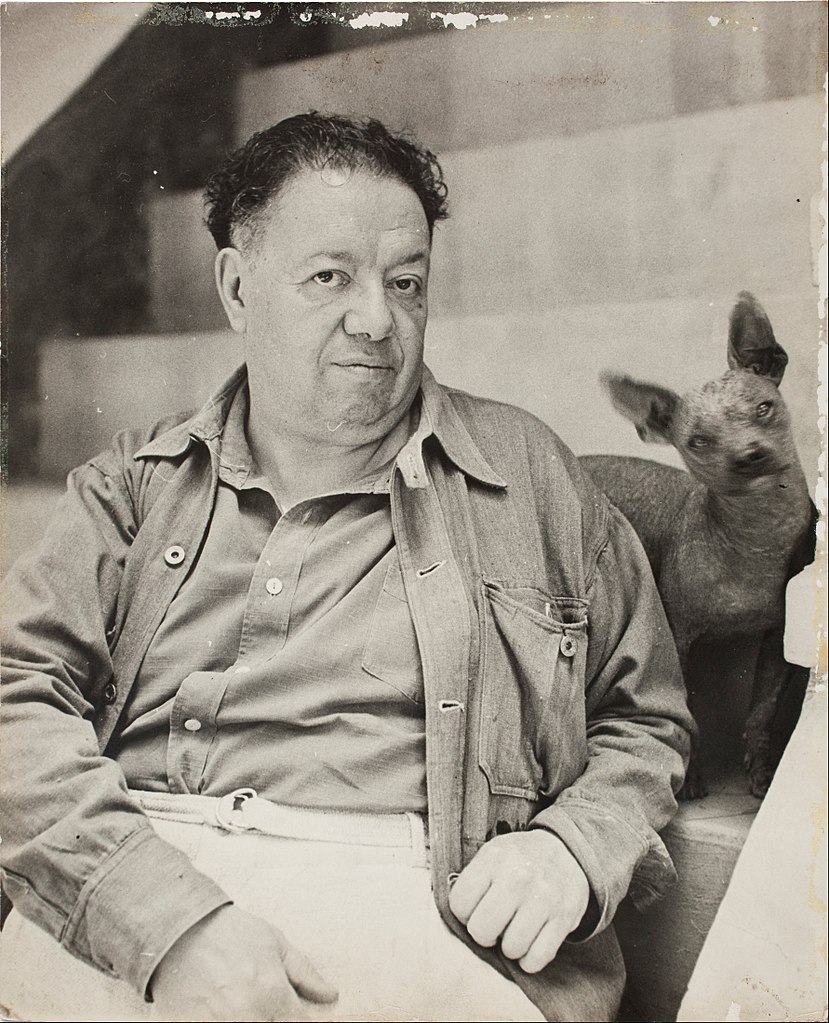
Diego María de la Concepción Juan Nepomuceno Estanislao de la Rivera y Barrientos Acosta y Rodríguez, more commonly known as Diego Rivera, was a prominent Mexican painter celebrated for his critical role in establishing the Mexican mural movement both nationally and internationally. Born on December 8, 1886, in Guanajuato, Mexico, to a well-to-do family, Rivera was a child prodigy in art, encouraged by his parents from a young age after they noticed his penchant for drawing. This early support included installing chalkboards and canvases on the walls of their home to foster his talent.
Rivera's art was not just limited to murals; he was also a key figure in Mexican Cubism and had a rich body of easel paintings. However, his murals, depicting scenes of Mexican society and reflecting his leftist political views, remain his most notable contributions. Some of his most famous works include "Man at the Crossroads," which stirred controversy due to its inclusion of Lenin, leading to its destruction at the Rockefeller Center in New York. Rivera's murals are scattered across Mexico and the United States, serving as historical documents that highlight his technical skill and deep social engagement.
His personal life was as colorful and tumultuous as his art, marked by multiple marriages, including to fellow artist Frida Kahlo. Their relationship was both passionate and stormy, significantly influencing their respective works. Rivera's legacy extends beyond his artwork; he was a mentor to several artists and left an indelible mark on the art world with his contributions to public art and his political activism. His works have been declared national monuments by the Mexican government, underscoring his pivotal role in the country's cultural heritage.
For collectors and experts in art and antiques, Rivera's works offer not only aesthetic beauty but also deep social and historical insights. If you're passionate about adding a piece of this rich cultural heritage to your collection or staying updated on auction events related to Diego Rivera's art, signing up for updates can provide you with timely information on new sales and exhibitions featuring his masterpieces.
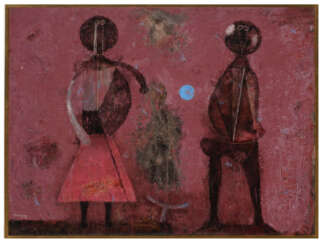

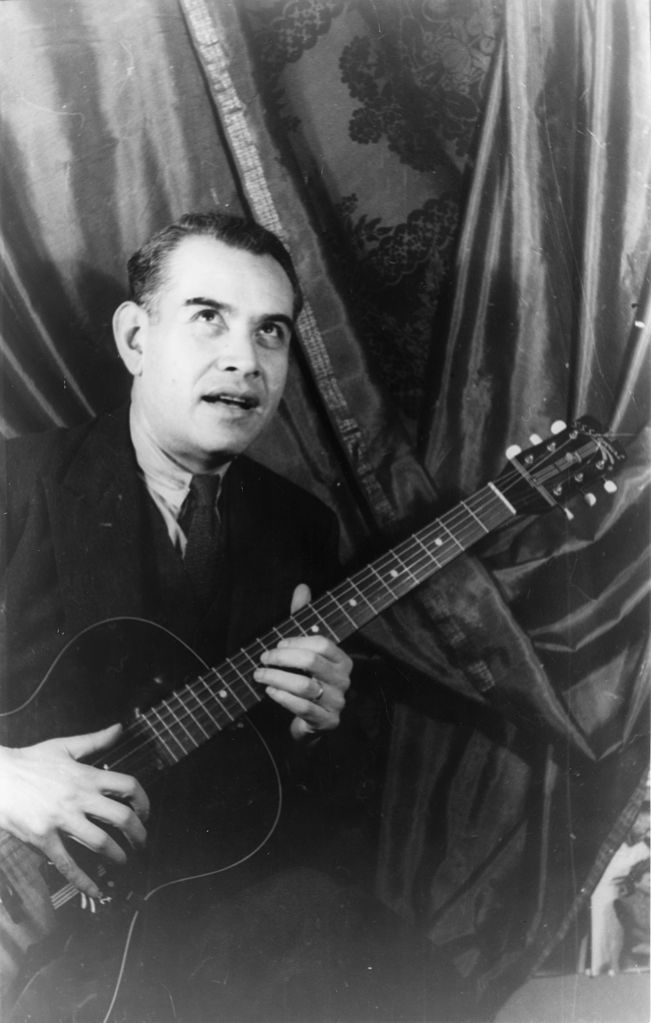
Rufino del Carmen Arellanes Tamayo was a Mexican painter of Zapotec heritage, born in Oaxaca de Juárez, Mexico. Tamayo was active in the mid-20th century in Mexico and New York, painting figurative abstraction with surrealist influences.
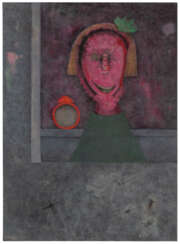

Rufino del Carmen Arellanes Tamayo was a Mexican painter of Zapotec heritage, born in Oaxaca de Juárez, Mexico. Tamayo was active in the mid-20th century in Mexico and New York, painting figurative abstraction with surrealist influences.