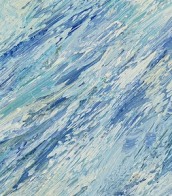
pak village
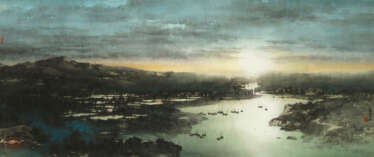



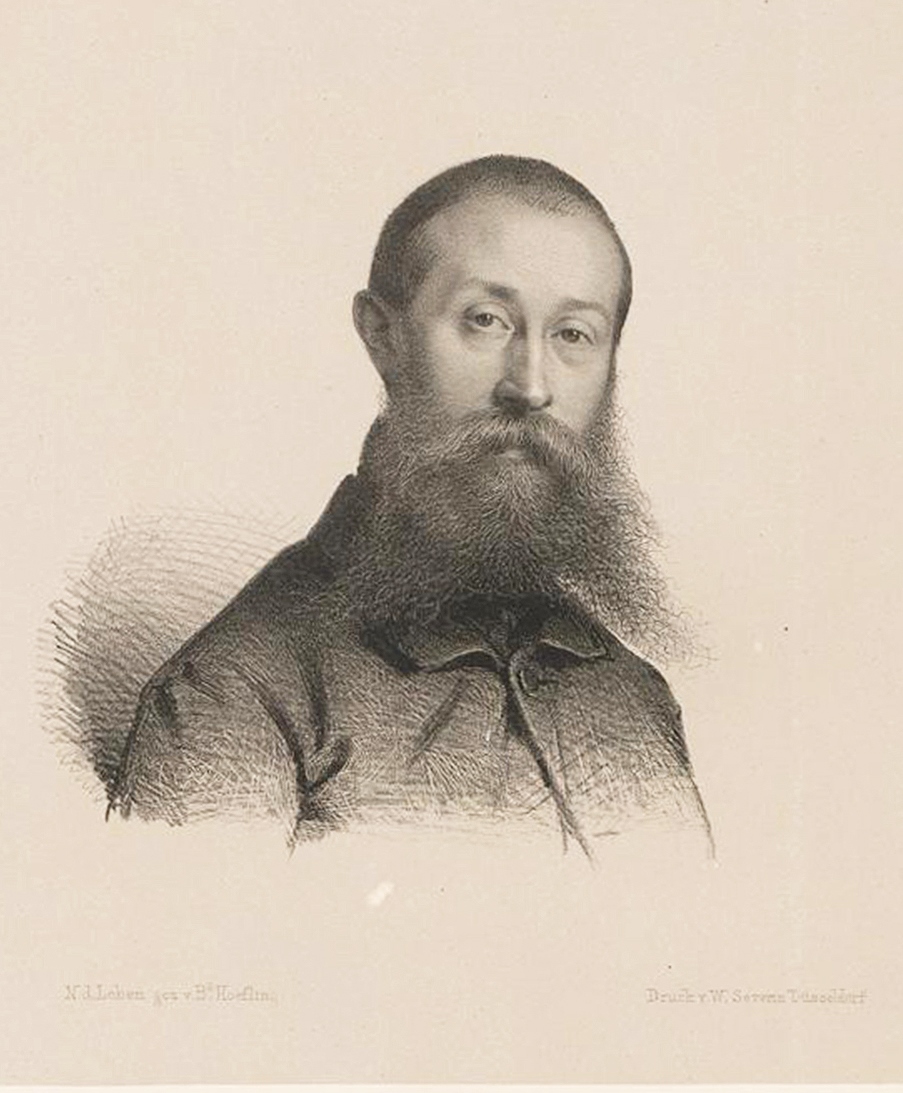
Carl Hilgers was a 19th century German landscape painter.
Carl Hilgers liked to paint winter landscapes shrouded in mist, often of locations around Düsseldorf. The paintings have a romantic character which is enhanced by occasional figures.


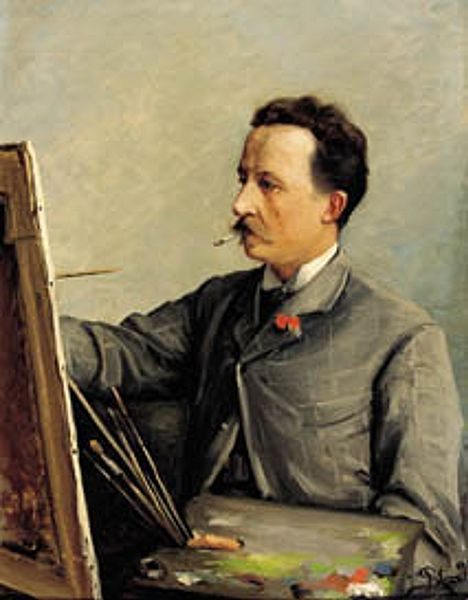
Peder Mork Monsted (Danish: Peder Mørk Mønsted) was a Danish realist painter, representative of the Golden Age of Danish painting.
Monsted studied at the Royal Academy of Fine Arts and gradually developed his own style of academic naturalism, almost photorealistic. During his long career, P. Monsted traveled extensively, often visiting Switzerland, Italy, North Africa, Greece, where he was a guest of the royal family and for a year painted their portraits.
Favorite themes of the artist were Danish landscapes - snowy winter or summer landscapes with boats on the water, forest. From the beginning of the XX century and until his death P. Monsted was one of the most popular and wealthy artists. He was especially popular in Germany among the Munich public.


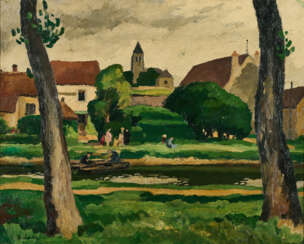

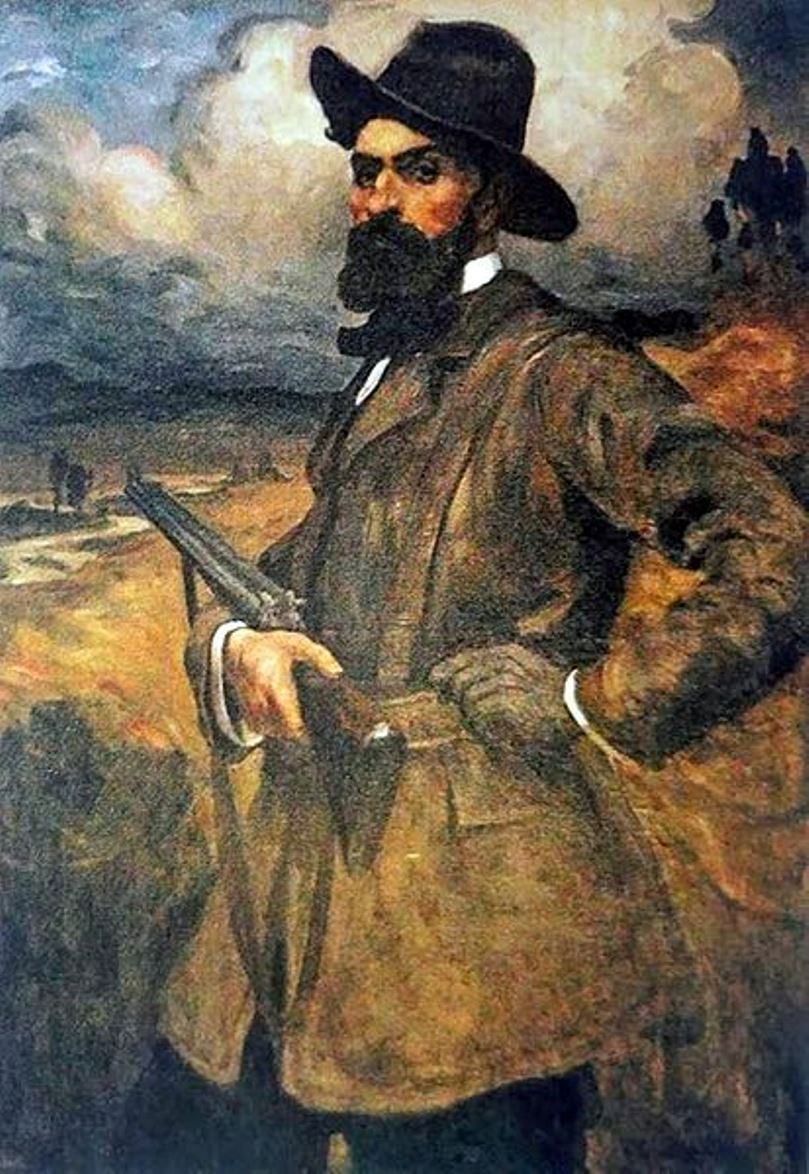


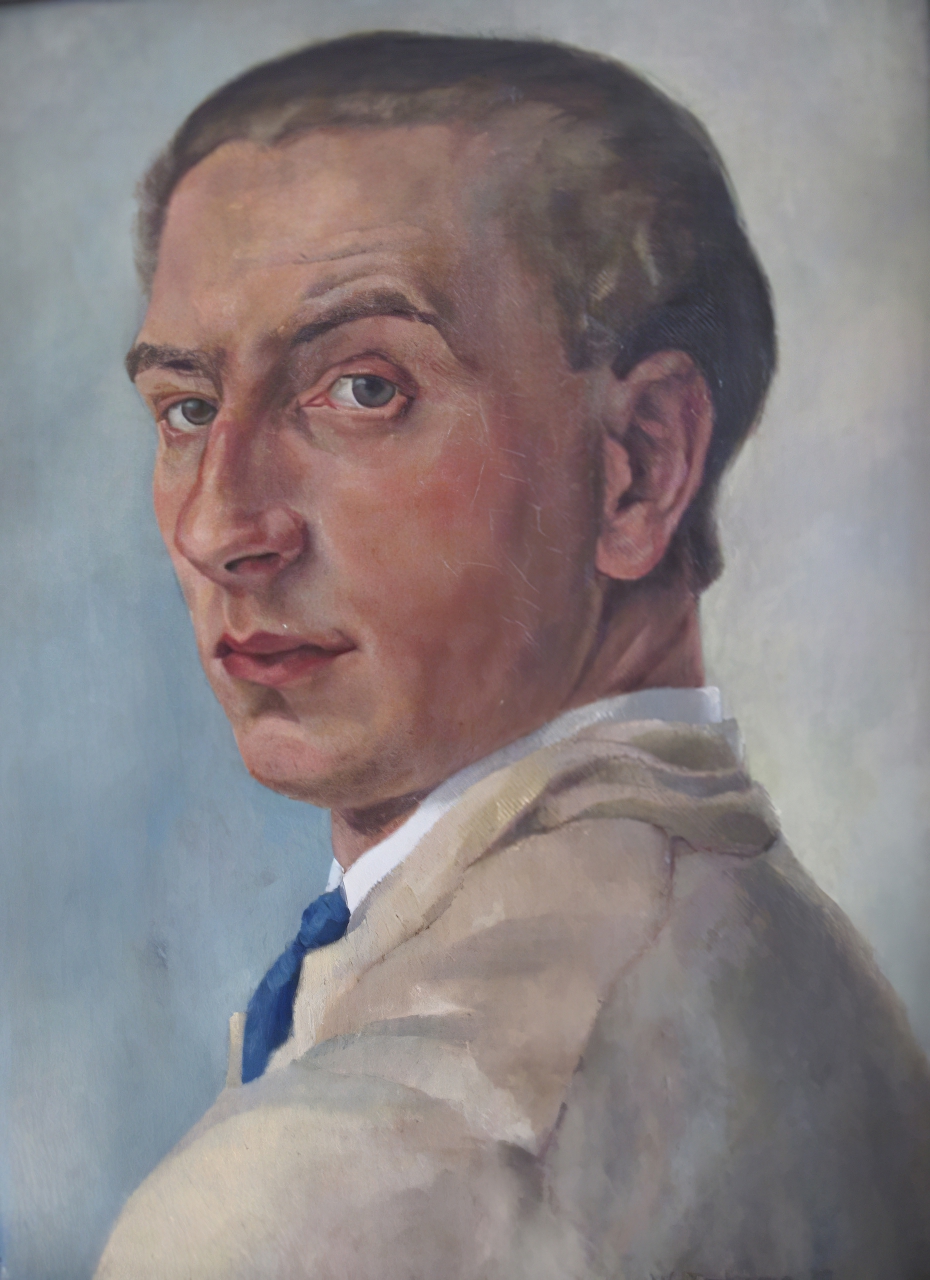
Wilhelm Imkamp was a German painter and a student of the Bauhaus and is one of the most important abstract painters of the post-war period in Germany.
Even though Imkamp made over 500 portraits in his lifetime and thus secured his income for several years of his life, abstract painting is and remains the core of his work. His paintings were created without sketches and preliminary studies, he always painted several pictures at the same time and let a composition emerge in many individual steps from the interaction of colour and form alone. Impressions from nature and music were his sources of inspiration, which played a part in the creative process, but in the end a completely new world of images emerged, on the basis of which the picture titles were also found. Imkamp's work is clearly recognisable as a Bauhaus student, strongly influenced by Wassily Kandinsky's colour compositions, Paul Klee's narrative span and Lyonel Feiniger's structured use of space. Over the years, however, he developed a very independent artistic position among the students of the Bauhaus.



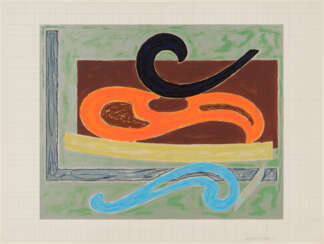


Frank Philip Stella, an American icon in the realms of painting, sculpture, and printmaking, has left an indelible mark on the art world with his pioneering work in minimalism and post-painterly abstraction. Born on May 12, 1936, in Malden, Massachusetts, Stella's artistic journey commenced with his studies in painting at Phillips Academy, Andover, and history at Princeton University. His move to New York City in 1958 heralded the start of an illustrious career that would see him challenge and redefine artistic boundaries.
Stella's work is celebrated for its innovative approach to form, color, and composition. His early endeavors in the late 1950s showcased black paintings characterized by bands of bare canvas, which played a pivotal role in emphasizing the flatness of the picture plane. This deliberate artificiality in his work garnered considerable attention and positioned him at the forefront of Post-Painterly Abstraction, a movement that reacted against the emotive excesses of Abstract Expressionism.
Throughout his career, Stella continued to push the limits of abstraction. His vocabulary expanded to include vibrant and dynamic assemblages that projected out from the wall, utilizing a variety of materials from steel to plastic. This evolution of his style is not only a testament to his ingenuity but also his influence on contemporary art. Notable works that exemplify his groundbreaking approach include "Grajau I," "Harran II," and "Eskimo Curlew," among others, which can be found in prestigious collections such as The Glass House and the Solomon R. Guggenheim Museum.
For art collectors and enthusiasts alike, Stella's oeuvre offers a captivating exploration into the possibilities of abstract art. His continued relevance and the profound impact of his work on both his peers and successive generations of artists underscore his status as a seminal figure in modern art.
Stay updated on new discoveries, sales, and auction events related to Frank Philip Stella by signing up for our newsletter. This subscription is your gateway to the latest in the world of Frank Stella, ensuring you never miss an opportunity to engage with the works of this monumental artist.



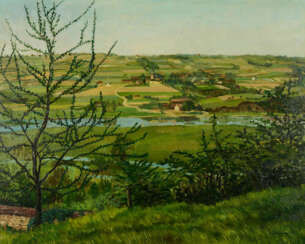

Wilhelm Imkamp was a German painter and a student of the Bauhaus and is one of the most important abstract painters of the post-war period in Germany.
Even though Imkamp made over 500 portraits in his lifetime and thus secured his income for several years of his life, abstract painting is and remains the core of his work. His paintings were created without sketches and preliminary studies, he always painted several pictures at the same time and let a composition emerge in many individual steps from the interaction of colour and form alone. Impressions from nature and music were his sources of inspiration, which played a part in the creative process, but in the end a completely new world of images emerged, on the basis of which the picture titles were also found. Imkamp's work is clearly recognisable as a Bauhaus student, strongly influenced by Wassily Kandinsky's colour compositions, Paul Klee's narrative span and Lyonel Feiniger's structured use of space. Over the years, however, he developed a very independent artistic position among the students of the Bauhaus.