park<br /&


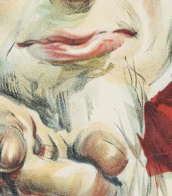


Paul Gauguin, a French artist born in Paris in 1848, is renowned for his significant contributions to Post-Impressionism, Primitivism, and Synthetism. Gauguin's art is distinguished by his experimental use of color and style, which set him apart from the traditional Impressionist movement.
Gauguin's early life was marked by a period in Peru, which influenced his artistic perspective. Initially, he pursued a career in stockbroking but soon turned to art, driven by financial necessity and a growing passion. His artistic journey began under the mentorship of Impressionist artist Camille Pissarro and through exposure to the works of other avant-garde artists.
The hallmark of Gauguin's work is his exploration of non-Western cultures, particularly during his time in Tahiti and the Marquesas Islands. This period saw the creation of some of his most famous works, including "Where Do We Come From? What Are We? Where Are We Going?" His paintings from this era, characterized by vivid colors and Symbolist themes, reflect a fusion of cultural influences and his quest for a "primitive" expression of spiritual and emotional states.
Despite his innovative style, Gauguin struggled with financial difficulties and health issues throughout his life. His work received little recognition during his lifetime, but posthumously, he gained acclaim for influencing modern artists like Pablo Picasso and Henri Matisse.
Today, Gauguin's works are celebrated in galleries and museums worldwide for their unique blend of cultural influences and artistic innovation. His enduring legacy is a testament to his unique vision and the profound impact he had on the art world.
Collectors and experts in art and antiques, stay updated on new product sales and auction events related to Paul Gauguin. Sign up now for exclusive updates and immerse yourself in the world of this visionary artist.
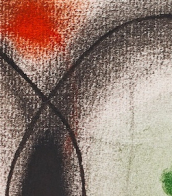


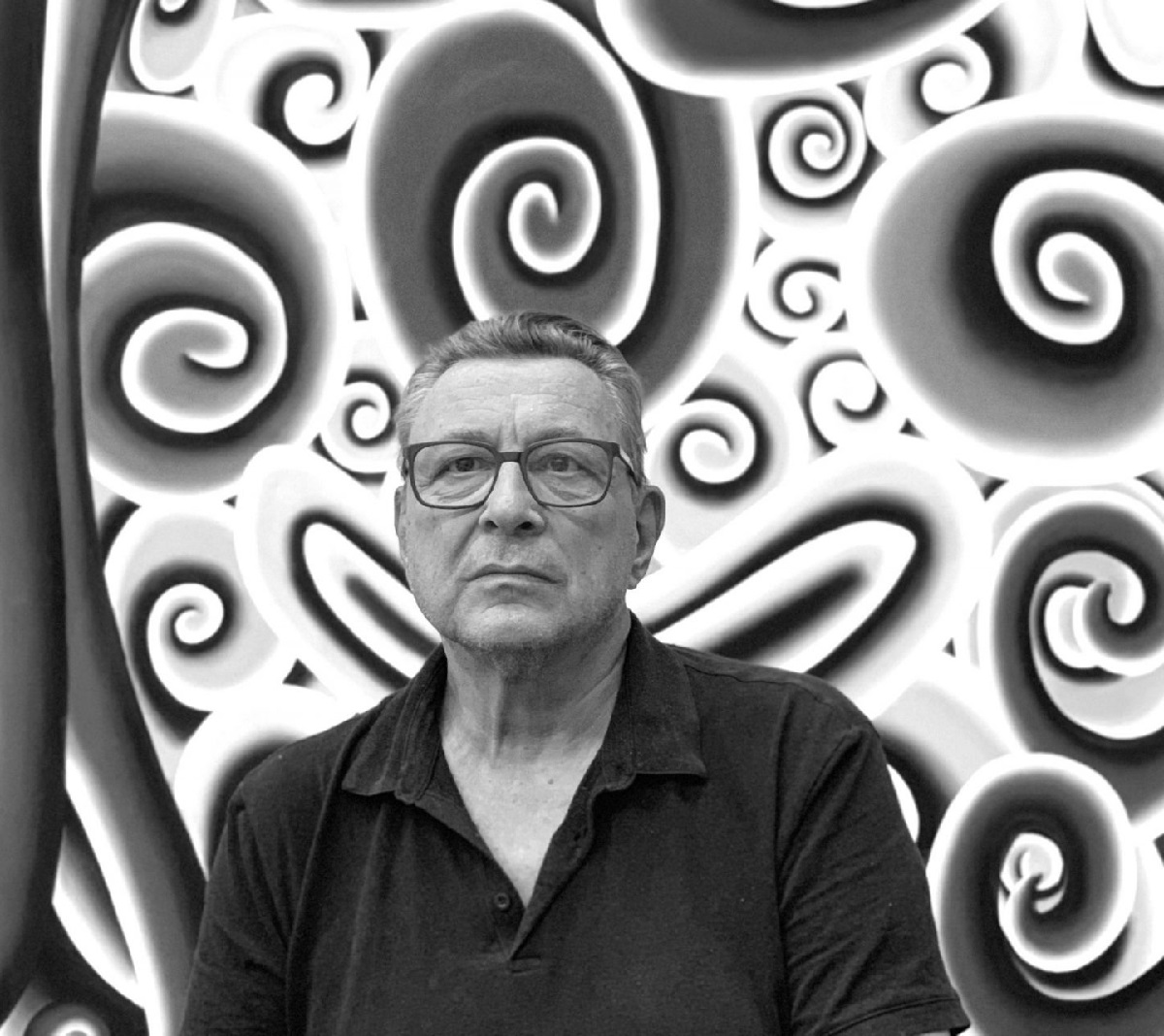
Andreas Schulze is a German painter.
Andreas Schulze first began showing alongside neo-expressionist artists in the 1980s, although his work was considerably less gestural than that of his contemporaries. The artist instead opted for more rounded forms, which he used to create a playful, humorous style of figuration. Typical subjects included the contents interior spaces — such as pillows, lamps, and furniture — which he merged with more ominous abstraction.
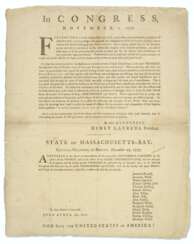


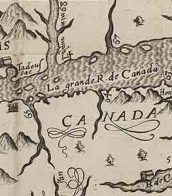
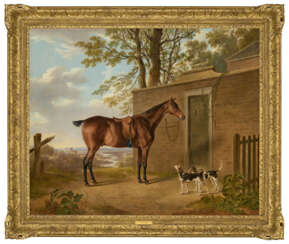

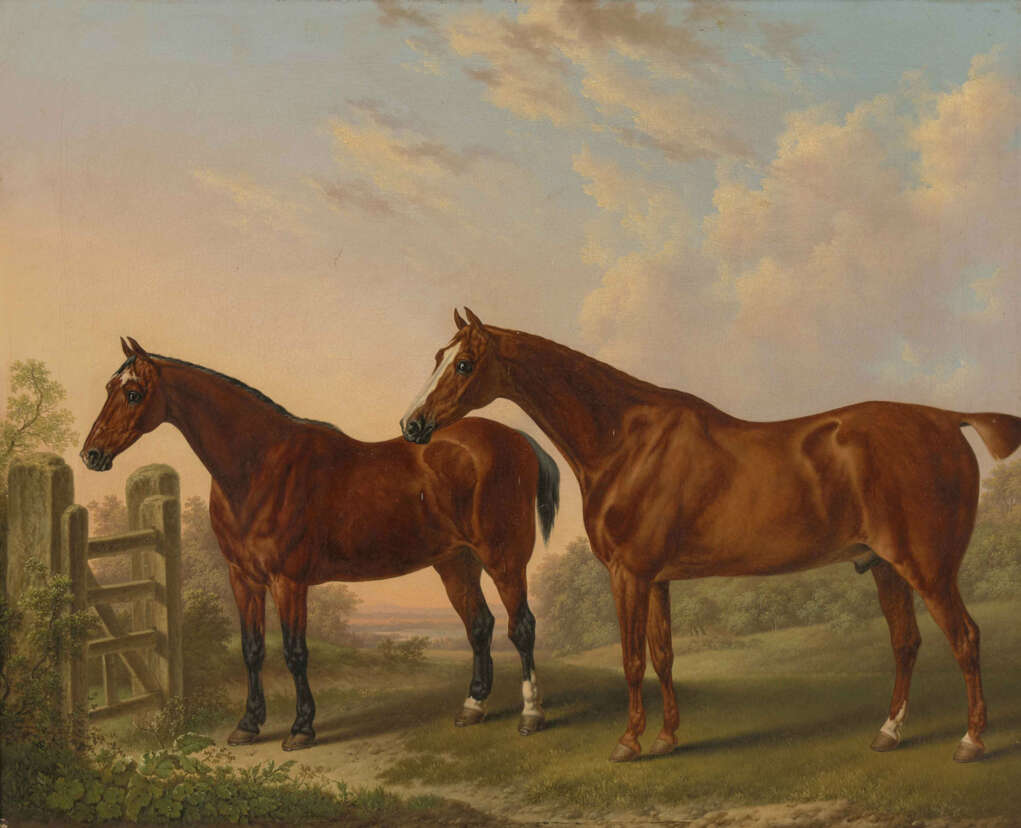
Charles Towne was an English painter of landscapes, horses and other animals, horse-racing and hunting scenes.


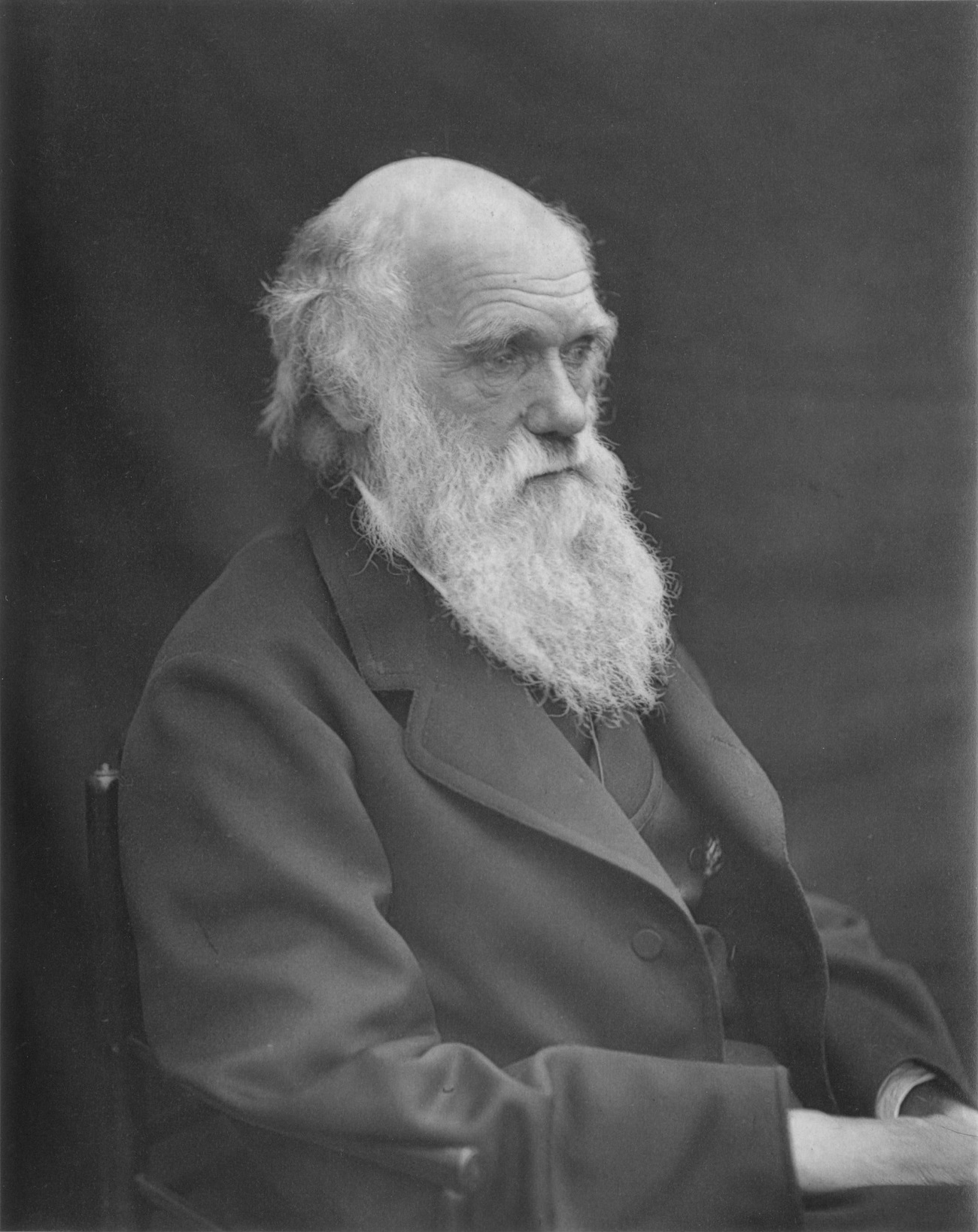
Charles Robert Darwin was an English naturalist, geologist, and biologist, widely known for contributing to the understanding of evolutionary biology. His proposition that all species of life have descended from a common ancestor is now generally accepted and considered a fundamental concept in science. In a joint publication with Alfred Russel Wallace, he introduced his scientific theory that this branching pattern of evolution resulted from a process that he called natural selection, in which the struggle for existence has a similar effect to the artificial selection involved in selective breeding. Darwin has been described as one of the most influential figures in human history, and he was honoured by burial in Westminster Abbey.
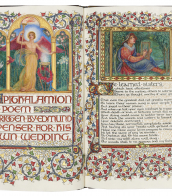
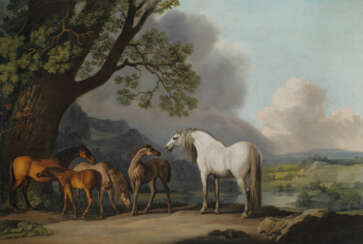

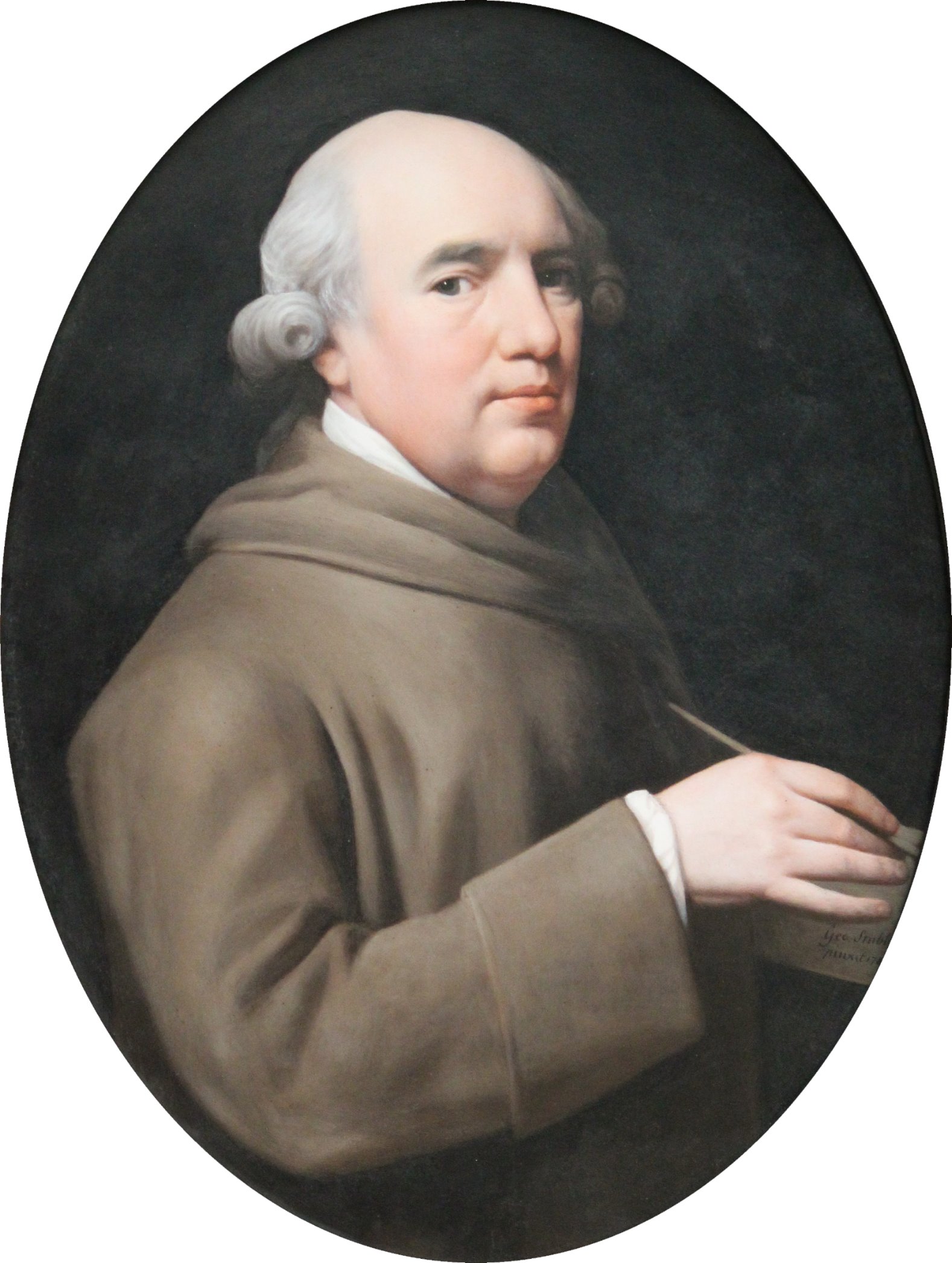
George Stubbs was an English painter, best known for his paintings of horses. Self-trained, Stubbs learnt his skills independently from other great artists of the 18th century such as Reynolds or Gainsborough. Stubbs' output includes history paintings, but his greatest skill was in painting animals, perhaps influenced by his love and study of anatomy. His series of paintings on the theme of a lion attacking a horse are early and significant examples of the Romantic movement that emerged in the late 18th century. His painting, Whistlejacket hangs in the National Gallery, London.





.jpg)
Max Ernst was a pivotal figure in the 20th-century art world, whose work transcended the boundaries of nationality and genre to leave an indelible mark on culture, art, sculpture, and painting. Born in Germany on April 2, 1891, and later becoming a naturalized American and French citizen, Ernst's career was a testament to his relentless innovation and creativity. Known primarily as an artist and painter, Ernst was a founding member of the Dada movement in Cologne before becoming a major proponent of Surrealism in Paris. His early encounters with the works of Pablo Picasso, Vincent van Gogh, and Paul Gauguin at the Sonderbund exhibition in 1912 deeply influenced his artistic direction, infusing it with elements of Cubism and Expressionism. Despite his lack of formal artistic training, Ernst's experimentation with techniques such as collage and frottage showcased his unique ability to blend the absurd with the sublime, making him a central figure in the artistic avant-garde of his time.
Ernst's work is notable for its exploration of the unconscious, using dreamlike imagery and symbolic figures to critique societal norms and delve into the chaos of the human psyche. His experiences in World War I profoundly impacted his worldview, leading to a deep skepticism of Western culture and an enduring search for meaning through art. This is evident in works such as "Europe After the Rain II," which reflects the devastation of war and "The Fireside Angel," inspired by the political turmoil of the Spanish Civil War, showcasing his ability to address contemporary issues through a surreal lens.
Ernst's contributions to art are preserved in major museums and galleries worldwide, including the Tate in the United Kingdom and the Museum of Modern Art in New York. His sculptures, paintings, and collages continue to be celebrated for their innovative techniques and imaginative scope, marking him as a revolutionary figure in modern art. Among his most significant works are "Ubu Imperator," "The Elephant Celebes," and "The Virgin Spanking the Christ Child before Three Witnesses," each reflecting his mastery over a diversity of mediums and themes.
For collectors and experts in art and antiques, Max Ernst remains a symbol of artistic freedom and exploration. His ability to navigate through various artistic movements while maintaining a distinct, innovative voice is a testament to his enduring legacy in the art world. To stay updated on new product sales and auction events related to Max Ernst, signing up for updates is a valuable opportunity for those deeply invested in the nuances of modern and surreal art.







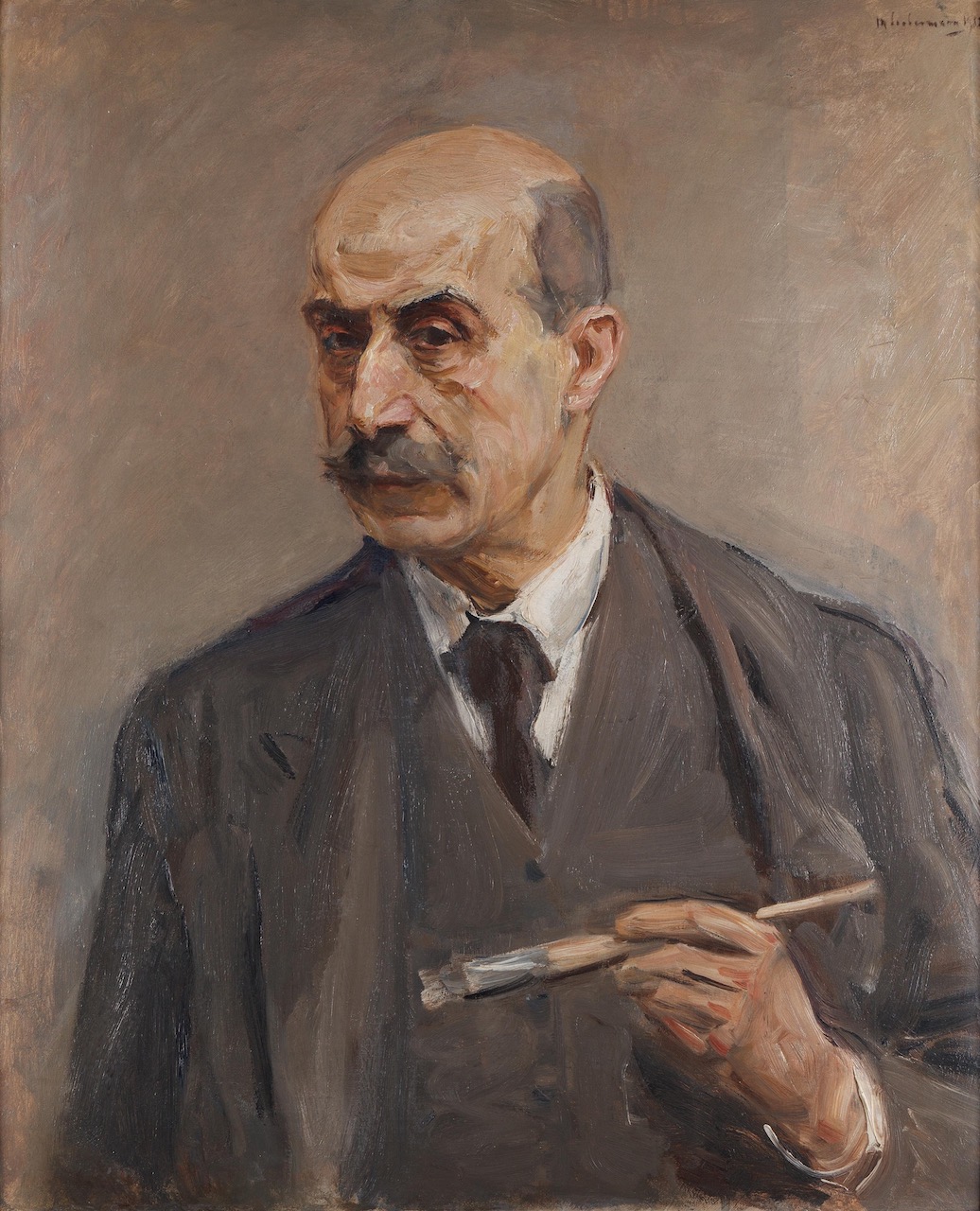
Max Liebermann was a German painter and printmaker, and one of the leading proponents of Impressionism in Germany and continental Europe. In addition to his activity as an artist, he also assembled an important collection of French Impressionist works.


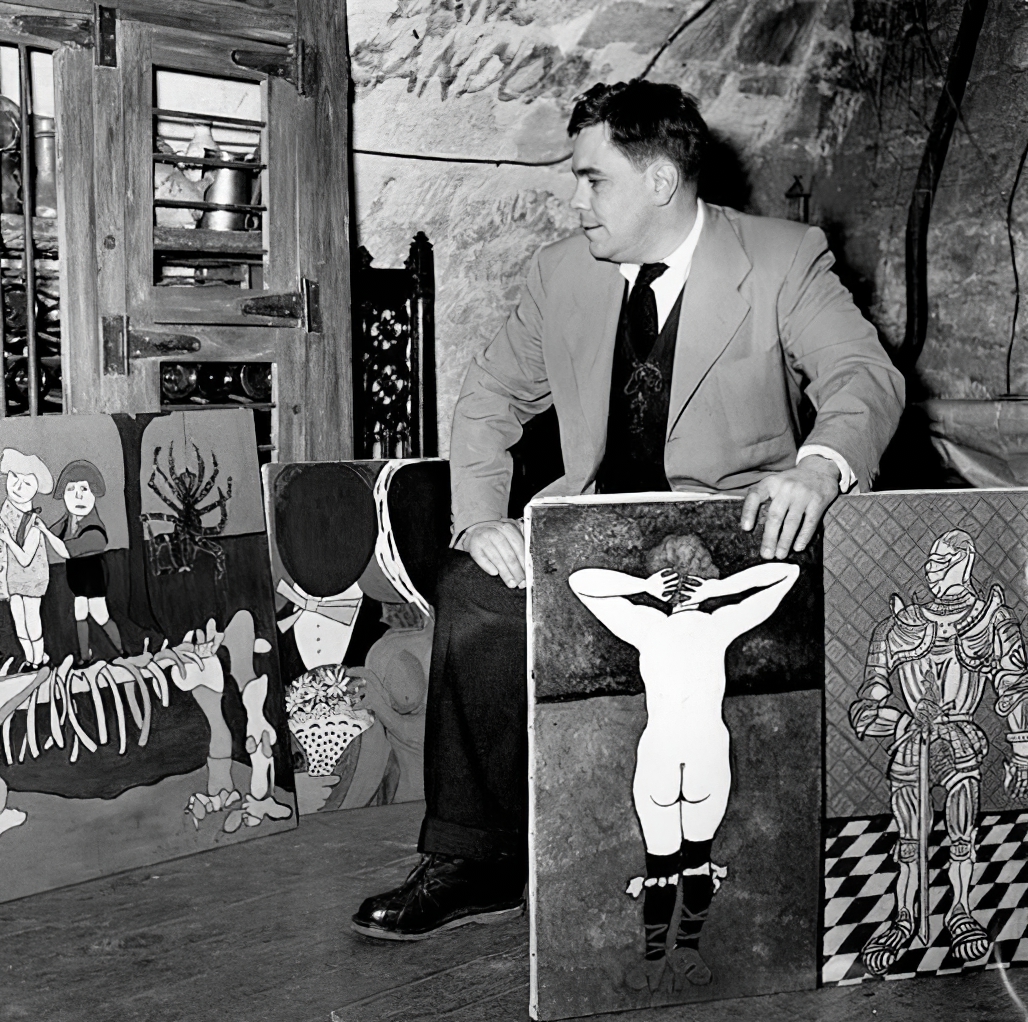
William Nelson Copley was an American painter, writer, gallerist, collector, patron, publisher and art entrepreneur. His works as an artist have been classified as late Surrealist and precursory to Pop Art.