


Impressionist & Modern Works on Paper Sale
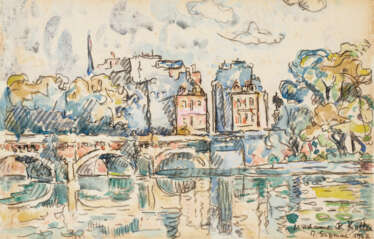


Paul Signac, a French Neo-Impressionist painter, played a pivotal role in the development of the Pointillist style alongside Georges Seurat. Born on November 11, 1863, in Paris, Signac's artistic journey was marked by significant collaborations and encounters, including meeting Vincent van Gogh and Toulouse Lautrec in Paris. His relationship with van Gogh was notably influential, as they painted together at Asnières-sur-Seine, focusing on river landscapes and cafés.
Signac was deeply invested in anarchist ideas, which he explored through his readings of Élisée Reclus, Kropotkin, and Jean Grave. His political leanings were also evident in his art, as seen in his 1893 painting, "In the Time of Harmony," which was initially titled "In the Time of Anarchy." This change was necessitated by the political repression of anarchists in France at the time.
A lover of sailing, Signac began traveling in 1892, which greatly influenced his art. He would sail to various ports, bringing back vibrant watercolors sketched from nature. These sketches later served as the basis for his larger studio canvases, which were composed of small, mosaic-like squares of color, differing from Seurat's tiny, variegated dots.
Signac's contribution to art extended beyond his own works. As president of the Société des Artistes Indépendants from 1908 until his death, he encouraged younger artists and exhibited controversial works of the Fauves and Cubists. He was notably the first patron to buy a painting by Henri Matisse, demonstrating his support for emerging artists.
In his personal life, Signac married Berthe Roblès on November 7, 1892, and his interactions with other artists, including Henri Matisse and André Derain, were instrumental in the evolution of Fauvism. Despite initially not admiring the Fauve style, Signac played a decisive role in its development.
Signac's impact on culture, art, and painting is undeniable. His works, found in various museums and galleries, continue to inspire art collectors and experts. For those interested in exploring Signac's contributions further, signing up for updates on new product sales and auction events related to Paul Signac is highly recommended. This subscription is an excellent way for collectors and art experts to stay informed about the latest developments and opportunities related to Signac's enduring legacy.
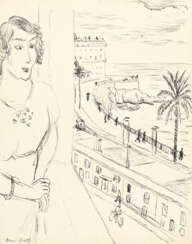

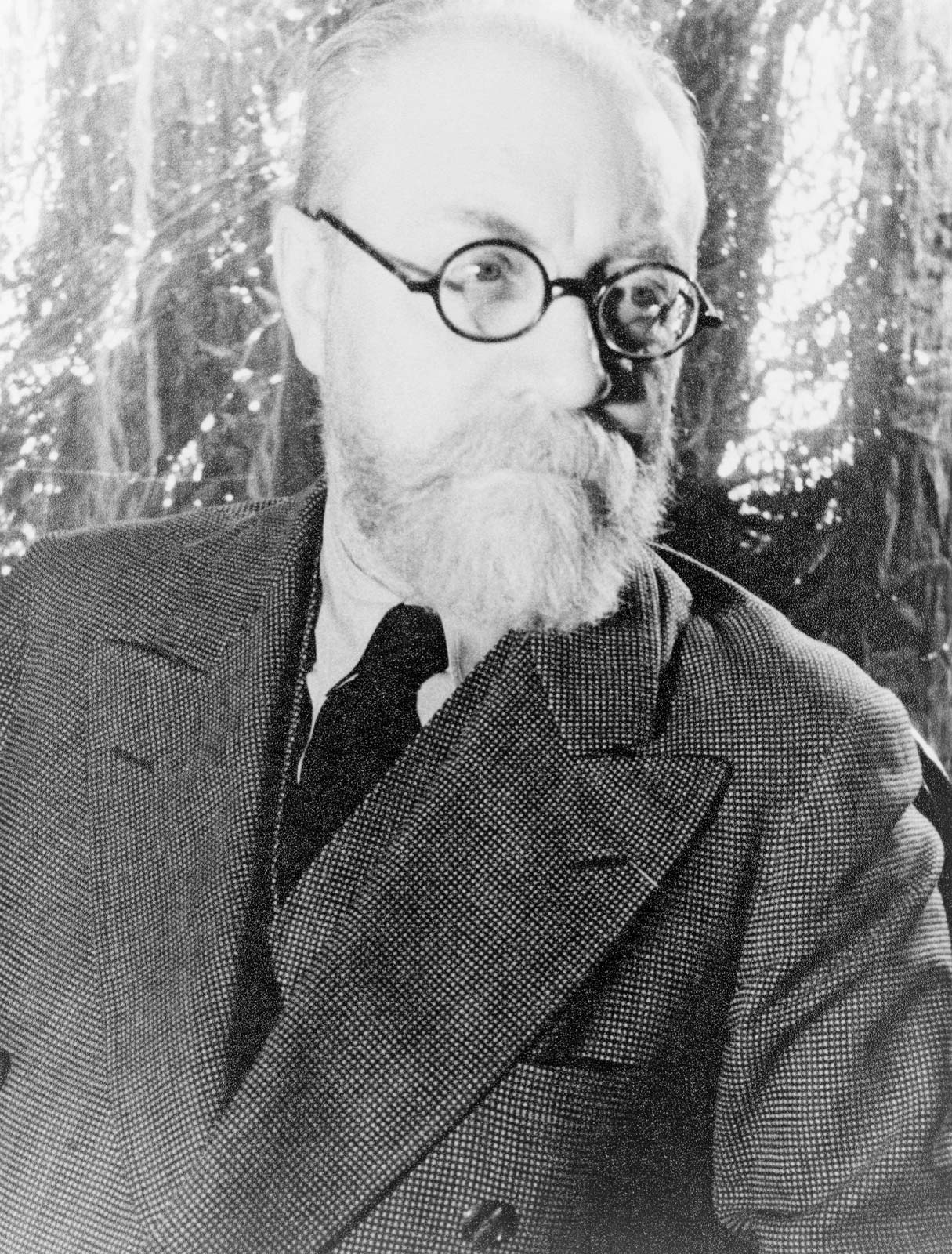
Henri Matisse, a renowned French visual artist, was celebrated for his vibrant use of color and fluid, original draughtsmanship. Born on December 31, 1869, in Le Cateau-Cambrésis, France, Matisse initially pursued a career in law before turning to art. He first began painting in 1889, a change inspired by convalescence art supplies his mother provided. This marked the beginning of a journey that would see him become a leading figure in modern art.
Matisse's career is notable for its stylistic evolution yet consistent aim to capture the "essential character of things." His early works, characterized by intense colorism, earned him recognition as one of the Fauves, or "wild beasts." The period from 1908 to 1913 was marked by significant developments, with works like "Reclining Odalisque" and "The Red Studio" showcasing his mastery in balance and serenity. In the 1920s, his style evolved to more relaxed forms, with a focus on light, color, and decorative patterns in paintings like his odalisque series.
Matisse's exploration of various mediums, including sculpture and paper collage, reflects his innovative spirit. His later years were dominated by cut paper collages, as health challenges limited his ability to paint. These works, alongside his bold drawings and sculptures, cemented his status as a pioneer in visual art.
For collectors and art experts, Matisse's work remains a testament to creative evolution and expressive use of color and form. His masterpieces can be found in prominent museums and galleries worldwide, continuing to inspire and fascinate art enthusiasts.
To stay updated on new product sales and auction events related to Henri Matisse's art, sign up for our updates. This subscription will keep you informed about opportunities to appreciate and acquire works connected to this iconic artist.
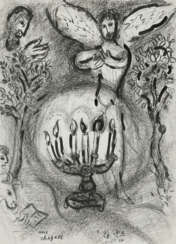

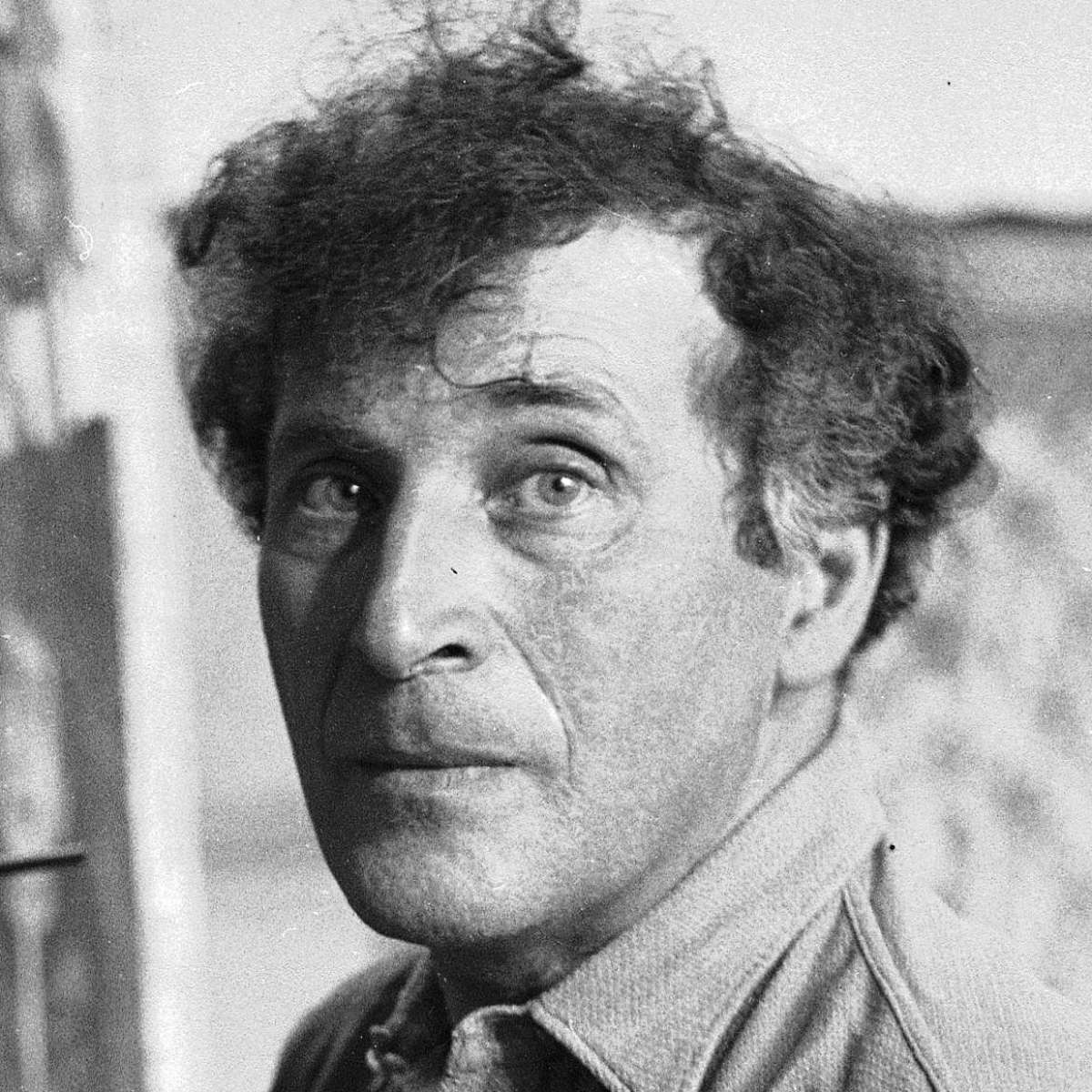
Marc Chagall (Russian: Марк Заха́рович Шага́л), born Moishe Shagal in 1887 near Vitebsk, Belarus (then part of the Russian Empire), was a Belarusian and French artist celebrated for his pivotal role in the avant-garde movement and his unique integration of Eastern European Jewish culture into modern art. His contributions spanned several artistic formats including painting, stained glass, stage sets, ceramics, tapestries, and fine art prints. Chagall's early modernist tendencies were enriched by his experiences across Saint Petersburg, Paris, and Berlin before World War I, leading to a distinctive style that melded Cubism, Symbolism, and Fauvism with his Jewish heritage.
Chagall's work is recognized for its emotional depth, often exploring themes of love, memory, and Jewish folklore through vibrant colors and dreamlike imagery. Notably, art critic Robert Hughes described him as "the quintessential Jewish artist of the twentieth century," a sentiment echoed by art historian Michael J. Lewis who regarded Chagall as a significant figure within European modernism and as the world's preeminent Jewish artist of his time.
Among Chagall's famed contributions are his stained-glass windows for the cathedrals of Reims and Metz, the UN, and the Jerusalem Windows in Israel. His monumental paintings include parts of the ceiling of the Paris Opéra and works that explore biblical themes, a hallmark of his oeuvre that underscores his enduring engagement with spiritual and religious motifs.
For art collectors and antiques experts, Chagall's works are notable not only for their artistic innovation but also for their rich cultural and historical significance. His art is housed in many prestigious museums worldwide, including the Marc Chagall National Museum in Nice, France, which focuses on his works inspired by religion and houses the series of paintings illustrating the biblical message.
For those interested in exploring Chagall's legacy and the vibrant intersection of culture, art, and history his work represents, signing up for updates on new product sales and auction events related to Marc Chagall can provide invaluable insights and opportunities. This is an invitation to engage more deeply with the world of art and culture that Chagall so uniquely encapsulated in his work.
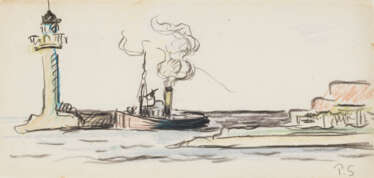

Paul Signac, a French Neo-Impressionist painter, played a pivotal role in the development of the Pointillist style alongside Georges Seurat. Born on November 11, 1863, in Paris, Signac's artistic journey was marked by significant collaborations and encounters, including meeting Vincent van Gogh and Toulouse Lautrec in Paris. His relationship with van Gogh was notably influential, as they painted together at Asnières-sur-Seine, focusing on river landscapes and cafés.
Signac was deeply invested in anarchist ideas, which he explored through his readings of Élisée Reclus, Kropotkin, and Jean Grave. His political leanings were also evident in his art, as seen in his 1893 painting, "In the Time of Harmony," which was initially titled "In the Time of Anarchy." This change was necessitated by the political repression of anarchists in France at the time.
A lover of sailing, Signac began traveling in 1892, which greatly influenced his art. He would sail to various ports, bringing back vibrant watercolors sketched from nature. These sketches later served as the basis for his larger studio canvases, which were composed of small, mosaic-like squares of color, differing from Seurat's tiny, variegated dots.
Signac's contribution to art extended beyond his own works. As president of the Société des Artistes Indépendants from 1908 until his death, he encouraged younger artists and exhibited controversial works of the Fauves and Cubists. He was notably the first patron to buy a painting by Henri Matisse, demonstrating his support for emerging artists.
In his personal life, Signac married Berthe Roblès on November 7, 1892, and his interactions with other artists, including Henri Matisse and André Derain, were instrumental in the evolution of Fauvism. Despite initially not admiring the Fauve style, Signac played a decisive role in its development.
Signac's impact on culture, art, and painting is undeniable. His works, found in various museums and galleries, continue to inspire art collectors and experts. For those interested in exploring Signac's contributions further, signing up for updates on new product sales and auction events related to Paul Signac is highly recommended. This subscription is an excellent way for collectors and art experts to stay informed about the latest developments and opportunities related to Signac's enduring legacy.
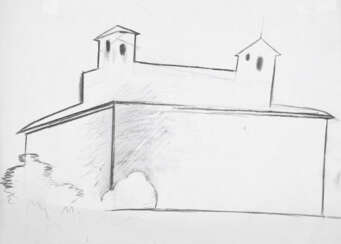

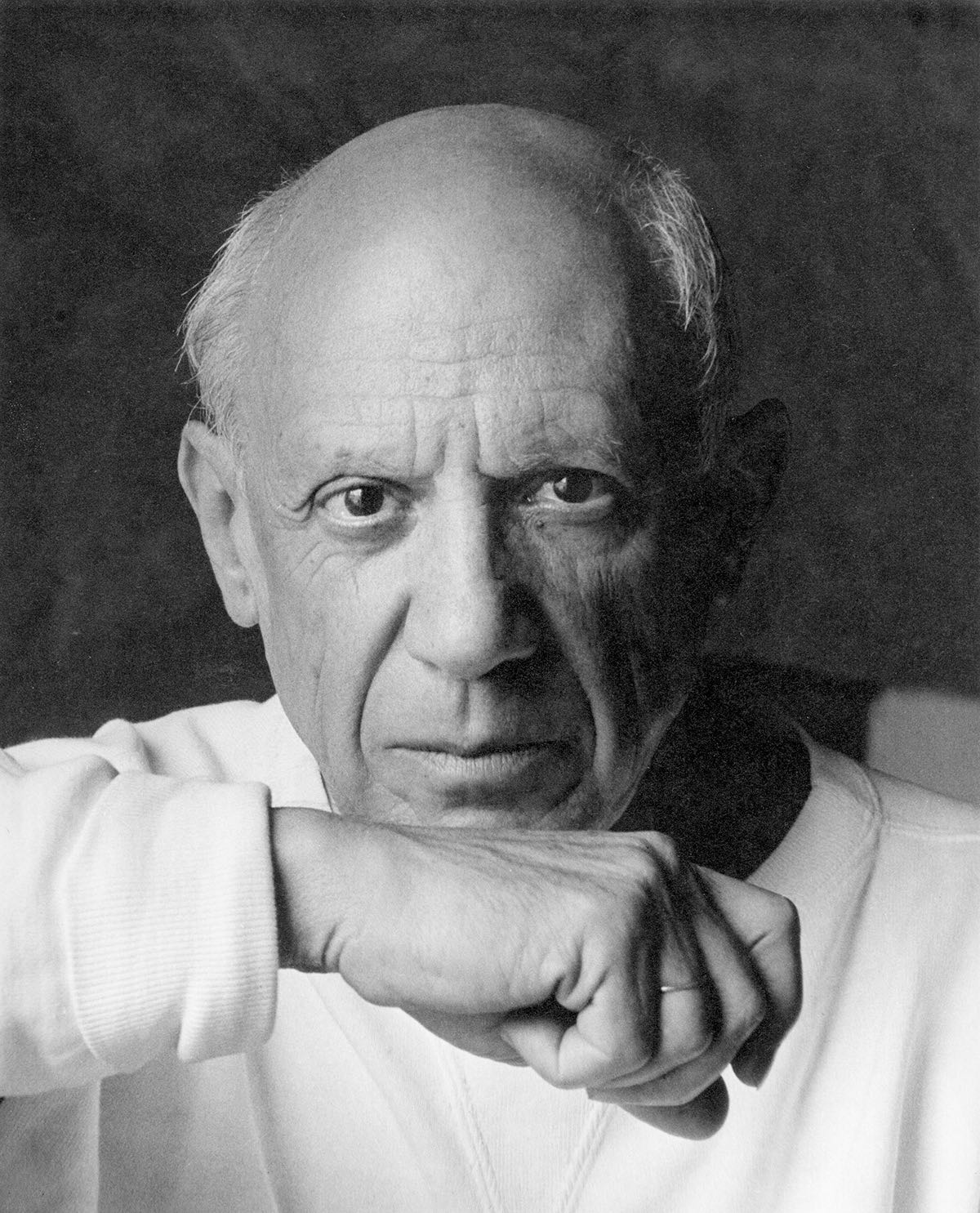
Pablo Ruiz Picasso, a Spanish artist renowned for his revolutionary contributions to the 20th-century art scene, is a figure that resonates profoundly with collectors and art experts. His unique blend of talents in painting, sculpture, printmaking, and ceramic art, infused with his time in France, positioned him as a pivotal character in modern art history.
Picasso's artistic journey was marked by distinct periods, each showcasing his evolving style and genius. His early years were characterized by the Blue Period (1901-1904), followed by the Rose Period (1904-1906), and then the African-influenced Period (1907-1909). Picasso's name is synonymous with Cubism, a movement he co-founded, which significantly altered artistic perspectives and methods. Works like "Les Demoiselles d'Avignon" (1907) and "Guernica" (1937) are emblematic of his cubist legacy, the latter being a poignant anti-war statement that remains influential.
His later years saw a return to more traditional styles, with neoclassical and surrealist influences becoming evident. Works from these phases reflect a deep engagement with mythological themes, as seen in "Faun with Stars" (1955), symbolizing his late-life romance with Jacqueline Roque, his second wife.
Picasso's prolific output and innovative spirit made him a legend in his own time, a status that only grew after his death. His works, housed in major museums and private collections worldwide, continue to captivate and inspire.
As a collector or expert in art and antiques, staying informed about Picasso's works, their auction events, and sales is essential. To stay updated on the latest developments and opportunities related to Pablo Picasso, sign up for our specialized updates. Rest assured, this subscription will focus solely on new product sales and auction events pertaining to Picasso's art, ensuring that you receive only the most relevant and valuable information.
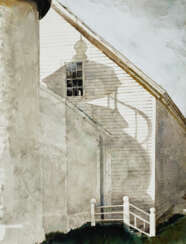

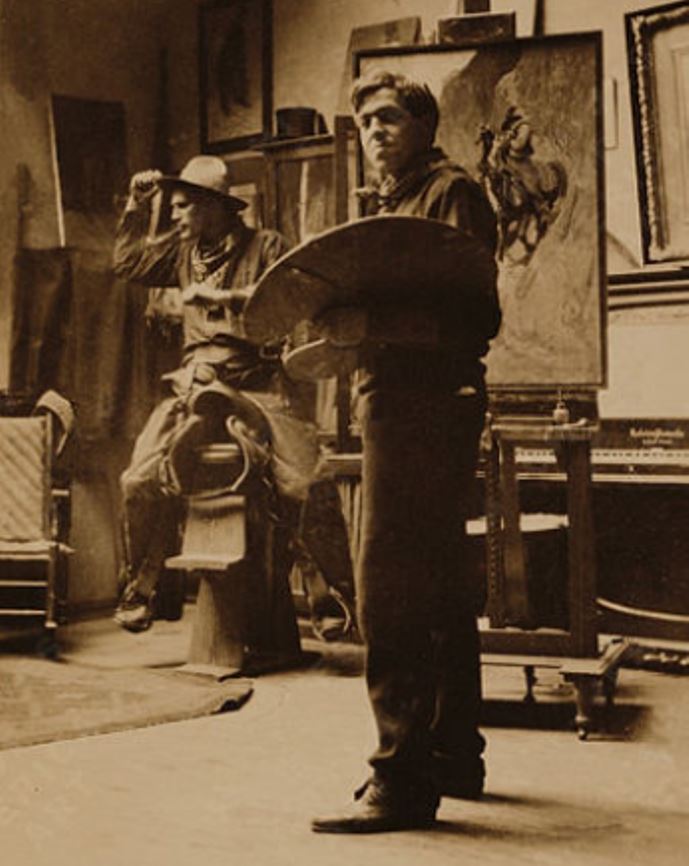
Andrew Newell Wyeth, an American visual artist, is renowned for his mastery in realism and regionalism. Born in 1917 in Chadds Ford, Pennsylvania, Wyeth was primarily a realist painter, deeply influenced by his father, N.C. Wyeth, a notable artist himself. Andrew's artwork, characterized by its clear, razor-sharp technique and a hauntingly eerie atmosphere, often depicted the land and people around him in rural Pennsylvania and Maine.
Wyeth's most celebrated work, Christina's World (1948), is housed in the Museum of Modern Art in New York City. This painting illustrates a woman lying in a field, looking toward a distant farmhouse, an image that has become an icon of American art due to its emotional depth and simplicity of composition. The work encapsulates Wyeth's ability to invoke profound personal and emotional landscapes through the meticulous depiction of physical settings and figures.
Andrew Newell Wyeth continued painting almost up until his death in 2009, leaving behind a vast legacy that has influenced many artists. His works remain highly valued by collectors and are often featured in major museums and galleries worldwide. To stay updated on exhibitions and sales of Andrew Wyeth’s art, sign up for our newsletter—ensuring you're informed about the latest auction events and product sales related to this profound artist.
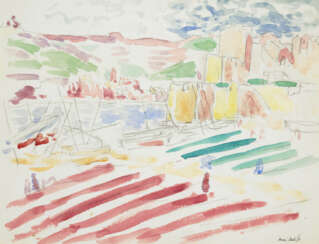

Henri Matisse, a renowned French visual artist, was celebrated for his vibrant use of color and fluid, original draughtsmanship. Born on December 31, 1869, in Le Cateau-Cambrésis, France, Matisse initially pursued a career in law before turning to art. He first began painting in 1889, a change inspired by convalescence art supplies his mother provided. This marked the beginning of a journey that would see him become a leading figure in modern art.
Matisse's career is notable for its stylistic evolution yet consistent aim to capture the "essential character of things." His early works, characterized by intense colorism, earned him recognition as one of the Fauves, or "wild beasts." The period from 1908 to 1913 was marked by significant developments, with works like "Reclining Odalisque" and "The Red Studio" showcasing his mastery in balance and serenity. In the 1920s, his style evolved to more relaxed forms, with a focus on light, color, and decorative patterns in paintings like his odalisque series.
Matisse's exploration of various mediums, including sculpture and paper collage, reflects his innovative spirit. His later years were dominated by cut paper collages, as health challenges limited his ability to paint. These works, alongside his bold drawings and sculptures, cemented his status as a pioneer in visual art.
For collectors and art experts, Matisse's work remains a testament to creative evolution and expressive use of color and form. His masterpieces can be found in prominent museums and galleries worldwide, continuing to inspire and fascinate art enthusiasts.
To stay updated on new product sales and auction events related to Henri Matisse's art, sign up for our updates. This subscription will keep you informed about opportunities to appreciate and acquire works connected to this iconic artist.
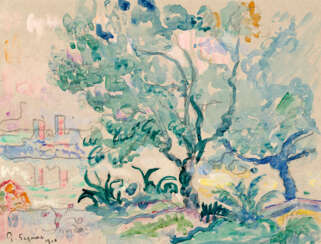

Paul Signac, a French Neo-Impressionist painter, played a pivotal role in the development of the Pointillist style alongside Georges Seurat. Born on November 11, 1863, in Paris, Signac's artistic journey was marked by significant collaborations and encounters, including meeting Vincent van Gogh and Toulouse Lautrec in Paris. His relationship with van Gogh was notably influential, as they painted together at Asnières-sur-Seine, focusing on river landscapes and cafés.
Signac was deeply invested in anarchist ideas, which he explored through his readings of Élisée Reclus, Kropotkin, and Jean Grave. His political leanings were also evident in his art, as seen in his 1893 painting, "In the Time of Harmony," which was initially titled "In the Time of Anarchy." This change was necessitated by the political repression of anarchists in France at the time.
A lover of sailing, Signac began traveling in 1892, which greatly influenced his art. He would sail to various ports, bringing back vibrant watercolors sketched from nature. These sketches later served as the basis for his larger studio canvases, which were composed of small, mosaic-like squares of color, differing from Seurat's tiny, variegated dots.
Signac's contribution to art extended beyond his own works. As president of the Société des Artistes Indépendants from 1908 until his death, he encouraged younger artists and exhibited controversial works of the Fauves and Cubists. He was notably the first patron to buy a painting by Henri Matisse, demonstrating his support for emerging artists.
In his personal life, Signac married Berthe Roblès on November 7, 1892, and his interactions with other artists, including Henri Matisse and André Derain, were instrumental in the evolution of Fauvism. Despite initially not admiring the Fauve style, Signac played a decisive role in its development.
Signac's impact on culture, art, and painting is undeniable. His works, found in various museums and galleries, continue to inspire art collectors and experts. For those interested in exploring Signac's contributions further, signing up for updates on new product sales and auction events related to Paul Signac is highly recommended. This subscription is an excellent way for collectors and art experts to stay informed about the latest developments and opportunities related to Signac's enduring legacy.
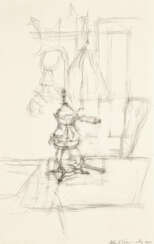

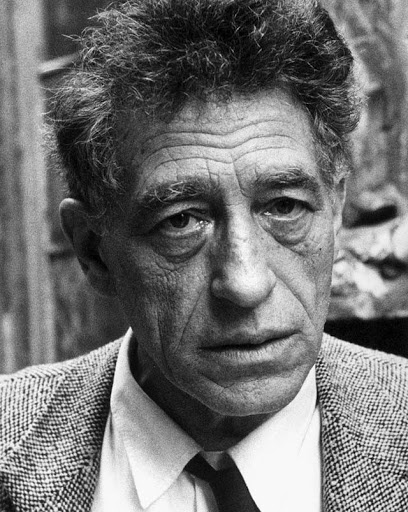
Alberto Giacometti was a Swiss sculptor, painter, draftsman, and printmaker, renowned for his distinctive elongated sculptures of solitary figures. Born in Borgonovo, Switzerland, in 1901, into a family of artists, Giacometti's talent was evident from an early age, encouraged by his father, Giovanni, a post-Impressionist painter, and his godfather, Cuno Amiet, a Fauvist painter. Moving to Paris in 1922 to study under the sculptor Antoine Bourdelle, Giacometti became a pivotal figure in Surrealism before focusing intensely on the human form, leading to his signature style of thin, elongated figures that evoke feelings of solitude and existential dread.
Giacometti's work spans several decades and various phases, including his early involvement with Surrealism and his later, more recognized existential and figurative sculptures. Notably, his sculptures, such as "Walking Man I" and "The Palace at 4 a.m.," reflect his unique view of reality and his relentless pursuit to capture the human essence. His approach was influenced by his associations with prominent figures of the art world, including Miró and Picasso, and intellectuals like Jean-Paul Sartre.
Despite facing challenges, including periods of self-doubt and the physical toll on his health, Giacometti's legacy as a master sculptor and artist remains influential. His works are celebrated worldwide and featured in major museums, such as the Museum of Modern Art in New York and the Tate Gallery in London, testament to his enduring impact on the art world.
Collectors and experts in art and antiques continue to revere Giacometti's work for its emotional depth and unique aesthetic. For those interested in the pioneering spirit of modern sculpture, Alberto Giacometti's oeuvre offers a profound exploration of the human condition and the artist's relentless pursuit of reality through art.
To stay updated on sales and auction events related to Alberto Giacometti's work, sign up for updates. This subscription is an excellent opportunity for collectors and enthusiasts to remain informed about new discoveries and opportunities related to Giacometti's enduring legacy.
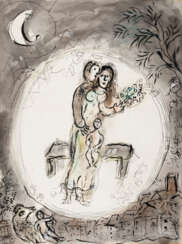

Marc Chagall (Russian: Марк Заха́рович Шага́л), born Moishe Shagal in 1887 near Vitebsk, Belarus (then part of the Russian Empire), was a Belarusian and French artist celebrated for his pivotal role in the avant-garde movement and his unique integration of Eastern European Jewish culture into modern art. His contributions spanned several artistic formats including painting, stained glass, stage sets, ceramics, tapestries, and fine art prints. Chagall's early modernist tendencies were enriched by his experiences across Saint Petersburg, Paris, and Berlin before World War I, leading to a distinctive style that melded Cubism, Symbolism, and Fauvism with his Jewish heritage.
Chagall's work is recognized for its emotional depth, often exploring themes of love, memory, and Jewish folklore through vibrant colors and dreamlike imagery. Notably, art critic Robert Hughes described him as "the quintessential Jewish artist of the twentieth century," a sentiment echoed by art historian Michael J. Lewis who regarded Chagall as a significant figure within European modernism and as the world's preeminent Jewish artist of his time.
Among Chagall's famed contributions are his stained-glass windows for the cathedrals of Reims and Metz, the UN, and the Jerusalem Windows in Israel. His monumental paintings include parts of the ceiling of the Paris Opéra and works that explore biblical themes, a hallmark of his oeuvre that underscores his enduring engagement with spiritual and religious motifs.
For art collectors and antiques experts, Chagall's works are notable not only for their artistic innovation but also for their rich cultural and historical significance. His art is housed in many prestigious museums worldwide, including the Marc Chagall National Museum in Nice, France, which focuses on his works inspired by religion and houses the series of paintings illustrating the biblical message.
For those interested in exploring Chagall's legacy and the vibrant intersection of culture, art, and history his work represents, signing up for updates on new product sales and auction events related to Marc Chagall can provide invaluable insights and opportunities. This is an invitation to engage more deeply with the world of art and culture that Chagall so uniquely encapsulated in his work.
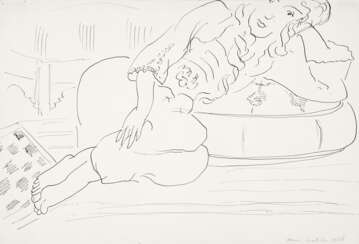

Henri Matisse, a renowned French visual artist, was celebrated for his vibrant use of color and fluid, original draughtsmanship. Born on December 31, 1869, in Le Cateau-Cambrésis, France, Matisse initially pursued a career in law before turning to art. He first began painting in 1889, a change inspired by convalescence art supplies his mother provided. This marked the beginning of a journey that would see him become a leading figure in modern art.
Matisse's career is notable for its stylistic evolution yet consistent aim to capture the "essential character of things." His early works, characterized by intense colorism, earned him recognition as one of the Fauves, or "wild beasts." The period from 1908 to 1913 was marked by significant developments, with works like "Reclining Odalisque" and "The Red Studio" showcasing his mastery in balance and serenity. In the 1920s, his style evolved to more relaxed forms, with a focus on light, color, and decorative patterns in paintings like his odalisque series.
Matisse's exploration of various mediums, including sculpture and paper collage, reflects his innovative spirit. His later years were dominated by cut paper collages, as health challenges limited his ability to paint. These works, alongside his bold drawings and sculptures, cemented his status as a pioneer in visual art.
For collectors and art experts, Matisse's work remains a testament to creative evolution and expressive use of color and form. His masterpieces can be found in prominent museums and galleries worldwide, continuing to inspire and fascinate art enthusiasts.
To stay updated on new product sales and auction events related to Henri Matisse's art, sign up for our updates. This subscription will keep you informed about opportunities to appreciate and acquire works connected to this iconic artist.

.jpg)
Frida Kahlo de Rivera was a Mexican painter, renowned for her captivating self-portraits that blend realism and fantasy. Born Magdalena Carmen Frida Kahlo y Calderón on July 6, 1907, in Coyoacán, Mexico City, she is celebrated for her profound exploration of identity, postcolonialism, gender, and class within Mexican society. Kahlo's works are a fusion of naïve folk art style and surreal elements, deeply influenced by Mexican popular culture and her personal experiences of chronic pain and disability.
Despite facing numerous challenges, including polio in her childhood and a catastrophic bus accident at 18, Kahlo's resilience and passion for art were undeterred. Her marriage to the famous Mexican artist Diego Rivera was both a romantic and artistic alliance. Kahlo's paintings, such as "The Two Fridas" (1939) and "Self-Portrait with Thorn Necklace and Hummingbird" (1940), are not only masterpieces of visual art but also compelling narratives of her life's trials and triumphs.
Kahlo's artistry extended beyond the canvas, as she was actively involved in the Mexican Communist Party, and her home, La Casa Azul, is now the Frida Kahlo Museum, a place of homage for her admirers. Although her work was not as widely recognized during her lifetime, Kahlo's legacy has grown tremendously, making her an icon for various social movements and a beacon in the art world.
For collectors and art experts, the journey into Kahlo's world is both a dive into Mexican cultural heritage and an exploration of the profound human experience. If you're passionate about Frida Kahlo's work and want to stay informed about related product sales and auction events, sign up for our updates. This is not just a subscription; it's an invitation to celebrate and own a piece of art history.


Alberto Giacometti was a Swiss sculptor, painter, draftsman, and printmaker, renowned for his distinctive elongated sculptures of solitary figures. Born in Borgonovo, Switzerland, in 1901, into a family of artists, Giacometti's talent was evident from an early age, encouraged by his father, Giovanni, a post-Impressionist painter, and his godfather, Cuno Amiet, a Fauvist painter. Moving to Paris in 1922 to study under the sculptor Antoine Bourdelle, Giacometti became a pivotal figure in Surrealism before focusing intensely on the human form, leading to his signature style of thin, elongated figures that evoke feelings of solitude and existential dread.
Giacometti's work spans several decades and various phases, including his early involvement with Surrealism and his later, more recognized existential and figurative sculptures. Notably, his sculptures, such as "Walking Man I" and "The Palace at 4 a.m.," reflect his unique view of reality and his relentless pursuit to capture the human essence. His approach was influenced by his associations with prominent figures of the art world, including Miró and Picasso, and intellectuals like Jean-Paul Sartre.
Despite facing challenges, including periods of self-doubt and the physical toll on his health, Giacometti's legacy as a master sculptor and artist remains influential. His works are celebrated worldwide and featured in major museums, such as the Museum of Modern Art in New York and the Tate Gallery in London, testament to his enduring impact on the art world.
Collectors and experts in art and antiques continue to revere Giacometti's work for its emotional depth and unique aesthetic. For those interested in the pioneering spirit of modern sculpture, Alberto Giacometti's oeuvre offers a profound exploration of the human condition and the artist's relentless pursuit of reality through art.
To stay updated on sales and auction events related to Alberto Giacometti's work, sign up for updates. This subscription is an excellent opportunity for collectors and enthusiasts to remain informed about new discoveries and opportunities related to Giacometti's enduring legacy.
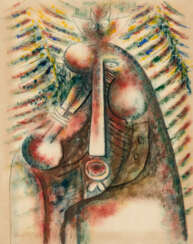

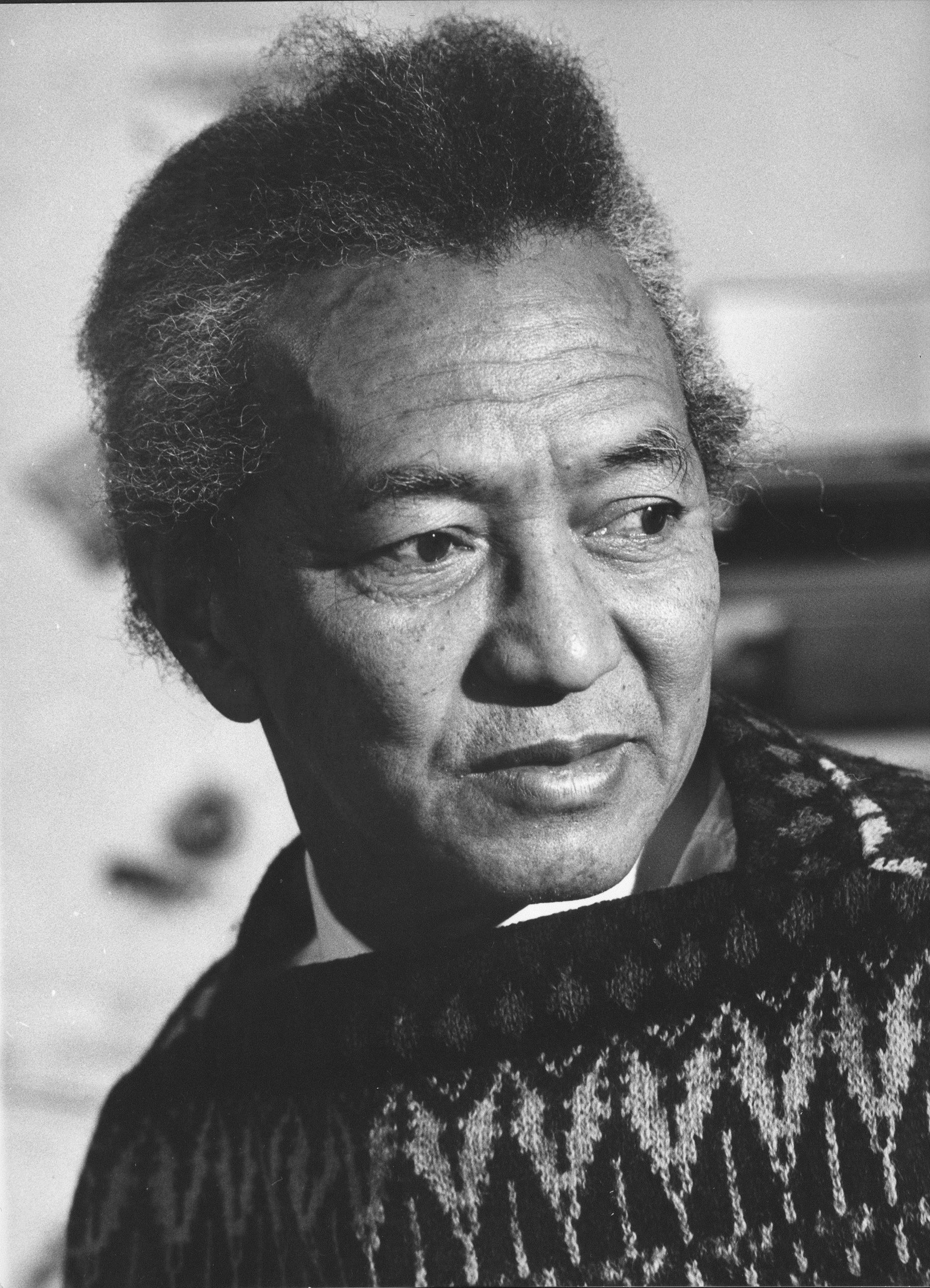
Wifredo Óscar de la Concepción Lam y Castilla, better known as Wifredo Lam, was a Cuban artist who sought to portray and revive the enduring Afro-Cuban spirit and culture. Inspired by and in contact with some of the most renowned artists of the 20th century, including Pablo Picasso, Henri Matisse, Frida Kahlo and Diego Rivera, Lam melded his influences and created a unique style, which was ultimately characterized by the prominence of hybrid figures. This distinctive visual style of his also influences many artists. Though he was predominantly a painter, he also worked with sculpture, ceramics and printmaking in his later life.

.jpg)
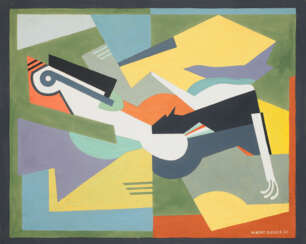
Albert Gleizes was a pioneering French artist, theoretician, and philosopher, renowned for his contributions to Cubism and his influence on the School of Paris. Born in Paris in 1881, Gleizes' artistic journey began in his late teens, inspired by Impressionism and later evolving through Post-Impressionist and Symbolist phases. His early work, such as "La Seine à Asnières" exhibited in 1902, showcases his initial foray into painting. Gleizes' commitment to developing art free from commercial constraints led him to co-found the Abbaye de Créteil, a self-supporting artist community, although it was short-lived due to financial difficulties.
Gleizes' exploration of Cubism began around 1910, in collaboration with artists like Jean Metzinger, with whom he wrote "Du Cubisme," the first major treatise on the movement. This period marked a significant shift in his style towards the geometric simplification of forms, a hallmark of Cubism. His works from this era, including "Portrait de Jacques Nayral" and "Landschaft bei Paris," exemplify his innovative approach to capturing the essence of subjects through cubist principles. Gleizes was also a member of the Section d'Or group, further establishing his role in the Cubist movement.
In addition to his painting, Gleizes was deeply involved in writing and promoting Cubism, influencing the acceptance and understanding of modern art globally, including his significant impact in New York. His later works, such as "Pour Contemplation," reflect a spiritual and theological depth, moving towards a synthesis of the physical and metaphysical. Gleizes' art is celebrated for its revolutionary approach to form and color, contributing significantly to the development of modern art. His works are held in prestigious collections worldwide, including the Tate Modern and the Musée des Beaux-Arts in Lyon.
For those intrigued by the revolutionary spirit and profound impact of Albert Gleizes on modern art, signing up for updates on new product sales and auction events related to his work offers a unique opportunity to connect with the legacy of this Cubist master. This subscription is an invaluable resource for collectors and experts in art and antiques, promising exclusive insights into the world of Albert Gleizes.
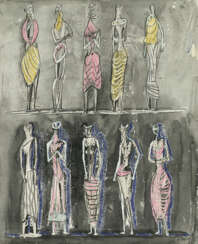

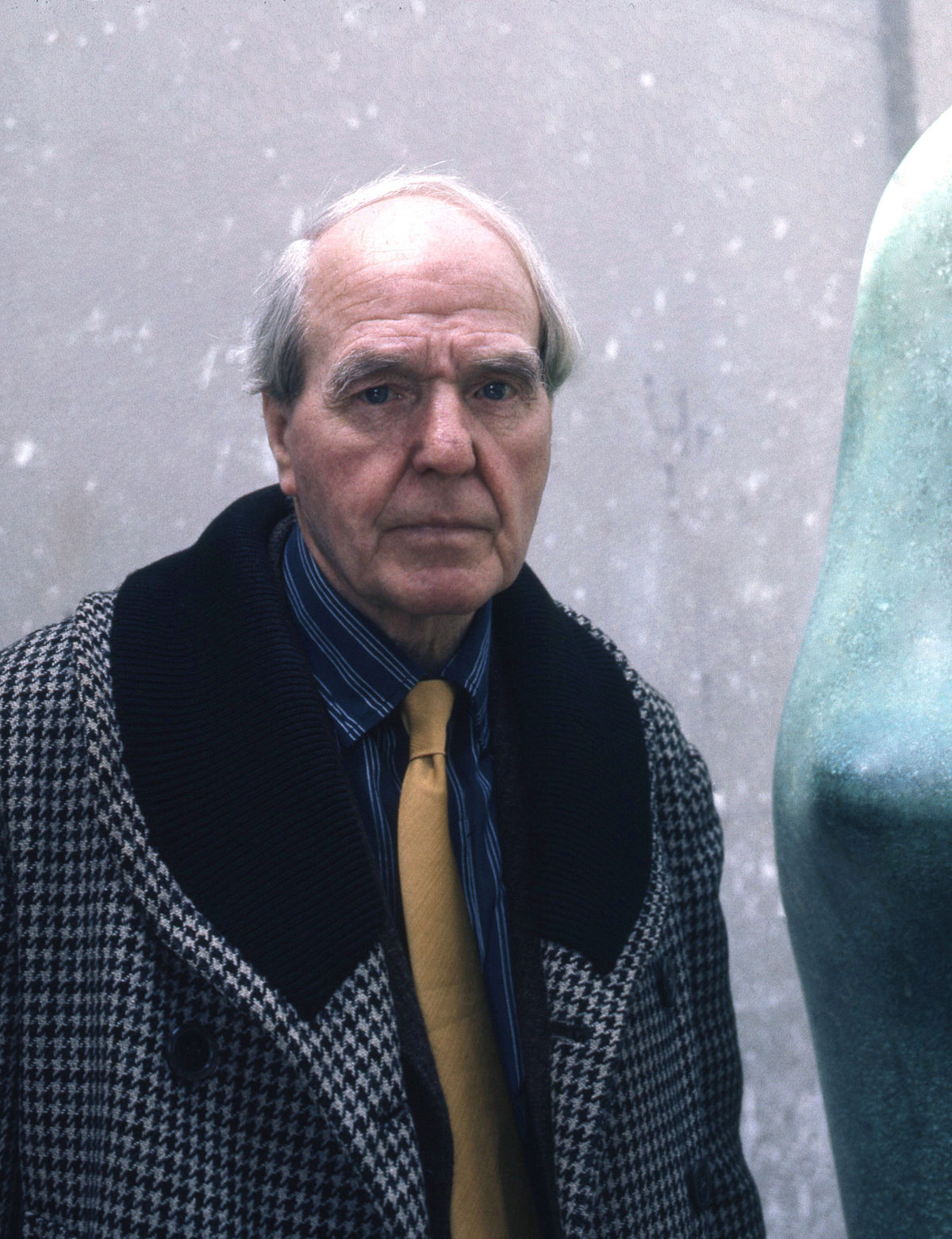
Henry Spencer Moore was an influential English sculptor and artist, renowned for his semi-abstract monumental bronze sculptures that have found homes around the world as public works of art. Born on July 30, 1898, in Castleford, Yorkshire, Moore showed early talent in art, but his journey towards becoming a sculptor was not straightforward. His experiences as a young teacher and a soldier in the First World War, where he was injured in a gas attack, significantly shaped his perspectives and artistic direction.
After the war, Moore pursued his passion for art, winning a scholarship to the Royal College of Art in London, where he began to experiment with modernist influences and direct carving techniques, moving away from the traditional Victorian style. His works, characterized by organic shapes and a blend of abstraction and figuration, were inspired by a wide range of sources, including primitive art, the human body, and the natural world.
Moore's sculptures are celebrated for their unique ability to blend form with space in the landscape, offering viewers a dynamic interaction with his works. His dedication to public art made his sculptures accessible to a wide audience, contributing to his status as one of the 20th century's most significant sculptors. Moore's legacy is preserved through the Henry Moore Foundation, which supports artists and promotes public appreciation of sculpture.
For collectors and experts in art and antiques, Moore's work remains a testament to the power of sculpture to evoke emotion and thought. His contributions to modern art and sculpture continue to inspire and influence artists around the world.
To stay informed about new exhibitions and opportunities to view Henry Spencer Moore's work, sign up for updates. This subscription will ensure you are alerted to new product sales and auction events related to Moore's influential body of work.

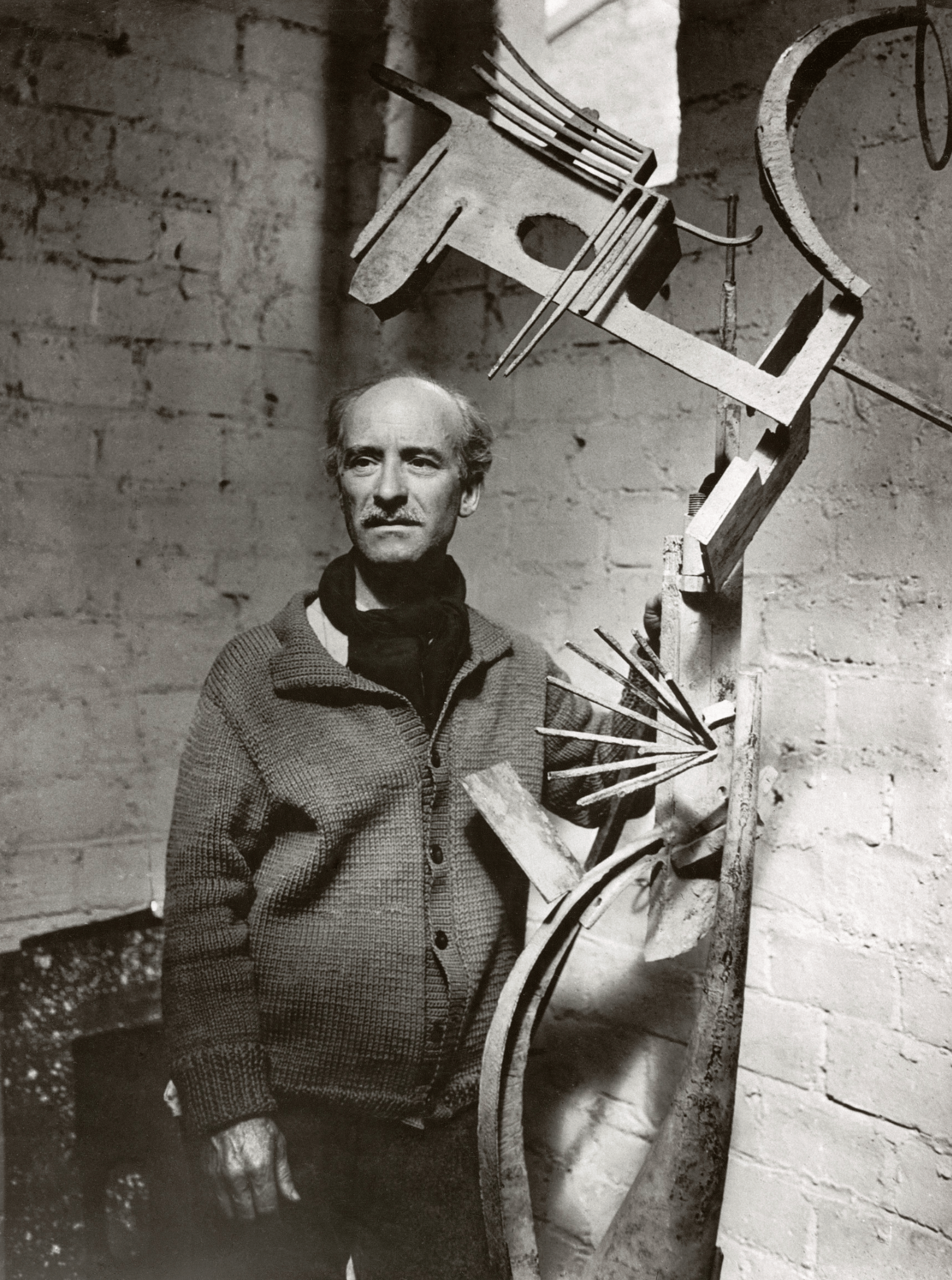
Julio González was a Spanish sculptor and painter. He was began his artistic career as a painter, but later turned to sculpture, becoming one of the most important figures in the development of modern sculpture in the 20th century.
González's work was heavily influenced by his interest in industrial materials, and he is known for his innovative use of iron and steel in sculpture. He was one of the first artists to use welding techniques in sculpture, and his work often features abstract forms and flowing lines.
González moved to Paris in 1900, where he became involved in the avant-garde art scene and formed close friendships with artists such as Pablo Picasso and Joan Miró. He continued to work as an artist throughout his life, producing a wide range of sculptures and paintings.
Today, his work is widely regarded as some of the most important in the history of modern sculpture, and his legacy has had a significant impact on the development of contemporary art. His sculptures can be found in collections around the world, including at the Museum of Modern Art in New York City and the Tate Gallery in London.
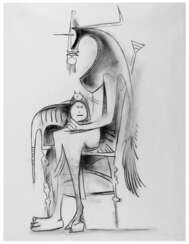

Wifredo Óscar de la Concepción Lam y Castilla, better known as Wifredo Lam, was a Cuban artist who sought to portray and revive the enduring Afro-Cuban spirit and culture. Inspired by and in contact with some of the most renowned artists of the 20th century, including Pablo Picasso, Henri Matisse, Frida Kahlo and Diego Rivera, Lam melded his influences and created a unique style, which was ultimately characterized by the prominence of hybrid figures. This distinctive visual style of his also influences many artists. Though he was predominantly a painter, he also worked with sculpture, ceramics and printmaking in his later life.


Alberto Giacometti was a Swiss sculptor, painter, draftsman, and printmaker, renowned for his distinctive elongated sculptures of solitary figures. Born in Borgonovo, Switzerland, in 1901, into a family of artists, Giacometti's talent was evident from an early age, encouraged by his father, Giovanni, a post-Impressionist painter, and his godfather, Cuno Amiet, a Fauvist painter. Moving to Paris in 1922 to study under the sculptor Antoine Bourdelle, Giacometti became a pivotal figure in Surrealism before focusing intensely on the human form, leading to his signature style of thin, elongated figures that evoke feelings of solitude and existential dread.
Giacometti's work spans several decades and various phases, including his early involvement with Surrealism and his later, more recognized existential and figurative sculptures. Notably, his sculptures, such as "Walking Man I" and "The Palace at 4 a.m.," reflect his unique view of reality and his relentless pursuit to capture the human essence. His approach was influenced by his associations with prominent figures of the art world, including Miró and Picasso, and intellectuals like Jean-Paul Sartre.
Despite facing challenges, including periods of self-doubt and the physical toll on his health, Giacometti's legacy as a master sculptor and artist remains influential. His works are celebrated worldwide and featured in major museums, such as the Museum of Modern Art in New York and the Tate Gallery in London, testament to his enduring impact on the art world.
Collectors and experts in art and antiques continue to revere Giacometti's work for its emotional depth and unique aesthetic. For those interested in the pioneering spirit of modern sculpture, Alberto Giacometti's oeuvre offers a profound exploration of the human condition and the artist's relentless pursuit of reality through art.
To stay updated on sales and auction events related to Alberto Giacometti's work, sign up for updates. This subscription is an excellent opportunity for collectors and enthusiasts to remain informed about new discoveries and opportunities related to Giacometti's enduring legacy.


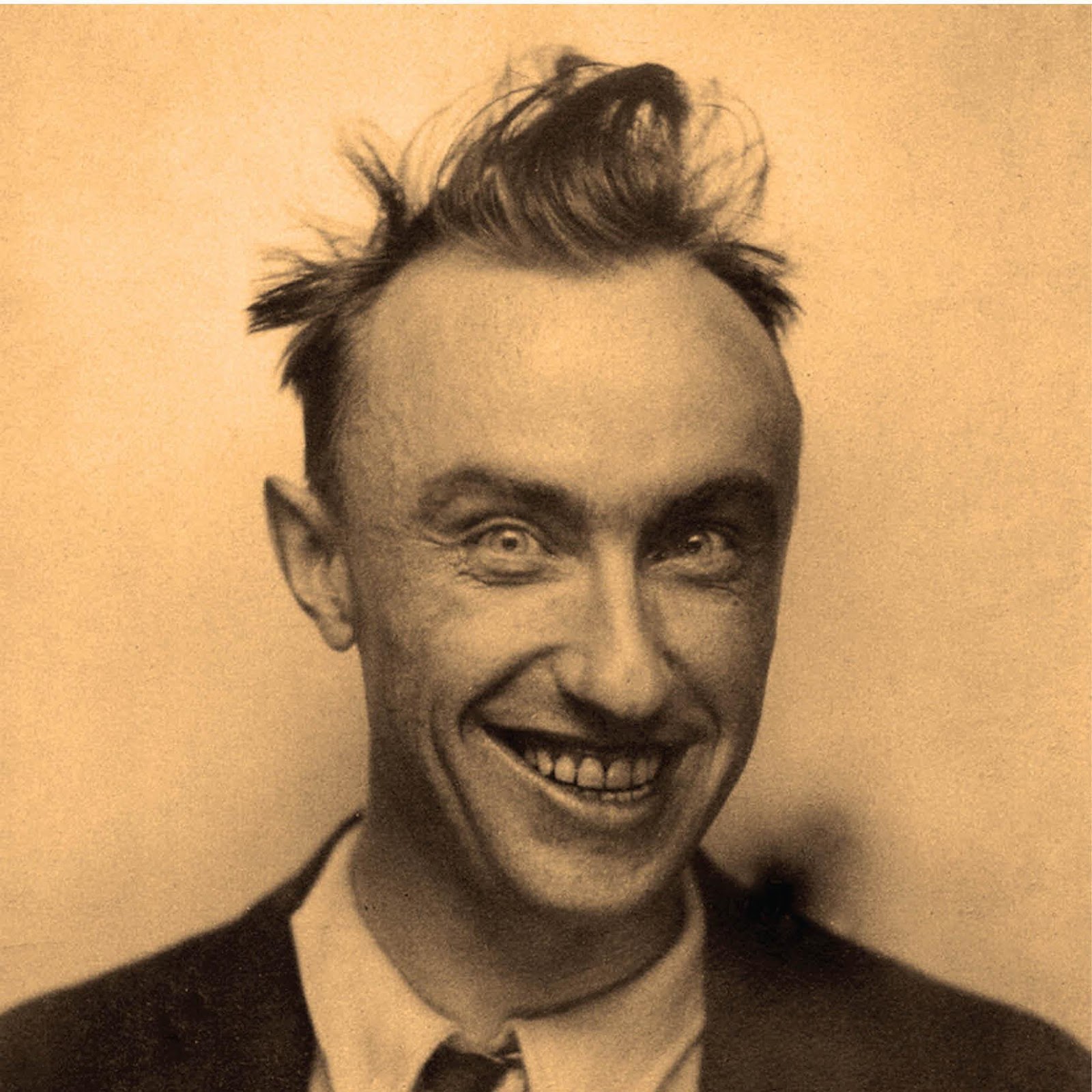
Raymond Georges Yves Tanguy, a French painter, is celebrated for his pivotal role in the Surrealist movement. Born in Paris in 1900, Tanguy's distinctive style is characterized by his meticulous and fantastical landscapes. These dream-like sceneries, populated with abstract shapes and organic forms, evoke a sense of otherworldly mystery and have captivated the imagination of art enthusiasts and collectors alike.
Tanguy's journey into the world of art was somewhat unconventional. Initially drawn to the merchant navy and later to the army, it wasn't until a pivotal encounter with the works of Giorgio de Chirico that Tanguy decided to pursue painting. Despite his lack of formal training, he quickly became a prominent figure in the Surrealist movement, contributing significantly to its ethos and aesthetic. His paintings are renowned for their unique blend of precision and spontaneity, combining elements of the natural world with abstract forms to create enigmatic landscapes that defy conventional interpretation.
Among Tanguy's most notable works are those housed in prestigious institutions such as the Museum of Modern Art in New York and the Tate Modern in London. These pieces serve as a testament to his enduring influence on the world of art and culture. Tanguy's ability to transcend the boundaries of reality and imagination has made his work particularly appealing to collectors and experts in art and antiques, who seek to understand the depths of Surrealism through his visionary eye.
For enthusiasts of Raymond Georges Yves Tanguy's art, staying informed about upcoming sales and auction events is crucial. By signing up for updates, collectors can ensure they never miss an opportunity to acquire a piece of this iconic artist's legacy. This subscription is not only a gateway to exclusive information on new product sales but also a direct line to the heart of the art and antiques world, where the surreal becomes tangible, and the legacy of a master painter continues to inspire.

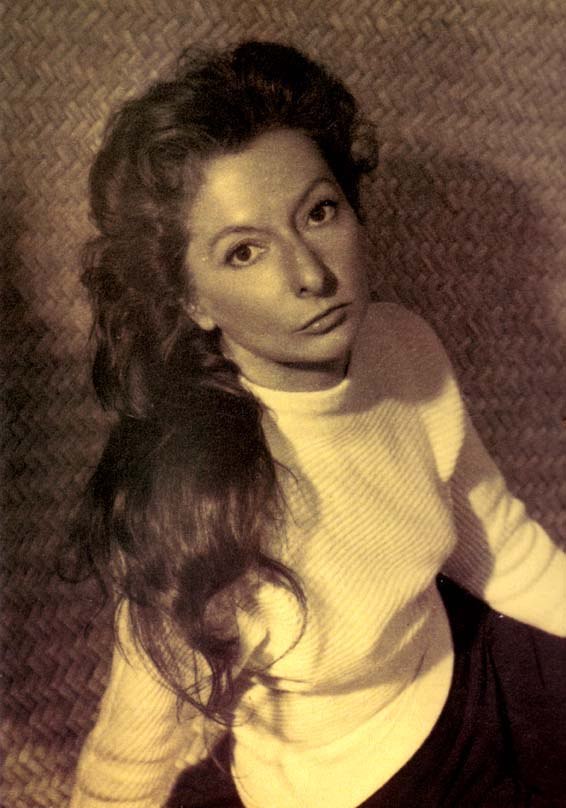
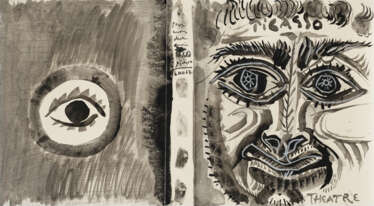

Pablo Ruiz Picasso, a Spanish artist renowned for his revolutionary contributions to the 20th-century art scene, is a figure that resonates profoundly with collectors and art experts. His unique blend of talents in painting, sculpture, printmaking, and ceramic art, infused with his time in France, positioned him as a pivotal character in modern art history.
Picasso's artistic journey was marked by distinct periods, each showcasing his evolving style and genius. His early years were characterized by the Blue Period (1901-1904), followed by the Rose Period (1904-1906), and then the African-influenced Period (1907-1909). Picasso's name is synonymous with Cubism, a movement he co-founded, which significantly altered artistic perspectives and methods. Works like "Les Demoiselles d'Avignon" (1907) and "Guernica" (1937) are emblematic of his cubist legacy, the latter being a poignant anti-war statement that remains influential.
His later years saw a return to more traditional styles, with neoclassical and surrealist influences becoming evident. Works from these phases reflect a deep engagement with mythological themes, as seen in "Faun with Stars" (1955), symbolizing his late-life romance with Jacqueline Roque, his second wife.
Picasso's prolific output and innovative spirit made him a legend in his own time, a status that only grew after his death. His works, housed in major museums and private collections worldwide, continue to captivate and inspire.
As a collector or expert in art and antiques, staying informed about Picasso's works, their auction events, and sales is essential. To stay updated on the latest developments and opportunities related to Pablo Picasso, sign up for our specialized updates. Rest assured, this subscription will focus solely on new product sales and auction events pertaining to Picasso's art, ensuring that you receive only the most relevant and valuable information.
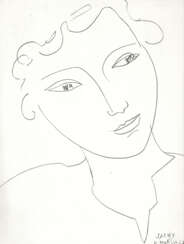

Henri Matisse, a renowned French visual artist, was celebrated for his vibrant use of color and fluid, original draughtsmanship. Born on December 31, 1869, in Le Cateau-Cambrésis, France, Matisse initially pursued a career in law before turning to art. He first began painting in 1889, a change inspired by convalescence art supplies his mother provided. This marked the beginning of a journey that would see him become a leading figure in modern art.
Matisse's career is notable for its stylistic evolution yet consistent aim to capture the "essential character of things." His early works, characterized by intense colorism, earned him recognition as one of the Fauves, or "wild beasts." The period from 1908 to 1913 was marked by significant developments, with works like "Reclining Odalisque" and "The Red Studio" showcasing his mastery in balance and serenity. In the 1920s, his style evolved to more relaxed forms, with a focus on light, color, and decorative patterns in paintings like his odalisque series.
Matisse's exploration of various mediums, including sculpture and paper collage, reflects his innovative spirit. His later years were dominated by cut paper collages, as health challenges limited his ability to paint. These works, alongside his bold drawings and sculptures, cemented his status as a pioneer in visual art.
For collectors and art experts, Matisse's work remains a testament to creative evolution and expressive use of color and form. His masterpieces can be found in prominent museums and galleries worldwide, continuing to inspire and fascinate art enthusiasts.
To stay updated on new product sales and auction events related to Henri Matisse's art, sign up for our updates. This subscription will keep you informed about opportunities to appreciate and acquire works connected to this iconic artist.

.jfif)
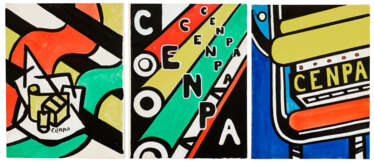
Joseph Fernand Henri Léger was a French artist renowned for his innovative approach to Cubism and his transition towards a figurative, populist style. Born in Argentan, Orne, Lower Normandy, Léger's early career was marked by a stint as an architectural draftsman and a series of educational pursuits that eventually led him to Paris, where he embraced painting seriously. His artistic journey was significantly influenced by the bold abstractions of Cubism, characterized by geometric shapes and a vibrant palette, distinguishing his work from his contemporaries with what came to be known as "Tubism".
Léger's service in World War I profoundly impacted his artistic direction, leading him to adopt a 'mechanical' style that depicted the modern industrial world with sleek, tubular forms. This period saw creations like "Soldier with a Pipe" and "The Card Players," reflecting his war experiences and the mechanical aesthetics of the time. The post-war era encouraged Léger to explore the mechanical style further, evident in works like "The Bargeman" and "Mechanical Elements," highlighting the pace of technological advancement.
Throughout his career, Léger's work evolved, notably in the 1920s, where he aligned with Purist ideas, blending classicism with modernity. This phase is exemplified in "Woman with a Cat," showcasing a classical form with a modern, polished finish. By the 1930s, Léger's art took a more figurative, populist turn, aiming to democratize contemporary art and make it more accessible. His commitment to art education, especially for the common worker, underscored his belief in the social role of art.
For those intrigued by Joseph Fernand Henri Léger's groundbreaking contributions to modern art, his works can be found in prestigious museums worldwide. His legacy continues to inspire art collectors and enthusiasts alike. To stay updated on exhibitions and auction events featuring Léger's work, sign up for updates and embrace the unique opportunity to explore the richness of his artistic endeavors.


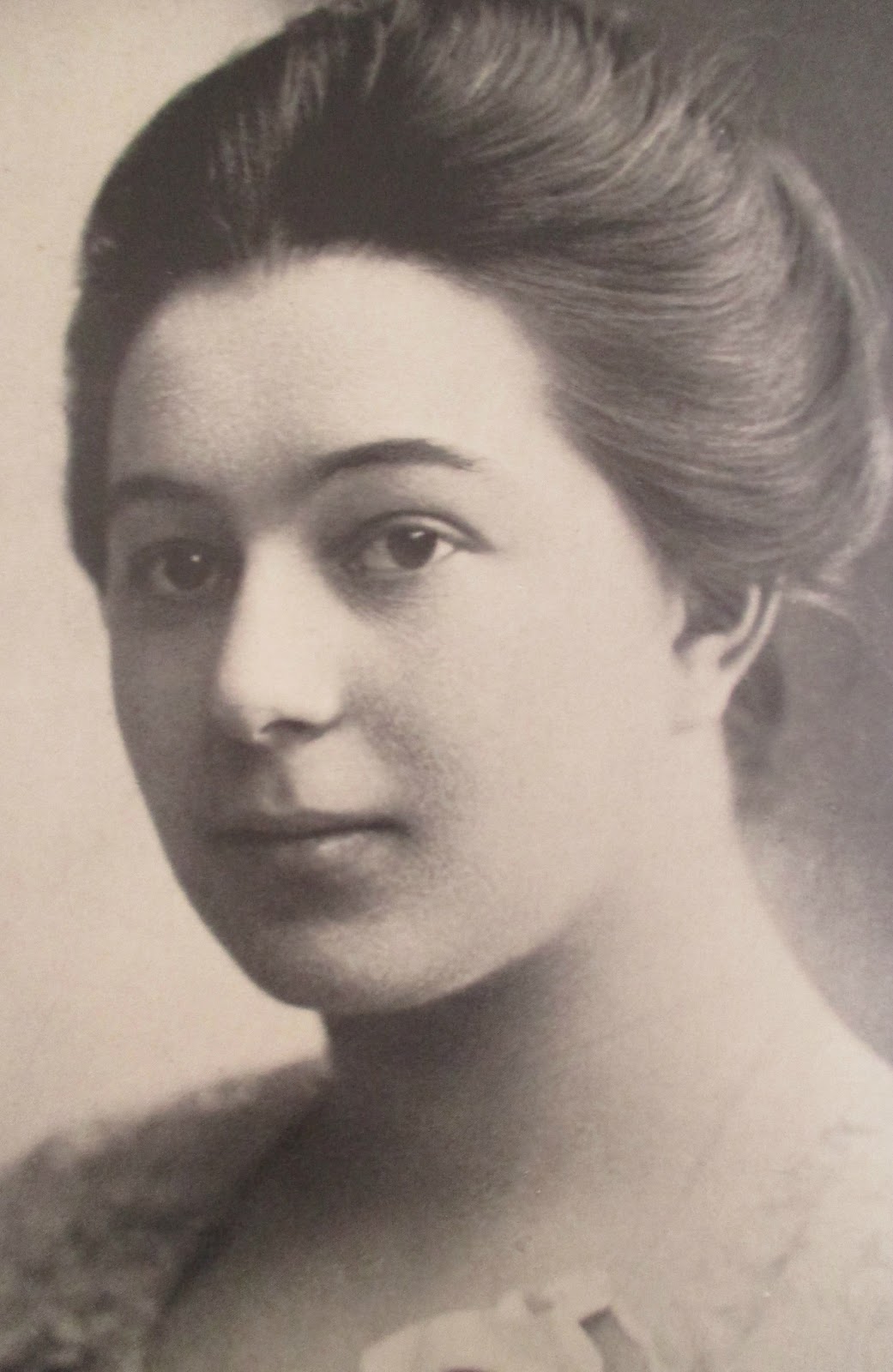
Sonia Delaunay-Terk (Russian: Соня Делоне-Терк) was a Russian-French painter and designer of Jewish descent. She received the name Sonia Terk, by which she is known, in 1890 after being adopted by her uncle. She is also called Sonia Delaunay in literature. She is considered a representative of geometric abstraction. Her artistic role models include Vincent van Gogh and Paul Gauguin. From 1912, she developed the so-called Orphism with her husband Robert Delaunay.
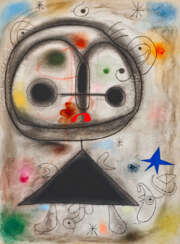

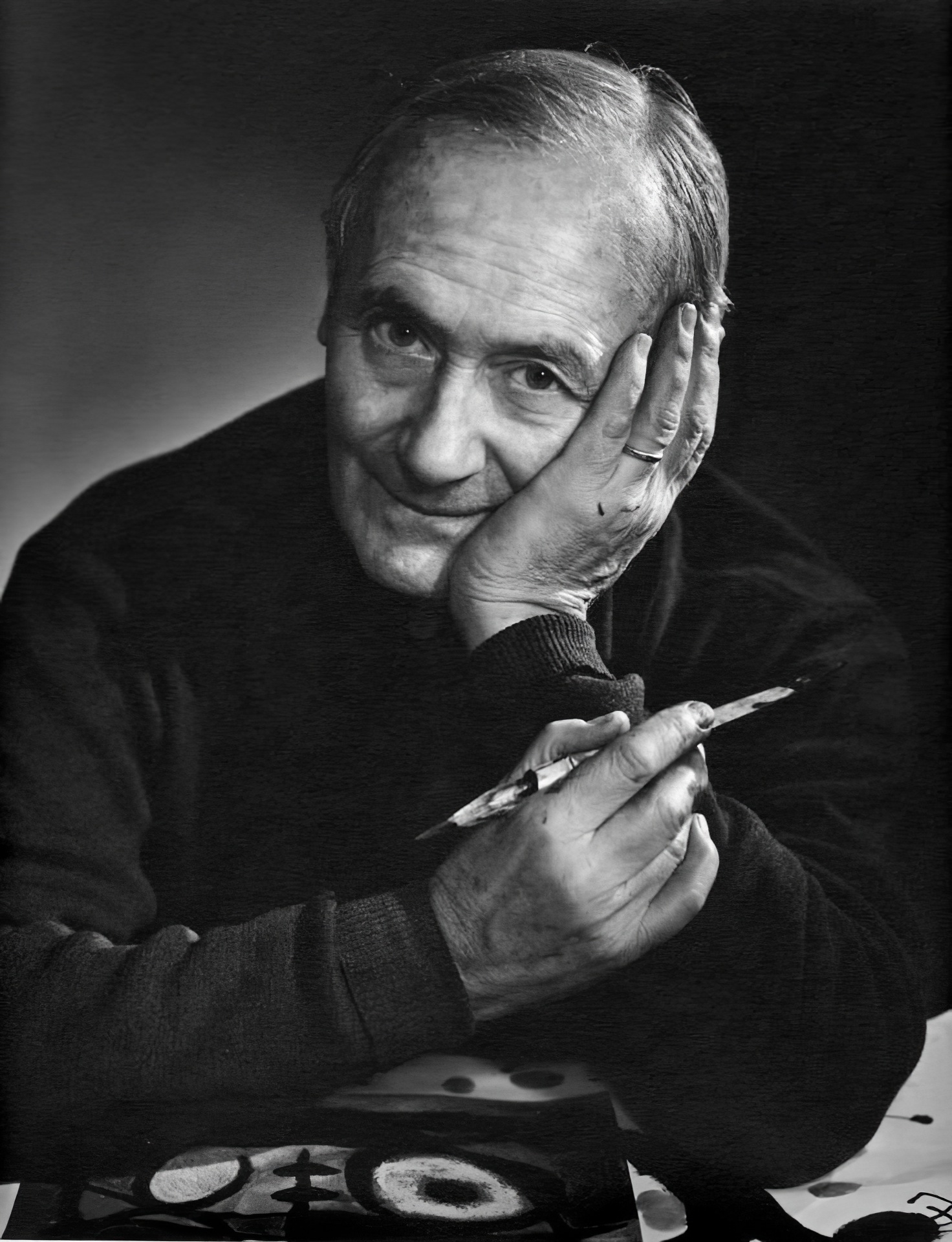
Joan Miró, a celebrated Spanish artist, was a master in painting, sculpture, and ceramics, renowned for his unique style that blurred the lines between Surrealism, Fauvism, and Expressionism. Born in Barcelona to a family of a goldsmith and a watchmaker, Miró grew up immersed in the rich cultural heritage of the Barri Gòtic neighborhood. His artistic journey began with drawing classes at the age of seven and continued at the prestigious La Llotja art academy. Despite an initial venture into the business world, Miró's passion for art prevailed, leading him to abandon his clerical career after a nervous breakdown.
Miró's work is noted for its exploration of the subconscious, often depicting a childlike perspective. This approach was both a critique of traditional painting methods and a means of expressing Catalan pride. His art, challenging to categorize, often featured symbolic elements and nationalistic qualities. One of his notable early works, "The Farm," reflects a transition to a more individual style, blending elements of his Catalan roots with broader artistic influences. This piece, later purchased by Ernest Hemingway, encapsulated the essence of Spain in its imagery.
In Paris, Miró joined the Surrealist movement in 1924, where his work began to reflect the influence of automatism, emphasizing spontaneous, automatic, or subconscious creation. He experimented with various mediums, including painting-poetry and collage, and even ventured into set and costume design for Sergei Diaghilev's Ballets Russes.
During World War II, Miró remained in Spain, and his work from this period, including the 22 Constellations series, reflected an interest in the night, music, and stars. His forms became increasingly abstracted, and he experimented with various techniques, often incorporating primary colors and evocative titles.
Miró's career spanned several decades, during which he continually evolved his style and explored new mediums. His contributions to art were recognized with numerous awards and retrospectives, including a major career retrospective at MoMA in 1941 and the Spanish Gold Medal for Fine Arts in 1980. Among his last major works was a tapestry for the World Trade Center in New York City, created in 1974.
For art collectors and enthusiasts, Joan Miró remains a figure of immense interest, not only for his distinct style and contributions to Surrealism but also for his ability to blend poetic imagery with political commentary. To stay updated on new product sales and auction events related to Joan Miró, sign up for our updates and immerse yourself in the world of this extraordinary artist.
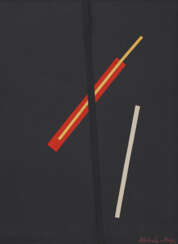

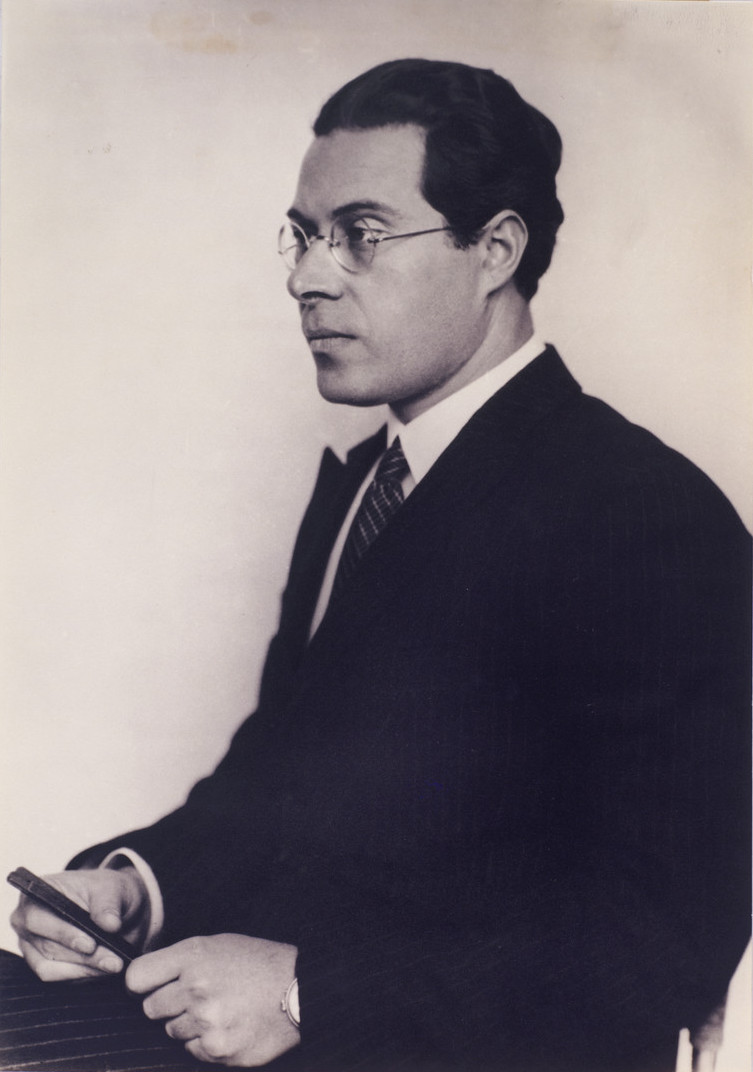
Laszlo Moholy-Nagy, a Hungarian-American artist, was a visionary in the integration of technology and art, profoundly influencing modern art education in the United States. His journey began in post-World War I Europe, where he immersed himself in the avant-garde art scene, eventually joining the Bauhaus school in Germany. There, Moholy-Nagy embraced various mediums, from photography and film to painting and sculpture, pioneering the movement known as the New Vision, which emphasized the unique perspectives that photography and film could offer compared to the human eye.
Laszlo Moholy-Nagy's innovative approach extended to photograms, a camera-less photographic technique that captures the shadows and silhouettes of objects placed on photosensitive paper. His exploration of light and shadow in this medium underscored his belief in the transformative power of art and technology. Beyond his technical achievements, Moholy-Nagy was a dedicated educator, shaping future generations of artists at the Bauhaus and later in Chicago, where he founded the New Bauhaus, which evolved into the Illinois Institute of Technology's Institute of Design.
His work is celebrated in various prestigious collections, including MoMA and the Smithsonian American Art Museum, where his contributions to modernism and design are acknowledged and revered. Moholy-Nagy's legacy is not only in his artistic output but also in his profound impact on art education and the philosophical discourse around art and technology.
For collectors and experts in art and antiques, Laszlo Moholy-Nagy's work offers a deep dive into the intersection of art, technology, and education. To stay informed about exhibitions and auctions related to Moholy-Nagy's works, consider subscribing to updates from art galleries and auction houses, ensuring you remain connected to the evolving appreciation and understanding of this pivotal figure's contributions.
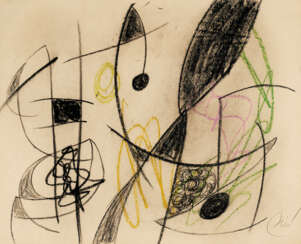

Joan Miró, a celebrated Spanish artist, was a master in painting, sculpture, and ceramics, renowned for his unique style that blurred the lines between Surrealism, Fauvism, and Expressionism. Born in Barcelona to a family of a goldsmith and a watchmaker, Miró grew up immersed in the rich cultural heritage of the Barri Gòtic neighborhood. His artistic journey began with drawing classes at the age of seven and continued at the prestigious La Llotja art academy. Despite an initial venture into the business world, Miró's passion for art prevailed, leading him to abandon his clerical career after a nervous breakdown.
Miró's work is noted for its exploration of the subconscious, often depicting a childlike perspective. This approach was both a critique of traditional painting methods and a means of expressing Catalan pride. His art, challenging to categorize, often featured symbolic elements and nationalistic qualities. One of his notable early works, "The Farm," reflects a transition to a more individual style, blending elements of his Catalan roots with broader artistic influences. This piece, later purchased by Ernest Hemingway, encapsulated the essence of Spain in its imagery.
In Paris, Miró joined the Surrealist movement in 1924, where his work began to reflect the influence of automatism, emphasizing spontaneous, automatic, or subconscious creation. He experimented with various mediums, including painting-poetry and collage, and even ventured into set and costume design for Sergei Diaghilev's Ballets Russes.
During World War II, Miró remained in Spain, and his work from this period, including the 22 Constellations series, reflected an interest in the night, music, and stars. His forms became increasingly abstracted, and he experimented with various techniques, often incorporating primary colors and evocative titles.
Miró's career spanned several decades, during which he continually evolved his style and explored new mediums. His contributions to art were recognized with numerous awards and retrospectives, including a major career retrospective at MoMA in 1941 and the Spanish Gold Medal for Fine Arts in 1980. Among his last major works was a tapestry for the World Trade Center in New York City, created in 1974.
For art collectors and enthusiasts, Joan Miró remains a figure of immense interest, not only for his distinct style and contributions to Surrealism but also for his ability to blend poetic imagery with political commentary. To stay updated on new product sales and auction events related to Joan Miró, sign up for our updates and immerse yourself in the world of this extraordinary artist.
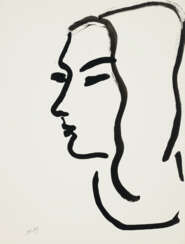

Henri Matisse, a renowned French visual artist, was celebrated for his vibrant use of color and fluid, original draughtsmanship. Born on December 31, 1869, in Le Cateau-Cambrésis, France, Matisse initially pursued a career in law before turning to art. He first began painting in 1889, a change inspired by convalescence art supplies his mother provided. This marked the beginning of a journey that would see him become a leading figure in modern art.
Matisse's career is notable for its stylistic evolution yet consistent aim to capture the "essential character of things." His early works, characterized by intense colorism, earned him recognition as one of the Fauves, or "wild beasts." The period from 1908 to 1913 was marked by significant developments, with works like "Reclining Odalisque" and "The Red Studio" showcasing his mastery in balance and serenity. In the 1920s, his style evolved to more relaxed forms, with a focus on light, color, and decorative patterns in paintings like his odalisque series.
Matisse's exploration of various mediums, including sculpture and paper collage, reflects his innovative spirit. His later years were dominated by cut paper collages, as health challenges limited his ability to paint. These works, alongside his bold drawings and sculptures, cemented his status as a pioneer in visual art.
For collectors and art experts, Matisse's work remains a testament to creative evolution and expressive use of color and form. His masterpieces can be found in prominent museums and galleries worldwide, continuing to inspire and fascinate art enthusiasts.
To stay updated on new product sales and auction events related to Henri Matisse's art, sign up for our updates. This subscription will keep you informed about opportunities to appreciate and acquire works connected to this iconic artist.
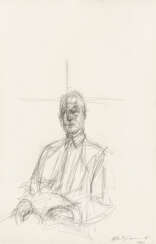

Alberto Giacometti was a Swiss sculptor, painter, draftsman, and printmaker, renowned for his distinctive elongated sculptures of solitary figures. Born in Borgonovo, Switzerland, in 1901, into a family of artists, Giacometti's talent was evident from an early age, encouraged by his father, Giovanni, a post-Impressionist painter, and his godfather, Cuno Amiet, a Fauvist painter. Moving to Paris in 1922 to study under the sculptor Antoine Bourdelle, Giacometti became a pivotal figure in Surrealism before focusing intensely on the human form, leading to his signature style of thin, elongated figures that evoke feelings of solitude and existential dread.
Giacometti's work spans several decades and various phases, including his early involvement with Surrealism and his later, more recognized existential and figurative sculptures. Notably, his sculptures, such as "Walking Man I" and "The Palace at 4 a.m.," reflect his unique view of reality and his relentless pursuit to capture the human essence. His approach was influenced by his associations with prominent figures of the art world, including Miró and Picasso, and intellectuals like Jean-Paul Sartre.
Despite facing challenges, including periods of self-doubt and the physical toll on his health, Giacometti's legacy as a master sculptor and artist remains influential. His works are celebrated worldwide and featured in major museums, such as the Museum of Modern Art in New York and the Tate Gallery in London, testament to his enduring impact on the art world.
Collectors and experts in art and antiques continue to revere Giacometti's work for its emotional depth and unique aesthetic. For those interested in the pioneering spirit of modern sculpture, Alberto Giacometti's oeuvre offers a profound exploration of the human condition and the artist's relentless pursuit of reality through art.
To stay updated on sales and auction events related to Alberto Giacometti's work, sign up for updates. This subscription is an excellent opportunity for collectors and enthusiasts to remain informed about new discoveries and opportunities related to Giacometti's enduring legacy.