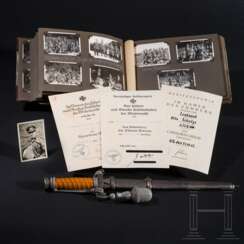
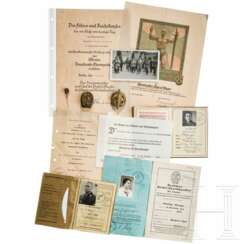
photo document







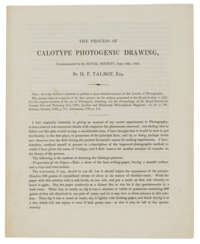

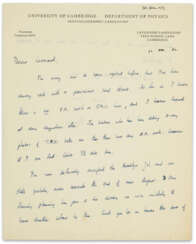

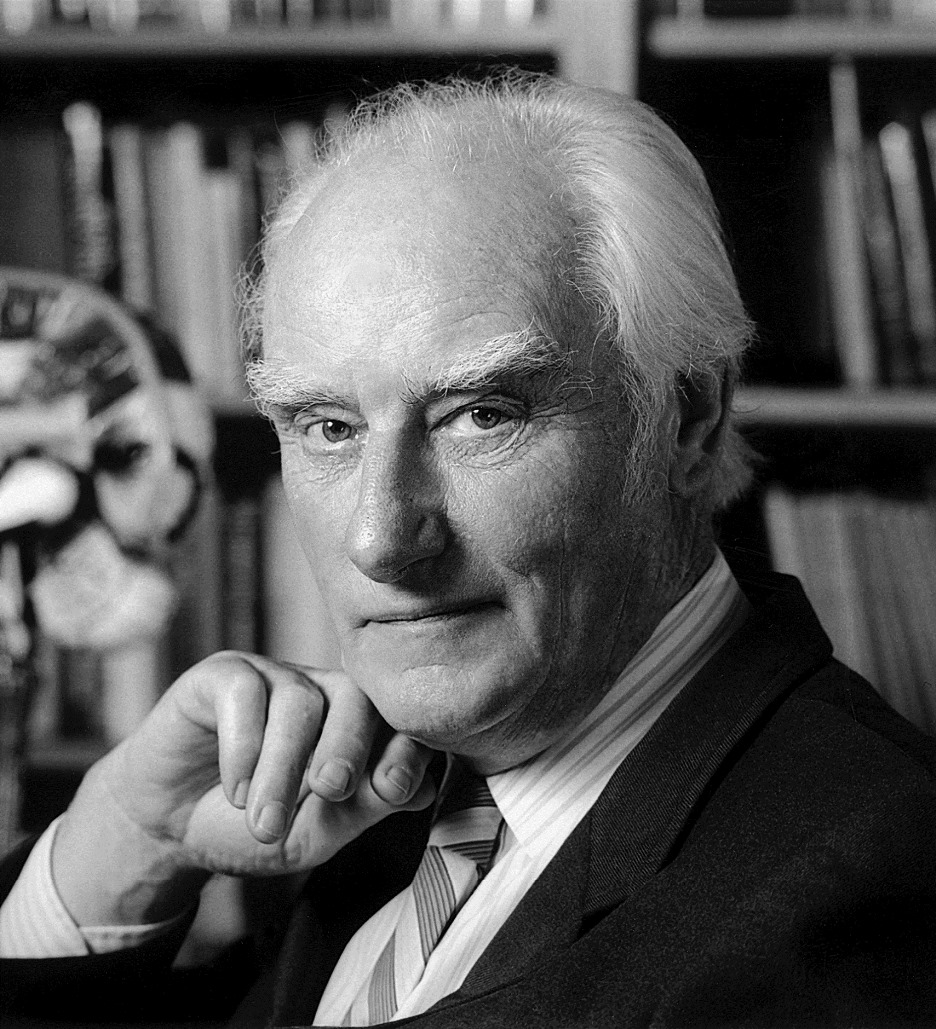
Francis Harry Compton Crick was a British molecular biologist, biophysicist and neuroscientist. He won the Nobel Prize in Physiology and Medicine in 1962.
During World War II he had to work on developments for the military, and in 1947 he turned to biology at the Strangeways Research Laboratory, University of Cambridge. In 1949 he moved to the University Medical Research Council at Cavendish Laboratories. Using X-ray diffraction studies of DNA by biophysicist Maurice Wilkins (1916-2004) and X-ray diffraction images taken by Rosalind Franklin, biophysicist James Watson and Crick were able to construct a molecular model consistent with the known physical and chemical properties of DNA.
This achievement became a cornerstone of genetics and was regarded as one of the most important discoveries of 20th century biology. In 1962, Francis Crick, along with James Watson and Maurice Wilkins, won the Nobel Prize in Physiology or Medicine for determining the molecular structure of deoxyribonucleic acid (DNA), the chemical ultimately responsible for the hereditary control of life functions.
From 1977 until the end of his life, Crick served as professor emeritus at the Salk Institute for Biological Studies in San Diego, California, where he conducted research on the neurological basis of consciousness. He also wrote several books. In 1991, Francis Crick received the Order of Merit.
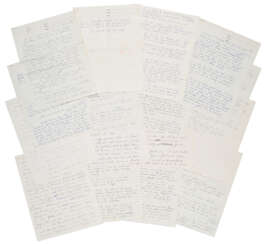

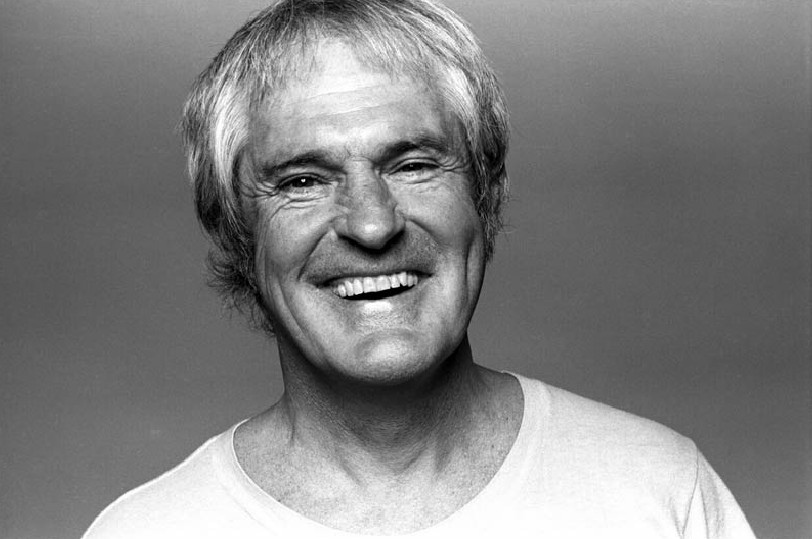
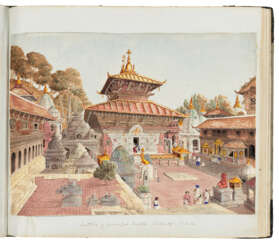







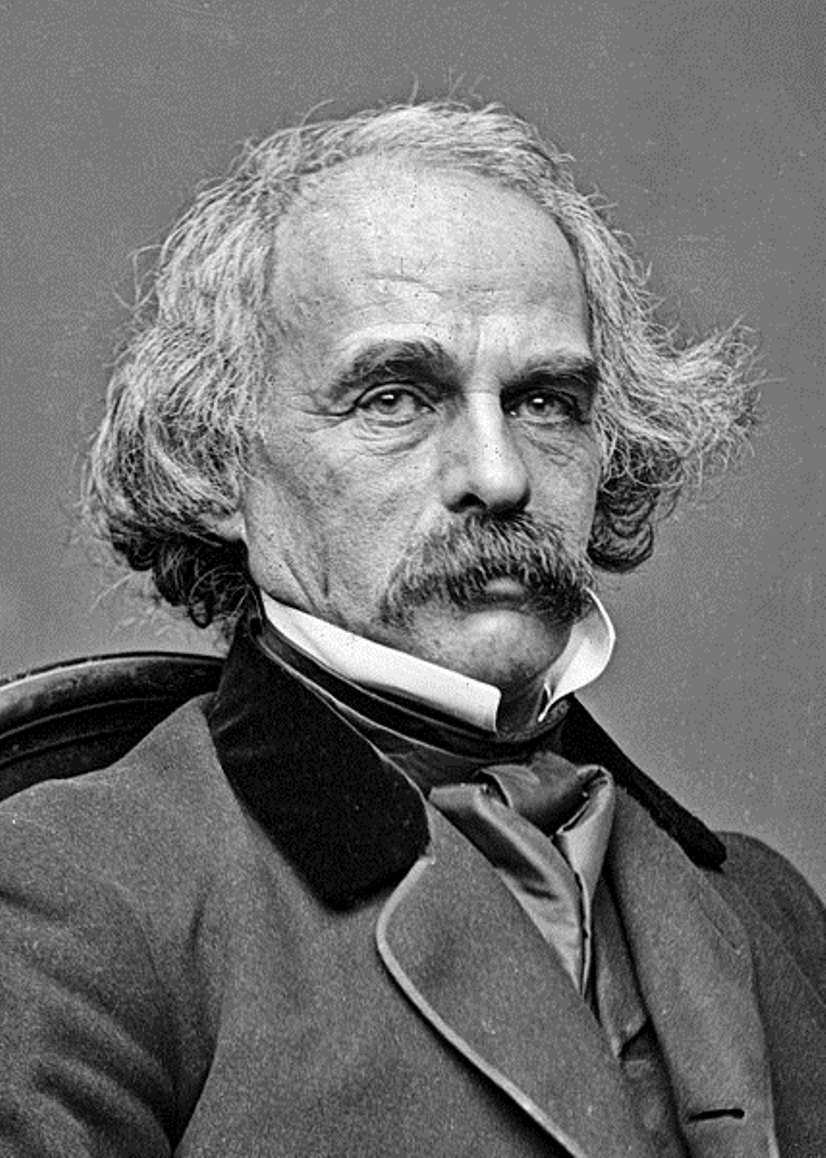
Nathaniel Hawthorne is an American writer and author.
Hawthorne is a recognized short story writer and a master of allegorical and symbolic narrative. One of the first fiction writers in American literature, he is best known for his works The Scarlet Letter (1850) and The House of Seven Gables (1851). Hawthorne's artistic works are considered part of the American Romantic movement and, in particular, of so-called dark Romanticism, a popular mid-19th-century fascination with the irrational, the demonic, and the grotesque.
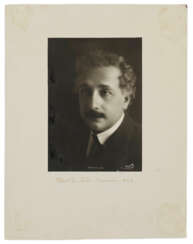

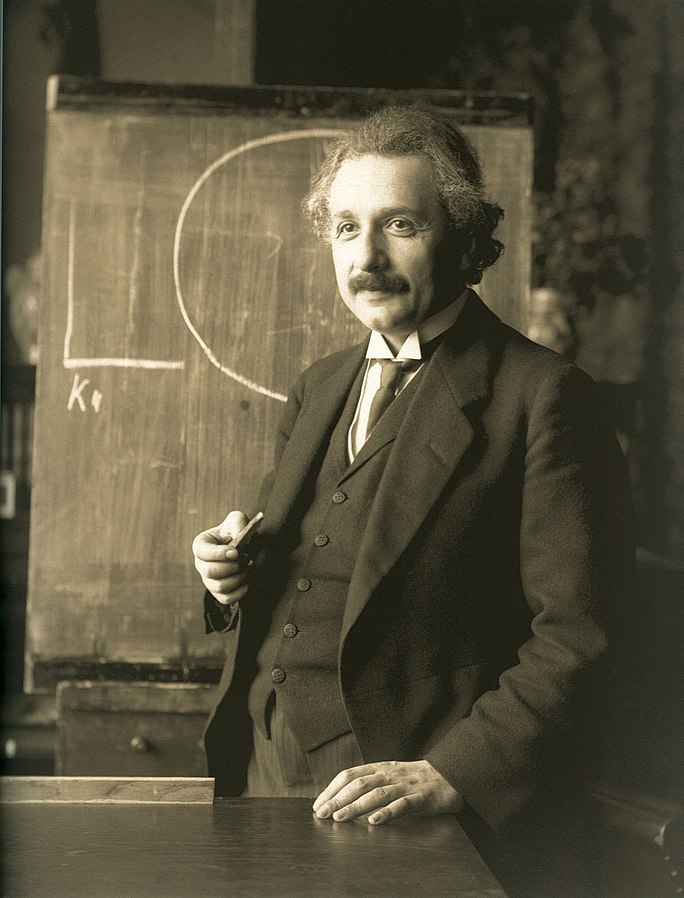
Albert Einstein was a German-born theoretical physicist, widely acknowledged to be one of the greatest and most influential physicists of all time. Einstein is best known for developing the theory of relativity, but he also made important contributions to the development of the theory of quantum mechanics. Relativity and quantum mechanics are together the two pillars of modern physics. His mass–energy equivalence formula E = mc2, which arises from relativity theory, has been dubbed "the world's most famous equation". His work is also known for its influence on the philosophy of science. He received the 1921 Nobel Prize in Physics "for his services to theoretical physics, and especially for his discovery of the law of the photoelectric effect", a pivotal step in the development of quantum theory. His intellectual achievements and originality resulted in "Einstein" becoming synonymous with "genius".



Albert Einstein was a German-born theoretical physicist, widely acknowledged to be one of the greatest and most influential physicists of all time. Einstein is best known for developing the theory of relativity, but he also made important contributions to the development of the theory of quantum mechanics. Relativity and quantum mechanics are together the two pillars of modern physics. His mass–energy equivalence formula E = mc2, which arises from relativity theory, has been dubbed "the world's most famous equation". His work is also known for its influence on the philosophy of science. He received the 1921 Nobel Prize in Physics "for his services to theoretical physics, and especially for his discovery of the law of the photoelectric effect", a pivotal step in the development of quantum theory. His intellectual achievements and originality resulted in "Einstein" becoming synonymous with "genius".



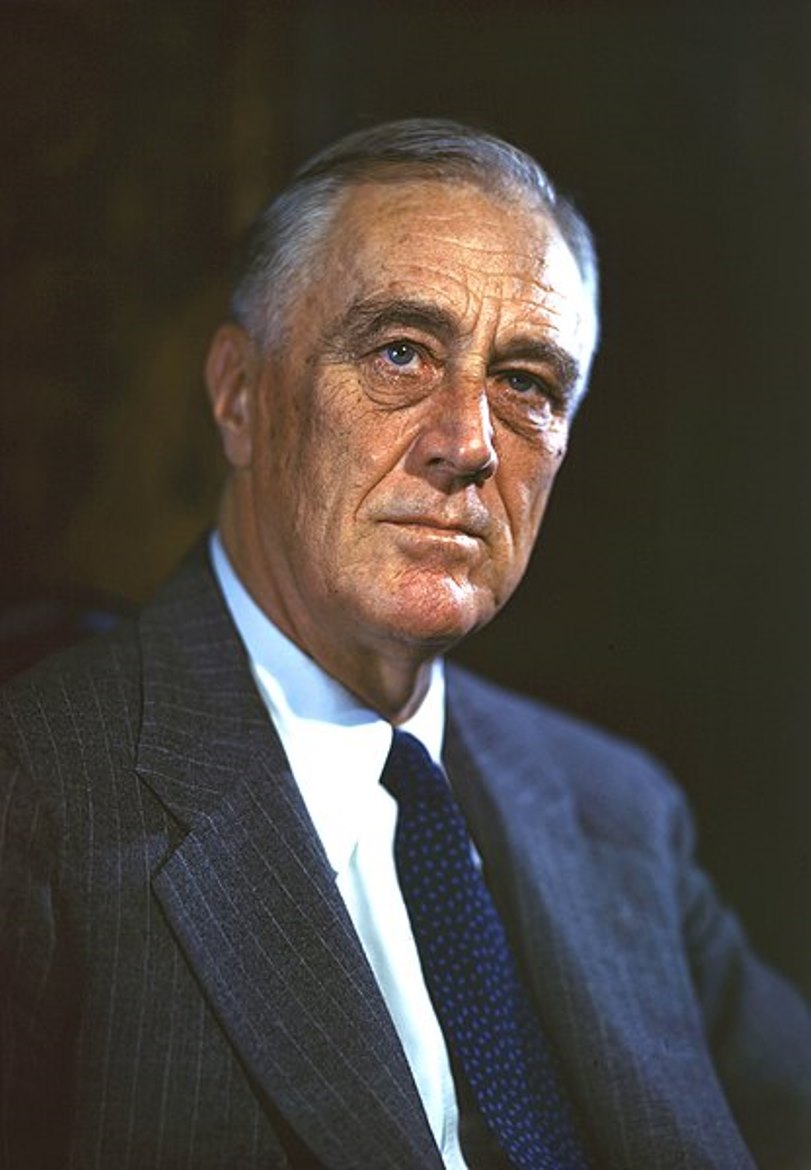
Franklin Delano Roosevelt was an American politician and statesman, the 32nd President of the United States (1932-1945).
Franklin was educated at Harvard University and Columbia Law School. His cousin was President Theodore Roosevelt, and Franklin also went into public service, but as a Democrat. He was elected to the New York Senate in 1910, President Wilson appointed him Assistant Secretary of the Navy, and Roosevelt became Governor of New York in 1928.
In November 1932, Franklin D. Roosevelt was elected president of the United States. Taking office in the midst of the Great Depression, Franklin D. Roosevelt, with his "Hundred Days" and "New Deal" programs, helped the American people regain faith in themselves. In 1936, he was re-elected by a large margin. During this difficult political period, he sought through neutrality legislation to keep the U.S. out of the war in Europe, but at the same time to strengthen countries that were threatened or attacked. Japan's surprise attack on Pearl Harbor on December 7, 1941, drew the country into the war.
In 1944, as Hitler's Germany was nearing its collapse, an ailing Roosevelt managed to win the presidency again. The following February, he met with Churchill and Stalin at the famous Yalta Conference. His health was deteriorating, and on April 12, 1945, Franklin Roosevelt died of a cerebral hemorrhage. He was the only U.S. president to be elected to office four times. Roosevelt successfully led the United States through two of the greatest crises of the 20th century: the Great Depression and World War II.
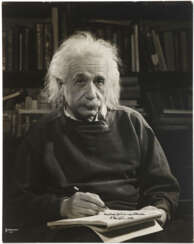

Albert Einstein was a German-born theoretical physicist, widely acknowledged to be one of the greatest and most influential physicists of all time. Einstein is best known for developing the theory of relativity, but he also made important contributions to the development of the theory of quantum mechanics. Relativity and quantum mechanics are together the two pillars of modern physics. His mass–energy equivalence formula E = mc2, which arises from relativity theory, has been dubbed "the world's most famous equation". His work is also known for its influence on the philosophy of science. He received the 1921 Nobel Prize in Physics "for his services to theoretical physics, and especially for his discovery of the law of the photoelectric effect", a pivotal step in the development of quantum theory. His intellectual achievements and originality resulted in "Einstein" becoming synonymous with "genius".

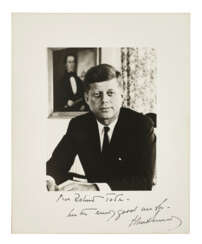

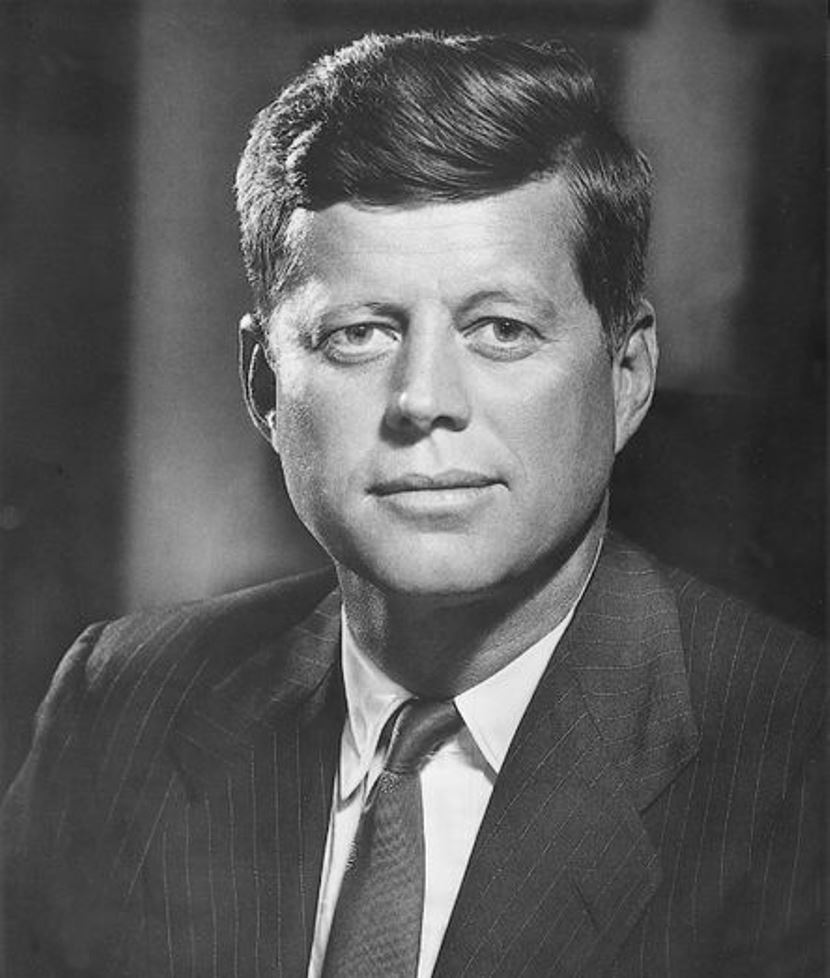
John Fitzgerald Kennedy was an American politician and statesman, 35th President of the United States (1961-1963).
John was born in a family of natives of Ireland, his father - Joseph Kennedy - a Democratic politician, who headed the Securities and Exchange Commission in the 1930s, was U.S. Ambassador to Great Britain. John studied at Harvard and Princeton Universities and traveled to Europe in 1937. During World War II he served in the U.S. Navy and received a number of awards, and immediately after the war he entered politics.
In 1946, John F. Kennedy was elected to the U.S. House of Representatives from Massachusetts, in 1952, with the help of financial support from the Kennedy family won election to the Senate and held the post until the end of 1960. In the presidential election of 1960, 43-year-old Kennedy with a small margin of victory over Richard Nixon, becoming the 35th President of the United States.
The time of Kennedy's presidency was marked by the escalation of the Cold War. Its peak was the Cuban Missile Crisis in 1962, when the confrontation between Washington and Moscow almost led to nuclear war. With great difficulty the parties managed to reach a compromise - during the negotiations the USSR undertook to remove missiles from Cuba in return for the dismantling of American missiles in Turkey. Since the beginning of 1963, the U.S. President increasingly spoke out in favor of peaceful coexistence with the Soviet Union. In August 1963, the U.S., USSR and Great Britain signed a treaty banning nuclear weapons tests in the atmosphere, outer space and underwater, which entered into force in October 1963. In the same 1963, when the country was hit by a wave of protests of the colored population, he introduced a bill in Congress that banned segregation in public places.
On November 22, 1963, during a trip to Dallas, Texas, John F. Kennedy was fatally wounded. He was 46 years old. Lee Harvey Oswald was held as the prime suspect in the assassination, who was shot and killed two days later by Jack Ruby in the garage of the Dallas police station. There are various versions of the reasons for the President's assassination, but none of them has been fully proven so far.
In his free time from politics, John F. Kennedy managed to write a book "Stories of Courage", for which he received the Pulitzer Prize in 1957. These are biographies of people whom he considered to be models of courage in politics. In 1958, Kennedy published a book called A Nation of Immigrants.


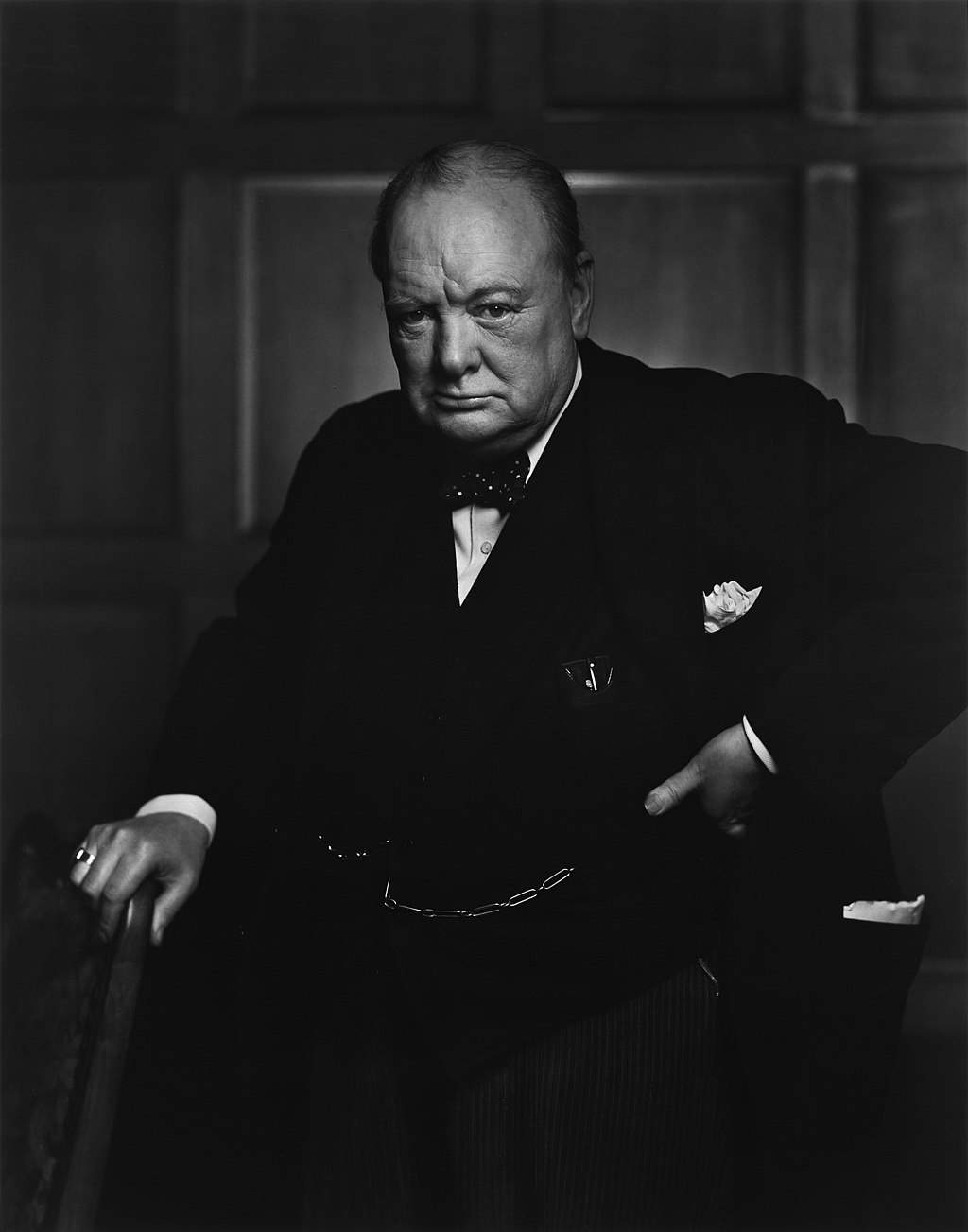
Sir Winston Leonard Spencer Churchill was a British statesman, soldier and writer who served as Prime Minister of the United Kingdom from 1940 to 1945, during the Second World War, and again from 1951 to 1955. Apart from two years between 1922 and 1924, he was a Member of Parliament (MP) from 1900 to 1964 and represented a total of five constituencies. Ideologically an economic liberal and imperialist, he was for most of his career a member of the Conservative Party, which he led from 1940 to 1955. He was a member of the Liberal Party from 1904 to 1924.