

pop-up








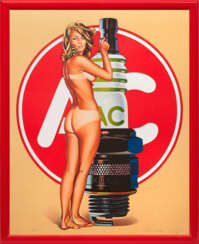





John Angus Chamberlain was an American sculptor. At the time of his death he resided and worked on Shelter Island, New York.
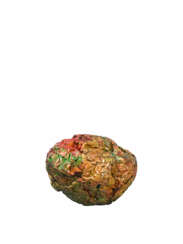
Chamberlain is best known for creating sculptures from old automobiles (or parts of) that bring the Abstract Expressionist style of painting into three dimensions.

![[TOFT, Mary (c.1703-1763)]](/assets/image/picture_5108857/0a548/8f614f9112b9d09c882d5f7b50ca63a81765321200jpg__fix_374_244.jpeg)
![[TOFT, Mary (c.1703-1763)]](https://veryimportantlot.com/assets/image/picture_5108857/0a548/8f614f9112b9d09c882d5f7b50ca63a81765321200jpg__fix_374_244.jpeg)






.jpg)
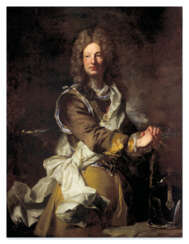
Jacint Rigau-Ros i Serra, known in French as Hyacinthe Rigaud, was a Catalan-French baroque painter most famous for his portraits of Louis XIV and other members of the French nobility.




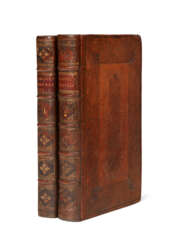

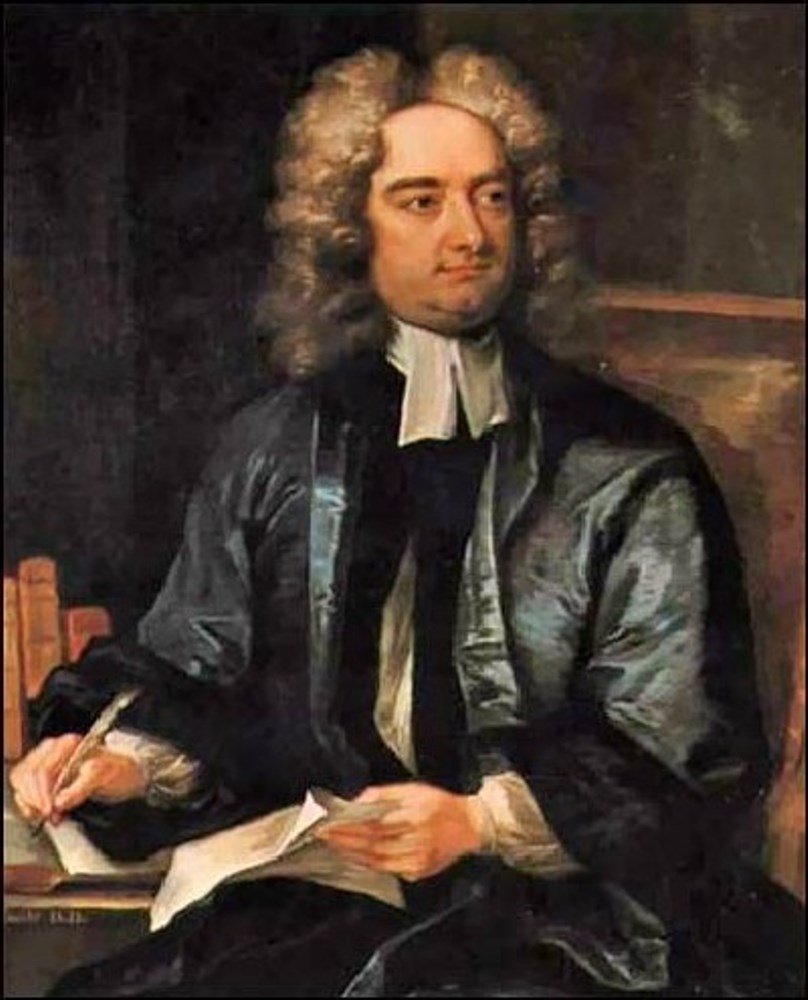
Jonathan Swift was a British-Irish writer, essayist, philosopher, and author of the world-famous satirical novel Gulliver's Travels.
Swift also wrote numerous works, including The Tale of the Barrel (1704), An Argument Against the Abolition of Christianity (1712), and A Modest Proposal (1729). Almost all of Swift's satirical works were published anonymously, giving the author wide latitude in expressing his talent as a satirist.
Swift was a clergyman, made a career in London, became the chief pamphleteer and political writer of the Tories and headed the Tory journal "The Inspector", and then returned to Ireland, where he created his major life's work.
The four-part novel Gulliver's Travels, Jonathan Swift's greatest satire, was first published in 1726 and has since been reprinted hundreds of times in many languages around the world. The author describes in an engaging style the different races and societies that Gulliver encounters on his travels to ridicule the many errors, follies, weaknesses and vices to which people and society at large are subject. The author's boundless imagination, bitter irony, keen intellect and brilliant language give this work a world-class scope.
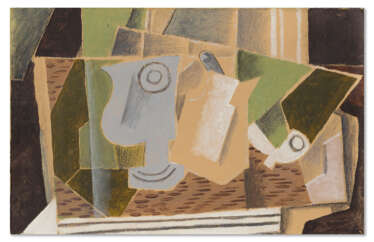

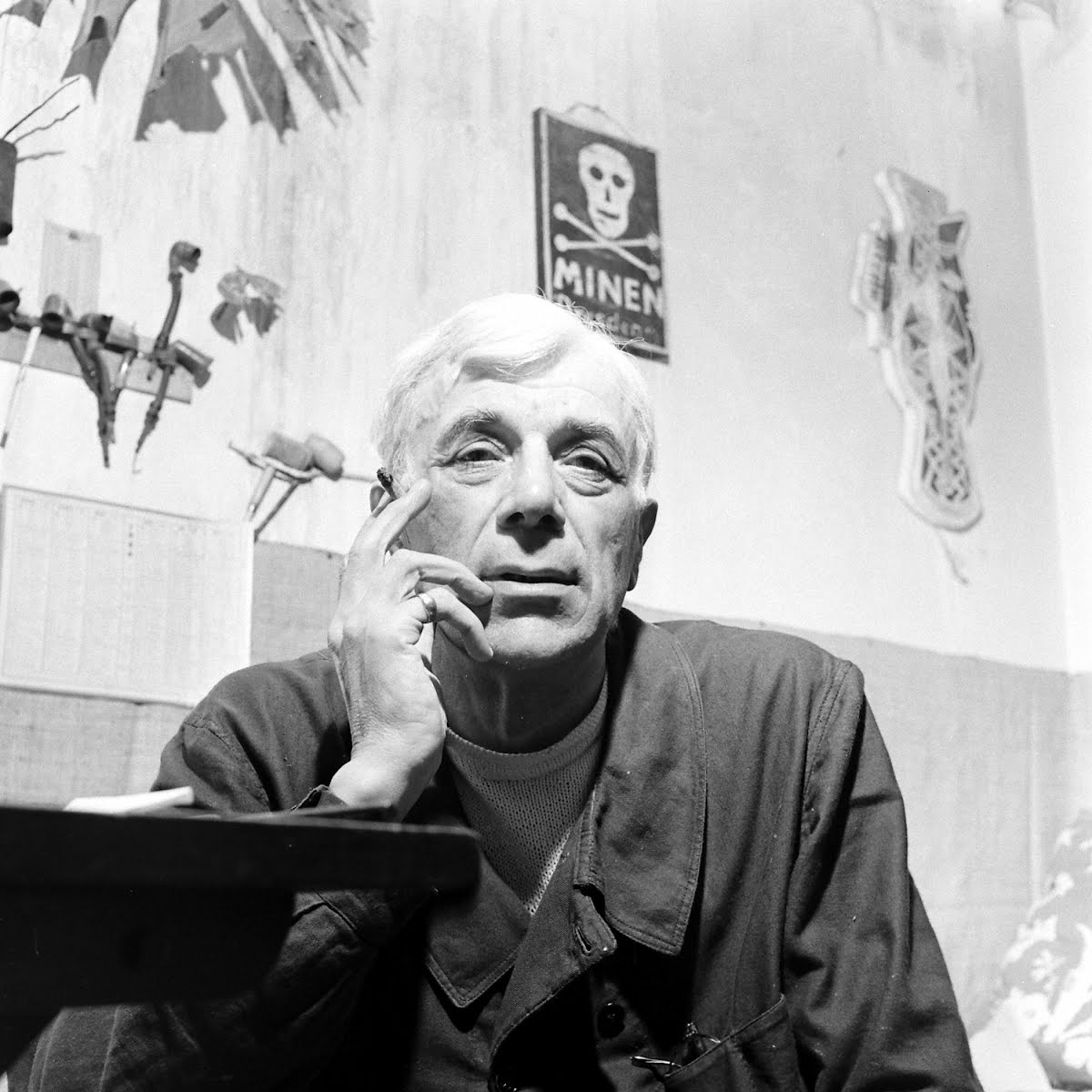
Georges Braque, a French artist, is celebrated as a pivotal figure in the development of Cubism, alongside Pablo Picasso. Braque's artistic journey transitioned from Impressionism to Fauvism before he delved into the groundbreaking realm of Cubism, characterized by its innovative use of perspective and geometric forms. His partnership with Picasso during the early 20th century marked a significant phase in art history, as they collectively pioneered the Analytic and Synthetic phases of Cubism.
Georges Braque's oeuvre is renowned for its technical precision, introspective quality, and harmonious color palettes. His contributions extended beyond painting to include sculpture and collage, demonstrating his versatile mastery over various mediums. Notable works like "Violin and Candlestick" and "Man with a Guitar" underscore his talent in transforming everyday objects into abstracted, multifaceted compositions.
Throughout his career, Georges Braque remained deeply committed to exploring the boundaries of visual perception and form. After World War I, his style evolved, incorporating brighter colors and new themes, yet he maintained a steadfast adherence to Cubist principles. His later years saw a focus on personal motifs, such as birds, which symbolized freedom and dynamism in his art.
Georges Braque's legacy is preserved in prestigious collections worldwide, including the Museum of Modern Art (MoMA), which houses a significant number of his works. His artistic innovations continue to inspire and influence the realms of art and culture.
For collectors and art enthusiasts, Georges Braque's work offers a profound insight into the evolution of modern art and the enduring allure of Cubism. His pieces are a testament to the enduring power of creativity and innovation in the face of changing artistic landscapes.
If you're keen on exploring Braque's contributions to art and wish to stay updated on exhibitions and sales featuring his work, consider subscribing for updates on Georges Braque's pieces and their presence in the art market today.
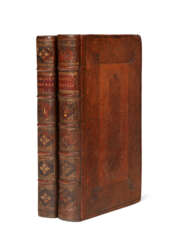

Jonathan Swift was a British-Irish writer, essayist, philosopher, and author of the world-famous satirical novel Gulliver's Travels.
Swift also wrote numerous works, including The Tale of the Barrel (1704), An Argument Against the Abolition of Christianity (1712), and A Modest Proposal (1729). Almost all of Swift's satirical works were published anonymously, giving the author wide latitude in expressing his talent as a satirist.
Swift was a clergyman, made a career in London, became the chief pamphleteer and political writer of the Tories and headed the Tory journal "The Inspector", and then returned to Ireland, where he created his major life's work.
The four-part novel Gulliver's Travels, Jonathan Swift's greatest satire, was first published in 1726 and has since been reprinted hundreds of times in many languages around the world. The author describes in an engaging style the different races and societies that Gulliver encounters on his travels to ridicule the many errors, follies, weaknesses and vices to which people and society at large are subject. The author's boundless imagination, bitter irony, keen intellect and brilliant language give this work a world-class scope.












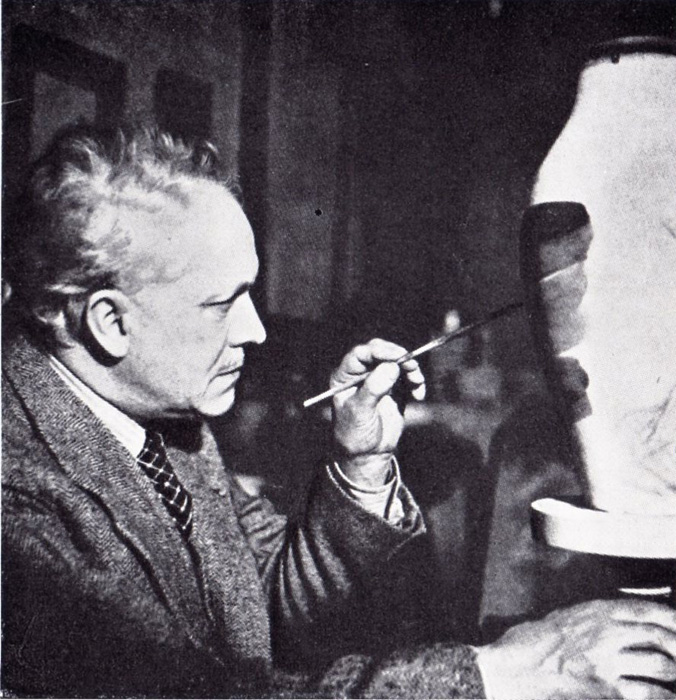
Raoul Dufy, a renowned French artist, is celebrated for his vibrant and decorative style, which left a significant mark in the realms of Fauvism and Post-Impressionism. Born in 1877 in Le Havre, France, Dufy's artistic journey was profoundly influenced by Henri Matisse's Fauvist work "Luxe, Calme et Volupté," which he encountered at the Salon des Indépendants in 1905. This experience steered him towards Fauvism, a style that emphasized bold contours and bright colors.
Dufy's artistic evolution saw him briefly embrace Cubism around 1920, after which he developed a unique approach. This approach, often referred to as stenographic, was characterized by skeletal structures, foreshortened perspectives, and the use of thin, quickly applied washes of color. His works, known for their cheerful and fashionably decorative nature, often depicted scenes of leisure like yachting, the French Riviera, and chic parties, capturing the essence of the period's optimism.
In addition to his painting, Dufy was also a commercial artist, illustrator, and designer, contributing significantly to textile design and public murals. His large-scale public art commissions combined modern and allegorical subjects with exuberant outlines and intense colors, showcasing a modernist take on traditional mural work. Notable works by Dufy include "The Regatta," "The Harvester," and the monumental "The Electricity Fairy," a large mural commissioned for the 1937 World's Fair in Paris.
His works are housed in prestigious public collections worldwide, including the Art Institute of Chicago, the Musée d'Art Moderne de Paris, and the National Gallery of Art in Washington, D.C. Despite his artistic achievements, Dufy's focus on decorative art and the lack of engagement with wider social concerns has led to a varied critical reception of his work. Nonetheless, his contribution to 20th-century art, particularly in popularizing a vibrant and illustrative style, remains undisputed.
If Raoul Dufy's artistry captivates you and you wish to stay informed about the latest artworks, exhibitions, and auction events related to this remarkable artist, we invite you to sign up for our updates. By subscribing, you'll receive timely notifications about new pieces for sale and upcoming auctions. This is a wonderful opportunity for collectors and art enthusiasts to enhance their appreciation and possibly their collections of Dufy's work. Stay connected with the world of art and don't miss any chance to acquire unique pieces by this celebrated artist.

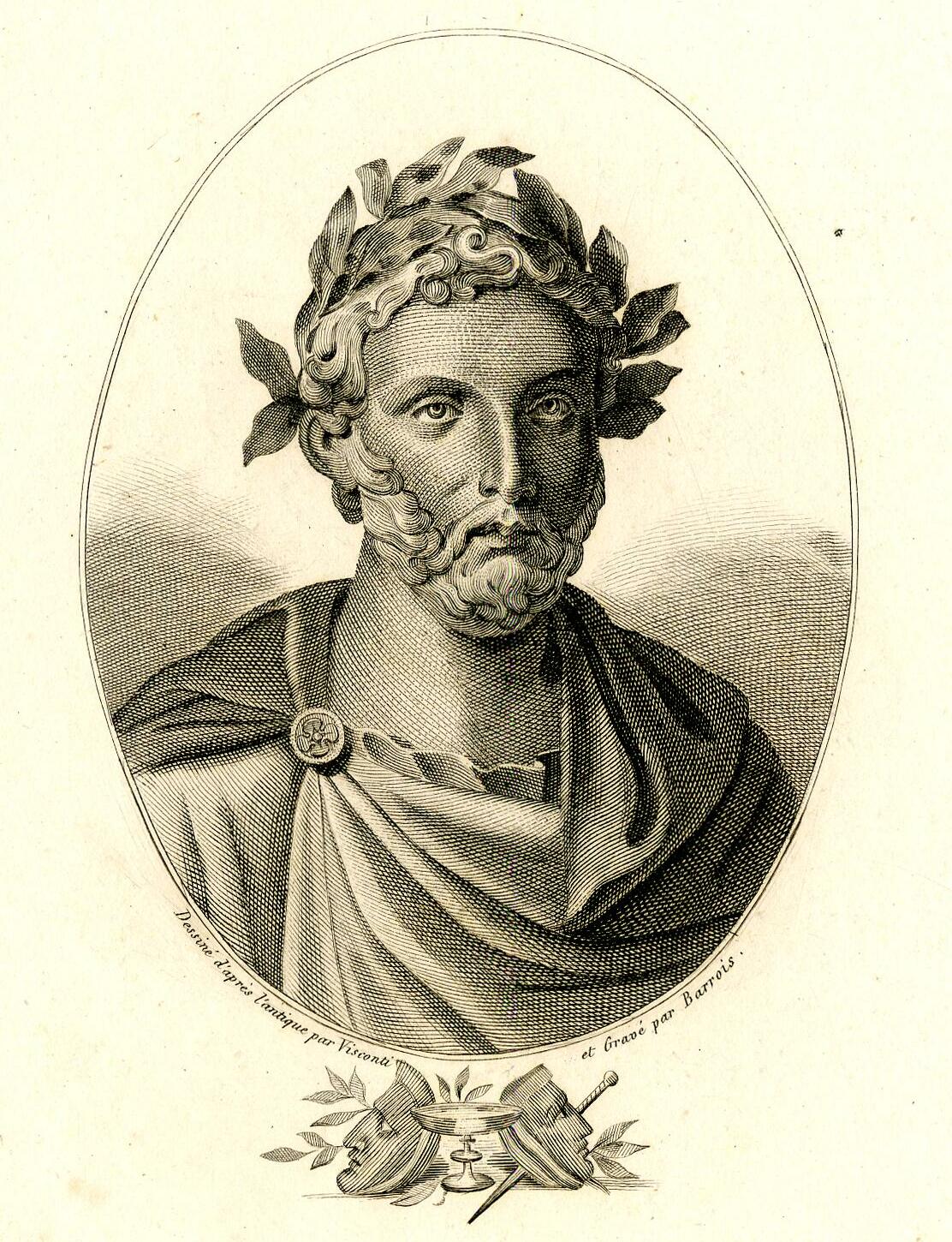
Titus Maccius Plautus, more commonly simply Plautus, was an ancient Roman playwright and comedian.
Little is known about his life, but it is believed that as a young man he worked as a stage master, stage designer, and possibly an actor. In time, Plautus went into the merchant business and, as far as is known, worked in a mill after the collapse of his enterprise. In his spare time he studied Greek dramaturgy, and by the age of forty had finally achieved success as a playwright whose comedies were the most popular dramatic works of their time.
Plautus's plays were largely borrowed from Greek works belonging to the New Comedy style. They were essentially social comedies of manners, which usually told of the domestic life of the middle and upper classes. But they also featured and played a significant role in them obliging slaves, and often young lovers, a strict father, a pimp, military men, etc. Plautus talentedly adapted Greek works for the Roman audience. Instead of exquisite Greek, Plautus deliberately used simple Latin, even street language, which was understandable to the lower classes that made up the bulk of his audience. The playwright had an excellent mastery of the art of theater and knew exactly what to include and what to change in the play to entertain the audience and at the same time not to hurt the tastes and ambitions of the upper classes.
Titus Maccius Plautus is one of the greatest playwrights of ancient Rome and was even granted Roman citizenship as a reward. Of his 130 plays have reached our time only twenty. Many great playwrights of the following centuries, including Shakespeare, based their comedies on Plautus' plots.

.jfif)
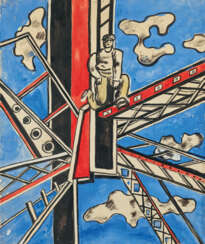
Joseph Fernand Henri Léger was a French artist renowned for his innovative approach to Cubism and his transition towards a figurative, populist style. Born in Argentan, Orne, Lower Normandy, Léger's early career was marked by a stint as an architectural draftsman and a series of educational pursuits that eventually led him to Paris, where he embraced painting seriously. His artistic journey was significantly influenced by the bold abstractions of Cubism, characterized by geometric shapes and a vibrant palette, distinguishing his work from his contemporaries with what came to be known as "Tubism".
Léger's service in World War I profoundly impacted his artistic direction, leading him to adopt a 'mechanical' style that depicted the modern industrial world with sleek, tubular forms. This period saw creations like "Soldier with a Pipe" and "The Card Players," reflecting his war experiences and the mechanical aesthetics of the time. The post-war era encouraged Léger to explore the mechanical style further, evident in works like "The Bargeman" and "Mechanical Elements," highlighting the pace of technological advancement.
Throughout his career, Léger's work evolved, notably in the 1920s, where he aligned with Purist ideas, blending classicism with modernity. This phase is exemplified in "Woman with a Cat," showcasing a classical form with a modern, polished finish. By the 1930s, Léger's art took a more figurative, populist turn, aiming to democratize contemporary art and make it more accessible. His commitment to art education, especially for the common worker, underscored his belief in the social role of art.
For those intrigued by Joseph Fernand Henri Léger's groundbreaking contributions to modern art, his works can be found in prestigious museums worldwide. His legacy continues to inspire art collectors and enthusiasts alike. To stay updated on exhibitions and auction events featuring Léger's work, sign up for updates and embrace the unique opportunity to explore the richness of his artistic endeavors.
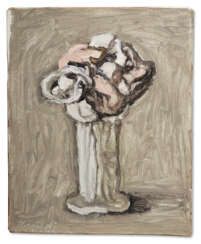

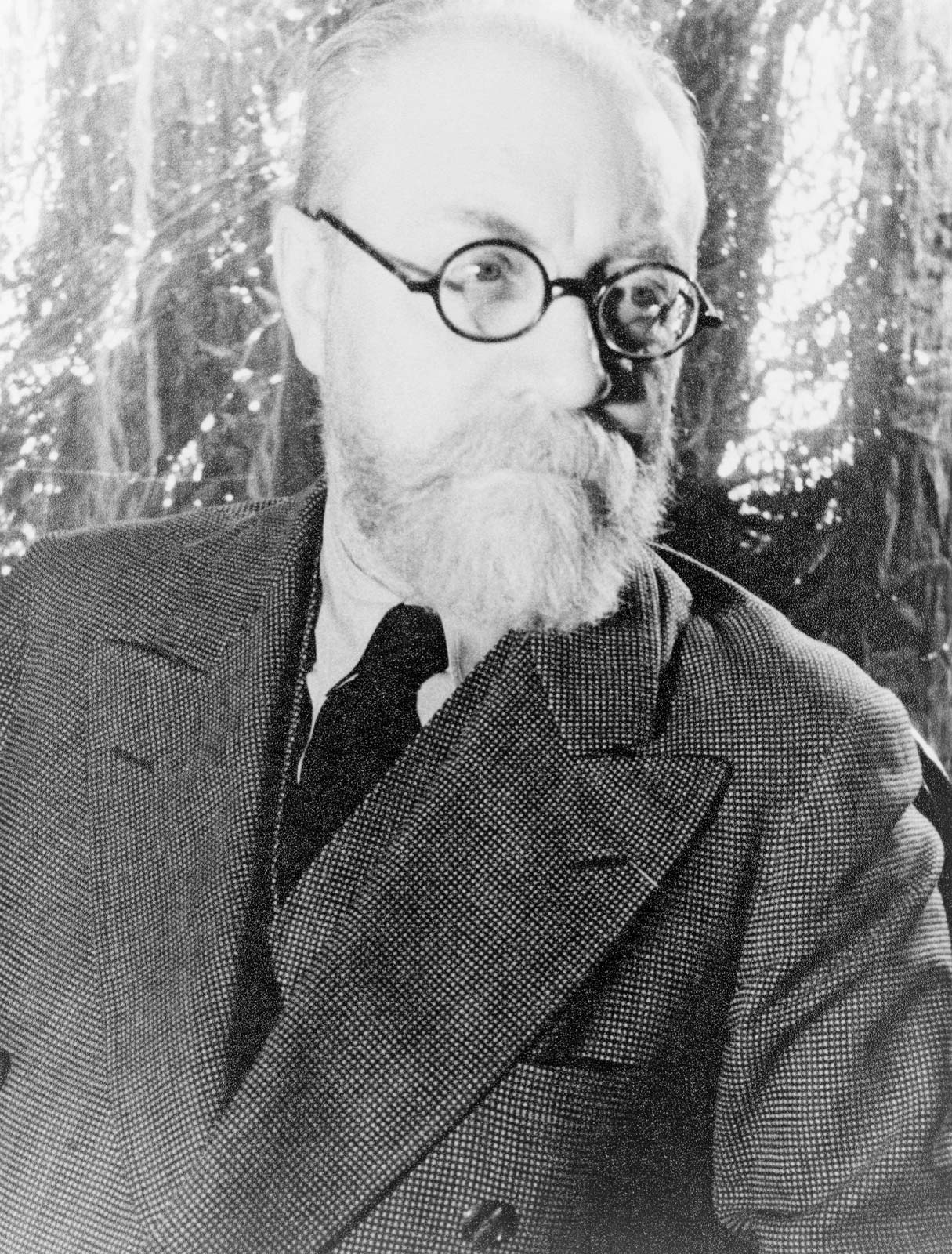
Henri Matisse, a renowned French visual artist, was celebrated for his vibrant use of color and fluid, original draughtsmanship. Born on December 31, 1869, in Le Cateau-Cambrésis, France, Matisse initially pursued a career in law before turning to art. He first began painting in 1889, a change inspired by convalescence art supplies his mother provided. This marked the beginning of a journey that would see him become a leading figure in modern art.
Matisse's career is notable for its stylistic evolution yet consistent aim to capture the "essential character of things." His early works, characterized by intense colorism, earned him recognition as one of the Fauves, or "wild beasts." The period from 1908 to 1913 was marked by significant developments, with works like "Reclining Odalisque" and "The Red Studio" showcasing his mastery in balance and serenity. In the 1920s, his style evolved to more relaxed forms, with a focus on light, color, and decorative patterns in paintings like his odalisque series.
Matisse's exploration of various mediums, including sculpture and paper collage, reflects his innovative spirit. His later years were dominated by cut paper collages, as health challenges limited his ability to paint. These works, alongside his bold drawings and sculptures, cemented his status as a pioneer in visual art.
For collectors and art experts, Matisse's work remains a testament to creative evolution and expressive use of color and form. His masterpieces can be found in prominent museums and galleries worldwide, continuing to inspire and fascinate art enthusiasts.
To stay updated on new product sales and auction events related to Henri Matisse's art, sign up for our updates. This subscription will keep you informed about opportunities to appreciate and acquire works connected to this iconic artist.