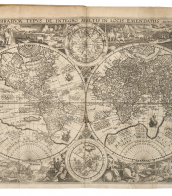
post no 625



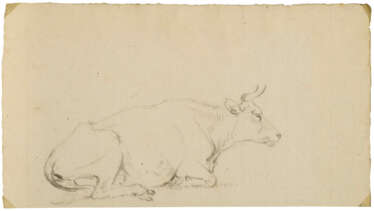

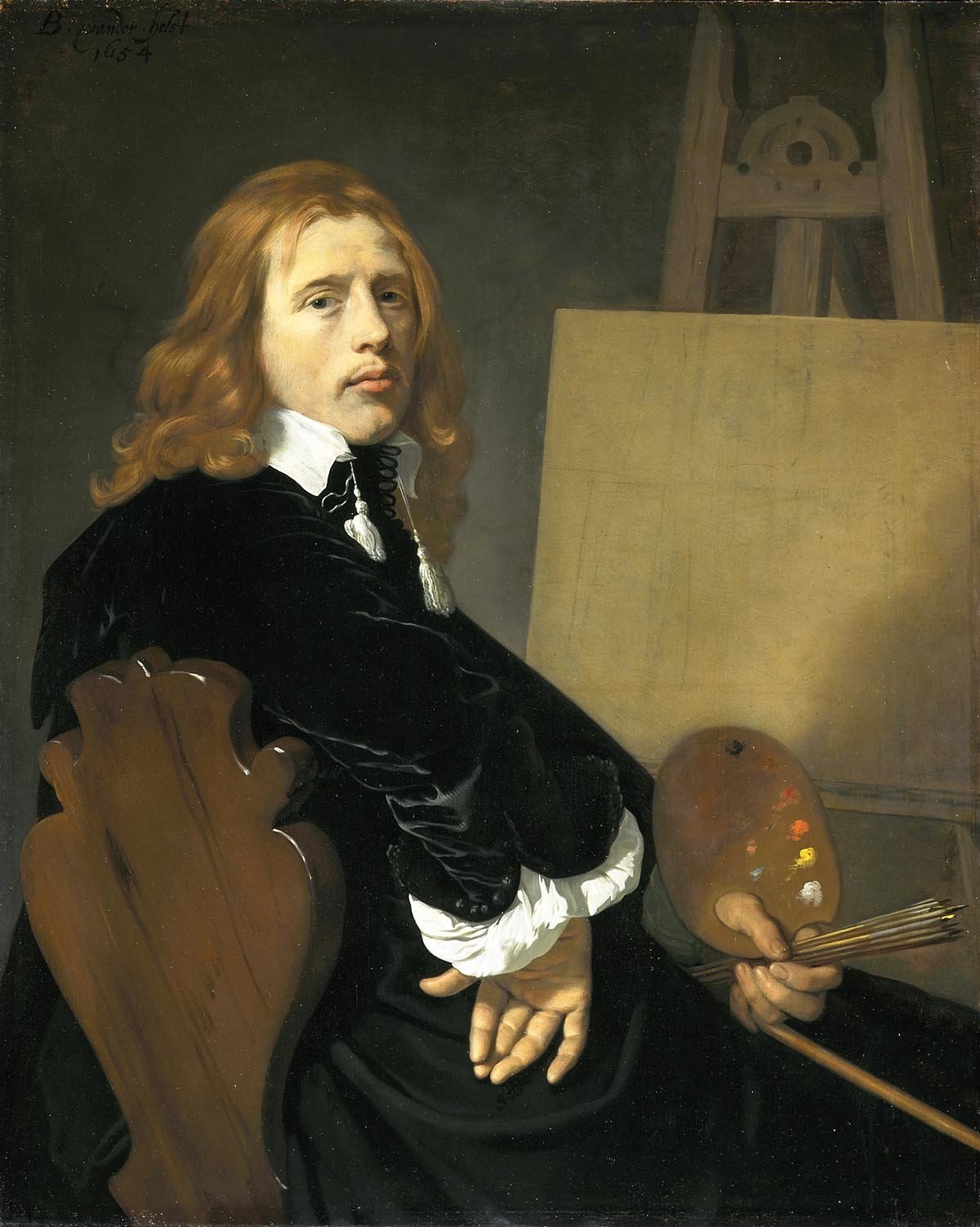
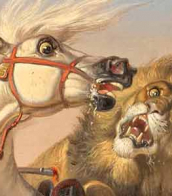
Paulus Potter was a Dutch painter who specialized in animals within landscapes, usually with a low vantage point.
Before Potter died of tuberculosis at the age of 28 he succeeded in producing about 100 paintings, working continuously.
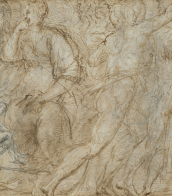
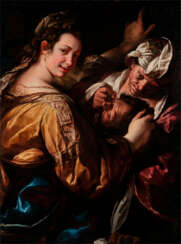

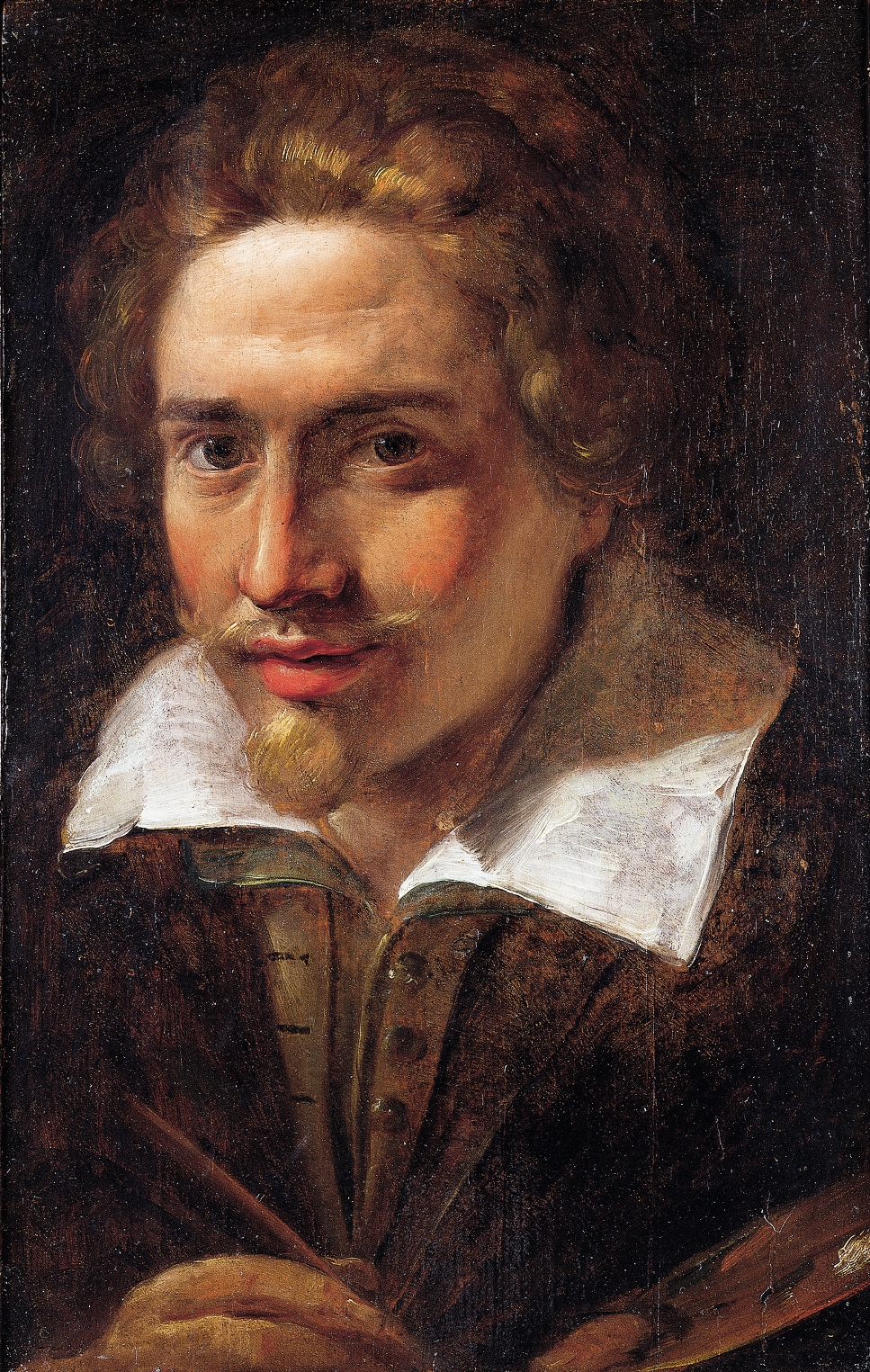
Giulio Cesare Procaccini was an illustrious Italian painter and sculptor of the Baroque period, celebrated for his dynamic and expressive works. Born in Bologna and later moving to Milan, Procaccini's artistry was deeply influenced by the emotional intensity of Mannerism and the vibrant colorism of Venetian painting, signaling the dawn of the Baroque era.
Procaccini's oeuvre includes significant altarpieces such as the "Circumcision" now in the Galleria Estense in Modena, and the "Last Supper" for the Basilica della Santissima Annunziata del Vastato in Genoa. His collaboration with artists like Giovanni Battista Crespi and Pier Francesco Mazzucchelli under the patronage of Cardinal Federico Borromeo highlighted his pivotal role in the Milanese art scene. Moreover, Procaccini's "Ecce Homo" at the Dallas Museum of Art and "The Agony in the Garden" at the Prado Museum in Madrid exemplify his mastery in depicting religious narratives with profound emotion and technical sophistication.
Procaccini's journey through the art world was marked by his initial work as a sculptor, later transitioning to painting, where he left a lasting legacy. Commissioned to paint scenes commemorating the life of Cardinal Carlo Borromeo in Milan Cathedral, his style evolved to exhibit increased clarity and a brighter palette, indicative of his maturation as an artist. His exposure to the works of Rubens and his travels across Italy allowed him to absorb and reinterpret the stylistic elements of Caravaggio, Correggio, and Parmigianino, enriching his own artistic language.
Though not represented in London's National Gallery, Procaccini's paintings grace collections across Europe and beyond, with notable works in the north of England, including "The Mocking of Christ" at Museums Sheffield and "The Raising of the Cross" at the National Galleries of Scotland. These pieces demonstrate his skillful use of color and ability to convey the physical and emotional weight of biblical stories.
For collectors and experts in art and antiques, Giulio Cesare Procaccini represents a fascinating study in the transition from Mannerism to Baroque, embodying the emotional depth and innovative spirit of early 17th-century Italian art. His contributions to the Baroque period remain a testament to his versatility and enduring appeal.
For updates on new discoveries, sales, and auction events related to Giulio Cesare Procaccini, consider signing up for relevant newsletters or alerts. This ensures that enthusiasts and collectors alike are well-informed about the latest opportunities to engage with the magnificent art of Procaccini.



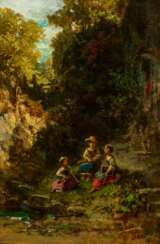

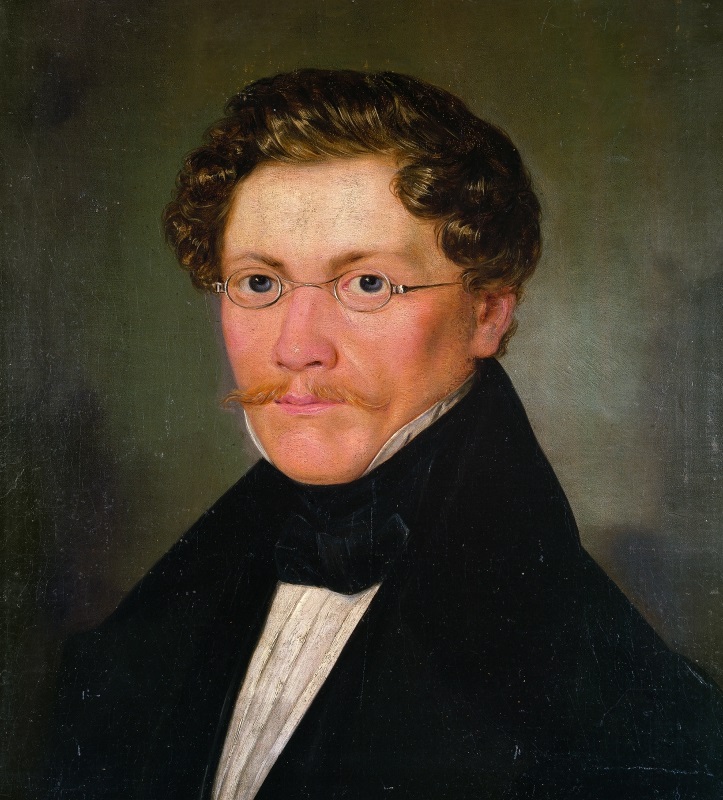
Carl Spitzweg was a German romanticist painter, especially of genre subjects. He is considered to be one of the most important artists of the Biedermeier era.



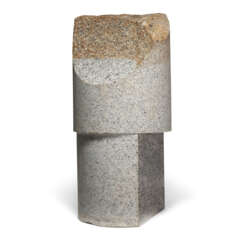

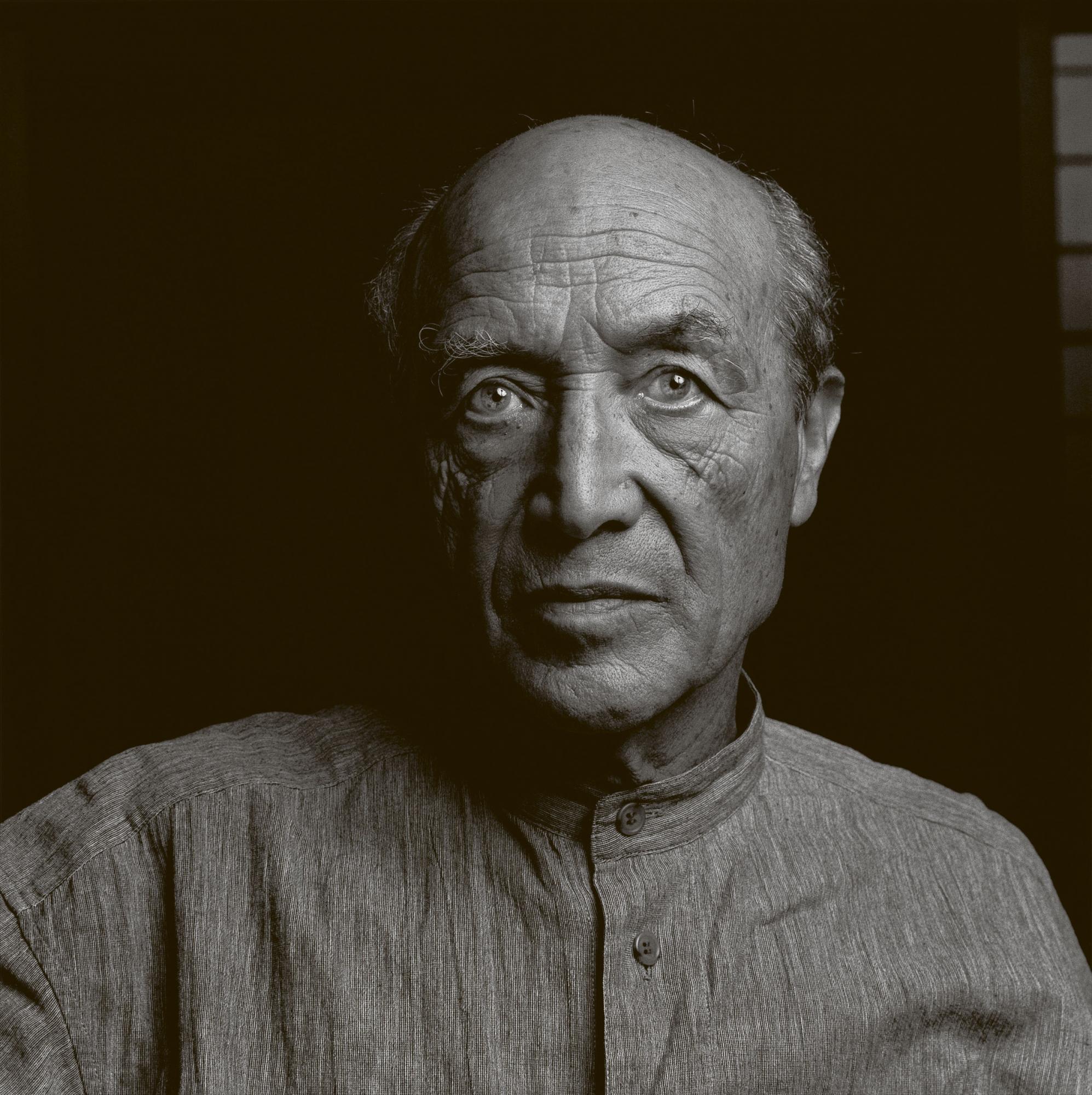
Isamu Noguchi (野口 勇) was an American artist and landscape architect whose artistic career spanned six decades, from the 1920s onward. Known for his sculpture and public artworks, Noguchi also designed stage sets for various Martha Graham productions, and several mass-produced lamps and furniture pieces, some of which are still manufactured and sold.
In 1947, Noguchi began a collaboration with the Herman Miller company, when he joined with George Nelson, Paul László and Charles Eames to produce a catalog containing what is often considered to be the most influential body of modern furniture ever produced, including the iconic Noguchi table which remains in production today. His work lives on around the world and at the Isamu Noguchi Foundation and Garden Museum in New York City.




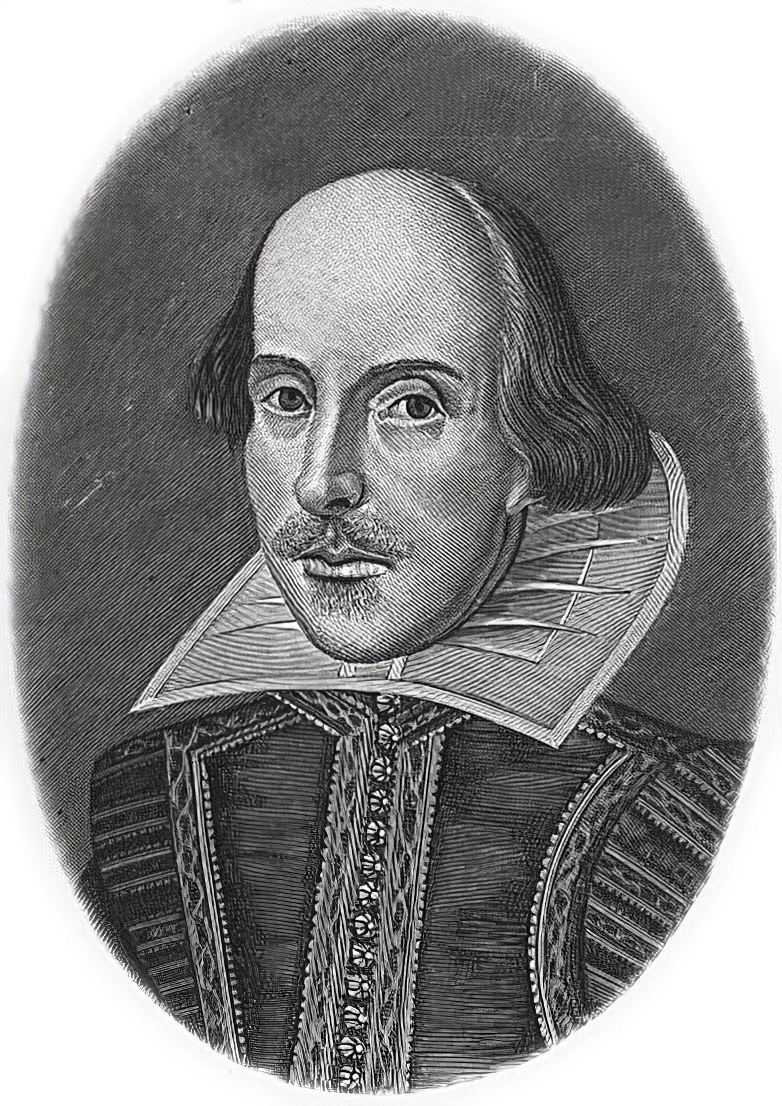
William Shakespeare was a British poet and playwright and writer.
William's father, John Shakespeare, was a merchant and official in Stratford. There are reports that he was a sailor for a time before joining a theater company in London. Beginning in the 1590s, Shakespeare began writing plays, and in 1593 he published a poem, Venus and Adonis, which became popular. He dedicated it to the Duke of Southampton, who was a philanthropist and patron of talent, and soon his business was booming.
From 1592 to 1600 Shakespeare wrote his dramas and romantic comedies "Richard III", "The Taming of the Shrew", "Romeo and Juliet", "A Midsummer Night's Dream" and "The Merchant of Venice", as well as the comedies "Much Ado About Nothing", "Twelfth Night" and the tragedy "Julius Caesar". The playwright's business was so successful that he even bought a large house in Stratford. In 1599, Shakespeare became one of the owners, playwright and actor of the new theater "Globe". In 1603 King James took Shakespeare's troupe under his direct patronage. In the mature period, the great playwright turned to tragedies, there were "Hamlet", "Othello", "King Lear", "Macbeth" and others.
Although in the 19th century researchers had some doubts about the authorship of many of these works, William Shakespeare is considered the greatest English playwright, one of the best playwrights in the world. His plays have been translated into all major languages and to this day form the basis of the world theatrical repertoire, most of them have been screened many times. According to the Guinness Book of Records, Shakespeare remains the world's best-selling playwright, and his plays and poems have sold more than 4 billion copies in the nearly 400 years since his death.
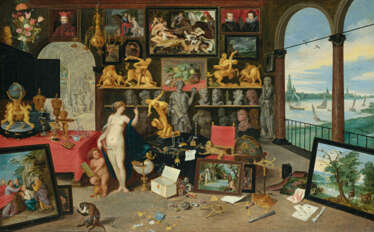

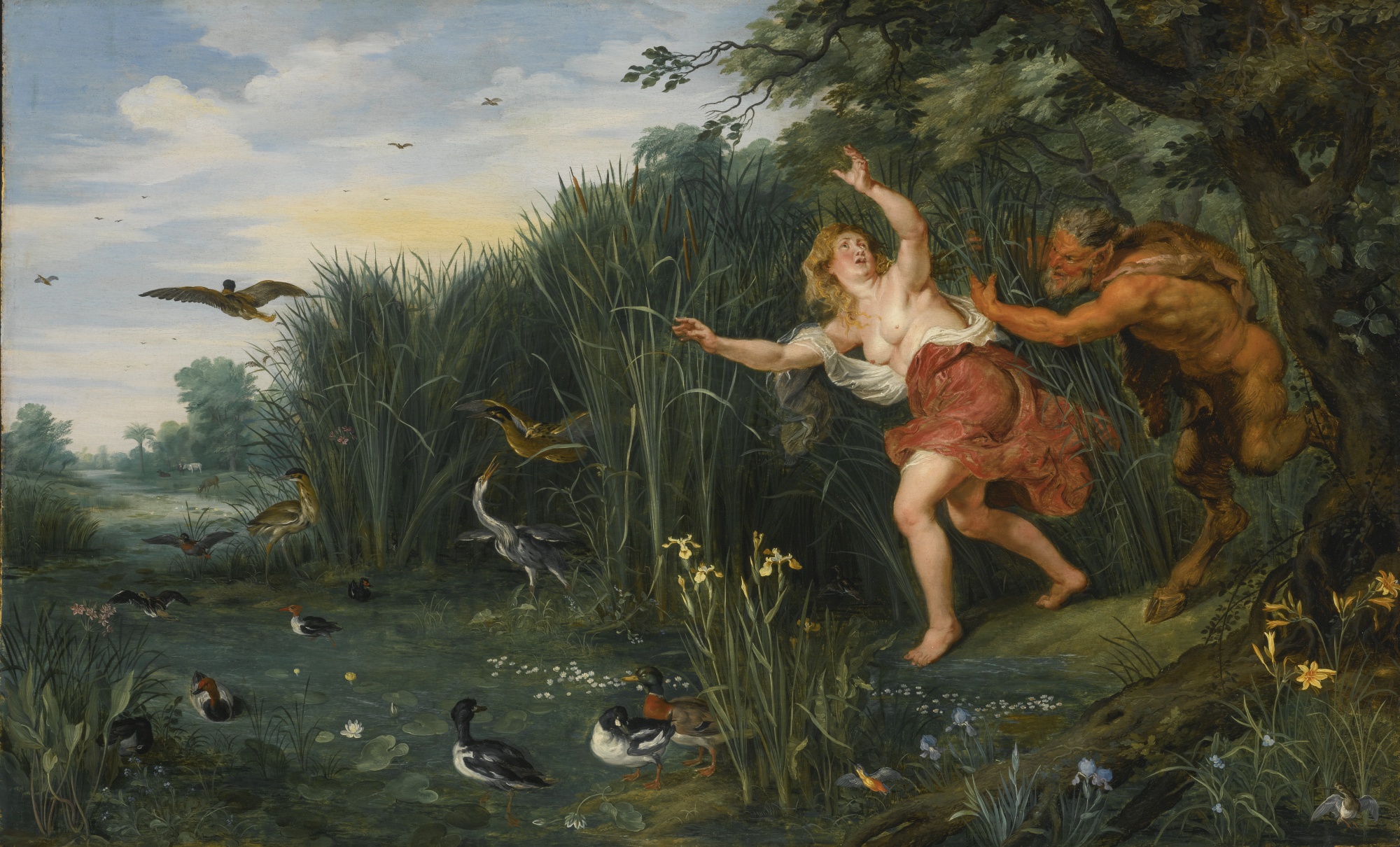
Jan Bruegel the Younger was a Flemish Baroque painter. He was the son of Jan Brueghel the Elder, and grandson of Pieter Bruegel the Elder, both prominent painters who contributed respectively to the development of Renaissance and Baroque painting in the Habsburg Netherlands. Taking over his father's workshop at an early age, he painted the same subjects as his father in a style which was similar to that of his father. He regularly collaborated with leading Flemish painters of his time.


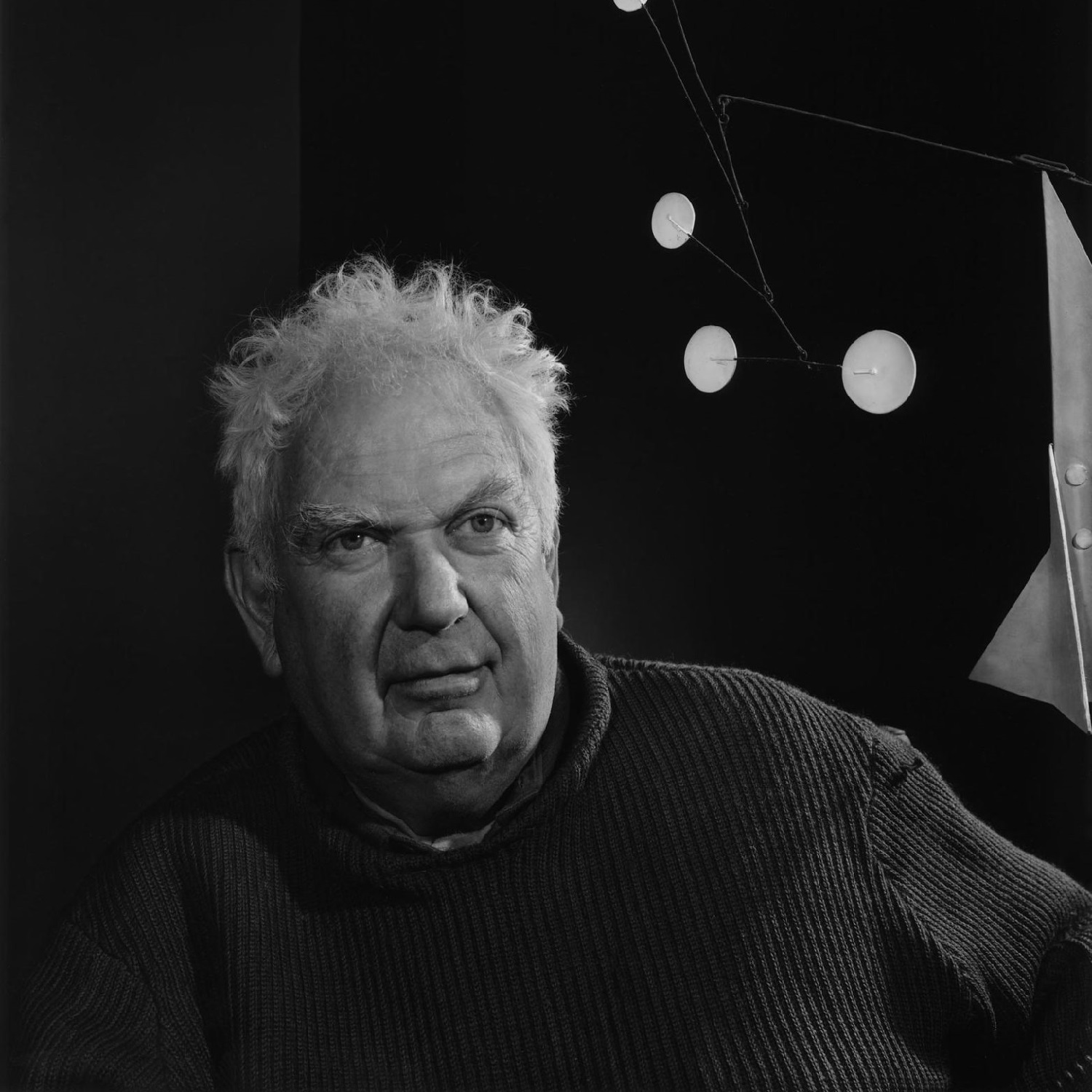
Alexander Calder was an American artist celebrated for his revolutionary contributions to modern sculpture, including his invention of the mobile. Born into a family of artists on July 22, 1898, in Lawnton, Pennsylvania, and passing away on November 11, 1976, in New York, Calder harnessed his background in mechanical engineering to create kinetic sculptures that moved with air currents, alongside his monumental stationary sculptures known as "stabiles".
Calder's early life was marked by his creation of toys and various objects, showcasing his inherent talent and creativity from a young age. Despite initially pursuing a career in mechanical engineering, Calder's true calling in the arts was undeniable. He moved to New York City, where he enrolled at the Art Students League, laying the groundwork for his iconic artistic style. In 1926, Calder relocated to Paris, which became a pivotal moment in his career, leading to the creation of "Calder's Circus," a whimsical assembly of wire figures that gained him entry into the avant-garde art circles of Europe.
Throughout the 1930s and beyond, Calder's work evolved from figurative painting to abstract sculptures that brought motion into the realm of art, a transition influenced by his visit to Piet Mondrian's studio. His innovative mobiles and stabiles were celebrated for their ingenuity and aesthetic appeal, earning Calder international recognition and numerous accolades. Among his well-known public commissions are the .125 mobile for John F. Kennedy Airport and the monumental red-painted steel stabile, "Flamingo," for the Federal Center Plaza in Chicago.
Calder's legacy extends far beyond his sculptures; his work encompassed painting, printmaking, jewelry design, and even set and costume design for theatre productions. His influence on modern art is profound, inspiring future generations of artists to explore the kinetic possibilities of sculpture.
For art enthusiasts and collectors interested in Alexander Calder's groundbreaking work, staying informed about upcoming sales and auctions is essential. Sign up for updates to never miss an opportunity to own a piece by this influential American sculptor, highlighting his unique contributions to the art world.