produits et art de l'inde



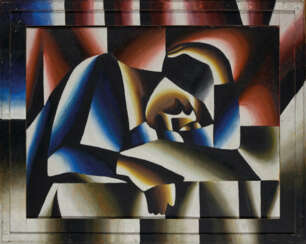

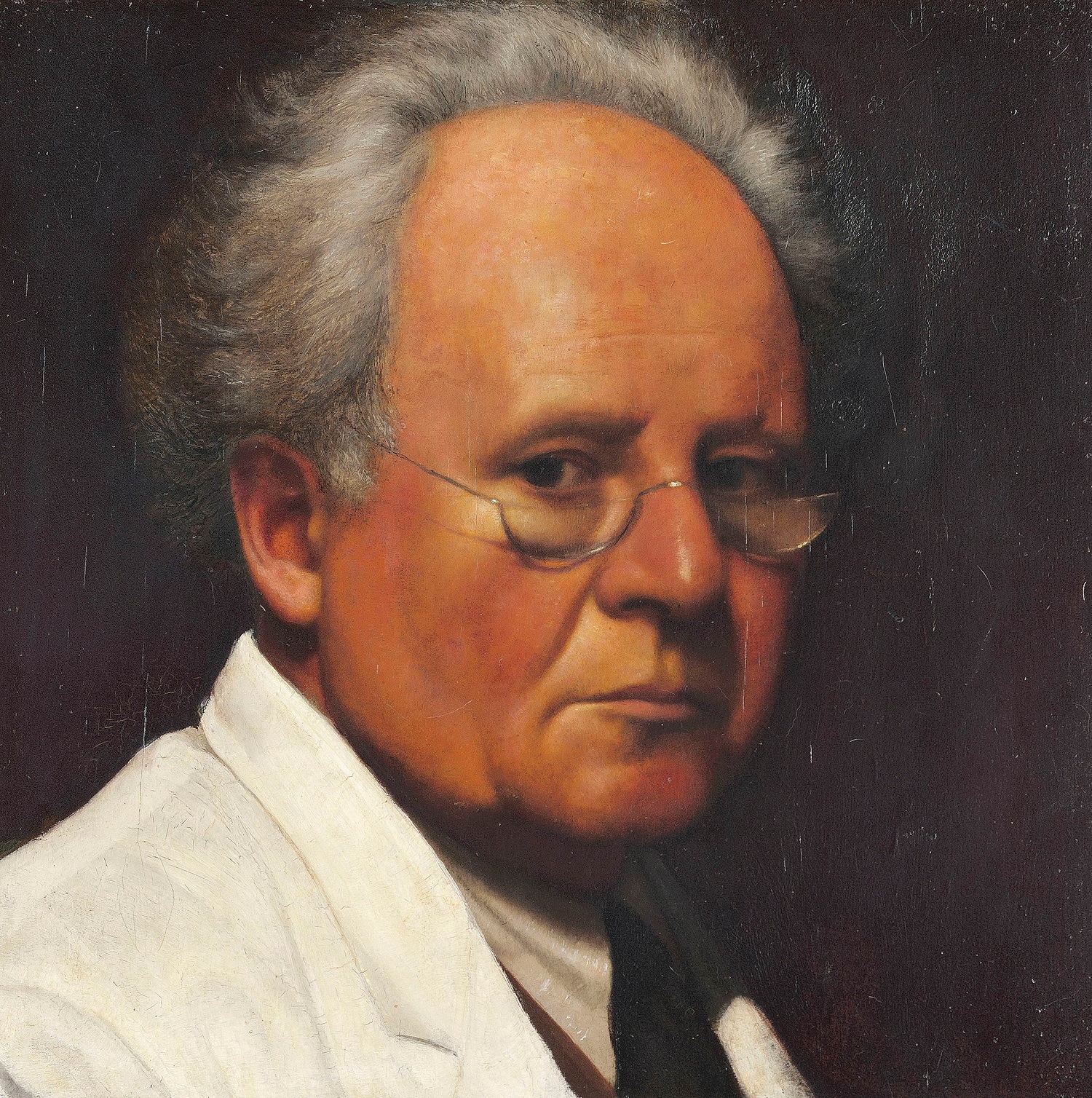
Artur Segal was a Romanian artist and author.
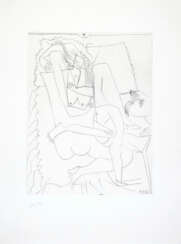

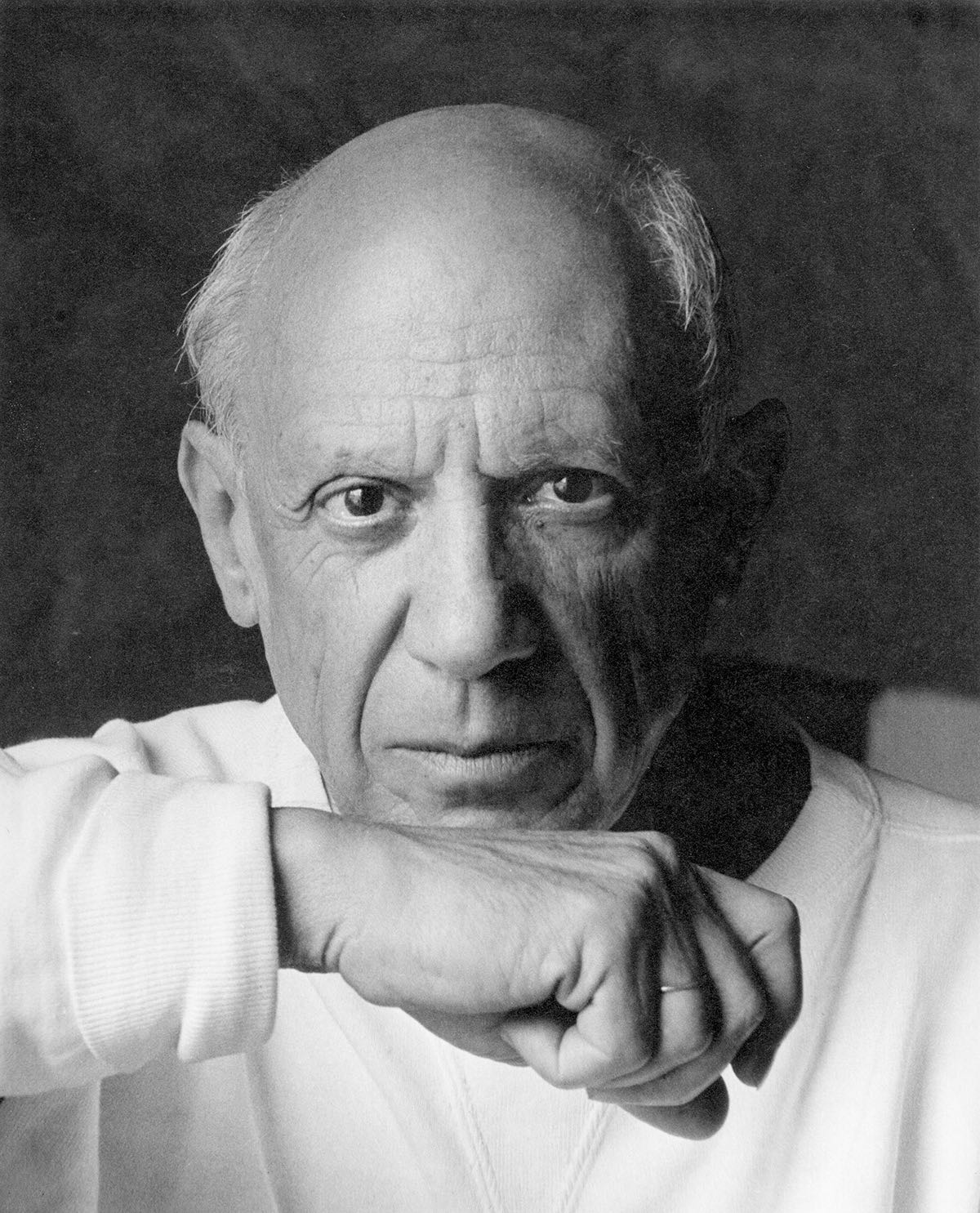
Pablo Ruiz Picasso, a Spanish artist renowned for his revolutionary contributions to the 20th-century art scene, is a figure that resonates profoundly with collectors and art experts. His unique blend of talents in painting, sculpture, printmaking, and ceramic art, infused with his time in France, positioned him as a pivotal character in modern art history.
Picasso's artistic journey was marked by distinct periods, each showcasing his evolving style and genius. His early years were characterized by the Blue Period (1901-1904), followed by the Rose Period (1904-1906), and then the African-influenced Period (1907-1909). Picasso's name is synonymous with Cubism, a movement he co-founded, which significantly altered artistic perspectives and methods. Works like "Les Demoiselles d'Avignon" (1907) and "Guernica" (1937) are emblematic of his cubist legacy, the latter being a poignant anti-war statement that remains influential.
His later years saw a return to more traditional styles, with neoclassical and surrealist influences becoming evident. Works from these phases reflect a deep engagement with mythological themes, as seen in "Faun with Stars" (1955), symbolizing his late-life romance with Jacqueline Roque, his second wife.
Picasso's prolific output and innovative spirit made him a legend in his own time, a status that only grew after his death. His works, housed in major museums and private collections worldwide, continue to captivate and inspire.
As a collector or expert in art and antiques, staying informed about Picasso's works, their auction events, and sales is essential. To stay updated on the latest developments and opportunities related to Pablo Picasso, sign up for our specialized updates. Rest assured, this subscription will focus solely on new product sales and auction events pertaining to Picasso's art, ensuring that you receive only the most relevant and valuable information.
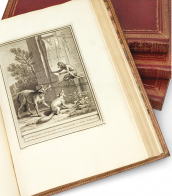
![[GRIMOD DE LA REYNIÈRE, Alexandre-Balthazar-Laurent (1758-1837)].](/assets/image/picture_2735026/028d2/0dfe0706bfeb59715d22c321b0e9f9ad1679526000jpg__fix_374_244.jpeg)
![[GRIMOD DE LA REYNIÈRE, Alexandre-Balthazar-Laurent (1758-1837)].](https://veryimportantlot.com/assets/image/picture_2735026/028d2/0dfe0706bfeb59715d22c321b0e9f9ad1679526000jpg__fix_374_244.jpeg)
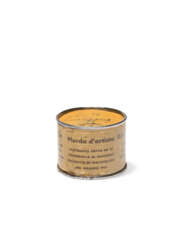

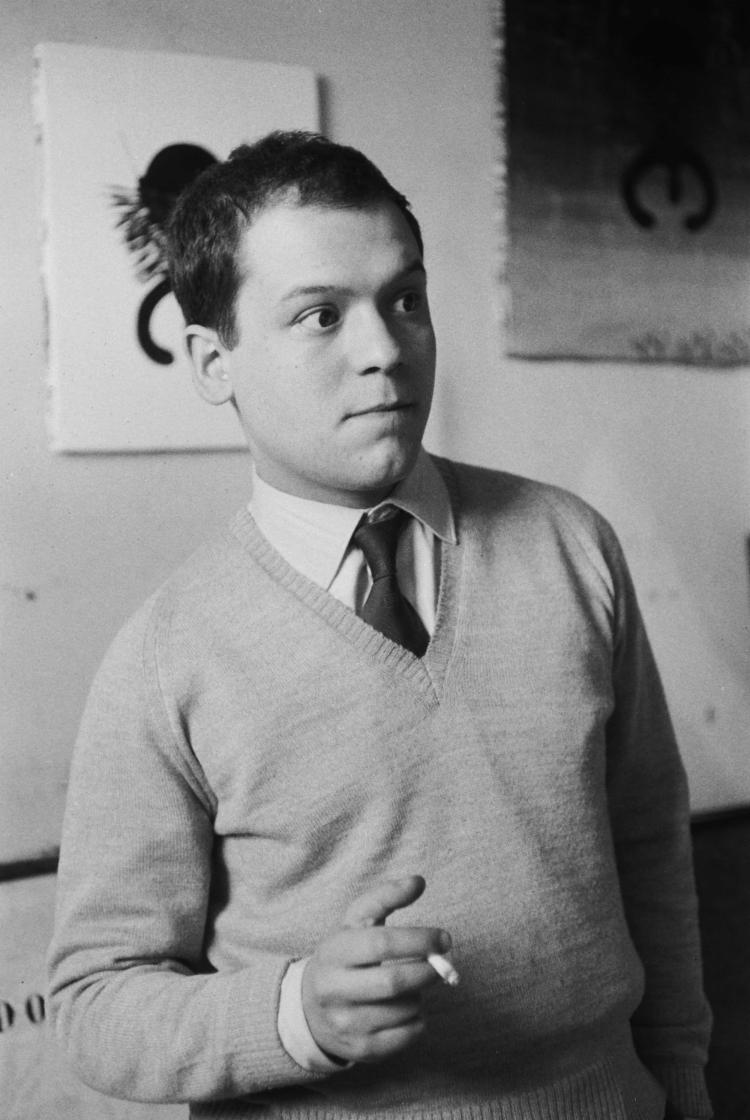
Piero Manzoni was an Italian artist. He was a leading figure in the Italian avant-garde movement of the 1950s and 1960s, and is best known for his conceptual and performance artworks.
Manzoni's works often involved the use of unconventional materials, such as his famous series of "Artist's Shit" cans, which were filled with his own excrement and sealed with a label that declared "Artist's Shit". He also created works using cotton balls, balloons, and even human hair.
One of Manzoni's most famous performances was "Living Sculptures," in which he covered himself in gold paint and posed as a living statue in a gallery. He also created a "Base of the World," a pedestal labeled with that phrase, and invited people to stand on it, thereby declaring themselves the center of the world.
Manzoni's works challenged traditional notions of art and pushed the boundaries of what was considered acceptable as artistic expression.

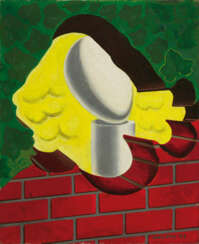

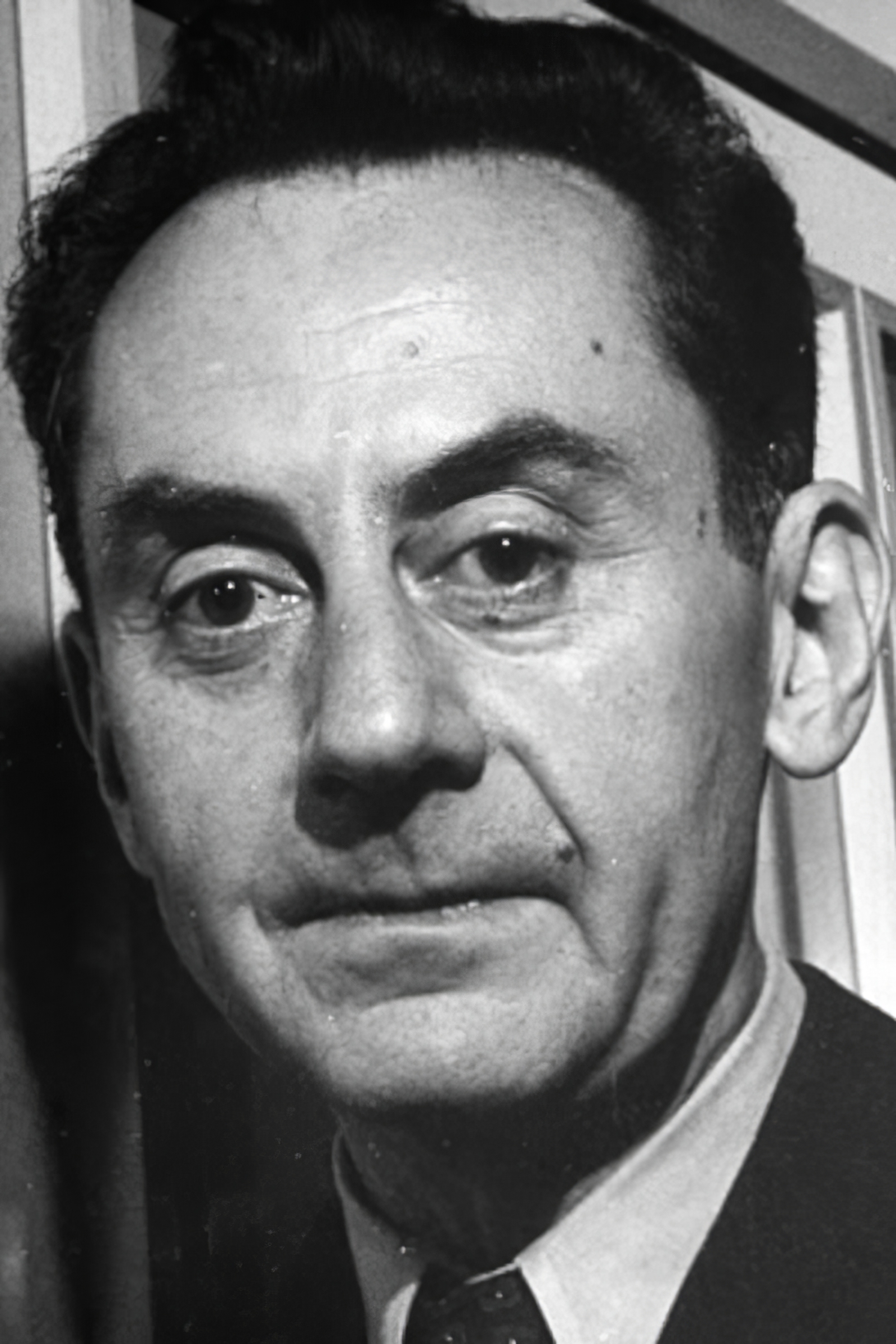
Man Ray, born Emmanuel Radnitzky, was an American visual artist who played a significant role in the Dada and Surrealist movements. His pioneering efforts in photography, alongside his work in painting and sculpture, have cemented his place as a major figure in modern art. Known for his innovative techniques and the ability to convey complex ideas through simple, striking visuals, Man Ray's contribution to the art world is profound.
Throughout his career, Man Ray was celebrated for his avant-garde approach and his ability to transcend traditional boundaries between different artistic mediums. His photography, characterized by experimental techniques such as solarization and rayographs (cameraless photographs), challenged conventional perceptions of photography as merely a means of representation. These artistic innovations made him a central figure in both Parisian and American art circles.
Man Ray's works are housed in some of the world's most prestigious museums and galleries, including the Museum of Modern Art in New York and the Centre Pompidou in Paris. His pieces, such as "Le Violon d'Ingres" and "Noire et Blanche," are iconic images that continue to influence artists today. His ability to blend the abstract with the realistic, and the humorous with the serious, has left a lasting legacy in the world of art.
For collectors and experts in art and antiques, the work of Man Ray offers a glimpse into the revolutionary changes that shaped the visual arts in the 20th century. His unique perspective and pioneering techniques continue to inspire and challenge those interested in the boundaries of creativity and expression.
If you're passionate about the avant-garde, or simply wish to explore the fascinating world of Man Ray further, sign up for our updates. You'll receive alerts on new product sales and auction events related to Man Ray, ensuring you never miss an opportunity to engage with the legacy of this extraordinary artist.


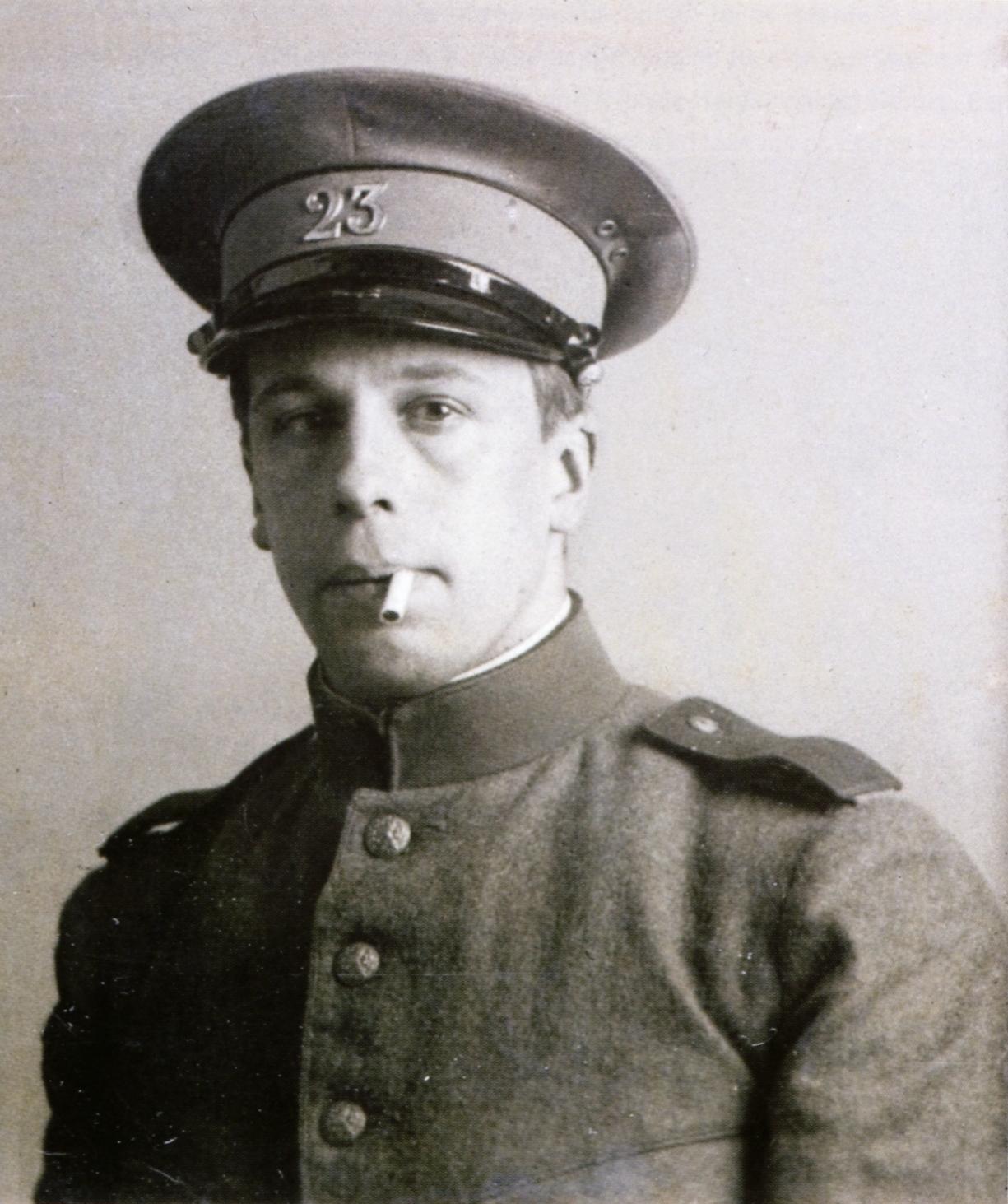
Theo van Doesburg, real name Christian Emil Marie Küpper, is a Dutch painter, architect and sculptor, art theorist, co-founder of the Style Group and of Neoplasticism.
Theo van Doesburg co-founded with Piet Mondrian the De Stijl abstract art movement. The basis of van Doesburg's views was the attempt to reduce all forms of objective harmony in a work of art to certain geometric elements. These new principles soon had a significant influence on the development of architecture, literature, graphics and music.
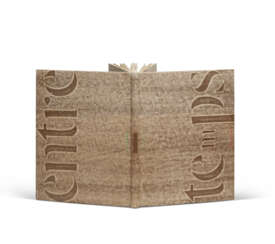

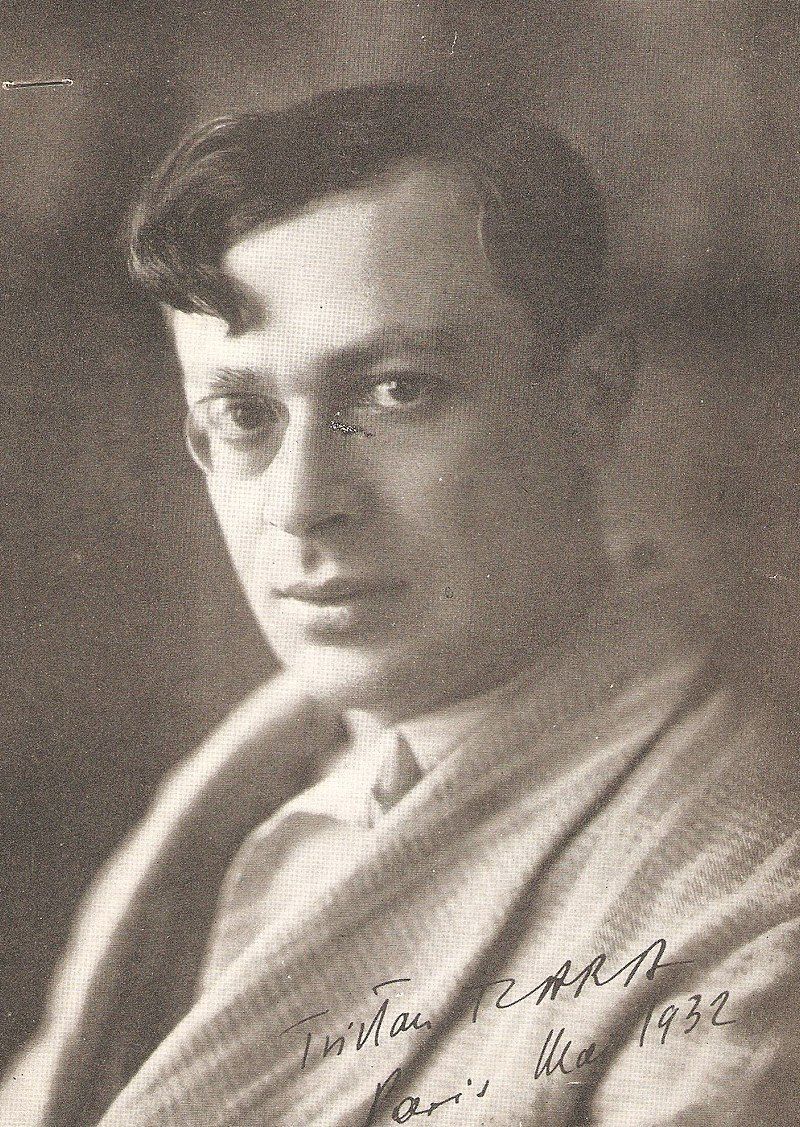
Tristan Tzara, originally named Sami (Samuel) Rosenstock, was a Romanian and French artist and writer best known as a founding figure of the Dada movement. Born in 1896 in Moinești, Romania, Tzara's influence extends across poetry, performance, and manifesto writing, marking him as a pivotal personality in 20th-century art and culture. His work challenged conventional norms and sought to disrupt the traditional boundaries of art, making him a central figure in the avant-garde community.
Dada, the movement with which Tzara is most closely associated, emerged as a reaction against the horrors of World War I, advocating for irrationality and anti-bourgeois protest. Tzara's contributions, including his manifestos, poetry, and performances, were instrumental in shaping Dada's legacy. His art and writings emphasized the importance of spontaneity and chaos, challenging the status quo and the very definition of art itself. Tzara's approach was not confined to a single medium; he explored poetry, playwriting, and critical theory, leaving a diverse and impactful body of work.
Though Tzara is not widely known for sculpture or painting in the traditional sense, his influence on these and other art forms is undeniable. His work and ideas laid the groundwork for later avant-garde movements, including Surrealism. While specific works of Tzara in museums or galleries were not detailed in the research, his legacy is preserved through the collections of major institutions worldwide, reflecting his enduring impact on the arts.
For collectors and experts in art and antiques, understanding Tzara's contributions provides insight into the radical shifts in culture and art in the early 20th century. His work remains a testament to the power of art to challenge, provoke, and transform. To stay informed about new product sales and auction events related to Tristan Tzara, sign up for our updates. This subscription ensures you're alerted to unique opportunities to engage with the history and legacy of a key figure in modern art.
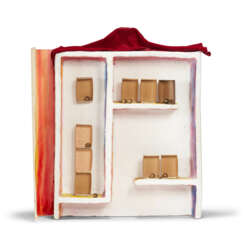

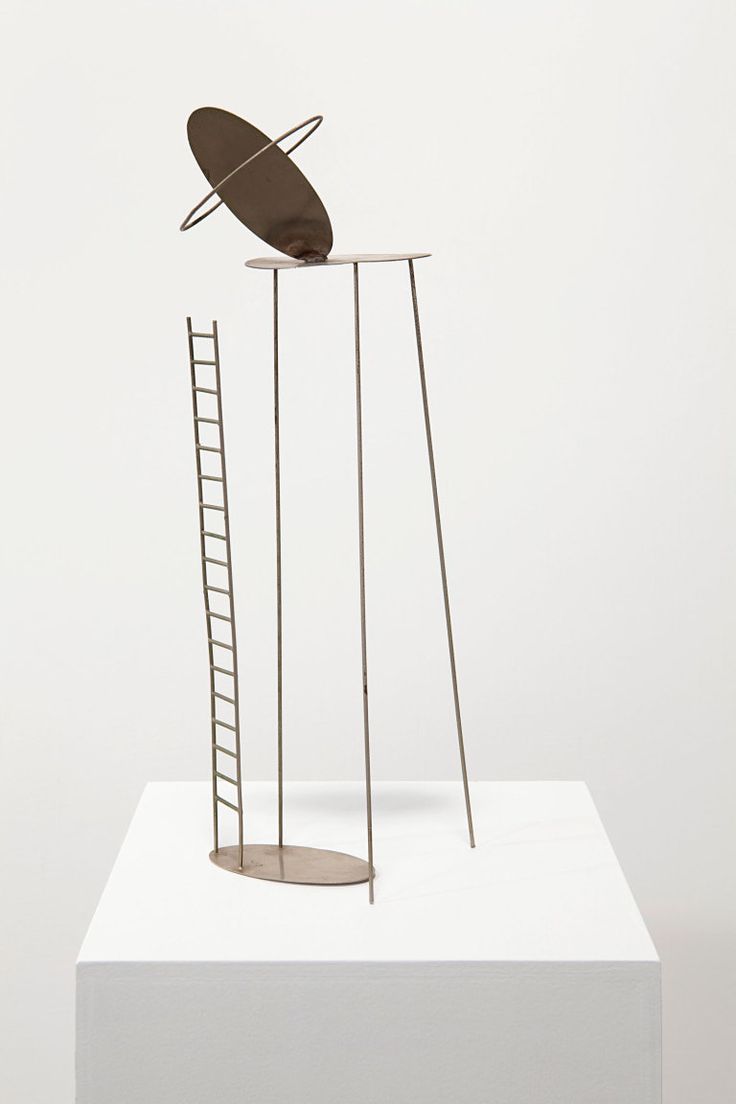
Fausto Melotti was an Italian sculptor, ceramicist, poet, and theorist.
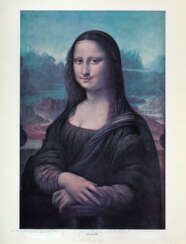

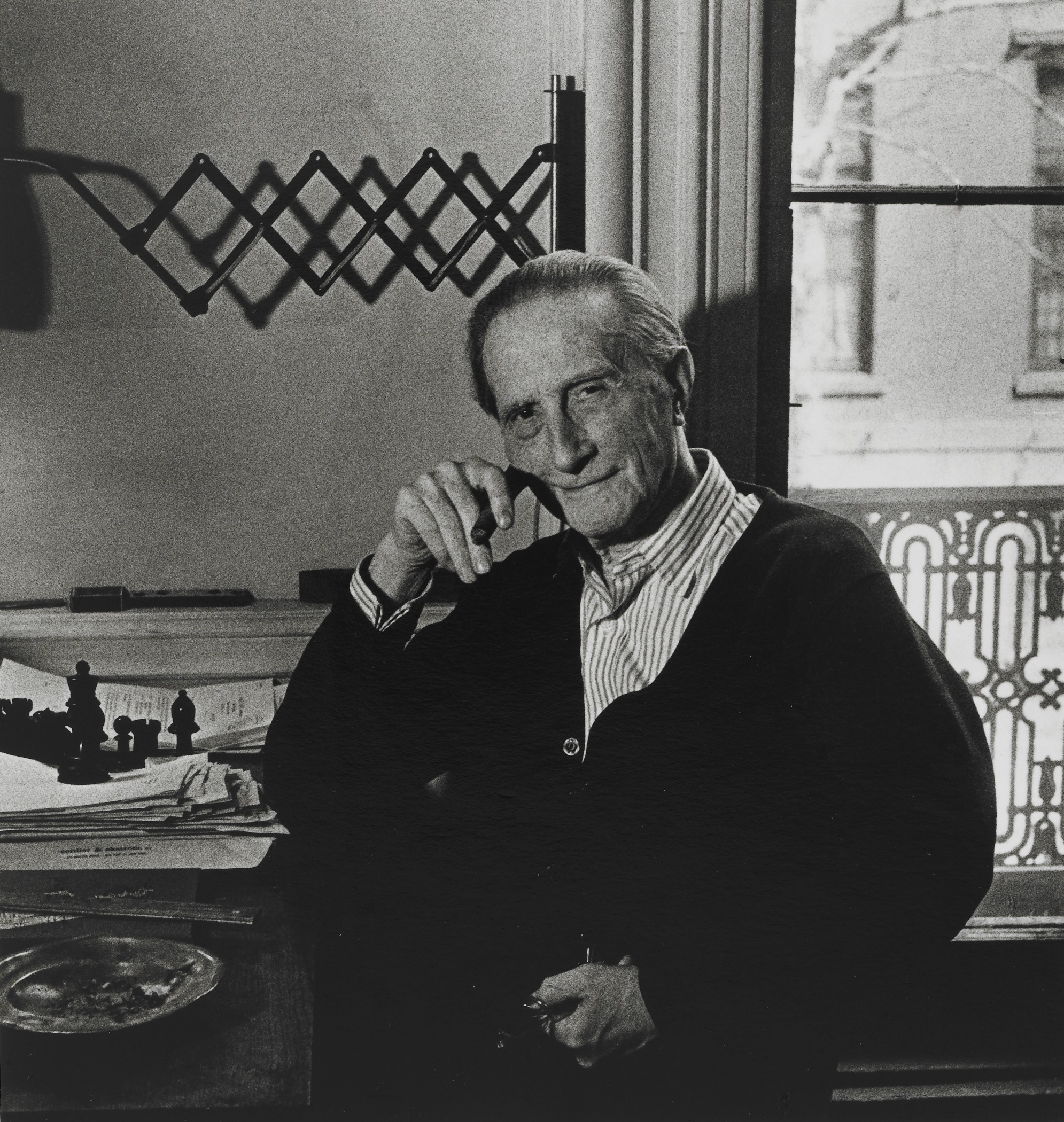
Henri-Robert-Marcel Duchamp, a pioneering French artist, is celebrated for his profound influence on 20th-century art and culture. Duchamp's work transcended traditional mediums, embracing painting, sculpture, and conceptual art, thereby redefining the very nature of artistic creation. His audacious approach to art, marked by intellectualism and wit, challenged conventional perceptions of beauty and utility, making him a central figure in the development of modern and postmodern art.
Duchamp's most notable contributions include his ready-mades—ordinary manufactured objects that he selected and presented as art. This innovative concept questioned the role of the artist and the creation process, exemplified by his famous piece, "Fountain," a porcelain urinal that radically altered the landscape of art by its mere presentation in 1917. His other significant works, like "Nude Descending a Staircase, No. 2," showcased his fascination with movement and mechanization, further cementing his legacy as a visionary.
Duchamp's influence extends beyond his creations, as he played a vital role in shaping the Dada movement and conceptual art. His ideas and artworks continue to inspire artists, collectors, and experts in the fields of art and antiques. Museums and galleries worldwide, including the Philadelphia Museum of Art and the Museum of Modern Art in New York, proudly house his works, attesting to his enduring relevance.
For those keen on exploring the intersections of art, culture, and history, Duchamp offers a rich tapestry of innovation and controversy. Collectors and art enthusiasts are invited to sign up for updates on new product sales and auction events related to Henri-Robert-Marcel Duchamp, ensuring they remain at the forefront of developments in this captivating domain.
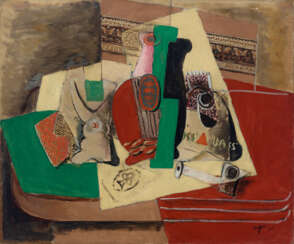

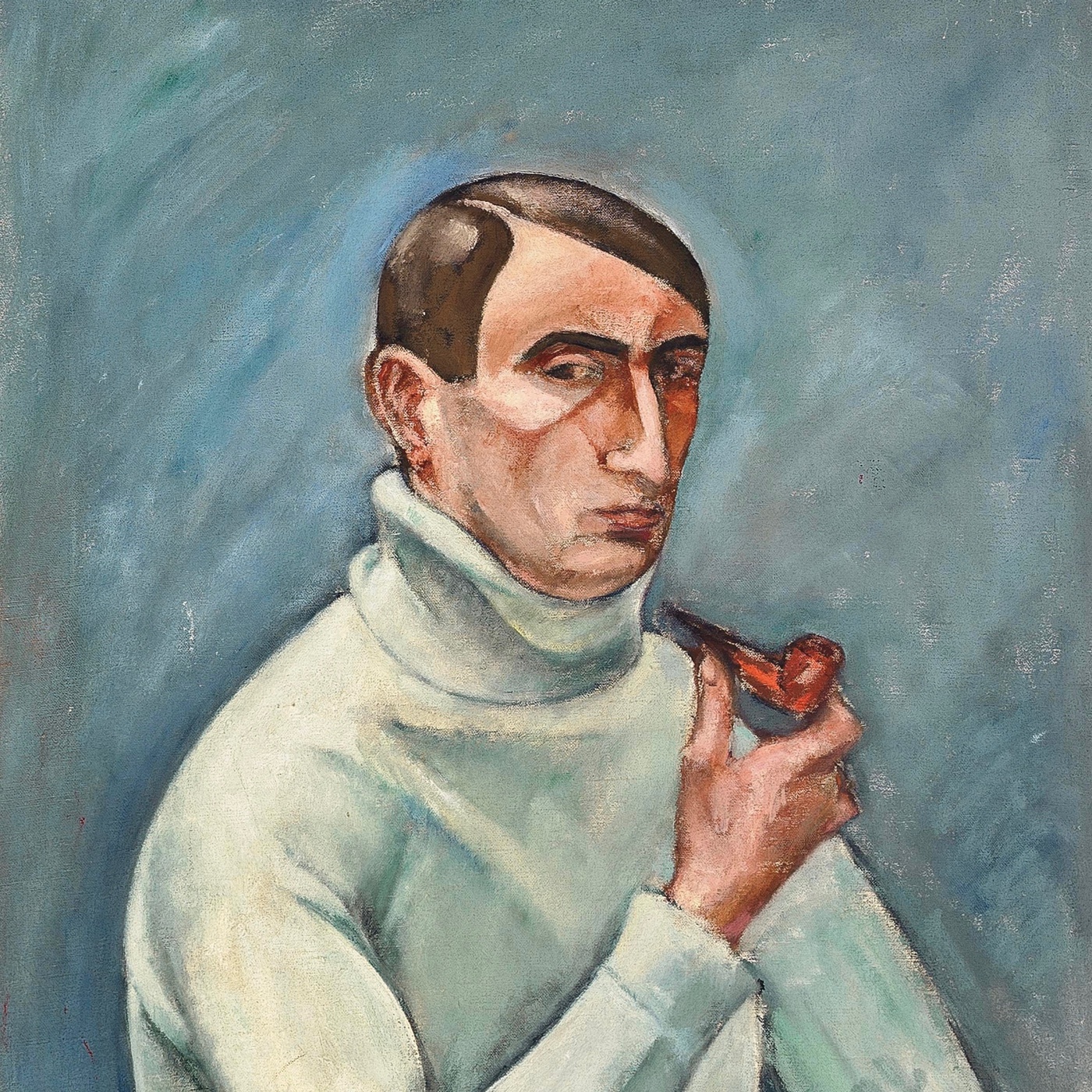
Henri Hayden is a Polish artist who spent most of his career in France. He is known for his contribution to the Cubist movement and his use of bold, geometric forms in his paintings.
Hayden was born in Warsaw, Poland, and studied art in Paris at the Académie Julian and the École des Beaux-Arts. In the 1910s he became associated with the Cubist movement and exhibited his work at the Salon of Independent Artists and the Autumn Salon.
After World War I, Hayden continued to develop his style, incorporating elements of Fauvism and Surrealism.
In the 1930s Hayden became a French citizen and his work was included in major exhibitions, including the Carnegie International Exhibition in Pittsburgh and the Venice Biennale. His paintings often featured landscapes, still lifes and portraits in a bold, graphic style.
Hayden continued to work throughout his life, leaving behind a legacy of innovative and influential art. His work can be found in major museums and collections all over the world.
![[SURRÉALISME]](/assets/image/picture_2501459/adac8/a0e4f3f2e3241be1cecce76066c3f0421667984400jpg__fix_374_244.jpeg)
![[SURRÉALISME]](https://veryimportantlot.com/assets/image/picture_2501459/adac8/a0e4f3f2e3241be1cecce76066c3f0421667984400jpg__fix_374_244.jpeg)
Pablo Ruiz Picasso, a Spanish artist renowned for his revolutionary contributions to the 20th-century art scene, is a figure that resonates profoundly with collectors and art experts. His unique blend of talents in painting, sculpture, printmaking, and ceramic art, infused with his time in France, positioned him as a pivotal character in modern art history.
Picasso's artistic journey was marked by distinct periods, each showcasing his evolving style and genius. His early years were characterized by the Blue Period (1901-1904), followed by the Rose Period (1904-1906), and then the African-influenced Period (1907-1909). Picasso's name is synonymous with Cubism, a movement he co-founded, which significantly altered artistic perspectives and methods. Works like "Les Demoiselles d'Avignon" (1907) and "Guernica" (1937) are emblematic of his cubist legacy, the latter being a poignant anti-war statement that remains influential.
His later years saw a return to more traditional styles, with neoclassical and surrealist influences becoming evident. Works from these phases reflect a deep engagement with mythological themes, as seen in "Faun with Stars" (1955), symbolizing his late-life romance with Jacqueline Roque, his second wife.
Picasso's prolific output and innovative spirit made him a legend in his own time, a status that only grew after his death. His works, housed in major museums and private collections worldwide, continue to captivate and inspire.
As a collector or expert in art and antiques, staying informed about Picasso's works, their auction events, and sales is essential. To stay updated on the latest developments and opportunities related to Pablo Picasso, sign up for our specialized updates. Rest assured, this subscription will focus solely on new product sales and auction events pertaining to Picasso's art, ensuring that you receive only the most relevant and valuable information.
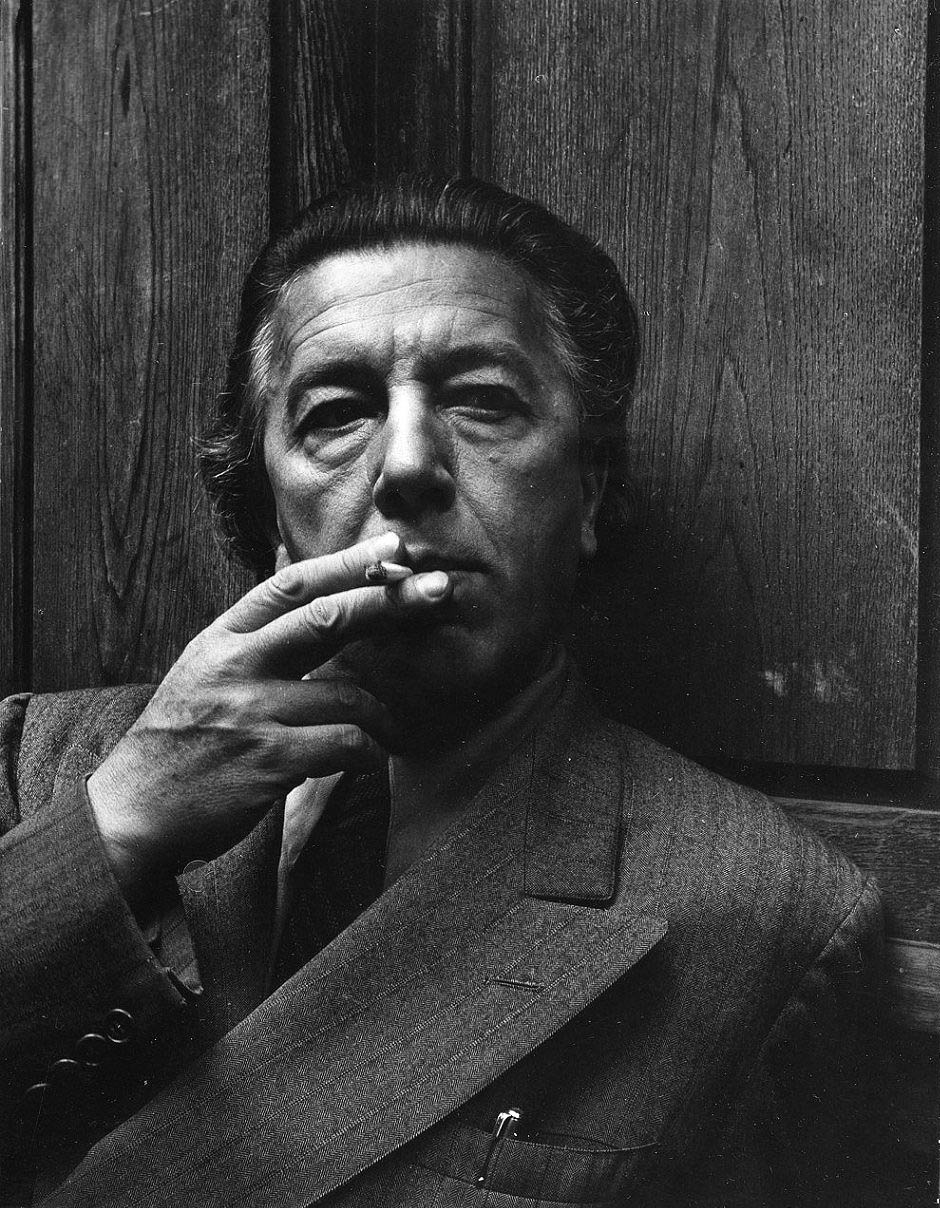
André Breton was a French writer, poet, and anti-fascist, renowned as the principal founder and leading theorist of Surrealism, an influential movement that sought to release the creative potential of the unconscious mind. Born in Tinchebray, France, in 1896, Breton's work was deeply influenced by the theories of Sigmund Freud and was characterized by a fascination with dreams, the irrational, and the workings of the mind. As a cultural icon, his contributions extended beyond literature into the realms of art, sculpture, and painting, making him a pivotal figure in 20th-century artistic movements.
Breton's seminal work, the "Manifesto of Surrealism" (1924), outlined the principles of the movement, advocating for the expression of the subconscious and the importance of dreams as a source of artistic inspiration. His leadership and writings not only shaped Surrealism but also had a lasting impact on the broader culture of art, influencing countless artists, painters, and sculptors. Breton's ability to merge poetry with visual arts led to collaborations with prominent artists like Salvador Dalí, Max Ernst, and Joan Miró, further cementing his legacy as a central figure in modern art.
Notably, André Breton's works and personal collection, which included art pieces and surreal objects, have been displayed in museums and galleries worldwide, showcasing his eclectic taste and profound influence on the art world. His Paris apartment was a gathering place for artists and intellectuals, becoming a hub of Surrealist activity and thought. For collectors and experts in art and antiques, Breton's contributions represent a fascinating intersection of literary prowess and visual creativity, highlighting the enduring relevance of Surrealism.
For those interested in exploring the depths of Surrealism and André Breton's groundbreaking contributions, signing up for updates can provide exclusive access to new product sales and auction events related to this pivotal artist and thinker. This subscription is an invaluable resource for collectors and enthusiasts keen to deepen their understanding of Breton's influence and the broader cultural movements he shaped.
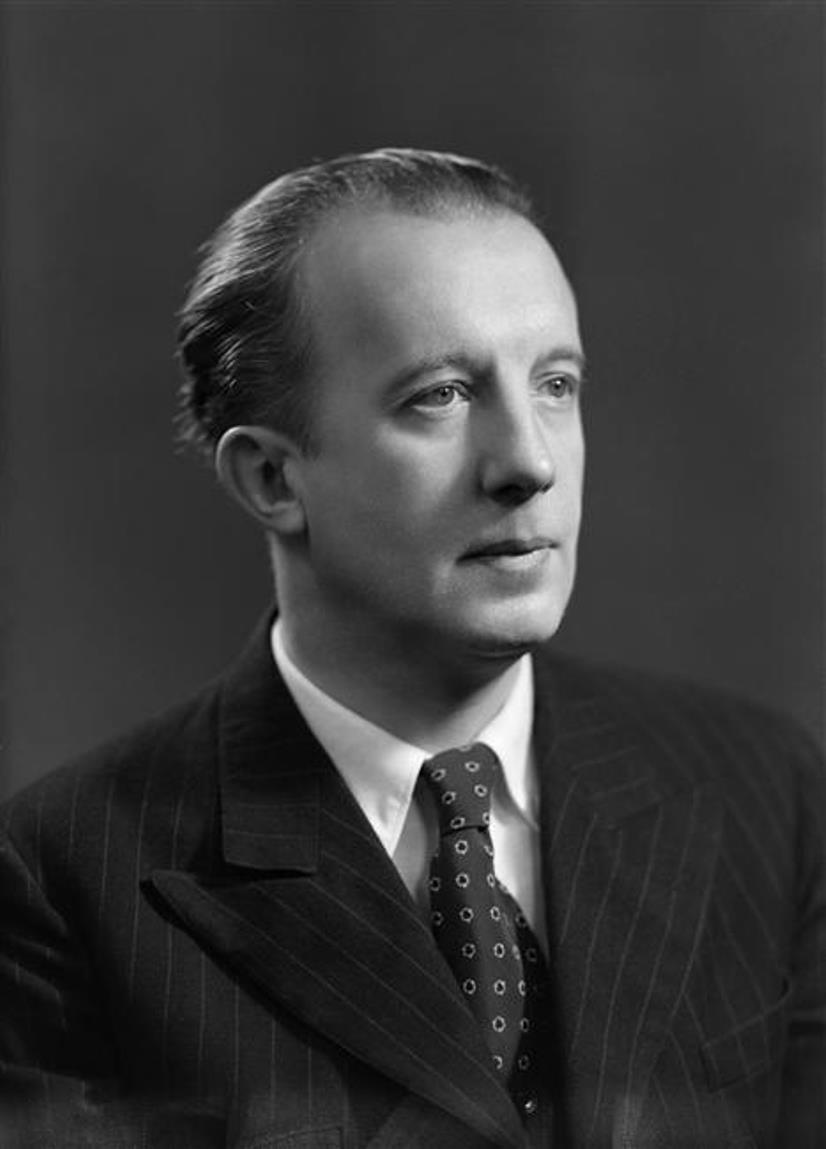
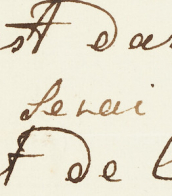
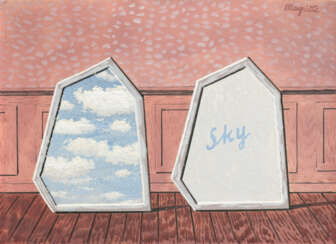

.jpg)
René Magritte, a Belgian artist, was renowned for his significant contributions to the Surrealist movement. His art, known for merging ordinary objects with bizarre, dream-like contexts, captivated the art world. Born on November 21, 1898, in Lessines, Belgium, Magritte's early artistic pursuits were impressionistic, transitioning through Cubism and Futurism influenced by artists like Jean Metzinger. However, his encounter with Giorgio de Chirico's work in 1922 steered him towards Surrealism.
Magritte's career was marked by various phases, each showcasing his evolving style and thematic focus. His initial foray into Surrealism began in 1926 with "The Lost Jockey" and was further solidified during his time in Paris, where he mingled with other prominent Surrealists like André Breton. Despite facing initial criticism and financial challenges, Magritte's unique blend of familiar imagery in unfamiliar contexts, like in "The Empire of Light" and "Time Transfixed," earned him acclaim.
Magritte's distinct visual language, characterized by recurring motifs like bowler hats and apples, and his exploration of reality and illusion, remain influential. His works are displayed in major galleries worldwide, continuing to inspire and intrigue art collectors and enthusiasts.
For collectors and experts in art and antiques, staying informed about Magritte's works and related auction events is crucial. Signing up for updates ensures you're alerted to new sales and events focusing on René Magritte's art, offering unique opportunities to acquire or learn more about his remarkable creations. This subscription will exclusively cover new product sales and auction events related to Magritte, keeping you updated on the most relevant information in the art world.