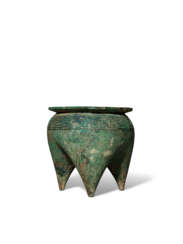
qin li


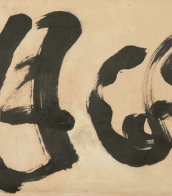





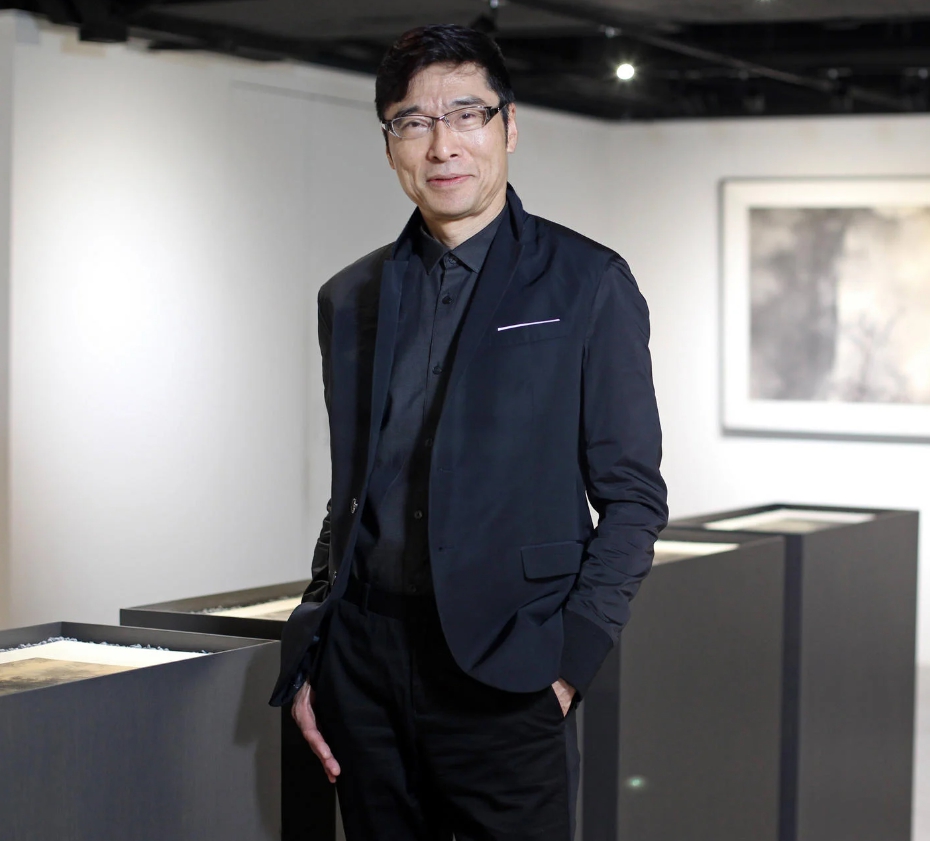
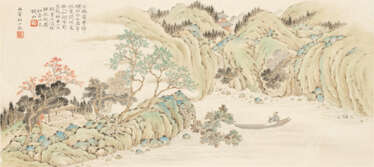
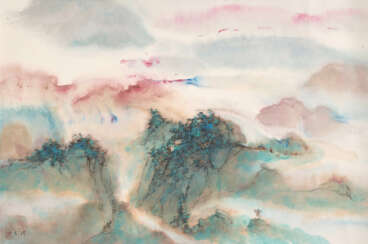
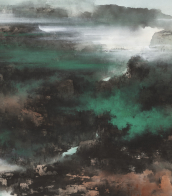
Li Huayi (Chinese: 李華弌) is a contemporary ink artist whose admiration for the monumental landscapes of the Northern Song dynasty with his training in both traditional Chinese ink and Western art, inspired him to create his own style of ink painting.
Li has established a distinct connection between contemporary and traditional, and nature and humanity, by integrating his contemporary perspective with the eternal values of traditional literati painting.
Li Huayi's works are collected by museums worldwide including the British Museum, the Asian Art Museum of San Francisco, the Art Institute of Chicago, the Harvard Art Museums, the Brooklyn Museum, the Honolulu Museum of Art, the Suzhou Museum, M+ Hong Kong and the Hong Kong Museum of Art.
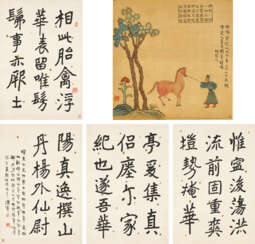







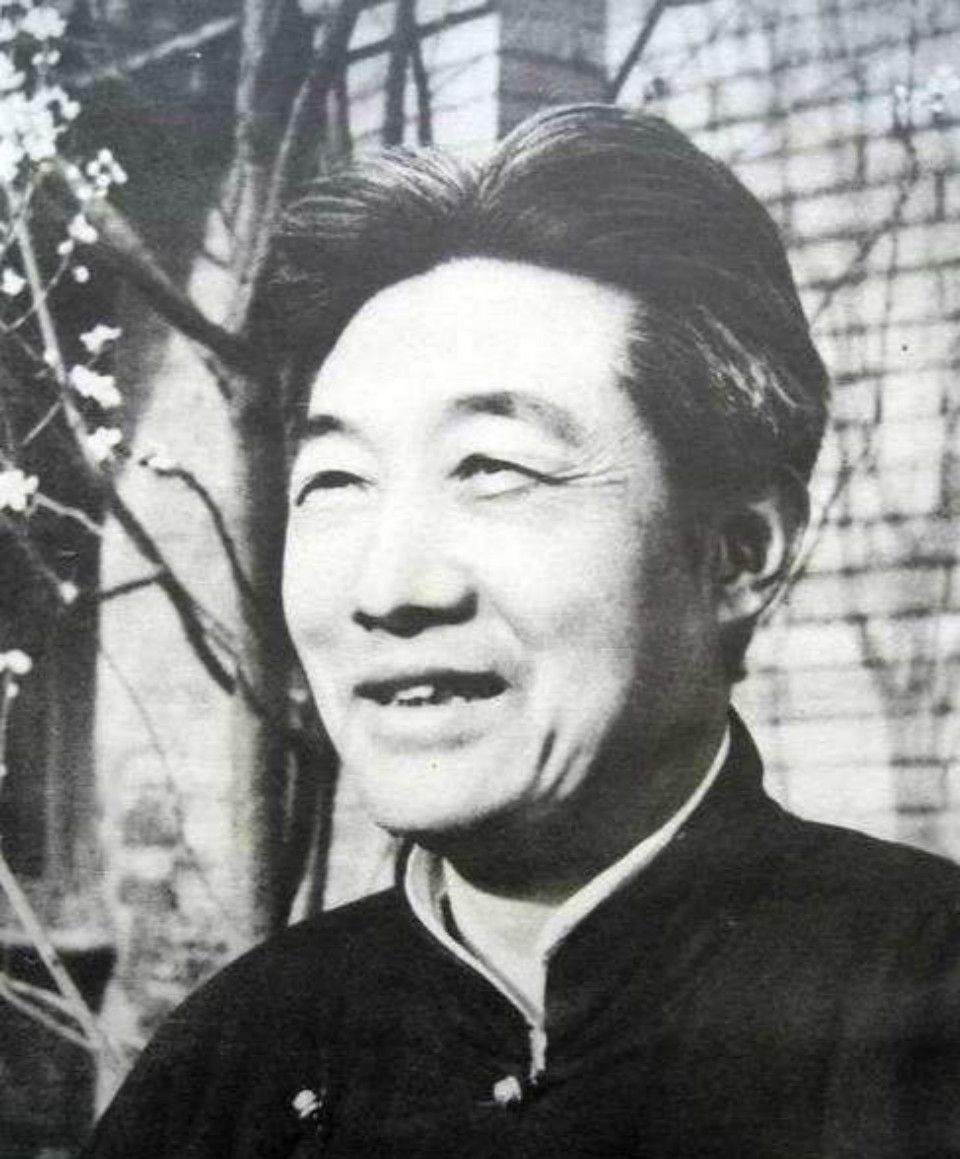
Xu Beihong (Chinese: 徐悲鴻; Wade–Giles: Hsü Pei-hung; 19 July 1895 – 26 September 1953), also known as Ju Péon, was a Chinese painter.
He was primarily known for his Chinese ink paintings of horses and birds and was one of the first Chinese artists to articulate the need for artistic expressions that reflected a modern China at the beginning of the 20th century. He was also regarded as one of the first to create monumental oil paintings with epic Chinese themes – a show of his high proficiency in an essential Western art technique. He was one of the four pioneers of Chinese modern art who earned the title of "The Four Great Academy Presidents".
,_by_Zheng_Jingkang.jpg)
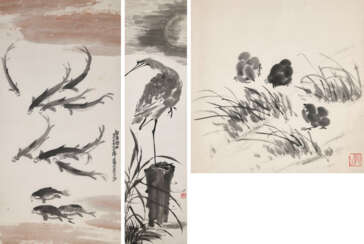
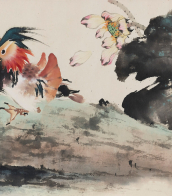
Qi Baishi was a Chinese painter, noted for the whimsical, often playful style of his works. Born to a peasant family from Xiangtan, Hunan, Qi taught himself to paint, sparked by the Manual of the Mustard Seed Garden. After he turned 40, he traveled, visiting various scenic spots in China. After 1917 he settled in Beijing. Some of Qi's major influences include the early Qing dynasty painter Bada Shanren (八大山人) and the Ming dynasty artist Xu Wei (徐渭).
The subjects of his paintings include almost everything, commonly animals, scenery, figures, toys, vegetables, and so on. He theorized that "paintings must be something between likeness and unlikeness, much like today's vulgarians, but not like to cheat popular people". In his later years, many of his works depict mice, shrimp or birds. He was also good at seal carving and called himself "the rich man of three hundred stone seals" (三百石印富翁). In 1953, he was elected president of the China Artists Association (中國美術家協會).
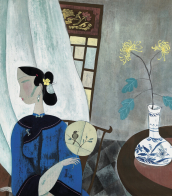
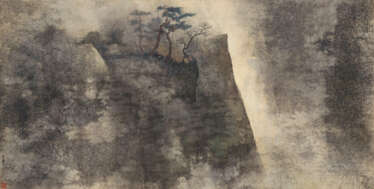

Li Huayi (Chinese: 李華弌) is a contemporary ink artist whose admiration for the monumental landscapes of the Northern Song dynasty with his training in both traditional Chinese ink and Western art, inspired him to create his own style of ink painting.
Li has established a distinct connection between contemporary and traditional, and nature and humanity, by integrating his contemporary perspective with the eternal values of traditional literati painting.
Li Huayi's works are collected by museums worldwide including the British Museum, the Asian Art Museum of San Francisco, the Art Institute of Chicago, the Harvard Art Museums, the Brooklyn Museum, the Honolulu Museum of Art, the Suzhou Museum, M+ Hong Kong and the Hong Kong Museum of Art.
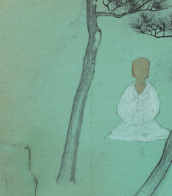


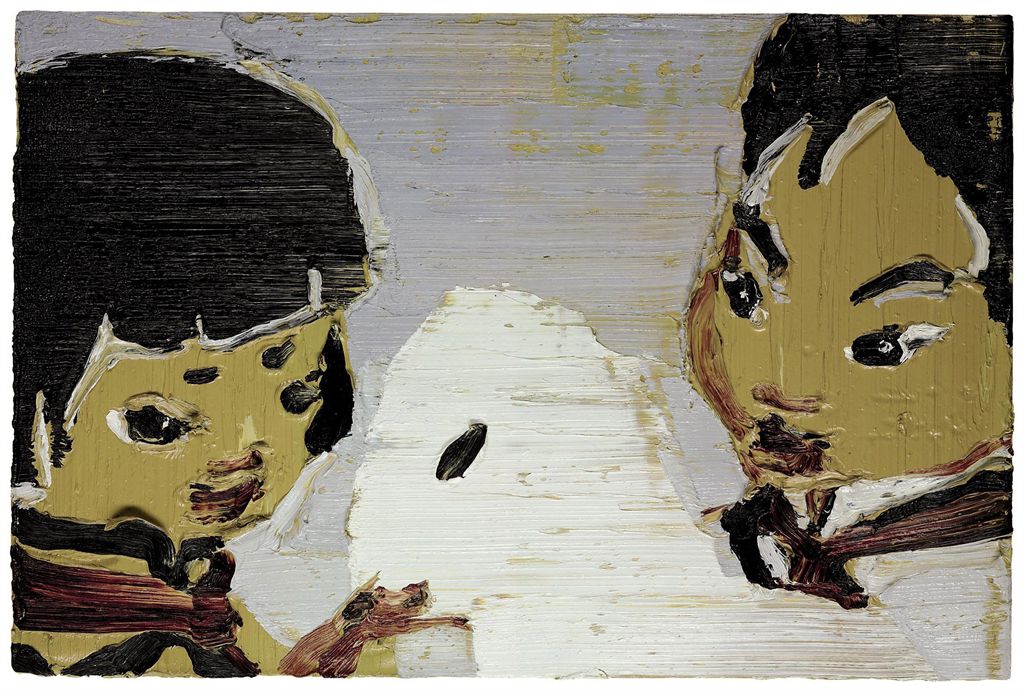
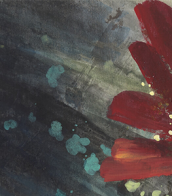
Li Songsong (李松松; born 1973 in Beijing) is a Chinese artist working in Beijing. His paintings recreate public resource images of modern Chinese history,[1] such as the National People's Congress. Li works on large scale canvases with oil paint.