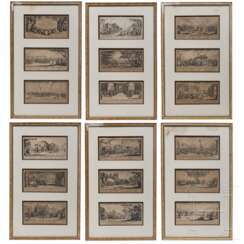
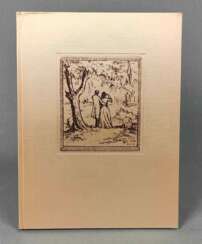
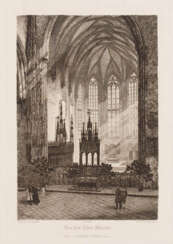
radierungen
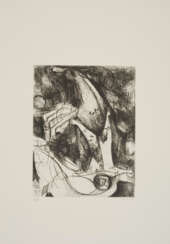

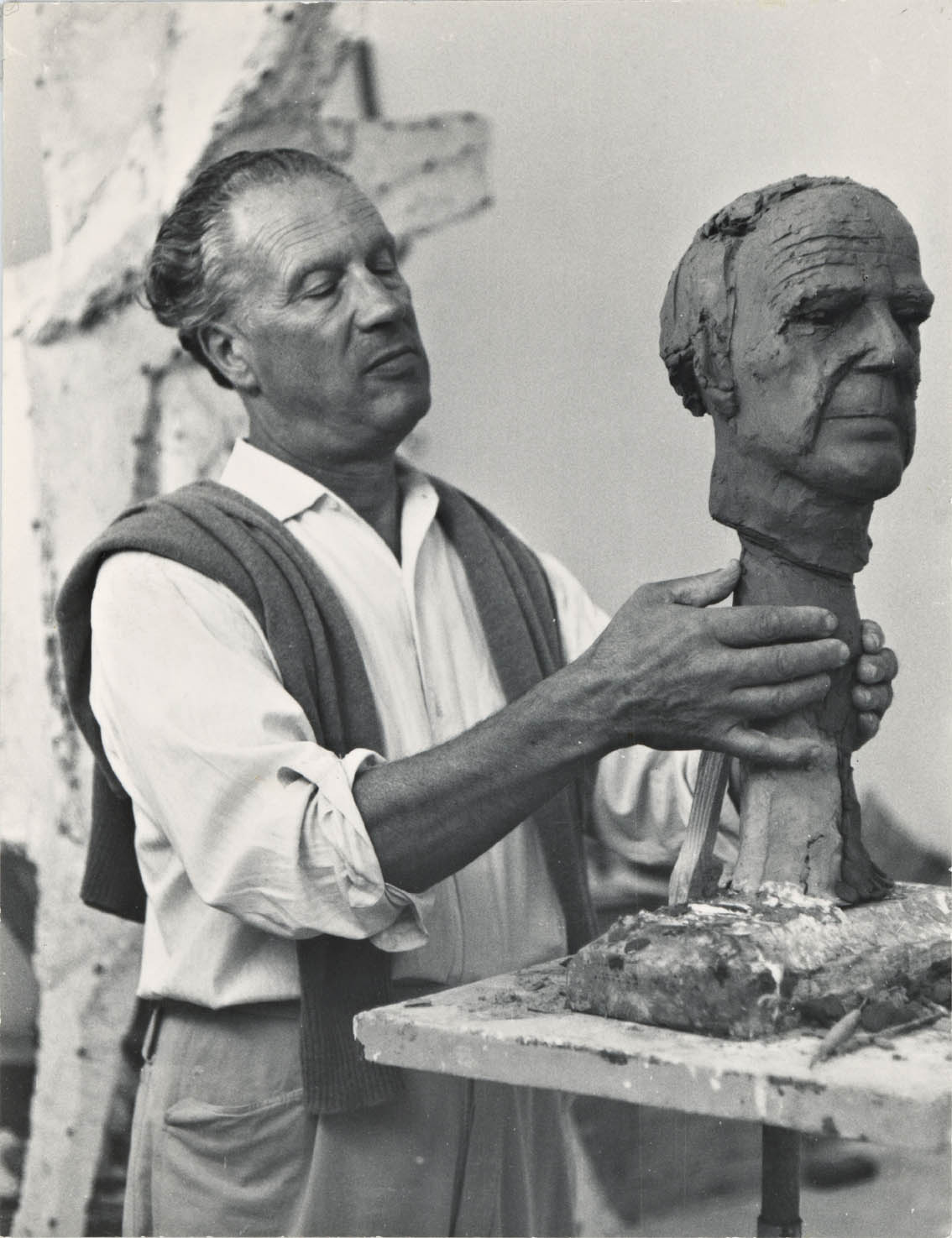
Marino Marini was an Italian sculptor and educator.
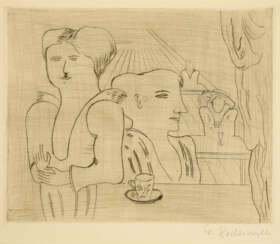

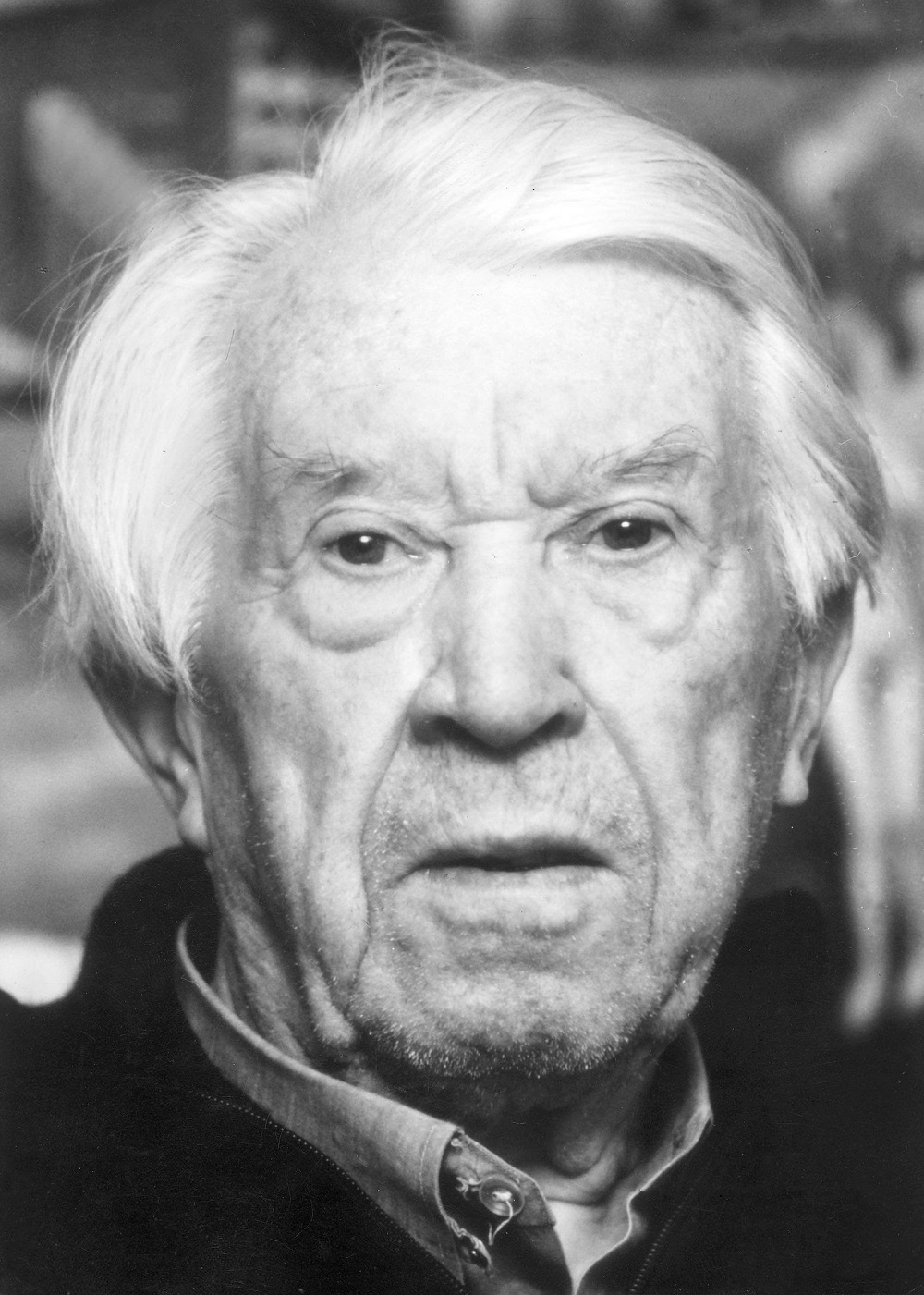
Franz Radziwill was a German artist of the twentieth century. He is known as a landscape painter, graphic artist and printmaker associated with the artistic movement of "new materiality".
Franz Radziwill created paintings that are characterized by careful elaboration and the use of glaze techniques borrowed from the Old Masters. He used elements of industrial buildings and modern technology, including ships and airplanes, in his landscapes. The results of his work can be categorized as magical realism.
In 1933 Radziwill became professor of painting at the Düsseldorf Academy of Art, but in 1935 the Nazis stripped him of this position, declaring his work degenerate art.
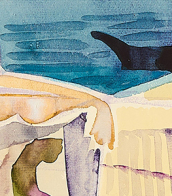
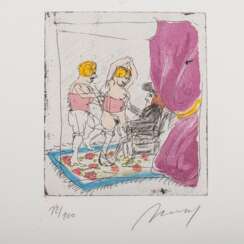









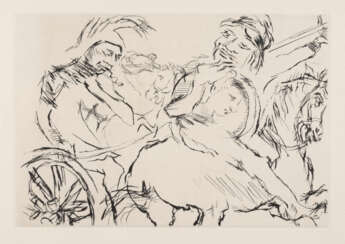

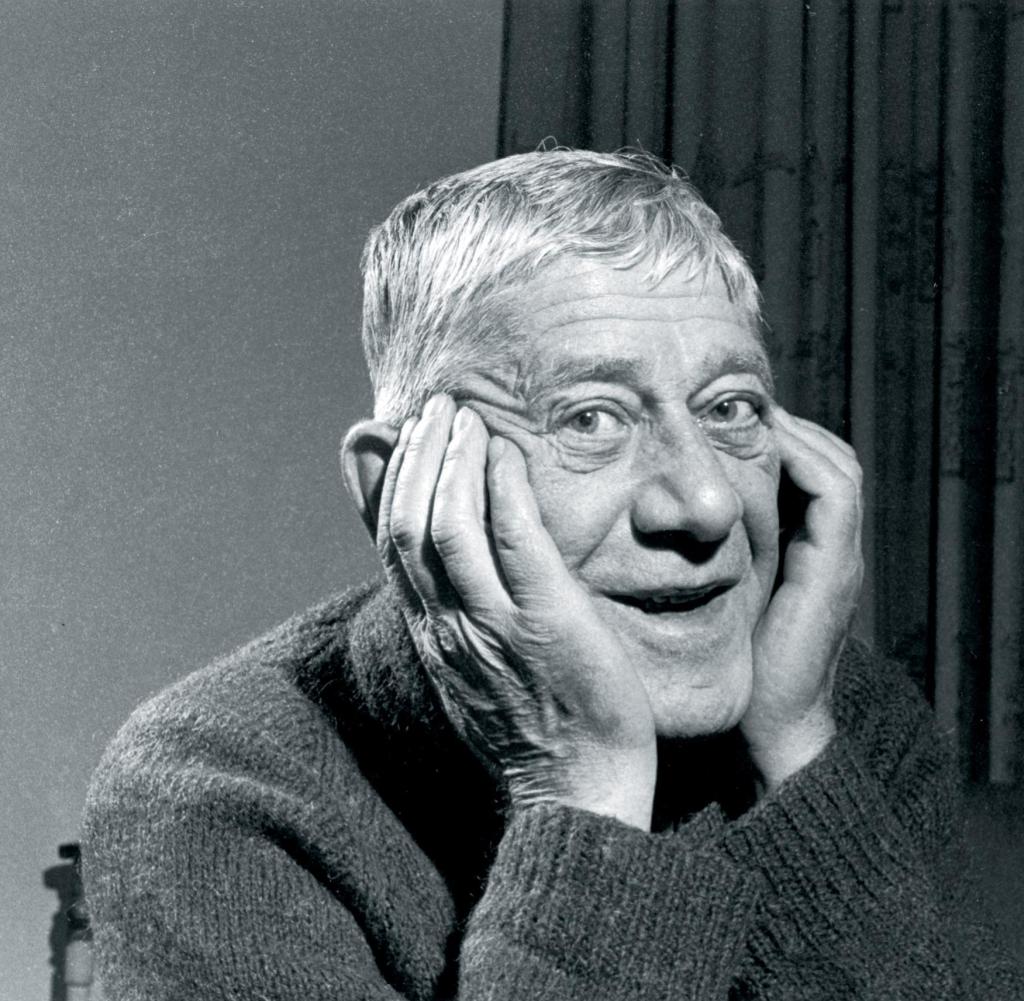
Oskar Kokoschka was an Austrian artist, poet, playwright, and teacher, renowned for his significant contributions to the Expressionist movement. Born on March 1, 1886, in Pöchlarn, Austria, Kokoschka's journey into the arts began against the backdrop of early 20th-century Vienna, a city vibrant with cultural ferment and avant-garde experimentation. Without formal training in painting, Kokoschka brought a unique perspective to his work, approaching the medium with a fresh, unencumbered eye that eschewed traditional methods in favor of intuitive, expressive techniques.
Kokoschka's early career was marked by an innovative approach to portraiture and landscape, characterized by intense expressionism and a deep psychological penetration of his subjects. His artistic philosophy was heavily influenced by 17th-century Czech humanist Jan Amos Comenius, from whom Kokoschka adopted the idea that learning and creativity flourish through sensory engagement and reasoning. This philosophy underpinned both his artistic output and his teaching methodology, which favored storytelling and the evocation of dramatic emotion over conventional art instruction.
Among Kokoschka's notable early works were his contributions to the Vienna Kunstschau and his involvement with the Wiener Werkstätte, which provided him opportunities to explore his artistic voice through various commissions, including postcards and illustrations for children's books. His autobiographical poem "Die träumenden Knaben" (The Dreaming Youths) and the related illustrations showcase his journey from Jugendstil to Expressionism, marking a pivotal moment in his career and in the development of modern art.
Kokoschka's tumultuous affair with Alma Mahler is well-documented, influencing some of his most acclaimed works, such as "The Bride of the Wind" (The Tempest), which vividly encapsulates their passionate, stormy relationship. This work, alongside others like "Portrait of a Young Girl" and "Knight Errant (Self-Portrait)", exemplifies Kokoschka's masterful use of color, form, and emotional intensity to convey complex psychological states and narratives.
Oskar Kokoschka's legacy as a pioneering figure in Expressionism is undisputed. His works continue to resonate with collectors and experts in art and antiques, not only for their aesthetic and emotional depth but also for their groundbreaking approach to visual storytelling and the exploration of the human condition. For those interested in the vibrant world of Expressionist art and the profound humanism of Kokoschka's oeuvre, signing up for updates on new product sales and auction events related to Oskar Kokoschka offers a unique opportunity to engage with the enduring impact of his work.
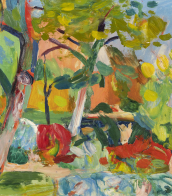


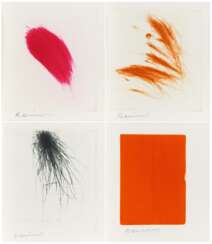



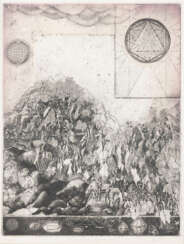

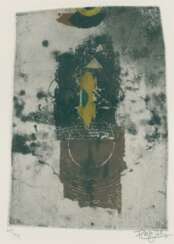

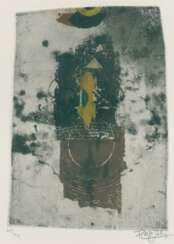


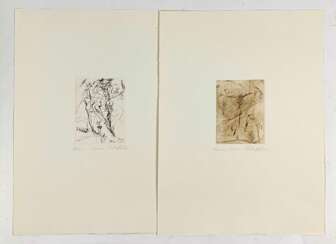

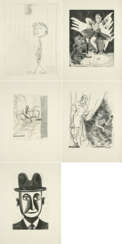







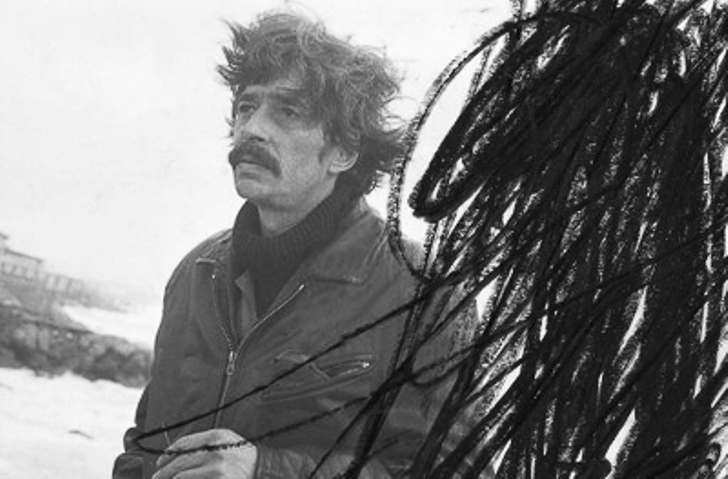
Walter Stöhrer is a German painter and graphic artist, a representative of gesture-figure painting.
He studied painting at the Academy of Arts in Karlsruhe and was a member of the Academy of Arts in Berlin.



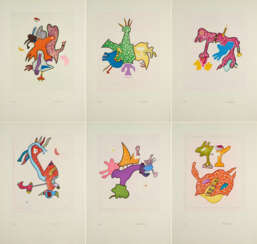

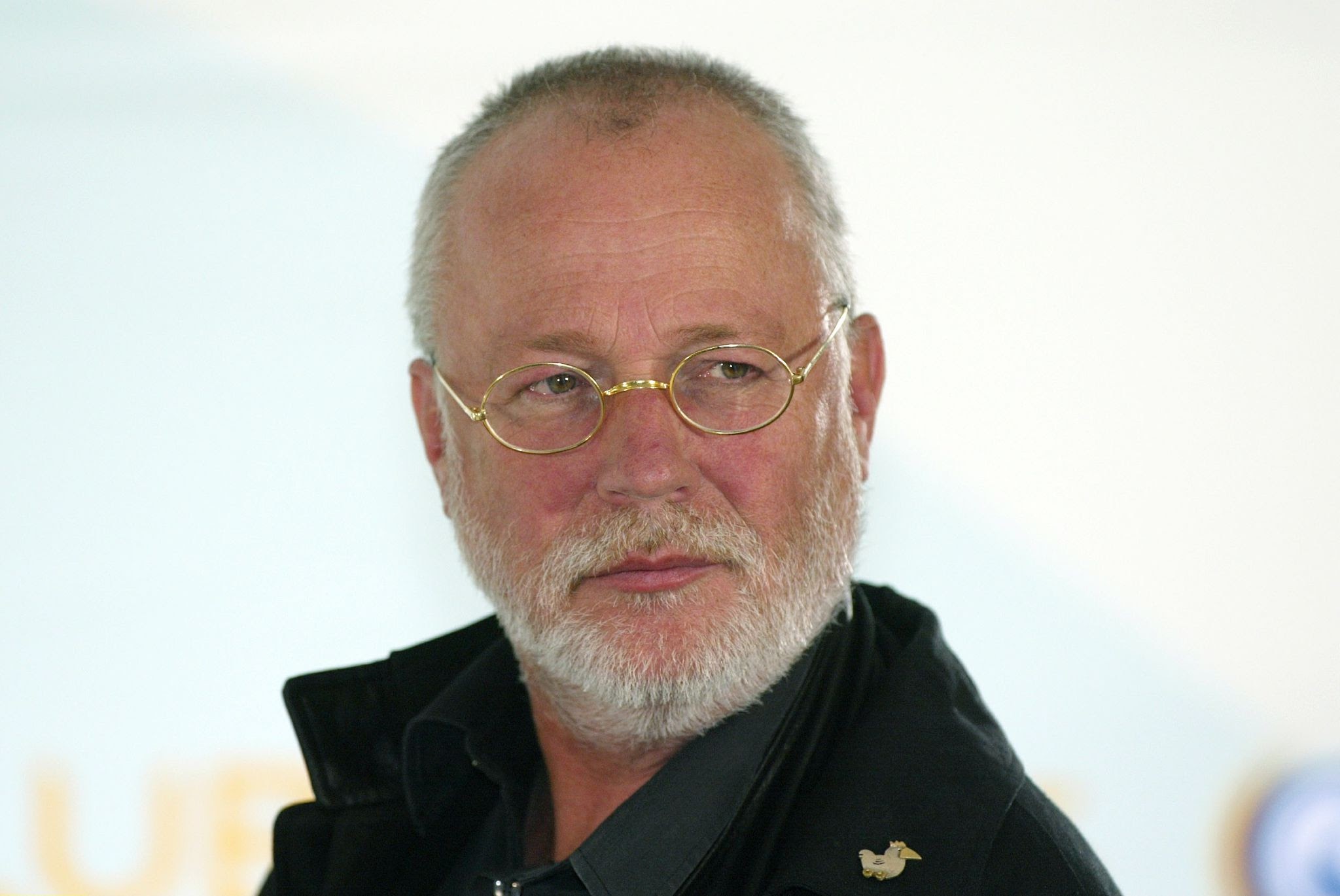
Otmar Alt was a German painter, graphic artist, designer and sculptor.
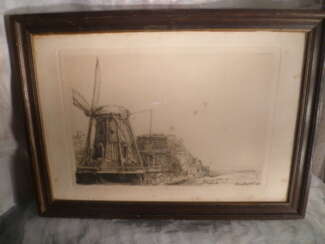


Rembrandt Harmenszoon van Rijn, a Dutch Baroque painter and printmaker, was born on July 15, 1606, in Leiden, Netherlands, and died on October 4, 1669, in Amsterdam. He is celebrated as one of the greatest storytellers in art history, acclaimed for his adept portrayal of human emotions and dramatic narratives. Rembrandt's extensive oeuvre includes portraits, self-portraits, landscapes, genre scenes, allegorical, historical, and biblical themes, as well as animal studies. His artistry shined during the Dutch Golden Age, a period marked by cultural and scientific achievements in the Netherlands.
Rembrandt's education in art began around the age of 10 when he left the Latin School in Leiden to train as an artist. He apprenticed with artists like Jacob van Swanenburg and Pieter Lastman, mastering various aspects of painting. He opened his own studio in Leiden around 1624 or 1625, sharing it with his colleague Jan Lievens. By 1631, he had moved to Amsterdam, where he achieved significant success and trained many important Dutch painters.
Among Rembrandt's notable works are "The Anatomy Lesson of Dr. Nicolaes Tulp" (1632), "The Night Watch" (1642), and "The Syndics of the Amsterdam Drapers’ Guild" (1662). He was also renowned for his self-portraits, creating around 80 over his lifetime, more than any other artist until the 20th century. These self-portraits were not just artistic endeavors but also experiments with facial expressions and lighting effects. Additionally, Rembrandt was a master etcher, transforming etching from a reproductive technique into an art form.
Rembrandt's painting style is characterized by its dramatic use of light and shadow, known as chiaroscuro. His ability to depict materials realistically was unparalleled; his portrayal of metals and fabrics was so lifelike that they appeared to glow and be tangible. He was also known for his impasto technique, applying paint thickly to the canvas, adding a three-dimensional quality to his works.
Despite his artistic prowess, Rembrandt faced financial difficulties and personal tragedies throughout his life. He declared bankruptcy in 1656, a downfall attributed partly to his extensive collection of art objects and curiosities. His masterpieces, however, continued to garner appreciation and influence generations of artists that followed.
For collectors and experts in art and antiques, Rembrandt's works represent a pinnacle of artistic achievement in the Dutch Golden Age. His mastery in portraying the human condition and his innovative techniques in painting and etching make his works highly prized and influential in the art world.
To stay updated on new product sales and auction events related to Rembrandt van Rijn, sign up for our updates. This subscription service is dedicated exclusively to news and events concerning works related to this unparalleled master of the Dutch Golden Age.







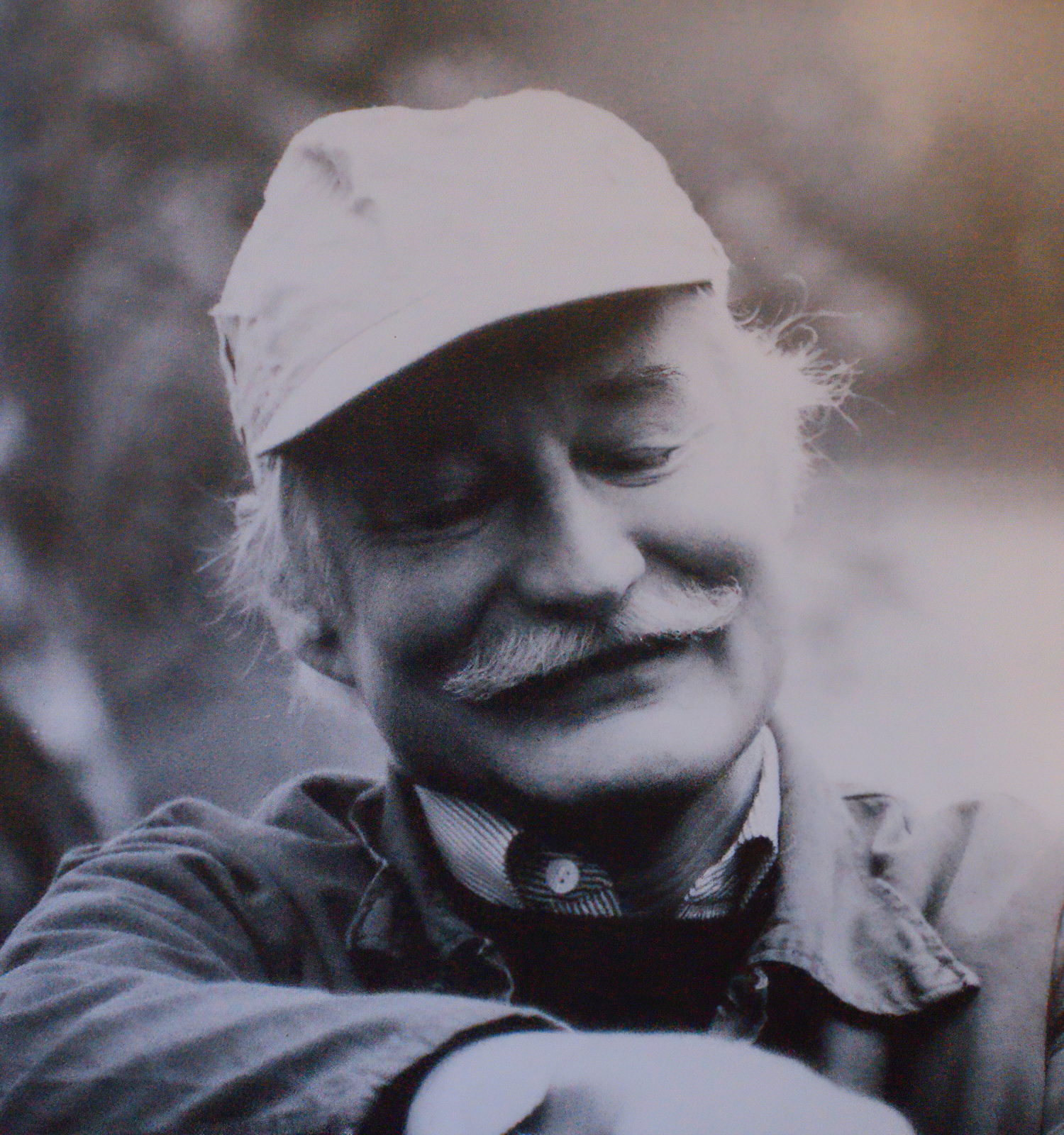
Friedrich Meckseper was a German painter, graphic artist, draughtsman, designer and author.