real sex 8 1994
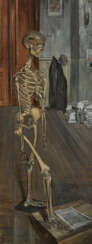

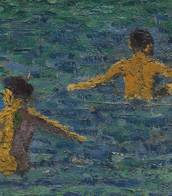
Paul Delvaux, a Belgian painter, stands out in the history of art for his dreamlike scenes that weave together elements of surrealism with classical influences. Born on September 23, 1897, Delvaux's early works were influenced by Flemish Expressionists and the palette of James Ensor, showcasing nudes in landscapes characterized by a somewhat stiff portrayal. His style evolved significantly over time, with a pivotal change around 1933 under the influence of Giorgio de Chirico's metaphysical art, leading to his hallmark style of semi-nude figures in classical ruins or dark forests.
Delvaux's unique approach to art was not confined to the traditional bounds of the Surrealist movement, despite the similarities in thematic content. His work is distinguished by the inclusion of motifs like skeletons and idealized female nudes, set against backgrounds that often feature classical architecture or eerie night scenes. This blend of motifs reflects Delvaux's lifelong fascination with themes of memory, dreams, and the subconscious, a fascination further inspired by the works of René Magritte, though Delvaux maintained a respectful but uneasy relationship with him.
Despite his influences, Delvaux was cautious about aligning too closely with any single art movement or 'ism,' including Surrealism. His visit to an exhibition of Giorgio de Chirico's work in 1926 left a lasting impression, shaping his aesthetic towards creating enigmatic landscapes filled with anachronistic elements. Yet, he kept a distance from the Surrealists, preferring to explore his unique blend of reality and fantasy.
Delvaux's artistry is also deeply personal, drawing heavily from his youth and early experiences. The impact of his childhood, including encounters with medical curiosities at the Midi Fair in Brussels and the poetry of Homer, can be seen in the recurring themes of his work. These personal motifs, alongside his sophisticated use of light and shadow, lend his paintings a poetic dimension that transcends the mere visual to evoke a deeper emotional resonance.
Paul Delvaux's contributions to art are celebrated worldwide, with his works residing in prestigious galleries, including the Tate collection, underscoring his significance in the art world. His ability to blend the surreal with the classical, the personal with the universal, has cemented his legacy as an artist who transcended the boundaries of his time to explore the endless possibilities of imagination and memory.
For collectors and art experts interested in the nuanced realms of culture, art, and the legacy of influential painters like Paul Delvaux, staying informed about new discoveries, sales, and auction events related to his work is essential. Signing up for updates can provide exclusive insights into the evolving appreciation of Delvaux's contributions to modern art.

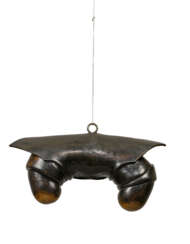

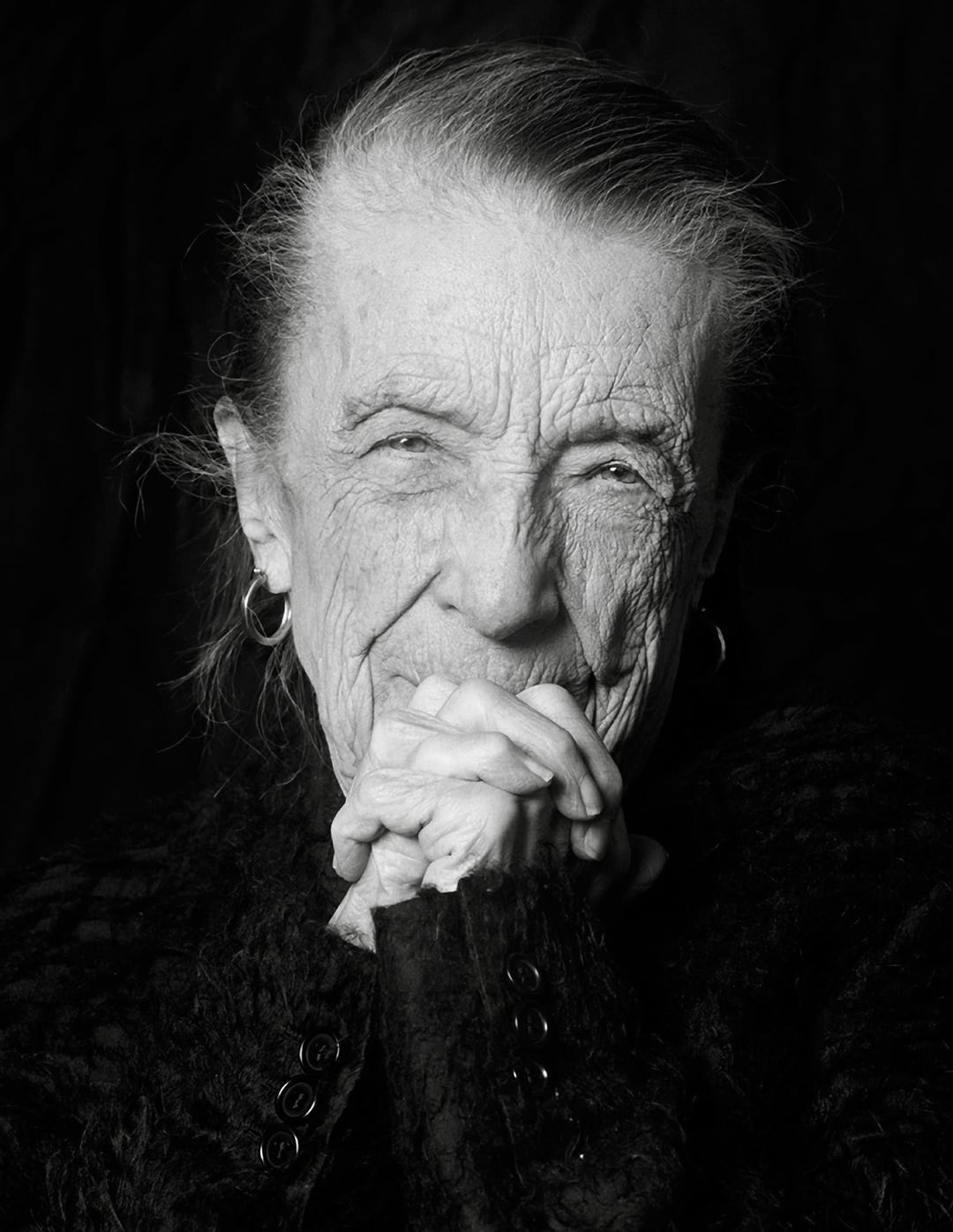
Louise Joséphine Bourgeois was a French-American artist. Although she is best known for her large-scale sculpture and installation art, Bourgeois was also a prolific painter and printmaker. She explored a variety of themes over the course of her long career including domesticity and the family, sexuality and the body, as well as death and the unconscious. These themes connect to events from her childhood which she considered to be a therapeutic process. Although Bourgeois exhibited with the Abstract Expressionists and her work has much in common with Surrealism and Feminist art, she was not formally affiliated with a particular artistic movement.


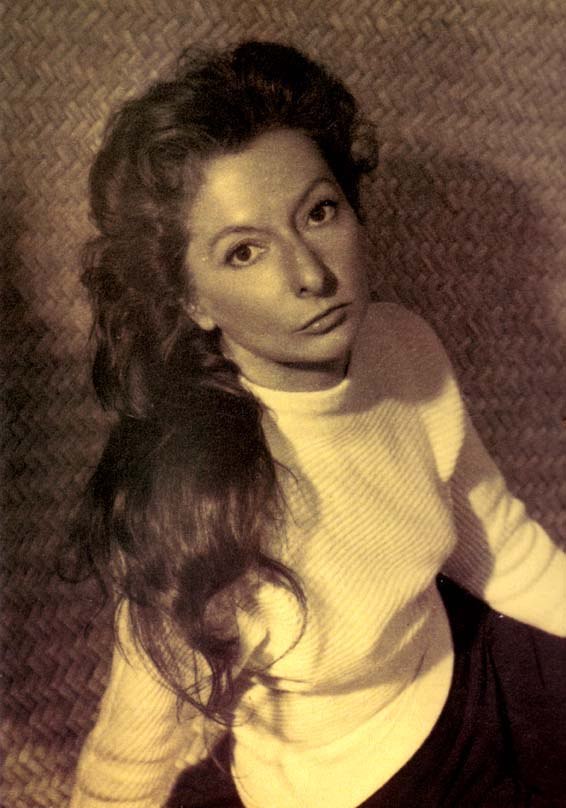
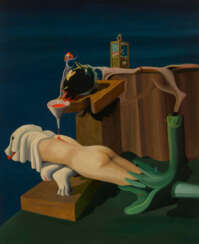

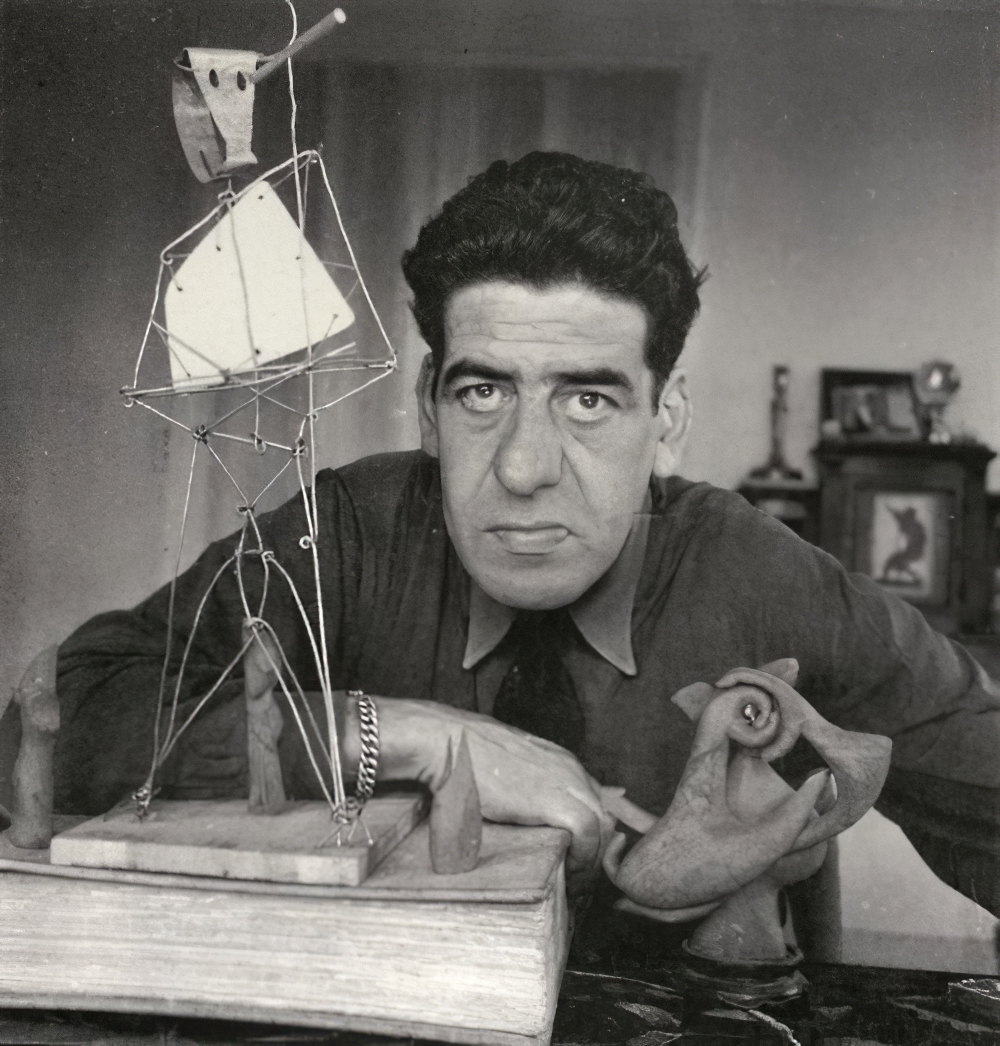
Óscar Domínguez was a Spanish Surrealist painter and sculptor. He was born in San Cristóbal de La Laguna, Tenerife, in the Canary Islands, and later moved to Paris, where he became part of the Surrealist movement.
Domínguez's art was characterized by its dreamlike and surreal imagery, often featuring fantastic landscapes, strange creatures, and distorted human figures. He worked in a variety of media, including painting, drawing, sculpture, and collage, and was known for his use of automatic drawing and other Surrealist techniques.
In addition to his art, Domínguez was also involved in politics, and was a member of the French Communist Party. He fought in the Spanish Civil War as a member of the Republican Army, and later lived in exile in Paris.
Domínguez's work was exhibited widely during his lifetime, including at the Museum of Modern Art in New York City and the Tate Gallery in London.
Today, Domínguez is considered one of the leading figures of the Surrealist movement, and his work continues to inspire artists around the world.


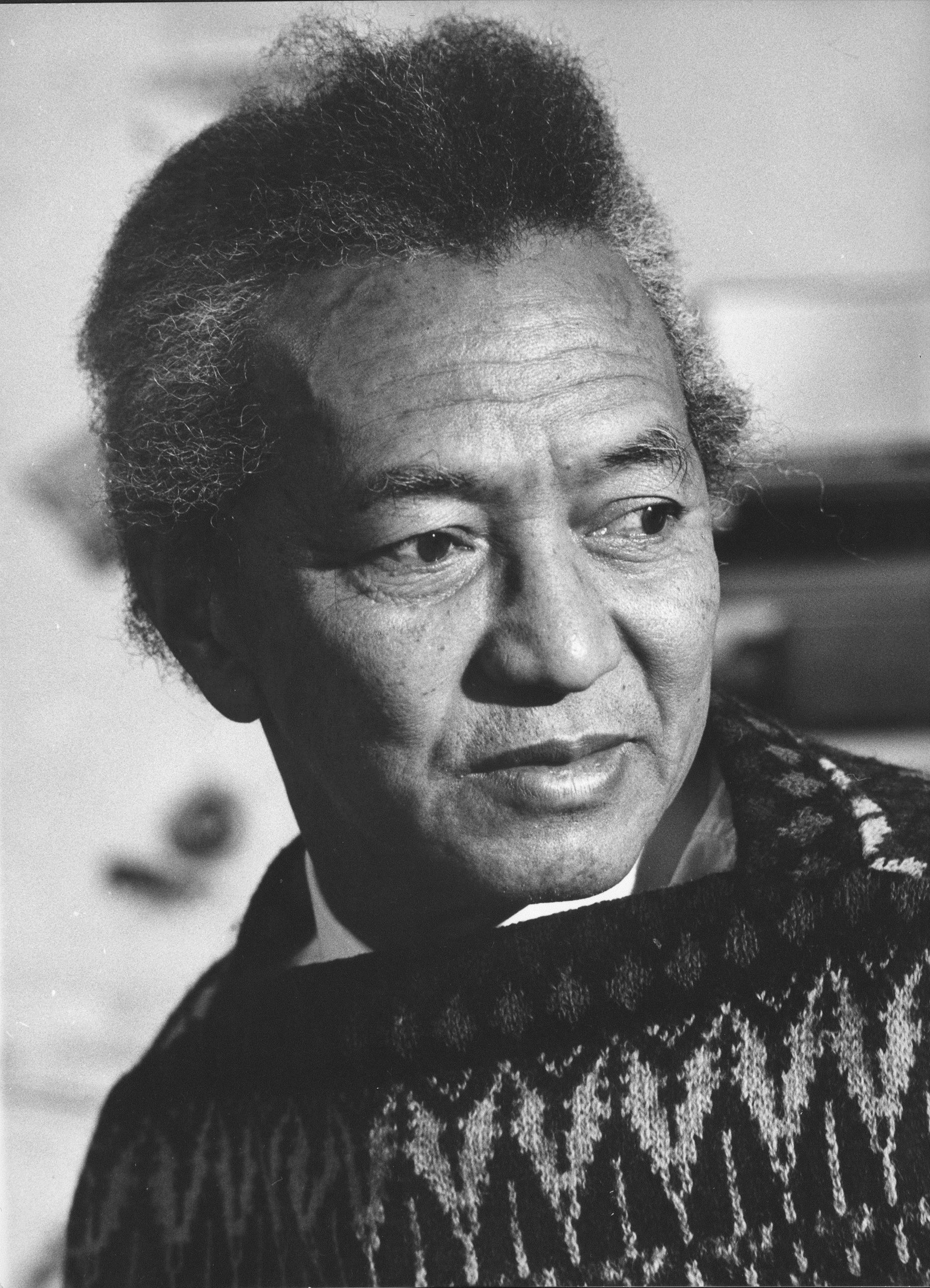
Wifredo Óscar de la Concepción Lam y Castilla, better known as Wifredo Lam, was a Cuban artist who sought to portray and revive the enduring Afro-Cuban spirit and culture. Inspired by and in contact with some of the most renowned artists of the 20th century, including Pablo Picasso, Henri Matisse, Frida Kahlo and Diego Rivera, Lam melded his influences and created a unique style, which was ultimately characterized by the prominence of hybrid figures. This distinctive visual style of his also influences many artists. Though he was predominantly a painter, he also worked with sculpture, ceramics and printmaking in his later life.



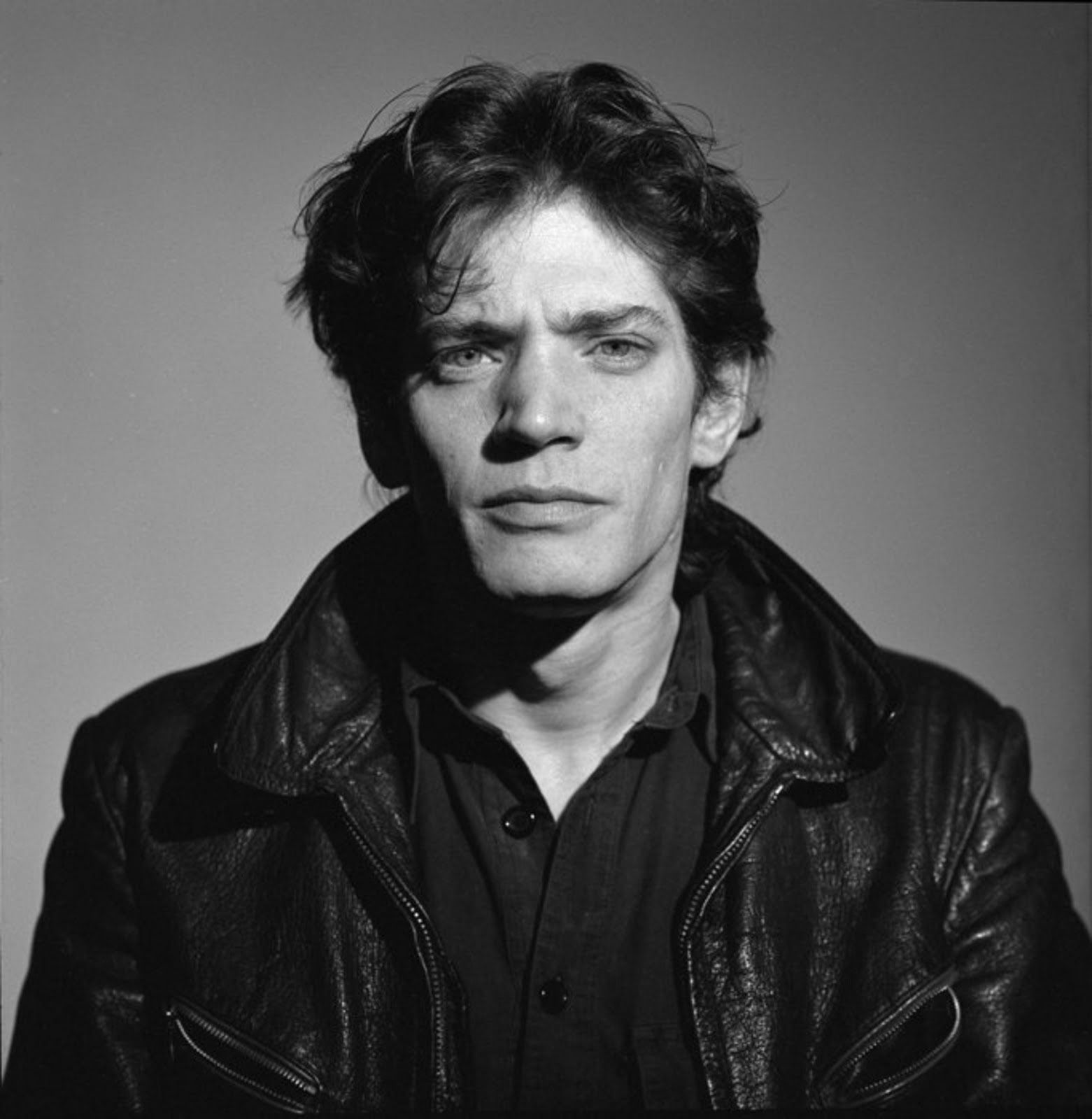
Robert Mapplethorpe was an American photographer, celebrated for his black-and-white photographs that captured a range of subjects including celebrity portraits, male and female nudes, self-portraits, and still-life images. Born in New York in 1946, Mapplethorpe's work is renowned for its technical precision, formal elegance, and controversial content, particularly his documentation of the gay male BDSM subculture and his erotic art. His body of work not only includes provocative themes but also more traditional subjects like flowers, showcasing his versatile artistic talent.
Robert Mapplethorpe's education at Pratt Institute in Brooklyn was foundational to his artistic journey, where he met Patti Smith and began his explorations in photography, initially through Polaroid camera use before advancing to more sophisticated techniques. His collaboration with Lisa Lyon, the first World Women's Bodybuilding Champion, and his retrospectives at significant institutions like the Whitney Museum of American Art highlight his broad artistic impact and continued influence in the art world. Despite his premature death in 1989 due to complications from AIDS, Mapplethorpe's legacy endures, supported by the Robert Mapplethorpe Foundation which promotes photography and funds medical research.
For collectors and experts in art and antiques, Robert Mapplethorpe's work remains a testament to the power of photography as a medium of both aesthetic beauty and provocative commentary. To stay updated on sales and auction events related to Robert Mapplethorpe's works, sign up for updates to not miss out on owning a piece of this influential artist's legacy.
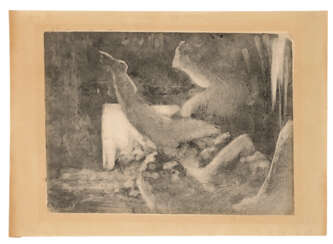

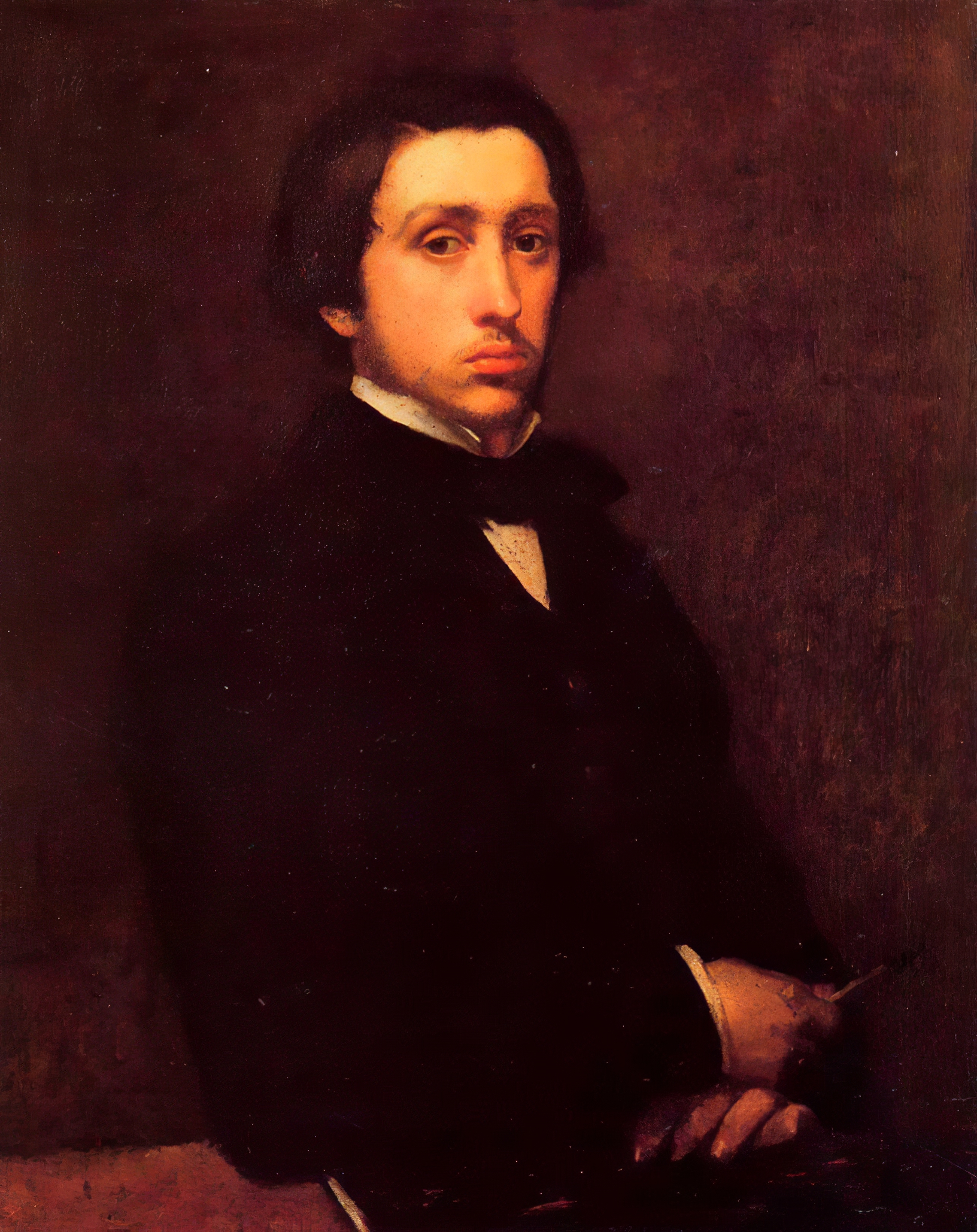
Edgar Degas, a French artist, was a master of painting, sculpture, and drawing, celebrated for his profound influence on the Impressionist movement despite his preference for being called a realist. Degas was born into a well-off family in Paris, France, and demonstrated a keen interest in art from an early age, eventually shaping his path to become one of the most sophisticated draftsmen of his time. His rigorous academic training and close study of classical art initially aimed him towards a career in history painting, but Degas soon pivoted towards contemporary subject matter, thus cementing his role as a classical painter of modern life.
Degas is renowned for his dynamic portrayals of movement, particularly in his depictions of dancers, racehorses, and everyday Parisian life. His works are characterized by their psychological depth and the isolation of his figures, showcasing his unique ability to capture the essence of his subjects with both empathy and critical distance. More than half of his oeuvre focuses on dancers, reflecting not only his fascination with the ballet but also his innovative approach to composition and form. This focus on the human figure, explored in various media including oil, pastel, and sculpture, underscores Degas's commitment to studying the nuances of human movement and expression.
Degas's artistic career is marked by his experimentation with various techniques and materials, as seen in his bronze sculptures and pastel nudes. One of his most famous sculptures, the study of the young ballet student Marie van Goethem, showcases his pioneering use of real objects in sculpture, a practice that prefigured later artistic innovations. Despite the controversies that sometimes surrounded his work, particularly in his depictions of the female nude, Degas's legacy as an artist who bridged the gap between traditional academic art and the modern movements of the early 20th century remains undisputed.
For collectors and experts in art and antiques, Degas's work offers a fascinating study in the evolution of modern art, highlighting the artist's deep engagement with the cultural and social dynamics of his time. His pieces, whether in the form of paintings, sculptures, or prints, continue to captivate audiences with their complexity, beauty, and innovative spirit.
If you are keen to stay updated on sales and auction events related to Edgar Degas, signing up for updates is a prudent choice. This subscription service ensures that you remain informed about new opportunities to acquire works by this pivotal figure in the art world, without overwhelming you with unnecessary information.