religious
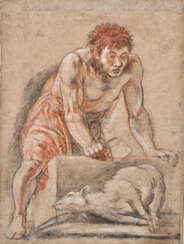

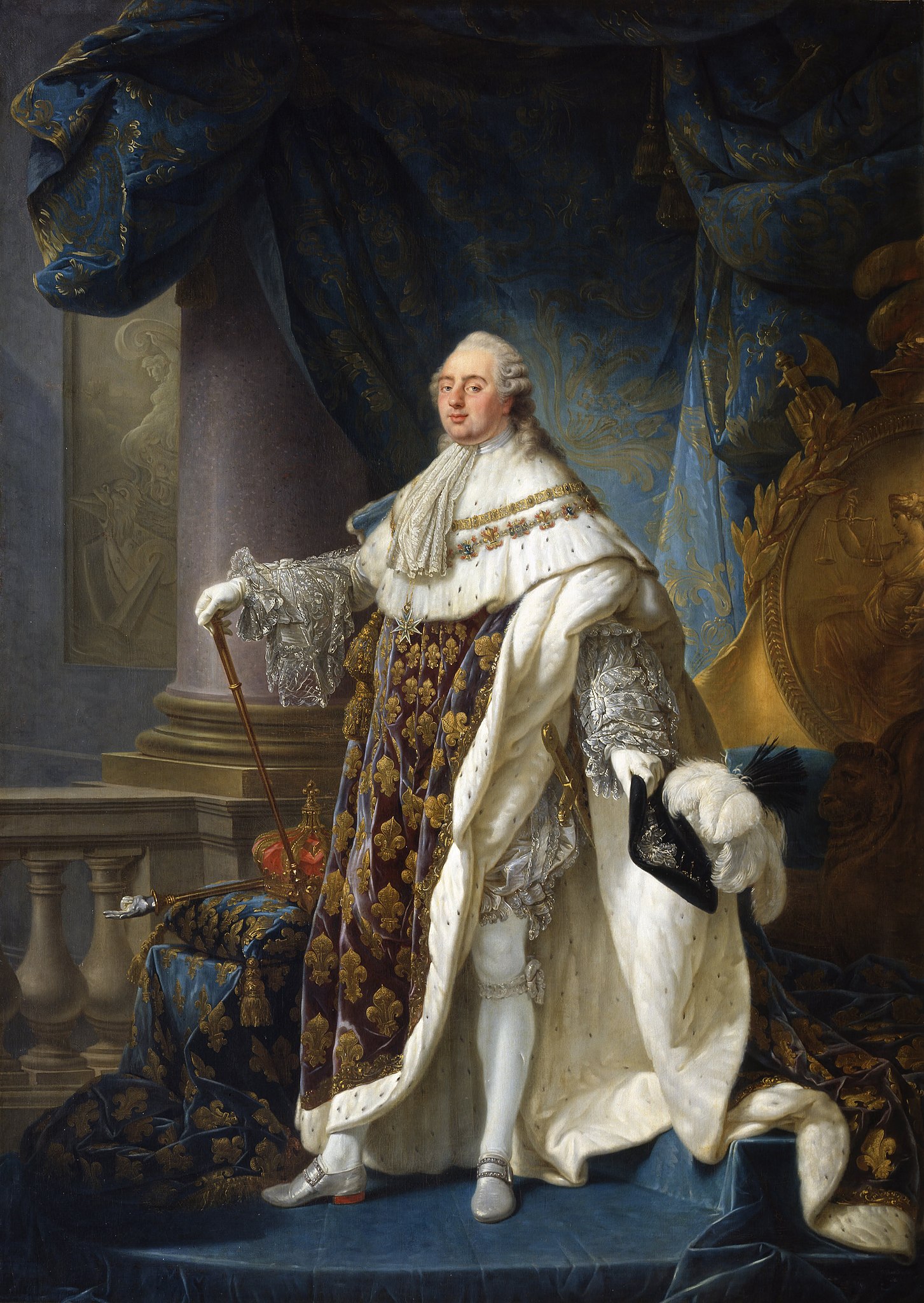
Antoine-François Callet was a French painter of portraits and allegorical works, who acted as official portraitist to Louis XVI.
![THOMAS AQUINAS (pseudo, c.1225-1274) – [BERNARDUS DE PARENTINIS (fl. 1340)]](/assets/image/picture_4734979/bcf5e/bc5e8f5360024b2c46fb78e7302c17691752012000jpg__fix_374_244.jpeg)
![THOMAS AQUINAS (pseudo, c.1225-1274) – [BERNARDUS DE PARENTINIS (fl. 1340)]](https://veryimportantlot.com/assets/image/picture_4734979/bcf5e/bc5e8f5360024b2c46fb78e7302c17691752012000jpg__fix_374_244.jpeg)




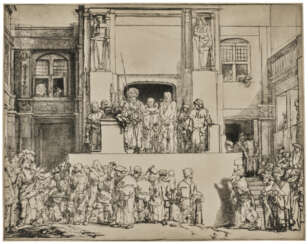


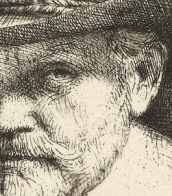
Rembrandt Harmenszoon van Rijn, a Dutch Baroque painter and printmaker, was born on July 15, 1606, in Leiden, Netherlands, and died on October 4, 1669, in Amsterdam. He is celebrated as one of the greatest storytellers in art history, acclaimed for his adept portrayal of human emotions and dramatic narratives. Rembrandt's extensive oeuvre includes portraits, self-portraits, landscapes, genre scenes, allegorical, historical, and biblical themes, as well as animal studies. His artistry shined during the Dutch Golden Age, a period marked by cultural and scientific achievements in the Netherlands.
Rembrandt's education in art began around the age of 10 when he left the Latin School in Leiden to train as an artist. He apprenticed with artists like Jacob van Swanenburg and Pieter Lastman, mastering various aspects of painting. He opened his own studio in Leiden around 1624 or 1625, sharing it with his colleague Jan Lievens. By 1631, he had moved to Amsterdam, where he achieved significant success and trained many important Dutch painters.
Among Rembrandt's notable works are "The Anatomy Lesson of Dr. Nicolaes Tulp" (1632), "The Night Watch" (1642), and "The Syndics of the Amsterdam Drapers’ Guild" (1662). He was also renowned for his self-portraits, creating around 80 over his lifetime, more than any other artist until the 20th century. These self-portraits were not just artistic endeavors but also experiments with facial expressions and lighting effects. Additionally, Rembrandt was a master etcher, transforming etching from a reproductive technique into an art form.
Rembrandt's painting style is characterized by its dramatic use of light and shadow, known as chiaroscuro. His ability to depict materials realistically was unparalleled; his portrayal of metals and fabrics was so lifelike that they appeared to glow and be tangible. He was also known for his impasto technique, applying paint thickly to the canvas, adding a three-dimensional quality to his works.
Despite his artistic prowess, Rembrandt faced financial difficulties and personal tragedies throughout his life. He declared bankruptcy in 1656, a downfall attributed partly to his extensive collection of art objects and curiosities. His masterpieces, however, continued to garner appreciation and influence generations of artists that followed.
For collectors and experts in art and antiques, Rembrandt's works represent a pinnacle of artistic achievement in the Dutch Golden Age. His mastery in portraying the human condition and his innovative techniques in painting and etching make his works highly prized and influential in the art world.
To stay updated on new product sales and auction events related to Rembrandt van Rijn, sign up for our updates. This subscription service is dedicated exclusively to news and events concerning works related to this unparalleled master of the Dutch Golden Age.
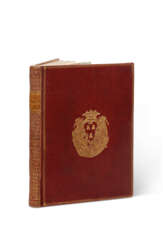

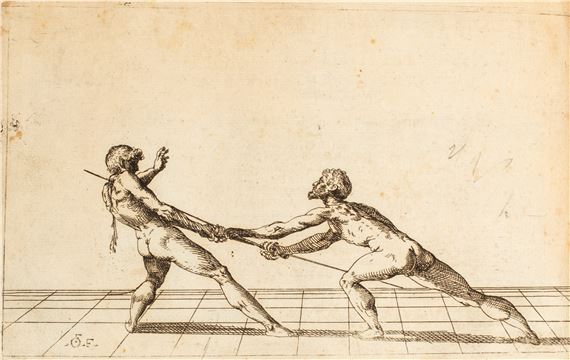
Odoardo Fialetti was an Italian painter and printmaker who began his training during the late Renaissance, and showed distinct mannerist sensibilities in his mid-career, adopting a much looser and more dynamic style in his later life.
Born in Bologna, he initially apprenticed with Giovanni Battista Cremonini, and after traveling to Rome, he moved to Venice to work in the elderly Tintoretto's studio.
From 1604 to 1612, he is listed as member of the Venetian Fraglia dei Pittori. In Venice, he painted a St Agnes for the church of San Nicolò da Tolentino and scenes from the Life of St Dominic for the sacristy of the Santi Giovanni e Paolo.
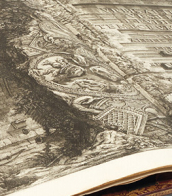
![[BIBLE - PADELOUP, Antoine-Michel, relieur (1685-1758)]](/assets/image/picture_2500738/0484c/03412a032bad71a83c9655eaa44f84411667984400jpg__fix_374_244.jpeg)
![[BIBLE - PADELOUP, Antoine-Michel, relieur (1685-1758)]](https://veryimportantlot.com/assets/image/picture_2500738/0484c/03412a032bad71a83c9655eaa44f84411667984400jpg__fix_374_244.jpeg)
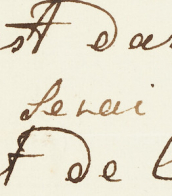
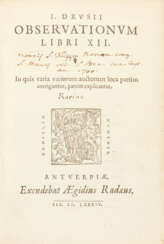

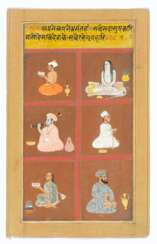








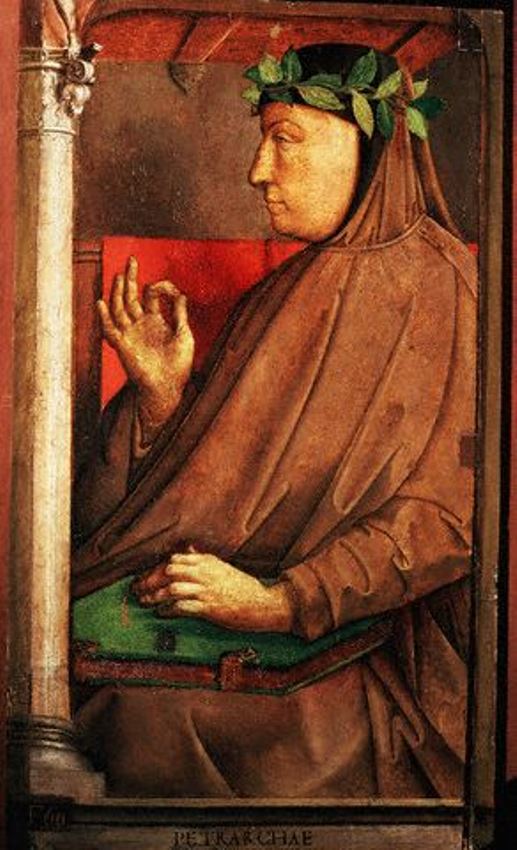
Francesco Petrarca was an Italian poet, the founder of European humanism, and one of the greatest figures of the Italian Proto-Renaissance.
Petrarca studied at the University of Montpellier, then at the University of Bologna, in 1330 entered the service of Cardinal Giovanni Colonna as a chaplain. Then he made various pilgrimages, in 1353 settled in Milan at the court of Archbishop Giovanni Visconti, and carried out important diplomatic missions. Petrarca spent the last years of his life in the village of Arquà near Padua.
Since 1337 Petrarca began to write literary works: these were historical poems in Latin and lyric poems in Italian. In 1327 Francesco saw Laura for the first time, undivided love for which was the main source of his poetry. Laura was for him an object of adoration and pure platonic love. Despite the fact that they saw each other only a few times and were not really acquainted, Petrarca carried this feeling through his life.
Passionate about ancient culture, Petrarch deciphered and commented on the manuscripts of Cicero, Quintilian and others. He opposed medieval scholasticism interest in the earthly purpose of man, argued that the nobility of man depends not on the nobility of origin, but on his virtue. Petrarca highly valued the mind and creative abilities of man, and these humanistic ideas found vivid expression in his lyrics, revealing the inner world of man. Petrarca's work laid the foundation for the formation of Italian humanism. He also dreamed of the unification of Italy, the revival of the former greatness of Rome.
Francesco Petrarca had one of the richest libraries of his time, where ancient Roman writers, poets, historians, philosophers were represented. He was one of the brightest representatives of the culture of the Renaissance. Petrarca's works are characterized by perfection of form and musicality of verse, which played a significant role in the development of European poetry. Among his works are the poem "Africa" about the Second Punic War in Latin, allegorical pastoral eclogues "Bucolics" (1346/1357), a book of songs "My Italy", "Noble Spirit", sonnets, etc.





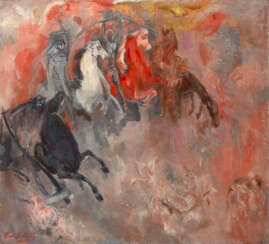

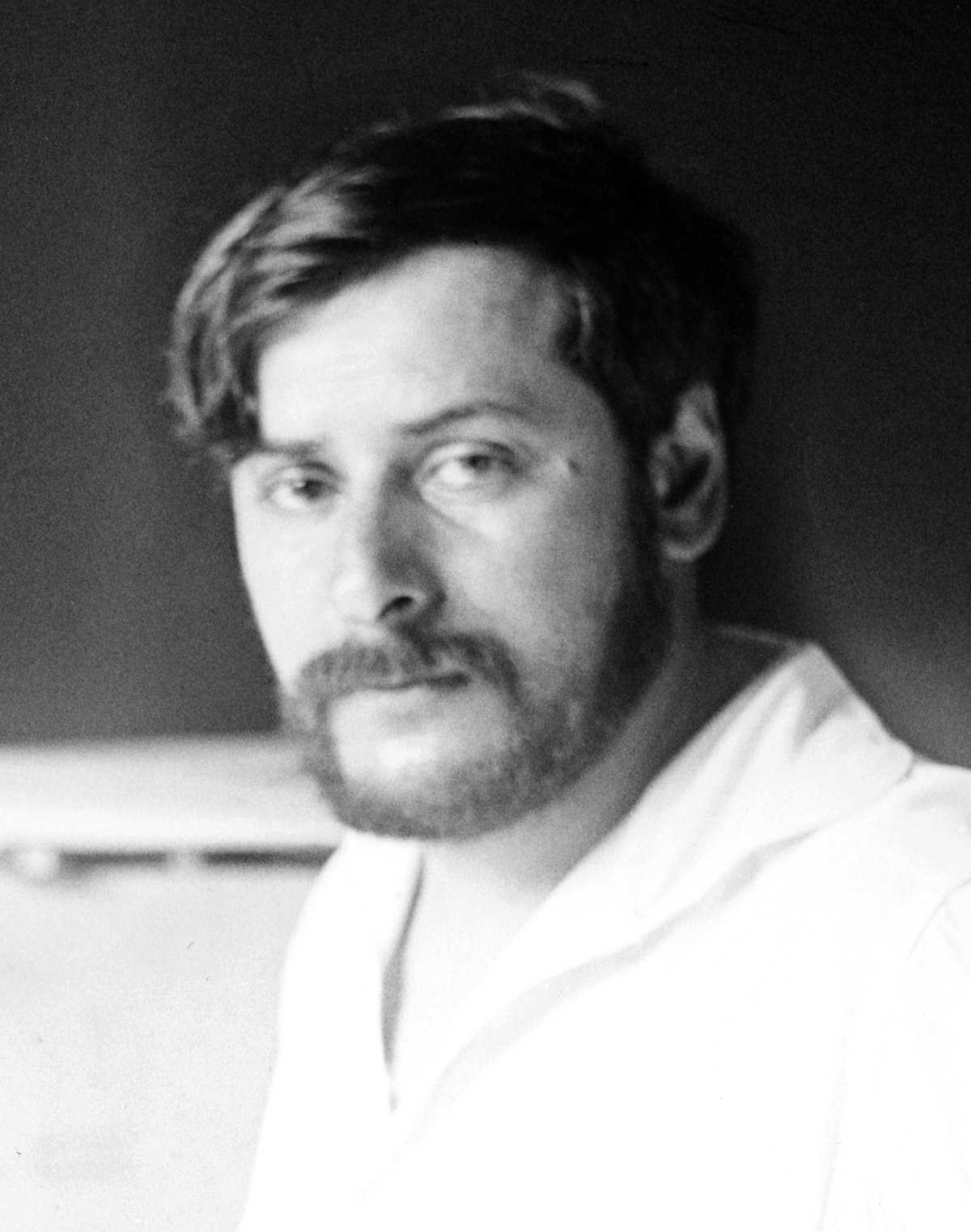
Boris Izraelievich Anisfeld (Russian: Борис Израилевич Анисфельд) was a Russian-American painter, set designer, illustrator, and educator, celebrated for his vivid use of color and imaginative scenery. Born in Bessarabia, Russian Empire, in 1878, Anisfeld's artistic journey led him from the Odessa School of Art to the Imperial Academy of Arts in Saint Petersburg, where he absorbed the influences of prominent artists like Ilya Repin and Igor Grabar. His distinct style caught the attention of Sergei Diaghilev, leading to his work with the Ballet Russe before World War I.
Anisfeld's contributions to art extend beyond his canvas, as his theater designs for Diaghilev's Ballets Russes and collaborations with notable figures like Michel Fokine and Anna Pavlova showcased his ability to blend fantasy with performance. His work with the Ballets Russes, including designing the production of "Sadko" and executing the visions of other celebrated artists for stage sets, marked a significant period in his career before he immigrated to the United States in 1917.
In America, Anisfeld continued his legacy, taking on roles such as a teacher at the Art Institute of Chicago and contributing to the cultural landscape through his stage designs and paintings. His work is recognized for its innovative approach to color and form, bridging the realms of painting and theater design to create immersive, emotionally resonant artworks. Anisfeld passed away in 1973, leaving behind a body of work that continues to inspire and captivate audiences.
For collectors and experts in art and antiques, Anisfeld's work represents a fusion of Russian and American art traditions, enriched by his imaginative approach and vibrant palette. His contributions to the development of modern art and theater design underscore the enduring relevance of his creative vision.
To stay updated on exhibitions, sales, and auctions related to Boris Israelievich Anisfeld, sign up for updates. This subscription will ensure you're informed about new opportunities to explore and acquire works by this influential artist.


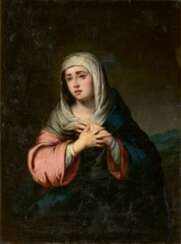

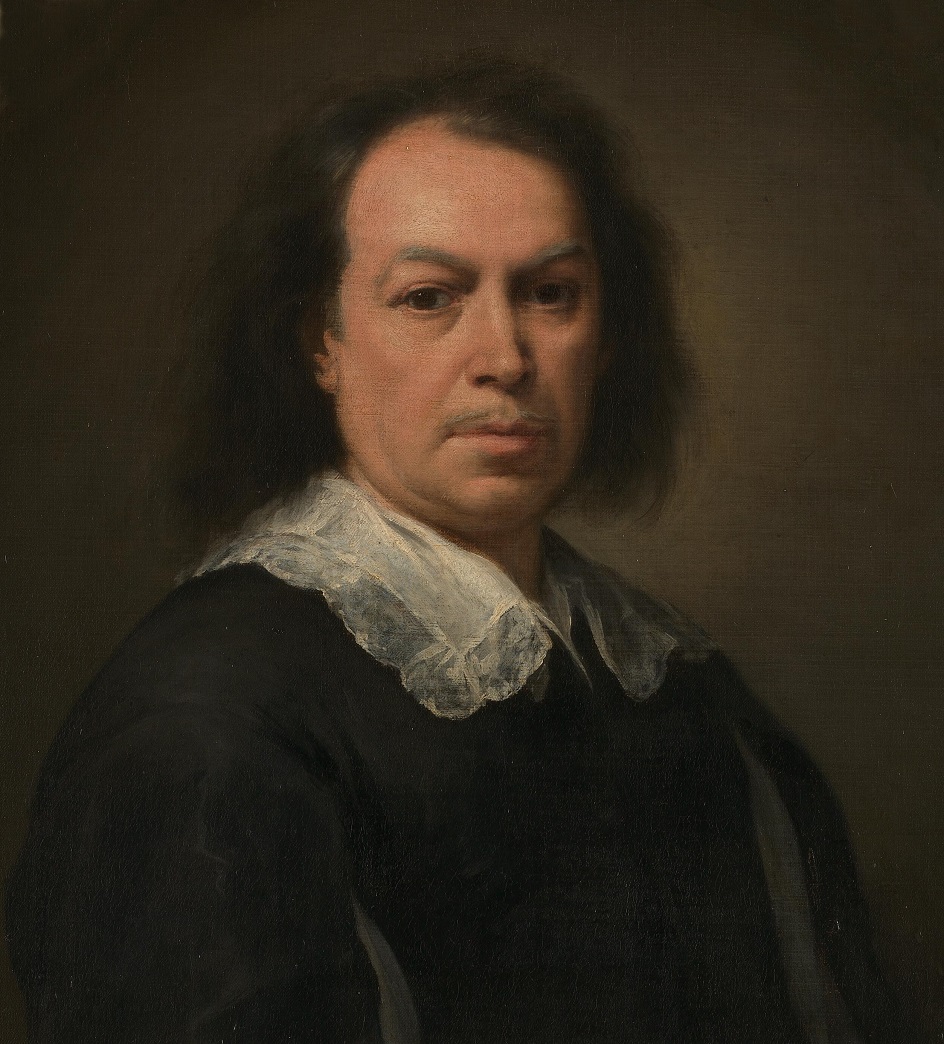
Bartolomé Esteban Murillo was a Spanish painter, renowned for his contributions to the world of art and culture. Born in Seville, Spain, in the 17th century, Murillo specialized in religious and genre painting, leaving a lasting impact on the art world.
Murillo is known for his remarkable ability to infuse his paintings with deep emotion and realism. His works often depicted scenes from everyday life, as well as religious subjects. One of his notable specialties was his exceptional skill in capturing the innocence of children in his artwork. His use of soft colors and delicate brushwork gave his paintings a unique and timeless quality.
One of Murillo's most famous works is the series of paintings known as the "Immaculate Conception." These paintings, which depict the Virgin Mary as a young girl, have been praised for their beauty and devotion. Many of his works are housed in museums and galleries around the world, attracting art enthusiasts and collectors.
For collectors and art experts, Murillo's works hold a special place in the art world, with their ability to evoke powerful emotions and capture the essence of the human experience. To stay updated on the latest news and events related to Bartolomé Esteban Murillo's paintings and exhibitions, consider subscribing to our newsletter. We'll keep you informed about new product sales and auction events featuring this exceptional artist's works. Join us in celebrating the legacy of Bartolomé Esteban Murillo and his invaluable contributions to the world of art.

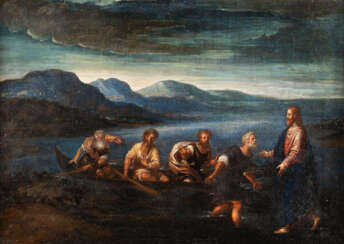

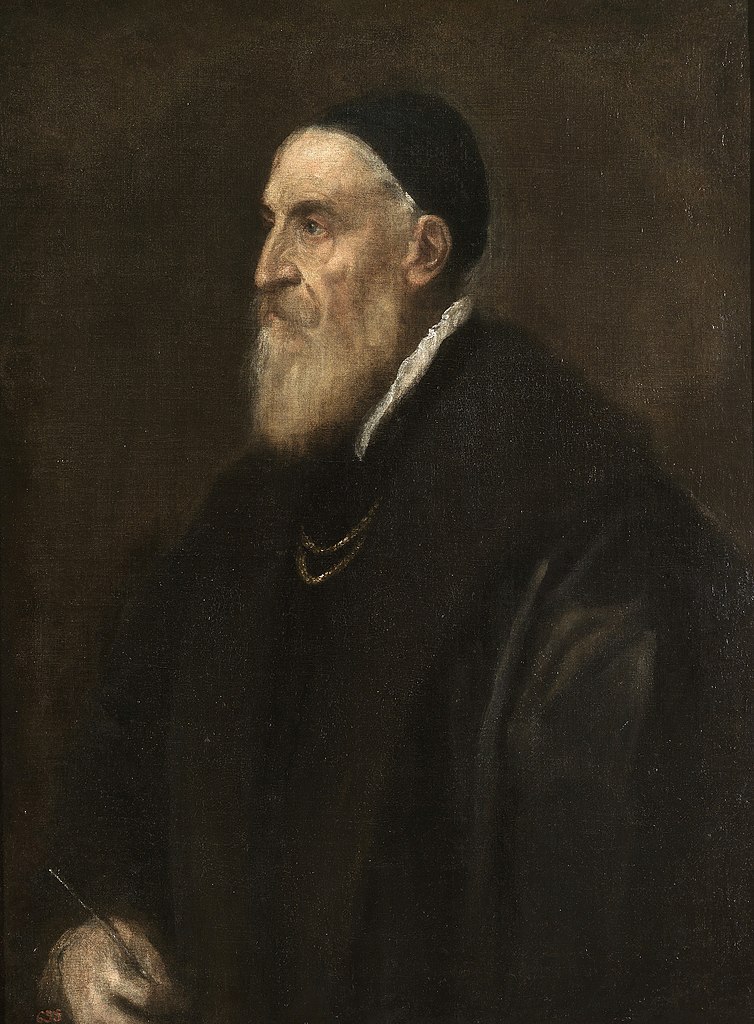
Tiziano Vecellio, an Italian Renaissance painter from Venice, stands out as a pivotal figure in the art world, renowned for his versatility across various genres like portraits, landscapes, and religious subjects. His influence on the development of Western art, particularly through his revolutionary use of color, is profound and long-lasting.
Born around 1488/90 in Pieve di Cadore, part of the then Republic of Venice, Titian's talent was evident early on. He began his artistic journey in the studio of the Bellini brothers in Venice, later joining forces with Giorgione, another influential painter of the time. This collaboration marked the beginning of a distinguished career that would see Titian become the most sought-after painter in Europe, working for nobility, the Habsburgs, and the papacy.
Titian's style evolved significantly throughout his career. He initially gained recognition for his vibrant, luminous colors and later became famous for his loose brushwork and subtle tonality. This shift was not just a matter of aesthetics but also represented a deeper understanding of color and light. Titian's approach to painting, particularly his use of colore, where he juxtaposed colors to define compositions, contrasted sharply with the line-focused disegno technique of the time. This method contributed significantly to the distinctiveness of Venetian art.
Among his many patrons, Emperor Charles V and his son, Philip II of Spain, were perhaps the most notable. As their official painter, Titian created numerous portraits and mythological works that were celebrated for their psychological depth and expressive use of color. His 'poesie' series for Philip II, including famous works like "Diana and Actaeon," showcased his skill in portraying mythological narratives with a sense of drama and sensuality.
Titian's later works, created in the 1560s and 1570s, are particularly revered for their experimental nature, pushing his art towards what has been termed 'magic impressionism'. These works, like "The Death of Actaeon" and the unfinished "Pietà", demonstrate a radical departure from his earlier style and reflect a continued evolution even in his later years.
For art collectors and experts, Titian's oeuvre represents a crucial link in the history of European art, illustrating the transition from the Renaissance to a more modern, expressive form of painting. His mastery of color and light, combined with his ability to convey deep emotional resonance, continues to influence artists and captivate viewers centuries later.
To stay updated on artworks and auction events related to Tiziano Vecelli, consider signing up for updates. This subscription will ensure you are informed about new product sales and auction events related to this remarkable artist.
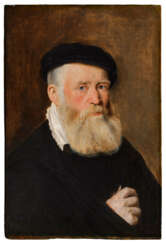



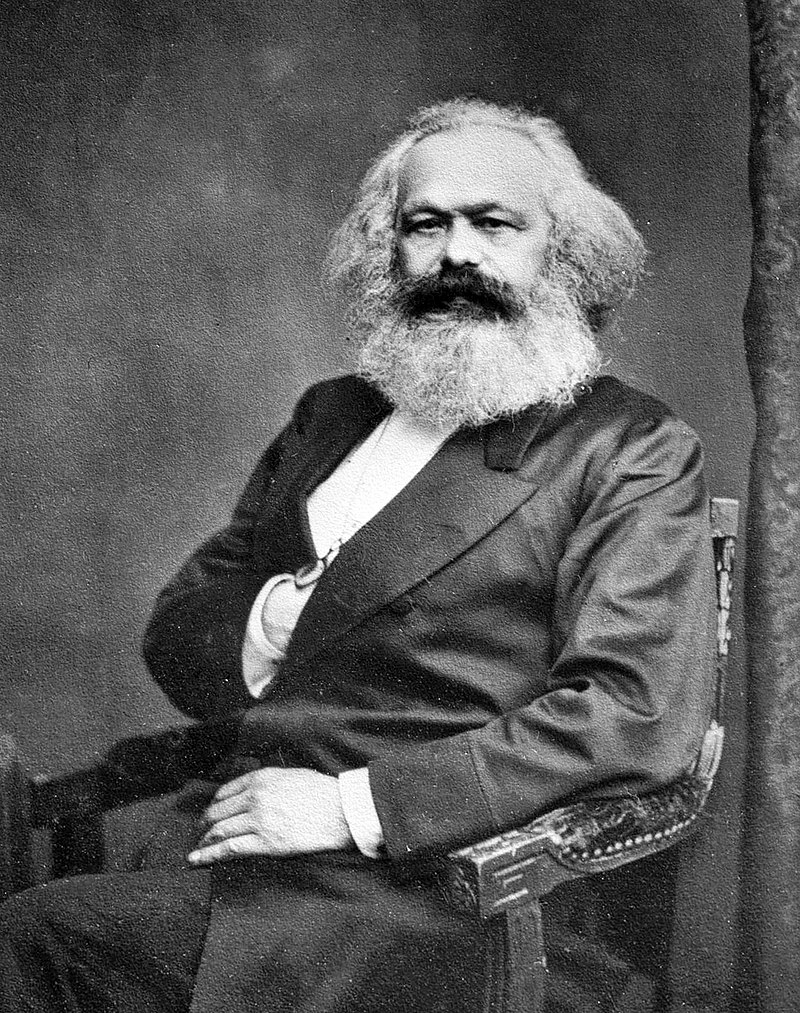
Karl Marx, full name Karl Heinrich Marx, was a German philosopher, sociologist, historian and economist, social activist, and journalist. One of the most significant political figures in the world, his works have had a great influence on the course of human history.
Karl Heinrich Marx was born into a large Jewish family of rabbinic dynasty, but his father and Karl himself were baptized. The young Karl received a liberal arts education at the University of Bonn and the University of Berlin and was actively involved in the turbulent political life of Germany and France in the 19th century. For his political activities in 1849 he was expelled from Germany, moved with his family to Paris and then to London, where he lived and worked until the end of his life.
In 1844 he met the German socialist Friedrich Engels, who became his friend and collaborator for the rest of his life. Together they had already published the Manifesto of the Communist Party (1848), the most famous pamphlet in the history of the socialist movement. Karl Marx was also the author of the movement's most important book, Das Kapital (Capital). These and other writings of Marx and Engels formed the basis of the system of views and beliefs known as Marxism.
Marx examined the very different versions of socialism that existed in the early nineteenth century and combined them into a doctrine that remained the dominant version of socialism for half a century after his death. His emphasis on the influence of economic structure on historical development was of enduring importance.
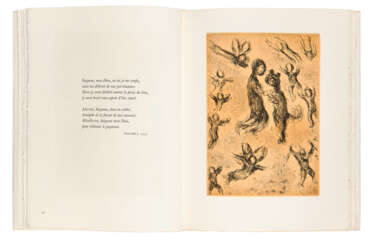

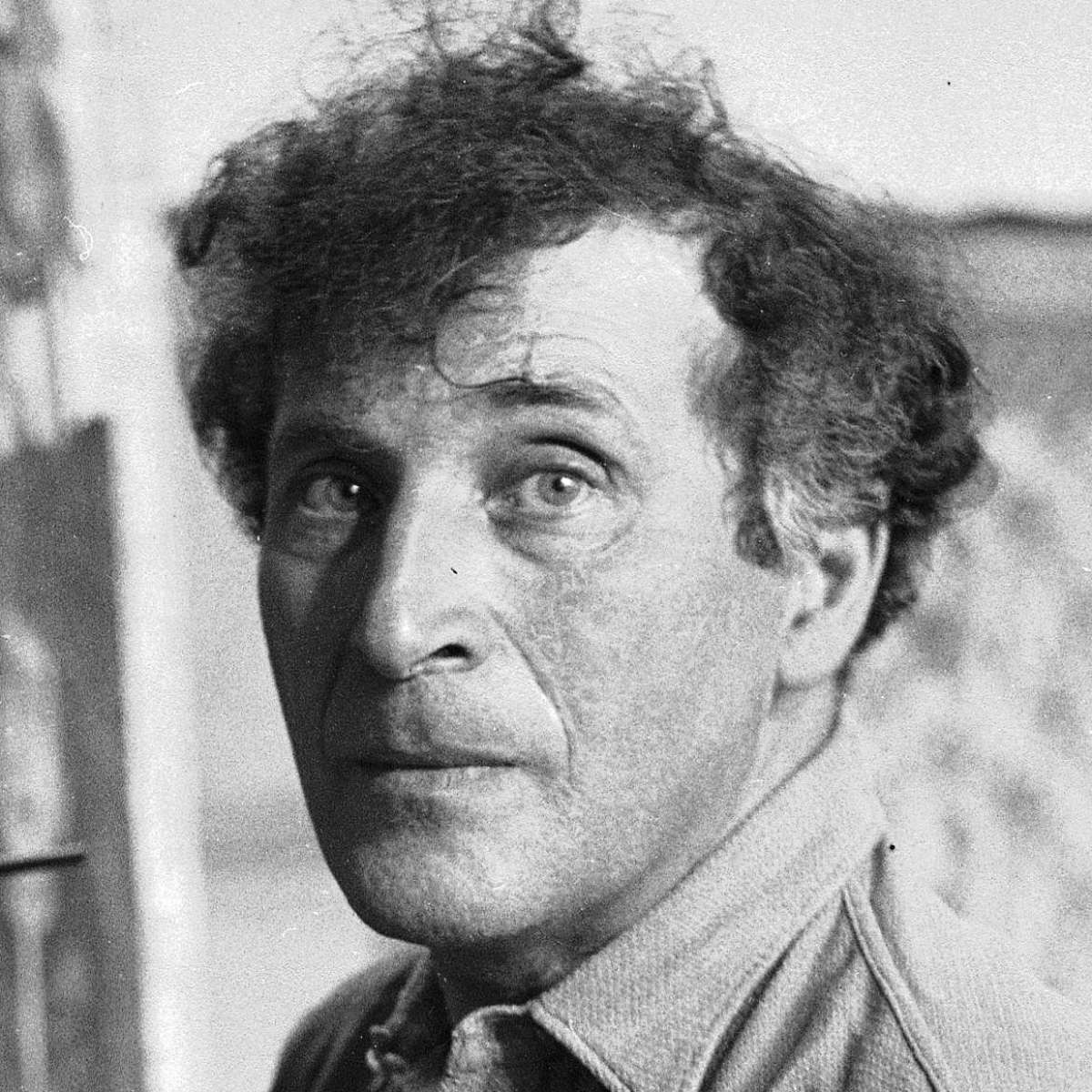
Marc Chagall (Russian: Марк Заха́рович Шага́л), born Moishe Shagal in 1887 near Vitebsk, Belarus (then part of the Russian Empire), was a Belarusian and French artist celebrated for his pivotal role in the avant-garde movement and his unique integration of Eastern European Jewish culture into modern art. His contributions spanned several artistic formats including painting, stained glass, stage sets, ceramics, tapestries, and fine art prints. Chagall's early modernist tendencies were enriched by his experiences across Saint Petersburg, Paris, and Berlin before World War I, leading to a distinctive style that melded Cubism, Symbolism, and Fauvism with his Jewish heritage.
Chagall's work is recognized for its emotional depth, often exploring themes of love, memory, and Jewish folklore through vibrant colors and dreamlike imagery. Notably, art critic Robert Hughes described him as "the quintessential Jewish artist of the twentieth century," a sentiment echoed by art historian Michael J. Lewis who regarded Chagall as a significant figure within European modernism and as the world's preeminent Jewish artist of his time.
Among Chagall's famed contributions are his stained-glass windows for the cathedrals of Reims and Metz, the UN, and the Jerusalem Windows in Israel. His monumental paintings include parts of the ceiling of the Paris Opéra and works that explore biblical themes, a hallmark of his oeuvre that underscores his enduring engagement with spiritual and religious motifs.
For art collectors and antiques experts, Chagall's works are notable not only for their artistic innovation but also for their rich cultural and historical significance. His art is housed in many prestigious museums worldwide, including the Marc Chagall National Museum in Nice, France, which focuses on his works inspired by religion and houses the series of paintings illustrating the biblical message.
For those interested in exploring Chagall's legacy and the vibrant intersection of culture, art, and history his work represents, signing up for updates on new product sales and auction events related to Marc Chagall can provide invaluable insights and opportunities. This is an invitation to engage more deeply with the world of art and culture that Chagall so uniquely encapsulated in his work.


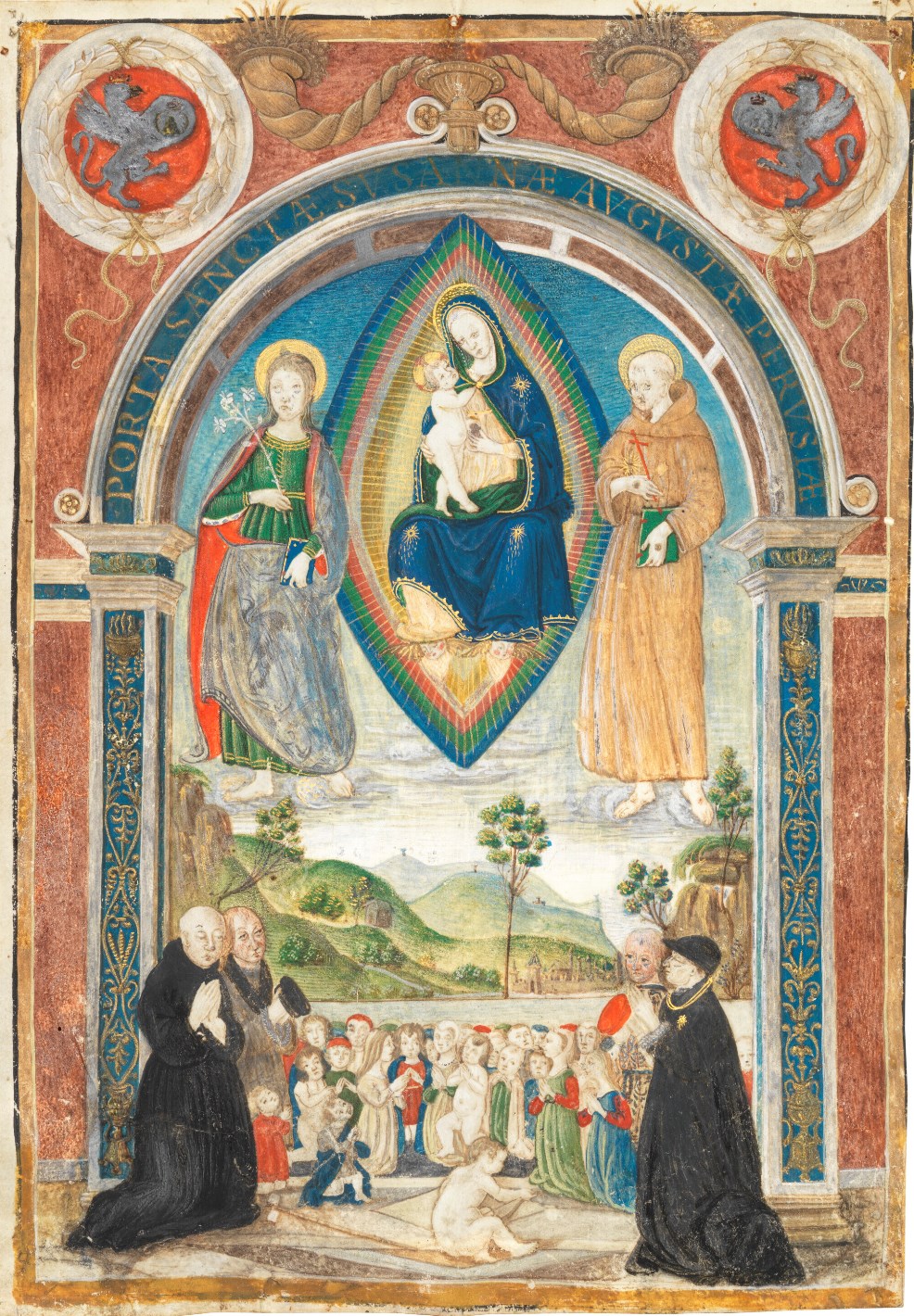
Tommaso di Mascio Scarafone was an Italian painter and illuminator.
He worked in the studio of the Perugene illuminator, painter and frescoist Bartolomeo Caporali.

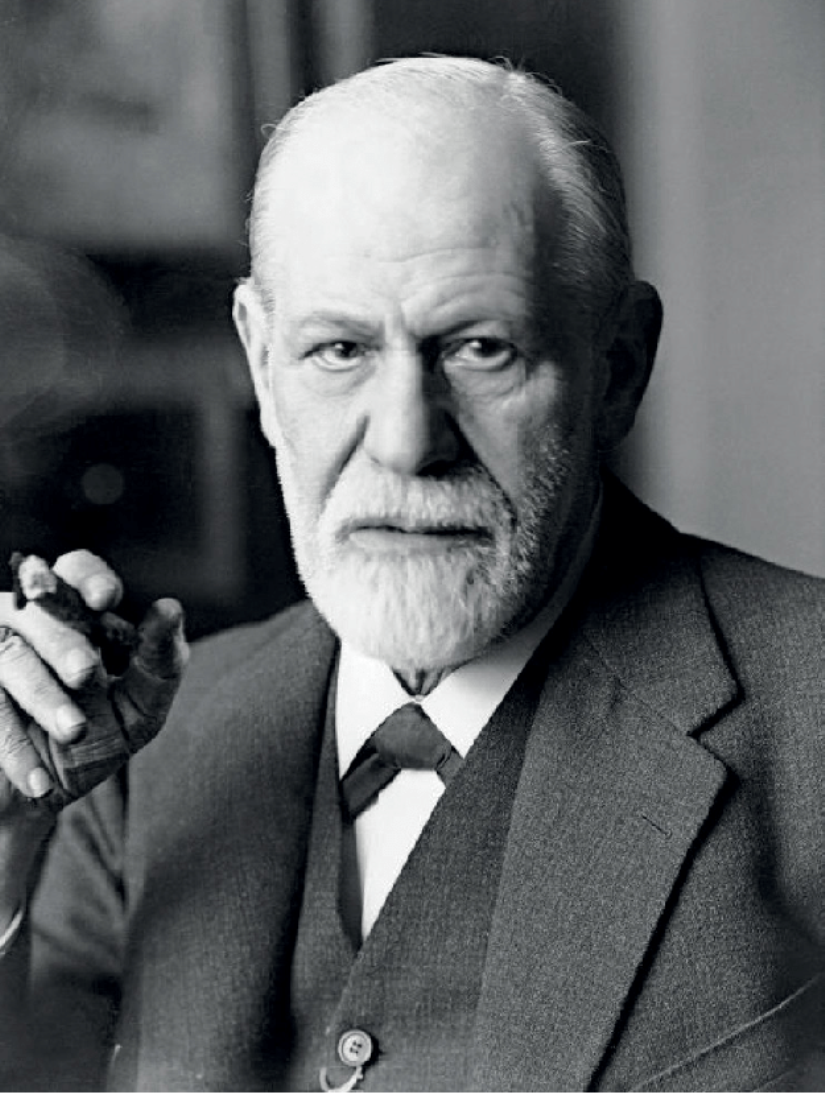
igmund Freud, born Sigismund Schlomo Freud, was an Austrian psychologist, psychiatrist and neurologist, the founder of psychoanalysis.
He graduated from the medical faculty of the University of Vienna, was engaged in self-education and numerous, cutting-edge for his time studies of the human psyche. The resulting psychoanalysis he created was both a theory of the human psyche, a therapy to alleviate its ills, and a tool for interpreting culture and society. Freud's psychoanalysis had a significant impact on psychology, medicine, sociology, anthropology, literature and art in the twentieth century.
Despite the sometimes harsh criticism of virtually all of his ideas and teachings, which continues almost a century after his death, Freud remains one of the most influential intellectual figures of our time.