richard scheibe
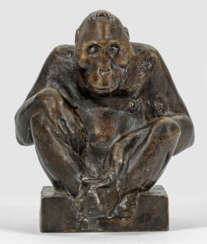

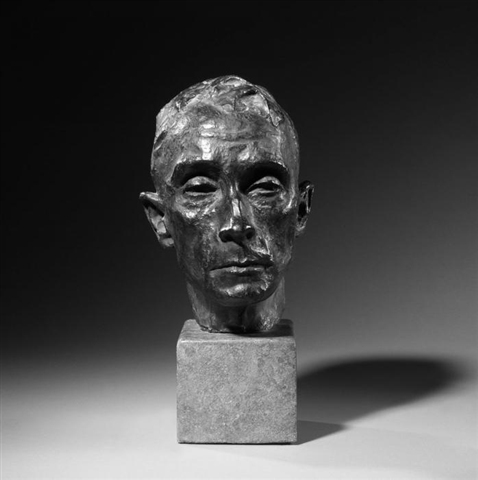
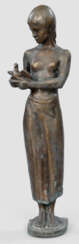
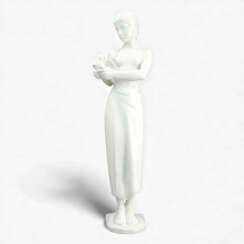
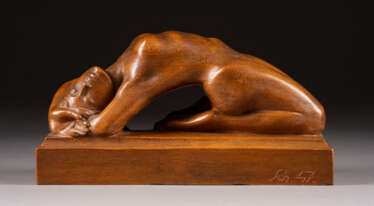
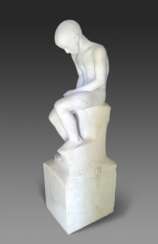
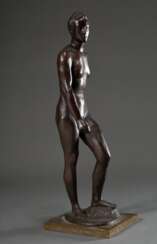
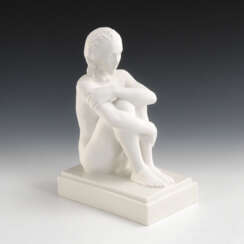
Richard Scheibe was a German artist primarily remembered as a sculptor. He trained as a painter, and taught himself to sculpt beginning in 1906. From 1925-1933 he taught at the Städelsches Kunstinstitut in Frankfurt am Main. He was dismissed from teaching when the Nazis seized power but was reinstated in 1934. He received various recognitions during the Third Reich, including the Goethe-Medaille für Kunst und Wissenschaft and placement on the Gottbegnadeten list. After World War II he continued to sculpt, including a figurative piece for the Memorial to the German Resistance. His work was also part of the sculpture event in the art competition at the 1928 Summer Olympics.


Richard Scheibe was a German artist primarily remembered as a sculptor. He trained as a painter, and taught himself to sculpt beginning in 1906. From 1925-1933 he taught at the Städelsches Kunstinstitut in Frankfurt am Main. He was dismissed from teaching when the Nazis seized power but was reinstated in 1934. He received various recognitions during the Third Reich, including the Goethe-Medaille für Kunst und Wissenschaft and placement on the Gottbegnadeten list. After World War II he continued to sculpt, including a figurative piece for the Memorial to the German Resistance. His work was also part of the sculpture event in the art competition at the 1928 Summer Olympics.
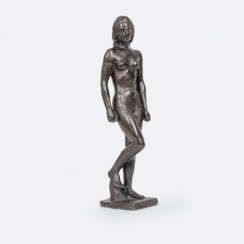

Richard Scheibe was a German artist primarily remembered as a sculptor. He trained as a painter, and taught himself to sculpt beginning in 1906. From 1925-1933 he taught at the Städelsches Kunstinstitut in Frankfurt am Main. He was dismissed from teaching when the Nazis seized power but was reinstated in 1934. He received various recognitions during the Third Reich, including the Goethe-Medaille für Kunst und Wissenschaft and placement on the Gottbegnadeten list. After World War II he continued to sculpt, including a figurative piece for the Memorial to the German Resistance. His work was also part of the sculpture event in the art competition at the 1928 Summer Olympics.


Richard Scheibe was a German artist primarily remembered as a sculptor. He trained as a painter, and taught himself to sculpt beginning in 1906. From 1925-1933 he taught at the Städelsches Kunstinstitut in Frankfurt am Main. He was dismissed from teaching when the Nazis seized power but was reinstated in 1934. He received various recognitions during the Third Reich, including the Goethe-Medaille für Kunst und Wissenschaft and placement on the Gottbegnadeten list. After World War II he continued to sculpt, including a figurative piece for the Memorial to the German Resistance. His work was also part of the sculpture event in the art competition at the 1928 Summer Olympics.
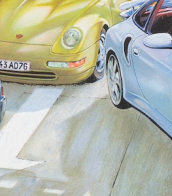







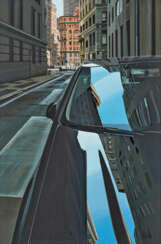

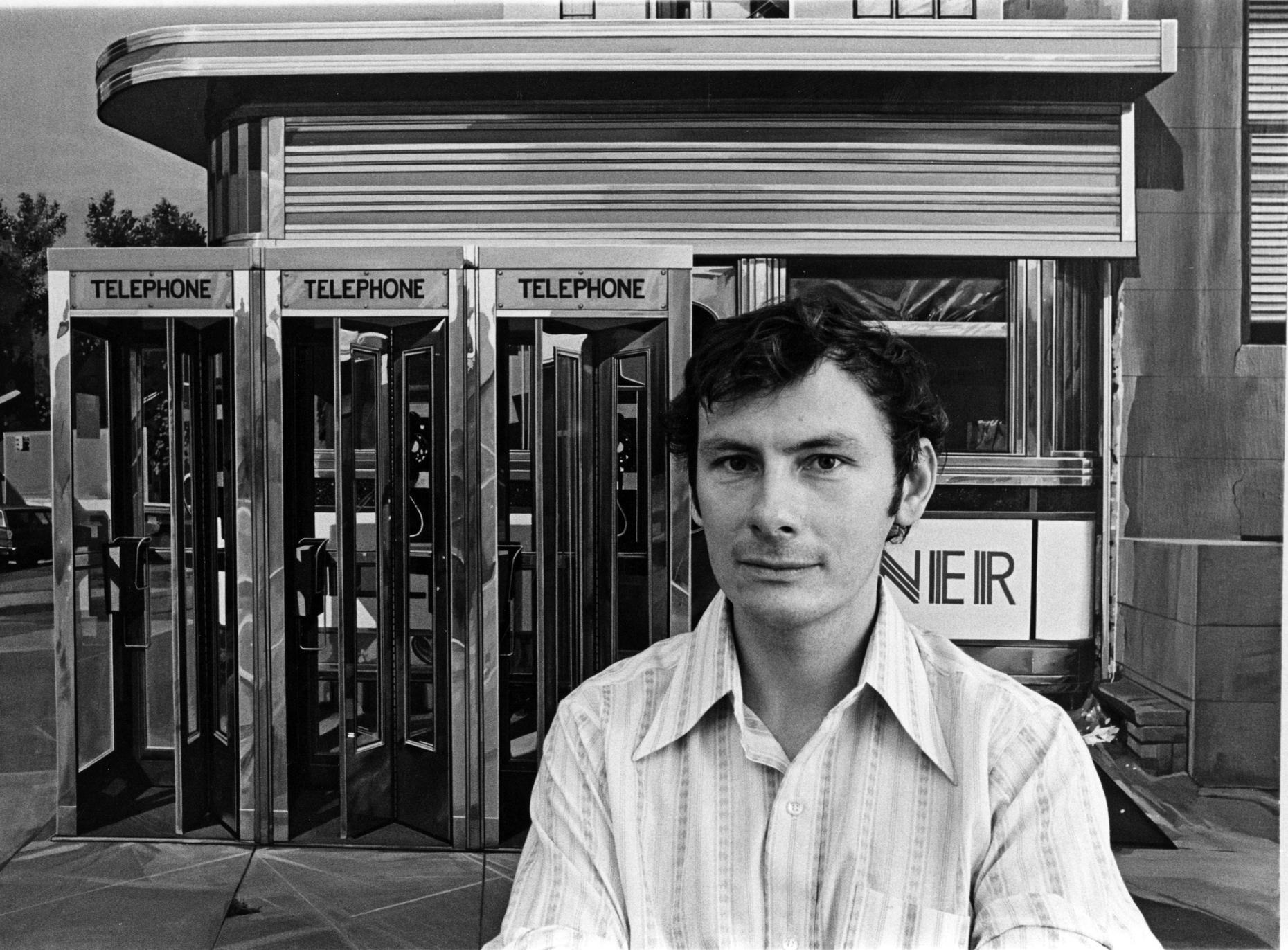
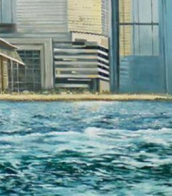
Richard Estes is an American artist, best known for his photorealist paintings. The paintings generally consist of reflective, clean, and inanimate city and geometric landscapes. He is regarded as one of the founders of the international photo-realist movement of the late 1960s, with such painters as John Baeder, Chuck Close, Robert Cottingham, Audrey Flack, Ralph Goings, and Duane Hanson.


Richard Scheibe was a German artist primarily remembered as a sculptor. He trained as a painter, and taught himself to sculpt beginning in 1906. From 1925-1933 he taught at the Städelsches Kunstinstitut in Frankfurt am Main. He was dismissed from teaching when the Nazis seized power but was reinstated in 1934. He received various recognitions during the Third Reich, including the Goethe-Medaille für Kunst und Wissenschaft and placement on the Gottbegnadeten list. After World War II he continued to sculpt, including a figurative piece for the Memorial to the German Resistance. His work was also part of the sculpture event in the art competition at the 1928 Summer Olympics.
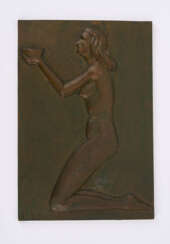

Richard Scheibe was a German artist primarily remembered as a sculptor. He trained as a painter, and taught himself to sculpt beginning in 1906. From 1925-1933 he taught at the Städelsches Kunstinstitut in Frankfurt am Main. He was dismissed from teaching when the Nazis seized power but was reinstated in 1934. He received various recognitions during the Third Reich, including the Goethe-Medaille für Kunst und Wissenschaft and placement on the Gottbegnadeten list. After World War II he continued to sculpt, including a figurative piece for the Memorial to the German Resistance. His work was also part of the sculpture event in the art competition at the 1928 Summer Olympics.





















.jpg)
Gerhard Marcks was a German artist, known primarily as a sculptor, but who is also known for his drawings, woodcuts, lithographs and ceramics.