robbing meaning

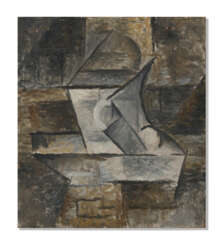

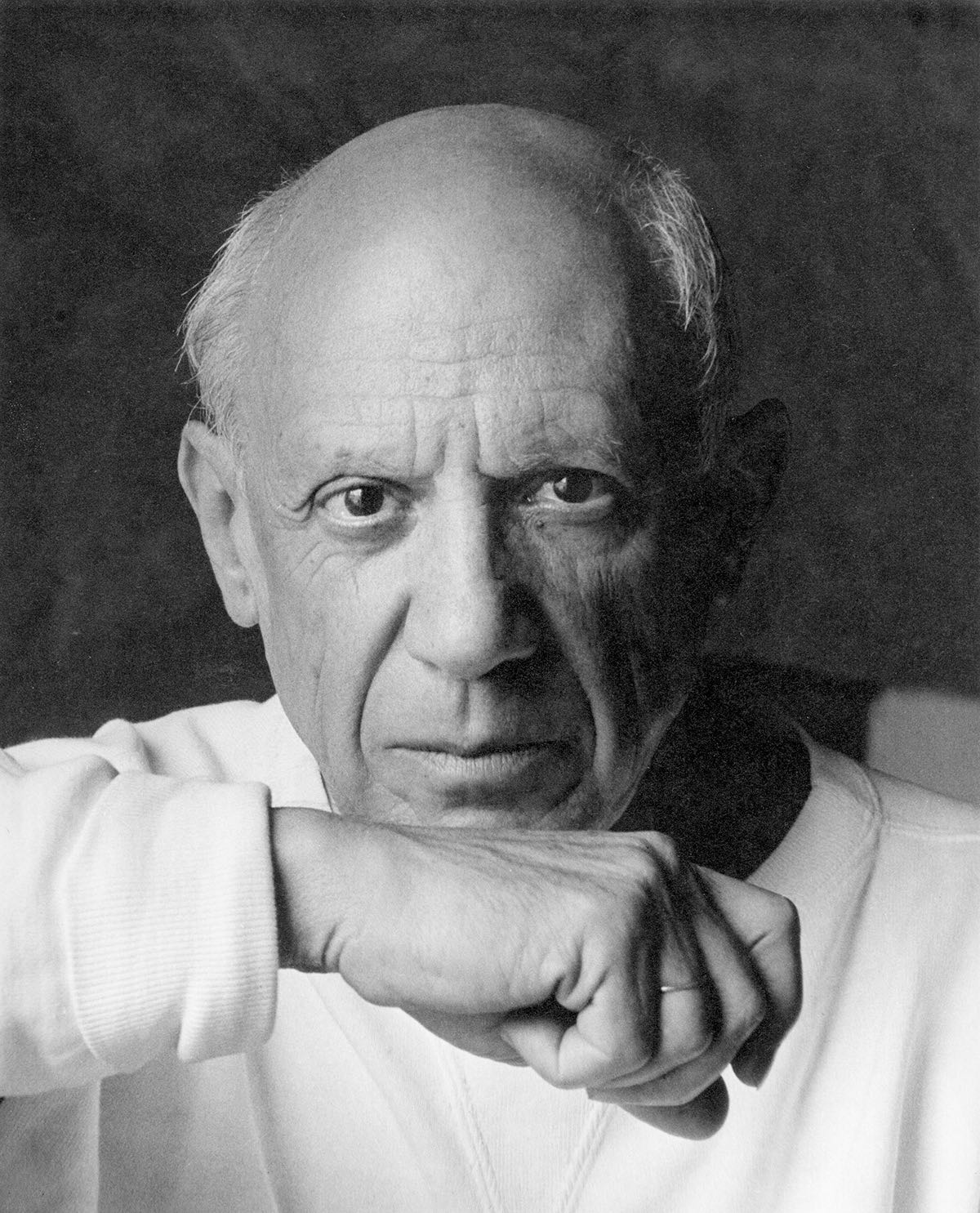
Pablo Ruiz Picasso, a Spanish artist renowned for his revolutionary contributions to the 20th-century art scene, is a figure that resonates profoundly with collectors and art experts. His unique blend of talents in painting, sculpture, printmaking, and ceramic art, infused with his time in France, positioned him as a pivotal character in modern art history.
Picasso's artistic journey was marked by distinct periods, each showcasing his evolving style and genius. His early years were characterized by the Blue Period (1901-1904), followed by the Rose Period (1904-1906), and then the African-influenced Period (1907-1909). Picasso's name is synonymous with Cubism, a movement he co-founded, which significantly altered artistic perspectives and methods. Works like "Les Demoiselles d'Avignon" (1907) and "Guernica" (1937) are emblematic of his cubist legacy, the latter being a poignant anti-war statement that remains influential.
His later years saw a return to more traditional styles, with neoclassical and surrealist influences becoming evident. Works from these phases reflect a deep engagement with mythological themes, as seen in "Faun with Stars" (1955), symbolizing his late-life romance with Jacqueline Roque, his second wife.
Picasso's prolific output and innovative spirit made him a legend in his own time, a status that only grew after his death. His works, housed in major museums and private collections worldwide, continue to captivate and inspire.
As a collector or expert in art and antiques, staying informed about Picasso's works, their auction events, and sales is essential. To stay updated on the latest developments and opportunities related to Pablo Picasso, sign up for our specialized updates. Rest assured, this subscription will focus solely on new product sales and auction events pertaining to Picasso's art, ensuring that you receive only the most relevant and valuable information.


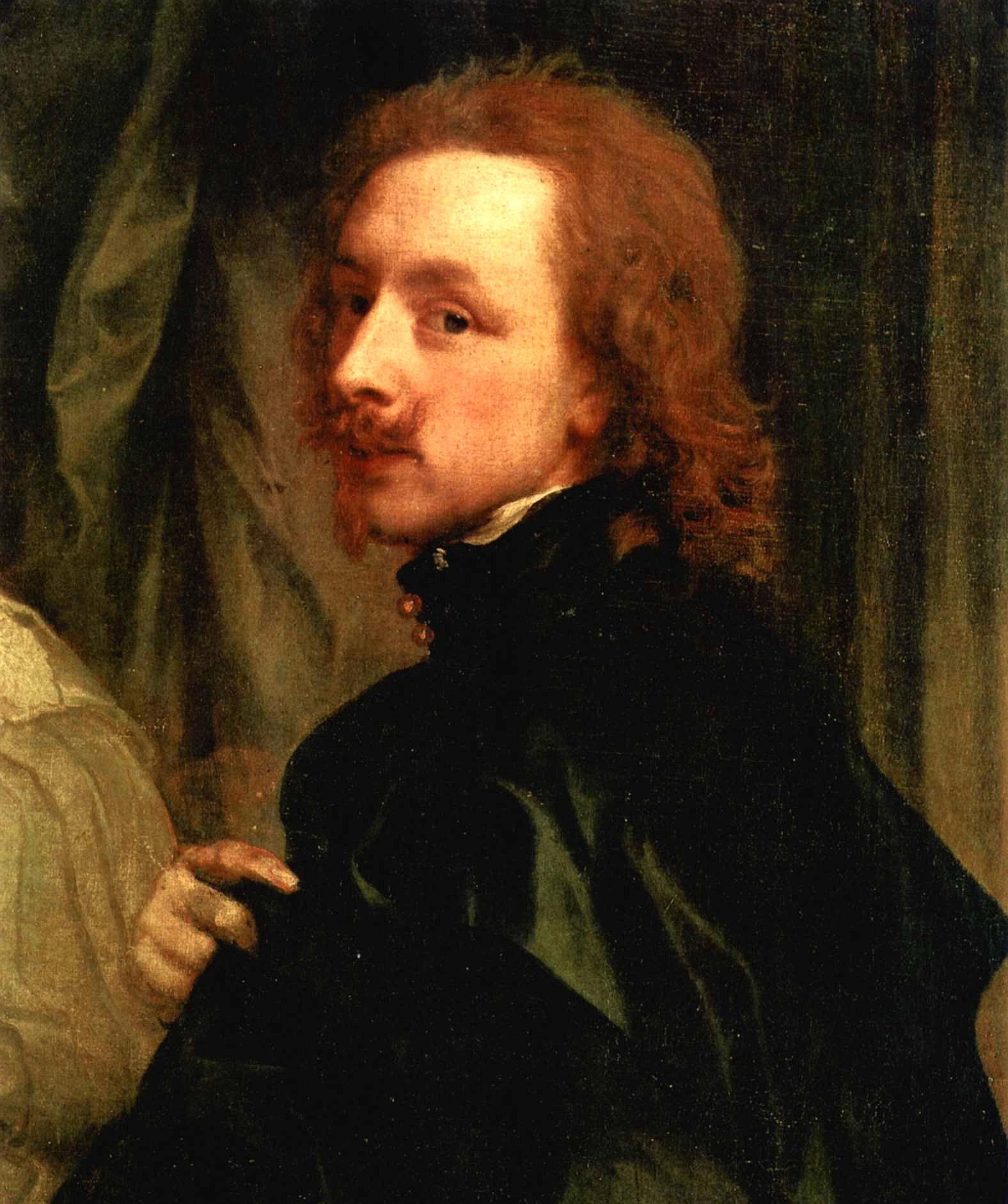
Anthony van Dyck, a Flemish painter born in 1599 in Antwerp and passed away in 1641 in London, is celebrated as one of the foremost Baroque painters of the 17th century. His notable contributions to the art world include his exceptional portraits of European aristocracy, as well as his religious and mythological paintings. Van Dyck's early exposure to art was influenced significantly by his apprenticeship with Hendrik van Balen and later, by the profound impact of working alongside Peter Paul Rubens. His mastery was recognized early on, leading him to set up his own workshop by the age of 15.
Van Dyck's journey to Italy in 1621 marked a pivotal phase in his career, allowing him to immerse himself in studying the Italian masters and commencing his successful stint as a portraitist. His style evolved under the influence of Titian, evident from his vibrant use of color and refined modeling of form. Van Dyck's Italian period not only honed his artistic skills but also established his reputation as a painter of consequence.
Upon returning to Antwerp, van Dyck's portraits became highly sought after, leading to commissions from notable figures such as Archduchess Isabella and Queen Mother Maria de' Medici. His role as a court painter further solidified in England under the patronage of King Charles I, where he was knighted and appointed as the principal painter, profoundly shaping the aristocratic character of Charles I's reign through his portraits.
Van Dyck's legacy extends beyond his death, having influenced English portrait painting for over a century. His innovative techniques in watercolour and etching, along with his sophisticated portrayal of subjects, continue to be admired. His art not only showcases his technical prowess but also reflects the cultural and social nuances of his era, making his work a significant study for collectors and art historians alike.
For enthusiasts eager to explore the intersections of art, history, and culture through the lens of Anthony van Dyck's work, staying informed about new discoveries and auction events is essential. Signing up for updates can provide exclusive insights into the world of one of the most influential figures in Flemish art. This subscription ensures that collectors and experts are well-informed of any developments related to van Dyck's oeuvre, enhancing their understanding and appreciation of his contributions to the art world.




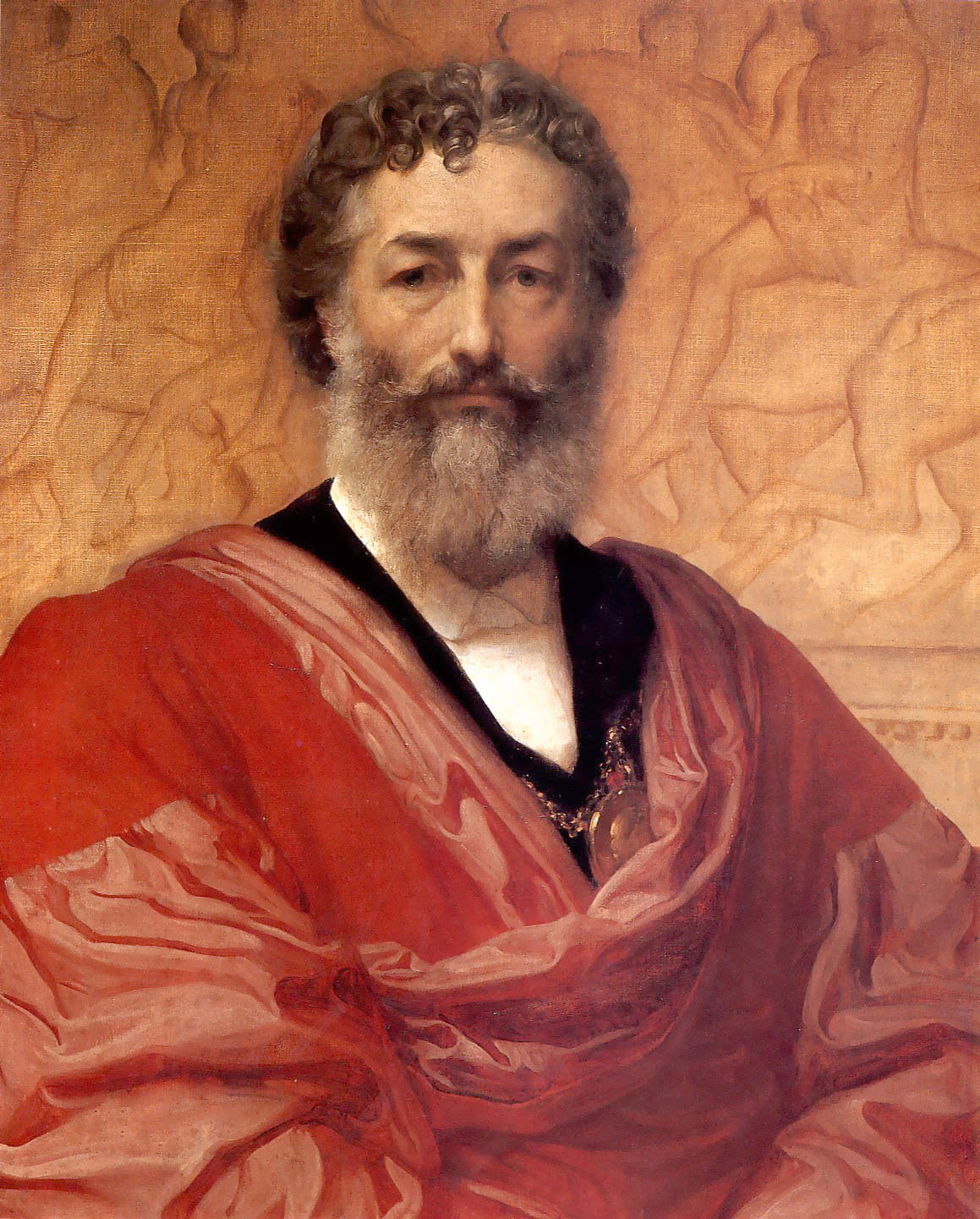
Frederic Leighton was a distinguished British artist renowned for his contributions to painting and sculpture during the Victorian era. His works, characterized by their classical themes and meticulous detail, have garnered appreciation from art collectors and historians alike. Notable for being the first painter to receive a peerage, Leighton's legacy in the art world is significant.
Frederic Leighton's art, particularly his paintings like "Flaming June" and "The Return of Persephone," showcases his mastery in depicting classical and mythological subjects with a unique blend of realism and idealism. His sculptures, such as "An Athlete Wrestling with a Python" and "The Sluggard," played a pivotal role in initiating the New Sculpture movement, emphasizing naturalism and dynamic forms.
Despite his illustrious career, Frederic Leighton's personal life remained private, with ongoing debates about his relationships and sexuality. His London home, now the Leighton House Museum, offers a glimpse into his artistic world, housing many of his works and collections that influenced his creations.
For art collectors and experts, Frederic Leighton's oeuvre represents a blend of academic tradition and innovative expression, making his works highly sought after in the realms of art and antiques. To stay informed about exhibitions and auction events featuring Frederic Leighton's art, subscribing to updates can be a valuable resource for enthusiasts eager to explore and acquire pieces from this influential Victorian artist.


Frederic Leighton was a distinguished British artist renowned for his contributions to painting and sculpture during the Victorian era. His works, characterized by their classical themes and meticulous detail, have garnered appreciation from art collectors and historians alike. Notable for being the first painter to receive a peerage, Leighton's legacy in the art world is significant.
Frederic Leighton's art, particularly his paintings like "Flaming June" and "The Return of Persephone," showcases his mastery in depicting classical and mythological subjects with a unique blend of realism and idealism. His sculptures, such as "An Athlete Wrestling with a Python" and "The Sluggard," played a pivotal role in initiating the New Sculpture movement, emphasizing naturalism and dynamic forms.
Despite his illustrious career, Frederic Leighton's personal life remained private, with ongoing debates about his relationships and sexuality. His London home, now the Leighton House Museum, offers a glimpse into his artistic world, housing many of his works and collections that influenced his creations.
For art collectors and experts, Frederic Leighton's oeuvre represents a blend of academic tradition and innovative expression, making his works highly sought after in the realms of art and antiques. To stay informed about exhibitions and auction events featuring Frederic Leighton's art, subscribing to updates can be a valuable resource for enthusiasts eager to explore and acquire pieces from this influential Victorian artist.









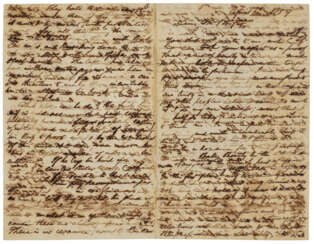

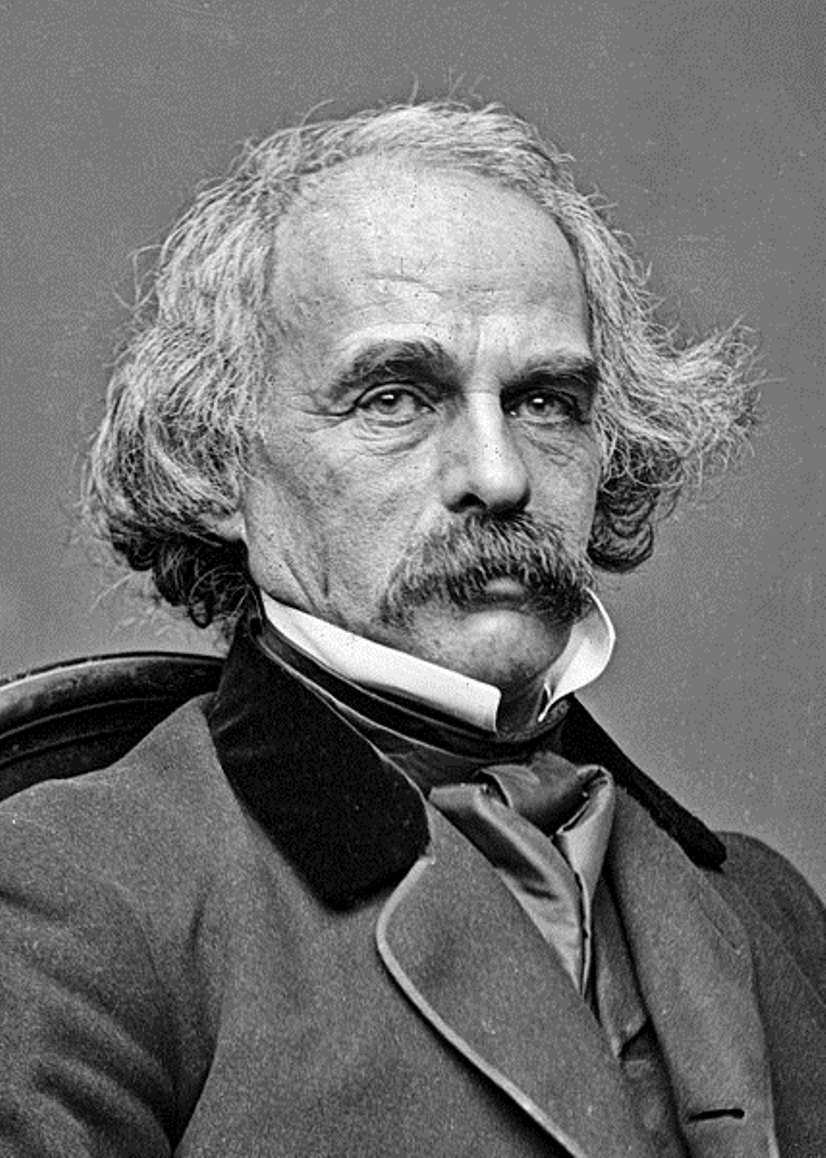
Nathaniel Hawthorne is an American writer and author.
Hawthorne is a recognized short story writer and a master of allegorical and symbolic narrative. One of the first fiction writers in American literature, he is best known for his works The Scarlet Letter (1850) and The House of Seven Gables (1851). Hawthorne's artistic works are considered part of the American Romantic movement and, in particular, of so-called dark Romanticism, a popular mid-19th-century fascination with the irrational, the demonic, and the grotesque.