sóc nhĩ


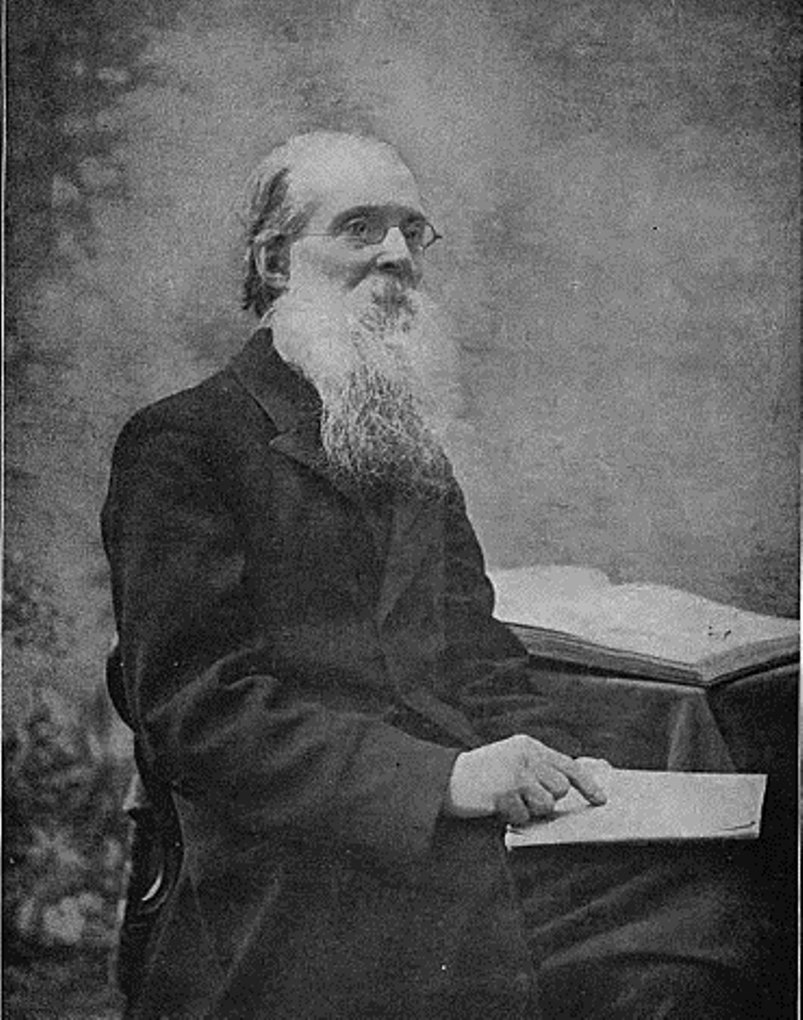
Robert Henry Fernando Rippon was a British zoologist, entomologist and illustrator.
Rippon was a musician, but later became passionate about natural history. In the 1860s he made a collecting trip to Panama, New Grenada and South America, and around the same time his talent as a natural history artist developed.
In 1890, Rippon began work on a multi-volume work on the butterfly-birdwings Icones Ornithopterum. He wrote the text himself, drew, lithographed, and hand-colored the plates. The work, eventually published in 25 parts, became his "principal and almost all-purpose occupation" for nearly 20 years.
After Rippon's death, his vast collection was donated to the Natural History Museum. The insects alone numbered 105,760, including more than 21,000 butterflies and 17,000 moths.





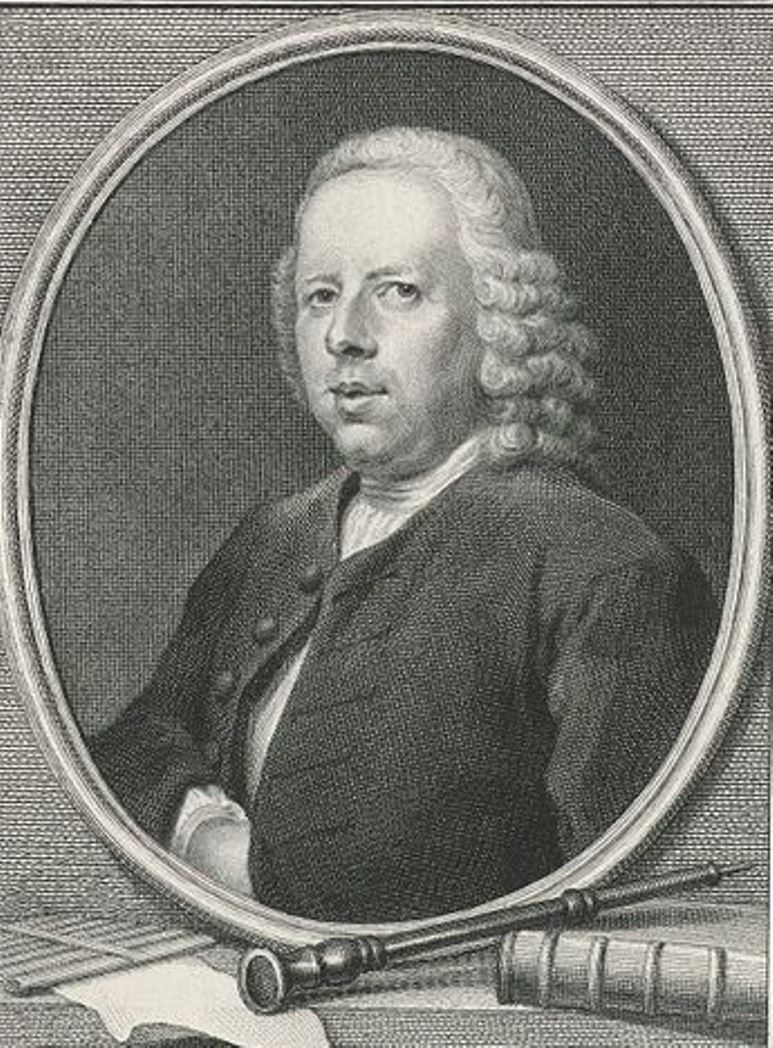
Johannes Eusebius Voet was a Dutch physician, poet, entomologist and illustrator.
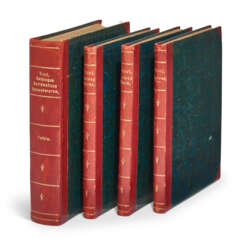
Voet worked as a physician in Dordrecht and had a large collection of insects and shells. Studying beetles and other insects, he wrote Catalogus Systematicus Coleopterorum, Systematische naamlijst van dat geslacht der Insecten dat men Torren noemt, which was published in 1804-1806. It was one of the best entomological works published in the Netherlands. It contained numerous original hand-colored engravings, many of them by C.F.C. Kleemann, Rösel's son-in-law.


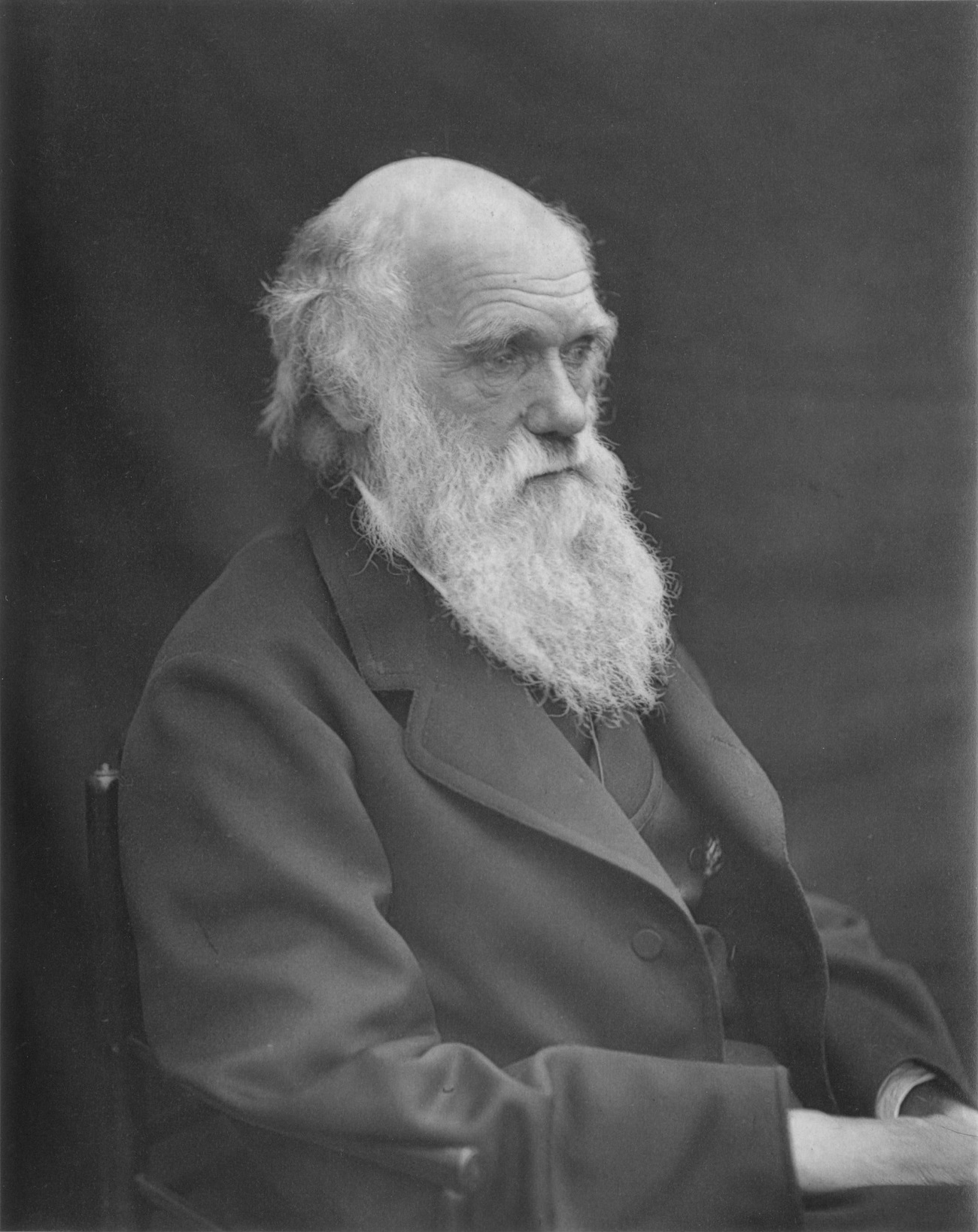
Charles Robert Darwin was an English naturalist, geologist, and biologist, widely known for contributing to the understanding of evolutionary biology. His proposition that all species of life have descended from a common ancestor is now generally accepted and considered a fundamental concept in science. In a joint publication with Alfred Russel Wallace, he introduced his scientific theory that this branching pattern of evolution resulted from a process that he called natural selection, in which the struggle for existence has a similar effect to the artificial selection involved in selective breeding. Darwin has been described as one of the most influential figures in human history, and he was honoured by burial in Westminster Abbey.
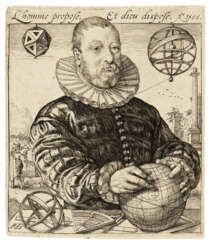

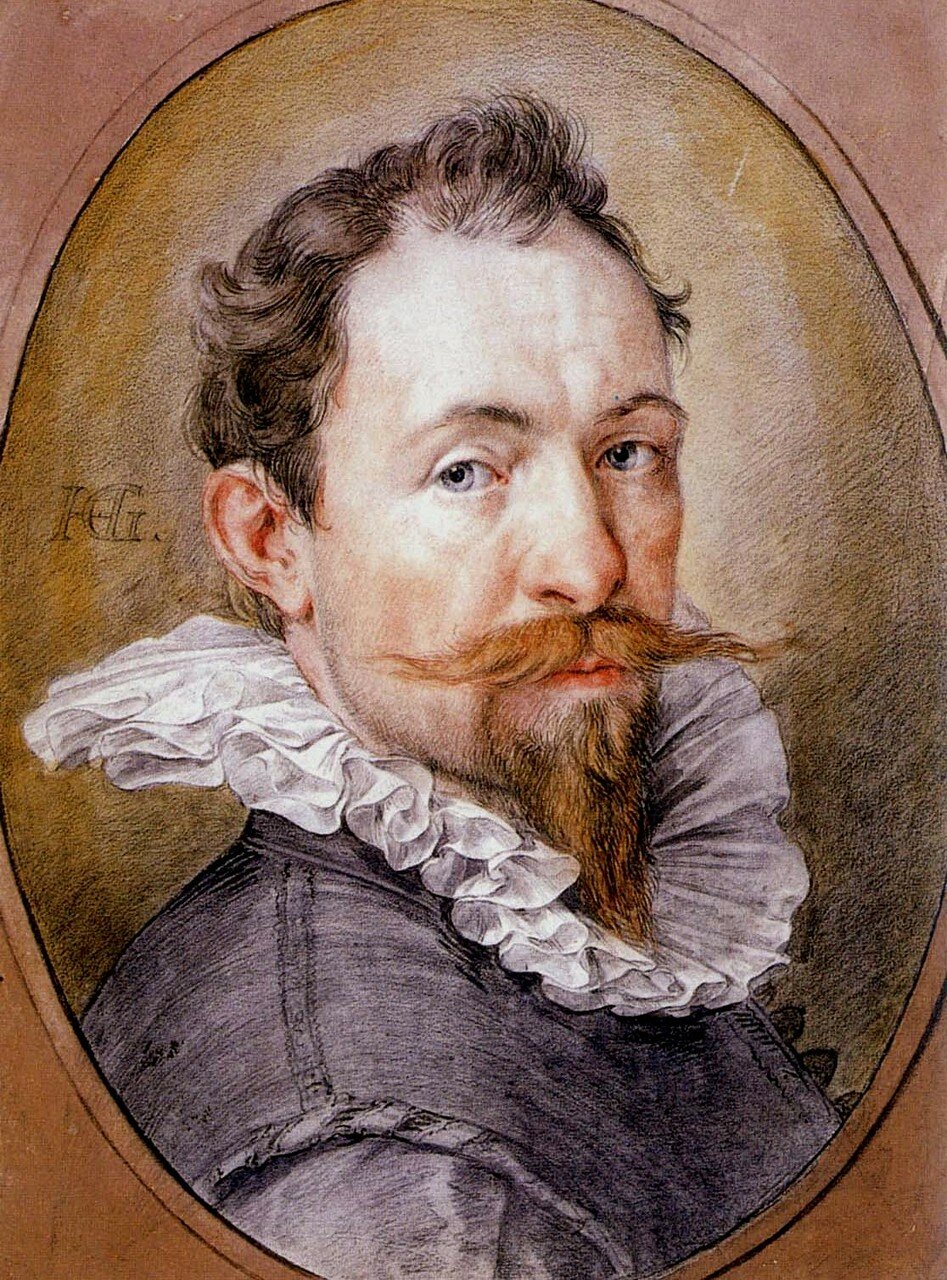
Hendrick Goltzius was a German-born Dutch printmaker, draftsman, and painter. He was the leading Dutch engraver of the early Baroque period, or Northern Mannerism, lauded for his sophisticated technique, technical mastership and "exuberance" of his compositions. According to A. Hyatt Mayor, Goltzius "was the last professional engraver who drew with the authority of a good painter and the last who invented many pictures for others to copy". In the middle of his life he also began to produce paintings.
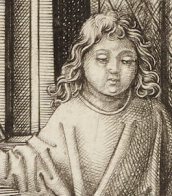


Rembrandt Harmenszoon van Rijn, a Dutch Baroque painter and printmaker, was born on July 15, 1606, in Leiden, Netherlands, and died on October 4, 1669, in Amsterdam. He is celebrated as one of the greatest storytellers in art history, acclaimed for his adept portrayal of human emotions and dramatic narratives. Rembrandt's extensive oeuvre includes portraits, self-portraits, landscapes, genre scenes, allegorical, historical, and biblical themes, as well as animal studies. His artistry shined during the Dutch Golden Age, a period marked by cultural and scientific achievements in the Netherlands.
Rembrandt's education in art began around the age of 10 when he left the Latin School in Leiden to train as an artist. He apprenticed with artists like Jacob van Swanenburg and Pieter Lastman, mastering various aspects of painting. He opened his own studio in Leiden around 1624 or 1625, sharing it with his colleague Jan Lievens. By 1631, he had moved to Amsterdam, where he achieved significant success and trained many important Dutch painters.
Among Rembrandt's notable works are "The Anatomy Lesson of Dr. Nicolaes Tulp" (1632), "The Night Watch" (1642), and "The Syndics of the Amsterdam Drapers’ Guild" (1662). He was also renowned for his self-portraits, creating around 80 over his lifetime, more than any other artist until the 20th century. These self-portraits were not just artistic endeavors but also experiments with facial expressions and lighting effects. Additionally, Rembrandt was a master etcher, transforming etching from a reproductive technique into an art form.
Rembrandt's painting style is characterized by its dramatic use of light and shadow, known as chiaroscuro. His ability to depict materials realistically was unparalleled; his portrayal of metals and fabrics was so lifelike that they appeared to glow and be tangible. He was also known for his impasto technique, applying paint thickly to the canvas, adding a three-dimensional quality to his works.
Despite his artistic prowess, Rembrandt faced financial difficulties and personal tragedies throughout his life. He declared bankruptcy in 1656, a downfall attributed partly to his extensive collection of art objects and curiosities. His masterpieces, however, continued to garner appreciation and influence generations of artists that followed.
For collectors and experts in art and antiques, Rembrandt's works represent a pinnacle of artistic achievement in the Dutch Golden Age. His mastery in portraying the human condition and his innovative techniques in painting and etching make his works highly prized and influential in the art world.
To stay updated on new product sales and auction events related to Rembrandt van Rijn, sign up for our updates. This subscription service is dedicated exclusively to news and events concerning works related to this unparalleled master of the Dutch Golden Age.



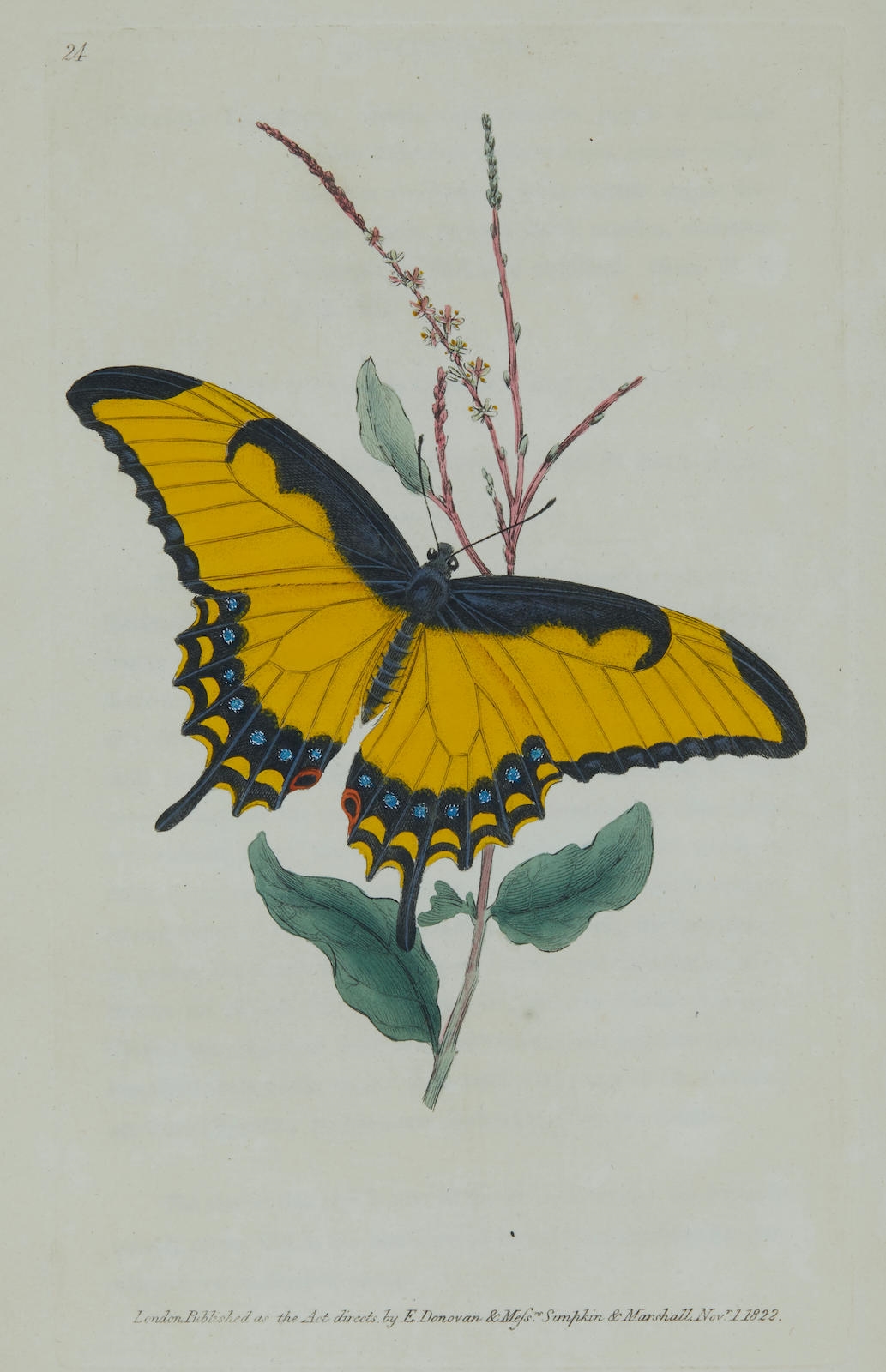
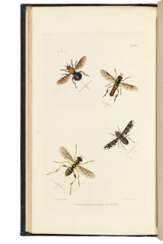
Edward Donovan was a British-Irish amateur zoologist, illustrator and writer.
He was an avid collector and founded the Natural History Museum and Institute in London, which housed his extensive collection of natural history objects. Donovan was the author of a large number of works on natural history, and wrote several volumes on British birds, fish, and insects, botanical surveys, and on the entomology of China and India. All of these publications were supplied with good quality and detailed illustrations.
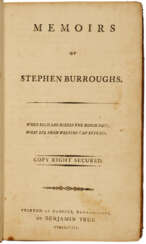

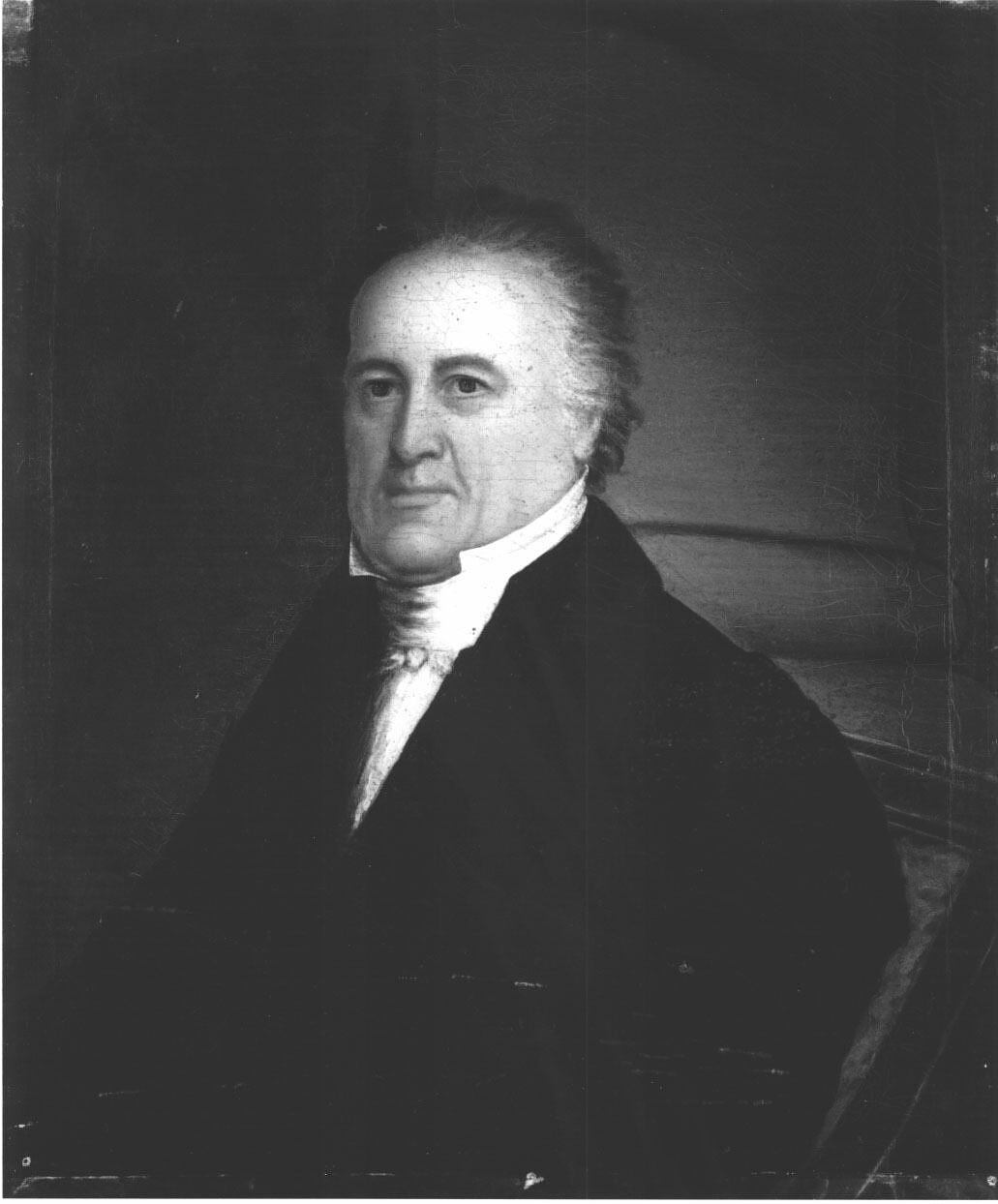
Stephen Burroughs was an American adventurer and con man, impostor and counterfeiter who became a writer and preacher.
Stephen Burroughs as a child moved to Hanover, New Hampshire, and as a child earned and proudly carried the reputation of an incorrigible bully, everywhere and always looking for trouble. During the Revolutionary War at the age of 14, he ran away several times, then in the Continental Army, then left it. In the eyes of society Burroughs was a scoundrel: a fugitive, a deserter, pretended to be a ship's doctor, a pastor, escaped from several prisons, including the island fortress and even by burning the prison. The fame of his exploits often ran ahead of himself.
Stephen later moved to Canada and led a group of counterfeiters, and a few years later suddenly decided to reform himself and became a youth pastor.
By the age of 33, Burroughs had accomplished so many daring "feats" and adventures that he decided to write a story about himself in his own words. His full of adventures book "Memoirs of the Notorious Stephen Burroughs" was published in 1798 and then reprinted under different names many dozens of times. And Burroughs himself died in 1840 in Canada as a free and wealthy man.