sac state 247
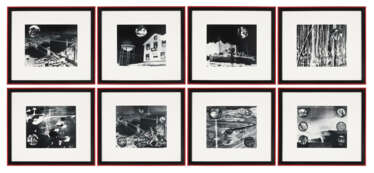

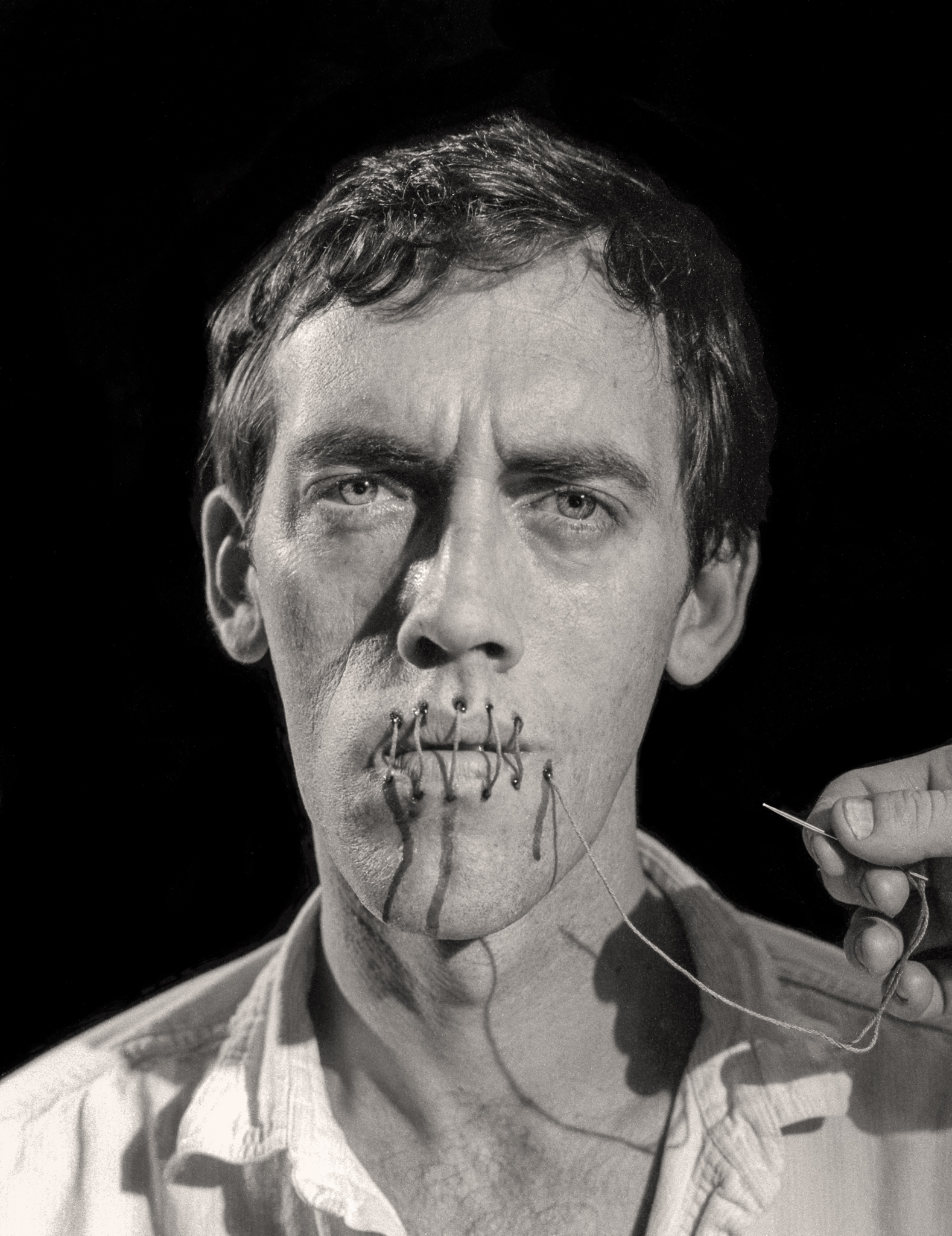
David Wojnarowicz was an American artist known for his multifaceted work, which included painting, film, video, performance, writing, and music. His art often addressed themes such as society's fragmentation, consumerism, and the juxtaposition of natural and industrial landscapes. After being diagnosed with AIDS at 33, Wojnarowicz's work became more activist-oriented, focusing on his sexuality and his illness, as exemplified in his piece "Untitled," also known as "One Day This Kid".
David Wojnarowicz's childhood was tumultuous, marked by abuse and neglect, which profoundly influenced his later work. Despite dropping out, he eventually completed his high school education and immersed himself in New York's underground art scene. His art from the 1980s, particularly after the death of his mentor and close friend Peter Hujar, increasingly addressed AIDS and became more politically charged.
His legacy includes notable works like "A Fire in My Belly," which sparked controversy and highlighted the ongoing struggles of the LGBTQ+ community and those affected by AIDS. Wojnarowicz's work continues to inspire and provoke, as seen in exhibitions like the Whitney Museum's retrospective, "David Wojnarowicz: History Keeps Me Awake at Night," and his influence on various artists and cultural movements.
For those interested in exploring the depth and breadth of David Wojnarowicz's work, staying informed about upcoming exhibitions and available collections can provide valuable insights into his impactful legacy. Subscribing to updates from art galleries and museums that feature his work is an excellent way to stay connected to the evolving appreciation and interpretation of his art.

![[BOURBON, Louis-Auguste de, prince de Dombes (1700-1755)].](/assets/image/picture_2735088/7cbdc/6b99a30113826137fc325bf99f8c19831679526000jpg__fix_374_244.jpeg)
![[BOURBON, Louis-Auguste de, prince de Dombes (1700-1755)].](https://veryimportantlot.com/assets/image/picture_2735088/7cbdc/6b99a30113826137fc325bf99f8c19831679526000jpg__fix_374_244.jpeg)
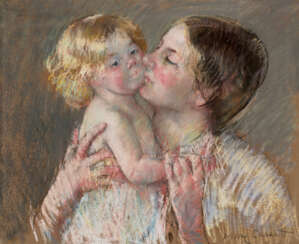

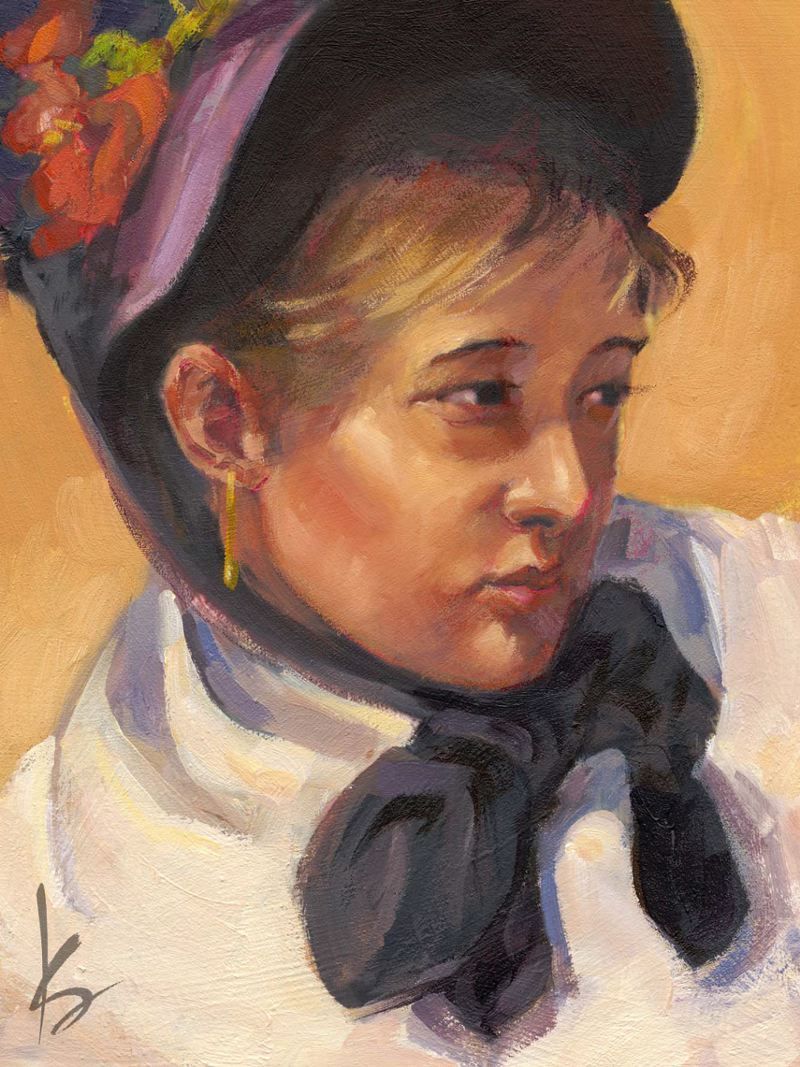
Mary Stevenson Cassatt was an influential American painter and printmaker known for her pivotal role in the Impressionist movement. Born on May 22, 1844, in Allegheny City, Pennsylvania, Cassatt spent much of her adult life in France, where she formed a significant professional relationship with Edgar Degas and exhibited with other Impressionists. Despite her family's initial reluctance, Cassatt pursued art from a young age, attending the Pennsylvania Academy of the Fine Arts at fifteen and later moving to Paris to continue her education under private tutors, including the renowned Jean-Léon Gérôme.
Cassatt's art mainly focused on women and children, encapsulating intimate moments with a profound sense of dignity and depth. Her works, such as "The Boating Party" and "Mother and Child," showcase her skill in portraying the nuanced interactions of everyday life. Cassatt's technique evolved from the light brushstrokes of early Impressionism to a more structured form, emphasizing solid figures and clear contours.
A prominent figure not just in art but also in art advocacy, Cassatt was instrumental in advising American collectors, including the Havemeyers, which helped enrich public and private American art collections significantly. Despite challenges related to her gender and later, her failing eyesight, Cassatt's contributions to art remain influential, reflecting her unique perspective and unyielding dedication to Impressionism.
For updates on exhibitions and sales related to Mary Stevenson Cassatt's works, consider signing up for our newsletter. This subscription will keep you informed about the latest auction events and product sales directly linked to Cassatt's enduring legacy.



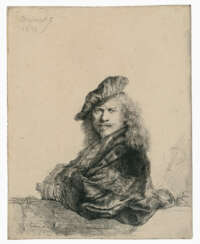


Rembrandt Harmenszoon van Rijn, a Dutch Baroque painter and printmaker, was born on July 15, 1606, in Leiden, Netherlands, and died on October 4, 1669, in Amsterdam. He is celebrated as one of the greatest storytellers in art history, acclaimed for his adept portrayal of human emotions and dramatic narratives. Rembrandt's extensive oeuvre includes portraits, self-portraits, landscapes, genre scenes, allegorical, historical, and biblical themes, as well as animal studies. His artistry shined during the Dutch Golden Age, a period marked by cultural and scientific achievements in the Netherlands.
Rembrandt's education in art began around the age of 10 when he left the Latin School in Leiden to train as an artist. He apprenticed with artists like Jacob van Swanenburg and Pieter Lastman, mastering various aspects of painting. He opened his own studio in Leiden around 1624 or 1625, sharing it with his colleague Jan Lievens. By 1631, he had moved to Amsterdam, where he achieved significant success and trained many important Dutch painters.
Among Rembrandt's notable works are "The Anatomy Lesson of Dr. Nicolaes Tulp" (1632), "The Night Watch" (1642), and "The Syndics of the Amsterdam Drapers’ Guild" (1662). He was also renowned for his self-portraits, creating around 80 over his lifetime, more than any other artist until the 20th century. These self-portraits were not just artistic endeavors but also experiments with facial expressions and lighting effects. Additionally, Rembrandt was a master etcher, transforming etching from a reproductive technique into an art form.
Rembrandt's painting style is characterized by its dramatic use of light and shadow, known as chiaroscuro. His ability to depict materials realistically was unparalleled; his portrayal of metals and fabrics was so lifelike that they appeared to glow and be tangible. He was also known for his impasto technique, applying paint thickly to the canvas, adding a three-dimensional quality to his works.
Despite his artistic prowess, Rembrandt faced financial difficulties and personal tragedies throughout his life. He declared bankruptcy in 1656, a downfall attributed partly to his extensive collection of art objects and curiosities. His masterpieces, however, continued to garner appreciation and influence generations of artists that followed.
For collectors and experts in art and antiques, Rembrandt's works represent a pinnacle of artistic achievement in the Dutch Golden Age. His mastery in portraying the human condition and his innovative techniques in painting and etching make his works highly prized and influential in the art world.
To stay updated on new product sales and auction events related to Rembrandt van Rijn, sign up for our updates. This subscription service is dedicated exclusively to news and events concerning works related to this unparalleled master of the Dutch Golden Age.