

sewing
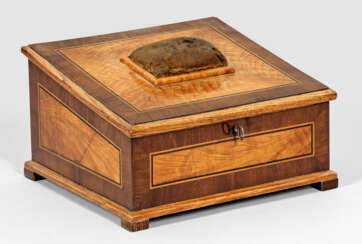

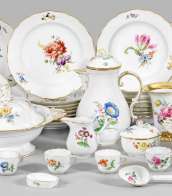
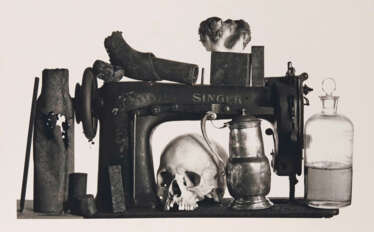

Irving Penn was an American photographer celebrated for his influential work in fashion photography, portraits, and still lifes. Penn's journey into photography began with a background in painting and design, studying at the Philadelphia Museum School of Industrial Art. He moved to New York and initially worked in design and illustration, which paved the way for his transition into photography. Notably, Penn's work at Vogue magazine for over six decades helped define the visual style of mid-20th-century fashion photography.
Irving Penn's mastery extended beyond the camera to the darkroom, where he experimented with various printing techniques, including the platinum-palladium process, which contributed to the depth and subtlety of his prints. His works, such as the "Cigarette" series and his still life compositions, are renowned for their minimalistic elegance and meticulous detail. Irving Penn's artistry was not confined to one genre; his "Earthly Bodies" nudes series and street material collection demonstrated his versatility and depth as an artist.
His contributions to photography are preserved and celebrated in numerous exhibitions and collections worldwide, including major museums like The Metropolitan Museum of Art, The Museum of Modern Art, and The Art Institute of Chicago. Irving Penn's legacy as a pioneering figure in photography continues to inspire artists and photographers today.
If you're a collector or an expert in art and antiques, staying updated on Irving Penn's works can be invaluable. To receive updates on new product sales and auction events related to Irving Penn, consider signing up for our newsletter. This way, you won't miss out on the opportunity to own a piece of photographic history.



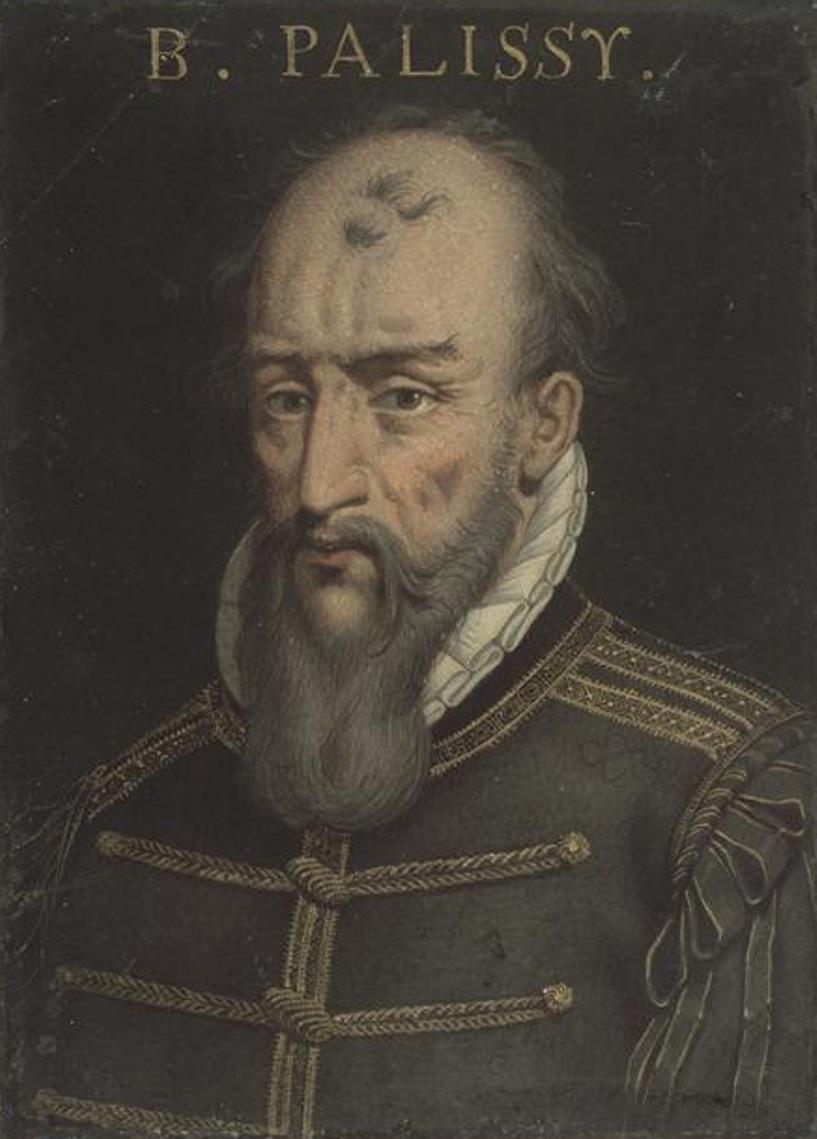
Bernard Palissy was a French natural scientist, painter, ceramicist and sculptor, geologist and writer of the French Renaissance.
Born into a family of artisans, Palissy apprenticed with his father as a glass artist and traveled throughout southwestern France comprehending pottery and studying geology. Today he is best known for his amazing lead-glazed pottery with images of various animals and people. After seeing a white glazed cup, probably of Chinese porcelain, in the 1540s, he set out to learn the secrets of its manufacture. His early research is described in De l'art de la terre. Although Palissy never succeeded in reproducing what he saw, his experiments gave him a thorough knowledge of the chemical compositions of minerals.
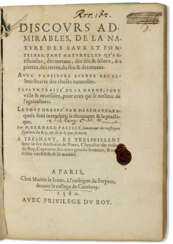
From 1575 in Paris, Palissy gave public lectures on natural history, which were published as Discours admirables (1580). In this treatise, Bernard Palissy touches on an incredibly wide range of subjects, from the techniques of ceramics, metallurgy and chemistry to hydrology, geology and fossils. He correctly identified fossils as the remains of ancient life. This work reveals him as a writer and scientist, a creator of modern agronomy and a pioneer of the experimental method, with scientific views generally more advanced than those of his contemporaries.


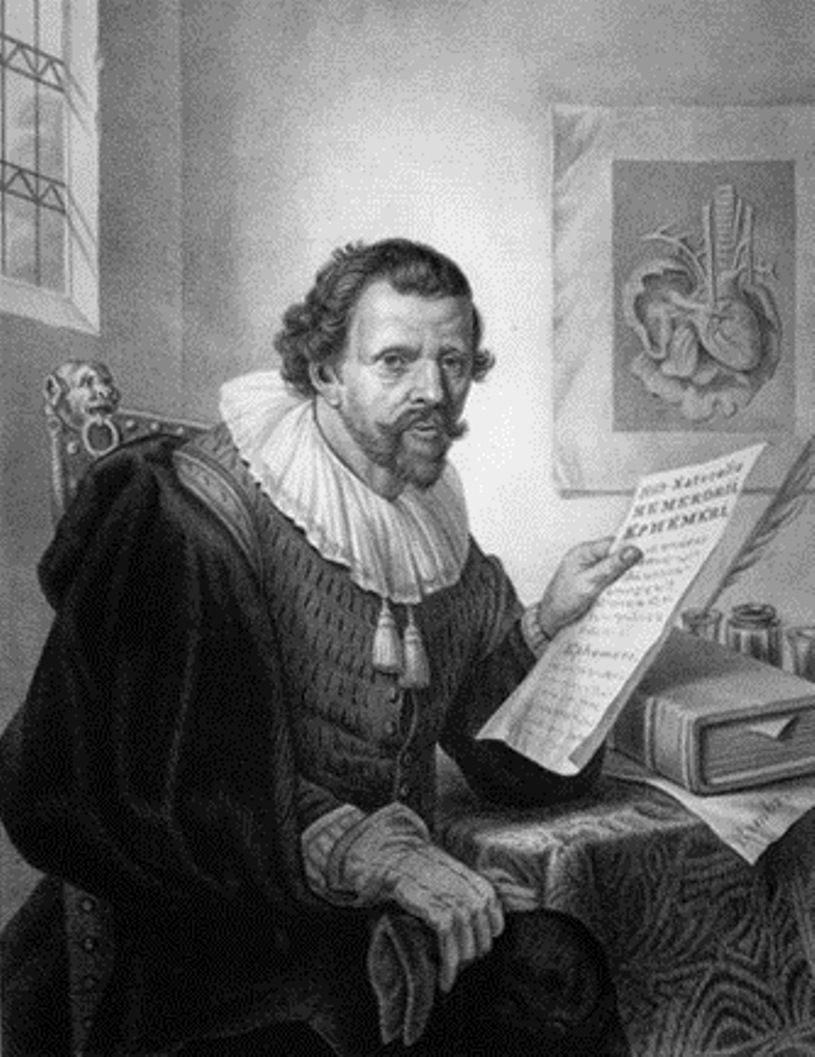
Jan Swammerdam was a Dutch naturalist and biologist, anatomist and microscopist.
Swammerdam graduated from the Faculty of Medicine at Leiden University, then studied in Paris, earning a doctorate in medicine, and devoted himself exclusively to microscopic research. He used a single-lens microscope to study insect anatomy, and accurately described and illustrated the life history and anatomy of many species. His observations of their development allowed him to divide insects into four major divisions according to the degree and type of metamorphosis. His greatest contribution to biology was to understand insect development and to demonstrate that the same organism persists through different stages.
Jan Swammerdam wrote a voluminous work entitled A General History of Insects (1669) and The Bible of Nature (1737-1738), one of the finest collections of microscopic observations ever published. Considered the most accurate of the classical microscopists, he was the first to observe and describe erythrocytes in 1658.
Swammerdam was also a recognized anatomist: in 1670 he was granted the privilege of dissecting human bodies in Amsterdam, which at the time required a special license available only to a limited number of researchers. He developed a new dissection technique and also designed several new instruments.


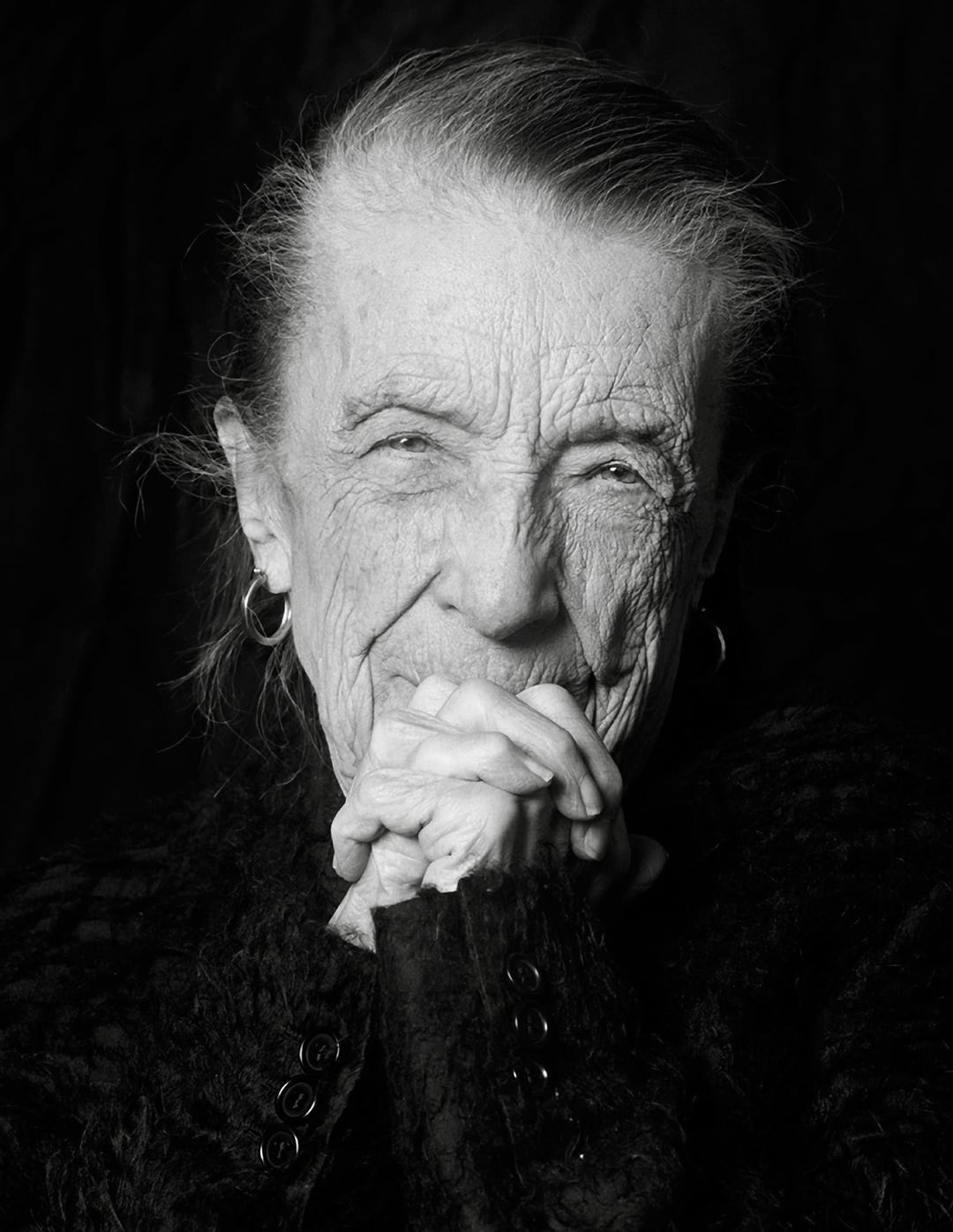
Louise Joséphine Bourgeois was a French-American artist. Although she is best known for her large-scale sculpture and installation art, Bourgeois was also a prolific painter and printmaker. She explored a variety of themes over the course of her long career including domesticity and the family, sexuality and the body, as well as death and the unconscious. These themes connect to events from her childhood which she considered to be a therapeutic process. Although Bourgeois exhibited with the Abstract Expressionists and her work has much in common with Surrealism and Feminist art, she was not formally affiliated with a particular artistic movement.











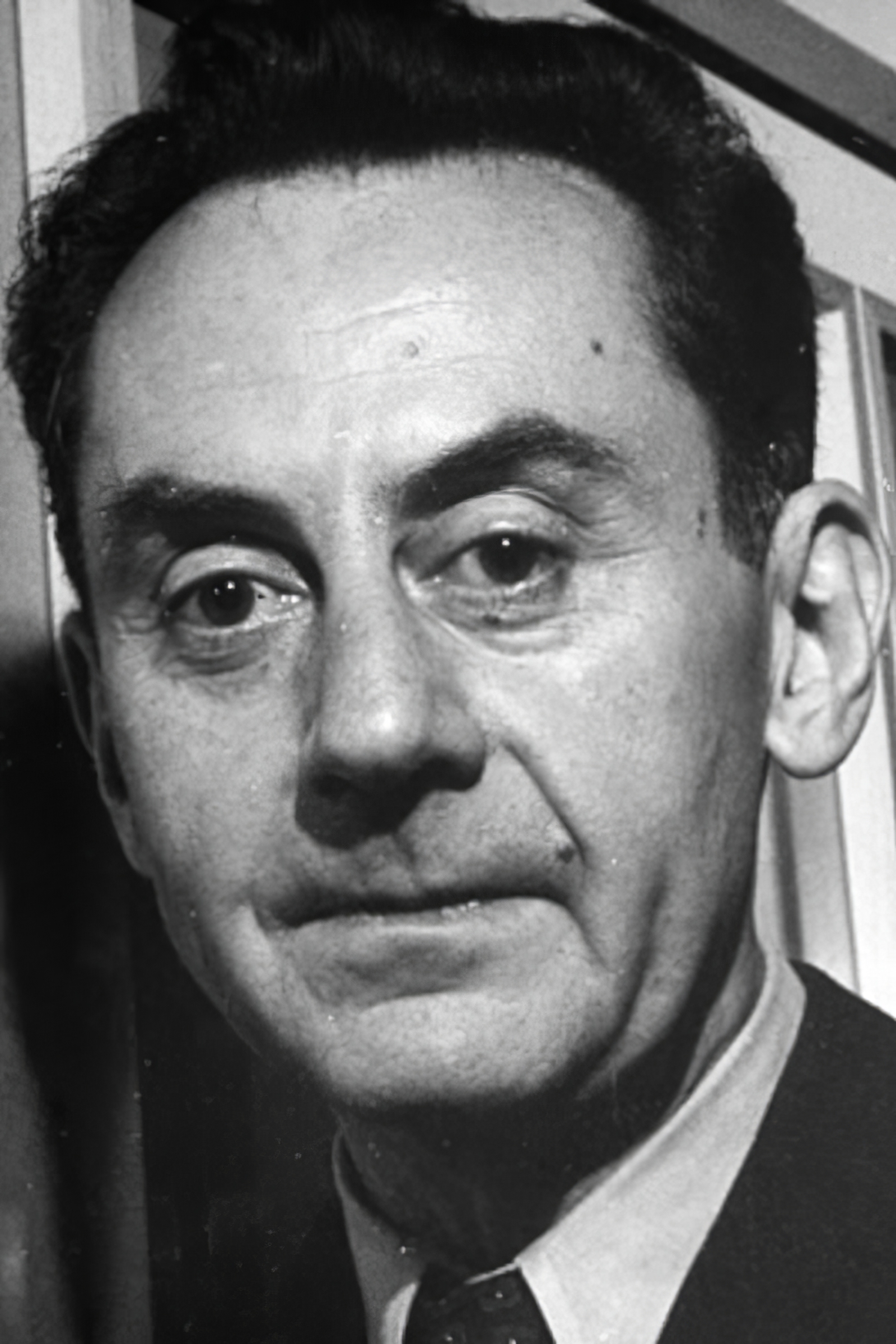
Man Ray, born Emmanuel Radnitzky, was an American visual artist who played a significant role in the Dada and Surrealist movements. His pioneering efforts in photography, alongside his work in painting and sculpture, have cemented his place as a major figure in modern art. Known for his innovative techniques and the ability to convey complex ideas through simple, striking visuals, Man Ray's contribution to the art world is profound.
Throughout his career, Man Ray was celebrated for his avant-garde approach and his ability to transcend traditional boundaries between different artistic mediums. His photography, characterized by experimental techniques such as solarization and rayographs (cameraless photographs), challenged conventional perceptions of photography as merely a means of representation. These artistic innovations made him a central figure in both Parisian and American art circles.
Man Ray's works are housed in some of the world's most prestigious museums and galleries, including the Museum of Modern Art in New York and the Centre Pompidou in Paris. His pieces, such as "Le Violon d'Ingres" and "Noire et Blanche," are iconic images that continue to influence artists today. His ability to blend the abstract with the realistic, and the humorous with the serious, has left a lasting legacy in the world of art.
For collectors and experts in art and antiques, the work of Man Ray offers a glimpse into the revolutionary changes that shaped the visual arts in the 20th century. His unique perspective and pioneering techniques continue to inspire and challenge those interested in the boundaries of creativity and expression.
If you're passionate about the avant-garde, or simply wish to explore the fascinating world of Man Ray further, sign up for our updates. You'll receive alerts on new product sales and auction events related to Man Ray, ensuring you never miss an opportunity to engage with the legacy of this extraordinary artist.







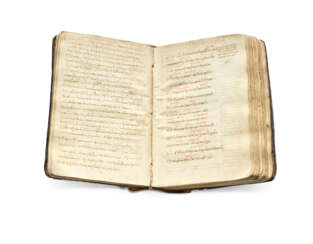

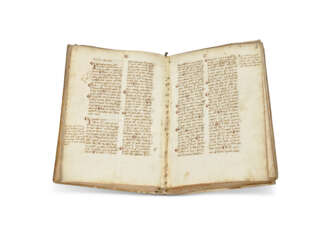

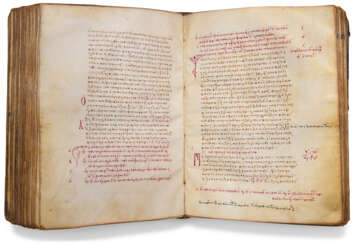

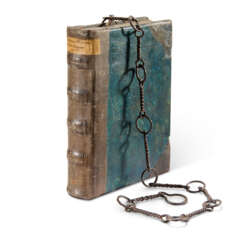

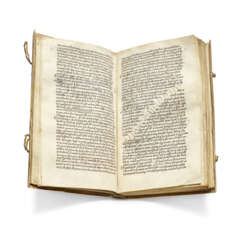

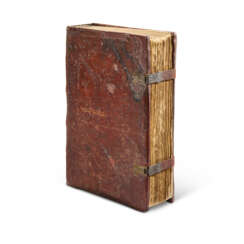

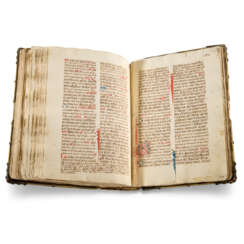

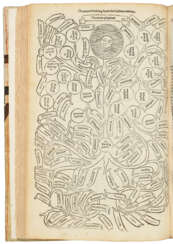

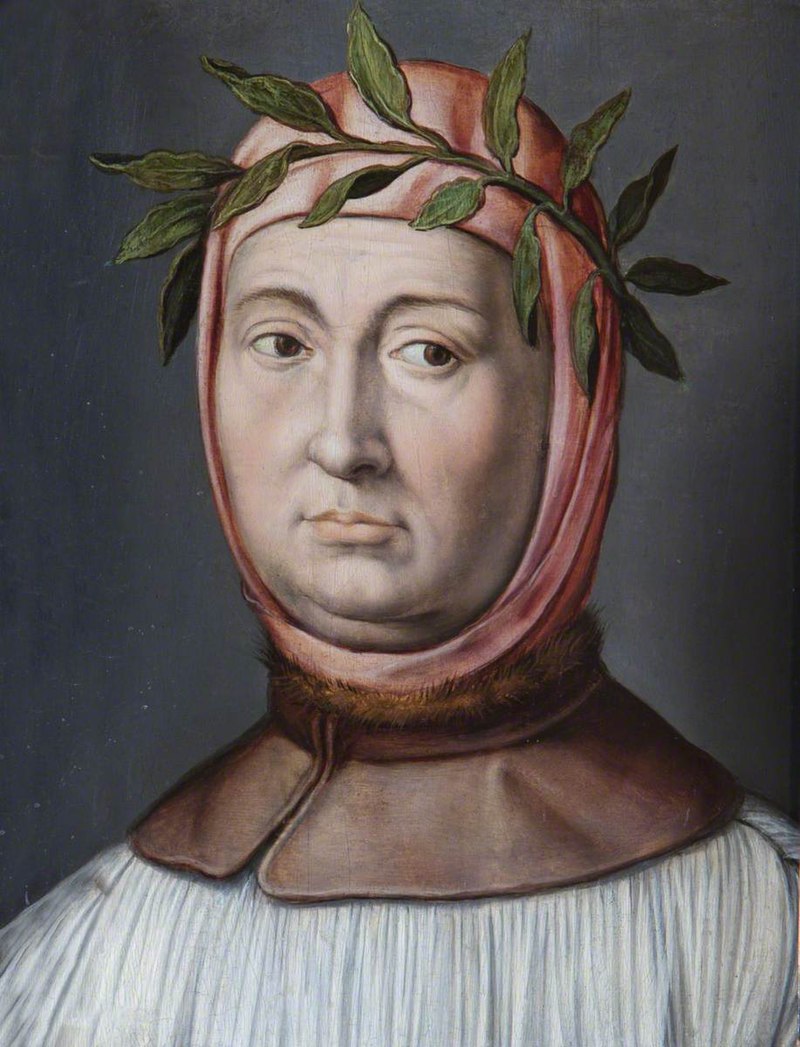
Giovanni Boccaccio was an Italian humanist scholar, writer and poet of the Early Renaissance.
Boccaccio was the son of a Tuscan merchant who sent him to Naples to study business and law. Giovanni revolved in aristocratic circles there and became acquainted with Petrarch's work. In Naples he wrote his first works of poetry, raising the poetry of Italian minstrelsy to literature. Returning to Florence in 1341, Boccaccio, in addition to the famous book of witty short stories "Decameron" (1348-1353), created many poems, allegories and prose works.
In 1350 at Bocaccio's house in Florence, he met Petrarch, which developed into a friendship. In the last years of his life he concentrated on scholarly works in Latin, including writing De montibus, silvis, fontibus, lacubus..., - this alphabetical list of mountains, forests, rivers and lakes was based on the writings of ancient poets. His other Latin works include the philosophical and historical De claris mulieribus (a collection of biographies of famous women, 1360-74) and De casibus virorum illustrium (On the Fates of Famous Men, 1355-74).
Giovanni Boccaccio had a significant influence on the development of all European culture through his work. Together with Petrarch, he laid the foundations of Renaissance humanism and raised popular literature to the level and status of the ancient classics.
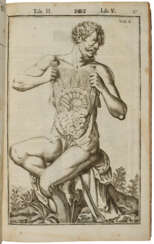

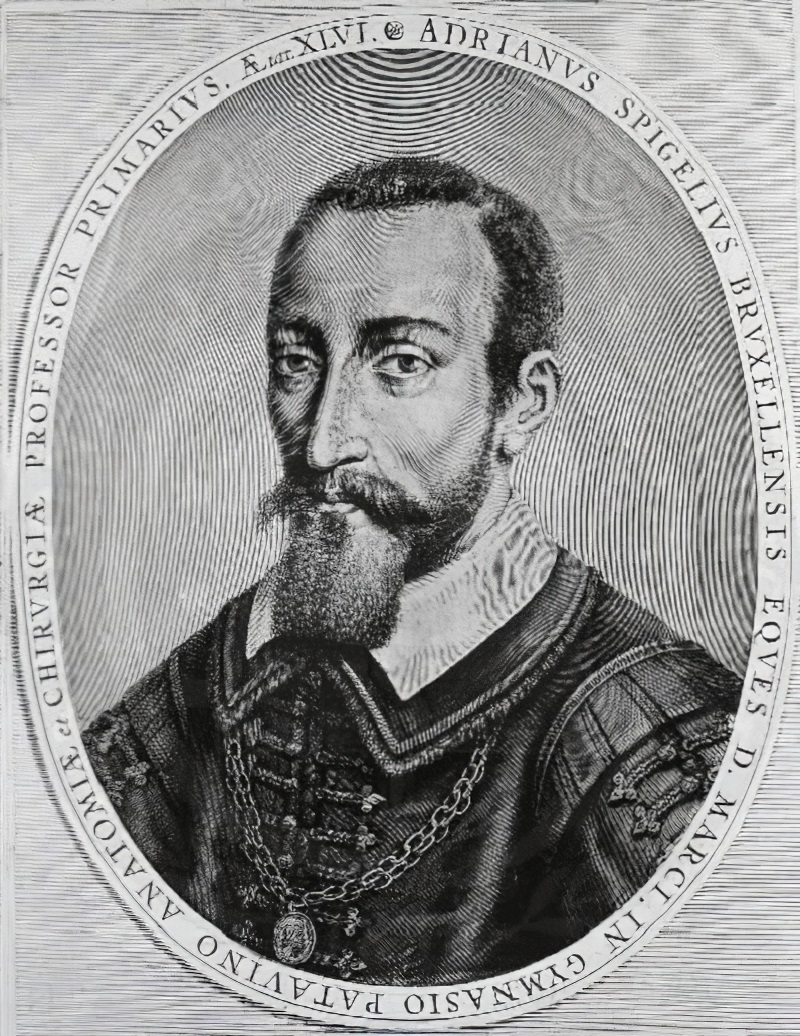
Adriaan van den Spiegel (or Spieghel), name sometimes written as Adrianus Spigelius, was a Flemish anatomist born in Brussels. For much of his career he practiced medicine in Padua, and is considered one of the great physicians associated with the city. At Padua he studied anatomy under Girolamo Fabrici.
His best written work on anatomy is De humani corporis fabrica libri X tabulis aere icisis exornati, published posthumously in 1627. In his 1624 treatise De semitertiana libri quatuor, he gave the first comprehensive description of malaria.
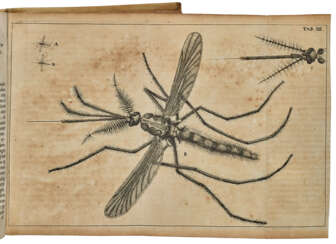

Jan Swammerdam was a Dutch naturalist and biologist, anatomist and microscopist.
Swammerdam graduated from the Faculty of Medicine at Leiden University, then studied in Paris, earning a doctorate in medicine, and devoted himself exclusively to microscopic research. He used a single-lens microscope to study insect anatomy, and accurately described and illustrated the life history and anatomy of many species. His observations of their development allowed him to divide insects into four major divisions according to the degree and type of metamorphosis. His greatest contribution to biology was to understand insect development and to demonstrate that the same organism persists through different stages.
Jan Swammerdam wrote a voluminous work entitled A General History of Insects (1669) and The Bible of Nature (1737-1738), one of the finest collections of microscopic observations ever published. Considered the most accurate of the classical microscopists, he was the first to observe and describe erythrocytes in 1658.
Swammerdam was also a recognized anatomist: in 1670 he was granted the privilege of dissecting human bodies in Amsterdam, which at the time required a special license available only to a limited number of researchers. He developed a new dissection technique and also designed several new instruments.