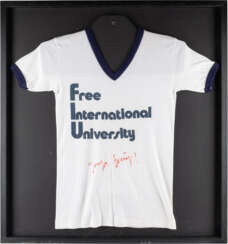
sity


















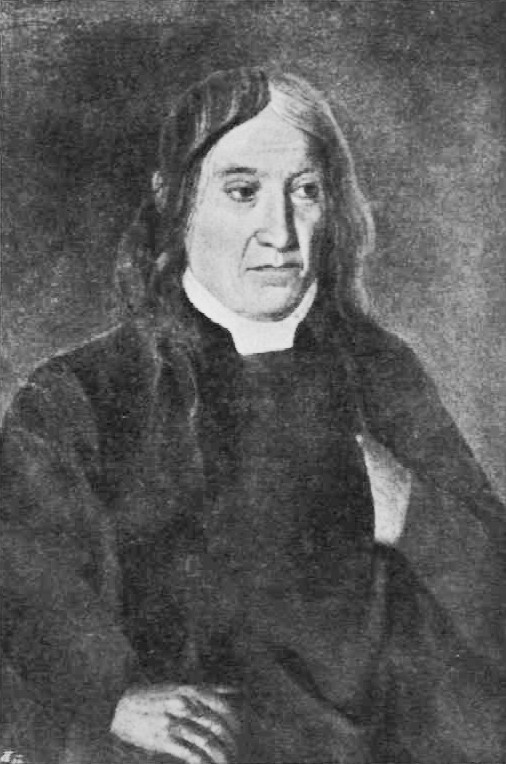
Farkas Bolyai, also known as Wolfgang Bolyai in Germany, was a Hungarian mathematician, mainly known for his work in geometry.



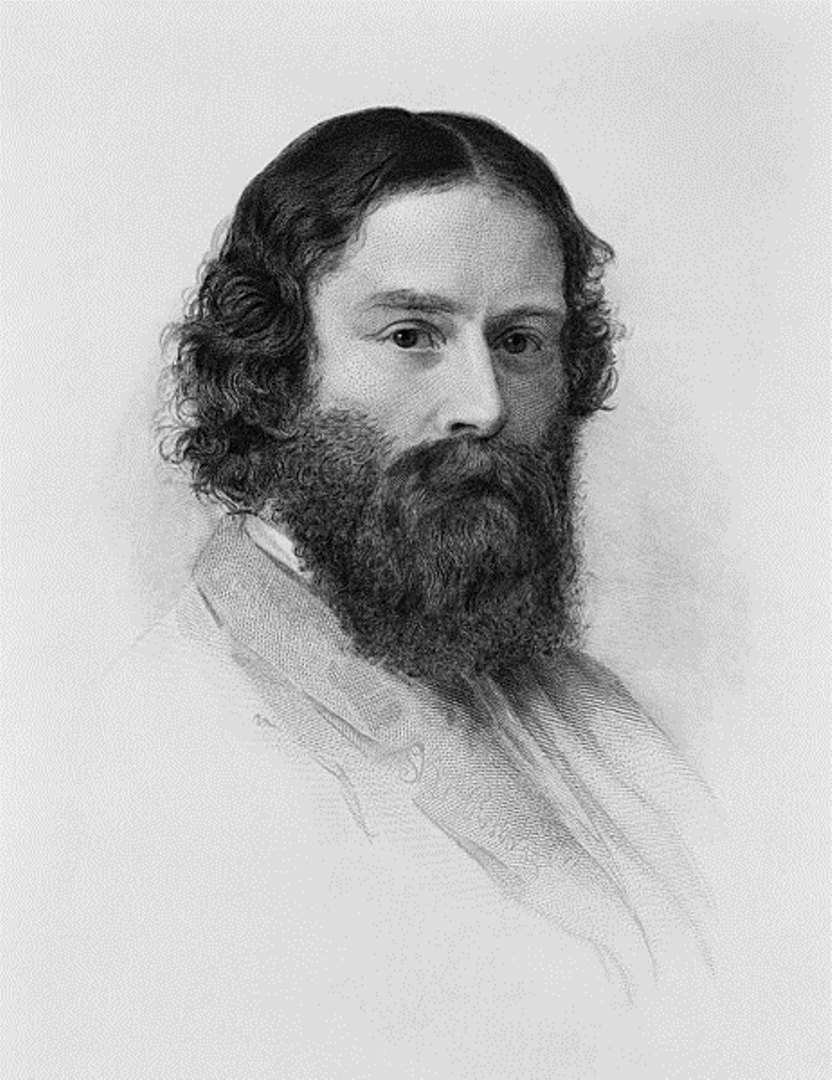
James Russell Lowell was an American poet, educator, and diplomat.
From 1845 to 1850, he wrote about 50 articles against slavery for periodicals. Two of Lowell's other two most important works were also published in 1848: the poem "Sir Launfal's Vision," praising the brotherhood of man, and "A Fable for Critics," a witty appraisal of contemporary American authors. These books, together with the publication in the same year of a second series of his poems, made Lowell the most popular new figure in 19th-century American literature.





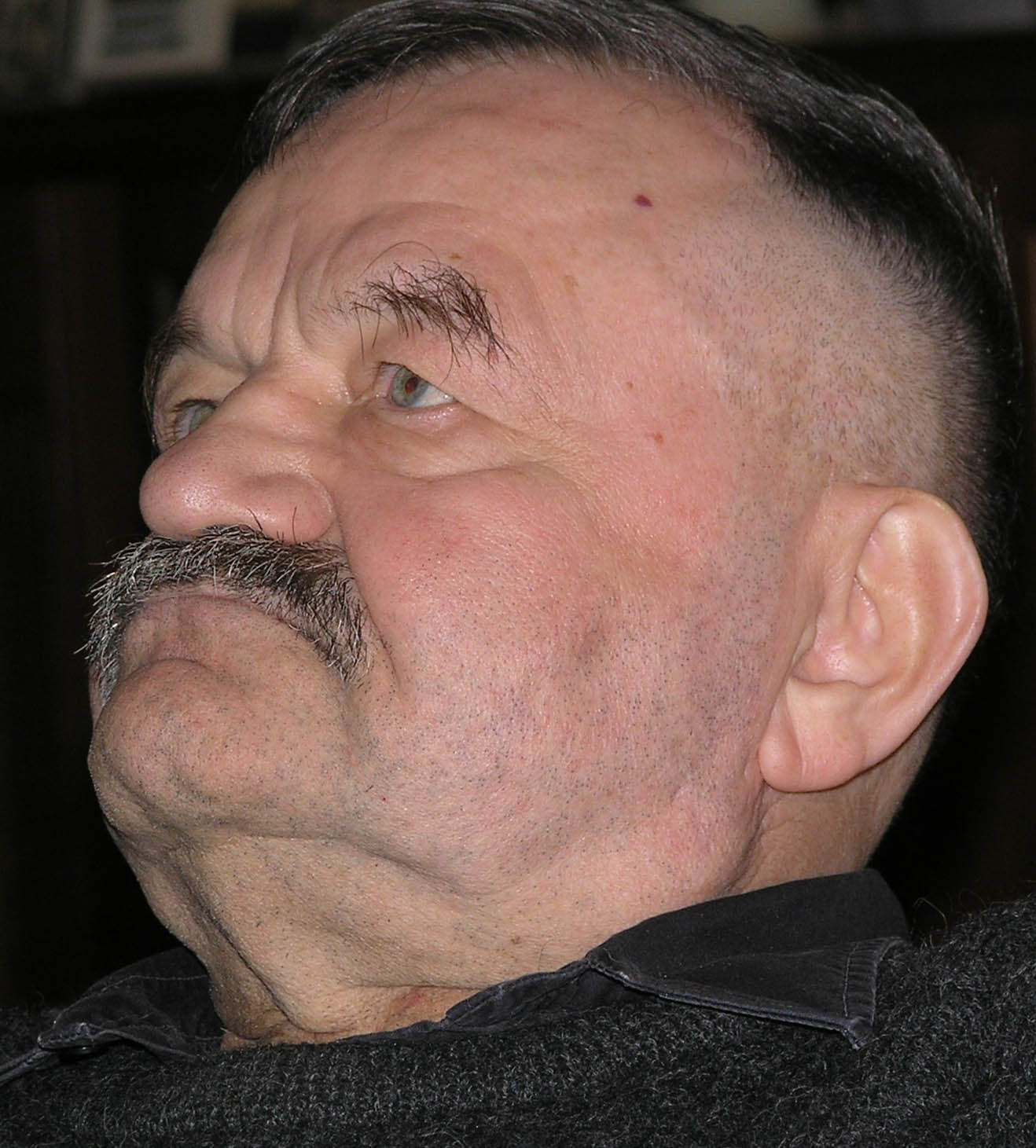
Alfred Hrdlicka was an Austrian sculptor, painter, and professor. His surname is sometimes written Hrdlička.
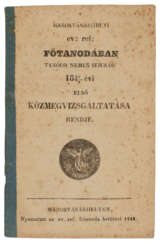

Farkas Bolyai, also known as Wolfgang Bolyai in Germany, was a Hungarian mathematician, mainly known for his work in geometry.
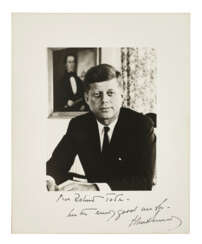

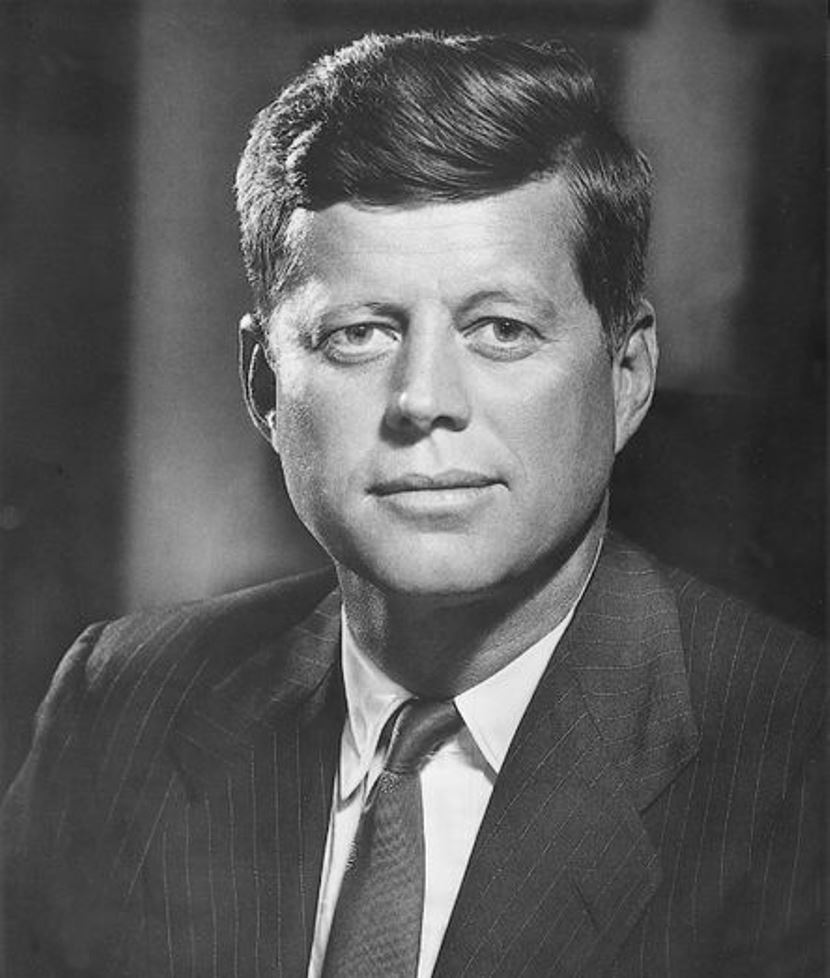
John Fitzgerald Kennedy was an American politician and statesman, 35th President of the United States (1961-1963).
John was born in a family of natives of Ireland, his father - Joseph Kennedy - a Democratic politician, who headed the Securities and Exchange Commission in the 1930s, was U.S. Ambassador to Great Britain. John studied at Harvard and Princeton Universities and traveled to Europe in 1937. During World War II he served in the U.S. Navy and received a number of awards, and immediately after the war he entered politics.
In 1946, John F. Kennedy was elected to the U.S. House of Representatives from Massachusetts, in 1952, with the help of financial support from the Kennedy family won election to the Senate and held the post until the end of 1960. In the presidential election of 1960, 43-year-old Kennedy with a small margin of victory over Richard Nixon, becoming the 35th President of the United States.
The time of Kennedy's presidency was marked by the escalation of the Cold War. Its peak was the Cuban Missile Crisis in 1962, when the confrontation between Washington and Moscow almost led to nuclear war. With great difficulty the parties managed to reach a compromise - during the negotiations the USSR undertook to remove missiles from Cuba in return for the dismantling of American missiles in Turkey. Since the beginning of 1963, the U.S. President increasingly spoke out in favor of peaceful coexistence with the Soviet Union. In August 1963, the U.S., USSR and Great Britain signed a treaty banning nuclear weapons tests in the atmosphere, outer space and underwater, which entered into force in October 1963. In the same 1963, when the country was hit by a wave of protests of the colored population, he introduced a bill in Congress that banned segregation in public places.
On November 22, 1963, during a trip to Dallas, Texas, John F. Kennedy was fatally wounded. He was 46 years old. Lee Harvey Oswald was held as the prime suspect in the assassination, who was shot and killed two days later by Jack Ruby in the garage of the Dallas police station. There are various versions of the reasons for the President's assassination, but none of them has been fully proven so far.
In his free time from politics, John F. Kennedy managed to write a book "Stories of Courage", for which he received the Pulitzer Prize in 1957. These are biographies of people whom he considered to be models of courage in politics. In 1958, Kennedy published a book called A Nation of Immigrants.


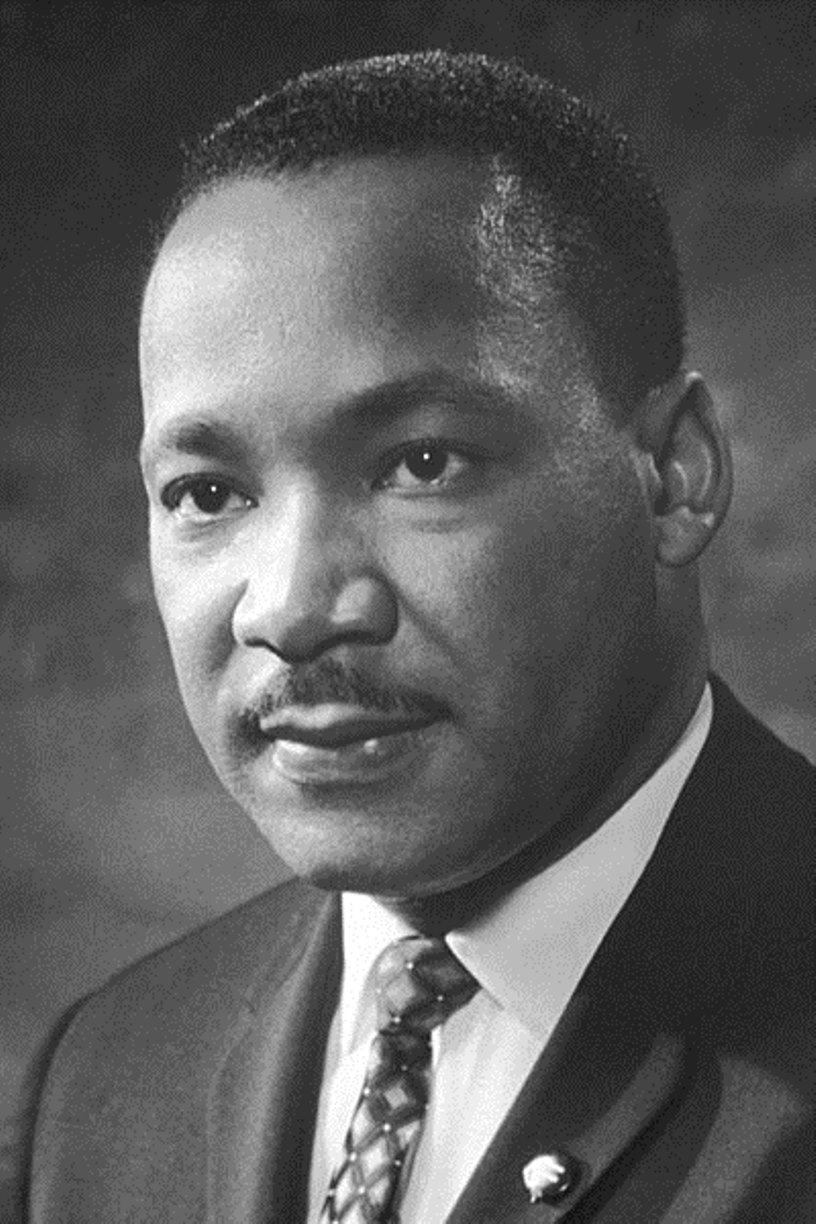
Martin Luther King Jr, born Michael King, is an American preacher, leader of the Black Civil Rights Movement in the United States, and Nobel Laureate.
His father was the famous Baptist missionary and leader of the Civil Rights Movement Martin Luther King Sr. (1899-1984). He studied medicine and law at Morehouse College, then earned a bachelor's degree in theology at Crozer Theological Seminary in Pennsylvania, followed by a doctorate in theology at Boston University. And beginning in 1955, King Jr. became active in the community with protests over segregated seating on public buses.
On September 20, 1958, the first assassination attempt was made on Martin. Isola Ware Curry, a mentally unstable Harlem woman, stabbed King with a metal letter opener at a department store where he was signing copies of Stride Toward Freedom as part of a tour to promote the book.
Martin Luther King, Jr. was a driving force behind such watershed events as the Montgomery Bus Boycott and the 1963 March on Washington, which resulted in the historic Civil Rights Act (1964) and Voting Rights Act (1965). He was a prominent African American leader of the civil rights movement of the 1950s and 1960s. In 1964, Martin Luther King, Jr. was awarded the Nobel Peace Prize for his activism for civil rights and social justice. King also actively opposed the Vietnam War, calling for an end to the bombing, negotiations, and the withdrawal of U.S. troops.
On April 4, 1968, King was assassinated by gunfire on the balcony of the Lorraine Motel in Memphis. James Earl Ray, a petty criminal who had escaped from a maximum-security prison a year earlier, was blamed for the murder. Years after his death, Martin Luther King Jr. became the most famous African-American leader of his era. Today, he has a reputation as a visionary leader who was deeply committed to achieving social justice through nonviolent means. In 1983, President Ronald Reagan signed into law a U.S. federal day in King's honor; it is observed nationwide on the third Monday in January.
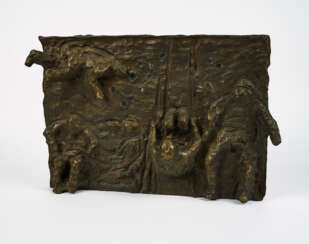

Alfred Hrdlicka was an Austrian sculptor, painter, and professor. His surname is sometimes written Hrdlička.