

skulpturen (klassische) moderne
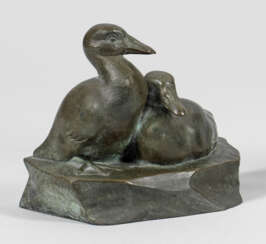

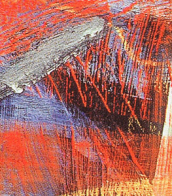


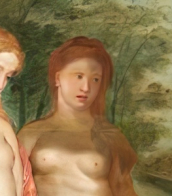
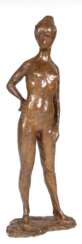







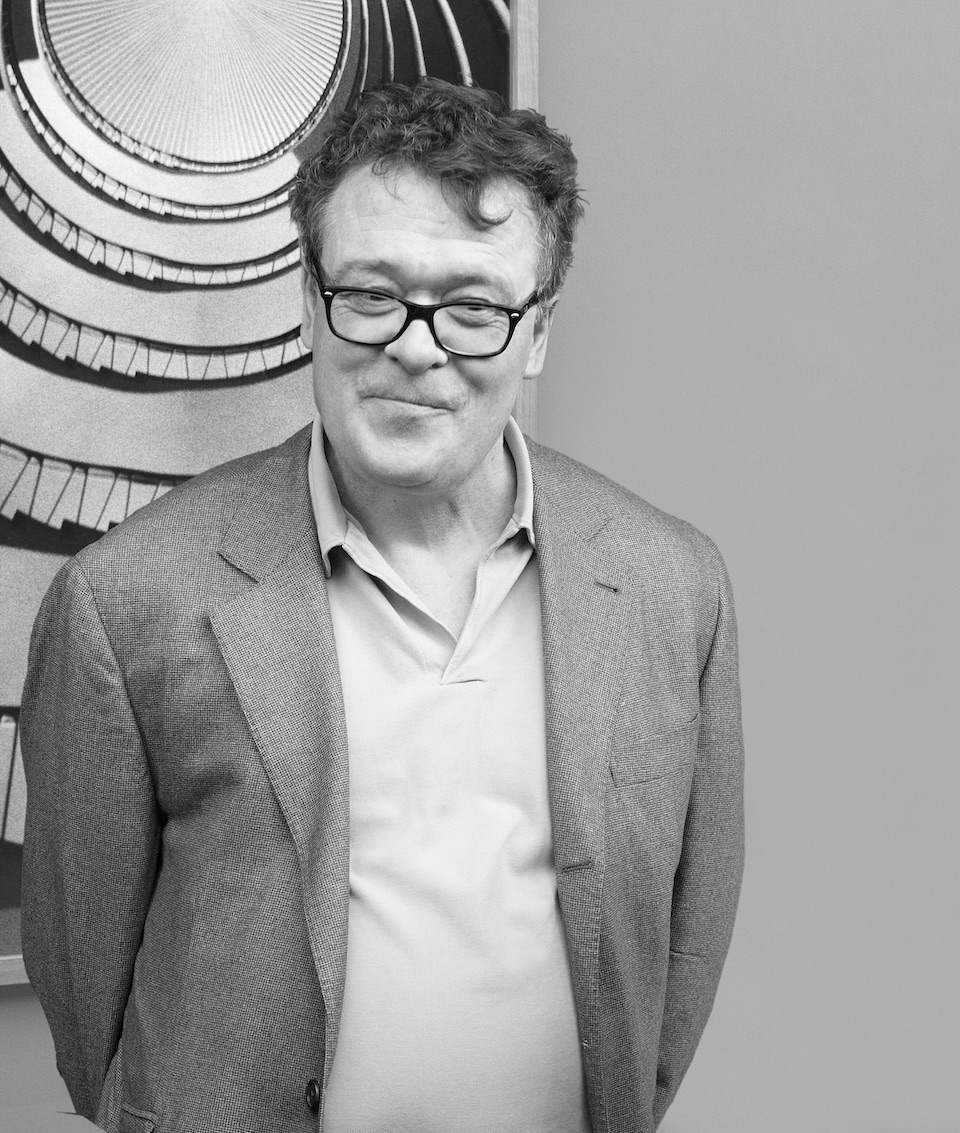
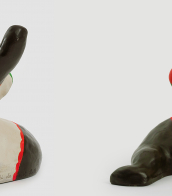
Günther Förg was a German painter, graphic designer, sculptor and photographer. His abstract style was influenced by American abstract painting.

.jpg)
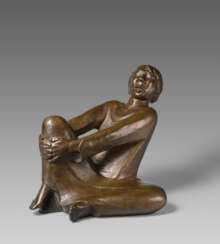
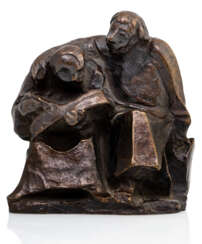
Ernst Heinrich Barlach was a German expressionist sculptor, medallist, printmaker and writer. Although he was a supporter of the war in the years leading to World War I, his participation in the war made him change his position, and he is mostly known for his sculptures protesting against the war. This created many conflicts during the rise of the Nazi Party, when most of his works were confiscated as degenerate art. Stylistically, his literary and artistic work would fall between the categories of twentieth-century Realism and Expressionism.
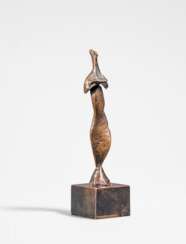

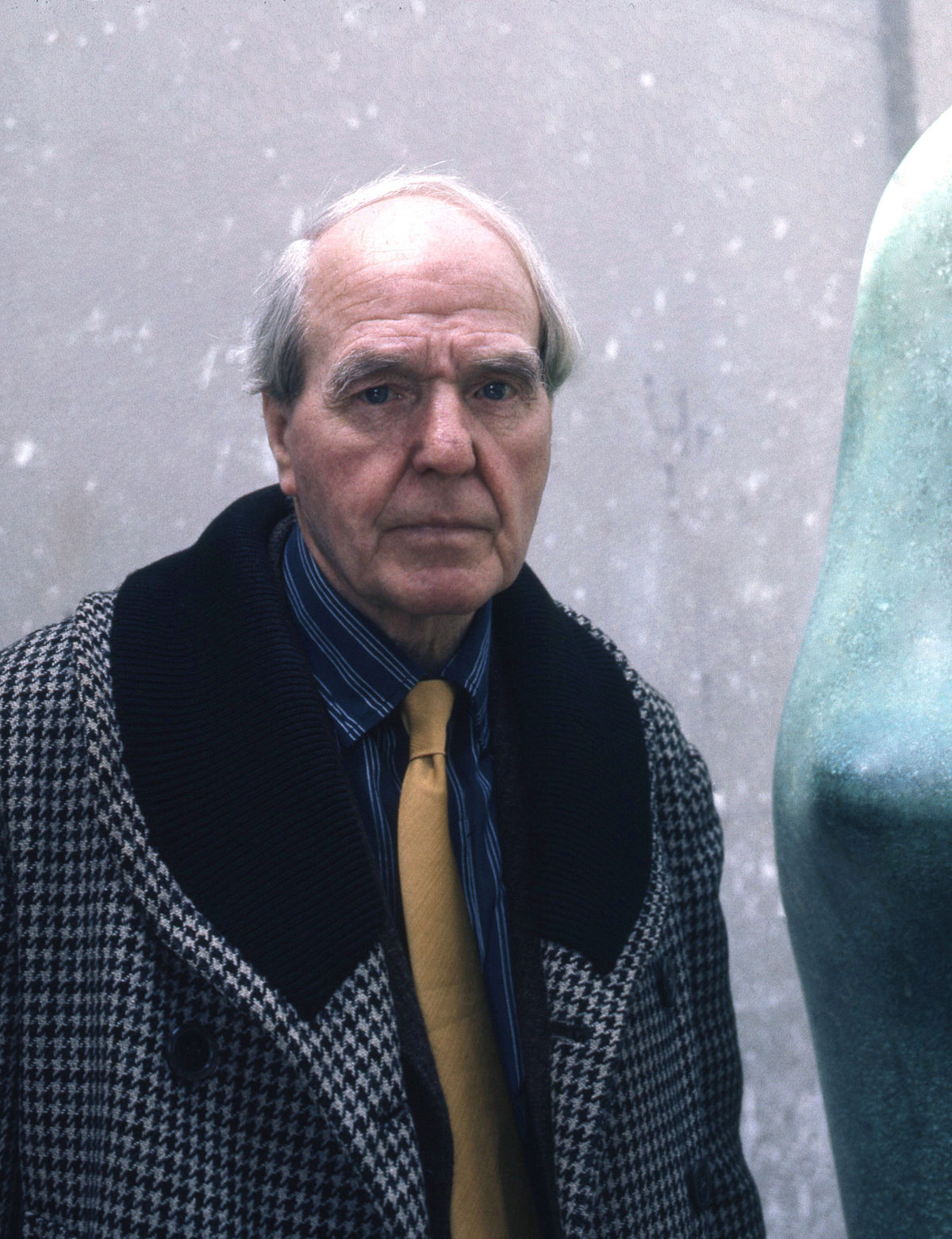
Henry Spencer Moore was an influential English sculptor and artist, renowned for his semi-abstract monumental bronze sculptures that have found homes around the world as public works of art. Born on July 30, 1898, in Castleford, Yorkshire, Moore showed early talent in art, but his journey towards becoming a sculptor was not straightforward. His experiences as a young teacher and a soldier in the First World War, where he was injured in a gas attack, significantly shaped his perspectives and artistic direction.
After the war, Moore pursued his passion for art, winning a scholarship to the Royal College of Art in London, where he began to experiment with modernist influences and direct carving techniques, moving away from the traditional Victorian style. His works, characterized by organic shapes and a blend of abstraction and figuration, were inspired by a wide range of sources, including primitive art, the human body, and the natural world.
Moore's sculptures are celebrated for their unique ability to blend form with space in the landscape, offering viewers a dynamic interaction with his works. His dedication to public art made his sculptures accessible to a wide audience, contributing to his status as one of the 20th century's most significant sculptors. Moore's legacy is preserved through the Henry Moore Foundation, which supports artists and promotes public appreciation of sculpture.
For collectors and experts in art and antiques, Moore's work remains a testament to the power of sculpture to evoke emotion and thought. His contributions to modern art and sculpture continue to inspire and influence artists around the world.
To stay informed about new exhibitions and opportunities to view Henry Spencer Moore's work, sign up for updates. This subscription will ensure you are alerted to new product sales and auction events related to Moore's influential body of work.




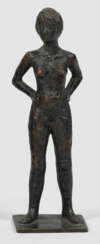

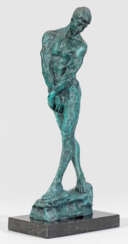

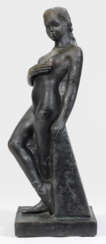

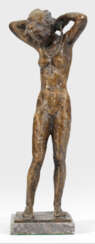





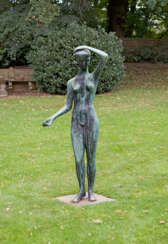

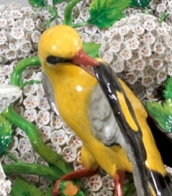
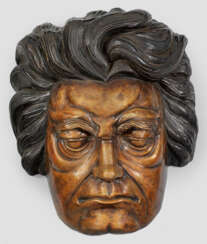

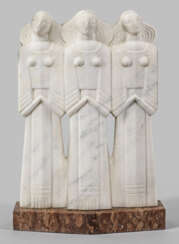

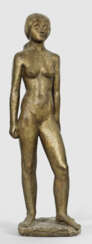

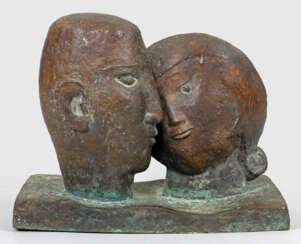



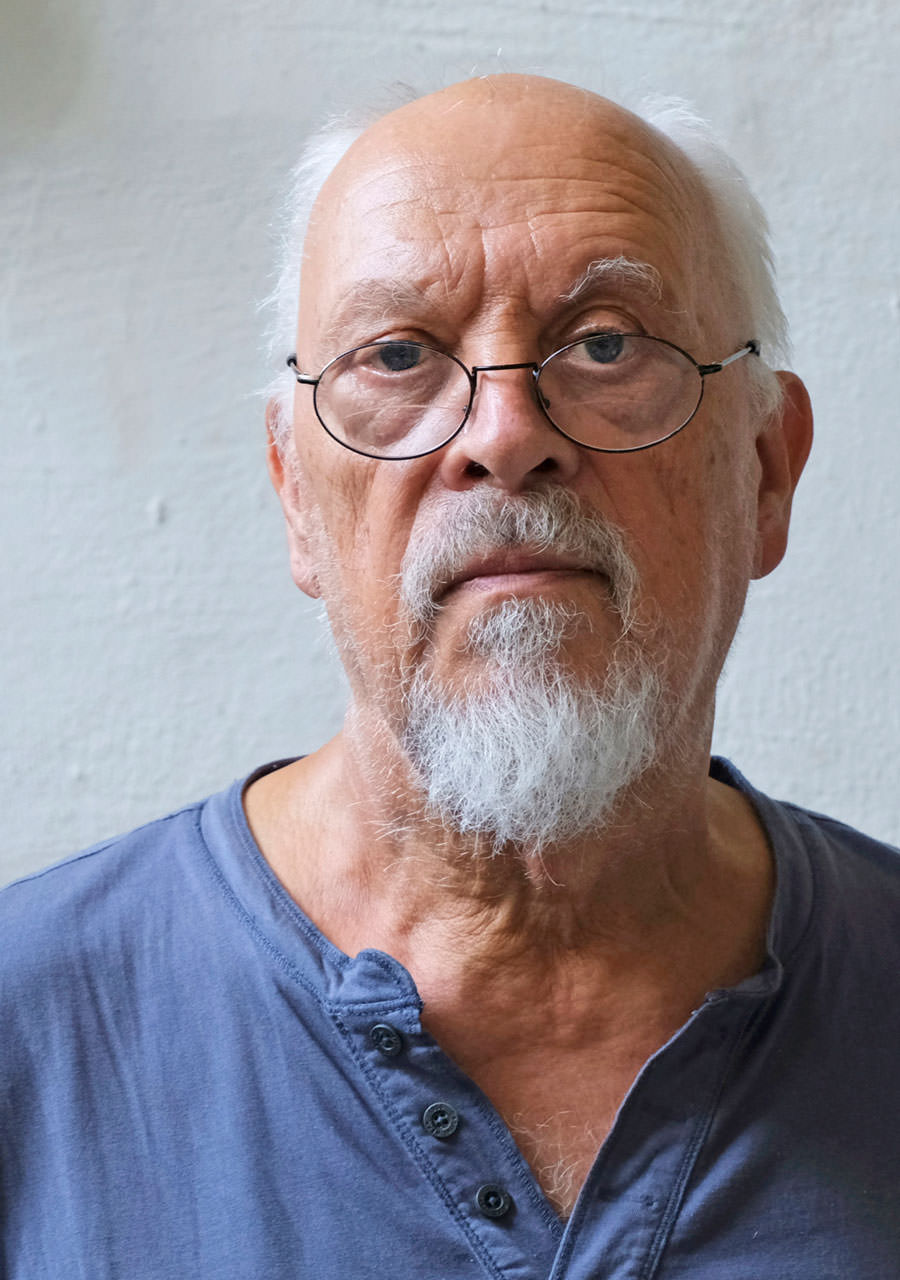
Karl Ulrich Nuss is a German artist and sculptor who creates large-scale bronze compositions.
His father was the sculptor Fritz Nuss (1907-1999), Karl Ulrich Nuss continued his work and developed an unmistakable design style that characterizes all his sculptures. They depict single people, couples, families, as well as new fantastical creations from the animal kingdom. These works can be seen in public spaces in Bochum, Frankfurt/Main and Stuttgart.


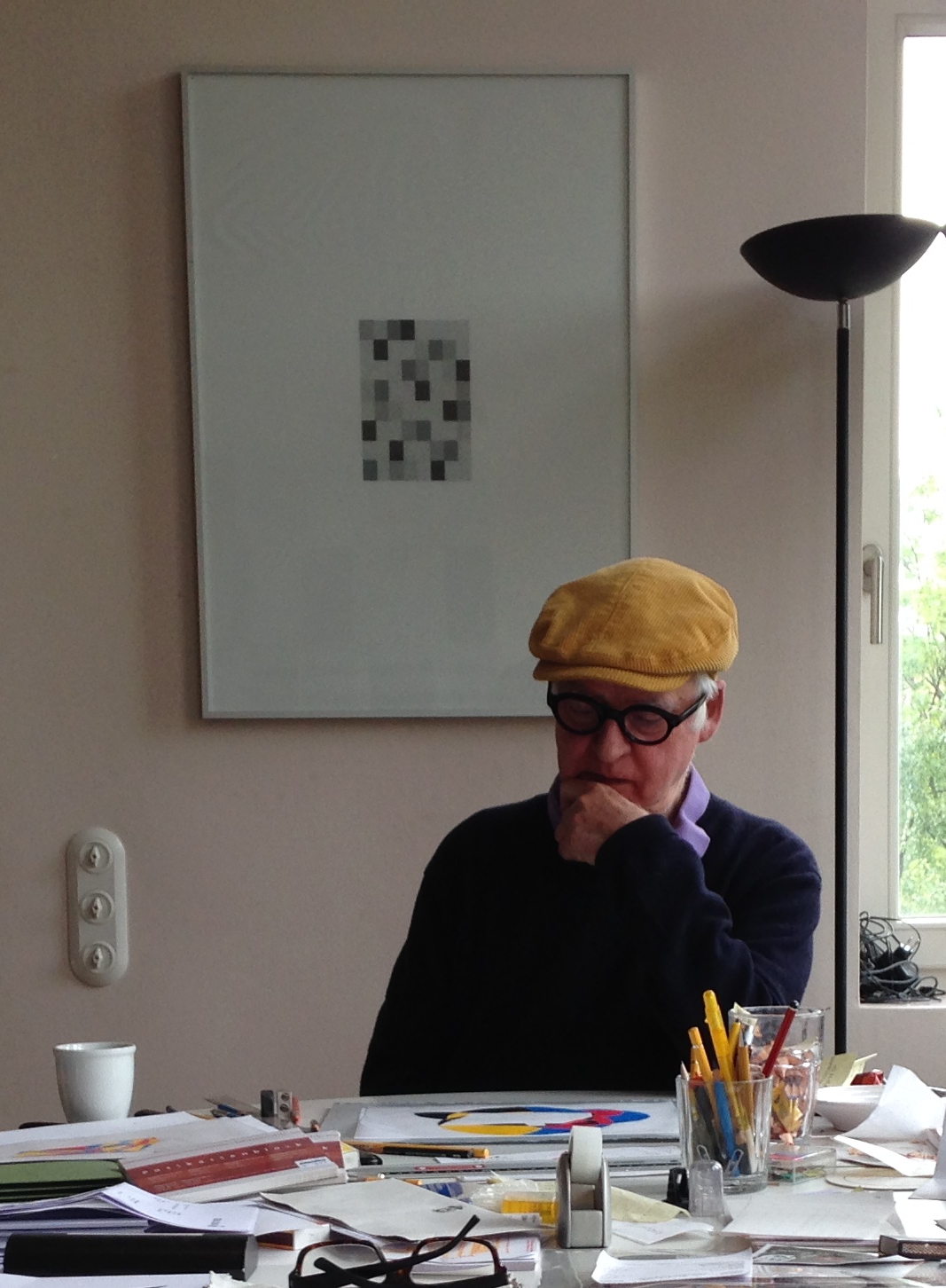
Ulrich Rückriem is a German sculptor known for his large-scale stone sculptures that are often displayed in public spaces. He studied at the Werkkunstschule Krefeld and the Kunstakademie Düsseldorf.
Rückriem's early work was influenced by the Minimalist movement, and he became known for creating abstract, geometric sculptures from raw stone blocks. He often works with granite, basalt, and other types of hard stone, using traditional carving techniques to shape and refine his forms.
In the 1970s, Rückriem began creating large-scale public installations, including his "Stone Alignments" series, which consists of rows of standing stones that evoke ancient megaliths and other prehistoric monuments. His work often engages with the natural environment, creating a dialogue between the man-made and the organic.
Rückriem has exhibited his work in museums and galleries around the world, including the Tate Gallery in London, the Solomon R. Guggenheim Museum in New York, and the Kunstmuseum Bonn in Germany. He has also received numerous awards and honors for his contributions to the field of sculpture, including the International Sculpture Prize in 1987 and the Praemium Imperiale in 2010.

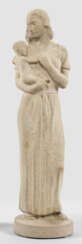

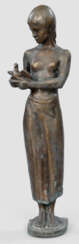

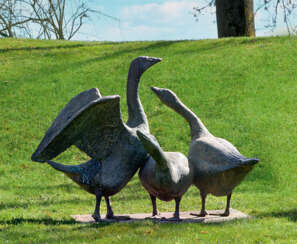

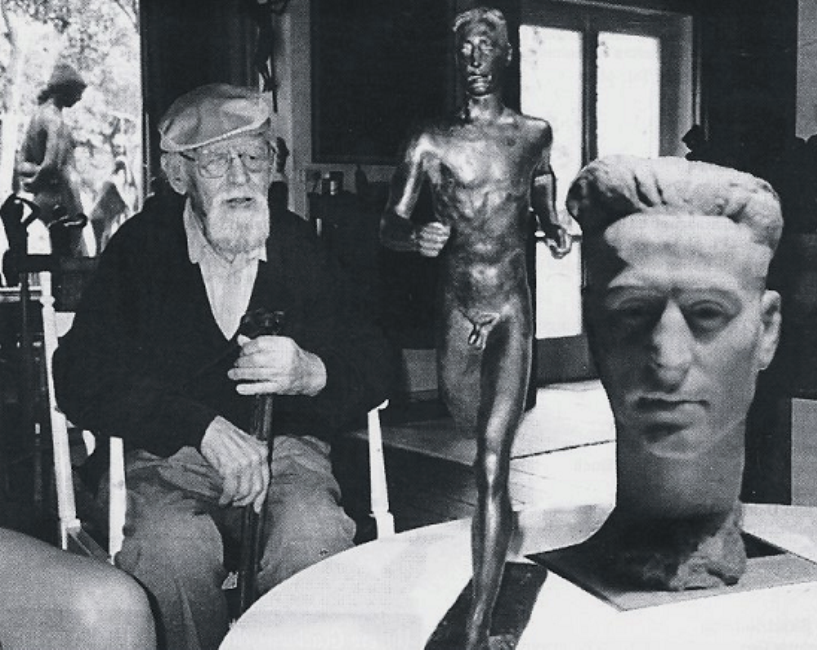
Fritz Nuss is a German painter, sculptor and medalist, as well as a draftsman.
During his long creative life he created many sculptural works of art, which have been recognized at numerous exhibitions around the world. The theme of the sculptor Fritz Nuss's entire life was the human body, which he was able to depict in new facets and poses. His works captivate with purity of lines, monumental language, plasticity of form and a special, chamber emotionality and sensuality. Nuss created both small and large sculptures for public spaces; he designed the Elli-Heuss-Knapp memorial fountain in Stuttgart and many other large sculptures and fountains in Aalen, Freudenstadt, Göppingen, Stuttgart, etc.
Nuss was also a recognized medallist. The works he created can today be found in many famous coin collections around the world. At the end of his life, the half-blind artist, unable to sculpt, created many drawings that just as much praise the beauty of the human body.