smith &







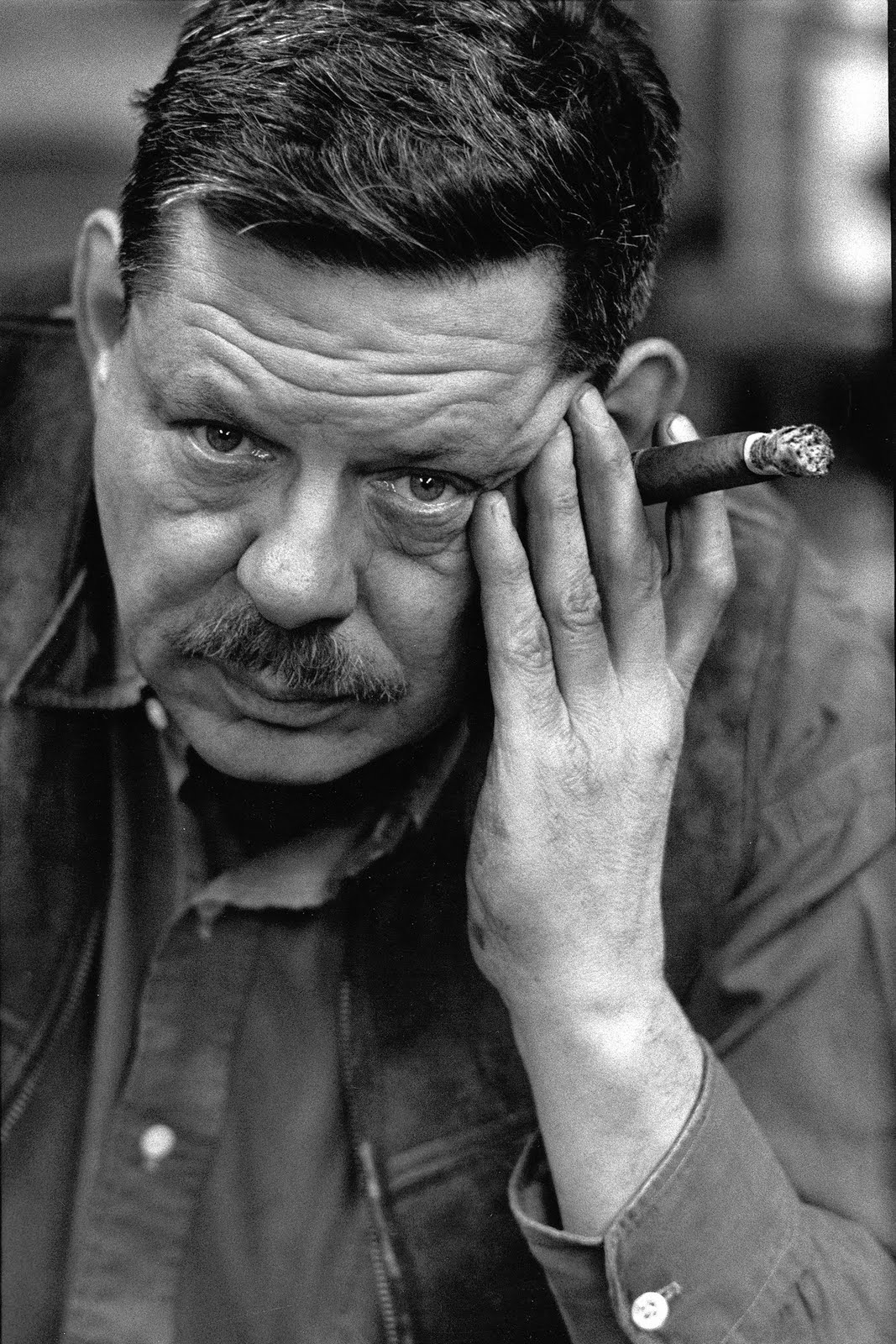
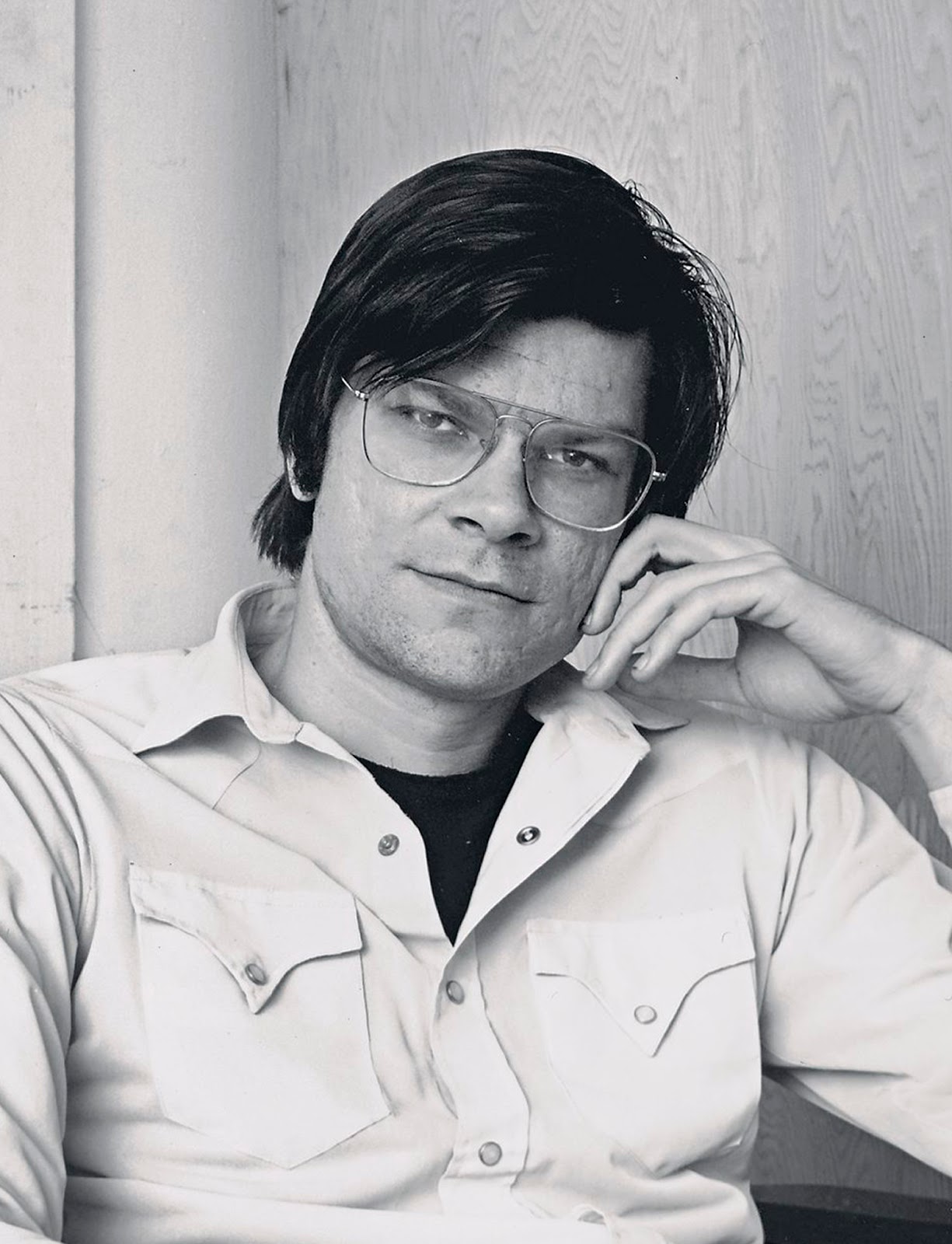
David Roland Smith is an American sculptor and expressionist painter.
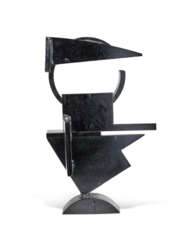
Smith became known as the creator of large-scale steel geometric sculptures in an abstract style inspired by the works of Picasso.
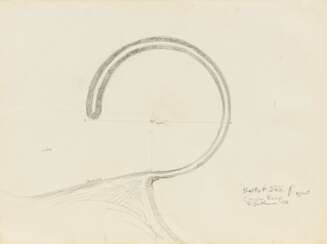
But Smith is also a prolific painter-drawer; he drew all his life, making hundreds of drawings a year. His subjects included various figures and landscapes, a series of nudes, and he also drew almost calligraphic signs with egg yolk, Chinese ink and brushes.
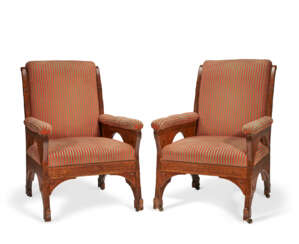


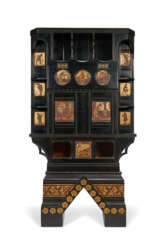




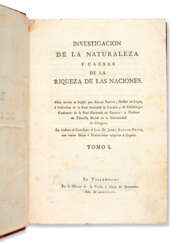

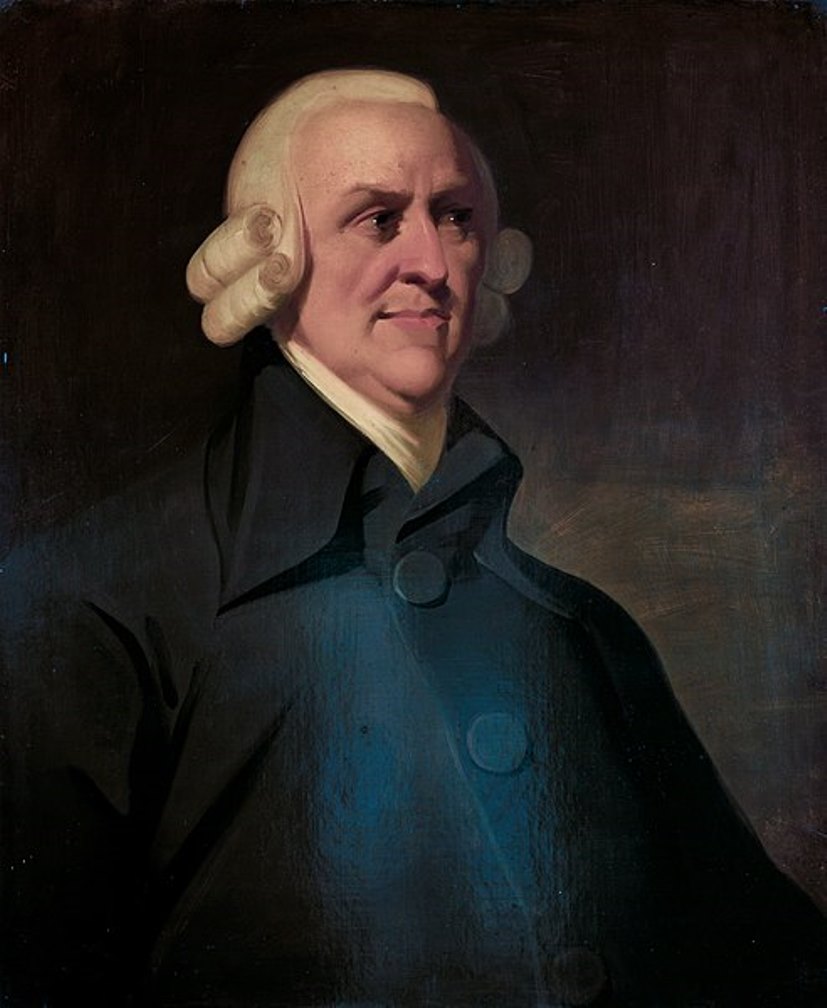
Adam Smith was a Scottish economist and philosopher, one of the founders of economic theory as a science.
After graduating from Balliol College at Oxford University, Smith in 1751 became Professor of Logic and then Professor of Moral Philosophy at the University of Glasgow. And at the same time worked on publishing some of his lectures. His book The Theory of Moral Sentiments was published in 1759. As a philosopher, he wrote on a wide range of subjects: moral philosophy, jurisprudence, rhetoric and literature, and the history of science. He was one of the leading figures of the Scottish Enlightenment. Adam Smith also studied the social forces that give rise to competition, trade, and markets. On his trip to France, he met François Kenet and the Physiocrats.
In late 1763, Smith was given the position of tutor to the young Duke of Buccleugh and resigned his professorship. He began to socialize extensively with the intellectuals of his day, aristocrats and scholars, members of the government and representatives of big commerce, and gradually moved from philosophy to economics.
Adam Smith published his most important work, An Inquiry into the Nature and Causes of the Wealth of Nations (abbreviated as The Wealth of Nations), in 1776. It was the first major exposition of the theory of free trade, where the author advocates individual liberty and the accumulation of wealth, while strongly advocating moral justice and duty to society. He describes a system of natural liberty and justice that seeks to raise the standard of living of the general population by equating higher wages with a healthier and more productive labor force. He proves his belief that the limits to growth are political, not economic, and outlines the principles that should guide lawmakers. Smith also lays out a history of economic theory, a historical analysis of the wealth of nations, including China, and predictions for the future.
"The Wealth of Nations" was the first and still remains the most important book on political economy. And Adam Smith himself is considered the founder of classical political economy; he introduced the term "the invisible hand of the market." Although he did not use the word "capitalism", he is called the father of modern capitalism.




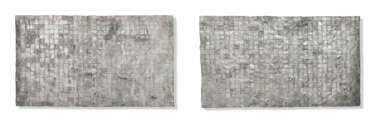


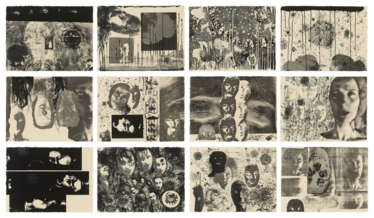
Kiki Smith is a West German-born American artist whose work has addressed the themes of sex, birth and regeneration. Her figurative work of the late 1980s and early 1990s confronted subjects such as AIDS, feminism and gender, while recent works have depicted the human condition in relationship to nature. Smith lives and works in the Lower East Side, New York City, and the Hudson Valley, New York State.



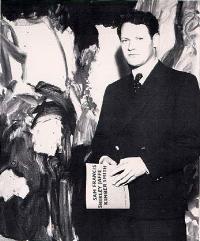
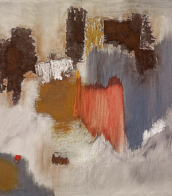
Kimber Smith was an American abstract painter. Best known for his lyrical compositions and distinctive lexicon of personal symbols, he eschewed the aggressive monumentality of the Abstract Expressionist era to focus on relatively small paintings of simple, entropic forms and colors. Smith went on to study at the Art Students League of New York shortly after the end of World War II. He would subsequently move to Paris, France in 1954, where he befriended fellow American ex-patriate painters Sam Francis and Joan Mitchell. Upon his return to New York in 1966, Smith had gained significant critical acclaim, which led to his mounting a solo exhibition at the Dayton Art Institute in Ohio in 1967 and garnering a Guggenheim Fellowship in 1971. Today, his paintings among the collections of the Stedlijk Museum in Amsterdam and the Zurich Art Museum, among others.
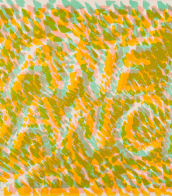


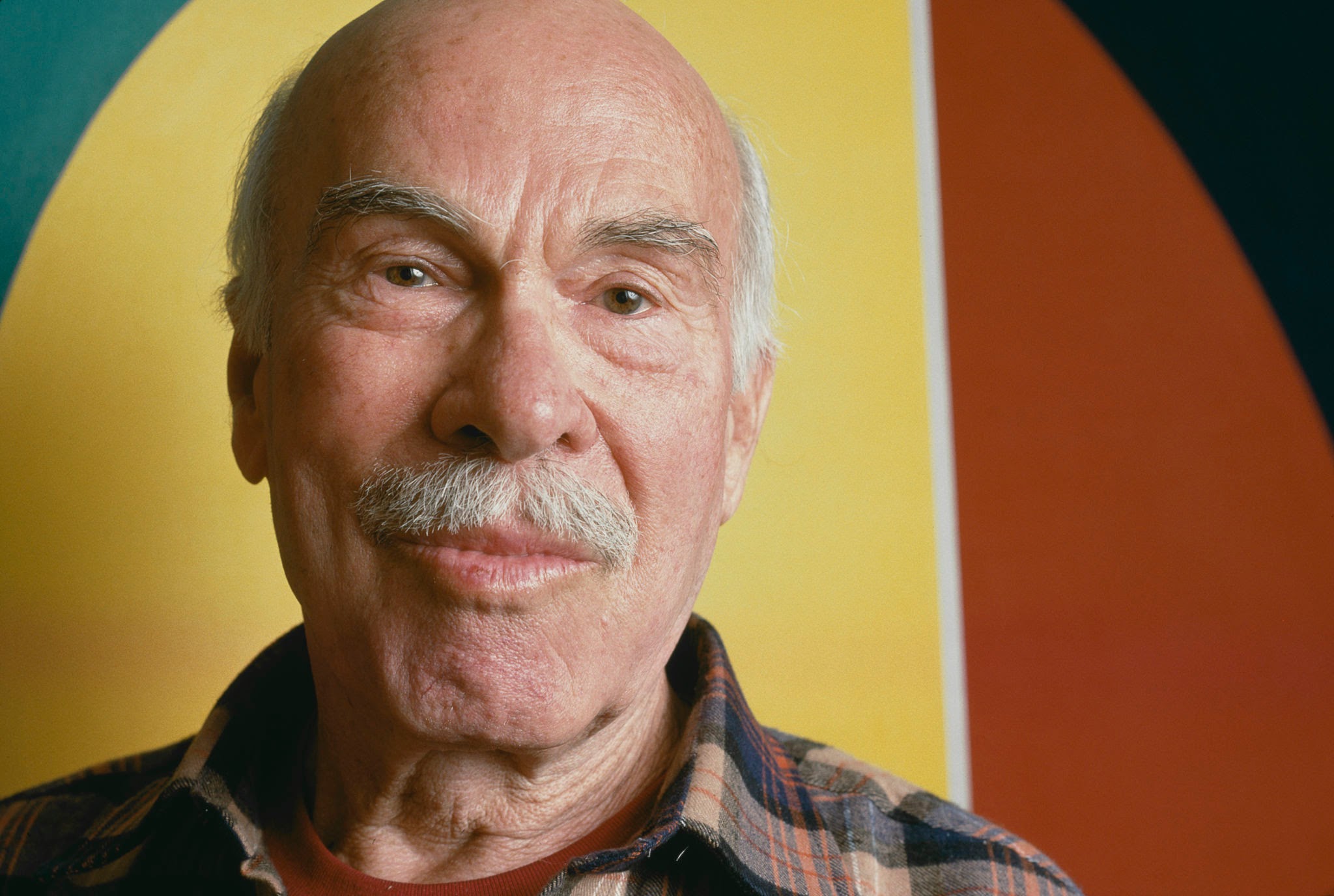
Leon Polk Smith was an American painter. His geometrically oriented abstract paintings were influenced by Piet Mondrian and he is a follow er of the Hard-edge school. His best-known paintings constitute maximally reduced forms, characterized by just two colors on a canvas meeting in a sharply delineated edge, often on an unframed canvas of unusual shape. His work is represented in many museums in the United States, Europe, and South America. Thanks to a generous bequest from the artist, the Brooklyn Museum has 27 of his paintings on permanent display.
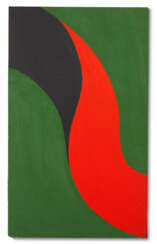

Leon Polk Smith was an American painter. His geometrically oriented abstract paintings were influenced by Piet Mondrian and he is a follow er of the Hard-edge school. His best-known paintings constitute maximally reduced forms, characterized by just two colors on a canvas meeting in a sharply delineated edge, often on an unframed canvas of unusual shape. His work is represented in many museums in the United States, Europe, and South America. Thanks to a generous bequest from the artist, the Brooklyn Museum has 27 of his paintings on permanent display.
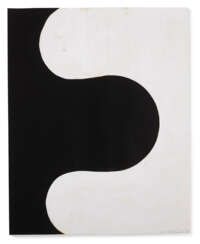

Leon Polk Smith was an American painter. His geometrically oriented abstract paintings were influenced by Piet Mondrian and he is a follow er of the Hard-edge school. His best-known paintings constitute maximally reduced forms, characterized by just two colors on a canvas meeting in a sharply delineated edge, often on an unframed canvas of unusual shape. His work is represented in many museums in the United States, Europe, and South America. Thanks to a generous bequest from the artist, the Brooklyn Museum has 27 of his paintings on permanent display.


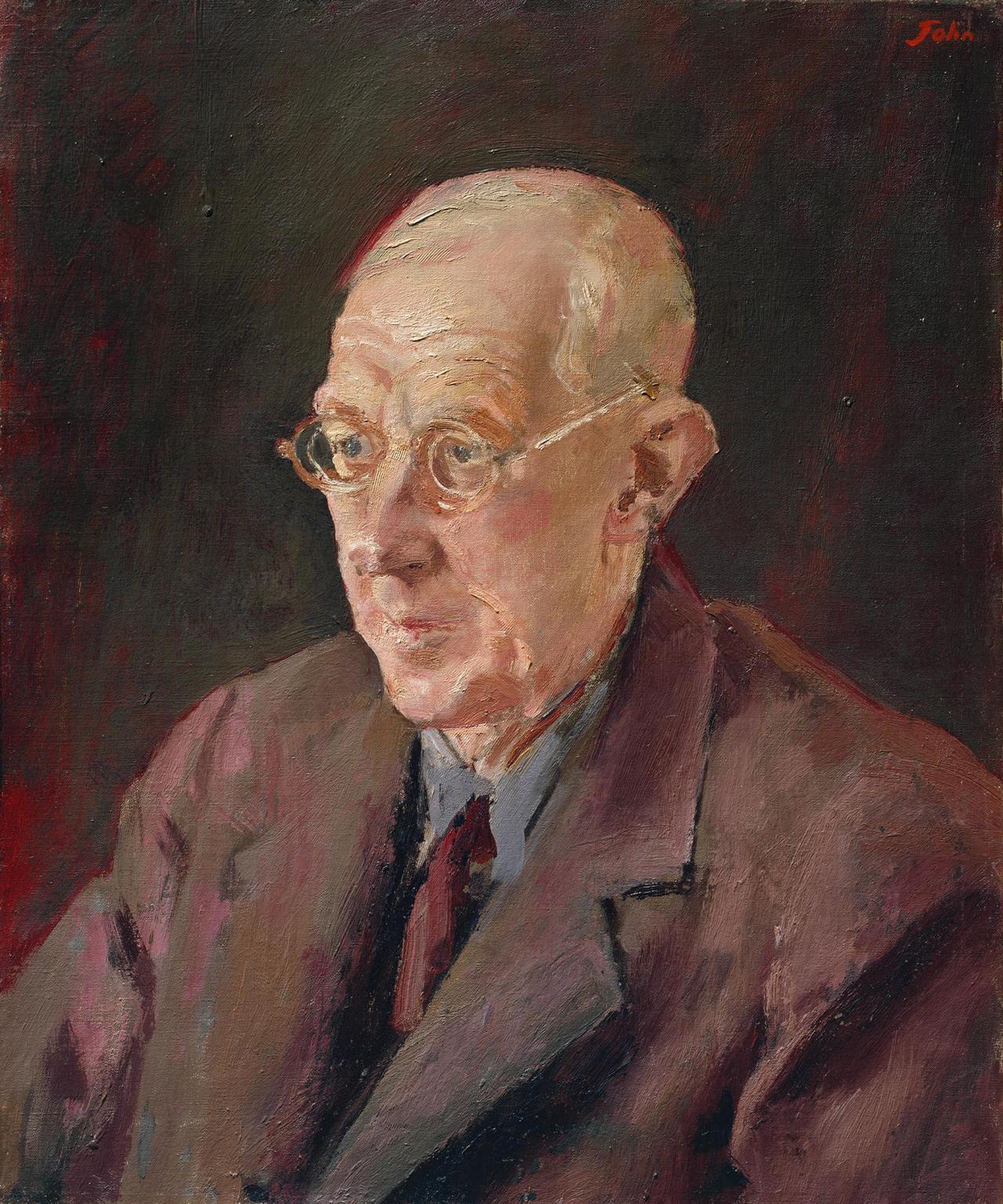
Matthew Smith was a British painter of nudes, still-life and landscape.
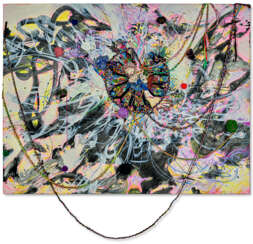

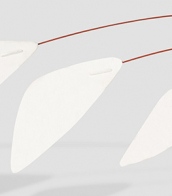


Matthew Smith was a British painter of nudes, still-life and landscape.
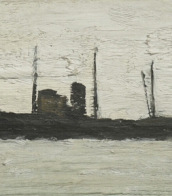
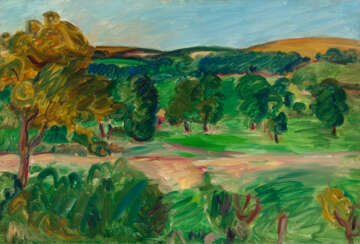

Matthew Smith was a British painter of nudes, still-life and landscape.
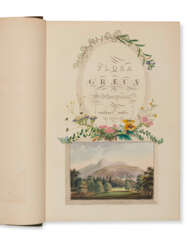

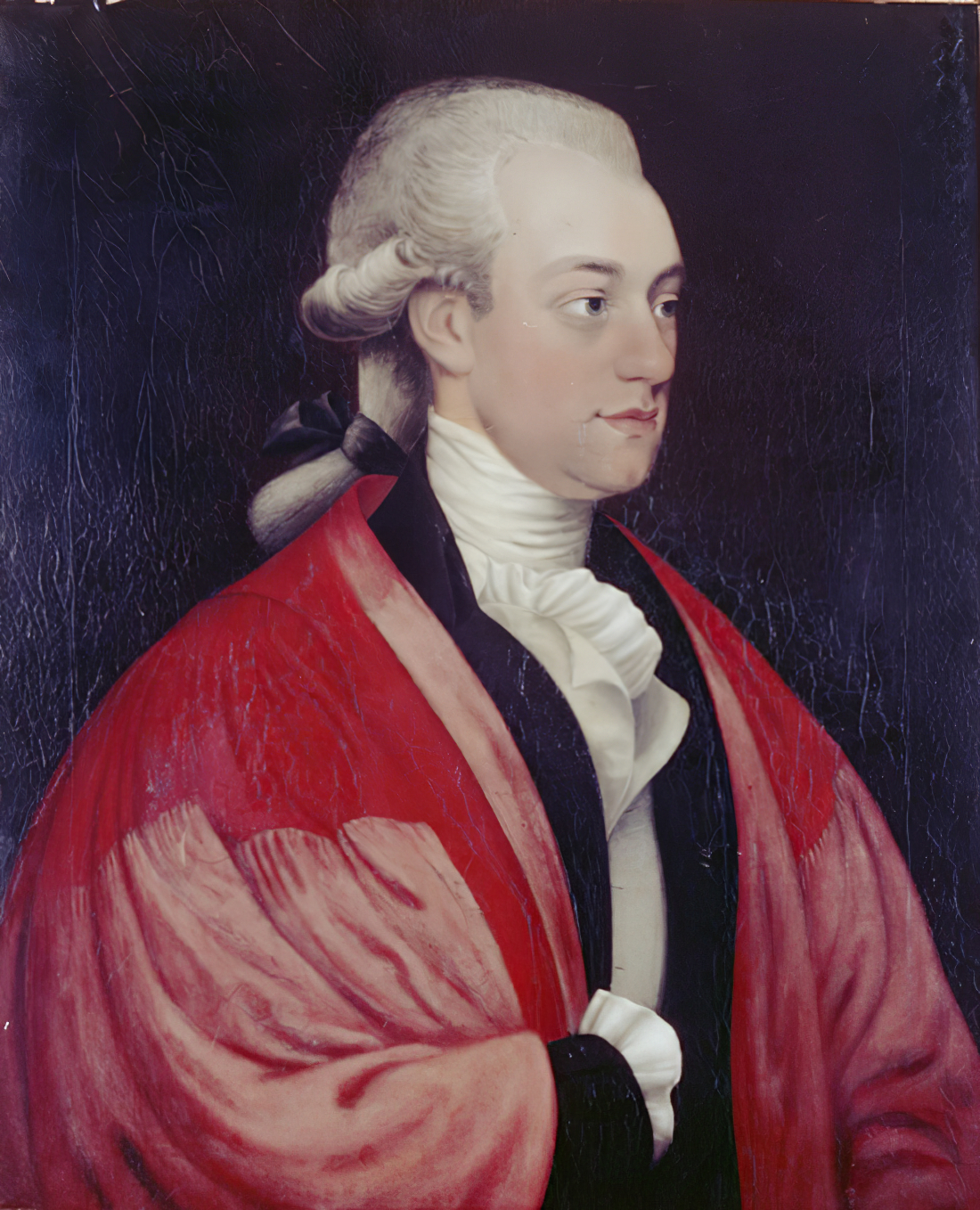
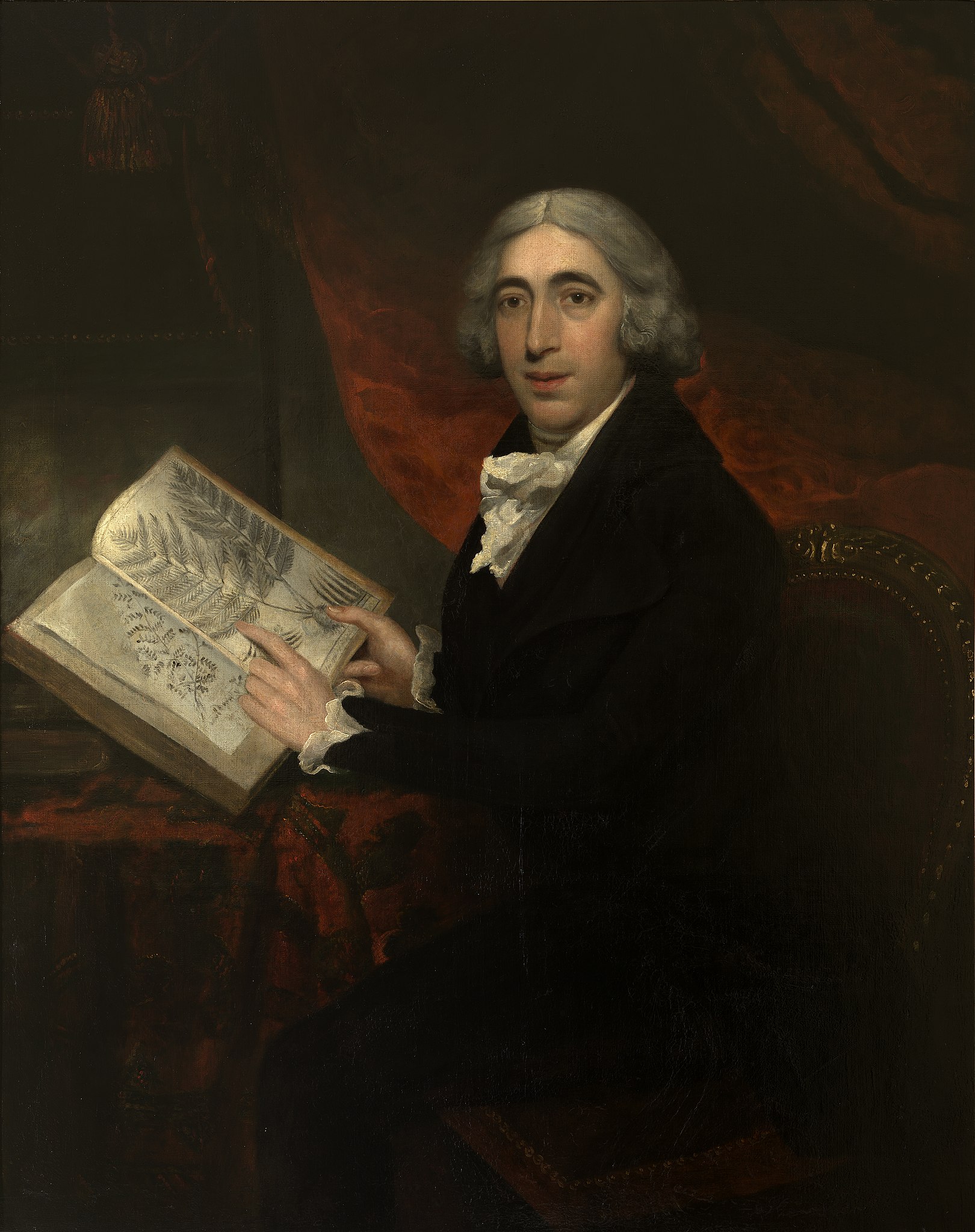
James Edward Smith was an English botanist and founder of the Linnean Society.
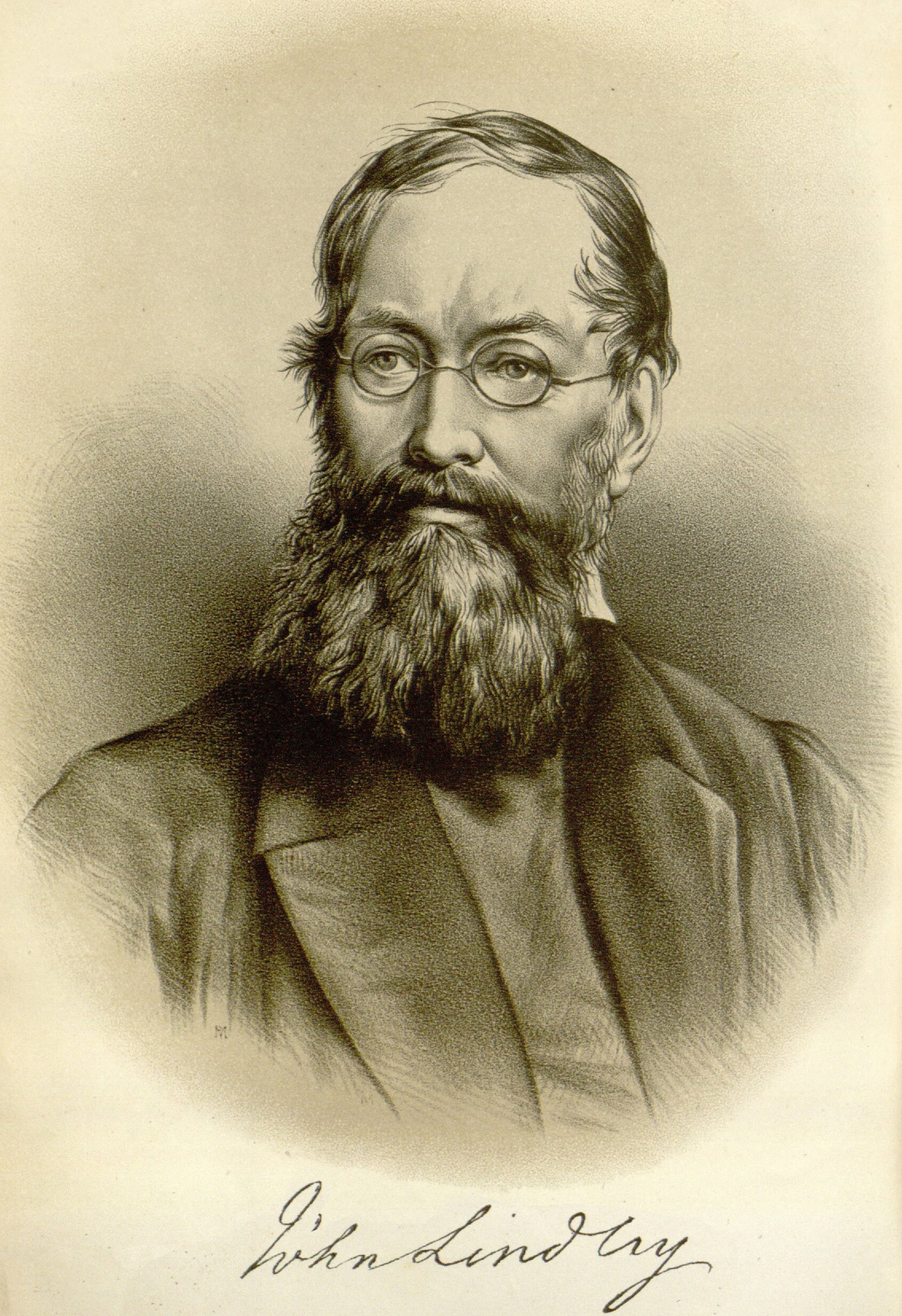

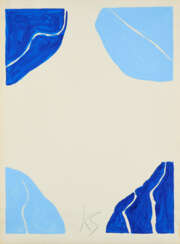

Kimber Smith was an American abstract painter. Best known for his lyrical compositions and distinctive lexicon of personal symbols, he eschewed the aggressive monumentality of the Abstract Expressionist era to focus on relatively small paintings of simple, entropic forms and colors. Smith went on to study at the Art Students League of New York shortly after the end of World War II. He would subsequently move to Paris, France in 1954, where he befriended fellow American ex-patriate painters Sam Francis and Joan Mitchell. Upon his return to New York in 1966, Smith had gained significant critical acclaim, which led to his mounting a solo exhibition at the Dayton Art Institute in Ohio in 1967 and garnering a Guggenheim Fellowship in 1971. Today, his paintings among the collections of the Stedlijk Museum in Amsterdam and the Zurich Art Museum, among others.

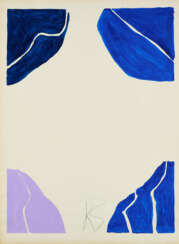

Kimber Smith was an American abstract painter. Best known for his lyrical compositions and distinctive lexicon of personal symbols, he eschewed the aggressive monumentality of the Abstract Expressionist era to focus on relatively small paintings of simple, entropic forms and colors. Smith went on to study at the Art Students League of New York shortly after the end of World War II. He would subsequently move to Paris, France in 1954, where he befriended fellow American ex-patriate painters Sam Francis and Joan Mitchell. Upon his return to New York in 1966, Smith had gained significant critical acclaim, which led to his mounting a solo exhibition at the Dayton Art Institute in Ohio in 1967 and garnering a Guggenheim Fellowship in 1971. Today, his paintings among the collections of the Stedlijk Museum in Amsterdam and the Zurich Art Museum, among others.
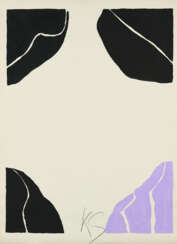

Kimber Smith was an American abstract painter. Best known for his lyrical compositions and distinctive lexicon of personal symbols, he eschewed the aggressive monumentality of the Abstract Expressionist era to focus on relatively small paintings of simple, entropic forms and colors. Smith went on to study at the Art Students League of New York shortly after the end of World War II. He would subsequently move to Paris, France in 1954, where he befriended fellow American ex-patriate painters Sam Francis and Joan Mitchell. Upon his return to New York in 1966, Smith had gained significant critical acclaim, which led to his mounting a solo exhibition at the Dayton Art Institute in Ohio in 1967 and garnering a Guggenheim Fellowship in 1971. Today, his paintings among the collections of the Stedlijk Museum in Amsterdam and the Zurich Art Museum, among others.
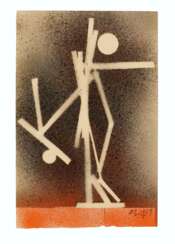

David Roland Smith is an American sculptor and expressionist painter.
Smith became known as the creator of large-scale steel geometric sculptures in an abstract style inspired by the works of Picasso.
But Smith is also a prolific painter-drawer; he drew all his life, making hundreds of drawings a year. His subjects included various figures and landscapes, a series of nudes, and he also drew almost calligraphic signs with egg yolk, Chinese ink and brushes.
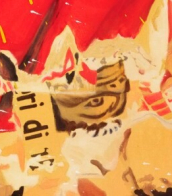
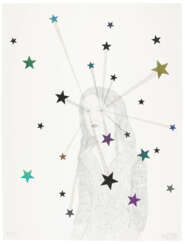

Kiki Smith is a West German-born American artist whose work has addressed the themes of sex, birth and regeneration. Her figurative work of the late 1980s and early 1990s confronted subjects such as AIDS, feminism and gender, while recent works have depicted the human condition in relationship to nature. Smith lives and works in the Lower East Side, New York City, and the Hudson Valley, New York State.
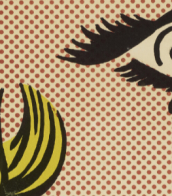

Kiki Smith is a West German-born American artist whose work has addressed the themes of sex, birth and regeneration. Her figurative work of the late 1980s and early 1990s confronted subjects such as AIDS, feminism and gender, while recent works have depicted the human condition in relationship to nature. Smith lives and works in the Lower East Side, New York City, and the Hudson Valley, New York State.


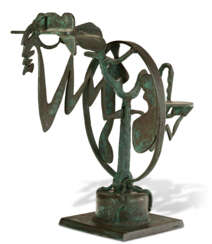

David Roland Smith is an American sculptor and expressionist painter.
Smith became known as the creator of large-scale steel geometric sculptures in an abstract style inspired by the works of Picasso.
But Smith is also a prolific painter-drawer; he drew all his life, making hundreds of drawings a year. His subjects included various figures and landscapes, a series of nudes, and he also drew almost calligraphic signs with egg yolk, Chinese ink and brushes.
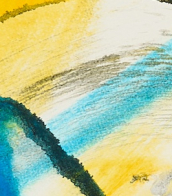
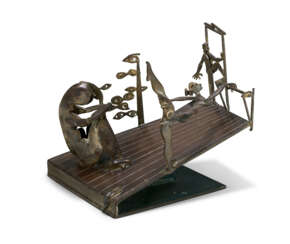

David Roland Smith is an American sculptor and expressionist painter.
Smith became known as the creator of large-scale steel geometric sculptures in an abstract style inspired by the works of Picasso.
But Smith is also a prolific painter-drawer; he drew all his life, making hundreds of drawings a year. His subjects included various figures and landscapes, a series of nudes, and he also drew almost calligraphic signs with egg yolk, Chinese ink and brushes.