sporting art


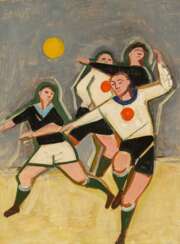

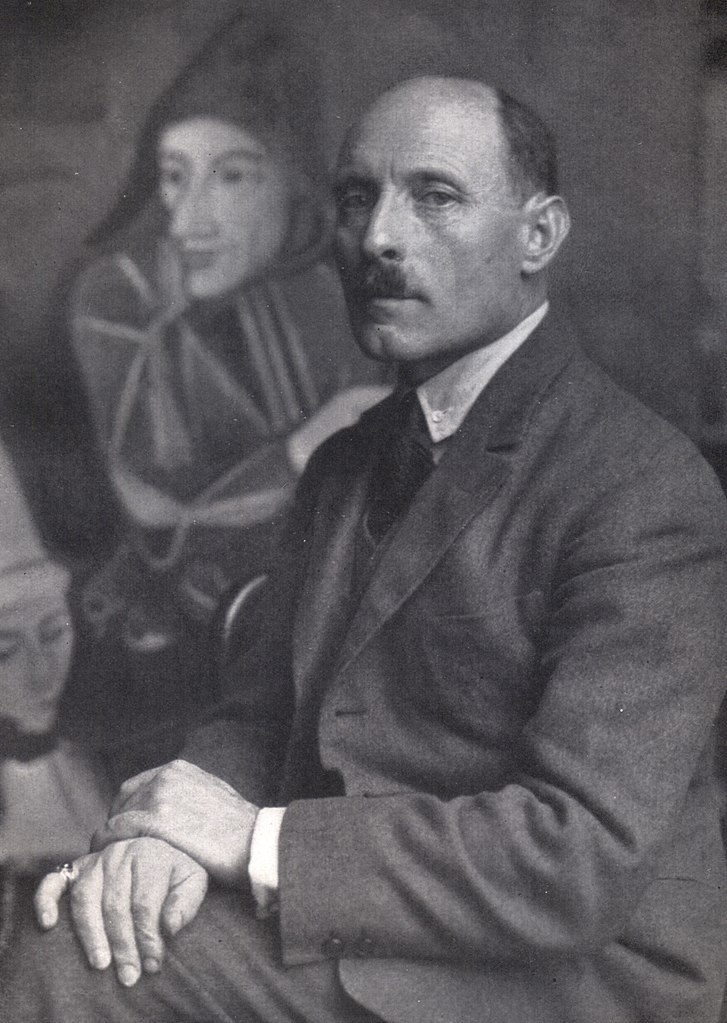
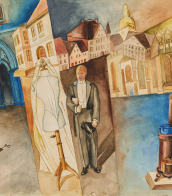
Karl Hofer was a German expressionist painter. He was director of the Berlin Academy of Fine Arts.
One of the most prominent painters of expressionism, he never was a member of one of the expressionist painting groups, like "Die Brücke", but was influenced by their painters. His work was among those considered degenerate art by the Nazis, but after World War II he regained recognition as one of the leading German painters.
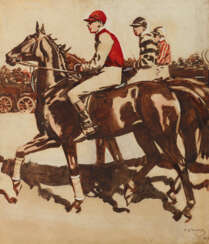

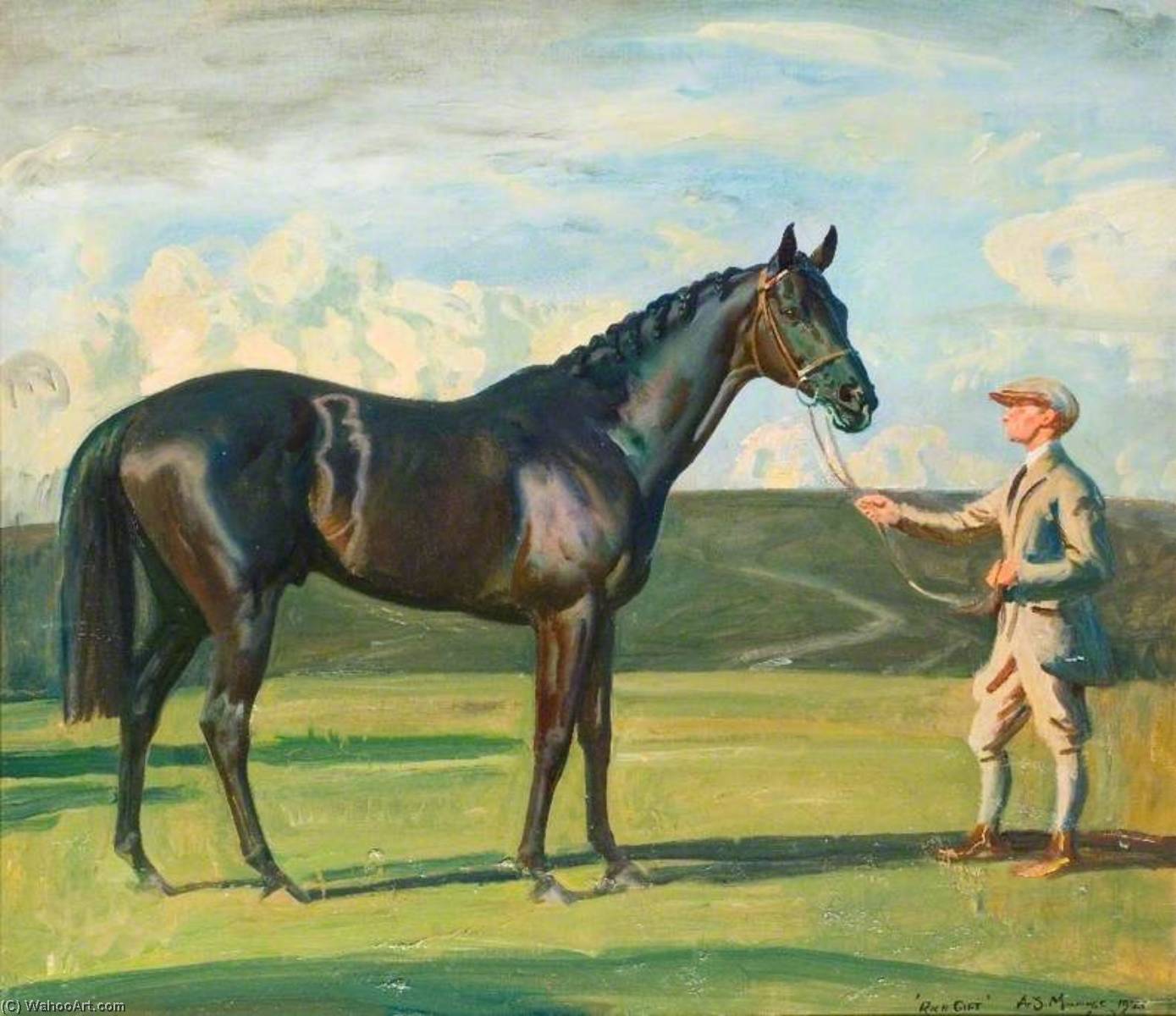
Alfred James Munnings was known as one of England's finest painters of horses, and as an outspoken critic of Modernism. Engaged by Lord Beaverbrook's Canadian War Memorials Fund, he earned several prestigious commissions after the Great War that made him wealthy. Between 1912 and 1914 he was a member of the Newlyn School of artists. His work was part of the art competitions at the 1928 Summer Olympics, the 1932 Summer Olympics, and the 1948 Summer Olympics.
Munnings was president of the Royal Academy of Arts from 1944 until his death.
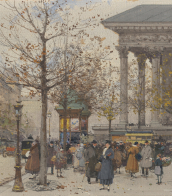


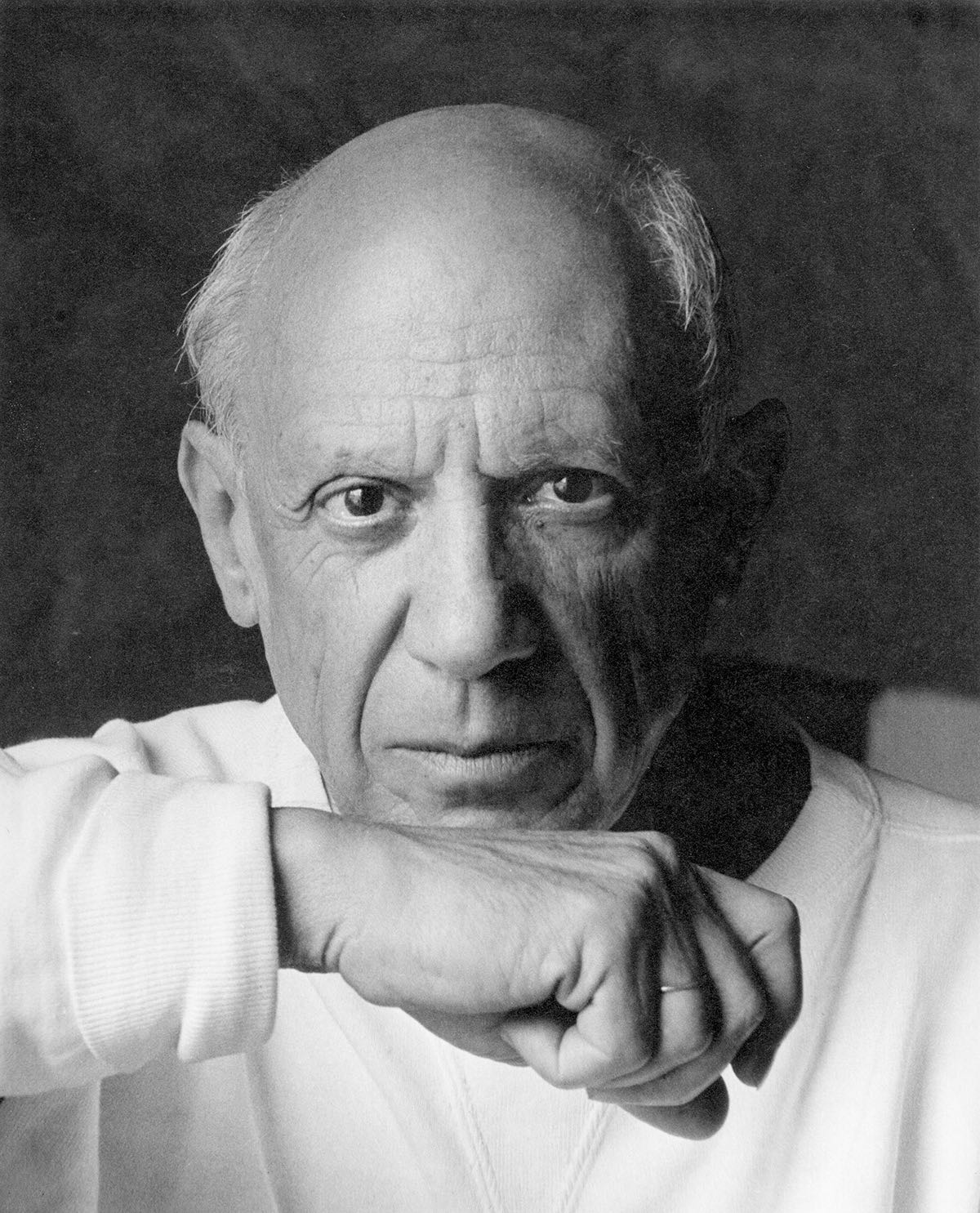
Pablo Ruiz Picasso, a Spanish artist renowned for his revolutionary contributions to the 20th-century art scene, is a figure that resonates profoundly with collectors and art experts. His unique blend of talents in painting, sculpture, printmaking, and ceramic art, infused with his time in France, positioned him as a pivotal character in modern art history.
Picasso's artistic journey was marked by distinct periods, each showcasing his evolving style and genius. His early years were characterized by the Blue Period (1901-1904), followed by the Rose Period (1904-1906), and then the African-influenced Period (1907-1909). Picasso's name is synonymous with Cubism, a movement he co-founded, which significantly altered artistic perspectives and methods. Works like "Les Demoiselles d'Avignon" (1907) and "Guernica" (1937) are emblematic of his cubist legacy, the latter being a poignant anti-war statement that remains influential.
His later years saw a return to more traditional styles, with neoclassical and surrealist influences becoming evident. Works from these phases reflect a deep engagement with mythological themes, as seen in "Faun with Stars" (1955), symbolizing his late-life romance with Jacqueline Roque, his second wife.
Picasso's prolific output and innovative spirit made him a legend in his own time, a status that only grew after his death. His works, housed in major museums and private collections worldwide, continue to captivate and inspire.
As a collector or expert in art and antiques, staying informed about Picasso's works, their auction events, and sales is essential. To stay updated on the latest developments and opportunities related to Pablo Picasso, sign up for our specialized updates. Rest assured, this subscription will focus solely on new product sales and auction events pertaining to Picasso's art, ensuring that you receive only the most relevant and valuable information.

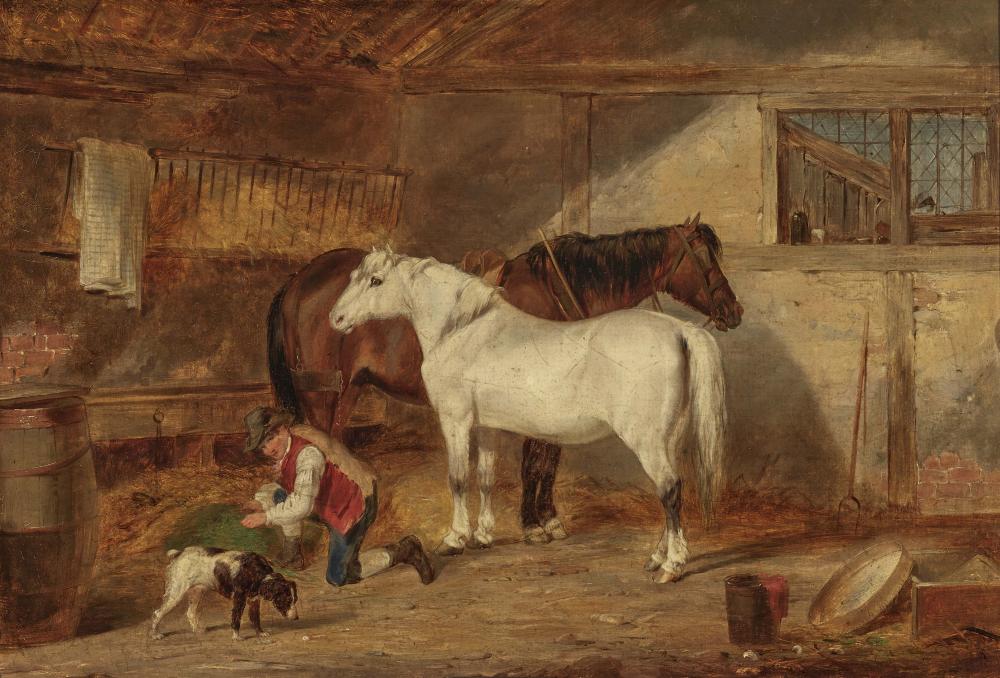
William Joseph Shayer was a British artist who painted genre scenes and landscapes with animals.
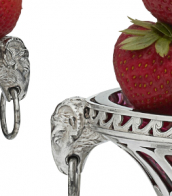
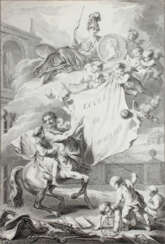


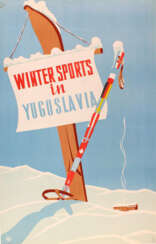



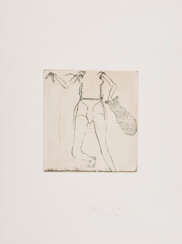

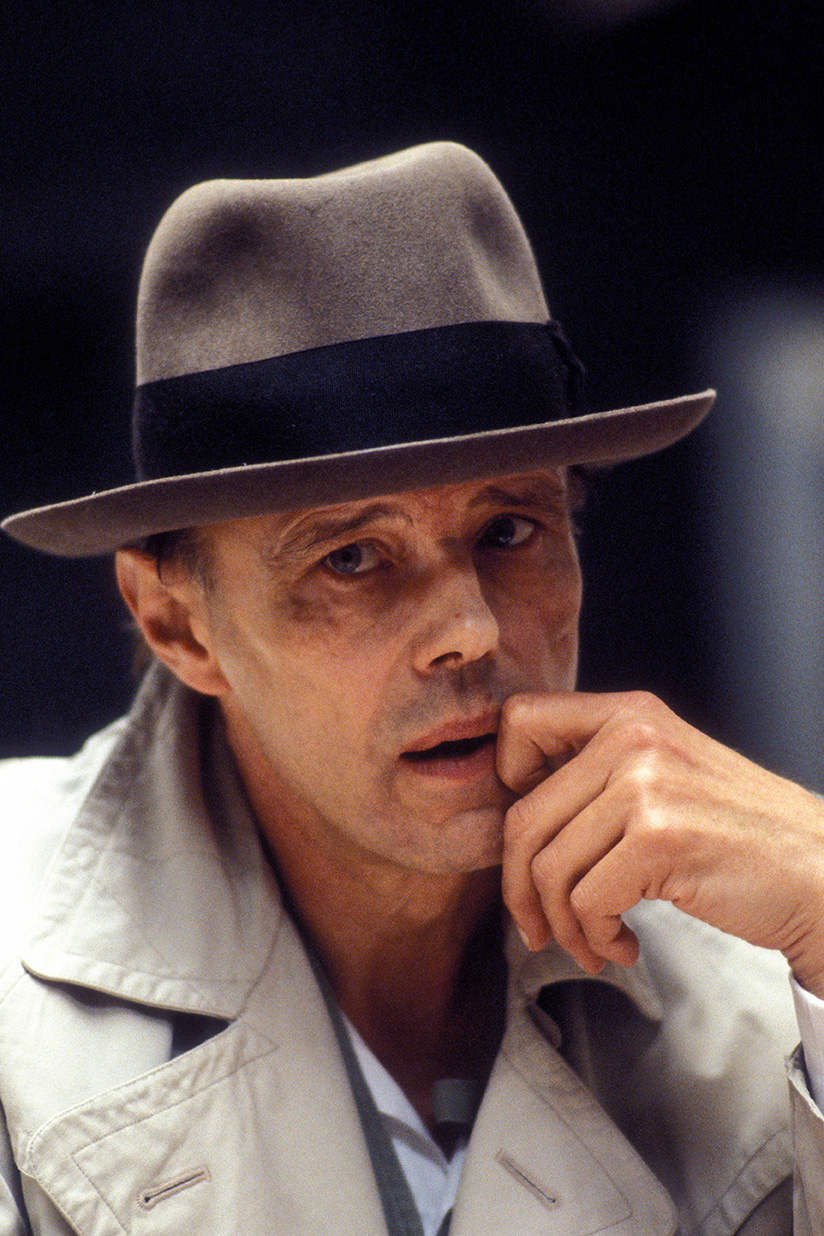
Joseph Heinrich Beuys was a German artist, renowned for his significant contributions to the realms of sculpture, painting, and installation art, which have left a lasting impact on the culture and art world. His work transcended traditional boundaries, merging art with social theory and politics, thus redefining the role of the artist in society. Beuys's unique approach to materials, incorporating substances like fat and felt, symbolized healing and insulation, reflecting his broader philosophical and ecological concerns.
Beuys's art was deeply influenced by his experiences during World War II and his academic background in natural sciences and sculpture. His concept of "social sculpture" proposed that art could transform society, emphasizing creativity as a fundamental component of human existence. This vision led him to use his performances, or "actions," as a medium to communicate his ideas, making him a pivotal figure in the Fluxus movement. Notable works such as "How to Explain Pictures to a Dead Hare" and "7000 Oaks" exemplify his innovative use of performance and environmental art to engage and challenge the public.
His legacy is preserved in major museums and galleries worldwide, including the Museum of Modern Art in New York and the Tate Modern in London. These institutions house key pieces that exemplify Beuys's diverse artistic output, from his early drawings and sculptures to his later installations and public interventions. His influence extends beyond the art world, impacting environmental activism and educational reform, underscoring his belief in the transformative power of art.
For collectors and experts in art and antiques, Joseph Heinrich Beuys remains a figure of immense interest, not only for his groundbreaking artworks but also for his profound impact on contemporary art theory and practice. To stay informed about new product sales and auction events related to Beuys, we invite you to sign up for updates. This subscription ensures you are always in the loop regarding opportunities to engage with the enduring legacy of one of the most influential artists of the 20th century.
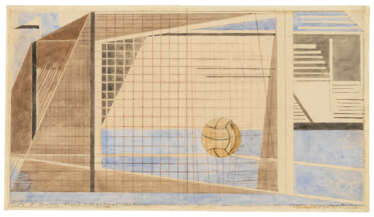

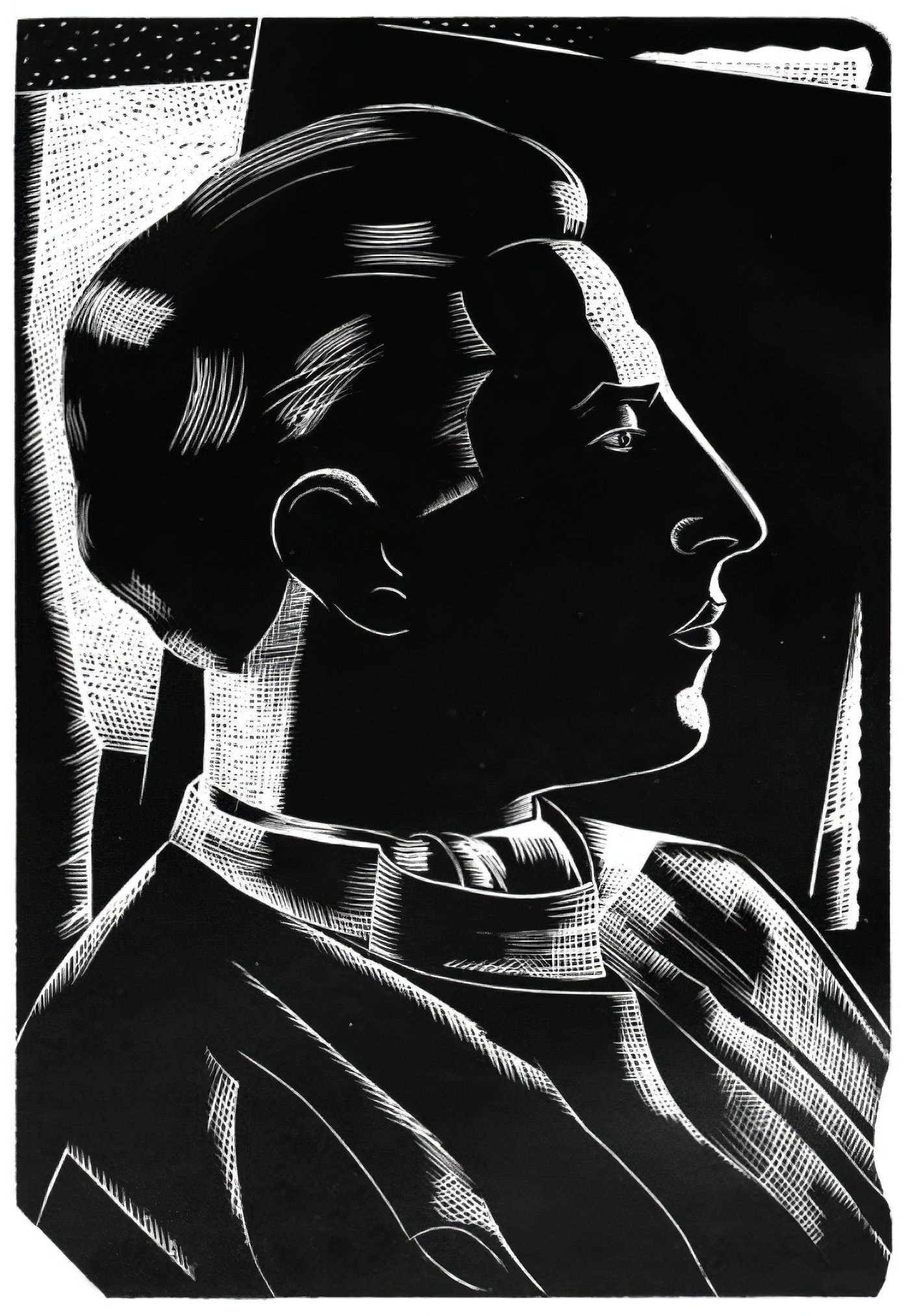
Paul Nash was a British surrealist painter and war artist, as well as a photographer, writer and designer of applied art. Nash was among the most important landscape artists of the first half of the twentieth century. He played a key role in the development of Modernism in English art.

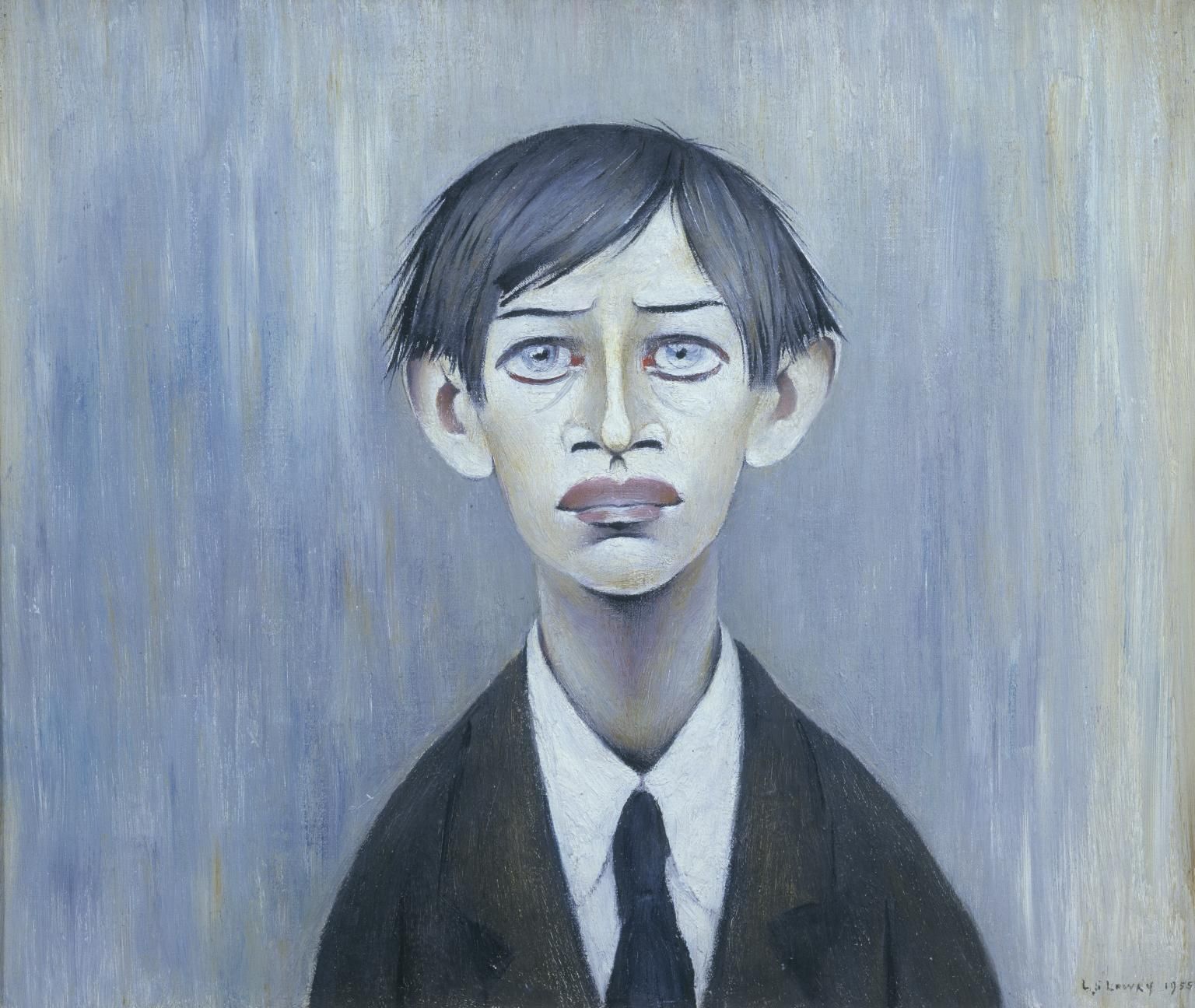
Laurence Stephen Lowry was an English artist. His drawings and paintings mainly depict Pendlebury, Lancashire (where he lived and worked for more than 40 years) as well as Salford and its vicinity.
Lowry is famous for painting scenes of life in the industrial districts of North West England in the mid-20th century. He developed a distinctive style of painting and is best known for his urban landscapes peopled with human figures, often referred to as "matchstick men". He painted mysterious unpopulated landscapes, brooding portraits and the unpublished "marionette" works, which were only found after his death.





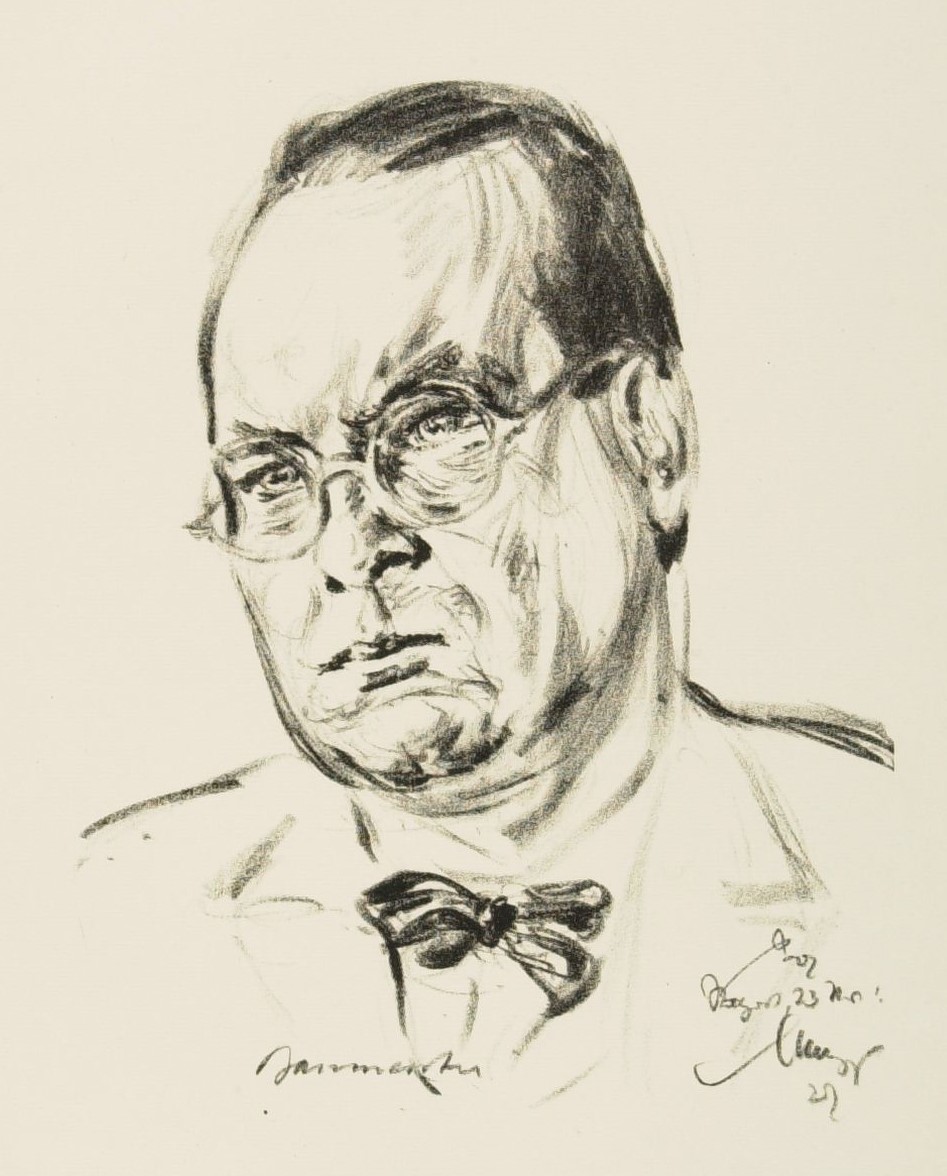
Willi Baumeister was a German painter, scenic designer, art professor, and typographer. His work was part of the art competitions at the 1928 Summer Olympics and the 1932 Summer Olympics.
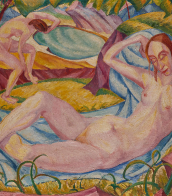
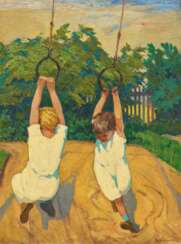

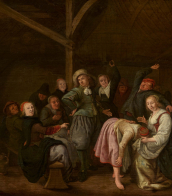





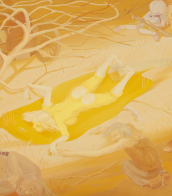
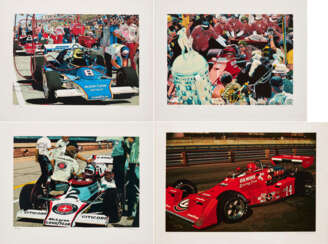



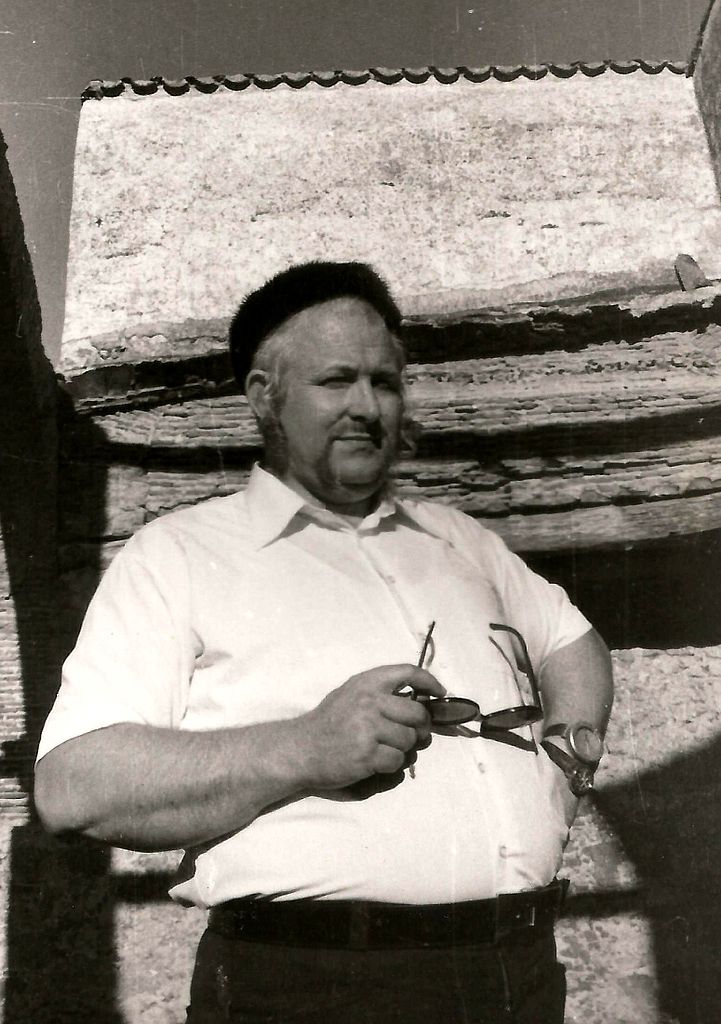
Wolf Vostell was a German artist who is considered a pioneer of video and installation art, and a key figure in the Fluxus movement. He studied at the Academy of Fine Arts in Wuppertal and later at the École Nationale Supérieure des Beaux-Arts in Paris.
Vostell's art was heavily influenced by the horrors of World War II, and he often incorporated themes of violence and destruction in his work. He was interested in exploring the relationship between art and technology, and he experimented with new media such as television, video, and sound.
One of Vostell's most famous works is "Concrete Traffic," a 1970 installation in which he placed a Cadillac in a block of concrete. The piece was intended to comment on the impact of automobile culture on society and the environment.
Another notable work is "TV-Burying," a performance piece in which Vostell buried a television set in the ground, with only the screen visible. The work was a commentary on the pervasive influence of television on modern life.
Vostell's work has been exhibited extensively around the world, including at the Museum of Modern Art in New York, the Venice Biennale, and the Centre Georges Pompidou in Paris.
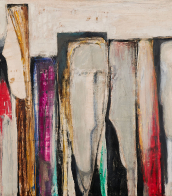
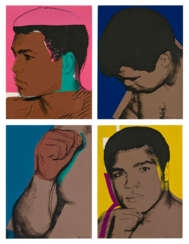

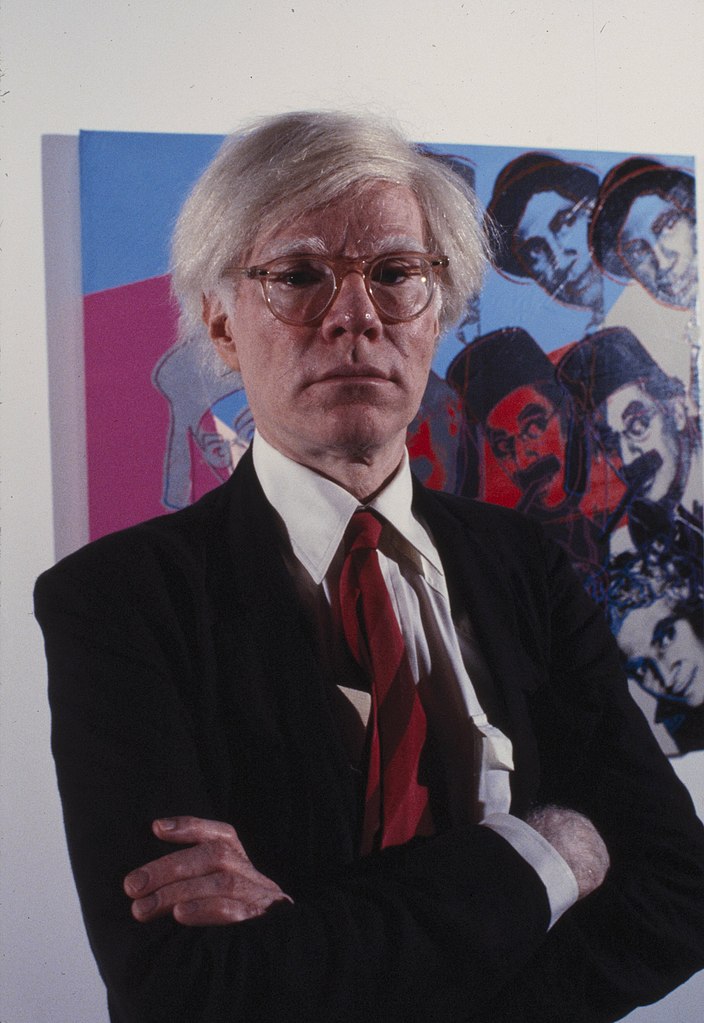
Andy Warhol, born as Andrew Warhola Jr., was an American visual artist, film director, and producer, who played a pivotal role in the development of the Pop Art movement. His art delved into the interplay between artistic expression, advertising, and celebrity culture, especially prevalent in the 1960s. Warhol was renowned for his diverse range of media, which included painting, silkscreening, photography, film, and sculpture.
Warhol's journey began in Pittsburgh, where he was born and raised, initially making a name for himself as a commercial illustrator. His New York studio, "The Factory," became a famous hub for intellectuals, celebrities, and various artistic minds. He was known for creating the notion of "Warhol superstars" and popularized the phrase "15 minutes of fame."
His contribution to the art world is significant, with notable works like "Campbell's Soup Cans" (1962) and "Marilyn Diptych" (1962), as well as his experimental films like "Empire" (1964) and "Chelsea Girls" (1966). These works not only define his career but also underscore the essence of the Pop Art movement.
Warhol's influence extended beyond his artwork. He managed and produced the experimental rock band The Velvet Underground, founded Interview magazine, and wrote several books, including "The Philosophy of Andy Warhol" and "Popism: The Warhol Sixties." Living openly as a gay man before the gay liberation movement, Warhol's personal life was as influential as his professional endeavors.
Tragically, Warhol's life was nearly cut short in 1968 when he was shot by radical feminist Valerie Solanas. He eventually passed away in 1987 due to cardiac arrhythmia following gallbladder surgery. His legacy continues, with The Andy Warhol Museum in Pittsburgh standing as the largest U.S. museum dedicated to a single artist.
Warhol's art remains highly collectible and valuable. His works, like the "Silver Car Crash (Double Disaster)" and "Shot Sage Blue Marilyn," have fetched staggering amounts at auctions, signifying his enduring impact on the art market.
For art collectors and experts, Andy Warhol's work represents a crucial intersection of pop culture and fine art, offering a unique perspective on consumerism and celebrity. His pieces are not just art; they are historical landmarks that capture a transformative era in both art and society.
To stay updated on new products, sales, and auction events related to Andy Warhol, sign up for our updates. This subscription will keep you informed about all things Warhol without overwhelming you with unnecessary information.
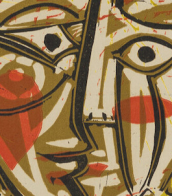

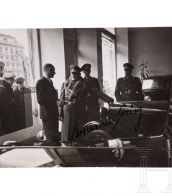
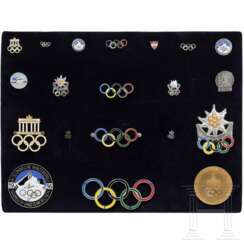



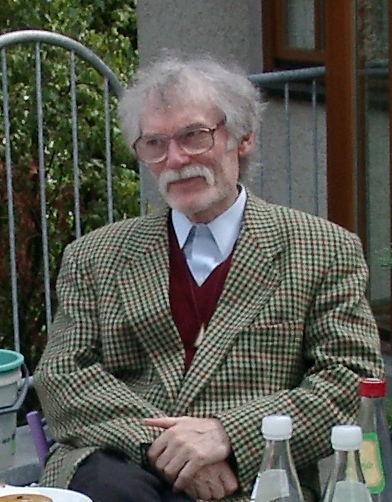
Fritz Genkinger is a German artist, member of the German Association of Artists.
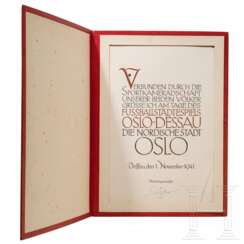
He participated in the 1972 Munich Olympics as a draughtsman and designed the posters for the World Championships.
A versatile creator, Genkinger was, among other things, fascinated by Bettingen marble, from which he even carved clear-sounding stone flutes.
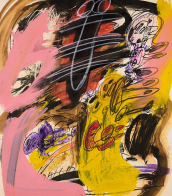


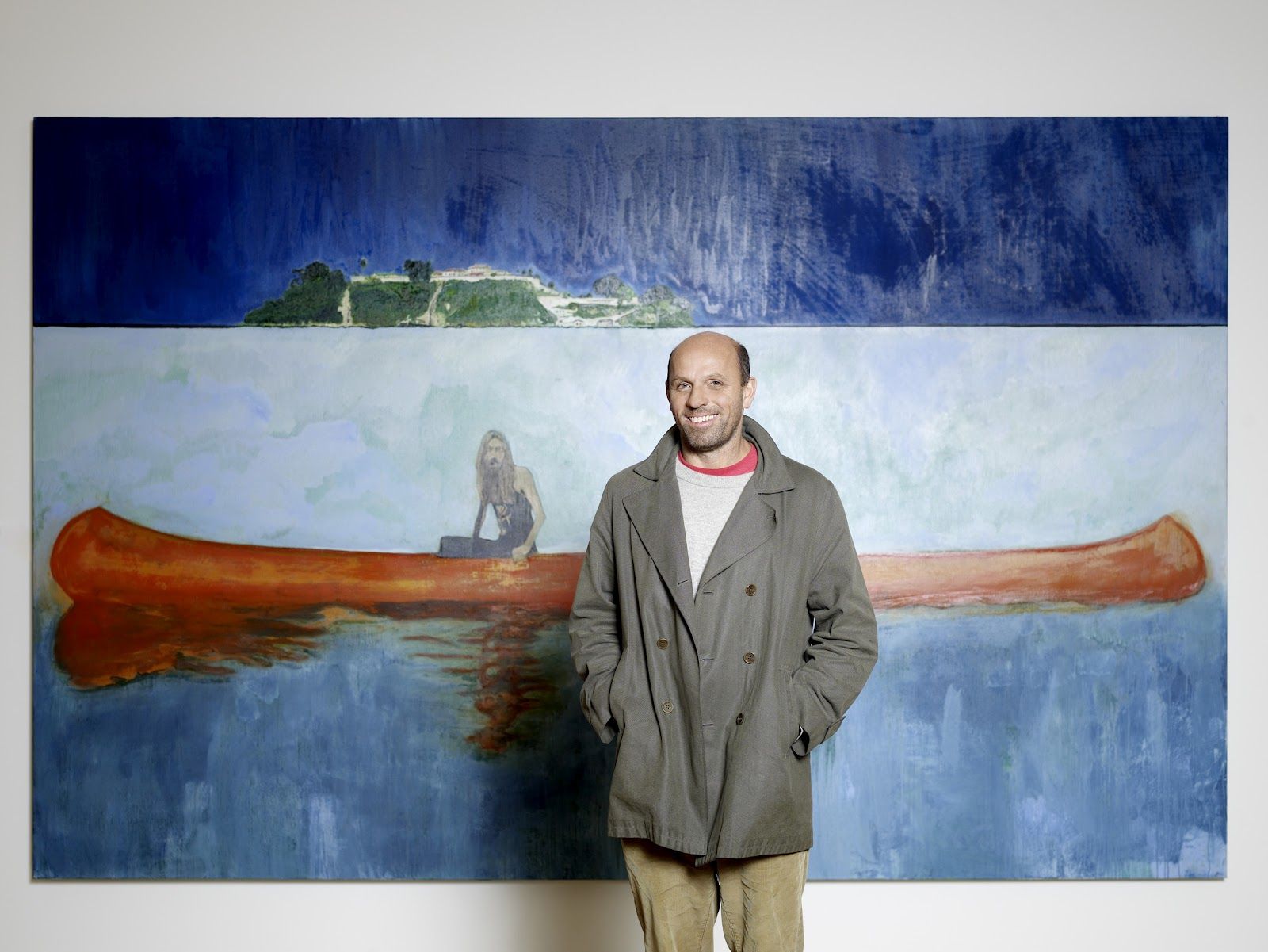
Peter Doig, a Scottish painter, is renowned for his distinct, evocative style that captures elements of the natural world intertwined with a sense of the fantastical. Known for his vibrant use of color and imaginative landscapes, Doig's works often explore themes of memory and nostalgia, heavily influenced by his experiences in Canada, Trinidad, and the United Kingdom.
Peter Doig’s journey in the art world gained significant momentum after his education at Chelsea College of Arts, which was followed by his winning the prestigious Whitechapel Artist Prize in 1991. This recognition led to a solo exhibition at the Whitechapel Art Gallery where he showcased key works that helped define his career, such as "Swamped" and "The Architect's Home in the Ravine."
Throughout his career, Peter Doig has demonstrated a mastery of painting, evident in works like "White Canoe" and "Echo Lake," which reside in major collections such as the Tate and the Saatchi Collection. His art not only reflects his personal history and travels but also incorporates elements from cinema and photography, giving his paintings a dream-like quality that invites viewers to interpret their narratives.
Peter Doig's work has been exhibited worldwide, including significant retrospectives at the Fondation Beyeler in Basel and the Louisiana Museum of Modern Art in Denmark. His achievements in the art world have been recognized with numerous awards, including being named the 2017 Whitechapel Gallery Art Icon.
For those interested in the contemporary art scene, Peter Doig remains a pivotal figure whose works continue to inspire and provoke deep reflection. Art collectors and enthusiasts keen on following updates related to new sales and auction events featuring Doig’s work can sign up for targeted updates here.





Alfred James Munnings was known as one of England's finest painters of horses, and as an outspoken critic of Modernism. Engaged by Lord Beaverbrook's Canadian War Memorials Fund, he earned several prestigious commissions after the Great War that made him wealthy. Between 1912 and 1914 he was a member of the Newlyn School of artists. His work was part of the art competitions at the 1928 Summer Olympics, the 1932 Summer Olympics, and the 1948 Summer Olympics.
Munnings was president of the Royal Academy of Arts from 1944 until his death.