spring landscape









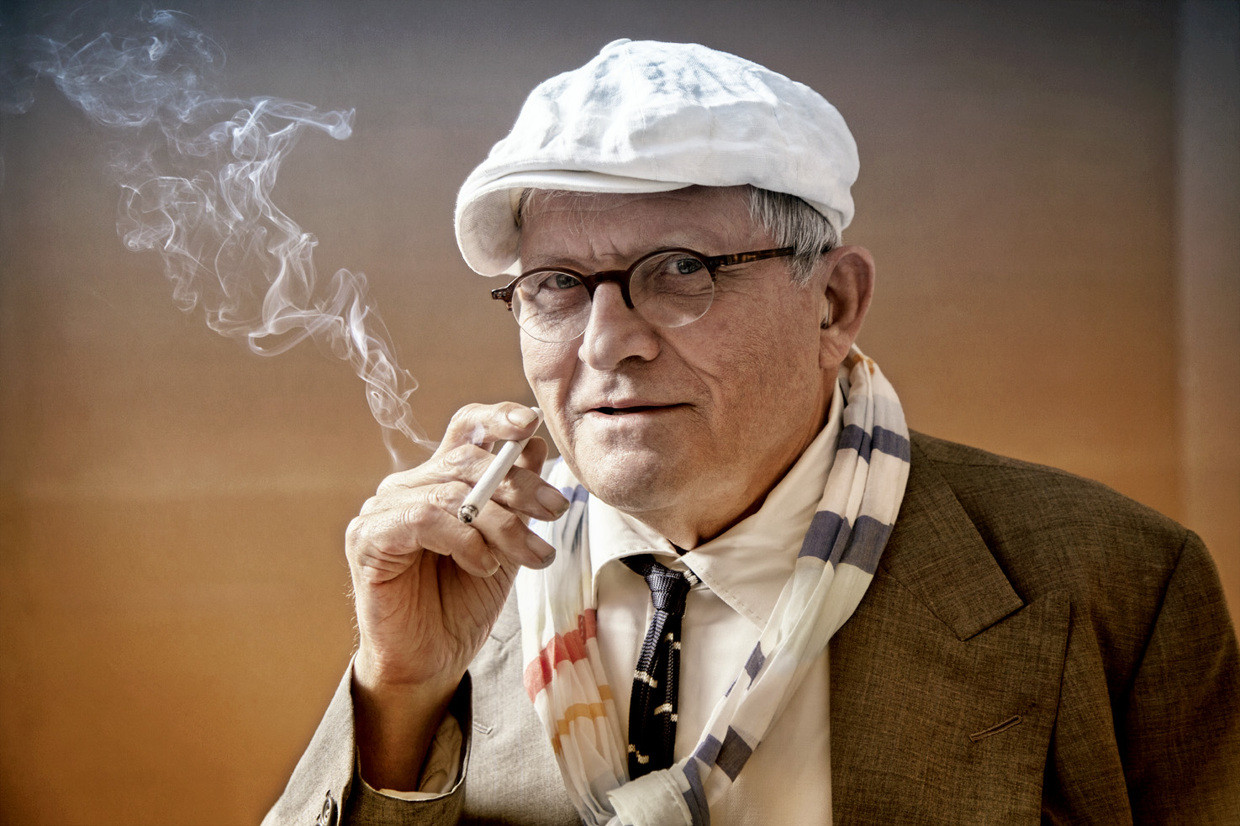
David Hockney, a British artist, has been a prominent figure in the art world for over six decades, renowned for his contributions to painting, drawing, printmaking, photography, and video art. His exploration of these mediums has made significant impacts on the Pop Art movement and beyond, making him one of the most influential artists of the 20th and 21st centuries. Hockney's work is celebrated for its vibrant color palette, emotional depth, and innovative use of technology in art.
One of Hockney's most distinctive features is his ability to blend traditional techniques with modern technology, notably in his iPad drawings and photographic collages. This fusion not only showcases his skillful adaptation to contemporary mediums but also highlights his ongoing quest to explore the nature of seeing and representation in art. Hockney's landscapes and portraits, characterized by their bright colors and meticulous detail, invite viewers to see the world through his unique perspective.
Significant works by Hockney, such as "A Bigger Splash" and "Portrait of an Artist (Pool with Two Figures)," are housed in major museums and galleries worldwide, attesting to his global influence and appeal. These pieces, among others, demonstrate Hockney's mastery over space, light, and narrative, securing his position as a pivotal figure in modern and contemporary art.
For collectors and experts in art and antiques, Hockney's oeuvre presents a fascinating study in the evolution of visual arts. His work not only offers insight into the artist's personal vision but also reflects broader cultural and technological shifts in society. As interest in Hockney's art continues to grow, keeping abreast of new sales and auction events becomes increasingly valuable.
To stay informed about the latest David Hockney sales and auction events, sign up for our updates. This subscription ensures that you receive timely notifications about new product sales and auction events related to David Hockney, offering unique opportunities for collectors and enthusiasts alike.


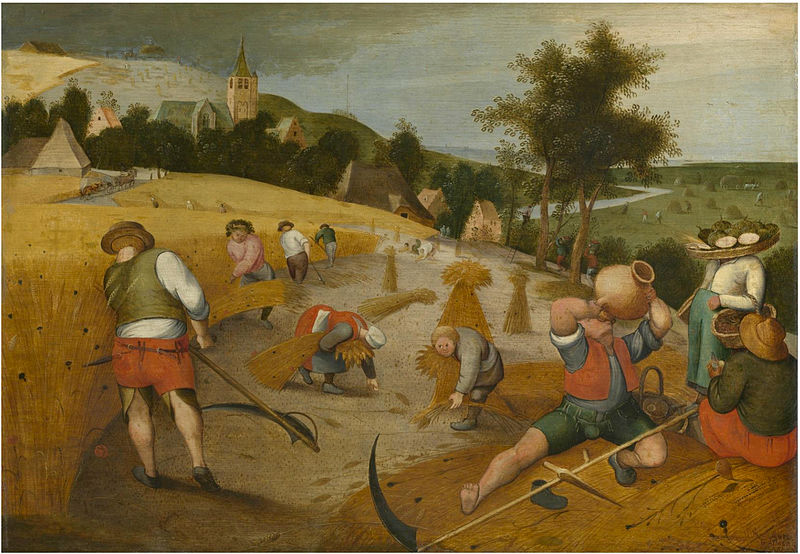
Abel Grimmer was a Flemish late Renaissance painter, mainly of landscapes and, to a lesser extent, of architectural paintings. His works were important in the development towards more naturalism in Flemish landscape painting.


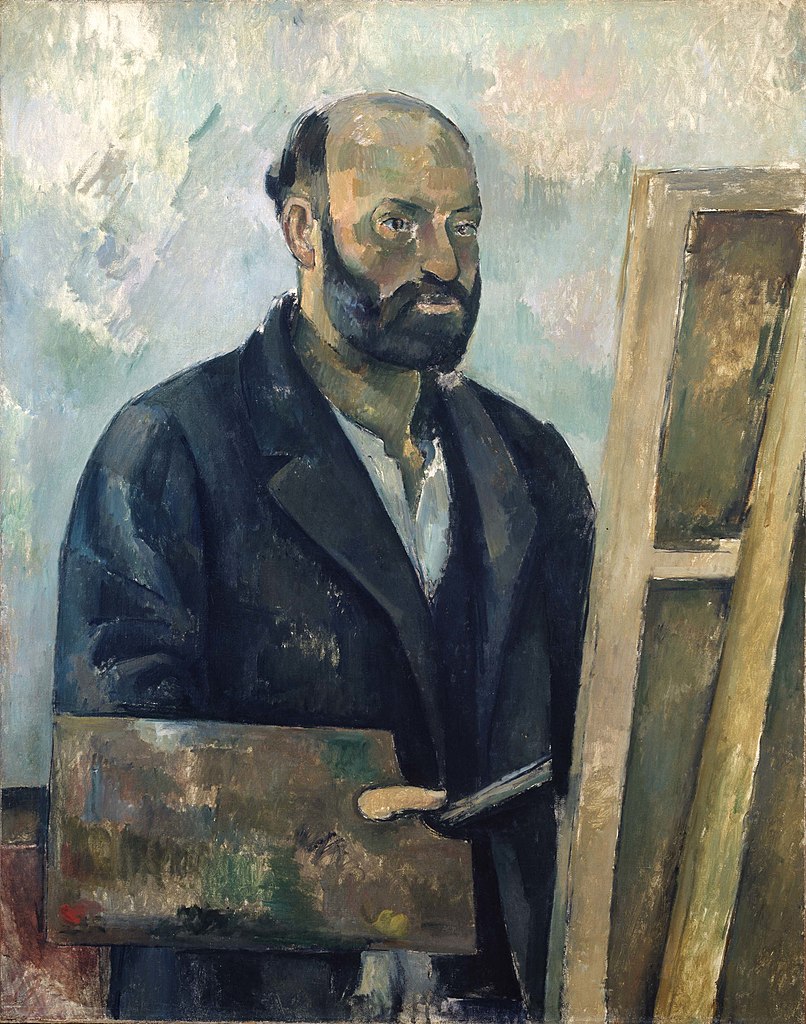
Paul Cézanne, a French Post-Impressionist painter, was pivotal in shaping the transition from 19th-century art to a new, revolutionary approach in the 20th century. His unique and exploratory brushstrokes, utilizing planes of color to form complex fields, made his work instantly recognizable and influential in the development of Cubism.
Cézanne’s early works, influenced by Romanticism and Realism, evolved into a groundbreaking artistic language. He challenged traditional perspective and academic art rules, focusing on objects' structural aspects and art's formal qualities. This approach led to a renewed emphasis on impressionistic color space and modulation principles.
His most notable works, like “Mont Sainte-Victoire,” “The Card Players,” and “The Bathers,” display his mastery in creating depth and dimension through color gradations. These paintings, initially met with skepticism, eventually cemented Cézanne’s reputation as a pioneering artist. His exhibitions, particularly the one-man show by dealer Ambroise Vollard in 1895, played a critical role in his recognition.
Cézanne’s impact on art history is profound, with greats like Henri Matisse and Pablo Picasso acknowledging him as a significant influence. His exploration of geometric forms and innovative use of light and color laid the groundwork for subsequent movements, particularly Cubism.
For collectors and art experts, Cézanne's works are more than just paintings; they are pivotal chapters in the narrative of modern art. His creations, bridging Impressionism and Cubism, continue to inspire and challenge contemporary artists.
To stay updated on new product sales and auction events related to Paul Cézanne, sign up for our updates. This subscription ensures you remain informed about the latest developments in the world of this revolutionary artist.
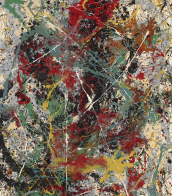


Claude Joseph Vernet was a French painter.
Vernet's work draws on natural themes, but in a way that is neither sentimental or emotive. The overall effect of his style is wholly decorative.
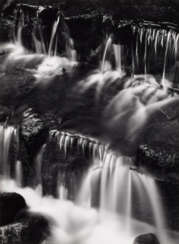

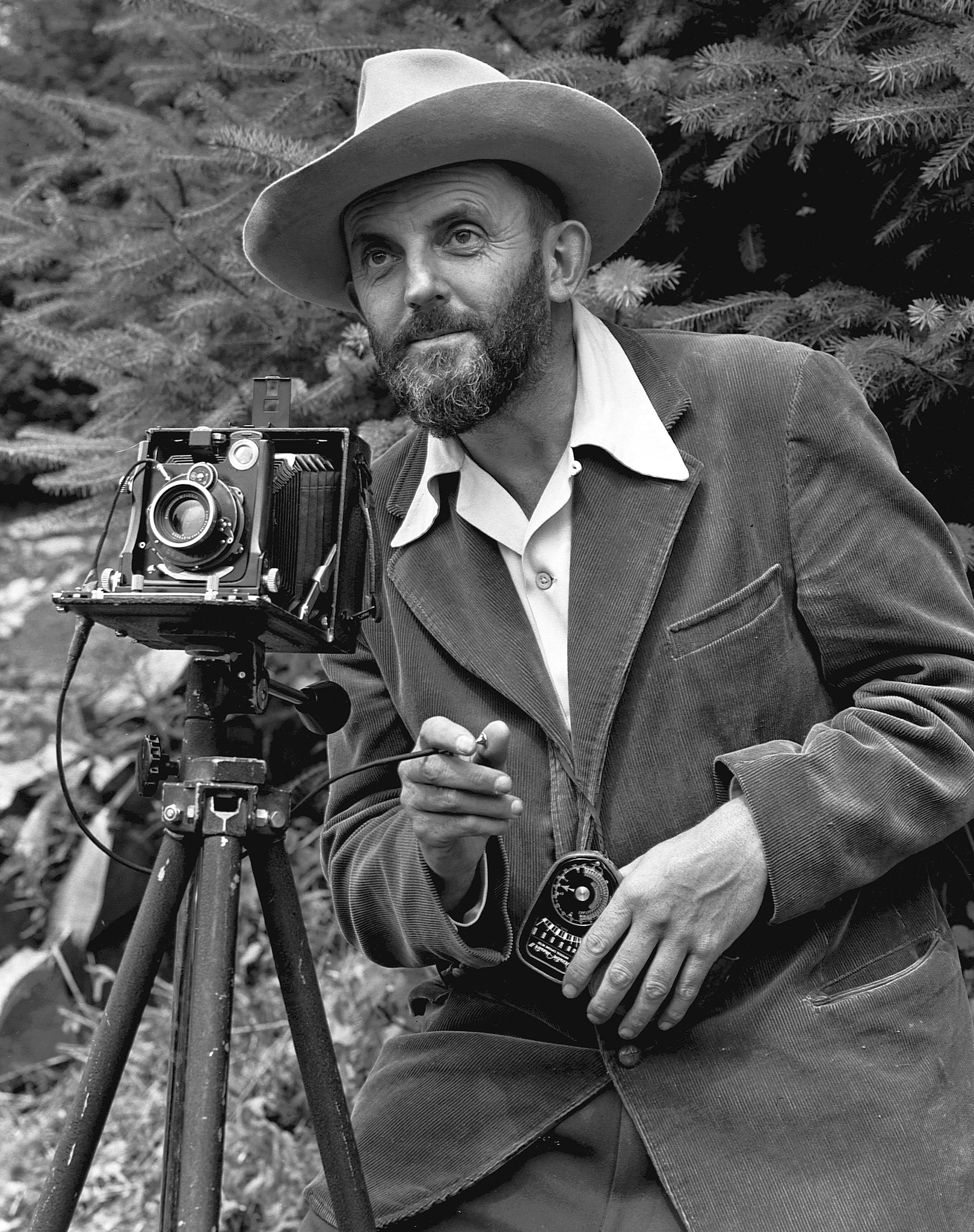
Ansel Easton Adams was an American photographer and environmentalist, celebrated for his black-and-white images of the American West, particularly Yosemite National Park. His profound connection with nature was not only the subject of his art but also the essence of his environmental advocacy, earning him a revered place in both the art and conservation worlds.
Ansel Adams' early exposure to the beauty of nature and a supportive family environment nurtured his dual interests in music and photography. His photographic journey began with a simple Kodak Box Brownie camera, which he used during his early visits to Yosemite, a place that would become the central theme of his life's work. Ansel Adams' dedication to photography and the environment was interwoven, as he utilized his art to advocate for the conservation of America's natural landscapes.
In the 1930s, Adams co-founded Group f/64, advocating for photographic purity and sharpness of focus, principles that would define his work. His role in establishing the photography department at the Museum of Modern Art in New York underscored his commitment to elevating photography as a respected art form. Ansel Adams' work has been exhibited in prestigious institutions such as the Smithsonian American Art Museum and MoMA, showcasing his contributions to American art and environmentalism.
For collectors and art experts, Ansel Adams' legacy transcends his iconic images; it lies in his ability to merge aesthetic excellence with a passionate message of environmental stewardship. His photographs not only capture the grandeur of landscapes but also serve as a timeless call to preserve the natural world.
To delve deeper into the world of Ansel Easton Adams and stay updated on new product sales and auction events related to his work, signing up for updates is a step toward embracing the heritage of a pivotal figure in art and environmental advocacy.
Join our community of art and antique enthusiasts to honor Adams' vision and ensure his message continues to inspire future generations.
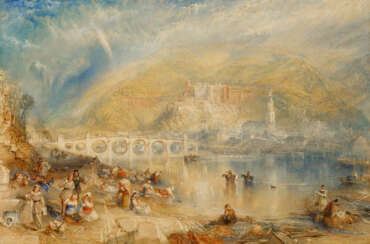


Joseph Mallord William Turner, a seminal figure in British painting, was born in 1775 and left an indelible mark on the Romantic movement. Known for his expressive coloration, imaginative landscapes, and turbulent marine paintings, Turner's work transcends the traditional boundaries of art to capture the sublime force of nature. His career was distinguished by early talent, evidenced by his acceptance into the Royal Academy at the young age of 14, and a prolific output that included over 2,000 paintings and 19,000 drawings and sketches.
William Turner's unique approach to landscape painting, characterized by dramatic skies and atmospheric effects, set a new standard for capturing mood and emotion on canvas. His innovative use of light and color influenced countless artists, elevating landscape painting to rival the status of history painting. Turner's legacy is also marked by his eccentricity and reclusiveness, traits that only added to the mystique surrounding his artistic genius.
Among his most famous works are "The Fighting Temeraire," symbolizing the passing of the old world, and "Rain, Steam and Speed," capturing the Industrial Revolution's impact. These paintings not only showcase William Turner's technical skill but also his philosophical engagement with the changing world around him.
For collectors and experts in art and antiques, William Turner's works represent the pinnacle of Romantic art, offering insight into the 19th-century aesthetic and philosophical landscape. His influence on subsequent generations of artists underscores his position as a pivotal figure in the history of Western art.
To stay informed about Joseph Mallord William Turner's works and related events, signing up for updates from reputable art institutions can provide valuable insights into new discoveries and auction events related to this master of the British landscape.




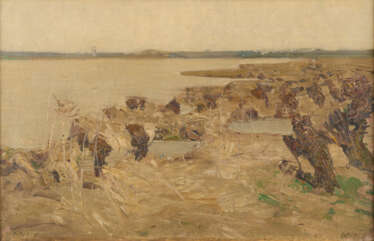

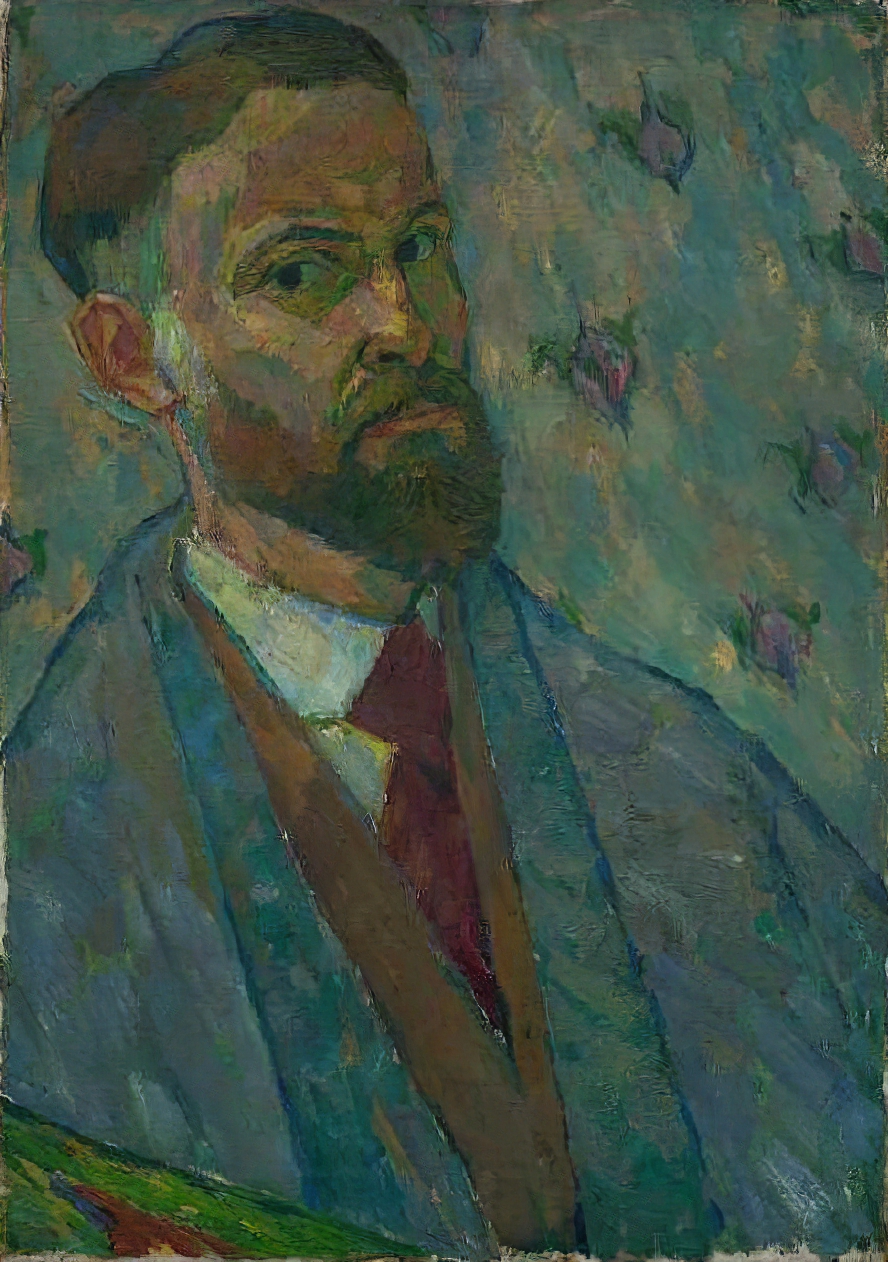
Walter Ophey was a German artist. He was known for his modernist paintings, which often depicted landscapes and still-life scenes.
Ophey studied at the Academy of Fine Arts in Düsseldorf. His early work was influenced by Impressionism, but he later became associated with the Expressionist movement.
In 1909 Ophey, together with some other Düsseldorf artists, formed the artistic group the Special Union (Sonderbund). The first chairman of the Special Union was the well-known German philanthropist and collector Carl Ernst Osthaus. In the following years this group became one of the most powerful avant-garde art movements in Germany.
Ophey's paintings are characterized by their bright colors and bold, simplified forms. He often depicted rural landscapes and still-life scenes, infusing them with a sense of emotional intensity. He was also known for his use of color, which he used to convey mood and atmosphere.
Ophey's work was exhibited extensively during his lifetime, including at the Berlin Secession and the Salon d'Automne in Paris. Despite his relatively short career, he was recognized as an important figure in the development of modernist painting in Germany.
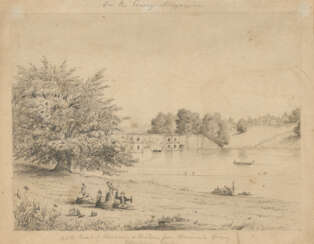

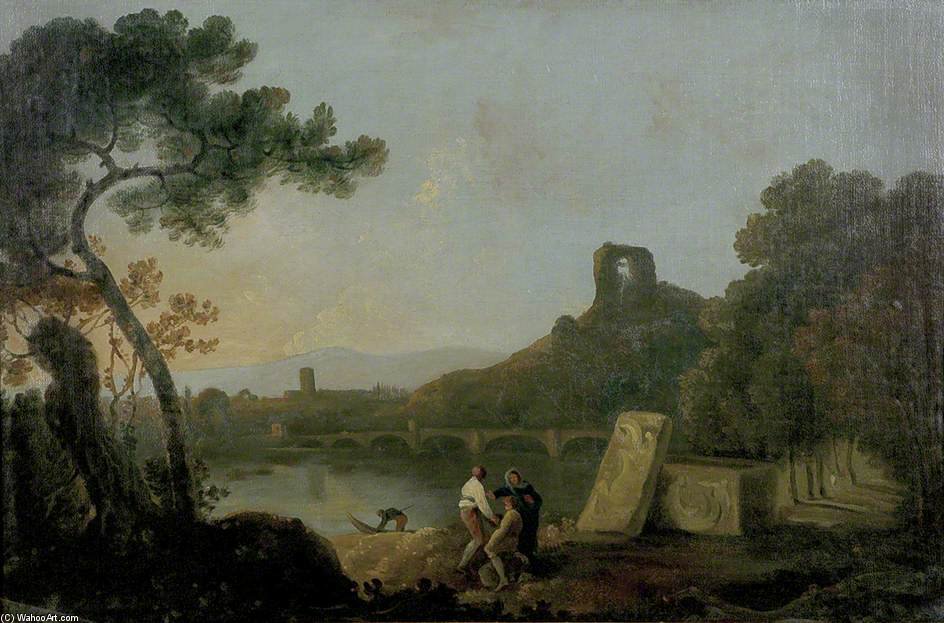














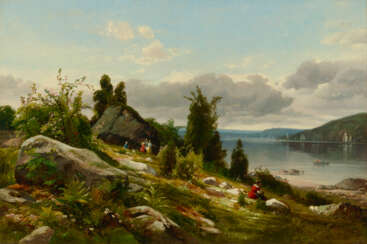

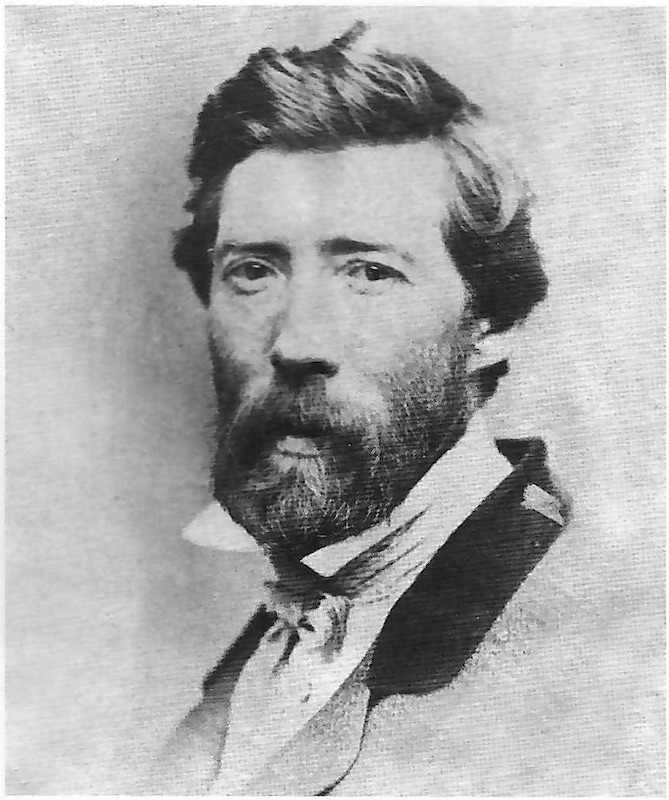
William Hart was a Scottish-born American landscape and cattle painter, and Hudson River School artist. His younger brother, James McDougal Hart, and his younger sister, Julie Hart Beers, were also Hudson River School artists, and his nieces Letitia Bonnet Hart and Mary Theresa Hart became well-known painters as well. He studied under Jules-Joseph Lefebvre.
Hart was a full member of the National Academy in 1858, and continued to show his paintings there regularly through the mid-1870s. He also exhibited at the Brooklyn Art Association and at major exhibitions around the country. Hart was a member of the American Watercolor Society, and was its president from 1870 to 1873.
His mature landscape style embraced the mannerism of the late Hudson River School by emphasizing light and atmosphere. He became particularly adept at depicting angled sunlight and foreground shadow.