structure

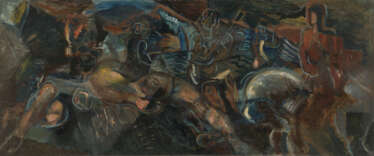





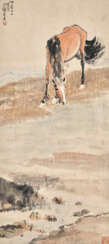

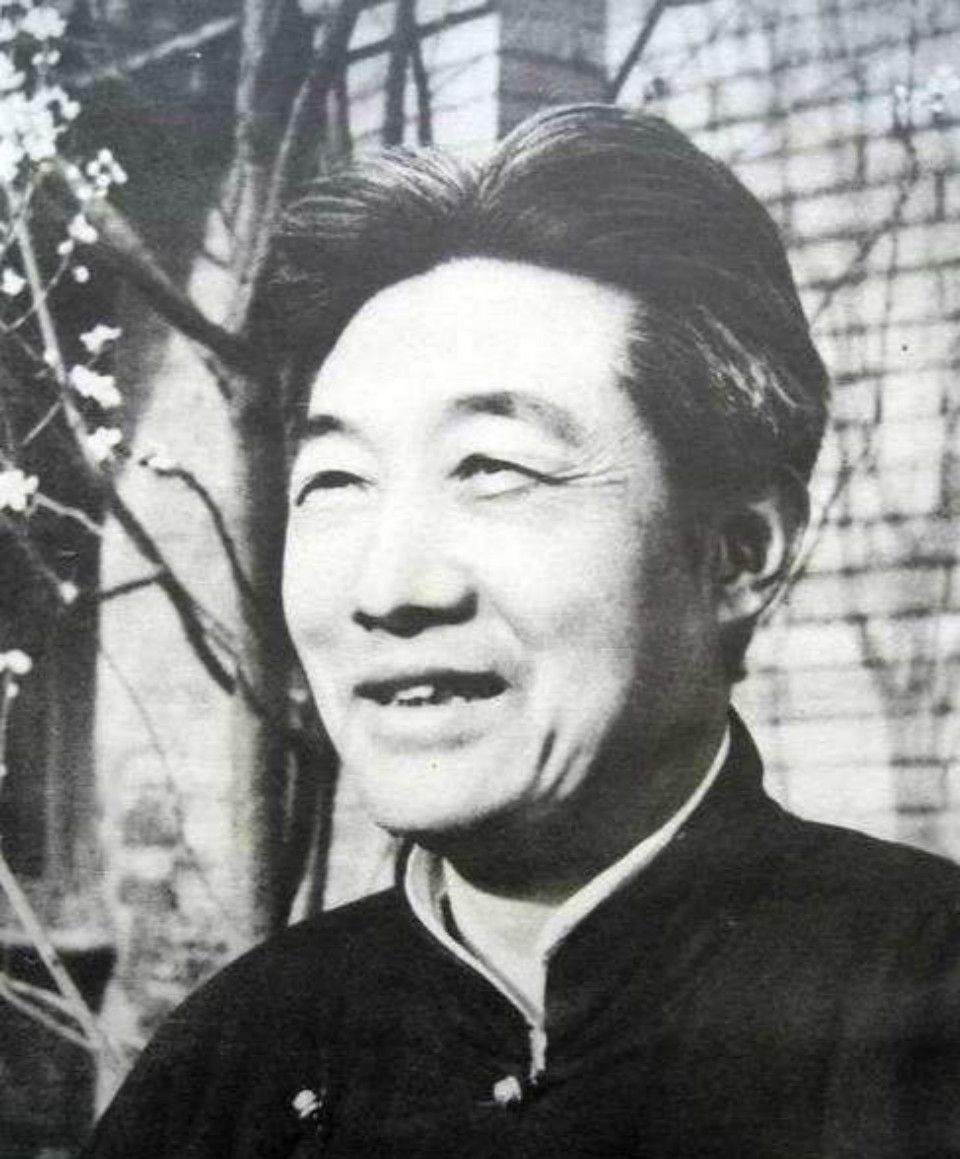
Xu Beihong (Chinese: 徐悲鴻; Wade–Giles: Hsü Pei-hung; 19 July 1895 – 26 September 1953), also known as Ju Péon, was a Chinese painter.
He was primarily known for his Chinese ink paintings of horses and birds and was one of the first Chinese artists to articulate the need for artistic expressions that reflected a modern China at the beginning of the 20th century. He was also regarded as one of the first to create monumental oil paintings with epic Chinese themes – a show of his high proficiency in an essential Western art technique. He was one of the four pioneers of Chinese modern art who earned the title of "The Four Great Academy Presidents".

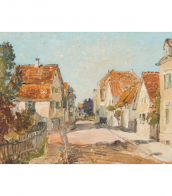
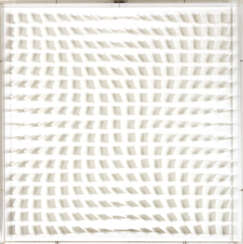

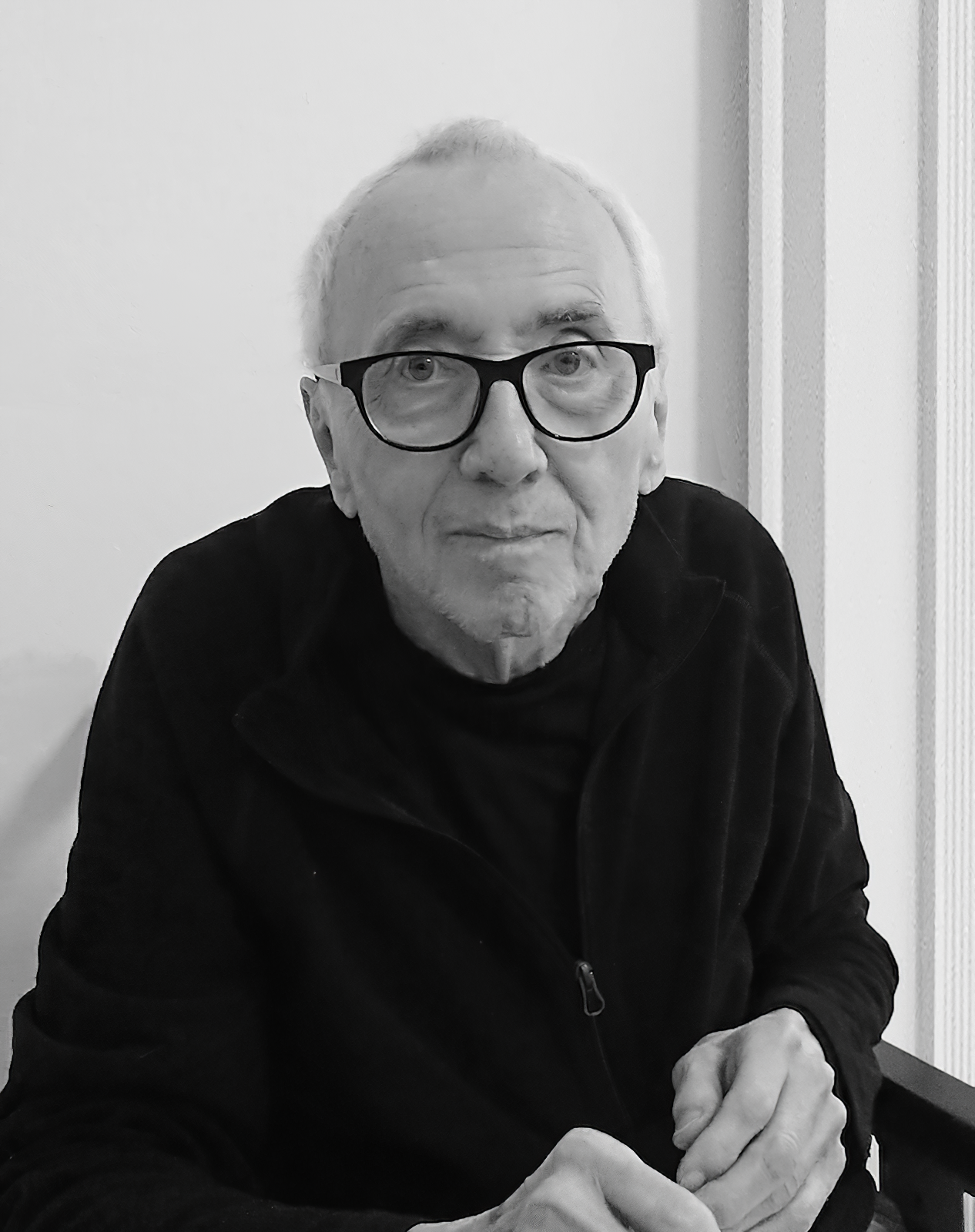
Hartmut Böhm was a German object artist.


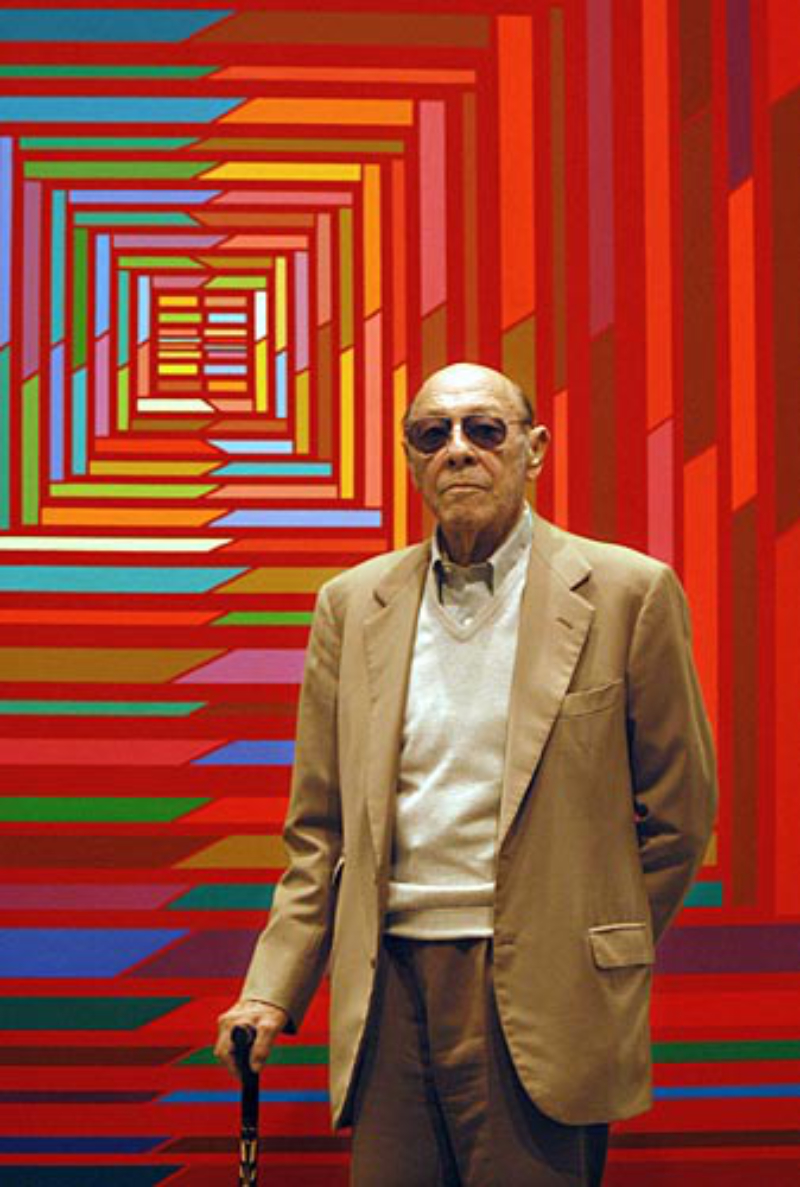
Piero Dorazio was an Italian painter. His work was related to color field painting, lyrical abstraction and other forms of abstract art.
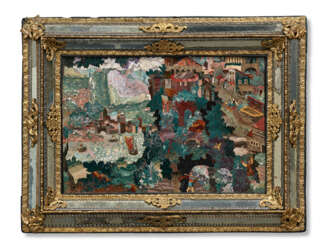

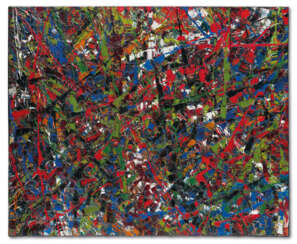

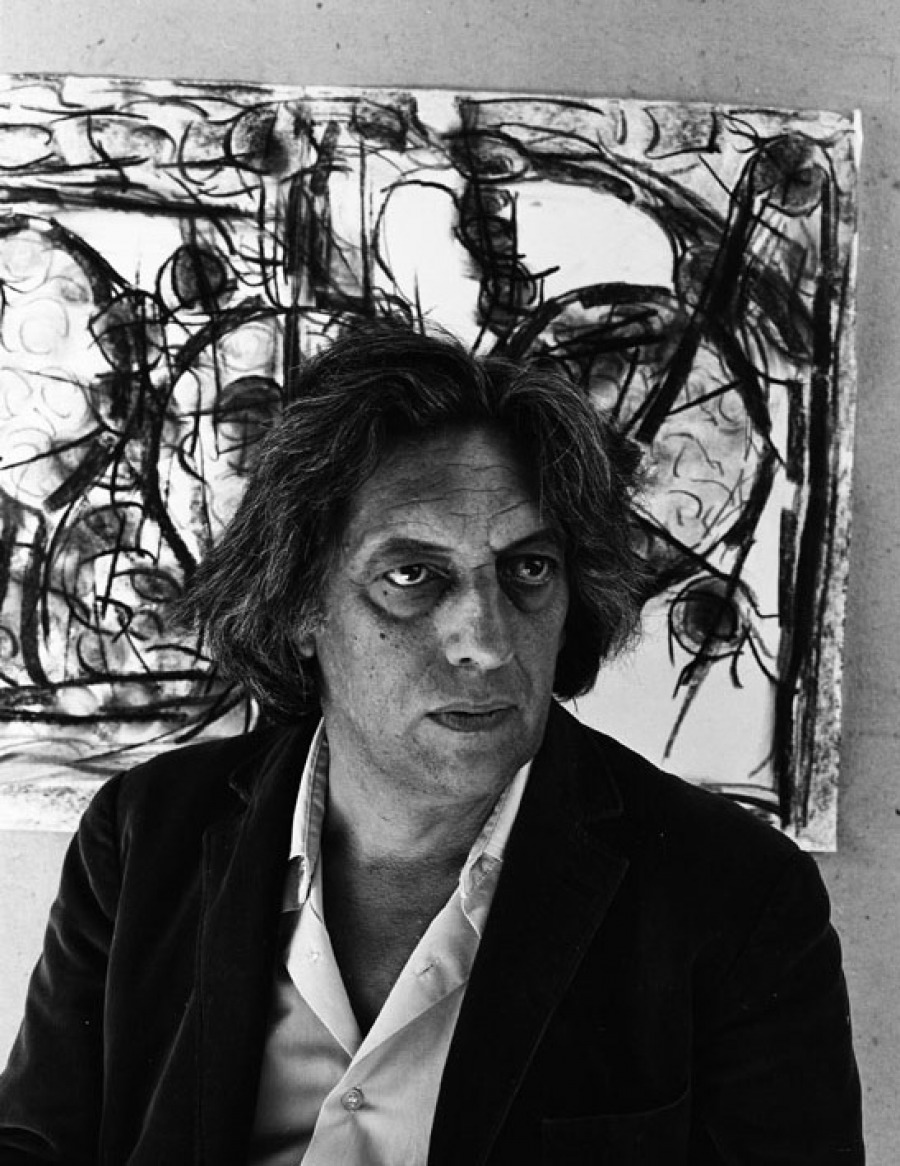
Jean-Paul Riopelle was a Canadian painter and sculptor from Quebec. He had one of the longest and most important international careers of the sixteen signatories of the Refus Global, the 1948 manifesto that announced the Quebecois artistic community's refusal of clericalism and provincialism. He is best known for his abstract painting style, in particular his "mosaic" works of the 1950s when he famously abandoned the paintbrush, using only a palette knife to apply paint to canvas, giving his works a distinctive sculptural quality. He became the first Canadian painter since James Wilson Morrice to attain widespread international recognition.
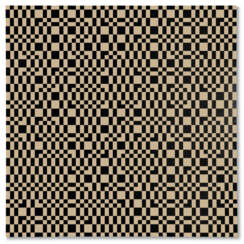



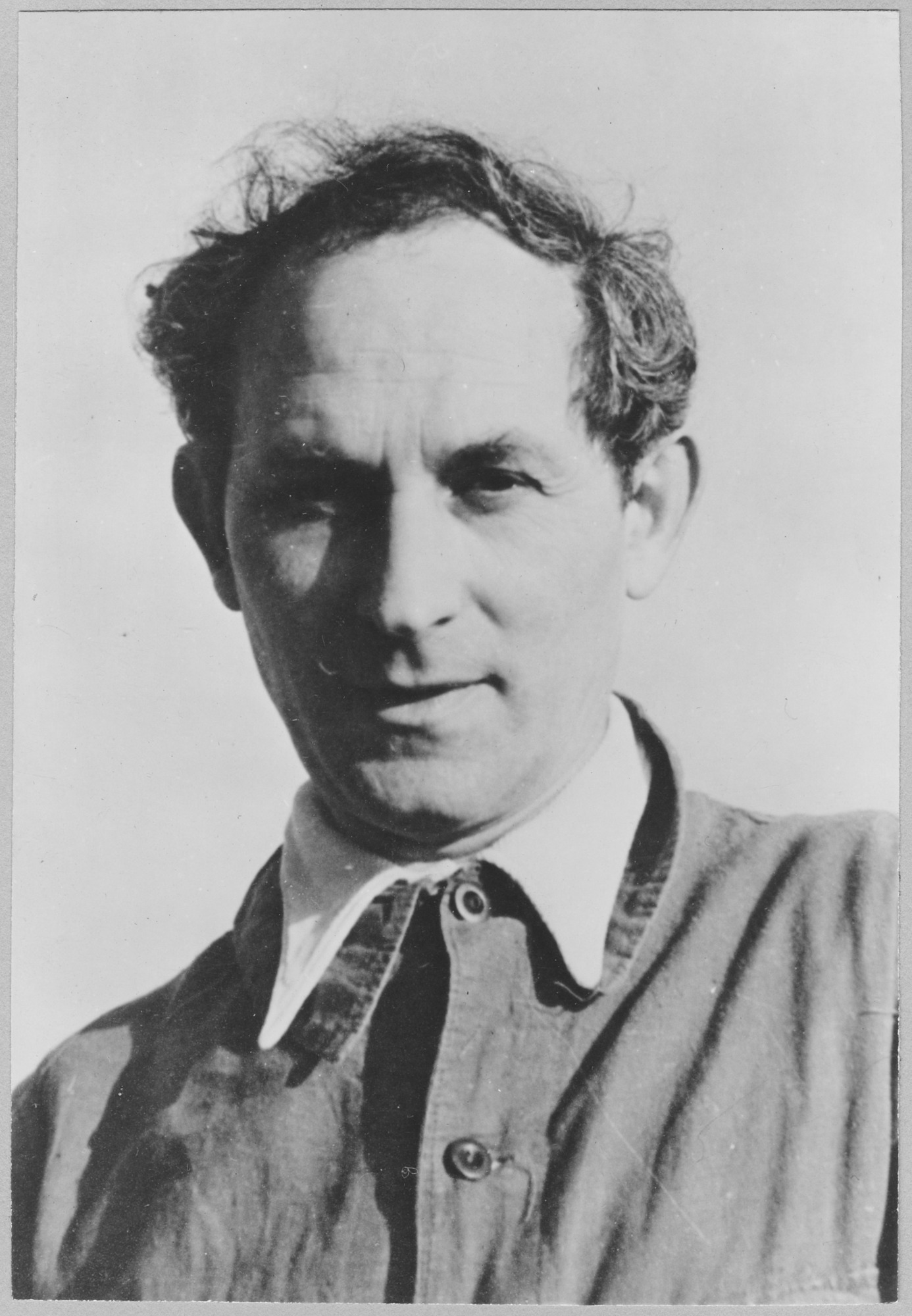
Naum Gabo, a pivotal figure in the evolution of twentieth-century sculpture, was a Russian-American artist renowned for his innovative approach to constructivism and kinetic art. Gabo's artistry transcended mere form to delve into the philosophical and spatial dynamics of sculpture, marking him as a pioneer in his field. He significantly influenced the avant-garde movements across Europe, particularly with his manifesto that challenged the concepts of Cubism and Futurism, advocating for art that embraced abstract reality and spiritual experience. His tenure at VKhUTEMAS, alongside notable contemporaries like Kandinsky and Rodchenko, was a testament to his influential role in post-Revolution Russian art.
Gabo's use of materials such as metal and glass was not just a stylistic choice but a profound exploration of volume and space without the reliance on mass, embodying the Constructivist ideology of functional art. His works, like "Column," showcased his interest in creating sculptures that resonated with intellectual and emotional appeal rather than just physical senses. This innovative approach to sculpture continued throughout his career, evident in his contributions to both the art and architectural domains, including his experimental architectural designs like the proposal for the Palace of the Soviets.
Throughout his life, Gabo's artistic journey was marked by a constant exploration of the interplay between space and time, evident in pieces such as "Spiral Theme" and his involvement in kinetic sculpture. His move across countries, from Russia to the United States, was reflective of his quest for new artistic contexts and his escape from political turmoil. Gabo's legacy is preserved in significant collections and museums worldwide, including the Museum of Modern Art (MoMA) in New York, where his works continue to inspire and captivate audiences.
For those intrigued by Naum Gabo's profound impact on modern sculpture and constructivism, signing up for updates can enrich your knowledge and keep you informed about upcoming sales and auction events featuring his work. This is an opportunity to explore the depths of Gabo's contributions to art and architecture, ensuring enthusiasts and collectors stay connected to his enduring legacy.






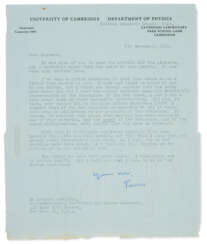

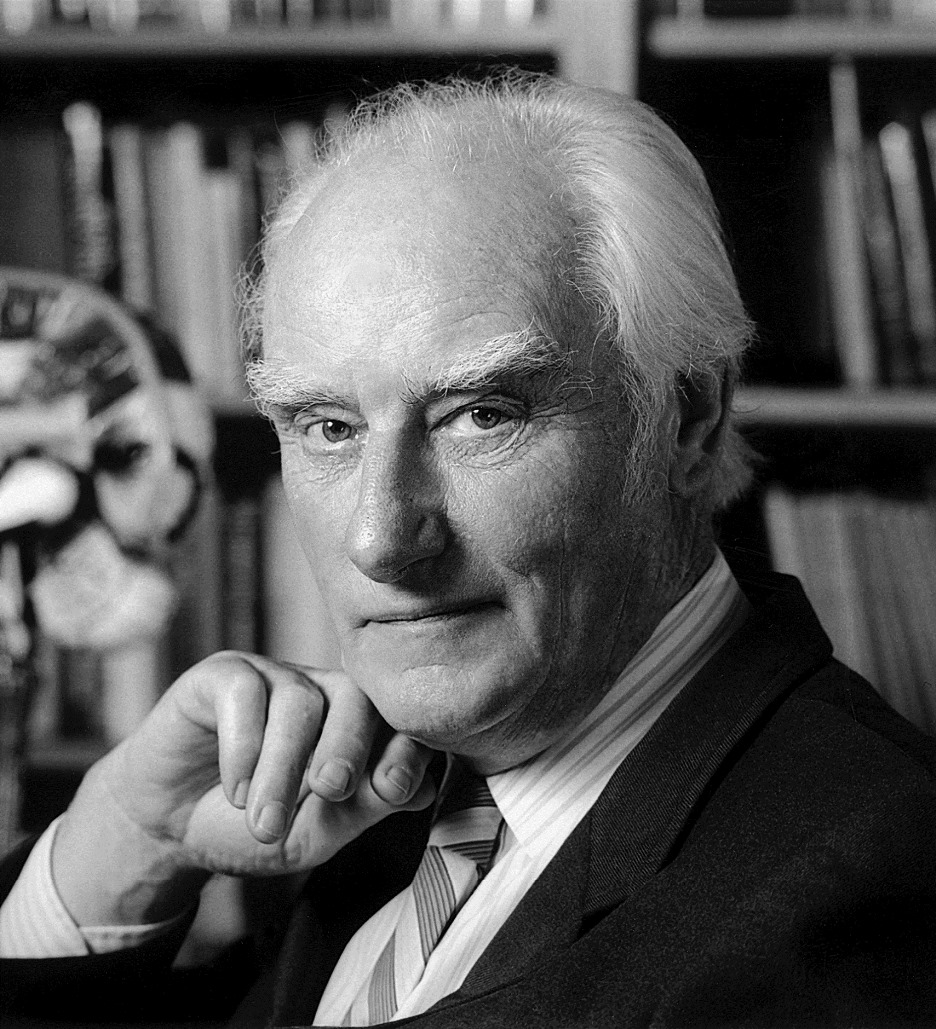
Francis Harry Compton Crick was a British molecular biologist, biophysicist and neuroscientist. He won the Nobel Prize in Physiology and Medicine in 1962.
During World War II he had to work on developments for the military, and in 1947 he turned to biology at the Strangeways Research Laboratory, University of Cambridge. In 1949 he moved to the University Medical Research Council at Cavendish Laboratories. Using X-ray diffraction studies of DNA by biophysicist Maurice Wilkins (1916-2004) and X-ray diffraction images taken by Rosalind Franklin, biophysicist James Watson and Crick were able to construct a molecular model consistent with the known physical and chemical properties of DNA.
This achievement became a cornerstone of genetics and was regarded as one of the most important discoveries of 20th century biology. In 1962, Francis Crick, along with James Watson and Maurice Wilkins, won the Nobel Prize in Physiology or Medicine for determining the molecular structure of deoxyribonucleic acid (DNA), the chemical ultimately responsible for the hereditary control of life functions.
From 1977 until the end of his life, Crick served as professor emeritus at the Salk Institute for Biological Studies in San Diego, California, where he conducted research on the neurological basis of consciousness. He also wrote several books. In 1991, Francis Crick received the Order of Merit.
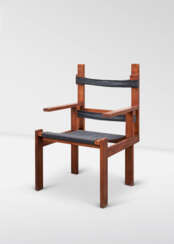

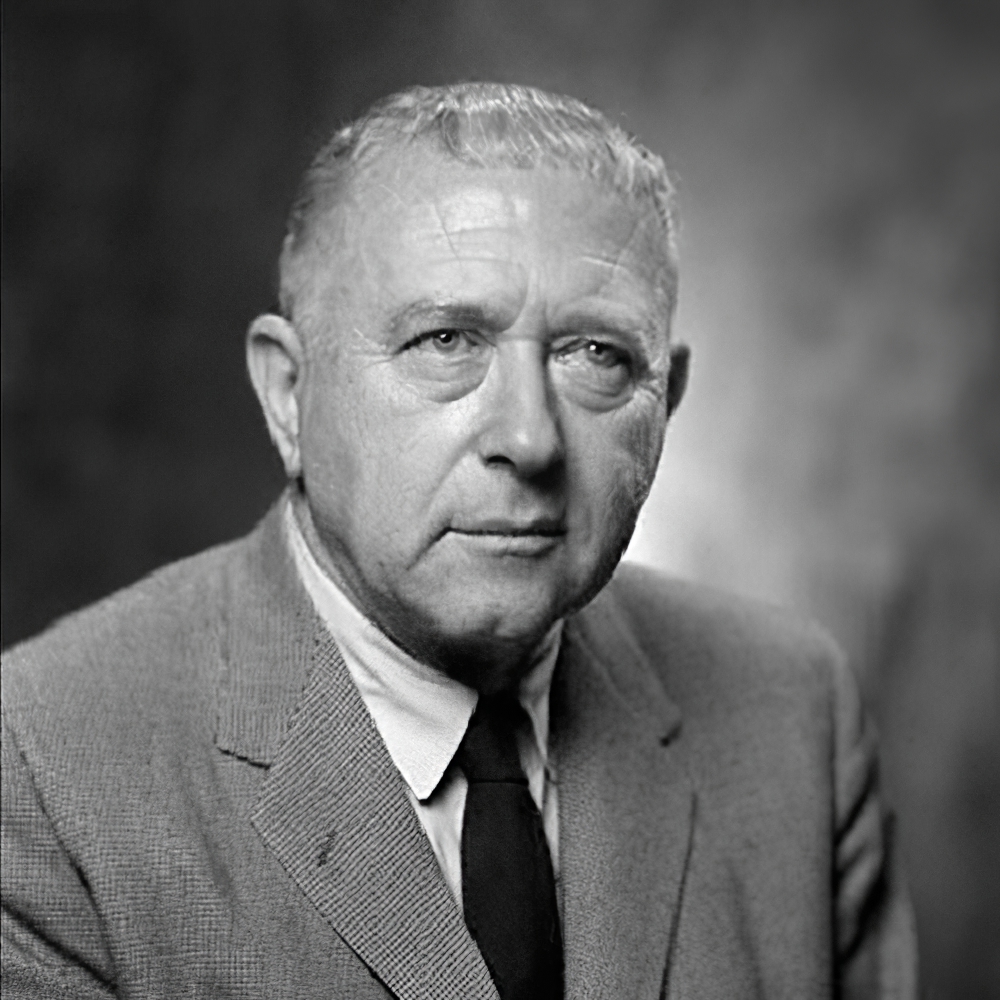
Marcel Lajos Breuer was a Hungarian American modernist architect and furniture designer. He moved to the United States in 1937 and became a naturalized American citizen in 1944.
At the Bauhaus he designed the Wassily Chair and the Cesca Chair, which The New York Times have called some of the most important chairs of the 20th century. Breuer extended the sculpture vocabulary he had developed in the carpentry shop at the Bauhaus into a personal architecture that made him one of the world's most popular architects at the peak of 20th-century design. His work includes art museums, libraries, college buildings, office buildings, and residences. Many are in a Brutalist architecture style, including the former IBM Research and Development facility which was the birthplace of the first personal computer. He is regarded as one of the great innovators of modern furniture design and one of the most-influential exponents of the International Style.




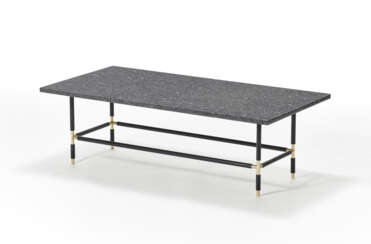

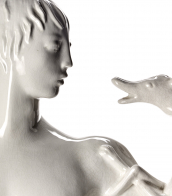
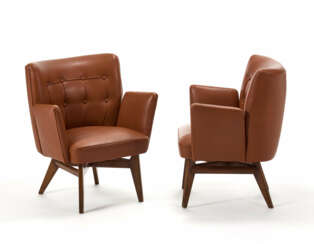

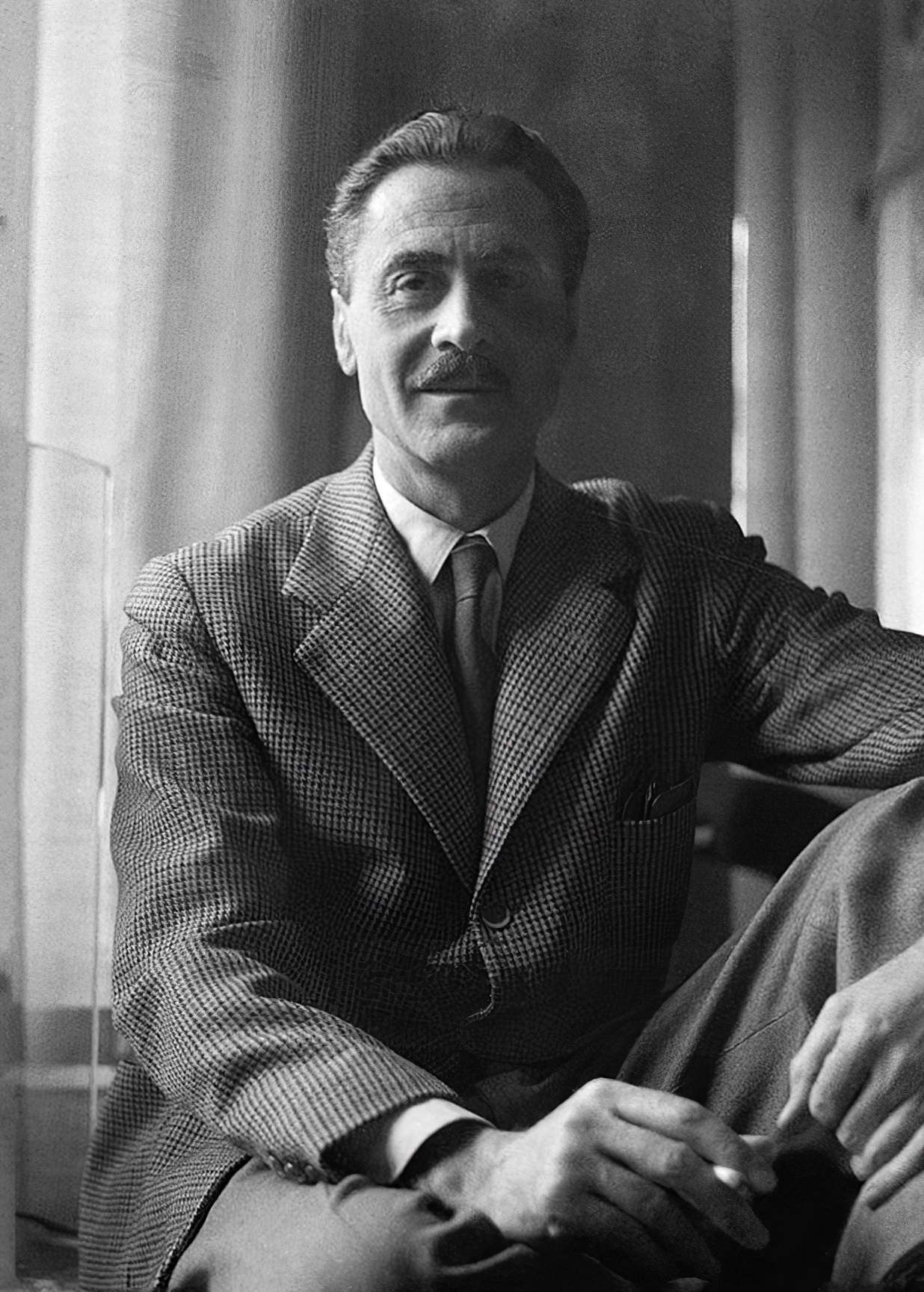
Franco Albini was an Italian Neo-Rationalist architect, designer and university instructor in design.


.jpg)
Maurice de Vlaminck was a French artist renowned for his vibrant use of color and contribution to the Fauvist movement. Born in Paris in 1876, Vlaminck's early work was marked by a passionate application of paint and a bold palette, drawing inspiration from Vincent van Gogh and Henri Matisse. His participation in the 1905 Salon d'Automne, alongside other Fauvist painters, was met with critical disdain, leading to the term "fauves" (wild beasts) being coined to describe their unorthodox use of intense color.
Vlaminck's career was characterized by a continuous exploration of color and form. Early on, he depicted scenes of daily life, landscapes, and portraits, imbuing them with a sense of motion through his dynamic brushwork. Notable works from this period include "Sur le zinc" (At the Bar) and "L'homme a la pipe" (Man Smoking a Pipe), which highlighted his departure from traditional portraiture and landscapes towards more expressive and mood-driven compositions. His landscapes, in particular, showcased a disregard for detail in favor of conveying atmosphere, a technique that was revolutionary at the time.
Throughout his life, Vlaminck's style evolved, showing influences from Post-Impressionism and later, a more monochromatic palette reminiscent of Paul Cézanne. Despite this evolution, he maintained a critical stance towards Cubism and its leading figure, Pablo Picasso, believing that Cubism had led French painting into a "wretched dead end". In his later years, Vlaminck's work adopted a darker palette and more naturalistic style, moving away from the Fauvist emphasis on color to explore the dramatic and expressive potential of landscapes and seascapes.
Vlaminck's impact on modern art is undeniable. His works are held in prestigious collections worldwide, including the Hermitage Museum in Saint Petersburg and the Minneapolis Institute of Art, attesting to his enduring influence and the continued fascination with his bold, expressive approach to painting.
For collectors and experts in art and antiques, Vlaminck's oeuvre represents a pivotal moment in the history of modern art, where the emotional intensity and visual impact of color were explored as never before. To stay informed on new product sales and auction events related to Maurice de Vlaminck, signing up for updates is recommended, offering exclusive insights into the vibrant world of Fauvism and modernist painting.

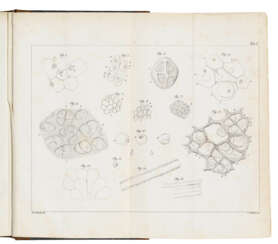

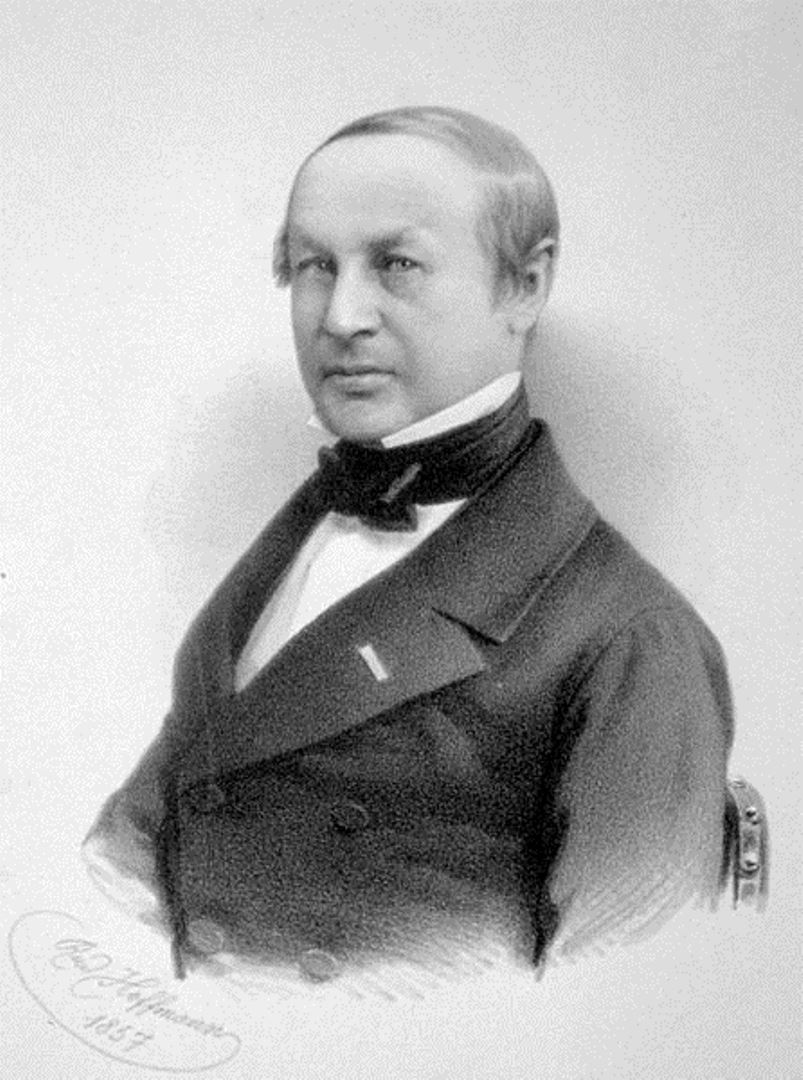
Theodor Schwann was a German cytologist, histologist and physiologist, author of the cell theory.
Schwann's most significant contribution to biology is considered to be the extension of cell theory to animals. Schwann extended Schleiden's theory of the cell as the basic unit of the plant world to animals. In 1839 Schwann published his seminal work on the general theory of the cell as the basis of life, Mikroskopische Untersuchungen ber die Uebereinstimmung in der Struktur und dem Wachsthum der Thiere und Pflanzen ("Microscopic Investigations on the correspondence in the structure and growth of animals and plants"). Schwann's theory can thus be regarded as the progenitor of the school of mechanistic materialism in biology.
Schwann also studied the formation of yeast spores and concluded that the fermentation of sugar and starch was the result of life processes. He also introduced the term metabolism to describe the chemical changes that occur in living tissues, defined the role of microorganisms in putrefaction, and formulated the basic principles of embryology, noting that an egg is a single cell that eventually develops into a complete organism.

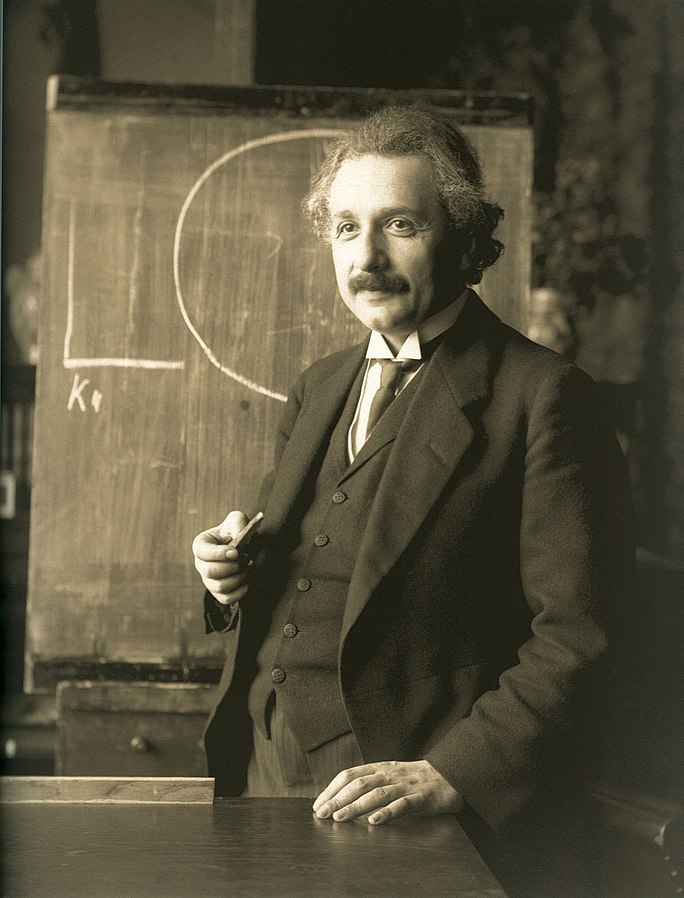
Albert Einstein was a German-born theoretical physicist, widely acknowledged to be one of the greatest and most influential physicists of all time. Einstein is best known for developing the theory of relativity, but he also made important contributions to the development of the theory of quantum mechanics. Relativity and quantum mechanics are together the two pillars of modern physics. His mass–energy equivalence formula E = mc2, which arises from relativity theory, has been dubbed "the world's most famous equation". His work is also known for its influence on the philosophy of science. He received the 1921 Nobel Prize in Physics "for his services to theoretical physics, and especially for his discovery of the law of the photoelectric effect", a pivotal step in the development of quantum theory. His intellectual achievements and originality resulted in "Einstein" becoming synonymous with "genius".


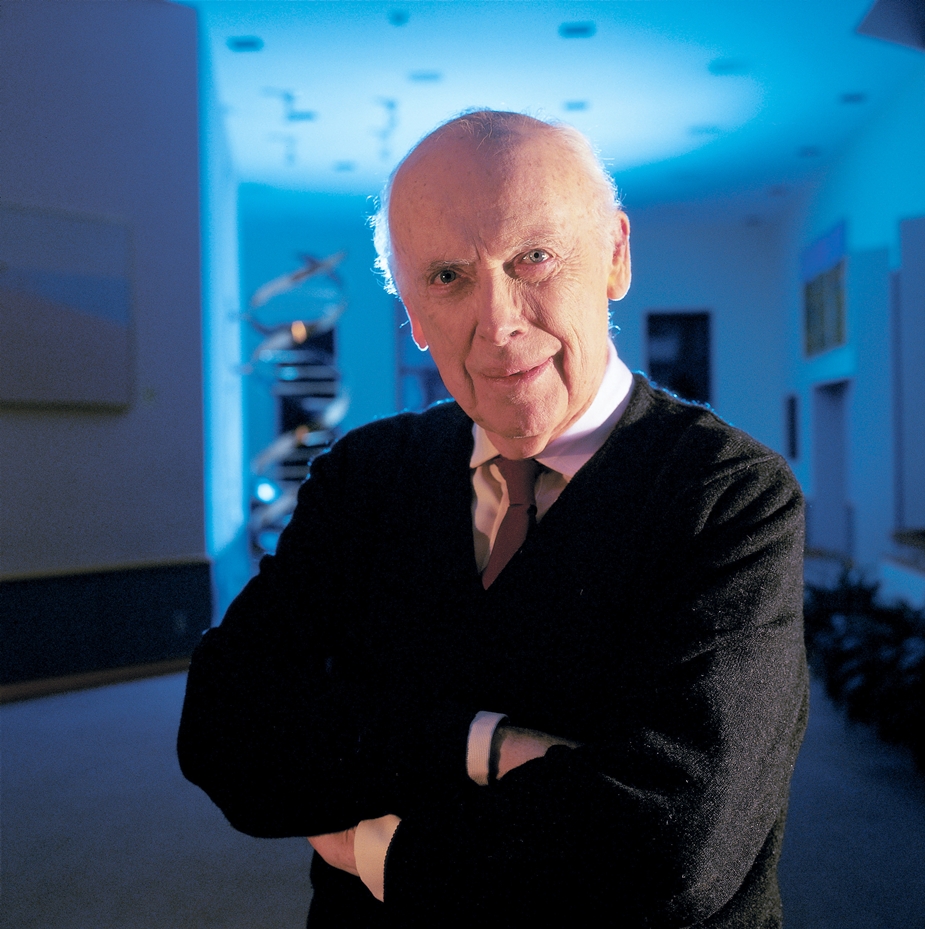
James Dewey Watson was an American geneticist and biophysicist who won the 1962 Nobel Prize in Physiology or Medicine.
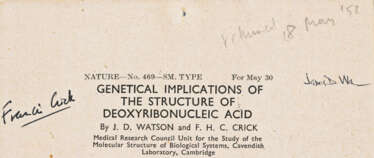
At the age of 15, Watson enrolled at the University of Chicago, then attended Indiana University, earning advanced degrees. After working at the University of Copenhagen, where he first decided to investigate DNA, he conducted research at the Cavendish Laboratory (1951-53). There, Watson learned the techniques of X-ray diffraction and worked with Francis Crick on the problem of DNA structure.
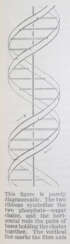
Their joint discovery was a key factor in allowing Watson and Crick to formulate the molecular model of DNA, a double helix, similar to a spiral staircase. It played a crucial role in discovering the molecular structure of deoxyribonucleic acid, the substance underlying heredity. For this achievement, he was awarded the 1962 Nobel Prize in Physiology or Medicine, along with Francis Crick and Maurice Wilkins.
James Watson subsequently taught at Harvard University (1955-76), where he served as professor of biology. He conducted research on the role of nucleic acids in protein synthesis. In 1965, he published The Molecular Biology of the Gene, which became one of the modern biology textbooks. From 1988 to 1992, Watson directed the Human Genome Project at the National Institutes of Health. James Dewey Watson is an honorary member of numerous universities and academies around the world, he has received dozens of honors and awards, and he has written numerous books.
Francis Harry Compton Crick was a British molecular biologist, biophysicist and neuroscientist. He won the Nobel Prize in Physiology and Medicine in 1962.
During World War II he had to work on developments for the military, and in 1947 he turned to biology at the Strangeways Research Laboratory, University of Cambridge. In 1949 he moved to the University Medical Research Council at Cavendish Laboratories. Using X-ray diffraction studies of DNA by biophysicist Maurice Wilkins (1916-2004) and X-ray diffraction images taken by Rosalind Franklin, biophysicist James Watson and Crick were able to construct a molecular model consistent with the known physical and chemical properties of DNA.
This achievement became a cornerstone of genetics and was regarded as one of the most important discoveries of 20th century biology. In 1962, Francis Crick, along with James Watson and Maurice Wilkins, won the Nobel Prize in Physiology or Medicine for determining the molecular structure of deoxyribonucleic acid (DNA), the chemical ultimately responsible for the hereditary control of life functions.
From 1977 until the end of his life, Crick served as professor emeritus at the Salk Institute for Biological Studies in San Diego, California, where he conducted research on the neurological basis of consciousness. He also wrote several books. In 1991, Francis Crick received the Order of Merit.


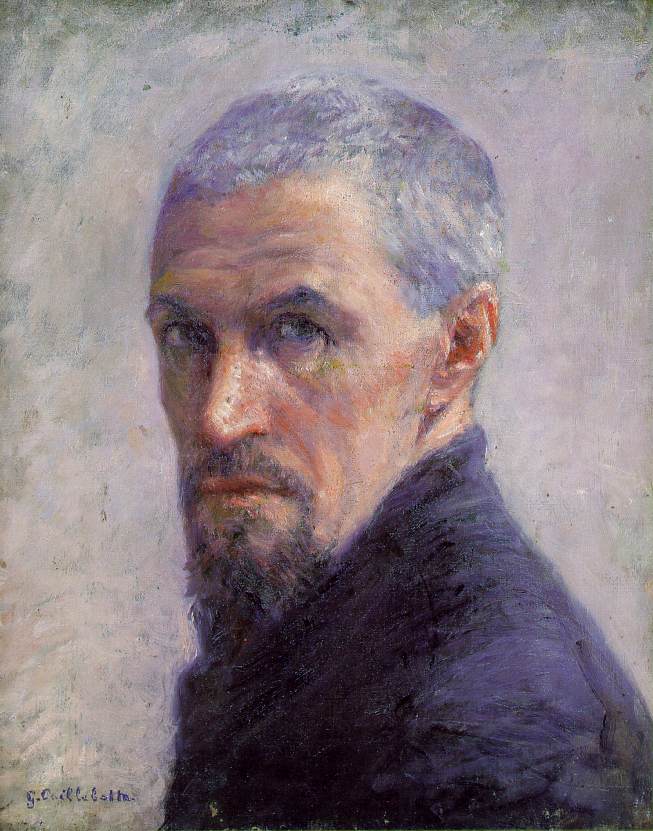
Gustave Caillebotte was a French Impressionist painter, collector, patron of art and impresario.
Caillebotte was born into a noble and wealthy family, educated as an engineer and lawyer, but became interested in painting and studied at the Paris School of Fine Arts. In 1874 he met Pierre-Auguste Renoir and Claude Monet and presented his work at Impressionist exhibitions. Over the next six years, Caillebotte became the chief organizer, promoter and financial sponsor of Impressionist exhibitions, and used his fortune to purchase works by other Impressionists, notably Monet, Renoir, Camille Pissarro, Paul Cézanne, Edgar Degas, Alfred Sisley and Berthe Morisot.
Caillebotte bequeathed his collection of paintings to the state, some of which later formed the basis of the Impressionist collection at the Musée d'Orsay.
In his paintings, Caillebotte combined in a unique synthesis of academic, realistic and impressionist styles. He painted many family scenes, interiors and landscapes, as well as domestic scenes and streets of Paris.