tây đo



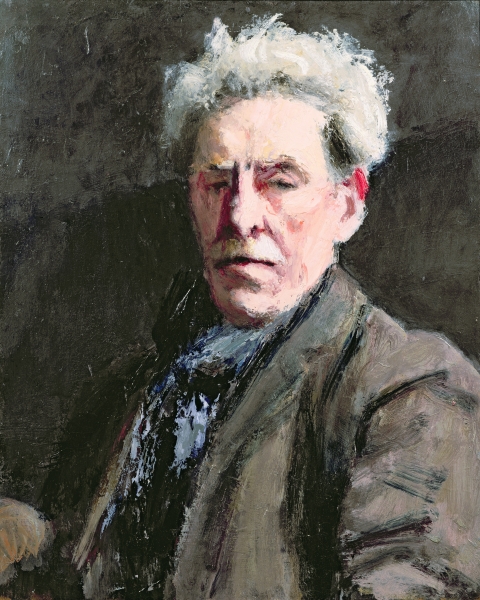
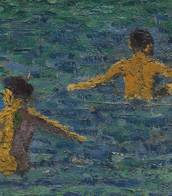
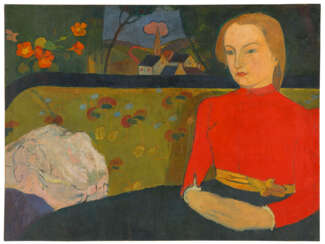
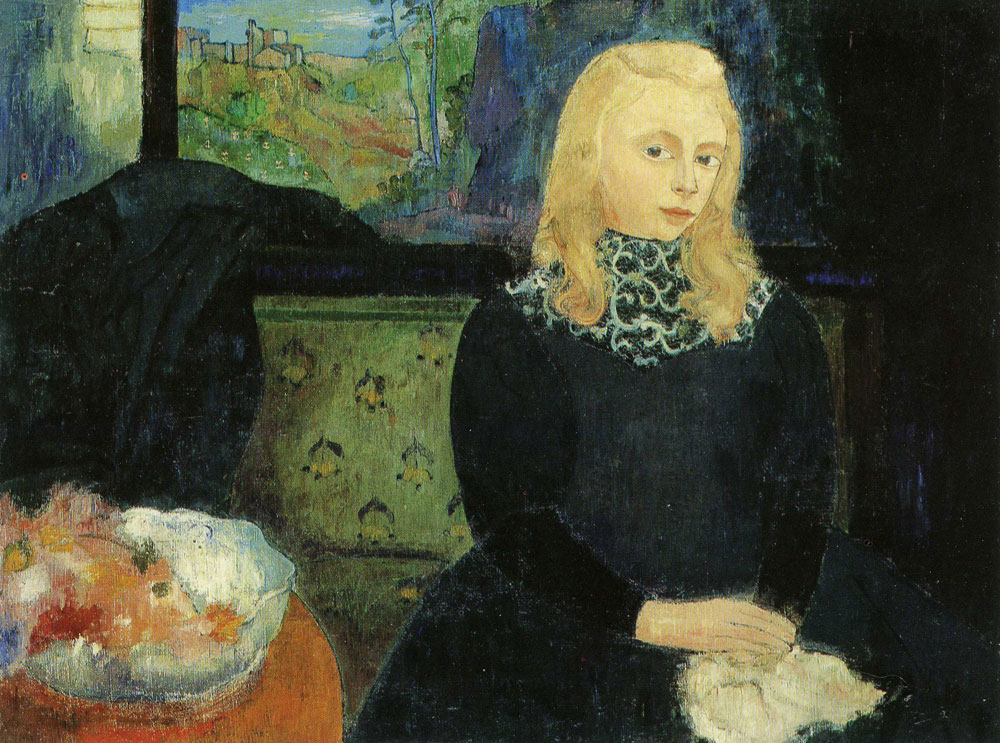
The Irish painter Roderic O'Conor was a pivotal figure in the post-impressionist movement during the late 19th and early 20th centuries. Aligning with the Pont-Aven School, his work thrived in France amidst the artistic revolution of the 1880s and 1890s.
O'Conor's artistic methodology was profoundly influenced by his time in France, spanning nearly five decades. His signature technique, characterized by thick, adjacent strokes of rich, contrasting colors, owes much to the discoveries of the Divisionists and Vincent Van Gogh.
His journey also included a transformative Parisian period beginning in 1886, marked by experimentation and innovation. Later, his Bretagne sojourn from 1891 to 1904 was interspersed with managing inherited estates back in Ireland, which allowed him financial independence from his painting sales. O'Conor's final years from 1934 until his passing in 1940 were spent in Nueil-sur-Layon.


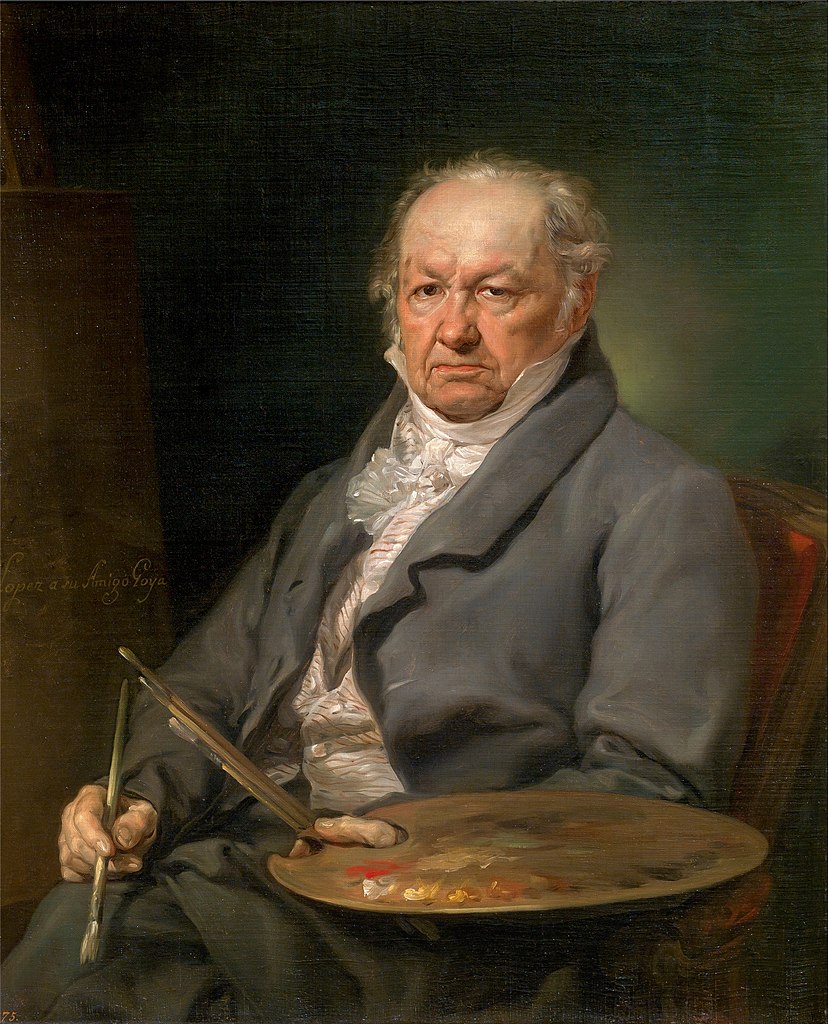
Francisco José de Goya y Lucientes was a Spanish romantic painter and printmaker, celebrated as the most pivotal Spanish artist of the late 18th and early 19th centuries. Born in Fuendetodos, Aragon, Spain, on March 30, 1746, Goya's work reflects a tumultuous period of history, intertwining the personal, political, and social upheavals of his time with a bold and innovative artistic vision. His early career was marked by portraits of the Spanish aristocracy and royalty, as well as Rococo style tapestry cartoons for the royal palace. However, following a severe illness in 1793 that left him deaf, his art took on a darker and more pessimistic tone.
Goya's oeuvre is vast, encompassing around 700 paintings, 280 prints, and several thousand drawings, through which he depicted a wide range of subjects from the whimsical to the macabre. Notable among his works are "The Naked Maja," "The Clothed Maja," "The Family of Charles IV," "The Third of May 1808: The Execution of the Defenders of Madrid," and "Saturn Eating His Children." His etchings, particularly the series "Los Caprichos" and "The Disasters of War," are celebrated for their intricate detail, emotional depth, and critical social commentary.
Goya's contribution to art goes beyond his mastery of painting and printmaking. He is often considered the bridge between the Old Masters and modern art, introducing themes and techniques that would influence countless artists in the centuries to follow. His ability to capture the essence of his era, the human condition, and the complexities of his own psyche, makes his work universally relatable and enduringly relevant.
His most famous paintings are housed in prestigious museums worldwide, including the Museo del Prado in Madrid, which holds an extensive collection of his works. The Prado's collection serves as a testament to Goya's significant impact on art and culture, offering insight into the artist's unique perspective on the world around him.
For collectors and experts in art and antiques, Francisco de Goya's legacy is a beacon of artistic innovation and historical significance. His works not only adorn the walls of museums but also continue to inspire and provoke thought among audiences across the globe.
For updates related to Francisco de Goya, including new product sales and auction events related to his works, sign up for our newsletter. Stay informed on the latest offerings and opportunities to add to your collection of this legendary artist's works.

Francisco José de Goya y Lucientes was a Spanish romantic painter and printmaker, celebrated as the most pivotal Spanish artist of the late 18th and early 19th centuries. Born in Fuendetodos, Aragon, Spain, on March 30, 1746, Goya's work reflects a tumultuous period of history, intertwining the personal, political, and social upheavals of his time with a bold and innovative artistic vision. His early career was marked by portraits of the Spanish aristocracy and royalty, as well as Rococo style tapestry cartoons for the royal palace. However, following a severe illness in 1793 that left him deaf, his art took on a darker and more pessimistic tone.
Goya's oeuvre is vast, encompassing around 700 paintings, 280 prints, and several thousand drawings, through which he depicted a wide range of subjects from the whimsical to the macabre. Notable among his works are "The Naked Maja," "The Clothed Maja," "The Family of Charles IV," "The Third of May 1808: The Execution of the Defenders of Madrid," and "Saturn Eating His Children." His etchings, particularly the series "Los Caprichos" and "The Disasters of War," are celebrated for their intricate detail, emotional depth, and critical social commentary.
Goya's contribution to art goes beyond his mastery of painting and printmaking. He is often considered the bridge between the Old Masters and modern art, introducing themes and techniques that would influence countless artists in the centuries to follow. His ability to capture the essence of his era, the human condition, and the complexities of his own psyche, makes his work universally relatable and enduringly relevant.
His most famous paintings are housed in prestigious museums worldwide, including the Museo del Prado in Madrid, which holds an extensive collection of his works. The Prado's collection serves as a testament to Goya's significant impact on art and culture, offering insight into the artist's unique perspective on the world around him.
For collectors and experts in art and antiques, Francisco de Goya's legacy is a beacon of artistic innovation and historical significance. His works not only adorn the walls of museums but also continue to inspire and provoke thought among audiences across the globe.
For updates related to Francisco de Goya, including new product sales and auction events related to his works, sign up for our newsletter. Stay informed on the latest offerings and opportunities to add to your collection of this legendary artist's works.





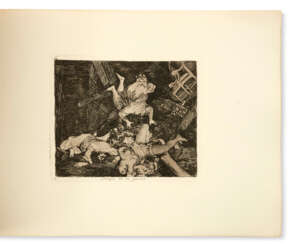

Francisco José de Goya y Lucientes was a Spanish romantic painter and printmaker, celebrated as the most pivotal Spanish artist of the late 18th and early 19th centuries. Born in Fuendetodos, Aragon, Spain, on March 30, 1746, Goya's work reflects a tumultuous period of history, intertwining the personal, political, and social upheavals of his time with a bold and innovative artistic vision. His early career was marked by portraits of the Spanish aristocracy and royalty, as well as Rococo style tapestry cartoons for the royal palace. However, following a severe illness in 1793 that left him deaf, his art took on a darker and more pessimistic tone.
Goya's oeuvre is vast, encompassing around 700 paintings, 280 prints, and several thousand drawings, through which he depicted a wide range of subjects from the whimsical to the macabre. Notable among his works are "The Naked Maja," "The Clothed Maja," "The Family of Charles IV," "The Third of May 1808: The Execution of the Defenders of Madrid," and "Saturn Eating His Children." His etchings, particularly the series "Los Caprichos" and "The Disasters of War," are celebrated for their intricate detail, emotional depth, and critical social commentary.
Goya's contribution to art goes beyond his mastery of painting and printmaking. He is often considered the bridge between the Old Masters and modern art, introducing themes and techniques that would influence countless artists in the centuries to follow. His ability to capture the essence of his era, the human condition, and the complexities of his own psyche, makes his work universally relatable and enduringly relevant.
His most famous paintings are housed in prestigious museums worldwide, including the Museo del Prado in Madrid, which holds an extensive collection of his works. The Prado's collection serves as a testament to Goya's significant impact on art and culture, offering insight into the artist's unique perspective on the world around him.
For collectors and experts in art and antiques, Francisco de Goya's legacy is a beacon of artistic innovation and historical significance. His works not only adorn the walls of museums but also continue to inspire and provoke thought among audiences across the globe.
For updates related to Francisco de Goya, including new product sales and auction events related to his works, sign up for our newsletter. Stay informed on the latest offerings and opportunities to add to your collection of this legendary artist's works.
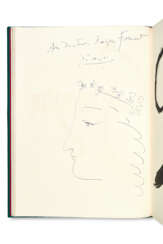

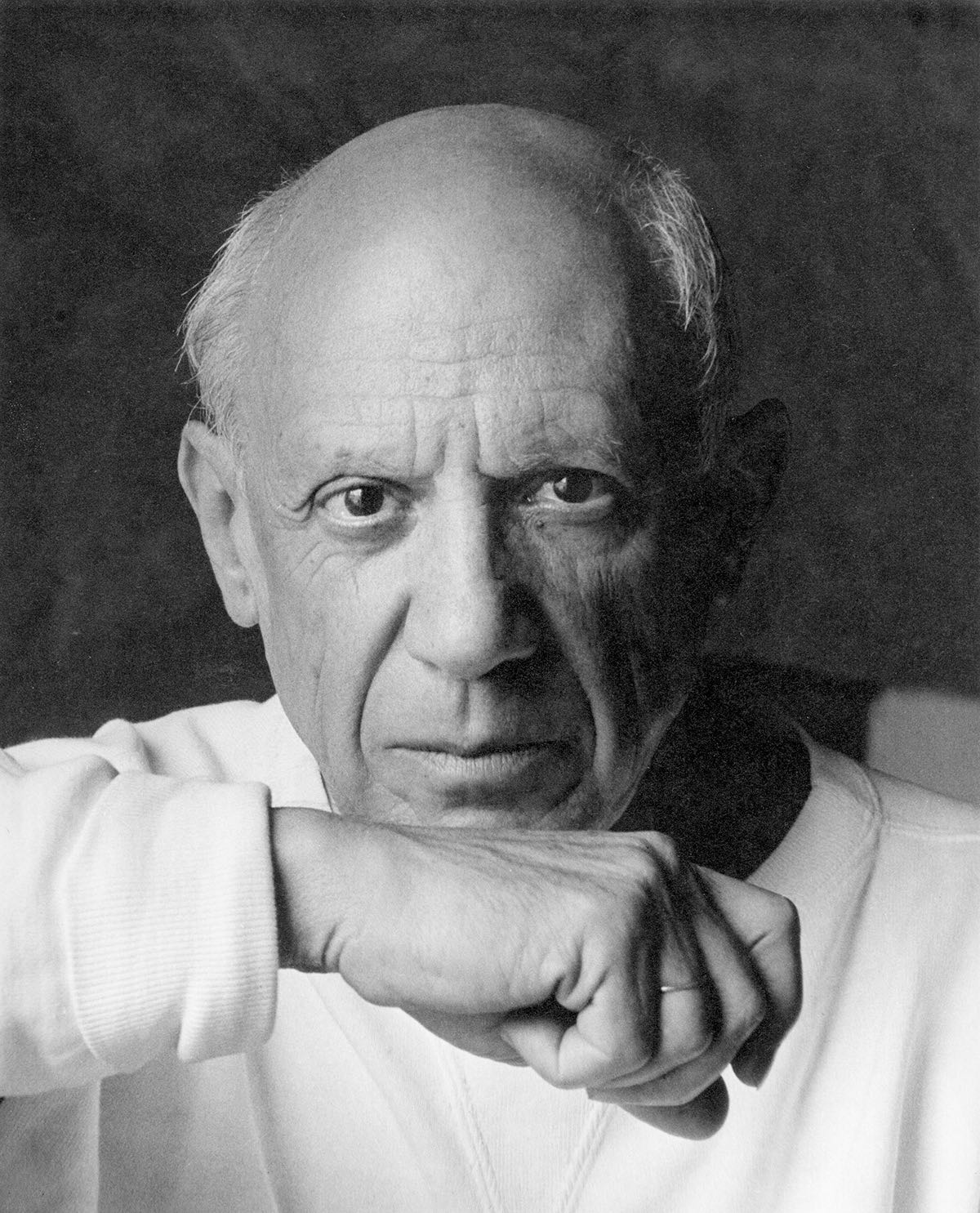
Pablo Ruiz Picasso, a Spanish artist renowned for his revolutionary contributions to the 20th-century art scene, is a figure that resonates profoundly with collectors and art experts. His unique blend of talents in painting, sculpture, printmaking, and ceramic art, infused with his time in France, positioned him as a pivotal character in modern art history.
Picasso's artistic journey was marked by distinct periods, each showcasing his evolving style and genius. His early years were characterized by the Blue Period (1901-1904), followed by the Rose Period (1904-1906), and then the African-influenced Period (1907-1909). Picasso's name is synonymous with Cubism, a movement he co-founded, which significantly altered artistic perspectives and methods. Works like "Les Demoiselles d'Avignon" (1907) and "Guernica" (1937) are emblematic of his cubist legacy, the latter being a poignant anti-war statement that remains influential.
His later years saw a return to more traditional styles, with neoclassical and surrealist influences becoming evident. Works from these phases reflect a deep engagement with mythological themes, as seen in "Faun with Stars" (1955), symbolizing his late-life romance with Jacqueline Roque, his second wife.
Picasso's prolific output and innovative spirit made him a legend in his own time, a status that only grew after his death. His works, housed in major museums and private collections worldwide, continue to captivate and inspire.
As a collector or expert in art and antiques, staying informed about Picasso's works, their auction events, and sales is essential. To stay updated on the latest developments and opportunities related to Pablo Picasso, sign up for our specialized updates. Rest assured, this subscription will focus solely on new product sales and auction events pertaining to Picasso's art, ensuring that you receive only the most relevant and valuable information.
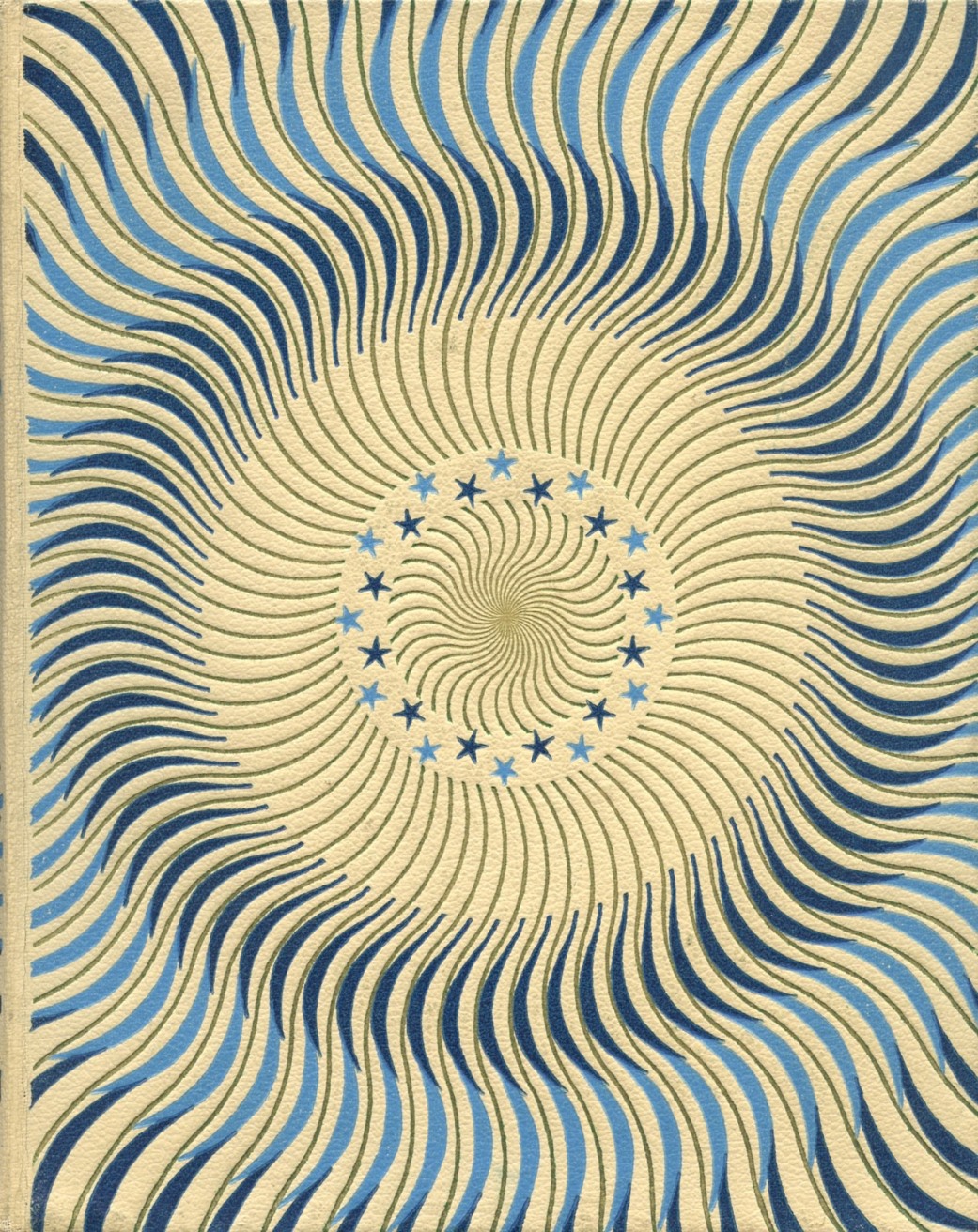
Paul Bonet, birth name Paul Joseph Ghislain Bonet, is a French bookbinder and bookbinding designer, Knight of the Legion of Honor.
Trained to make fashionable wooden mannequins, Paul Bonet worked in the fashion industry for several years and did not turn to bookbinding until 1920. His bright, colorful designs and prolific work made him famous. His first bindings were exhibited in 1925 at the Gallière Museum, then at the French Book Arts Exhibition, the Salon d'Automne and the Salon des Artistes Décoratifs, and his talent was recognized.
His decoration was particularly innovative. One of the great masters of French bookbinding, Paul Bonet became famous in the 1930s and 1940s for one of his signature patterns, "sunbeams." These patterns consist of many small lines with gold trim, carefully planned and giving the optical illusion of spatial depth.
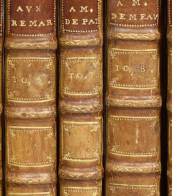


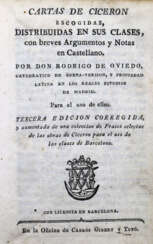

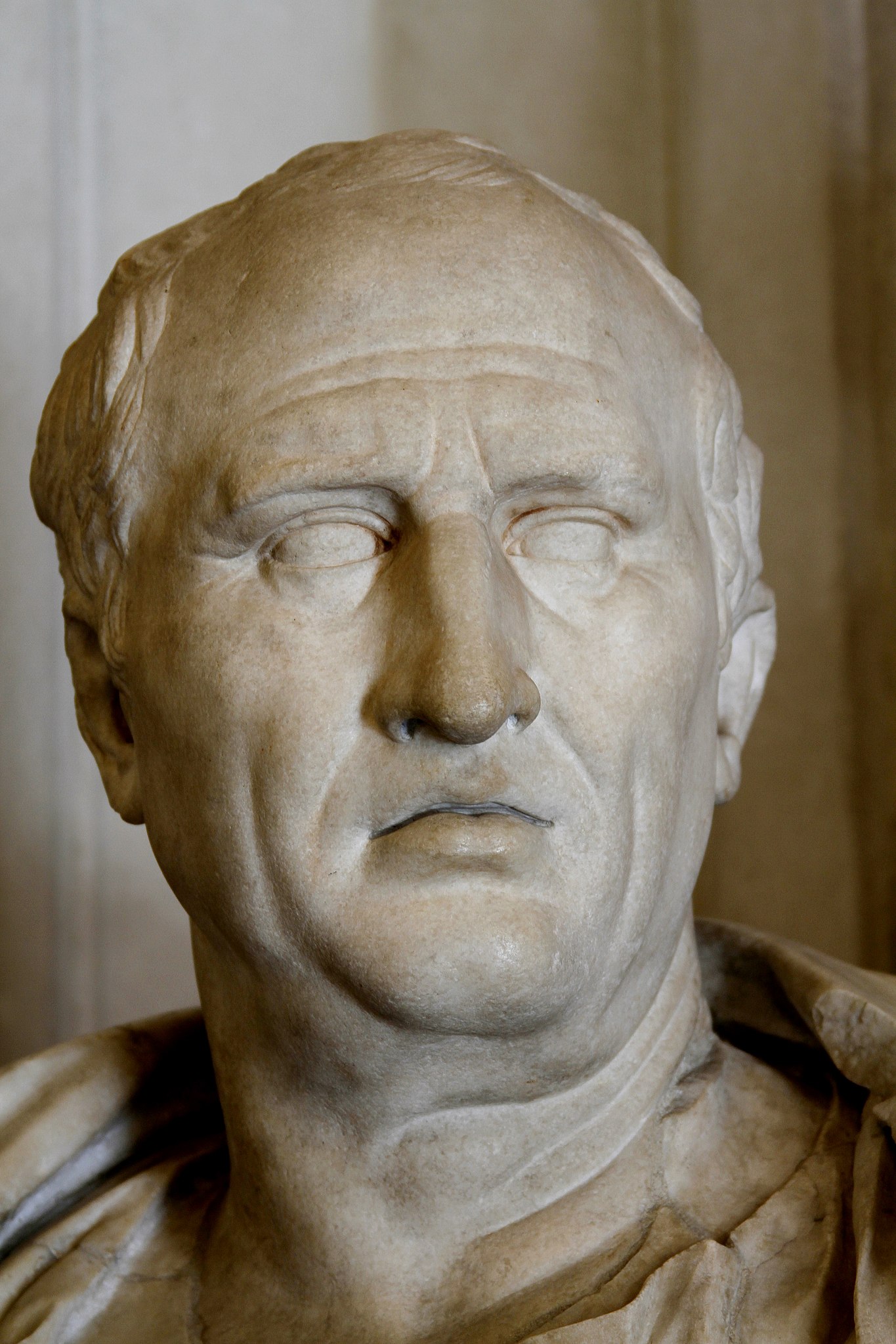
Marcus Tullius Cicero was a Roman statesman, lawyer, scholar, philosopher, and academic skeptic, who tried to uphold optimate principles during the political crises that led to the establishment of the Roman Empire. His extensive writings include treatises on rhetoric, philosophy and politics. He is considered one of Rome's greatest orators and prose stylists. He came from a wealthy municipal family of the Roman equestrian order, and served as consul in 63 BC.
His influence on the Latin language was immense. He wrote more than three-quarters of extant Latin literature that is known to have existed in his lifetime, and it has been said that subsequent prose was either a reaction against or a return to his style, not only in Latin but in European languages up to the 19th century. Cicero introduced into Latin the arguments of the chief schools of Hellenistic philosophy and created a Latin philosophical vocabulary with neologisms such as evidentia, humanitas, qualitas, quantitas, and essentia, distinguishing himself as a translator and philosopher.
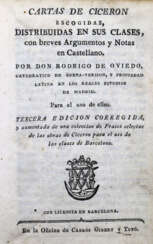

Marcus Tullius Cicero was a Roman statesman, lawyer, scholar, philosopher, and academic skeptic, who tried to uphold optimate principles during the political crises that led to the establishment of the Roman Empire. His extensive writings include treatises on rhetoric, philosophy and politics. He is considered one of Rome's greatest orators and prose stylists. He came from a wealthy municipal family of the Roman equestrian order, and served as consul in 63 BC.
His influence on the Latin language was immense. He wrote more than three-quarters of extant Latin literature that is known to have existed in his lifetime, and it has been said that subsequent prose was either a reaction against or a return to his style, not only in Latin but in European languages up to the 19th century. Cicero introduced into Latin the arguments of the chief schools of Hellenistic philosophy and created a Latin philosophical vocabulary with neologisms such as evidentia, humanitas, qualitas, quantitas, and essentia, distinguishing himself as a translator and philosopher.











![[BOIGNE, Benoît Leborgne, comte de (1751-1830)].](/assets/image/picture_2734685/3042c/5fe7dfa1a6f364a36298c65e75889fe11679526000jpg__fix_374_244.jpeg)
![[BOIGNE, Benoît Leborgne, comte de (1751-1830)].](https://veryimportantlot.com/assets/image/picture_2734685/3042c/5fe7dfa1a6f364a36298c65e75889fe11679526000jpg__fix_374_244.jpeg)









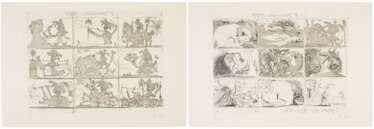

Pablo Ruiz Picasso, a Spanish artist renowned for his revolutionary contributions to the 20th-century art scene, is a figure that resonates profoundly with collectors and art experts. His unique blend of talents in painting, sculpture, printmaking, and ceramic art, infused with his time in France, positioned him as a pivotal character in modern art history.
Picasso's artistic journey was marked by distinct periods, each showcasing his evolving style and genius. His early years were characterized by the Blue Period (1901-1904), followed by the Rose Period (1904-1906), and then the African-influenced Period (1907-1909). Picasso's name is synonymous with Cubism, a movement he co-founded, which significantly altered artistic perspectives and methods. Works like "Les Demoiselles d'Avignon" (1907) and "Guernica" (1937) are emblematic of his cubist legacy, the latter being a poignant anti-war statement that remains influential.
His later years saw a return to more traditional styles, with neoclassical and surrealist influences becoming evident. Works from these phases reflect a deep engagement with mythological themes, as seen in "Faun with Stars" (1955), symbolizing his late-life romance with Jacqueline Roque, his second wife.
Picasso's prolific output and innovative spirit made him a legend in his own time, a status that only grew after his death. His works, housed in major museums and private collections worldwide, continue to captivate and inspire.
As a collector or expert in art and antiques, staying informed about Picasso's works, their auction events, and sales is essential. To stay updated on the latest developments and opportunities related to Pablo Picasso, sign up for our specialized updates. Rest assured, this subscription will focus solely on new product sales and auction events pertaining to Picasso's art, ensuring that you receive only the most relevant and valuable information.
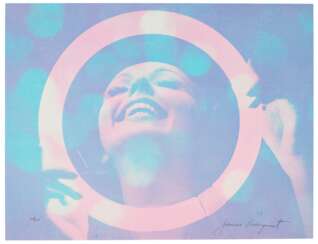

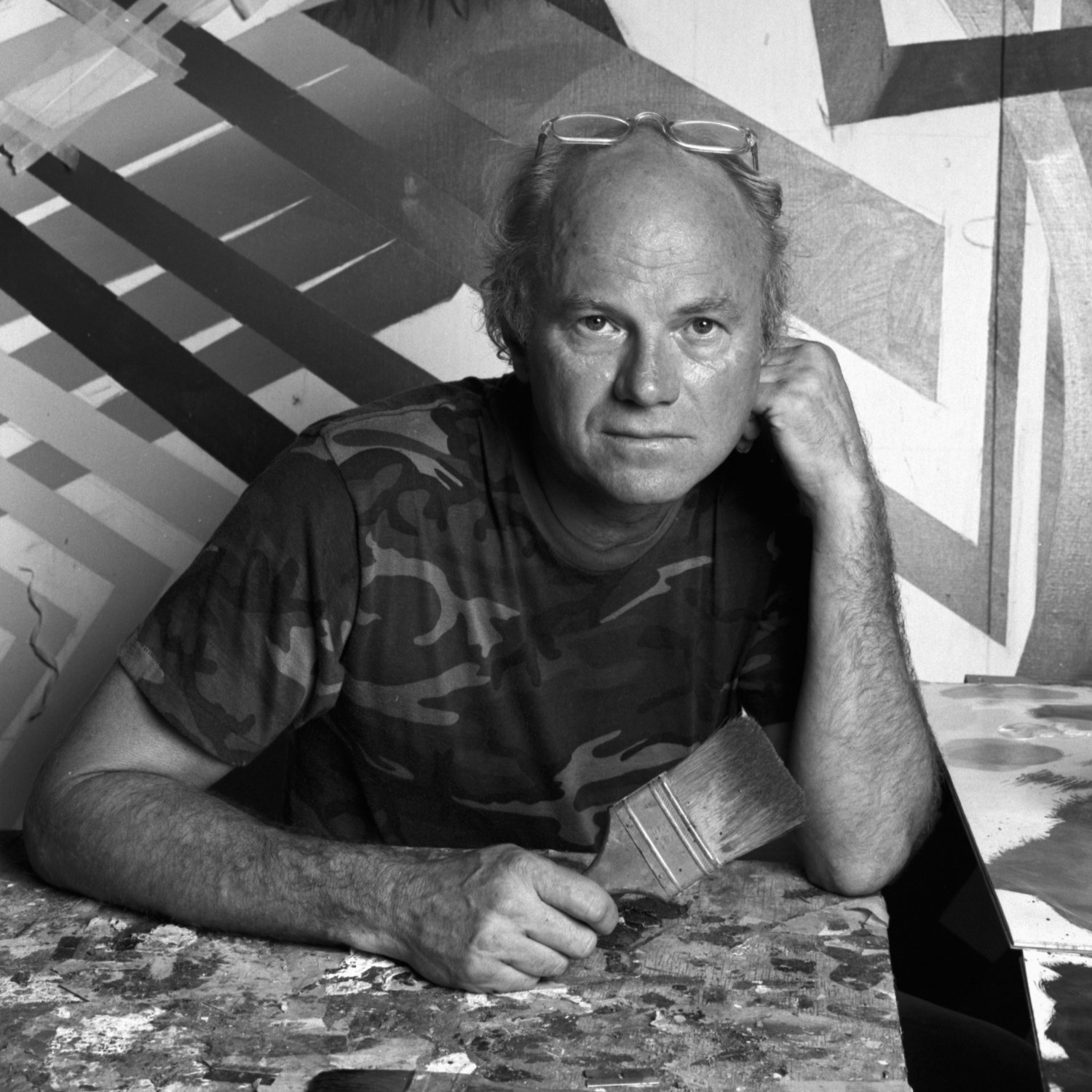
James Rosenquist was a towering figure in the American art scene, best known for his pivotal role in defining the Pop Art movement. Born in North Dakota, Rosenquist transformed his early experiences as a billboard painter into a revolutionary art form that blurred the lines between commercial and fine art. His unique approach to painting, characterized by the use of fragmented and juxtaposed imagery, mirrored the bombardment of mass media and advertising in American culture. This technique not only challenged traditional perceptions of art but also reflected the artist's critique of the consumerist society.
Rosenquist's most famous work, "F-111," an ambitious 86-foot-long mural, exemplifies his innovative style. Displayed at the Museum of Modern Art in New York, this piece encapsulates the essence of Pop Art by combining consumer goods, military imagery, and a fighter plane. The artwork serves as a powerful commentary on the military-industrial complex and the pervasive influence of advertising on American life. Another notable piece, "Stowaway Peers Out of the Speed of Light," showcases Rosenquist's later exploration into abstract expressionism, depicting a chaotic yet captivating vision of motion and light.
Throughout his career, Rosenquist's work remained deeply influential, earning him a place in prominent collections and museums worldwide. His ability to merge commercial techniques with fine art not only elevated his status as an artist but also left an indelible mark on the art world. Rosenquist's legacy continues to inspire artists and collectors alike, challenging them to see beyond the surface of everyday imagery.
For collectors and experts in art and antiques, James Rosenquist's work represents a pivotal moment in the history of modern art, where the lines between commercial and fine art were not just blurred but beautifully intertwined. To stay updated on new product sales and auction events related to James Rosenquist, we invite you to sign up for our updates. This subscription is your gateway to the evolving world of art collecting, where the legacy of innovators like Rosenquist continues to influence the market and inspire new generations of artists and collectors.


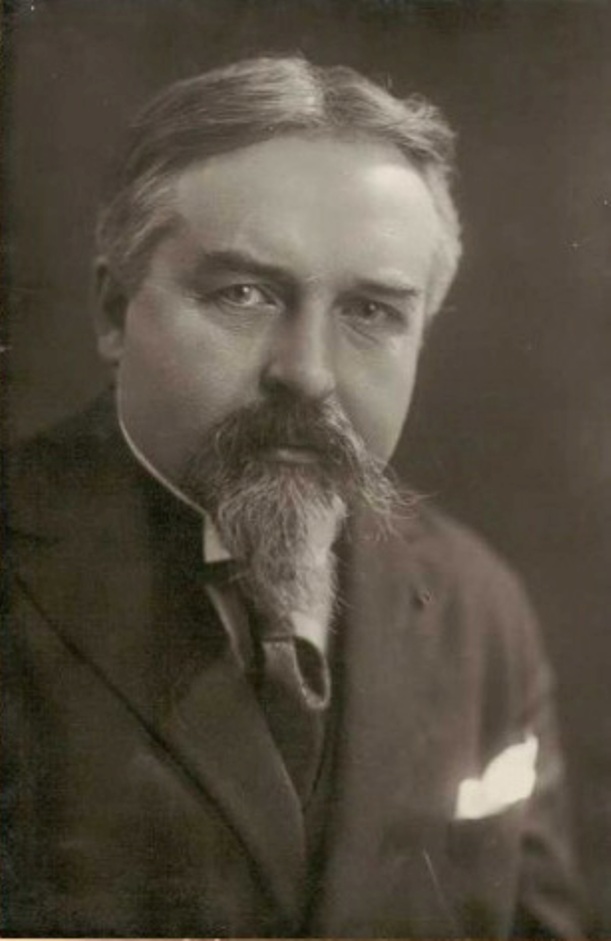
Maurice Denis, a French painter and writer, was an influential figure in the transition from impressionism to modern art. Born on November 25, 1870, in Granville, France, Denis's artistic journey began at the Académie Julian in Paris. Here, he met future collaborators like Paul Sérusier and Pierre Bonnard, with whom he later formed the Nabis group, a collective deriving its name from the Hebrew word "Nabi," meaning "Prophet".
Denis's style evolved from neoimpressionism, influenced by artists like Seurat, to a more decorative and colorful approach under the influence of Gauguin. This shift is evident in works like "Taches du soleil sur la terrace" (1890). He famously stated, "Art is no longer a visual sensation... it is a creation of our spirit," highlighting his belief in art as an idealistic expression, transcending mere imitation of nature.
Denis was also impacted by Japanese art, which influenced his compositions and styles, contributing to his unique and recognizable approach. His philosophy on art, encapsulated in his 1890 essay published in "Art et Critique," emphasized the importance of color and form in creating emotional depth, a notion that laid the groundwork for modernism. He argued that a painting's essence lies in its colors and composition, rather than its subject matter.
Throughout his career, Denis's work evolved towards a more classical approach. His involvement with the Ateliers d'Art Sacré, founded in 1919, demonstrated his interest in religious art and decoration. His notable works include "The Legend of Saint Hubert" (1897) and "The History of Music" for the Théâtre des Champs Elysées (1912-1913).
Tragically, Maurice Denis's life ended on November 13, 1943, when he was struck by a truck during the German occupation of Paris. However, his legacy endures through his contributions to modern art and symbolism, his influence on fellow artists, and his works displayed in various museums and galleries.
For collectors and art experts, Denis's work offers a unique glimpse into the evolution of modern art. His blend of symbolism, color, and form marks a significant shift in art history. To stay updated on new sales and auction events related to Maurice Denis's work, sign up for our newsletter. This subscription will keep you informed about the latest developments in the world of this remarkable artist.