taylor series of tan x
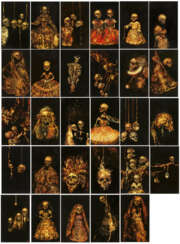

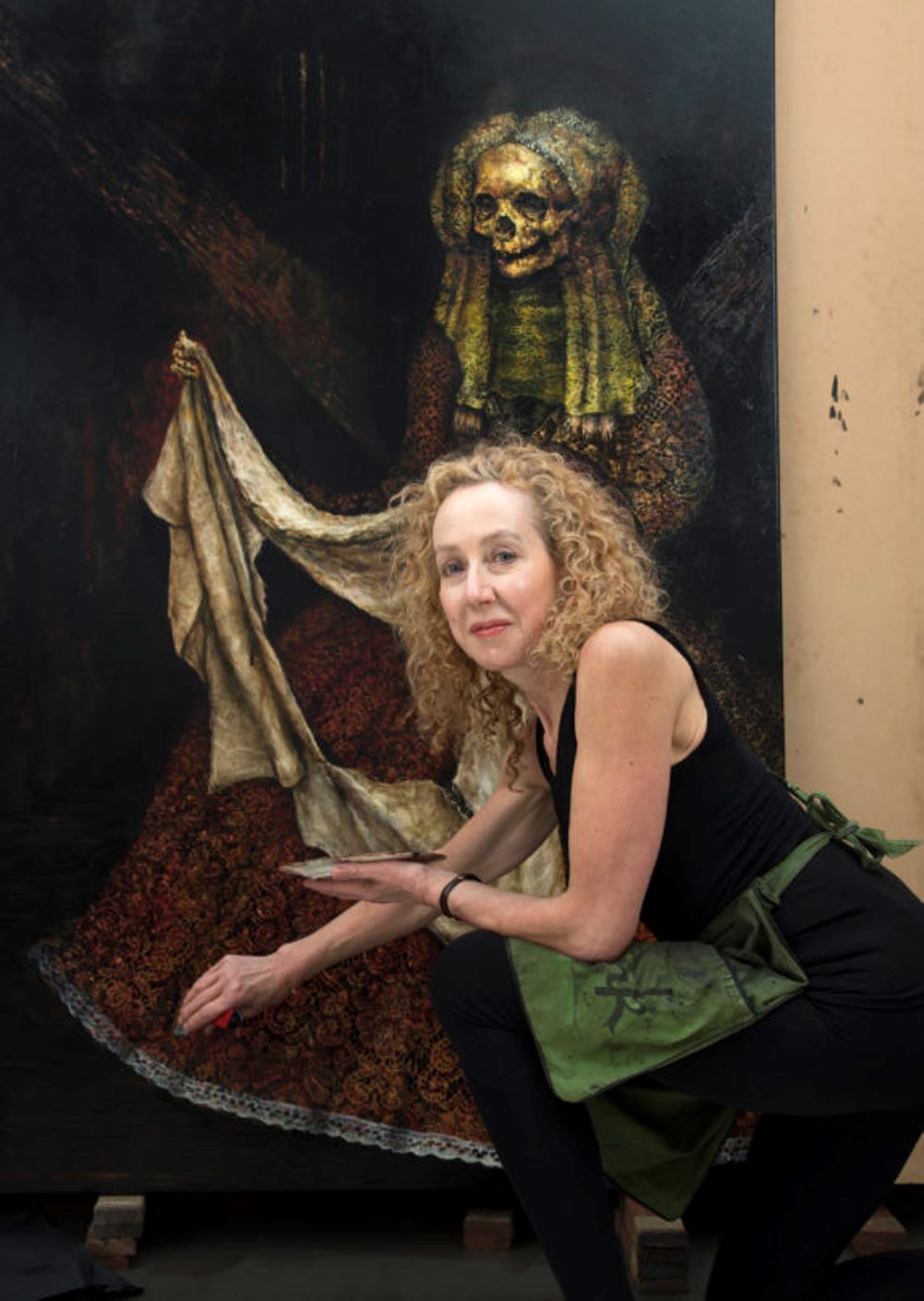
Terry Taylor is an Australian artist, painter and drawer. "I am a painter of death, life and theater," Taylor says of herself. Her classical portraits and figurative compositions follow the ancient tradition of Memento Mori ("Remember Death") and 16th century Dutch Vanitas art; they are a story of life and death, humor and tragedy, truth and lies.






.jpeg)
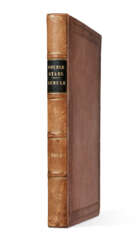
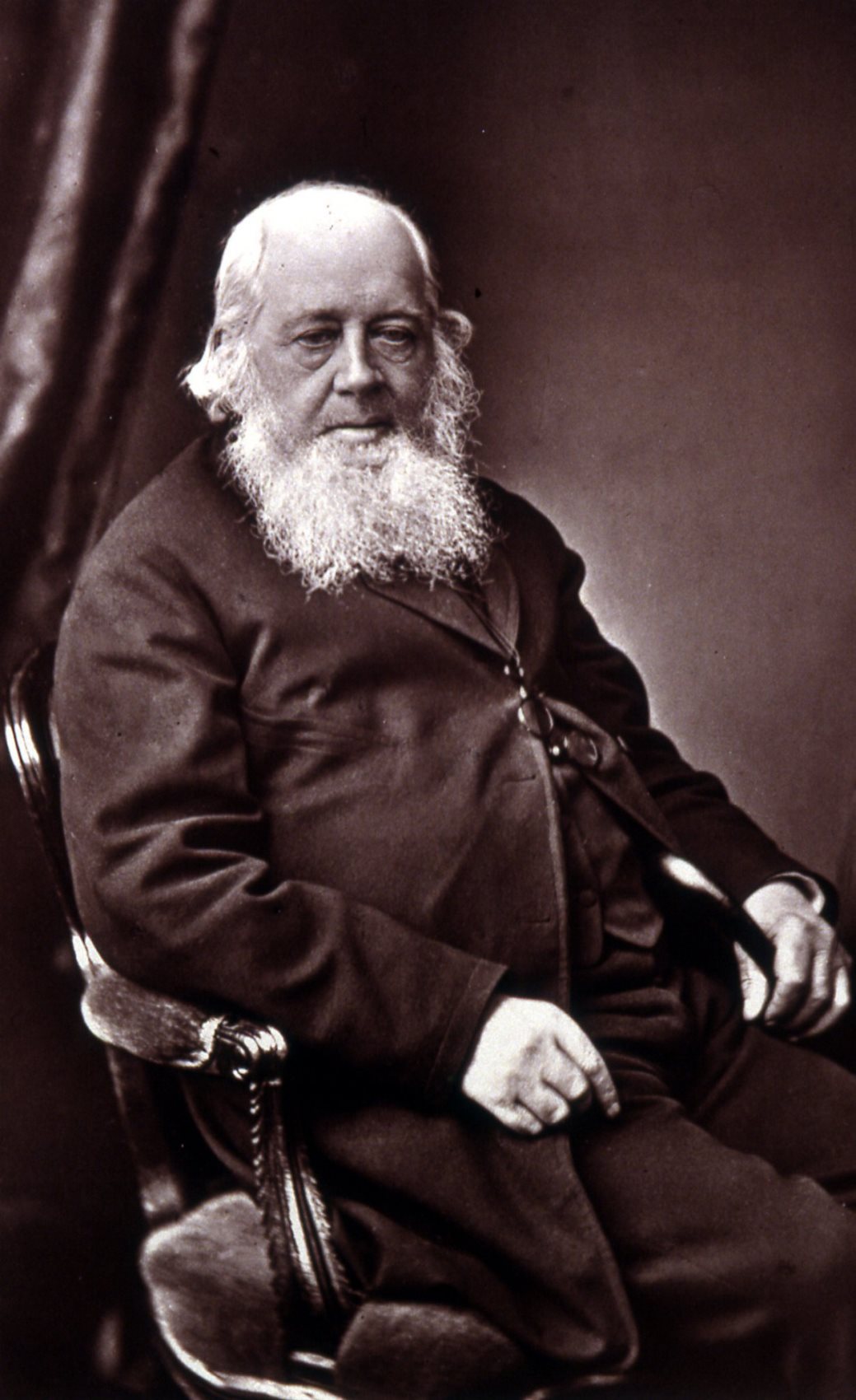
Sir John Frederick William Herschel, 1st Baronet was a British astronomer and son of the Uranus discoverer Wilhelm Herschel. He is credited with the first double star and nebula catalogues of the southern starry sky, which he observed during a five-year stay near Cape Town.





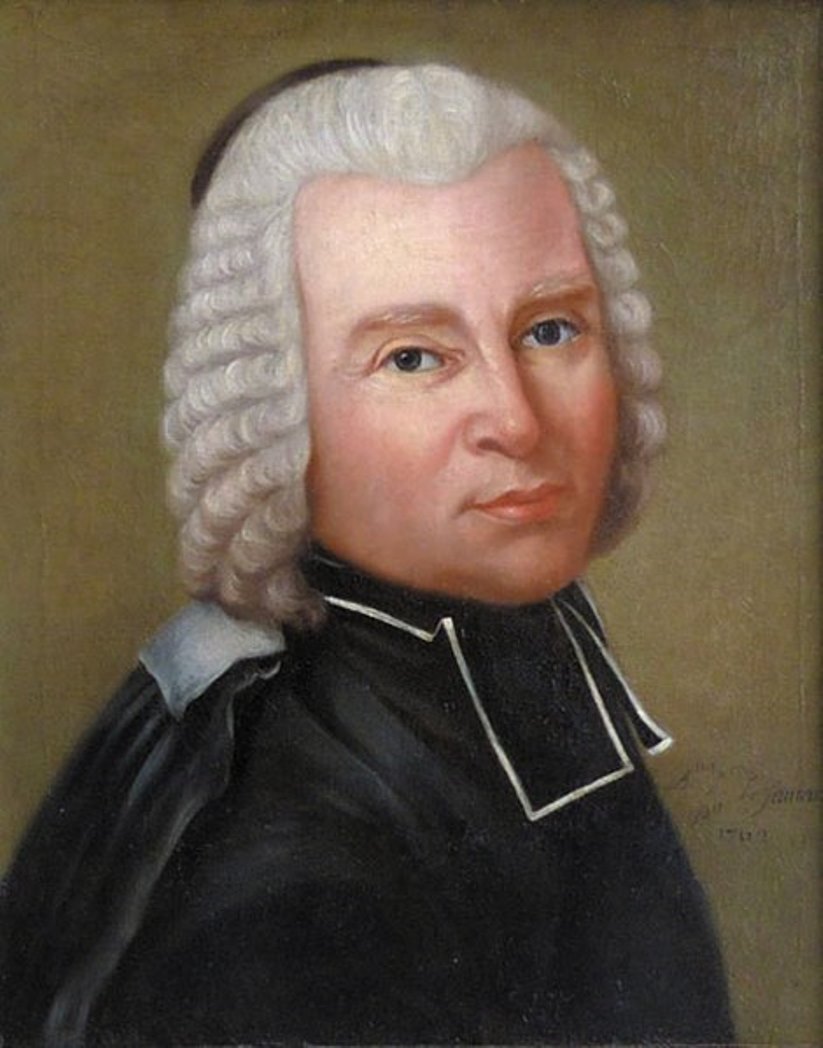
Nicolas-Louis De la Caille was a French astronomer, abbot and educator.
He studied philosophy and theology, became an abbot, but the craving for science overpowered everything, and he studied astronomy on his own. In 1736, la Caille received a place at the Paris Observatory, in 1739 was appointed professor of mathematics at Mazarini-College in Paris and built his own observatory, where he conducted astronomical observations. In 1741 Lacaille was admitted to the Académie des Sciences.
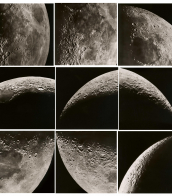
La Caille was an outstanding astronomer: he observed more than 10,000 stars in the Southern Hemisphere and named 14 of the 88 constellations. In 1752, he made an astronomical expedition to the Cape of Good Hope, where he built an observatory and conducted a huge series of observations, including the discovery and cataloging of 42 nebulae. These studies led to la Caille being called "the father of southern astronomy," and his observations from South Africa of the Moon, Venus, and Mars, combined with similar observations already made in the Northern Hemisphere, led to the calculation of more accurate values for the distances to these bodies.
On his return to Paris two years later, in 1754, he resumed his post and taught at the school of Mazarin, continuing his work at the observatory of the College of Mazarini. Among his pupils was the great chemist Antoine Lavoisier. La Caille was a foreign honorary member of the St. Petersburg Academy of Sciences and a member of the Royal Society of London. His Coelum Australe Stelliferum ("Star Catalog of the Southern Sky") was published in 1763.



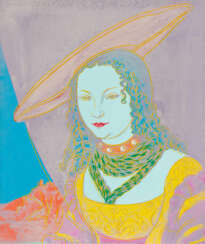

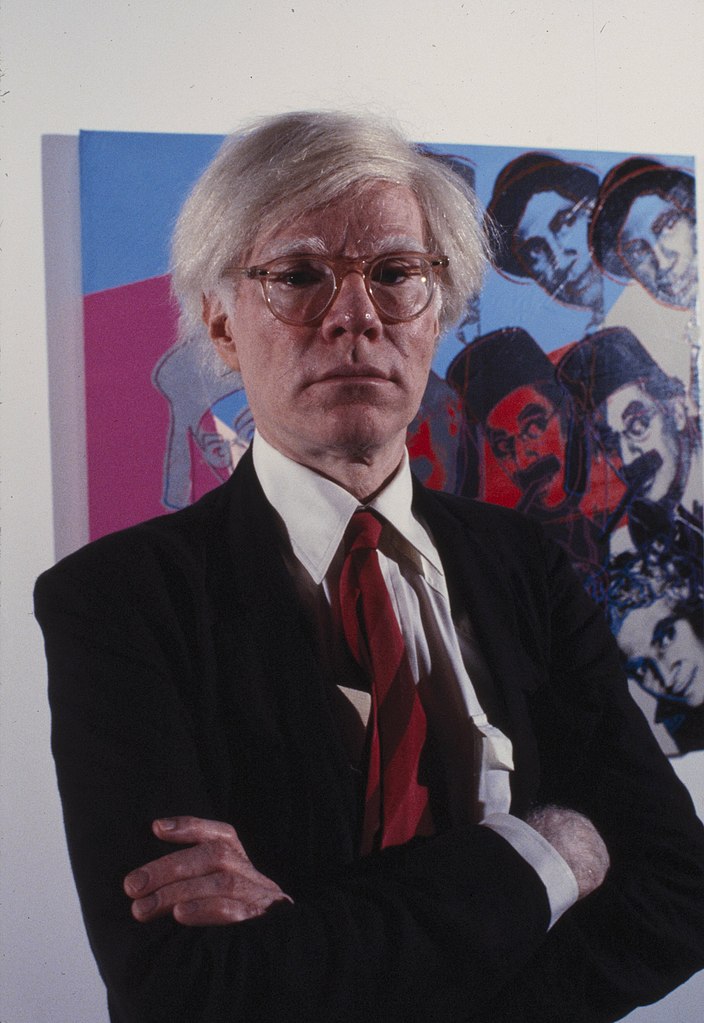
Andy Warhol, born as Andrew Warhola Jr., was an American visual artist, film director, and producer, who played a pivotal role in the development of the Pop Art movement. His art delved into the interplay between artistic expression, advertising, and celebrity culture, especially prevalent in the 1960s. Warhol was renowned for his diverse range of media, which included painting, silkscreening, photography, film, and sculpture.
Warhol's journey began in Pittsburgh, where he was born and raised, initially making a name for himself as a commercial illustrator. His New York studio, "The Factory," became a famous hub for intellectuals, celebrities, and various artistic minds. He was known for creating the notion of "Warhol superstars" and popularized the phrase "15 minutes of fame."
His contribution to the art world is significant, with notable works like "Campbell's Soup Cans" (1962) and "Marilyn Diptych" (1962), as well as his experimental films like "Empire" (1964) and "Chelsea Girls" (1966). These works not only define his career but also underscore the essence of the Pop Art movement.
Warhol's influence extended beyond his artwork. He managed and produced the experimental rock band The Velvet Underground, founded Interview magazine, and wrote several books, including "The Philosophy of Andy Warhol" and "Popism: The Warhol Sixties." Living openly as a gay man before the gay liberation movement, Warhol's personal life was as influential as his professional endeavors.
Tragically, Warhol's life was nearly cut short in 1968 when he was shot by radical feminist Valerie Solanas. He eventually passed away in 1987 due to cardiac arrhythmia following gallbladder surgery. His legacy continues, with The Andy Warhol Museum in Pittsburgh standing as the largest U.S. museum dedicated to a single artist.
Warhol's art remains highly collectible and valuable. His works, like the "Silver Car Crash (Double Disaster)" and "Shot Sage Blue Marilyn," have fetched staggering amounts at auctions, signifying his enduring impact on the art market.
For art collectors and experts, Andy Warhol's work represents a crucial intersection of pop culture and fine art, offering a unique perspective on consumerism and celebrity. His pieces are not just art; they are historical landmarks that capture a transformative era in both art and society.
To stay updated on new products, sales, and auction events related to Andy Warhol, sign up for our updates. This subscription will keep you informed about all things Warhol without overwhelming you with unnecessary information.


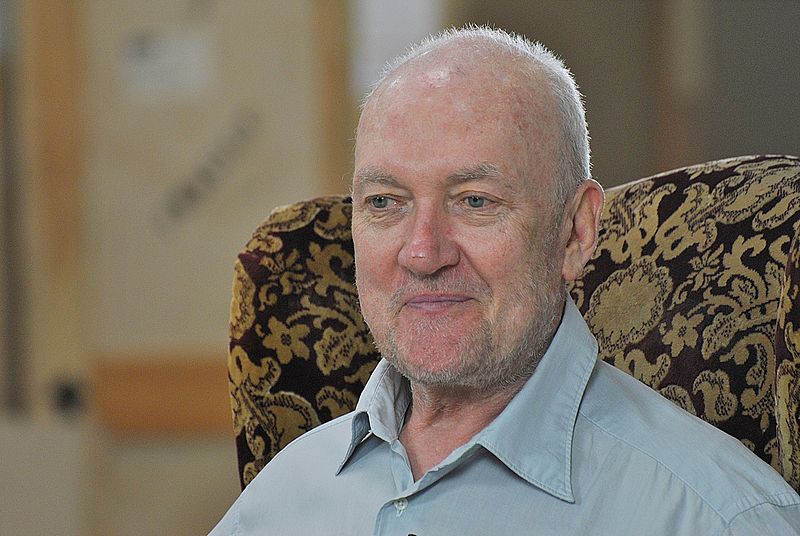
Sean Scully is an Irish-born American-based artist working as a painter, printmaker, sculptor and photographer. His work is held in museum collections worldwide and he has twice been named a Turner Prize nominee. Moving from London to New York in 1975, Scully helped lead the transition from Minimalism to Emotional abstraction in painting, abandoning the reduced vocabulary of Minimalism in favor of a return to metaphor and spirituality in art.
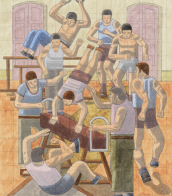
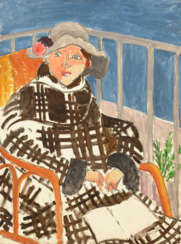

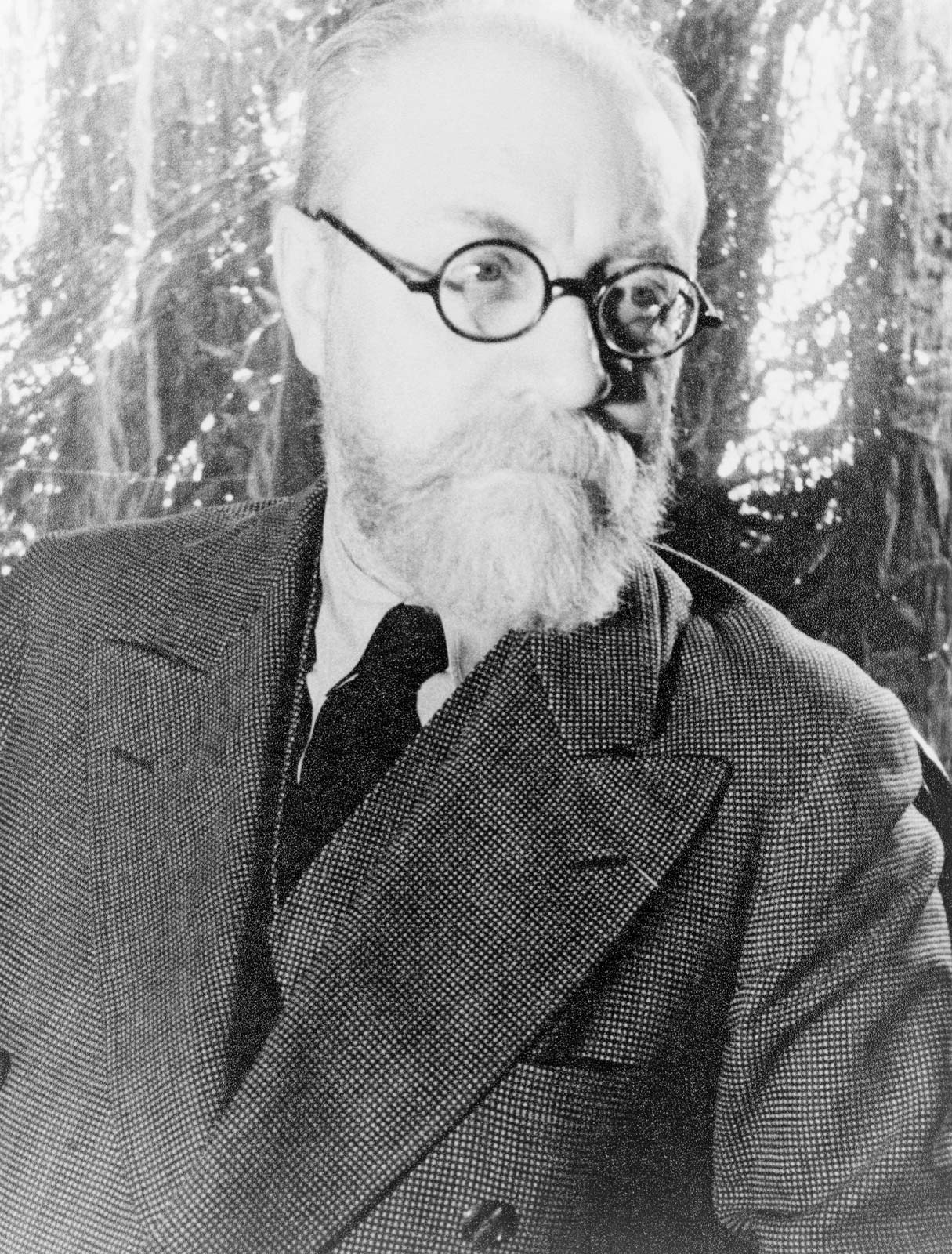
Henri Matisse, a renowned French visual artist, was celebrated for his vibrant use of color and fluid, original draughtsmanship. Born on December 31, 1869, in Le Cateau-Cambrésis, France, Matisse initially pursued a career in law before turning to art. He first began painting in 1889, a change inspired by convalescence art supplies his mother provided. This marked the beginning of a journey that would see him become a leading figure in modern art.
Matisse's career is notable for its stylistic evolution yet consistent aim to capture the "essential character of things." His early works, characterized by intense colorism, earned him recognition as one of the Fauves, or "wild beasts." The period from 1908 to 1913 was marked by significant developments, with works like "Reclining Odalisque" and "The Red Studio" showcasing his mastery in balance and serenity. In the 1920s, his style evolved to more relaxed forms, with a focus on light, color, and decorative patterns in paintings like his odalisque series.
Matisse's exploration of various mediums, including sculpture and paper collage, reflects his innovative spirit. His later years were dominated by cut paper collages, as health challenges limited his ability to paint. These works, alongside his bold drawings and sculptures, cemented his status as a pioneer in visual art.
For collectors and art experts, Matisse's work remains a testament to creative evolution and expressive use of color and form. His masterpieces can be found in prominent museums and galleries worldwide, continuing to inspire and fascinate art enthusiasts.
To stay updated on new product sales and auction events related to Henri Matisse's art, sign up for our updates. This subscription will keep you informed about opportunities to appreciate and acquire works connected to this iconic artist.

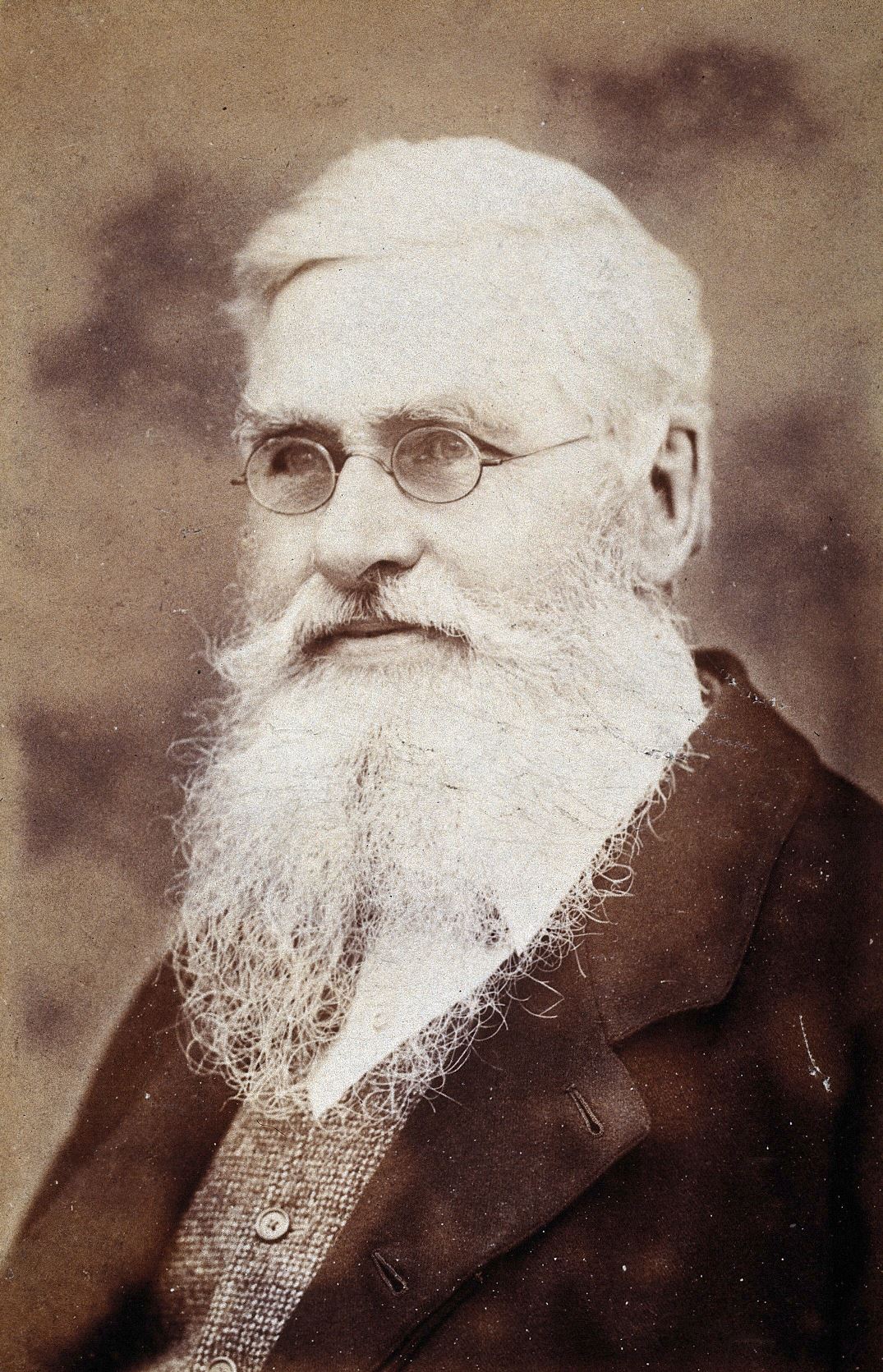


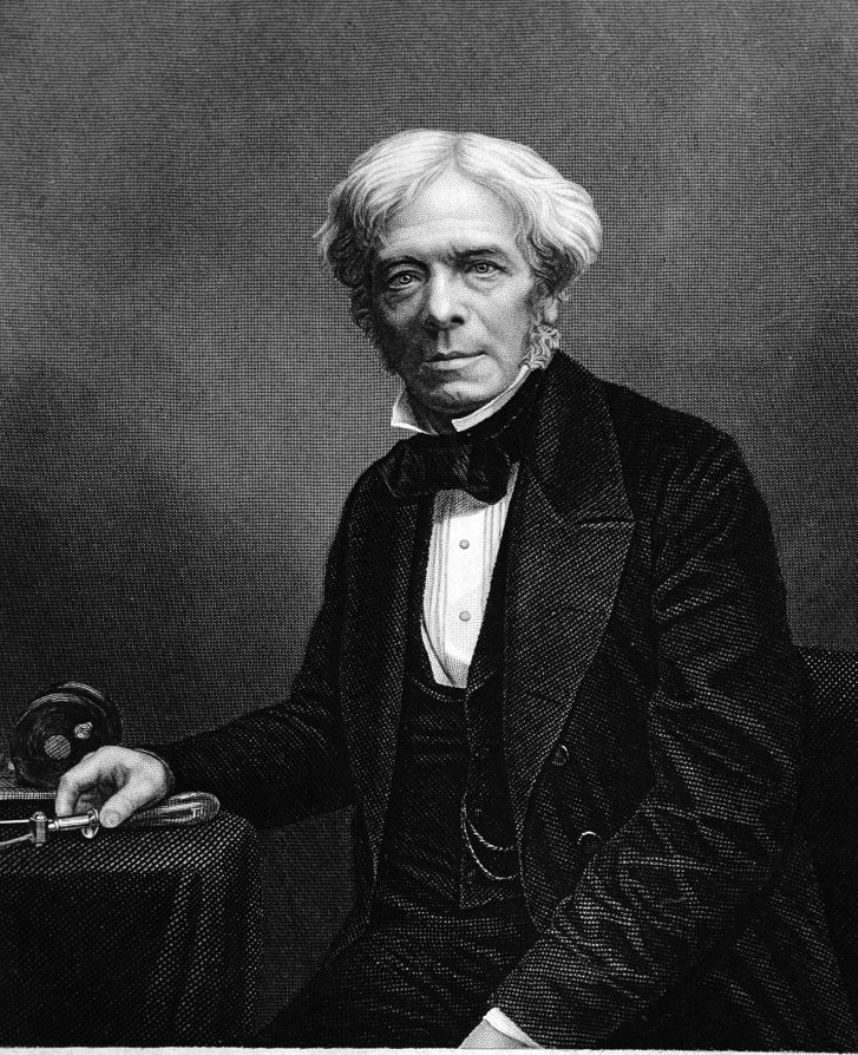
Michael Faraday was a British physicist and chemist, explorer and experimenter.
Faraday, because of his family's poverty, was unable to receive a formal education, but at the bookbinding shop in London where he worked, he read many books, including encyclopedias and textbooks on chemistry and physics. He persevered in self-education, attending hearings at the City Philosophical Society and later lectures by Sir Humphry Davy at the Royal Institution, who as a result took the able student on as an apprentice. In 1825 he replaced the seriously ill Davy in the management of the laboratory of the Royal Institution.
In 1833 Faraday was appointed to a research chair of chemistry created especially for him, where, among other achievements, the scientist liquefied various gases, including chlorine and carbon dioxide. His study of heating and lighting oils led to the discovery of benzene and other hydrocarbons, and he experimented extensively with various steel alloys and optical glasses. Faraday was an excellent experimentalist who presented his ideas in simple language. He is best known for his contributions to the understanding of electricity and electrochemistry. The concepts behind electromagnetic induction, diamagnetism, and electrolysis were some of his most important discoveries. His electromagnetic research formed the basis of the electromagnetic equations that James Clerk Maxwell developed in the 1850s and 1860s.
Between 1831 and 1855, Faraday read a series of 30 papers before the Royal Society, which were published in his three-volume Experimental Investigations in Electricity. His bibliography numbers some 500 printed articles. By 1844 he had been elected a member of some 70 scientific societies, including the St. Petersburg Academy of Sciences.