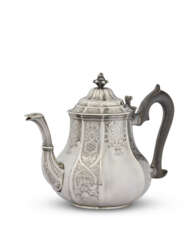
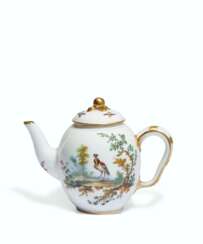
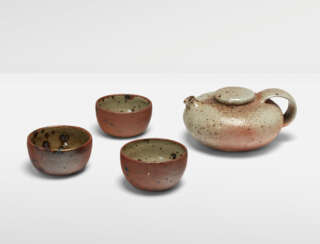
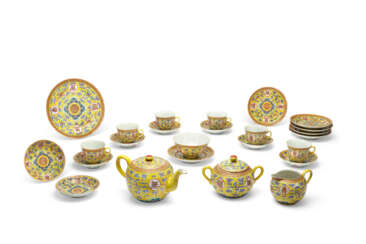
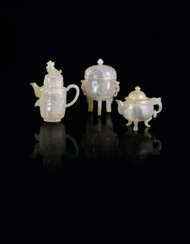
théière br









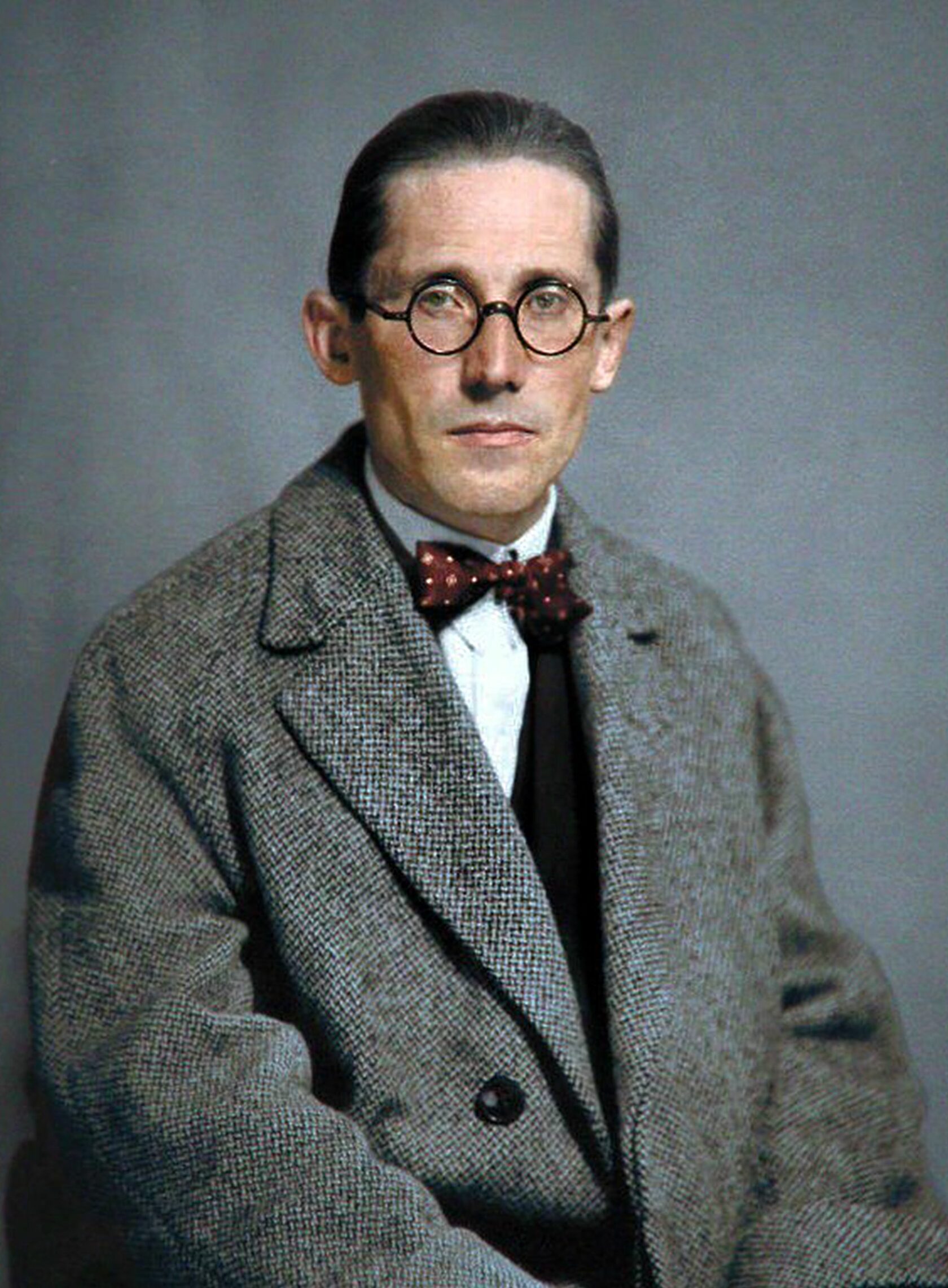
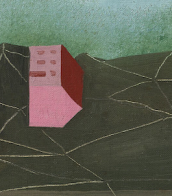
Le Corbusier, born Charles-Édouard Jeanneret in Switzerland, was a visionary French architect, designer, and writer who profoundly influenced modern architecture and urban planning. His innovative ideas blended functionalism with bold sculptural expressionism, embodying the essence of the International Style of architecture. Notably, Le Corbusier's designs, such as the Villa Savoye and the master plan for Chandigarh, India, are celebrated for their revolutionary approaches to living spaces and urban environments.
Le Corbusier's early life in La Chaux-de-Fonds, Switzerland, where he was immersed in the art and craft of watchmaking, significantly shaped his design principles. His architectural journey began without formal training, starting with his education in decorative arts and leading to significant collaborations across Europe. Le Corbusier's philosophy was deeply rooted in the belief that architecture should improve living conditions, particularly in crowded cities. This belief drove his contributions to the Congrès International d'Architecture Moderne and his development of influential architectural principles, such as the Five Points of Architecture, which are exemplified in Villa Savoye.
Villa Savoye, located in Poissy, France, stands as a testament to Le Corbusier's innovative approach, featuring pilotis (reinforced concrete stilts), a functional roof garden, an open floor plan, horizontal windows, and a free façade design. These elements collectively embody his vision of a "machine for living," integrating the house with its environment and the modern lifestyle. Despite facing issues with structural durability and weather resistance, Villa Savoye remains a pivotal work in architectural history, symbolizing the transition to modern architectural thought.
Le Corbusier's legacy is multifaceted, extending beyond architecture to furniture design and painting, showcasing his broad artistic talents. His work continues to inspire and provoke discussion, reflecting both his groundbreaking contributions to modern architecture and the complexities of his ideologies and methodologies.
If you are inspired by Le Corbusier's visionary approach to architecture and design, and wish to stay informed about related updates, consider signing up for our newsletter. This subscription will keep you in the loop about new product launches, sales, and auction events that are directly related to Le Corbusier's enduring legacy. Dive deeper into the world of architecture and design, and ensure you don't miss out on opportunities to engage with Le Corbusier's influential work. Sign up now to connect with the past, present, and future of architectural excellence.











Raoul Dufy, a renowned French artist, is celebrated for his vibrant and decorative style, which left a significant mark in the realms of Fauvism and Post-Impressionism. Born in 1877 in Le Havre, France, Dufy's artistic journey was profoundly influenced by Henri Matisse's Fauvist work "Luxe, Calme et Volupté," which he encountered at the Salon des Indépendants in 1905. This experience steered him towards Fauvism, a style that emphasized bold contours and bright colors.
Dufy's artistic evolution saw him briefly embrace Cubism around 1920, after which he developed a unique approach. This approach, often referred to as stenographic, was characterized by skeletal structures, foreshortened perspectives, and the use of thin, quickly applied washes of color. His works, known for their cheerful and fashionably decorative nature, often depicted scenes of leisure like yachting, the French Riviera, and chic parties, capturing the essence of the period's optimism.
In addition to his painting, Dufy was also a commercial artist, illustrator, and designer, contributing significantly to textile design and public murals. His large-scale public art commissions combined modern and allegorical subjects with exuberant outlines and intense colors, showcasing a modernist take on traditional mural work. Notable works by Dufy include "The Regatta," "The Harvester," and the monumental "The Electricity Fairy," a large mural commissioned for the 1937 World's Fair in Paris.
His works are housed in prestigious public collections worldwide, including the Art Institute of Chicago, the Musée d'Art Moderne de Paris, and the National Gallery of Art in Washington, D.C. Despite his artistic achievements, Dufy's focus on decorative art and the lack of engagement with wider social concerns has led to a varied critical reception of his work. Nonetheless, his contribution to 20th-century art, particularly in popularizing a vibrant and illustrative style, remains undisputed.
If Raoul Dufy's artistry captivates you and you wish to stay informed about the latest artworks, exhibitions, and auction events related to this remarkable artist, we invite you to sign up for our updates. By subscribing, you'll receive timely notifications about new pieces for sale and upcoming auctions. This is a wonderful opportunity for collectors and art enthusiasts to enhance their appreciation and possibly their collections of Dufy's work. Stay connected with the world of art and don't miss any chance to acquire unique pieces by this celebrated artist.





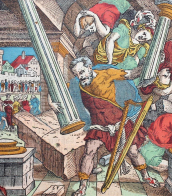
![BÈZE, Théodore de (1519-1605) - BUCHANAN George (1506-1582). Theodori Bezae Vezelii Poematum Editio secunda, ab eo recognita. Item ex. Georgio Buchanano aliisque variis insignibus poetis excerpta carmina, presertimq ; epigrammata. [Genève],](/assets/image/picture_1320852/7dfed/9a384ccf5c7851331a29429e7a28e2b21616454000jpg__fix_374_244.jpeg)
![BÈZE, Théodore de (1519-1605) - BUCHANAN George (1506-1582). Theodori Bezae Vezelii Poematum Editio secunda, ab eo recognita. Item ex. Georgio Buchanano aliisque variis insignibus poetis excerpta carmina, presertimq ; epigrammata. [Genève],](https://veryimportantlot.com/assets/image/picture_1320852/7dfed/9a384ccf5c7851331a29429e7a28e2b21616454000jpg__fix_374_244.jpeg)
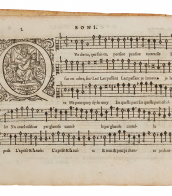
![[ANGUILBERT, Théobald ?].](/assets/image/picture_2735043/5cb45/95e4cd8f7090fb96f2b61e3c3a3026021679526000jpg__fix_374_244.jpeg)
![[ANGUILBERT, Théobald ?].](https://veryimportantlot.com/assets/image/picture_2735043/5cb45/95e4cd8f7090fb96f2b61e3c3a3026021679526000jpg__fix_374_244.jpeg)
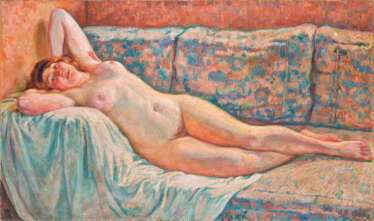

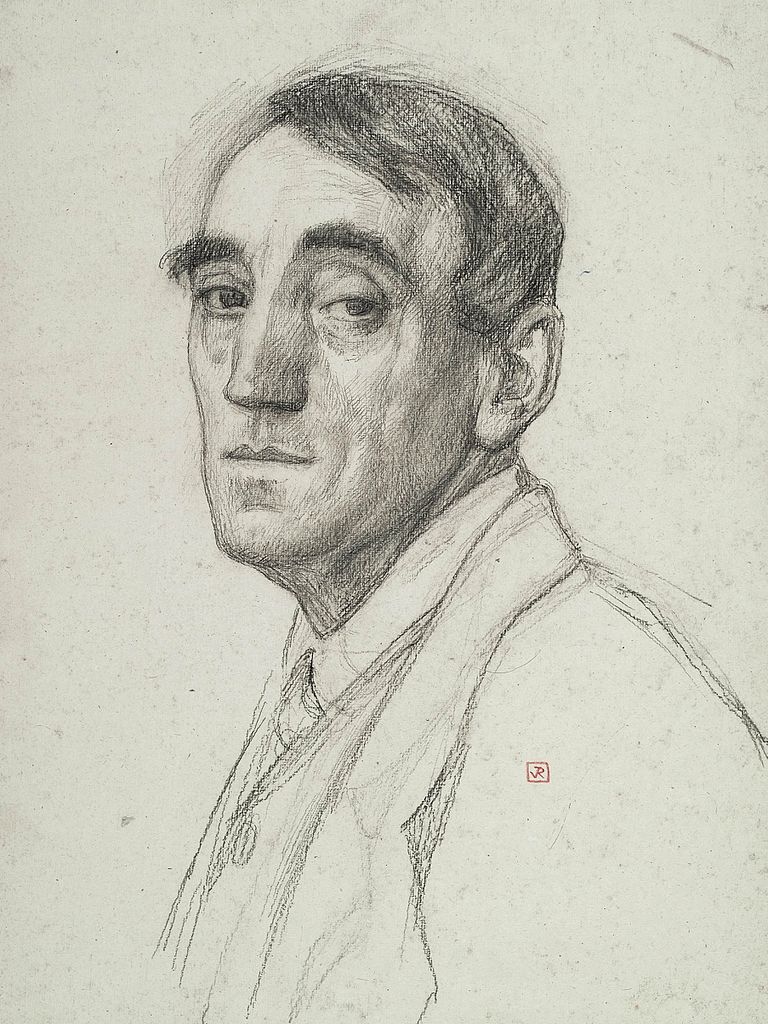
Théo van Rysselberghe, a prominent Belgian painter, was a key figure in the Neo-Impressionist movement, particularly known for his adoption of the pointillist technique. Born in Ghent, Belgium, in 1862, van Rysselberghe played a crucial role in the artistic circle Les XX, a group of avant-garde artists who sought to break away from traditional academic art norms. His early works displayed an Impressionist influence, which evolved significantly after he encountered Georges Seurat's pointillist masterpiece at an Impressionist exhibition in Paris in 1886.
Van Rysselberghe's career saw a significant shift after this encounter, as he embraced pointillism, a technique involving the application of small, distinct dots of color to form an image. His mastery in this style is evident in his landscapes and portraiture, where he employed vibrant colors and meticulous attention to light and detail. His work during this period is considered the pinnacle of his artistic achievements, showcasing his talent not only in landscapes but also in pointillist portraiture, a genre he significantly contributed to within the Neo-Impressionist movement.
Despite his success and contributions to pointillism, Théo van Rysselberghe eventually moved away from this technique around 1904, exploring other artistic expressions. Throughout his career, he remained an influential figure in the Belgian art scene, his works continuing to inspire and attract attention for their innovative approach and technical prowess.
For art collectors and enthusiasts, delving into Théo van Rysselberghe's oeuvre offers a fascinating glimpse into the evolution of Neo-Impressionism and pointillism, highlighting the artist's significant role in these movements. To stay updated on sales and auctions featuring van Rysselberghe's works, signing up for updates can provide exclusive insights into opportunities to acquire pieces by this remarkable artist.



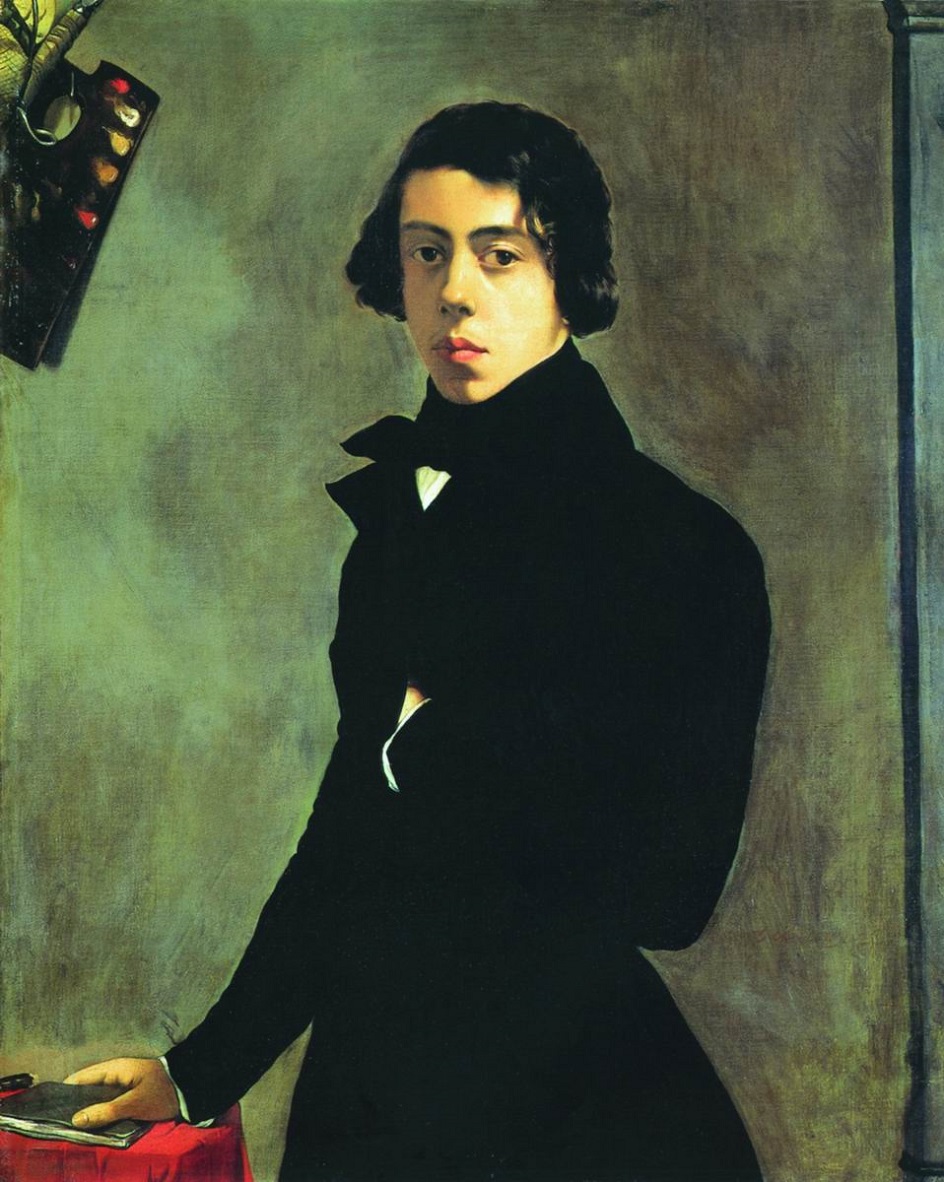
Théodore Chassériau was a Dominican-born French Romantic painter noted for his portraits, historical and religious paintings, allegorical murals, and Orientalist images inspired by his travels to Algeria. Early in his career he painted in a Neoclassical style close to that of his teacher Jean-Auguste-Dominique Ingres, but in his later works he was strongly influenced by the Romantic style of Eugène Delacroix. He was a prolific draftsman, and made a suite of prints to illustrate Shakespeare's Othello. The portrait he painted at the age of 15 of Prosper Marilhat, makes Théodore Chassériau the youngest painter exhibited at the Louvre museum.




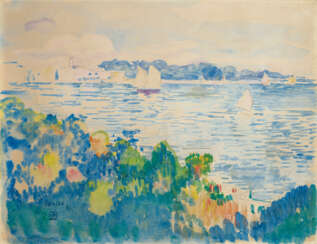

Théo van Rysselberghe, a prominent Belgian painter, was a key figure in the Neo-Impressionist movement, particularly known for his adoption of the pointillist technique. Born in Ghent, Belgium, in 1862, van Rysselberghe played a crucial role in the artistic circle Les XX, a group of avant-garde artists who sought to break away from traditional academic art norms. His early works displayed an Impressionist influence, which evolved significantly after he encountered Georges Seurat's pointillist masterpiece at an Impressionist exhibition in Paris in 1886.
Van Rysselberghe's career saw a significant shift after this encounter, as he embraced pointillism, a technique involving the application of small, distinct dots of color to form an image. His mastery in this style is evident in his landscapes and portraiture, where he employed vibrant colors and meticulous attention to light and detail. His work during this period is considered the pinnacle of his artistic achievements, showcasing his talent not only in landscapes but also in pointillist portraiture, a genre he significantly contributed to within the Neo-Impressionist movement.
Despite his success and contributions to pointillism, Théo van Rysselberghe eventually moved away from this technique around 1904, exploring other artistic expressions. Throughout his career, he remained an influential figure in the Belgian art scene, his works continuing to inspire and attract attention for their innovative approach and technical prowess.
For art collectors and enthusiasts, delving into Théo van Rysselberghe's oeuvre offers a fascinating glimpse into the evolution of Neo-Impressionism and pointillism, highlighting the artist's significant role in these movements. To stay updated on sales and auctions featuring van Rysselberghe's works, signing up for updates can provide exclusive insights into opportunities to acquire pieces by this remarkable artist.





.jfif)
Joseph Fernand Henri Léger was a French artist renowned for his innovative approach to Cubism and his transition towards a figurative, populist style. Born in Argentan, Orne, Lower Normandy, Léger's early career was marked by a stint as an architectural draftsman and a series of educational pursuits that eventually led him to Paris, where he embraced painting seriously. His artistic journey was significantly influenced by the bold abstractions of Cubism, characterized by geometric shapes and a vibrant palette, distinguishing his work from his contemporaries with what came to be known as "Tubism".
Léger's service in World War I profoundly impacted his artistic direction, leading him to adopt a 'mechanical' style that depicted the modern industrial world with sleek, tubular forms. This period saw creations like "Soldier with a Pipe" and "The Card Players," reflecting his war experiences and the mechanical aesthetics of the time. The post-war era encouraged Léger to explore the mechanical style further, evident in works like "The Bargeman" and "Mechanical Elements," highlighting the pace of technological advancement.
Throughout his career, Léger's work evolved, notably in the 1920s, where he aligned with Purist ideas, blending classicism with modernity. This phase is exemplified in "Woman with a Cat," showcasing a classical form with a modern, polished finish. By the 1930s, Léger's art took a more figurative, populist turn, aiming to democratize contemporary art and make it more accessible. His commitment to art education, especially for the common worker, underscored his belief in the social role of art.
For those intrigued by Joseph Fernand Henri Léger's groundbreaking contributions to modern art, his works can be found in prestigious museums worldwide. His legacy continues to inspire art collectors and enthusiasts alike. To stay updated on exhibitions and auction events featuring Léger's work, sign up for updates and embrace the unique opportunity to explore the richness of his artistic endeavors.