thür
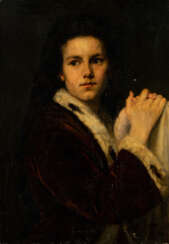

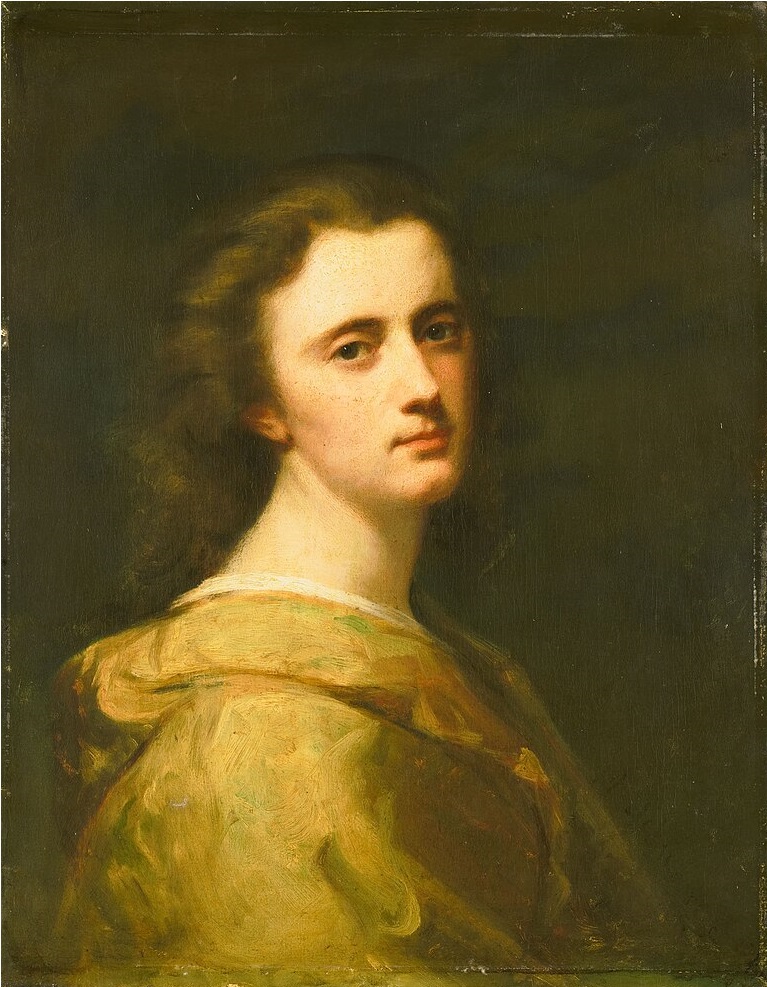
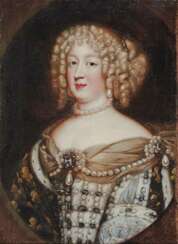
![[MARIE-THÉRÈSE D'AUTRICHE, REINE DE FRANCE (1638-1683)]](/assets/image/picture_2500914/a8a16/f5baebd00e8a272e64ac8e110fce3ccc1667984400jpg__fix_374_244.jpeg)
![[MARIE-THÉRÈSE D'AUTRICHE, REINE DE FRANCE (1638-1683)]](https://veryimportantlot.com/assets/image/picture_2500914/a8a16/f5baebd00e8a272e64ac8e110fce3ccc1667984400jpg__fix_374_244.jpeg)

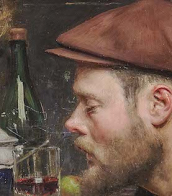








Micha Brendel is a German artist living and working in Hohendorf/Lower Lusatia.
Brendel started his career as an assistant artist, then studied at the Kunsthochschule Berlin-Weißensee and at the HfBK Dresden. He was one of the founders of the Auto-Perforations-Artisten association and editor of independent magazines for artists.
Brendel's early works centered on self-portraits and photographs of his own body, distorted with photographic techniques. He also made extensive use of organics, including animal bones and skin, in the creation of a wide variety of works. A common theme is self-destruction and alienation, shock and disgust. Brendel wrote detailed accounts of his creative process that became the basis for books.
Brendel's work, which often crosses boundaries, includes drawings, photographs, inscriptions, artist's books, taxidermy objects, installations and performances. He is currently intensifying his work with writing and nature and curating exhibition projects.

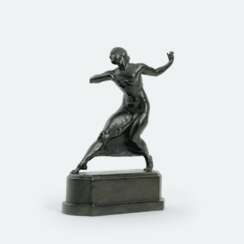

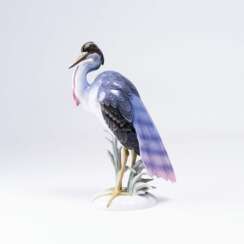
Ferdinand Liebermann was a German sculptor.
Liebermann studied sculpture at the School of Arts and Crafts and at the Academy in Munich with Heinrich Wadere. After additional studies in Rome and Paris, he opened his studio in Munich in 1910 and was awarded the Grand Austrian State Medal in gold for a small bronze the same year. In 1926 he became professor of monumental and portrait sculpture in Munich.
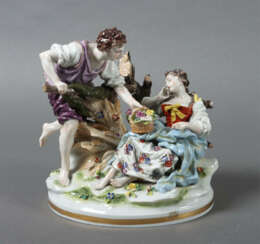
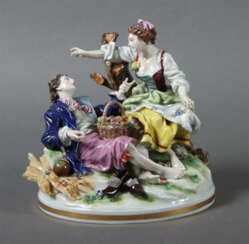
Ferdinand Liebermann's works include numerous sculptures of buildings, monuments and fountains, and he was also one of the most important figure designers for the Rosenthal manufactory.

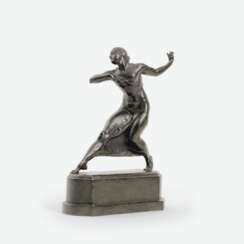

Ferdinand Liebermann was a German sculptor.
Liebermann studied sculpture at the School of Arts and Crafts and at the Academy in Munich with Heinrich Wadere. After additional studies in Rome and Paris, he opened his studio in Munich in 1910 and was awarded the Grand Austrian State Medal in gold for a small bronze the same year. In 1926 he became professor of monumental and portrait sculpture in Munich.
Ferdinand Liebermann's works include numerous sculptures of buildings, monuments and fountains, and he was also one of the most important figure designers for the Rosenthal manufactory.


Ferdinand Liebermann was a German sculptor.
Liebermann studied sculpture at the School of Arts and Crafts and at the Academy in Munich with Heinrich Wadere. After additional studies in Rome and Paris, he opened his studio in Munich in 1910 and was awarded the Grand Austrian State Medal in gold for a small bronze the same year. In 1926 he became professor of monumental and portrait sculpture in Munich.
Ferdinand Liebermann's works include numerous sculptures of buildings, monuments and fountains, and he was also one of the most important figure designers for the Rosenthal manufactory.





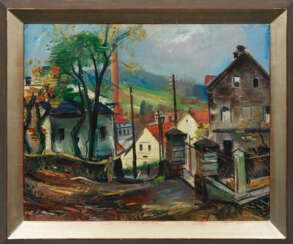




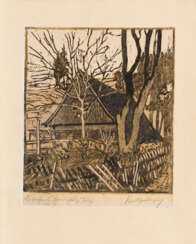
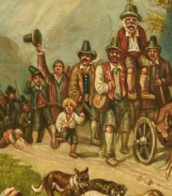
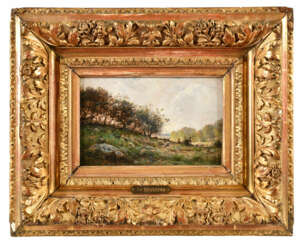
!["Thür.[inger] Landschaft"](/assets/image/picture_719990/06dca/vv-q0wbuivxobww0yxac3jexatwfdv-bbvwfkdj1zrk-bsr6wg4naiwz0blijc1582292328jpg__fix_374_244.jpeg)
!["Thür.[inger] Landschaft"](https://veryimportantlot.com/assets/image/picture_719990/06dca/vv-q0wbuivxobww0yxac3jexatwfdv-bbvwfkdj1zrk-bsr6wg4naiwz0blijc1582292328jpg__fix_374_244.jpeg)



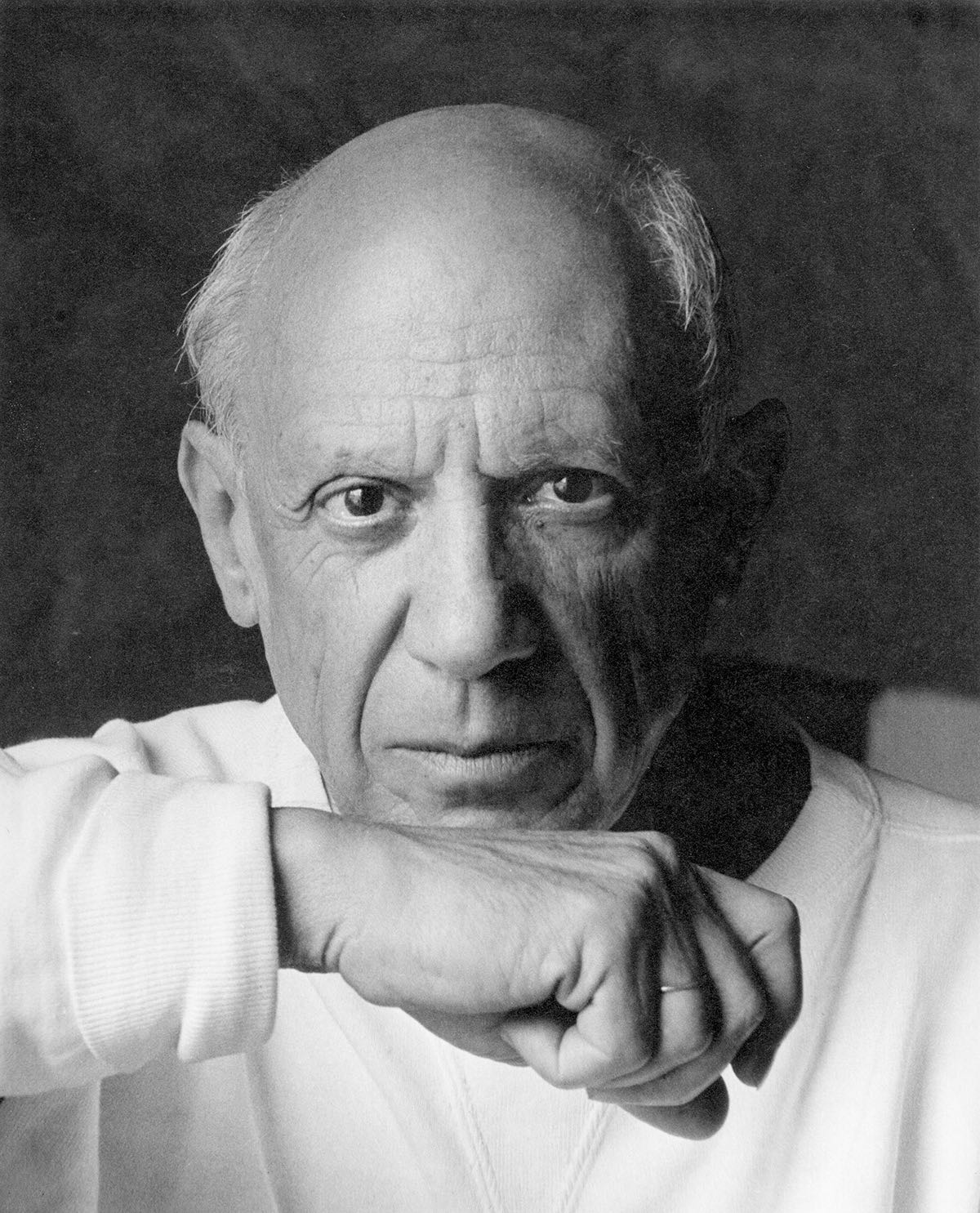
Pablo Ruiz Picasso, a Spanish artist renowned for his revolutionary contributions to the 20th-century art scene, is a figure that resonates profoundly with collectors and art experts. His unique blend of talents in painting, sculpture, printmaking, and ceramic art, infused with his time in France, positioned him as a pivotal character in modern art history.
Picasso's artistic journey was marked by distinct periods, each showcasing his evolving style and genius. His early years were characterized by the Blue Period (1901-1904), followed by the Rose Period (1904-1906), and then the African-influenced Period (1907-1909). Picasso's name is synonymous with Cubism, a movement he co-founded, which significantly altered artistic perspectives and methods. Works like "Les Demoiselles d'Avignon" (1907) and "Guernica" (1937) are emblematic of his cubist legacy, the latter being a poignant anti-war statement that remains influential.
His later years saw a return to more traditional styles, with neoclassical and surrealist influences becoming evident. Works from these phases reflect a deep engagement with mythological themes, as seen in "Faun with Stars" (1955), symbolizing his late-life romance with Jacqueline Roque, his second wife.
Picasso's prolific output and innovative spirit made him a legend in his own time, a status that only grew after his death. His works, housed in major museums and private collections worldwide, continue to captivate and inspire.
As a collector or expert in art and antiques, staying informed about Picasso's works, their auction events, and sales is essential. To stay updated on the latest developments and opportunities related to Pablo Picasso, sign up for our specialized updates. Rest assured, this subscription will focus solely on new product sales and auction events pertaining to Picasso's art, ensuring that you receive only the most relevant and valuable information.
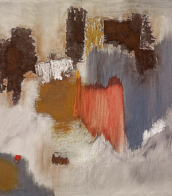


Pablo Ruiz Picasso, a Spanish artist renowned for his revolutionary contributions to the 20th-century art scene, is a figure that resonates profoundly with collectors and art experts. His unique blend of talents in painting, sculpture, printmaking, and ceramic art, infused with his time in France, positioned him as a pivotal character in modern art history.
Picasso's artistic journey was marked by distinct periods, each showcasing his evolving style and genius. His early years were characterized by the Blue Period (1901-1904), followed by the Rose Period (1904-1906), and then the African-influenced Period (1907-1909). Picasso's name is synonymous with Cubism, a movement he co-founded, which significantly altered artistic perspectives and methods. Works like "Les Demoiselles d'Avignon" (1907) and "Guernica" (1937) are emblematic of his cubist legacy, the latter being a poignant anti-war statement that remains influential.
His later years saw a return to more traditional styles, with neoclassical and surrealist influences becoming evident. Works from these phases reflect a deep engagement with mythological themes, as seen in "Faun with Stars" (1955), symbolizing his late-life romance with Jacqueline Roque, his second wife.
Picasso's prolific output and innovative spirit made him a legend in his own time, a status that only grew after his death. His works, housed in major museums and private collections worldwide, continue to captivate and inspire.
As a collector or expert in art and antiques, staying informed about Picasso's works, their auction events, and sales is essential. To stay updated on the latest developments and opportunities related to Pablo Picasso, sign up for our specialized updates. Rest assured, this subscription will focus solely on new product sales and auction events pertaining to Picasso's art, ensuring that you receive only the most relevant and valuable information.




.jpg)
Lawrence Alma-Tadema was a Dutch-British artist renowned for his detailed and romanticized portrayals of ancient civilizations, particularly Rome and Egypt. His meticulous attention to historical accuracy and the lavish representation of marble and luxurious settings distinguished his work. Notably, his fascination with ancient cultures was sparked by his honeymoon visit to Italy and Pompeii, influencing his artistic focus for decades.
Lawrence Alma-Tadema's early work, such as "The Education of the Children of Clovis," showcased his interest in historical subjects and established his reputation. This painting, alongside others like "The Sad Father," demonstrates his commitment to historical detail and narrative depth.
After moving to England due to the Franco-Prussian War and personal reasons, Lawrence Alma-Tadema's career flourished. His works, characterized by their bright palette and refined details, resonated with Victorian audiences, earning him considerable fame and financial success. He was knighted in 1899 and continued to be a pivotal figure in Victorian art, influencing peers and future generations alike.
Lawrence Alma-Tadema's legacy experienced a decline posthumously but saw a resurgence in the 1970s. Today, he is celebrated for his contributions to the Neoclassical and Victorian art movements, with his works featured in prominent collections worldwide, including the Getty Museum and the Tate Gallery.
If you are fascinated by Lawrence Alma-Tadema's artwork and wish to stay updated on sales and auction events related to his works, consider signing up for updates. This will ensure you remain informed about new opportunities to explore and possibly acquire pieces of his illustrious legacy.







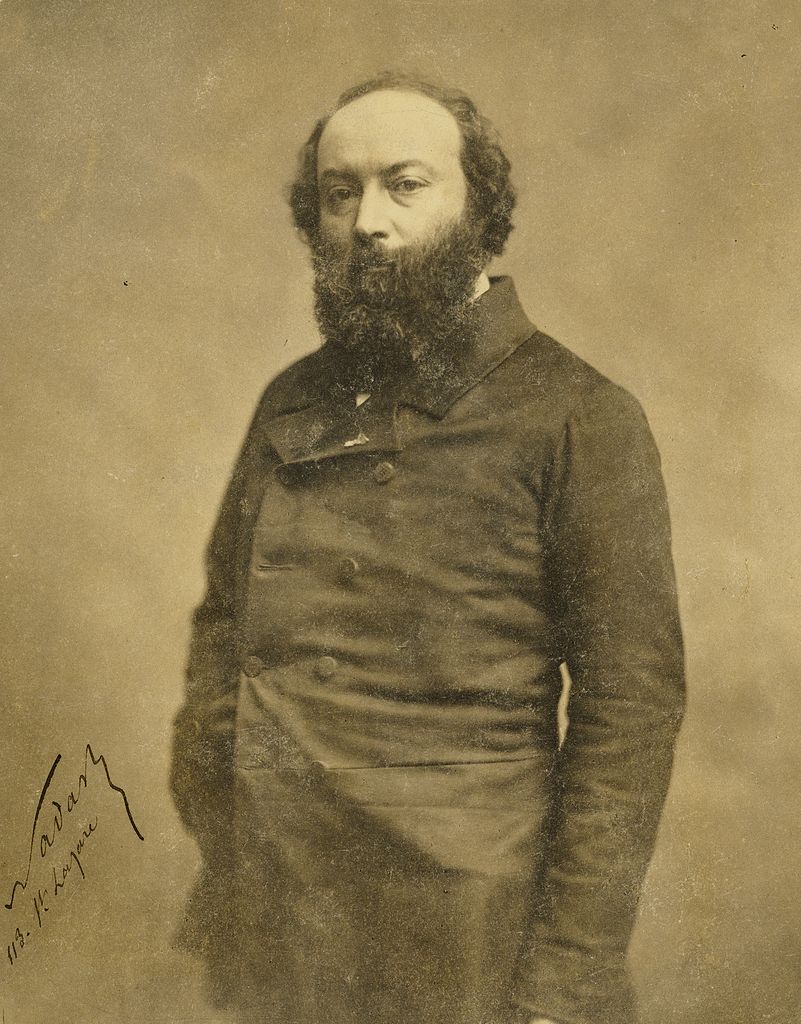
Théodore Rousseau was a prominent French painter, celebrated for his pioneering contributions to the Barbizon school of landscape art. His dedication to capturing nature's essence made him a pivotal figure in landscape painting's evolution. Rousseau's technique involved painting directly from nature, a method that infused his works with a profound sense of realism and vitality. This approach was notably evident in his masterpiece "An Avenue of Trees, Forest of l'Isle-Adam," where he meticulously captured a scene entirely outdoors, a testament to his commitment to authenticity and detail.
Théodore Rousseau's artistry wasn't confined to painting alone; his drawings, like the detailed "Study of an Oak Tree," demonstrate his versatility and deep connection with nature. His works received significant recognition, culminating in a triumphant display at the Universal Exposition of 1855. However, his life was not devoid of challenges. Personal tragedies and professional setbacks marked his later years, yet his resolve and dedication to art remained unshaken.
For art enthusiasts and collectors, Théodore Rousseau's works are pivotal, not just for their beauty but also for their role in the history of landscape painting. His pieces like "The Great Oaks of Old Bas-Bréau" are cherished in collections worldwide, serving as enduring symbols of his talent and his profound influence on subsequent art movements.
For those interested in the intersection of nature and art, subscribing to updates on Théodore Rousseau can provide invaluable insights into his life's work, his contributions to the Barbizon school, and his lasting impact on the world of art. Stay informed about new discoveries, sales, and auction events related to Rousseau's oeuvre to deepen your appreciation and understanding of this illustrious artist's legacy.


Théodore Rousseau was a prominent French painter, celebrated for his pioneering contributions to the Barbizon school of landscape art. His dedication to capturing nature's essence made him a pivotal figure in landscape painting's evolution. Rousseau's technique involved painting directly from nature, a method that infused his works with a profound sense of realism and vitality. This approach was notably evident in his masterpiece "An Avenue of Trees, Forest of l'Isle-Adam," where he meticulously captured a scene entirely outdoors, a testament to his commitment to authenticity and detail.
Théodore Rousseau's artistry wasn't confined to painting alone; his drawings, like the detailed "Study of an Oak Tree," demonstrate his versatility and deep connection with nature. His works received significant recognition, culminating in a triumphant display at the Universal Exposition of 1855. However, his life was not devoid of challenges. Personal tragedies and professional setbacks marked his later years, yet his resolve and dedication to art remained unshaken.
For art enthusiasts and collectors, Théodore Rousseau's works are pivotal, not just for their beauty but also for their role in the history of landscape painting. His pieces like "The Great Oaks of Old Bas-Bréau" are cherished in collections worldwide, serving as enduring symbols of his talent and his profound influence on subsequent art movements.
For those interested in the intersection of nature and art, subscribing to updates on Théodore Rousseau can provide invaluable insights into his life's work, his contributions to the Barbizon school, and his lasting impact on the world of art. Stay informed about new discoveries, sales, and auction events related to Rousseau's oeuvre to deepen your appreciation and understanding of this illustrious artist's legacy.


Théodore Rousseau was a prominent French painter, celebrated for his pioneering contributions to the Barbizon school of landscape art. His dedication to capturing nature's essence made him a pivotal figure in landscape painting's evolution. Rousseau's technique involved painting directly from nature, a method that infused his works with a profound sense of realism and vitality. This approach was notably evident in his masterpiece "An Avenue of Trees, Forest of l'Isle-Adam," where he meticulously captured a scene entirely outdoors, a testament to his commitment to authenticity and detail.
Théodore Rousseau's artistry wasn't confined to painting alone; his drawings, like the detailed "Study of an Oak Tree," demonstrate his versatility and deep connection with nature. His works received significant recognition, culminating in a triumphant display at the Universal Exposition of 1855. However, his life was not devoid of challenges. Personal tragedies and professional setbacks marked his later years, yet his resolve and dedication to art remained unshaken.
For art enthusiasts and collectors, Théodore Rousseau's works are pivotal, not just for their beauty but also for their role in the history of landscape painting. His pieces like "The Great Oaks of Old Bas-Bréau" are cherished in collections worldwide, serving as enduring symbols of his talent and his profound influence on subsequent art movements.
For those interested in the intersection of nature and art, subscribing to updates on Théodore Rousseau can provide invaluable insights into his life's work, his contributions to the Barbizon school, and his lasting impact on the world of art. Stay informed about new discoveries, sales, and auction events related to Rousseau's oeuvre to deepen your appreciation and understanding of this illustrious artist's legacy.
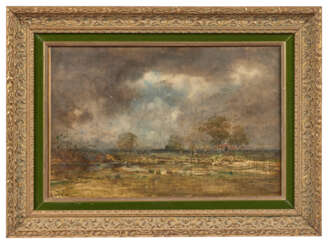

Théodore Rousseau was a prominent French painter, celebrated for his pioneering contributions to the Barbizon school of landscape art. His dedication to capturing nature's essence made him a pivotal figure in landscape painting's evolution. Rousseau's technique involved painting directly from nature, a method that infused his works with a profound sense of realism and vitality. This approach was notably evident in his masterpiece "An Avenue of Trees, Forest of l'Isle-Adam," where he meticulously captured a scene entirely outdoors, a testament to his commitment to authenticity and detail.
Théodore Rousseau's artistry wasn't confined to painting alone; his drawings, like the detailed "Study of an Oak Tree," demonstrate his versatility and deep connection with nature. His works received significant recognition, culminating in a triumphant display at the Universal Exposition of 1855. However, his life was not devoid of challenges. Personal tragedies and professional setbacks marked his later years, yet his resolve and dedication to art remained unshaken.
For art enthusiasts and collectors, Théodore Rousseau's works are pivotal, not just for their beauty but also for their role in the history of landscape painting. His pieces like "The Great Oaks of Old Bas-Bréau" are cherished in collections worldwide, serving as enduring symbols of his talent and his profound influence on subsequent art movements.
For those interested in the intersection of nature and art, subscribing to updates on Théodore Rousseau can provide invaluable insights into his life's work, his contributions to the Barbizon school, and his lasting impact on the world of art. Stay informed about new discoveries, sales, and auction events related to Rousseau's oeuvre to deepen your appreciation and understanding of this illustrious artist's legacy.
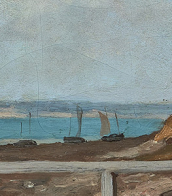
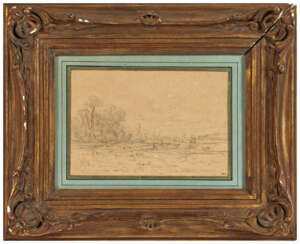

Théodore Rousseau was a prominent French painter, celebrated for his pioneering contributions to the Barbizon school of landscape art. His dedication to capturing nature's essence made him a pivotal figure in landscape painting's evolution. Rousseau's technique involved painting directly from nature, a method that infused his works with a profound sense of realism and vitality. This approach was notably evident in his masterpiece "An Avenue of Trees, Forest of l'Isle-Adam," where he meticulously captured a scene entirely outdoors, a testament to his commitment to authenticity and detail.
Théodore Rousseau's artistry wasn't confined to painting alone; his drawings, like the detailed "Study of an Oak Tree," demonstrate his versatility and deep connection with nature. His works received significant recognition, culminating in a triumphant display at the Universal Exposition of 1855. However, his life was not devoid of challenges. Personal tragedies and professional setbacks marked his later years, yet his resolve and dedication to art remained unshaken.
For art enthusiasts and collectors, Théodore Rousseau's works are pivotal, not just for their beauty but also for their role in the history of landscape painting. His pieces like "The Great Oaks of Old Bas-Bréau" are cherished in collections worldwide, serving as enduring symbols of his talent and his profound influence on subsequent art movements.
For those interested in the intersection of nature and art, subscribing to updates on Théodore Rousseau can provide invaluable insights into his life's work, his contributions to the Barbizon school, and his lasting impact on the world of art. Stay informed about new discoveries, sales, and auction events related to Rousseau's oeuvre to deepen your appreciation and understanding of this illustrious artist's legacy.