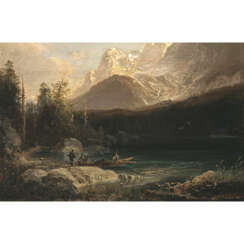
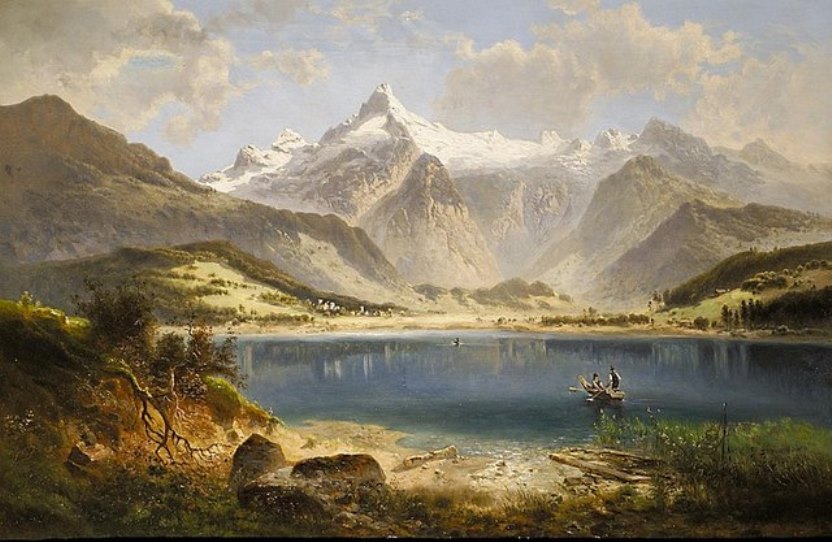
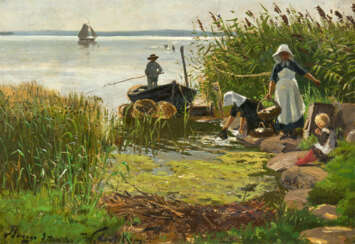
the lake





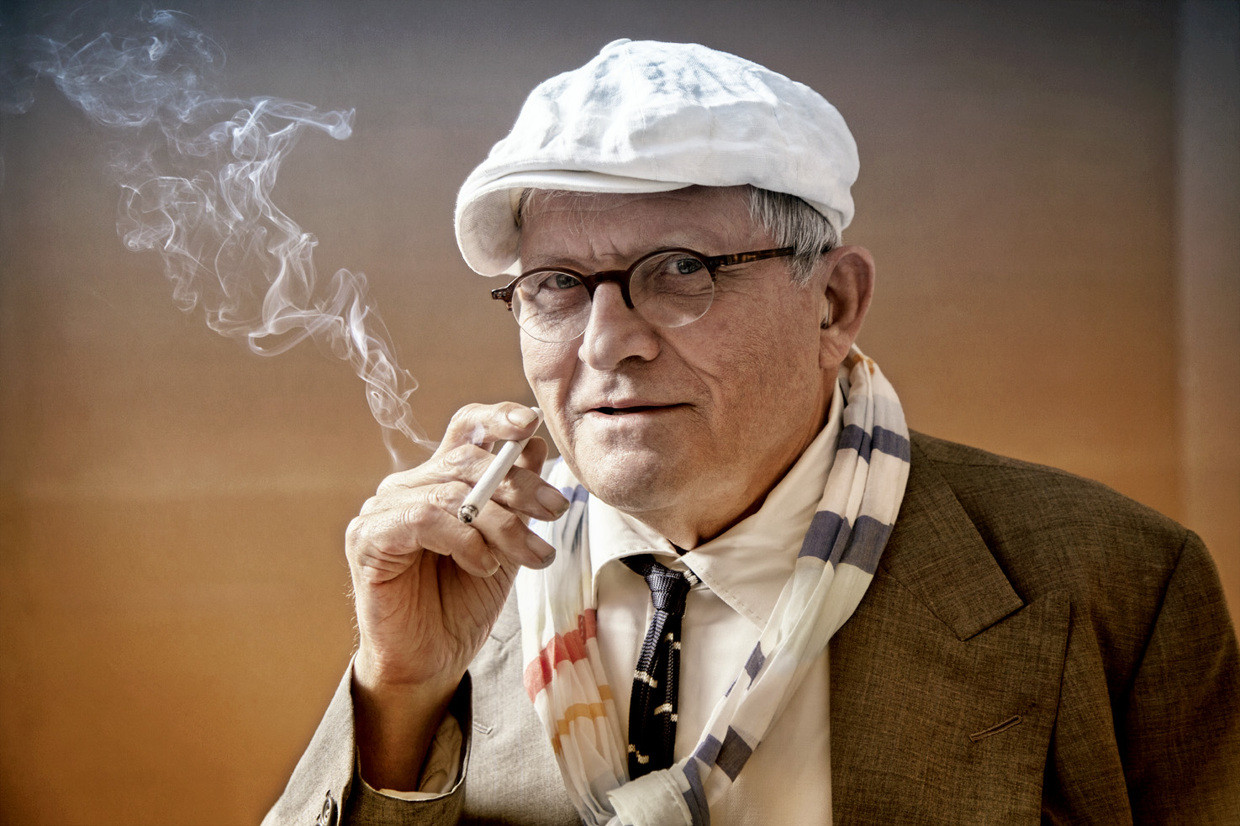
David Hockney, a British artist, has been a prominent figure in the art world for over six decades, renowned for his contributions to painting, drawing, printmaking, photography, and video art. His exploration of these mediums has made significant impacts on the Pop Art movement and beyond, making him one of the most influential artists of the 20th and 21st centuries. Hockney's work is celebrated for its vibrant color palette, emotional depth, and innovative use of technology in art.
One of Hockney's most distinctive features is his ability to blend traditional techniques with modern technology, notably in his iPad drawings and photographic collages. This fusion not only showcases his skillful adaptation to contemporary mediums but also highlights his ongoing quest to explore the nature of seeing and representation in art. Hockney's landscapes and portraits, characterized by their bright colors and meticulous detail, invite viewers to see the world through his unique perspective.
Significant works by Hockney, such as "A Bigger Splash" and "Portrait of an Artist (Pool with Two Figures)," are housed in major museums and galleries worldwide, attesting to his global influence and appeal. These pieces, among others, demonstrate Hockney's mastery over space, light, and narrative, securing his position as a pivotal figure in modern and contemporary art.
For collectors and experts in art and antiques, Hockney's oeuvre presents a fascinating study in the evolution of visual arts. His work not only offers insight into the artist's personal vision but also reflects broader cultural and technological shifts in society. As interest in Hockney's art continues to grow, keeping abreast of new sales and auction events becomes increasingly valuable.
To stay informed about the latest David Hockney sales and auction events, sign up for our updates. This subscription ensures that you receive timely notifications about new product sales and auction events related to David Hockney, offering unique opportunities for collectors and enthusiasts alike.





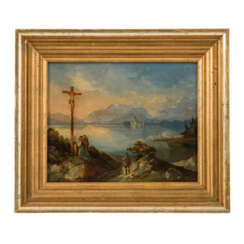



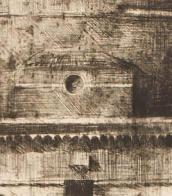
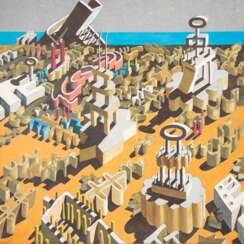






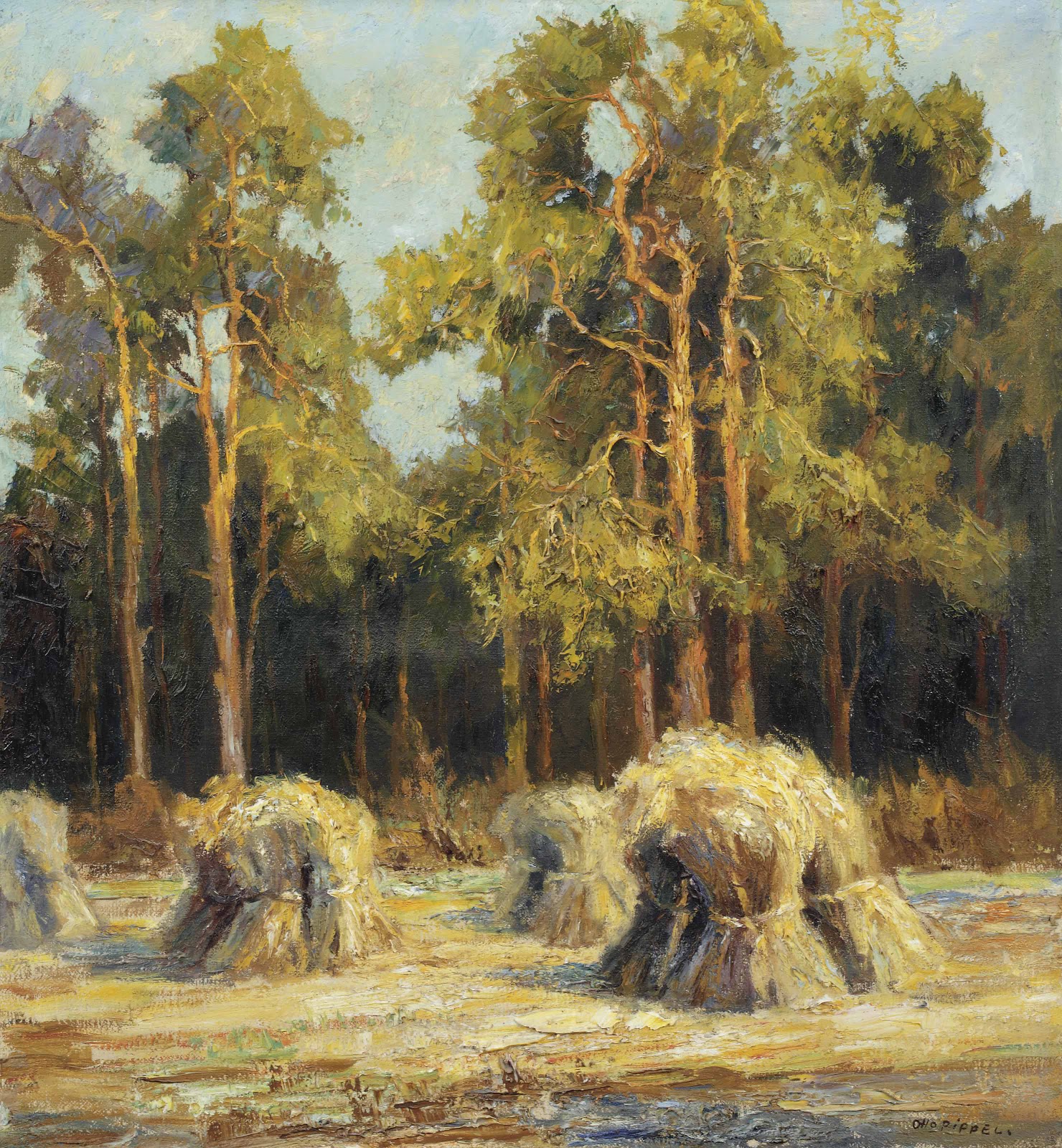
Otto Eduard Pippel was a German painter.
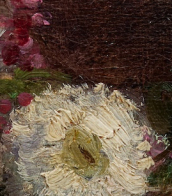


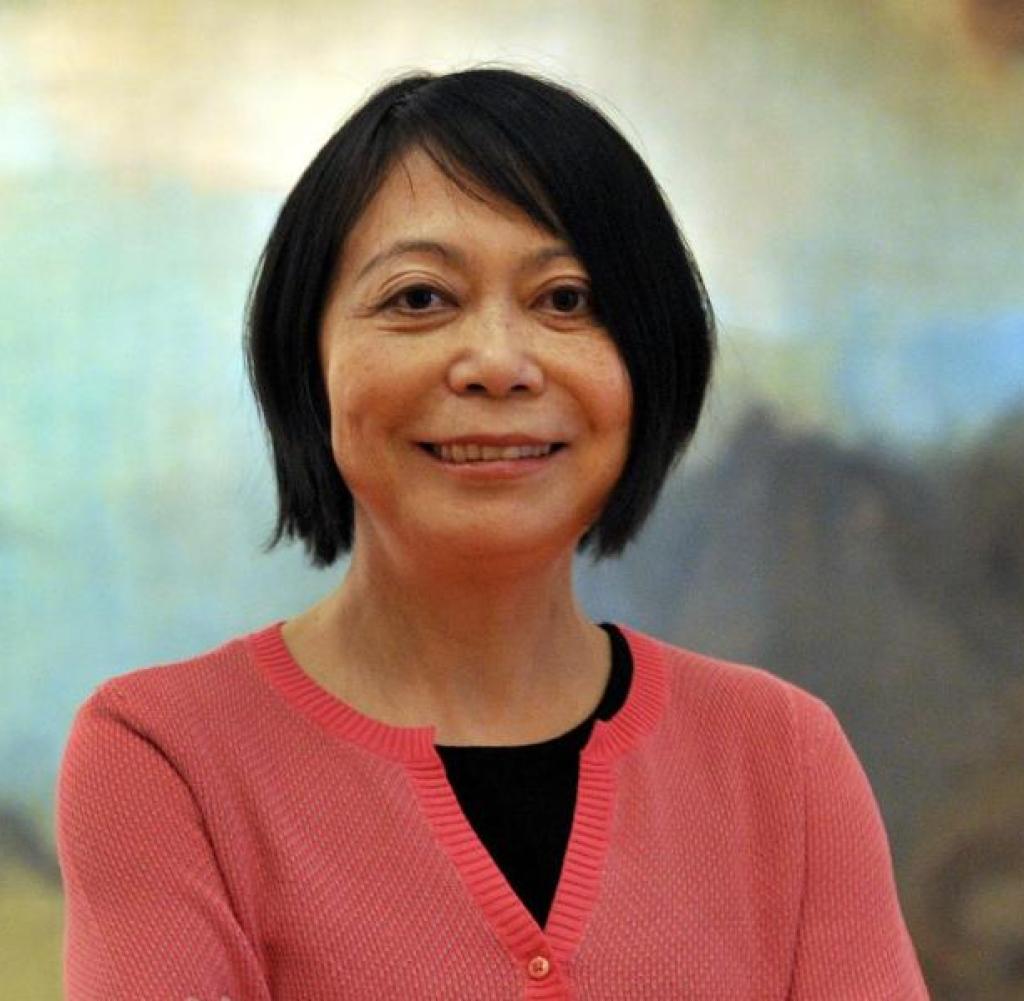
She studied art in Japan, Spain and Germany.
Leiko Ikemura's work encompasses painting, sculpture, video and photography. She works in a variety of techniques, including oil painting, ceramic and bronze sculpture, printmaking and watercolor. She currently works in Cologne and Berlin and teaches painting at the Hochschule für Kunst in Berlin.

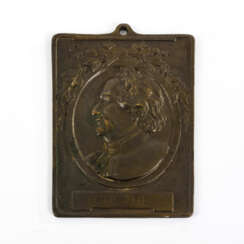



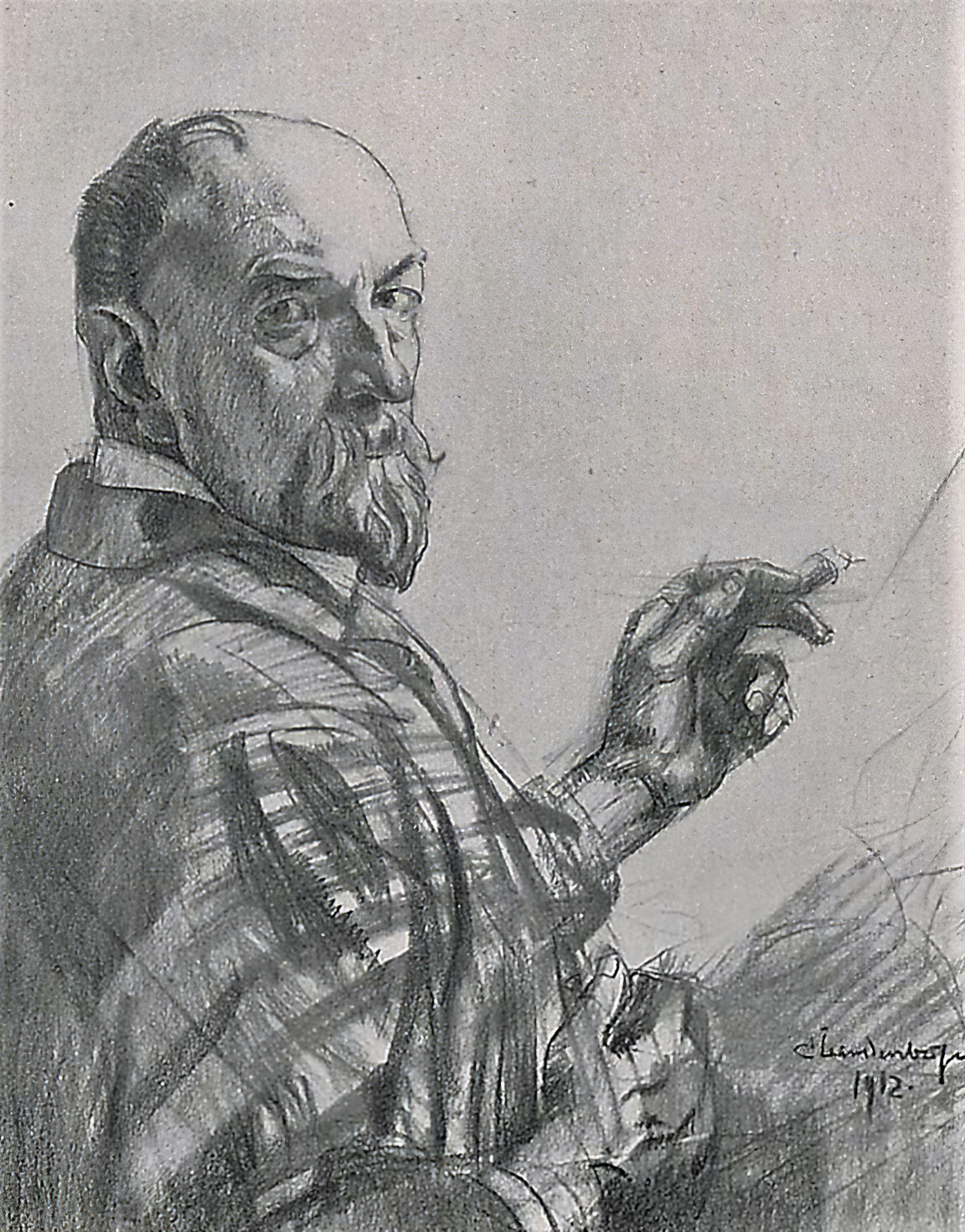
Christian Adam Landenberger was a German Impressionist painter and a professor at the State Academy of Fine Arts Stuttgart. He is especially known for his landscapes.
At first, he created realistic canvases using a dark palette. After 1890, he used brighter colors with lighting effects and broad brushstrokes. He is considered to have been one of the pioneers of German plein-air painting. After 1919, he began to produce etchings of a religious nature.

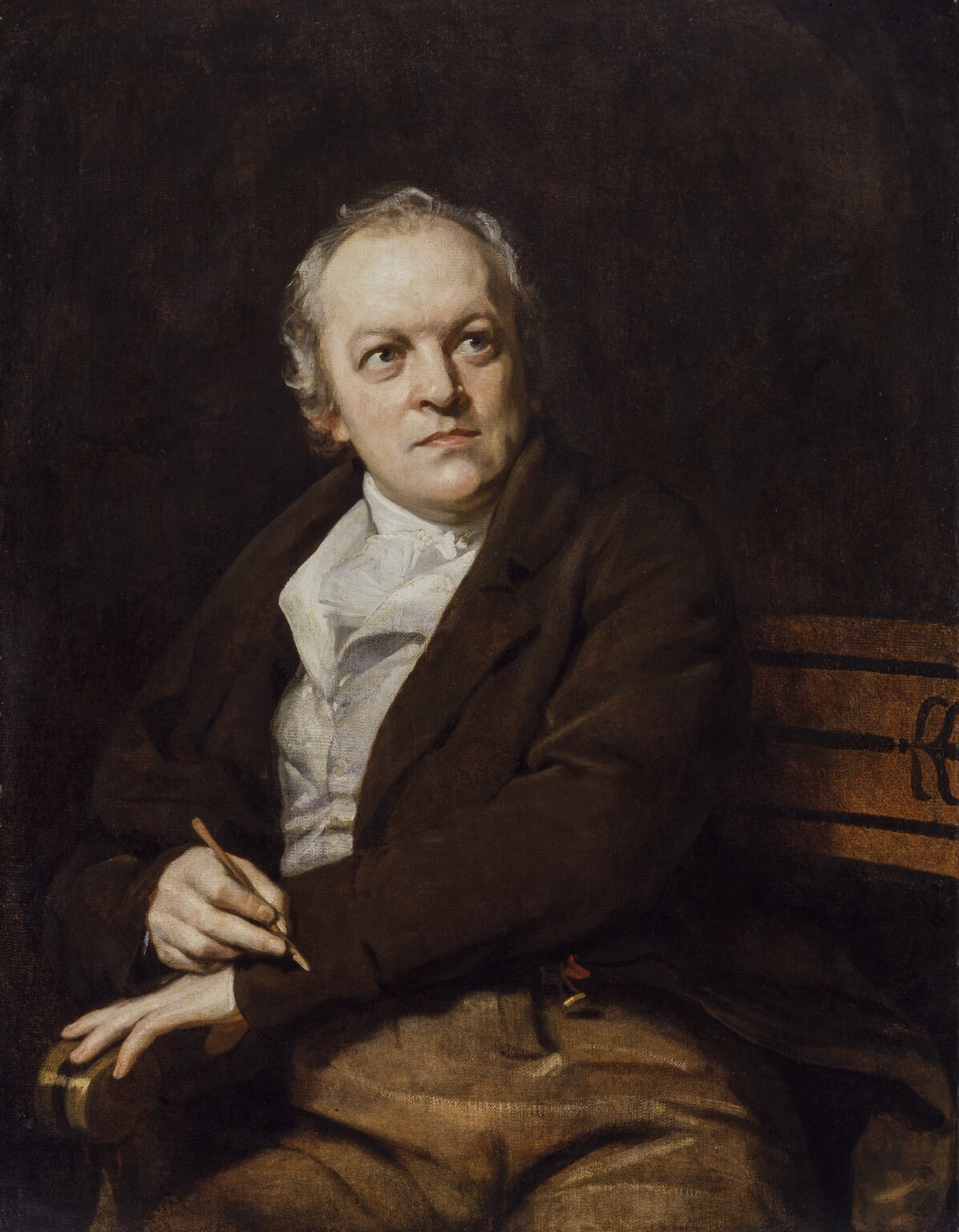
William Blake was an English poet, painter, and printmaker. Largely unrecognised during his life, Blake is now considered a seminal figure in the history of the poetry and visual art of the Romantic Age. What he called his "prophetic works" were said by 20th-century critic Northrop Frye to form "what is in proportion to its merits the least read body of poetry in the English language". His visual artistry led 21st-century critic Jonathan Jones to proclaim him "far and away the greatest artist Britain has ever produced". In 2002, Blake was placed at number 38 in the BBC's poll of the 100 Greatest Britons. While he lived in London his entire life, except for three years spent in Felpham, he produced a diverse and symbolically rich collection of works, which embraced the imagination as "the body of God" or "human existence itself".


William Blake was an English poet, painter, and printmaker. Largely unrecognised during his life, Blake is now considered a seminal figure in the history of the poetry and visual art of the Romantic Age. What he called his "prophetic works" were said by 20th-century critic Northrop Frye to form "what is in proportion to its merits the least read body of poetry in the English language". His visual artistry led 21st-century critic Jonathan Jones to proclaim him "far and away the greatest artist Britain has ever produced". In 2002, Blake was placed at number 38 in the BBC's poll of the 100 Greatest Britons. While he lived in London his entire life, except for three years spent in Felpham, he produced a diverse and symbolically rich collection of works, which embraced the imagination as "the body of God" or "human existence itself".
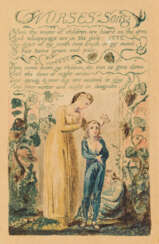

William Blake was an English poet, painter, and printmaker. Largely unrecognised during his life, Blake is now considered a seminal figure in the history of the poetry and visual art of the Romantic Age. What he called his "prophetic works" were said by 20th-century critic Northrop Frye to form "what is in proportion to its merits the least read body of poetry in the English language". His visual artistry led 21st-century critic Jonathan Jones to proclaim him "far and away the greatest artist Britain has ever produced". In 2002, Blake was placed at number 38 in the BBC's poll of the 100 Greatest Britons. While he lived in London his entire life, except for three years spent in Felpham, he produced a diverse and symbolically rich collection of works, which embraced the imagination as "the body of God" or "human existence itself".


William Blake was an English poet, painter, and printmaker. Largely unrecognised during his life, Blake is now considered a seminal figure in the history of the poetry and visual art of the Romantic Age. What he called his "prophetic works" were said by 20th-century critic Northrop Frye to form "what is in proportion to its merits the least read body of poetry in the English language". His visual artistry led 21st-century critic Jonathan Jones to proclaim him "far and away the greatest artist Britain has ever produced". In 2002, Blake was placed at number 38 in the BBC's poll of the 100 Greatest Britons. While he lived in London his entire life, except for three years spent in Felpham, he produced a diverse and symbolically rich collection of works, which embraced the imagination as "the body of God" or "human existence itself".
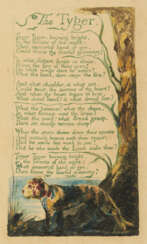

William Blake was an English poet, painter, and printmaker. Largely unrecognised during his life, Blake is now considered a seminal figure in the history of the poetry and visual art of the Romantic Age. What he called his "prophetic works" were said by 20th-century critic Northrop Frye to form "what is in proportion to its merits the least read body of poetry in the English language". His visual artistry led 21st-century critic Jonathan Jones to proclaim him "far and away the greatest artist Britain has ever produced". In 2002, Blake was placed at number 38 in the BBC's poll of the 100 Greatest Britons. While he lived in London his entire life, except for three years spent in Felpham, he produced a diverse and symbolically rich collection of works, which embraced the imagination as "the body of God" or "human existence itself".




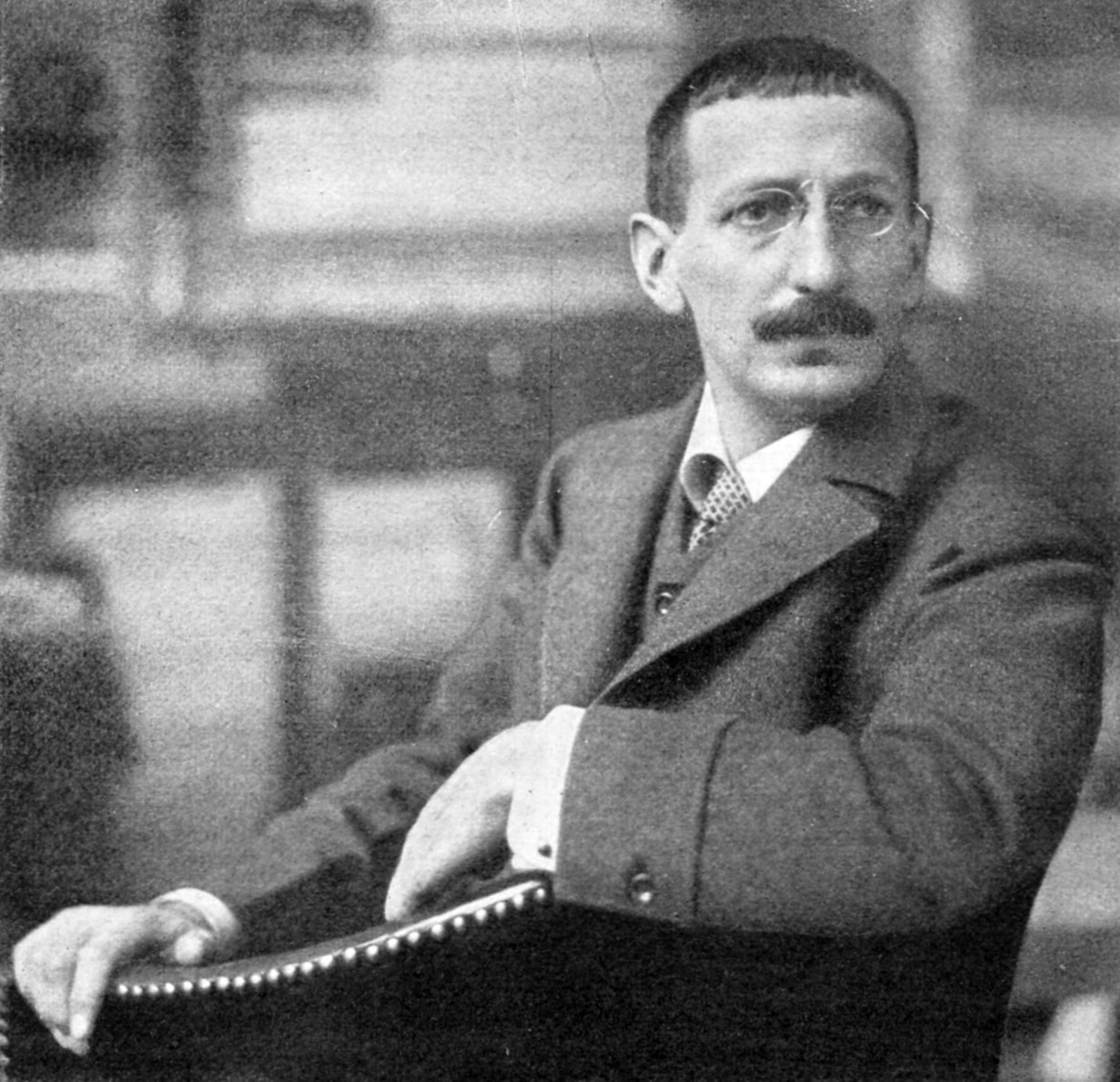
Walter Leistikow was a German painter of the late nineteenth and early twentieth centuries. He is known as a landscape painter, graphic artist, designer and art historian, a representative of the Jugendstil.
Early in his career Leistikow was one of the founders of the art group "Association of Eleven", which advocated modern art, rejecting academism. His landscapes, inspired by the Barbizon School, evolved toward simplification, sometimes with Art Nouveau influences. The artist sought to stylize landscapes, eschewing excessive detail in favor of silhouettes and blurred lines.
He also designed furniture, carpets and wallpaper, and in 1902 created trading cards for the Stollwerck chocolate company.