the stem company




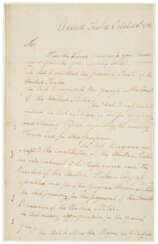

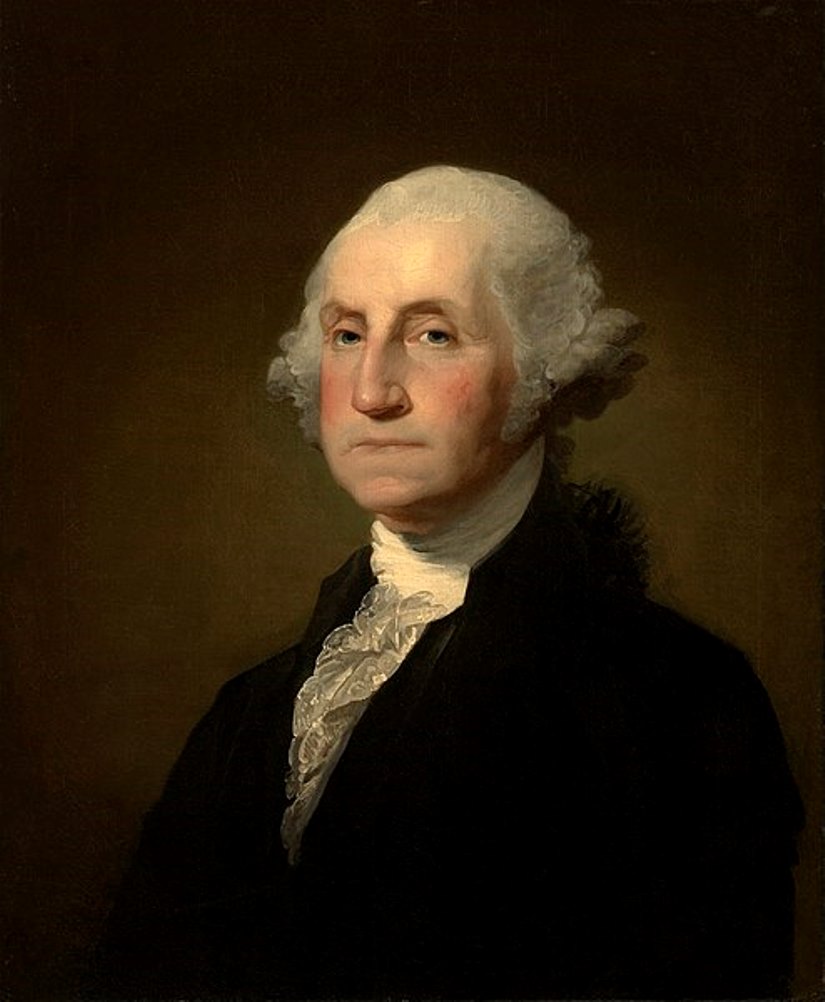
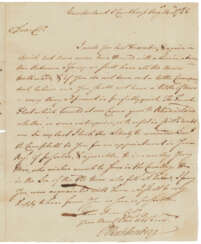
George Washington is the first popularly elected president of the United States of America and one of the founding fathers of the United States.
Born into a noble family in colonial Virginia in February 1732, George Washington served as a Virginian officer with British troops during the French-Indian War (1754-1763) from 1754-1758. This was a territorial war fought largely between the colonies of Britain and France that escalated into a worldwide conflict between the two countries. J. Washington was at the center of the conflicts in the disputed Ohio River Valley area.
In June 1775, he was elected commander-in-chief of the Continental forces in the war already for independence from Great Britain. He commanded American troops throughout the war, becoming famous for his perseverance and bravery.
In 1787, J. Washington represented the state of Virginia as a delegate to the Constitutional Convention. This convention created the Constitution of the United States. In 1789, the Electoral College unanimously elected George Washington president, and in 1792 he was re-elected for a second term. Thus George Washington was in office as President of the United States from April 30, 1789 to March 4, 1797.
As head of state, he helped to strengthen the Union, implement the principles of the Constitution and build the capital of the United States. He was engaged in the formation of the central authorities and system of government, created precedents for the institution of presidents, encouraged the development of the economy, maintained friendly relations with Congress. In foreign policy Washington avoided interference in the affairs of European states.
After leaving the post of president, George Washington lived in Mount Vernon Manor.
![[Matthew Flinders (1774-1814)]](/assets/image/picture_4361342/e1985/1a5a6350e3df1a0e6541a9cedbd040ea1733871600jpg__fix_374_244.jpeg)
![[Matthew Flinders (1774-1814)]](https://veryimportantlot.com/assets/image/picture_4361342/e1985/1a5a6350e3df1a0e6541a9cedbd040ea1733871600jpg__fix_374_244.jpeg)
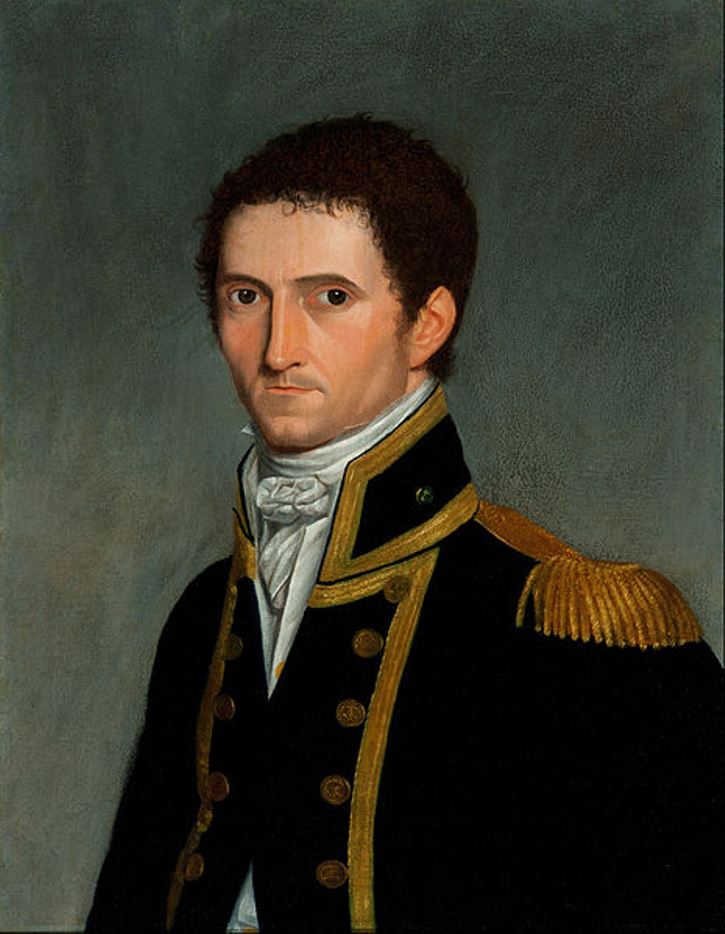























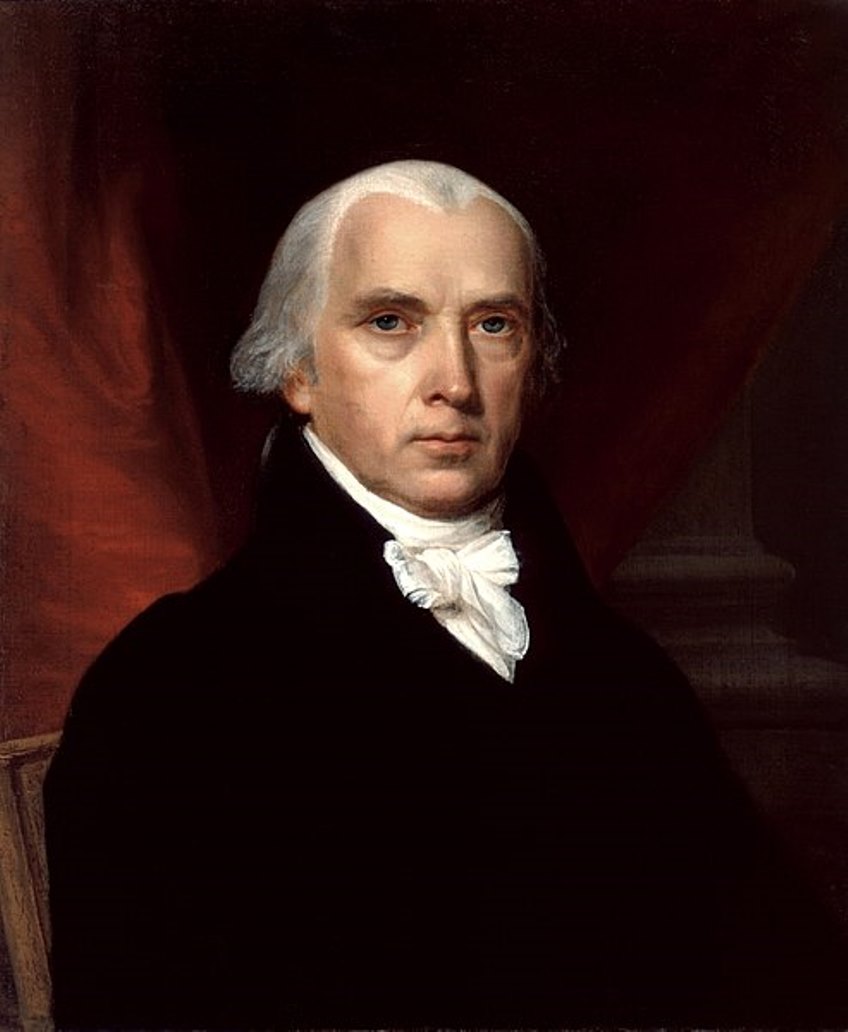
James Madison was an American politician and statesman, the fourth President of the United States (1809-1817).
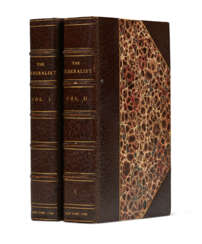
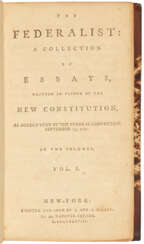
Madison attended Princeton and studied history, government, and law. He participated in the drafting of the Virginia Constitution in 1776, and in 1780 was chosen to represent Virginia in the Continental Congress (1780-83 and 1786-88). James Madison contributed greatly to the ratification of the Constitution, writing, with Alexander Hamilton and John Jay, The Federalist (1788). He was later called the "father of the Constitution."
In 1792, Madison and Thomas Jefferson (1743-1826) founded the Democratic-Republican Party, which has been called America's first opposition political party. When Jefferson became the third president of the United States, Madison served as his secretary of state. In Congress, he was involved in drafting the Bill of Rights and passing the first revenue legislation. As Secretary of State to President Jefferson (1801-1809), Madison protested to warring France and Great Britain that their seizure of American ships was contrary to international law.
Madison was elected president in 1808, succeeding Jefferson. Continued British interference in shipping, as well as other grievances, led to the War of 1812. During Madison's second term as president, the war was still ongoing, and he and his wife were even forced to flee in the face of advancing British troops who set Washington, D.C. on fire. Despite this, in 1815, the United States declared its victory in the war.
After the end of his second term, Madison remained active in public affairs. He edited his Journal of the Constitutional Convention, was co-chairman of the Virginia Constitutional Convention from 1829-1830, and chancellor of the University of Virginia from 1826-36. He was also Monroe's foreign policy advisor. Although Madison was a slave owner all his life, in the last years of his life he was active in the American Colonization Society, whose mission was to resettle slaves in Africa. James Madison died at the age of 85 in 1836.
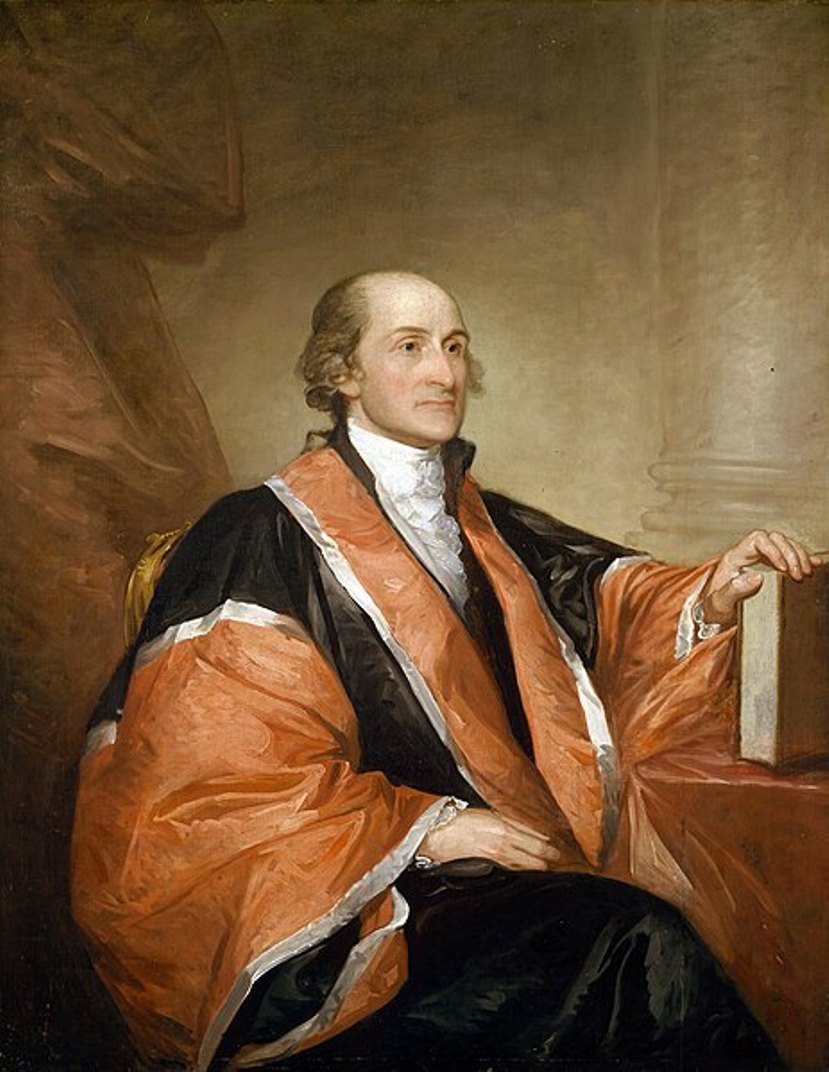
John Jay was an American lawyer and diplomat, statesman, and one of the founding fathers of the United States.
Jay came from French Huguenots, after graduating from King's College (now Columbia University) he entered law school and was admitted to the bar in 1768. After the outbreak of hostilities in the spring of 1775, Jay continued to serve both in New York and in the Continental Congress, which elected him president in late 1778.
In the fall of 1779 he was appointed minister plenipotentiary to Spain, which had recently entered into an alliance with France against England. In May 1782 he traveled to Paris, where a treaty was concluded that formally ended the war with Great Britain in 1783. Before returning to America in July 1784, Jay was appointed secretary of foreign affairs.
In 1788, Jay actively advocated for the ratification of the U.S. Constitution by the state of New York. Together with future President James Madison and economist Alexander Hamilton, he participated in the creation of the famous book The Federalist (1788). Under the new Constitution, President Washington appointed John Jay Chief Justice of the United States in 1789, and in July 1795 he became Governor of New York. After completing his second term as governor in June 1801. Jay retired to his farm in Bedford, New York.






James Madison was an American politician and statesman, the fourth President of the United States (1809-1817).
Madison attended Princeton and studied history, government, and law. He participated in the drafting of the Virginia Constitution in 1776, and in 1780 was chosen to represent Virginia in the Continental Congress (1780-83 and 1786-88). James Madison contributed greatly to the ratification of the Constitution, writing, with Alexander Hamilton and John Jay, The Federalist (1788). He was later called the "father of the Constitution."
In 1792, Madison and Thomas Jefferson (1743-1826) founded the Democratic-Republican Party, which has been called America's first opposition political party. When Jefferson became the third president of the United States, Madison served as his secretary of state. In Congress, he was involved in drafting the Bill of Rights and passing the first revenue legislation. As Secretary of State to President Jefferson (1801-1809), Madison protested to warring France and Great Britain that their seizure of American ships was contrary to international law.
Madison was elected president in 1808, succeeding Jefferson. Continued British interference in shipping, as well as other grievances, led to the War of 1812. During Madison's second term as president, the war was still ongoing, and he and his wife were even forced to flee in the face of advancing British troops who set Washington, D.C. on fire. Despite this, in 1815, the United States declared its victory in the war.
After the end of his second term, Madison remained active in public affairs. He edited his Journal of the Constitutional Convention, was co-chairman of the Virginia Constitutional Convention from 1829-1830, and chancellor of the University of Virginia from 1826-36. He was also Monroe's foreign policy advisor. Although Madison was a slave owner all his life, in the last years of his life he was active in the American Colonization Society, whose mission was to resettle slaves in Africa. James Madison died at the age of 85 in 1836.
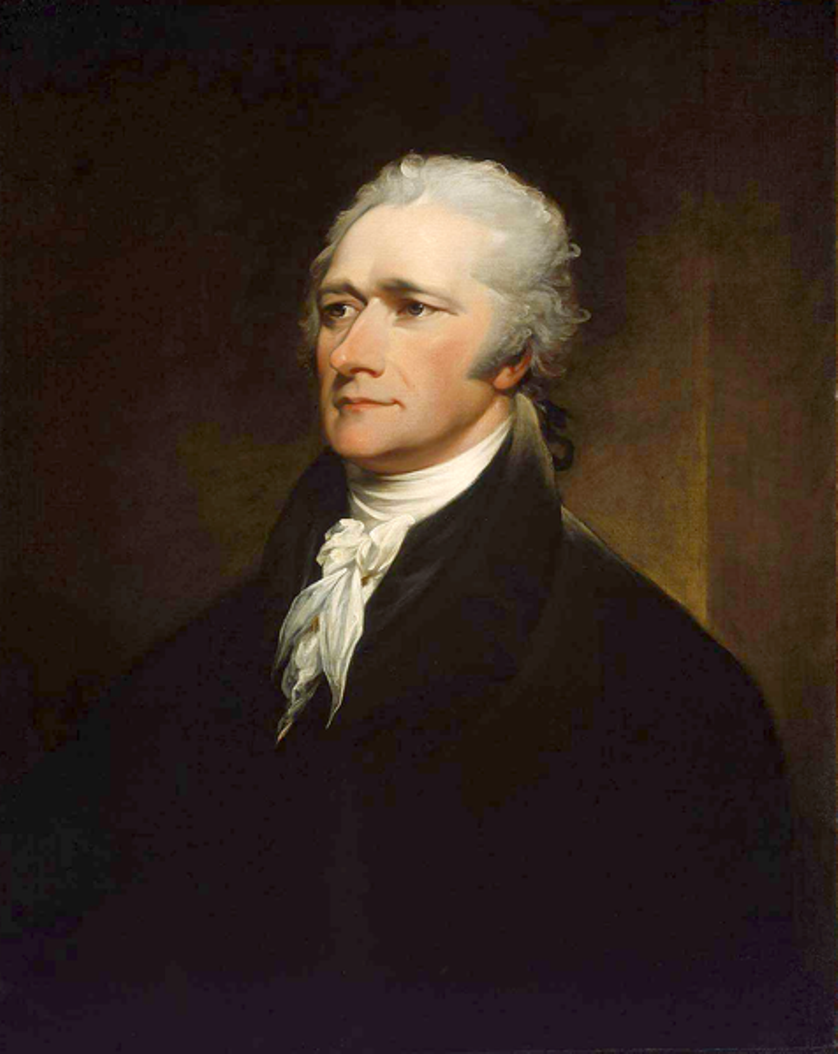
Alexander Hamilton was an American politician and statesman, the founder of the American financial system.
A native of Great Britain, Hamilton arrived in continental America in late 1772 and enrolled at King's College in New York. He became captain of an artillery company in 1776 and fought in the battles of Kips Bay, White Plains, Trenton, and Princeton during the American War of Independence. For four years he served on George Washington's staff as adjutant with the rank of lieutenant colonel. And in 1782, Hamilton was chosen by New York as a delegate to the Confederate Congress.
Alexander Hamilton was also one of New York's delegates to the Constitutional Convention in Philadelphia in 1787. He was a passionate advocate of the Constitution and, along with future President James Madison and John Jay, contributed to the famous book The Federalist (1788), writing most of the essays for it. After George Washington was elected the nation's first president in 1789, he appointed Hamilton Secretary of the Treasury. As the first Secretary of the Treasury (1789-1795), Hamilton developed plans to finance the national debt, secure federal credit, encourage the expansion of manufacturing, and organize a federal bank. In 1801, Hamilton founded the New York Evening Post newspaper.
On July 11, 1804, Hamilton was mortally wounded in a duel with his personal and political rival, Vice President Aaron Burr. Today, Alexander Hamilton is revered as one of the founding fathers of the United States, he is known for his role in creating America's financial system, and his portrait is on the ten dollar bill.
John Jay was an American lawyer and diplomat, statesman, and one of the founding fathers of the United States.
Jay came from French Huguenots, after graduating from King's College (now Columbia University) he entered law school and was admitted to the bar in 1768. After the outbreak of hostilities in the spring of 1775, Jay continued to serve both in New York and in the Continental Congress, which elected him president in late 1778.
In the fall of 1779 he was appointed minister plenipotentiary to Spain, which had recently entered into an alliance with France against England. In May 1782 he traveled to Paris, where a treaty was concluded that formally ended the war with Great Britain in 1783. Before returning to America in July 1784, Jay was appointed secretary of foreign affairs.
In 1788, Jay actively advocated for the ratification of the U.S. Constitution by the state of New York. Together with future President James Madison and economist Alexander Hamilton, he participated in the creation of the famous book The Federalist (1788). Under the new Constitution, President Washington appointed John Jay Chief Justice of the United States in 1789, and in July 1795 he became Governor of New York. After completing his second term as governor in June 1801. Jay retired to his farm in Bedford, New York.