the-arts gallery latest


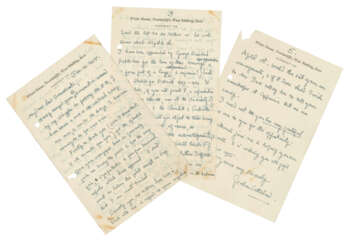

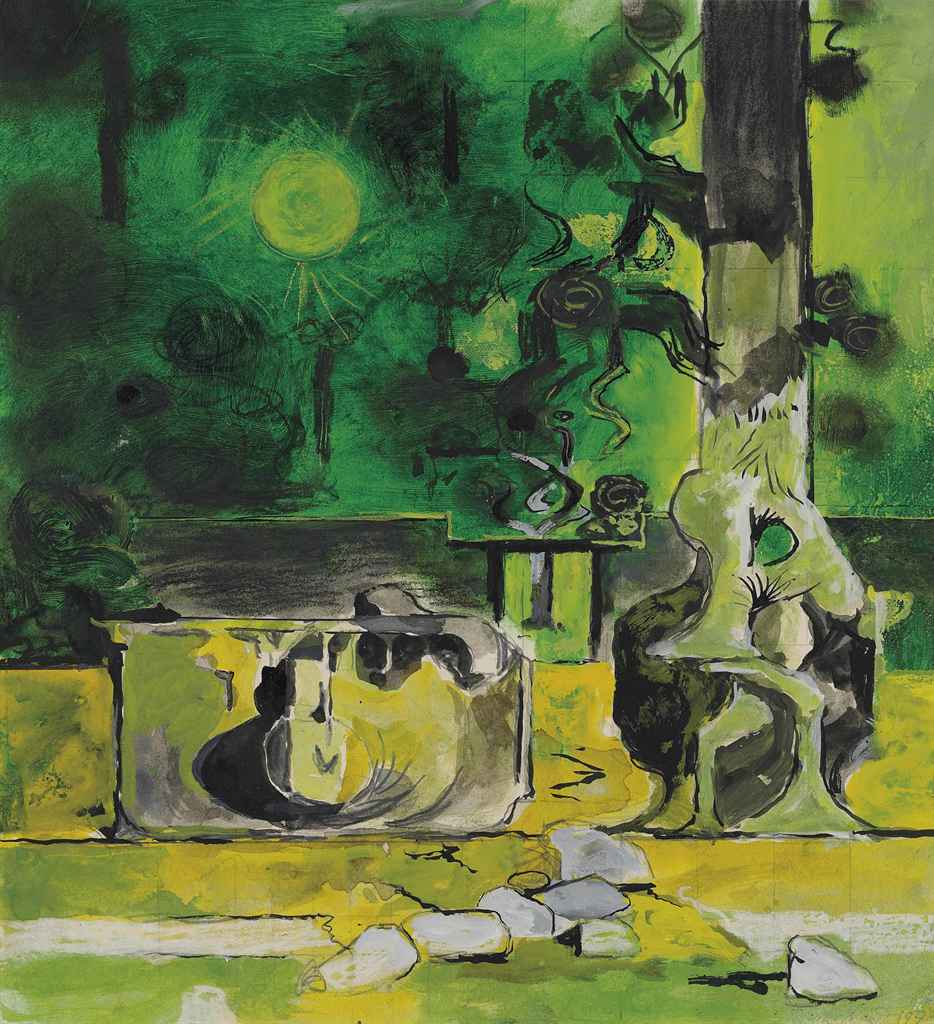
Graham Vivian Sutherland was a prolific English artist. Notable for his paintings of abstract landscapes and for his portraits of public figures, Sutherland also worked in other media, including printmaking, tapestry and glass design.


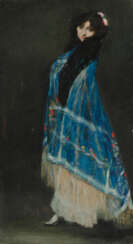

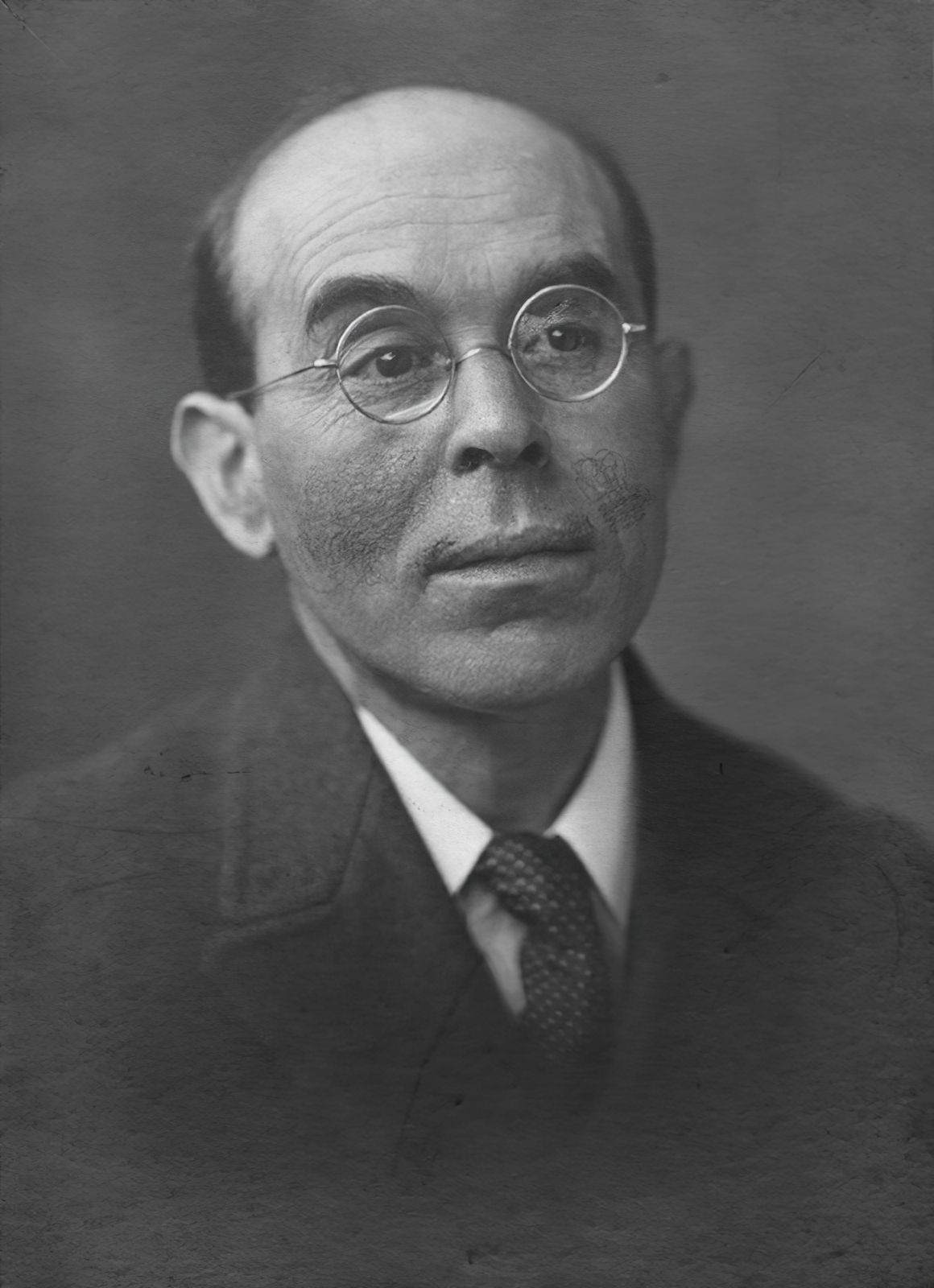
William Rothenstein was an English painter, printmaker, draughtsman, lecturer, and writer on art. Emerging during the early 1890s, Rothenstein continued to make art right up until his death. Though he covered many subjects – ranging from landscapes in France to representations of Jewish synagogues in London – he is perhaps best known for his work as a war artist in both world wars, his portraits, and his popular memoirs, written in the 1930s. More than two hundred of Rothenstein's portraits of famous people can be found in the National Portrait Gallery collection. The Tate Gallery also holds a large collection of his paintings, prints and drawings. Rothenstein served as Principal at the Royal College of Art from 1920 to 1935. He was knighted in 1931 for his services to art.






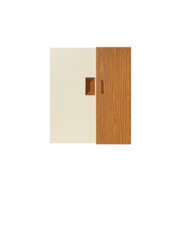

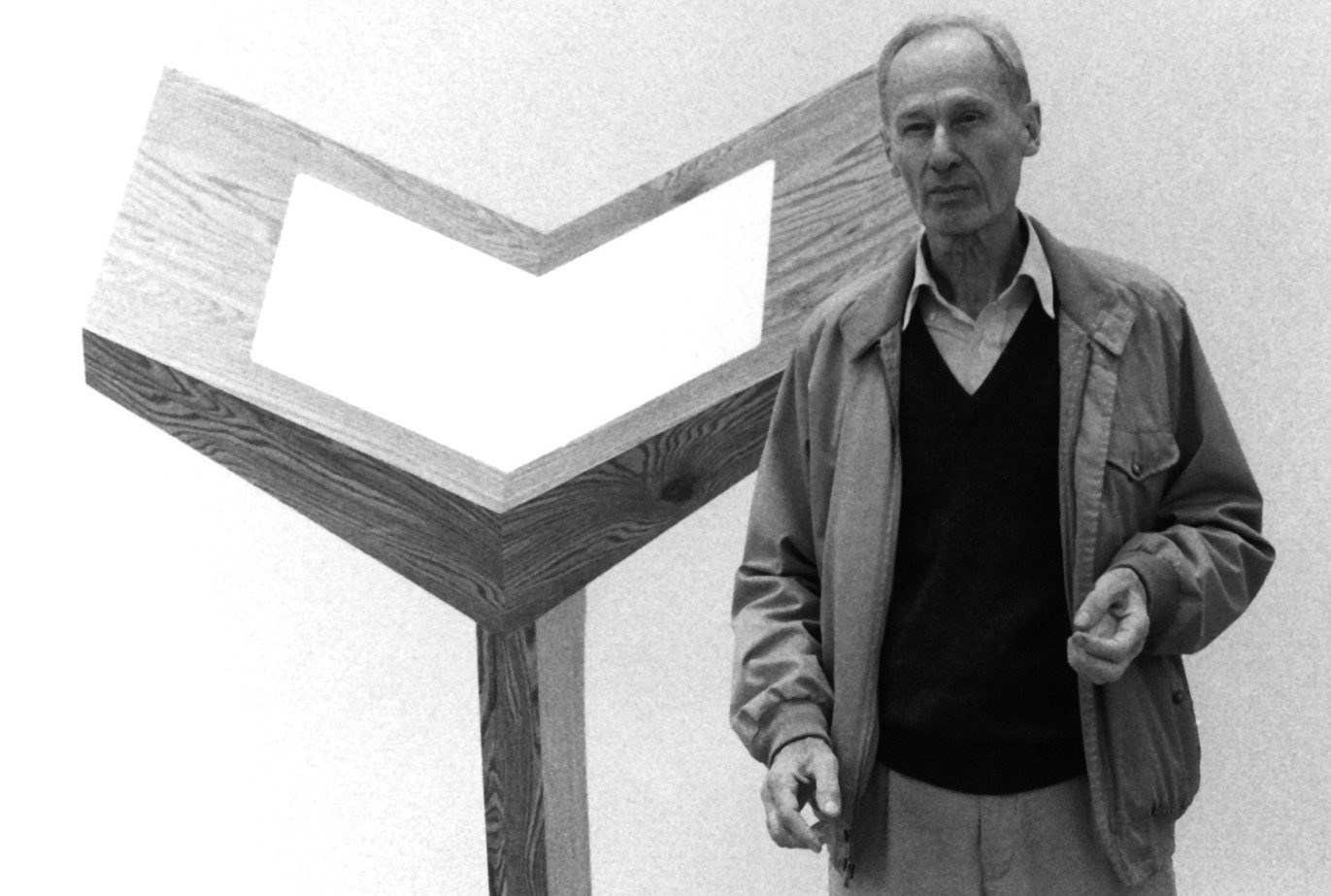
Richard Ernst Artschwager was an American painter, illustrator and sculptor. His work has associations with Pop Art, Conceptual art and Minimalism.



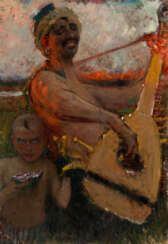

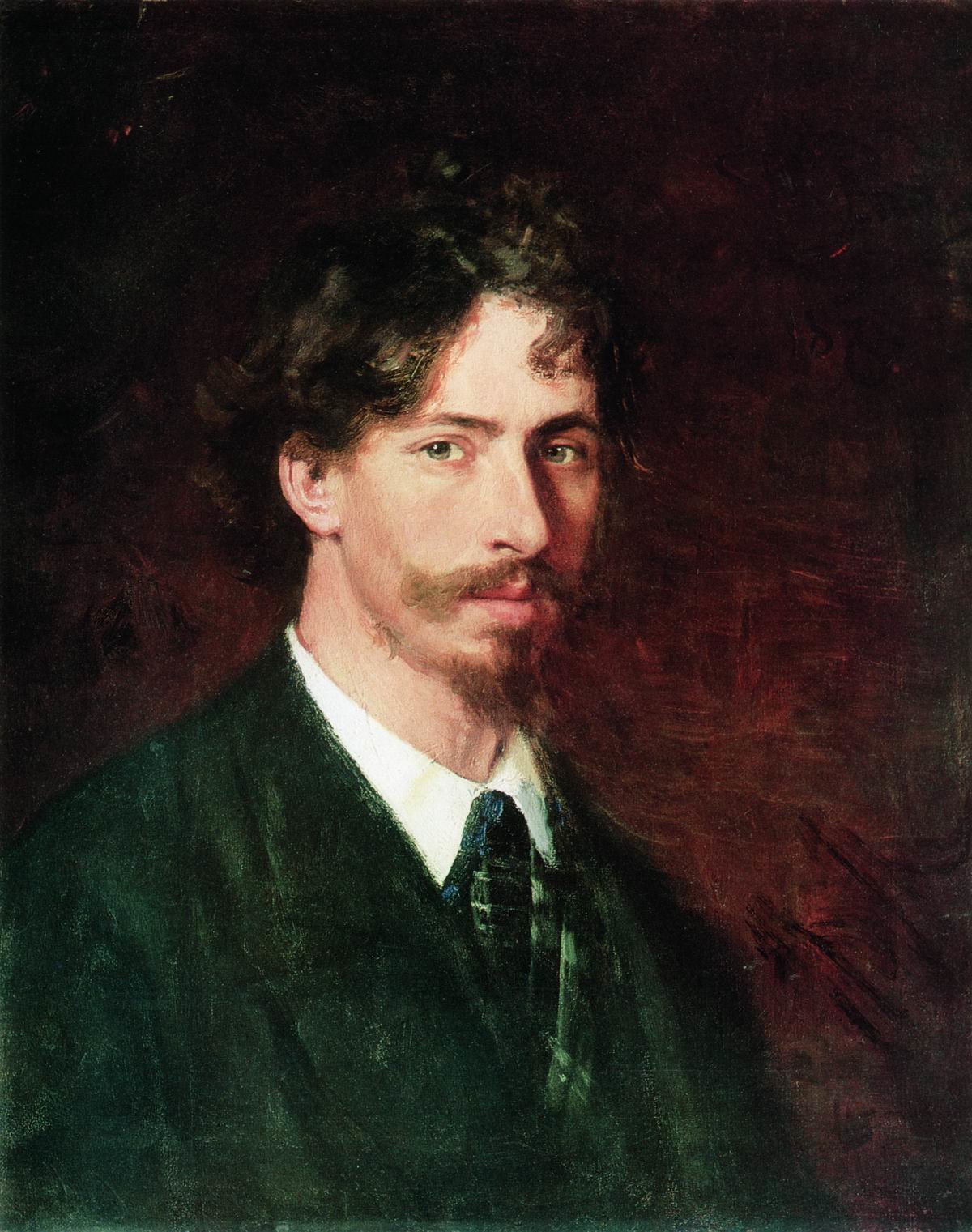
Ilya Yefimovich Repin (Russian: Илья Ефимович Репин) was a preeminent Russian artist, celebrated for his profound influence on the world of art, particularly painting. Born in 1844 in the Russian Empire, Repin distinguished himself as a pivotal figure in bringing Russian art to the forefront of the European scene. His works, characterized by their vivid realism and profound emotional depth, offer a window into the cultural, social, and historical landscapes of 19th-century Russia.
Repin's oeuvre is a testament to his exceptional skill in capturing the essence of his subjects, ranging from the peasantry to the elite, and his commitment to portraying the Russian spirit. His paintings, such as "Barge Haulers on the Volga" and "Ivan the Terrible and His Son Ivan," are lauded for their meticulous detail, dynamic compositions, and the way they convey powerful narratives and emotions. These masterpieces are housed in prestigious museums and galleries worldwide, including the State Russian Museum and the Tretyakov Gallery, affirming Repin's enduring legacy in the annals of art history.
For collectors and experts in art and antiques, Repin's works represent not only significant cultural and historical value but also a deep emotional resonance that transcends time. His ability to intertwine the beauty and tragedy of human experience with the rich tapestry of Russian culture makes his art a compelling exploration for enthusiasts and scholars alike. To stay informed about new product sales and auction events related to Ilya Yefimovich Repin, we invite you to sign up for updates. This subscription is a gateway to exclusive insights and opportunities in the realm of art and antiques, focusing solely on Repin's illustrious work.


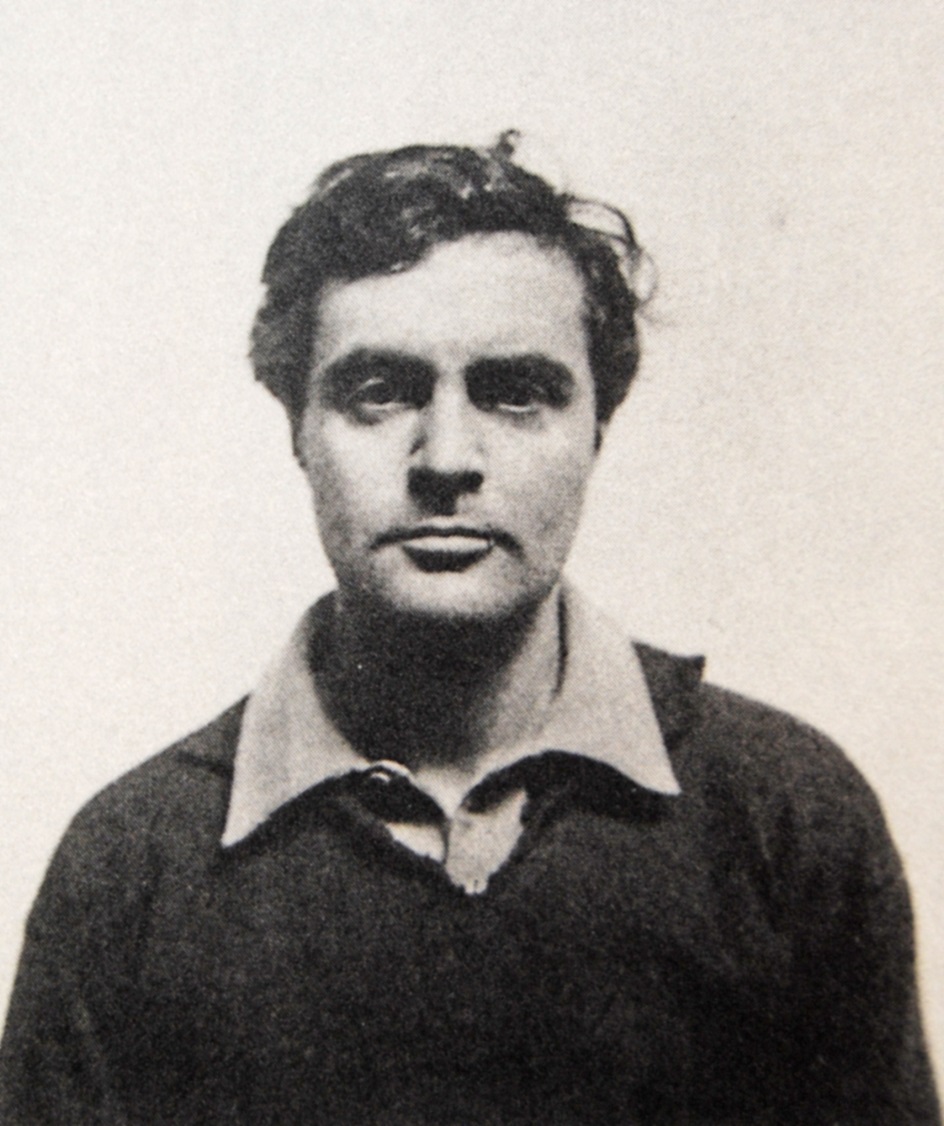
Amedeo Clemente Modigliani was an Italian painter and sculptor celebrated for his significant contributions to the School of Paris. Born into a Sephardic Jewish family in Livorno, Italy, on July 12, 1884, his upbringing in a culturally rich environment laid the foundation for his artistic pursuits. Despite facing health challenges from a young age, Modigliani's passion for art was evident, leading him to abandon traditional schooling in favor of artistic training. His early experiences with illness and his family's fluctuating fortunes deeply influenced his character and outlook on life.
In 1906, Modigliani moved to Paris, the epicenter of the avant-garde, where he mingled with iconic artists like Pablo Picasso and Constantin Brâncuși. This period was crucial for Modigliani as he sought to carve out a unique stylistic identity amid the burgeoning modern art scene. His work, characterized by elongated figures and faces, a modernist simplification of form, and a deeply expressive linearity, did not initially receive the recognition it deserved. Despite this, he remained committed to his art, producing an oeuvre that includes both paintings and sculptures, with a notable focus on portraits and nudes.
Modigliani's style is distinguished by its elegance and emotional depth, with his subjects often portrayed in a state of serene introspection. His works, such as "Jeanne Hébuterne in Red Shawl," "Portrait of Maude Abrantes," "Anna Akhmatova," "Madame Pompadour," "Portrait of Diego Rivera," "Portrait of Beatrice Hastings," and "Portrait of Moise Kisling," showcase his exceptional ability to capture the essence of his subjects with minimal yet impactful lines.
Despite his talent, Modigliani's life was marked by financial instability, health problems, and a struggle for critical recognition. He died of tubercular meningitis on January 24, 1920, in Paris, at the age of 35. Posthumously, Modigliani's work gained the recognition it had lacked during his lifetime, with his paintings and sculptures now commanding high prices and occupying prominent positions in museums and private collections worldwide.
For collectors and art and antiques experts, Modigliani's works offer a glimpse into the soul of an artist who transcended the adversities of his life through the beauty of his art. His contributions to modern art remain invaluable, with his unique approach to form and emotion continuing to inspire and captivate audiences.
If you're interested in staying updated on sales and auction events related to Amedeo Modigliani, we invite you to sign up for updates. This subscription service is tailored for enthusiasts eager to enrich their collections with pieces linked to this remarkable artist, ensuring you're informed of opportunities to acquire works that celebrate Modigliani's legacy.


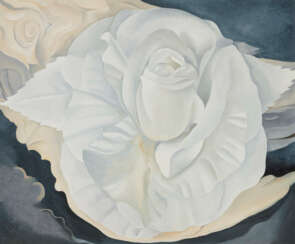

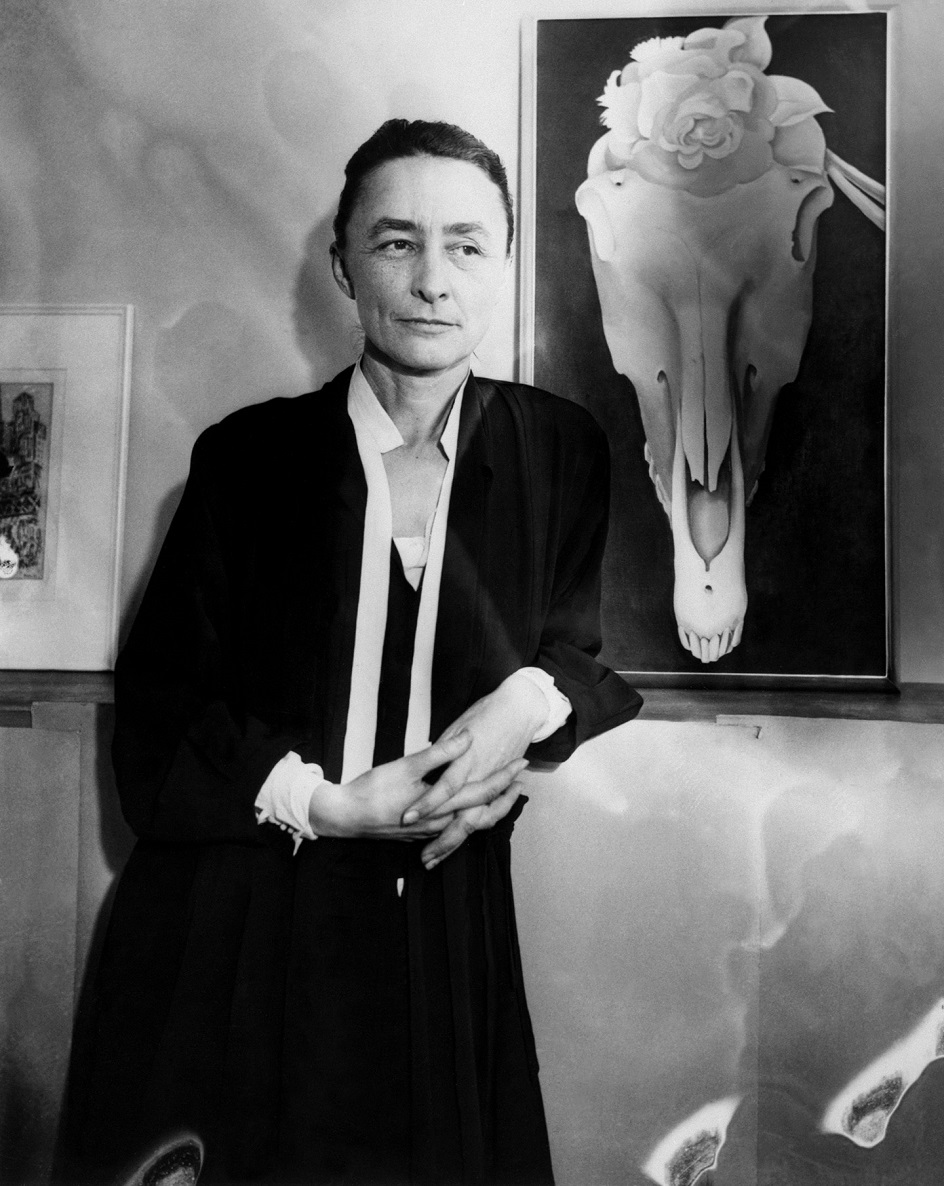
Georgia Totto O'Keeffe was an American modernist artist. She was known for her paintings of enlarged flowers, New York skyscrapers, and New Mexico landscapes. O'Keeffe has been called the "Mother of American modernism".
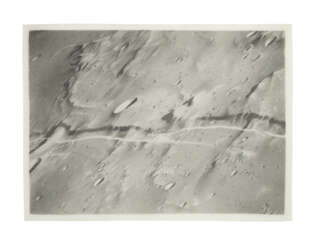

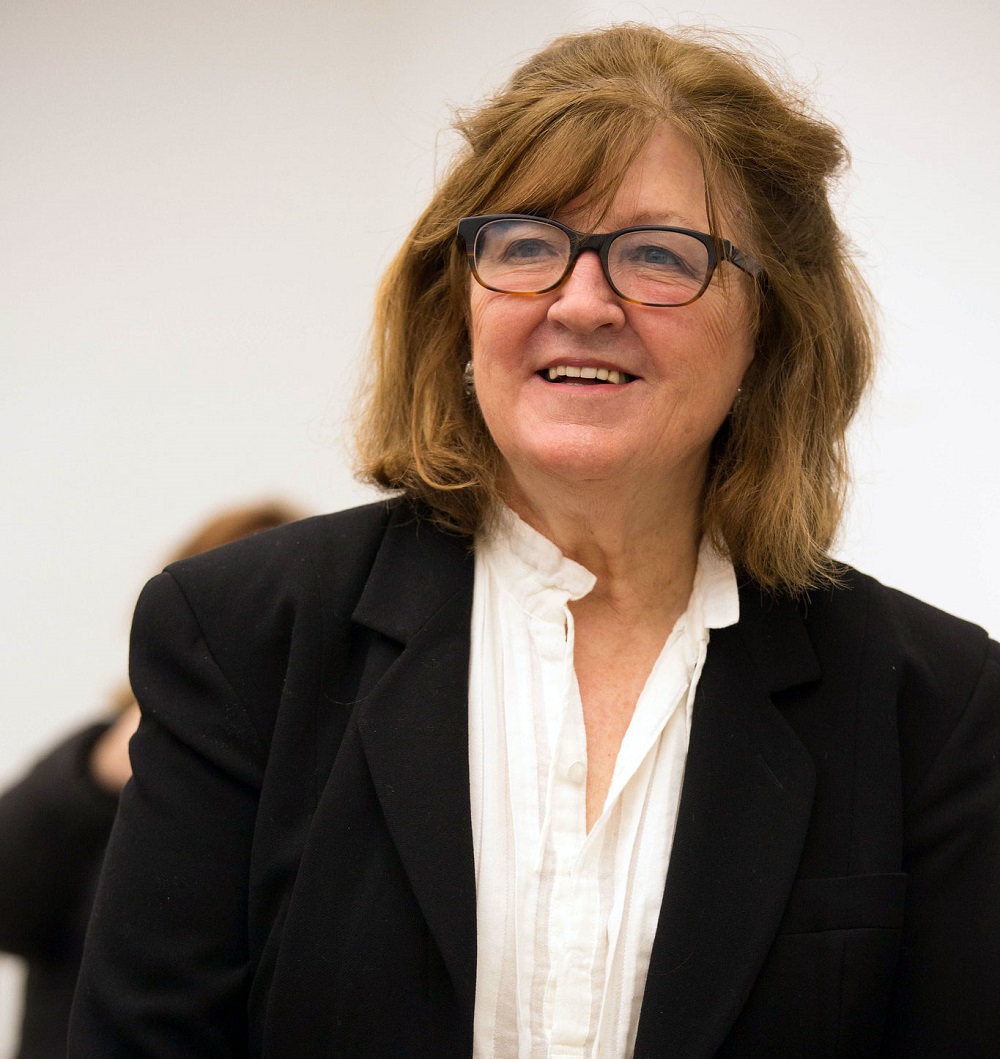
Vija Celmins is a Latvian-American artist. She is best known for her photorealistic paintings and drawings of natural and man-made objects.
Celmins and her family fled Latvia during World War II and eventually settled in the United States. She studied art at the John Herron School of Art in Indianapolis and later at the University of California, Los Angeles.
Celmins began her career as a painter in the 1960s, and by the 1970s she had developed her signature style of photorealism. She is known for her painstaking attention to detail, and her paintings and drawings often take months or even years to complete. Some of her most famous works include images of the night sky, oceans, and rocks.
Celmins has been the subject of numerous solo exhibitions in museums and galleries around the world, including a retrospective at the Centre Pompidou in Paris in 2006. Her work is held in the collections of many major museums, including the Metropolitan Museum of Art in New York, the Museum of Modern Art in New York, and the National Gallery of Art in Washington, D.C.
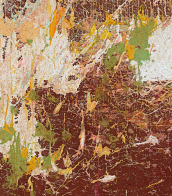
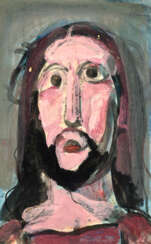

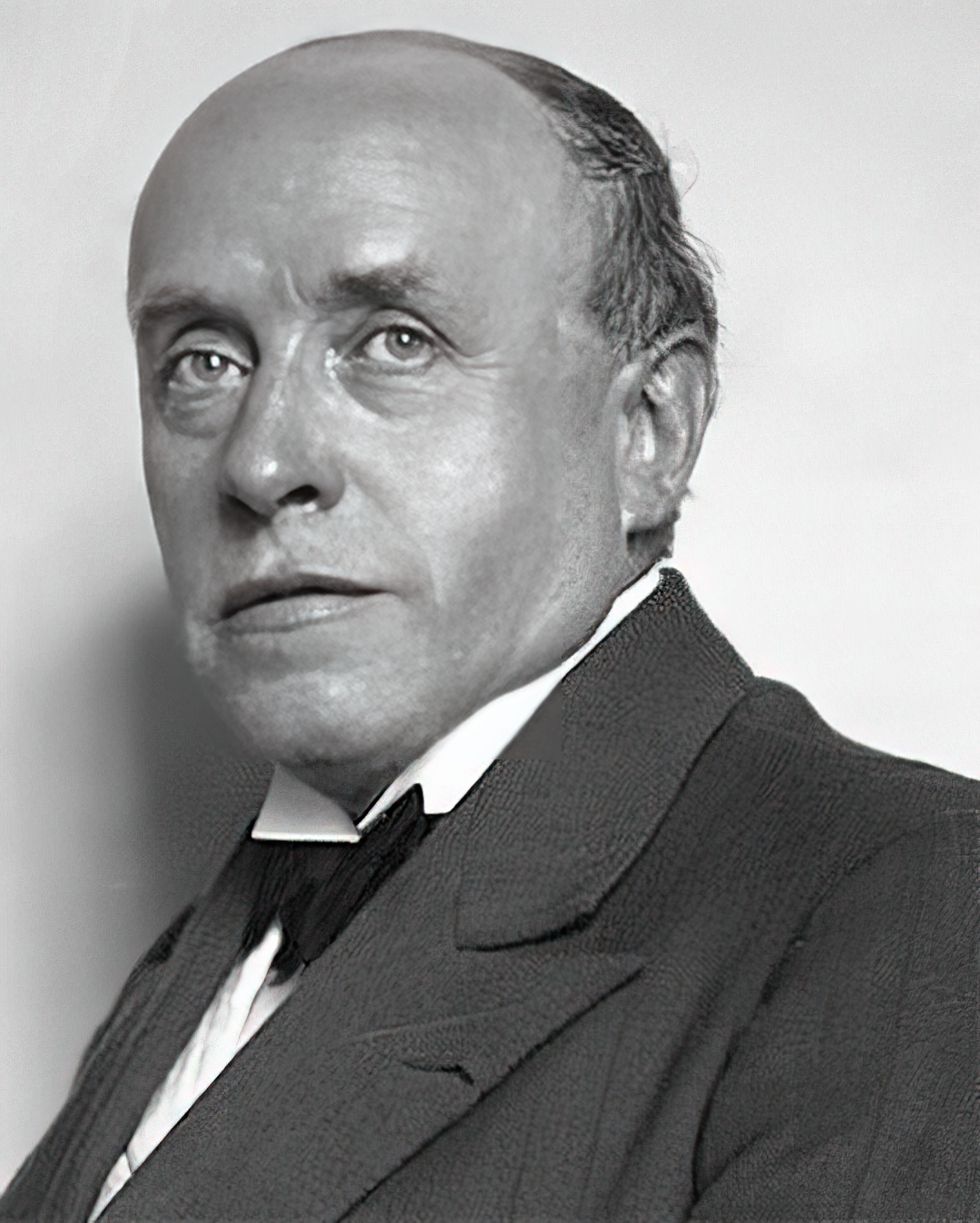
Georges Rouault was a French painter, printmaker and ceramicist whose profound works combined art and spirituality, making him a key figure in the contemporary art world. Born into a modest family in Paris during the turbulent times of the Paris Commune, Rouault's early exposure to art came through his grandfather's collection of lithographs by Honoré Daumier. His initial apprenticeship in a glazier's workshop had a profound influence on his artistic style, especially his work with stained glass, which later became a hallmark of his painting technique.
Rouault's career took a significant turn under the tutelage of Symbolist painter Gustave Moreau, who introduced him to avant-garde circles, leading Rouault into the Fauvist movement alongside Henri Matisse. However, Rouault's unique approach was characterized by a more instinctive and spontaneous style that was deeply influenced by Vincent van Gogh and which eventually led him to Expressionism. His works from this period, dealing with subjects such as courts, clowns, and prostitutes, served as a form of moral and social criticism, motivated by his deep Christian faith and concern for human nature. This period marked a significant evolution in Rouault's style; his paintings reflect a mixture of religious iconography and human suffering, demonstrating his mastery of conveying deeply emotional and spiritual stories.
One of Rouault's most notable contributions to art was his involvement in the scenography for Sergei Diaghilev's ballet The Prodigal Son and his famous series of paintings and prints such as Miserere. His later works are renowned for their explosive use of color and texture, highlighting his mastery of expressing the spiritual harmony and beauty of nature. The end of Rouault's career was marked by a gesture of humility and dedication to his craft: he destroyed a significant number of his unfinished works, feeling that he could not complete them to his satisfaction.
Rouault's legacy has been preserved through his impressive works in renowned museums and galleries around the world. His art continues to inspire and resonate with collectors, experts and lovers of art and antiques, serving as a testament to his enduring influence on the art world.
For those deeply interested in exploring the life and work of Georges Rouault, it is important to stay abreast of new discoveries, sales, and auction events related to his art. We encourage you to subscribe to updates so that you don't miss out on the opportunity to engage with the legacy of this remarkable artist. This subscription will be your gateway to the world of Georges Rouault, offering exclusive insights into his contribution to contemporary art.
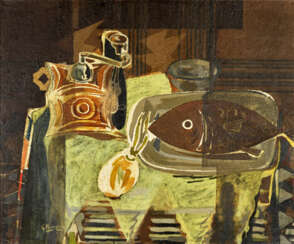

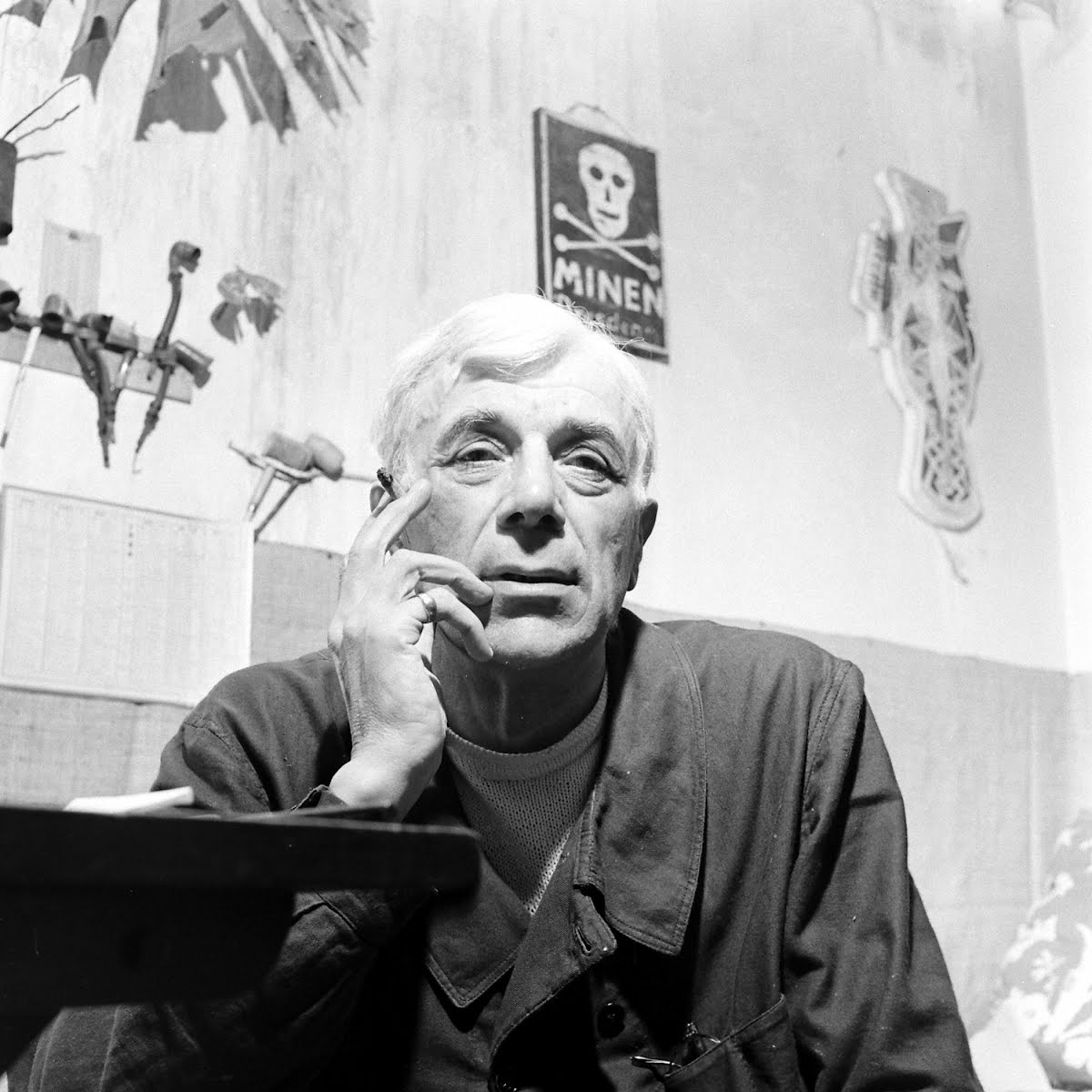
Georges Braque, a French artist, is celebrated as a pivotal figure in the development of Cubism, alongside Pablo Picasso. Braque's artistic journey transitioned from Impressionism to Fauvism before he delved into the groundbreaking realm of Cubism, characterized by its innovative use of perspective and geometric forms. His partnership with Picasso during the early 20th century marked a significant phase in art history, as they collectively pioneered the Analytic and Synthetic phases of Cubism.
Georges Braque's oeuvre is renowned for its technical precision, introspective quality, and harmonious color palettes. His contributions extended beyond painting to include sculpture and collage, demonstrating his versatile mastery over various mediums. Notable works like "Violin and Candlestick" and "Man with a Guitar" underscore his talent in transforming everyday objects into abstracted, multifaceted compositions.
Throughout his career, Georges Braque remained deeply committed to exploring the boundaries of visual perception and form. After World War I, his style evolved, incorporating brighter colors and new themes, yet he maintained a steadfast adherence to Cubist principles. His later years saw a focus on personal motifs, such as birds, which symbolized freedom and dynamism in his art.
Georges Braque's legacy is preserved in prestigious collections worldwide, including the Museum of Modern Art (MoMA), which houses a significant number of his works. His artistic innovations continue to inspire and influence the realms of art and culture.
For collectors and art enthusiasts, Georges Braque's work offers a profound insight into the evolution of modern art and the enduring allure of Cubism. His pieces are a testament to the enduring power of creativity and innovation in the face of changing artistic landscapes.
If you're keen on exploring Braque's contributions to art and wish to stay updated on exhibitions and sales featuring his work, consider subscribing for updates on Georges Braque's pieces and their presence in the art market today.
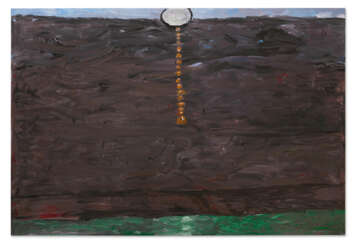

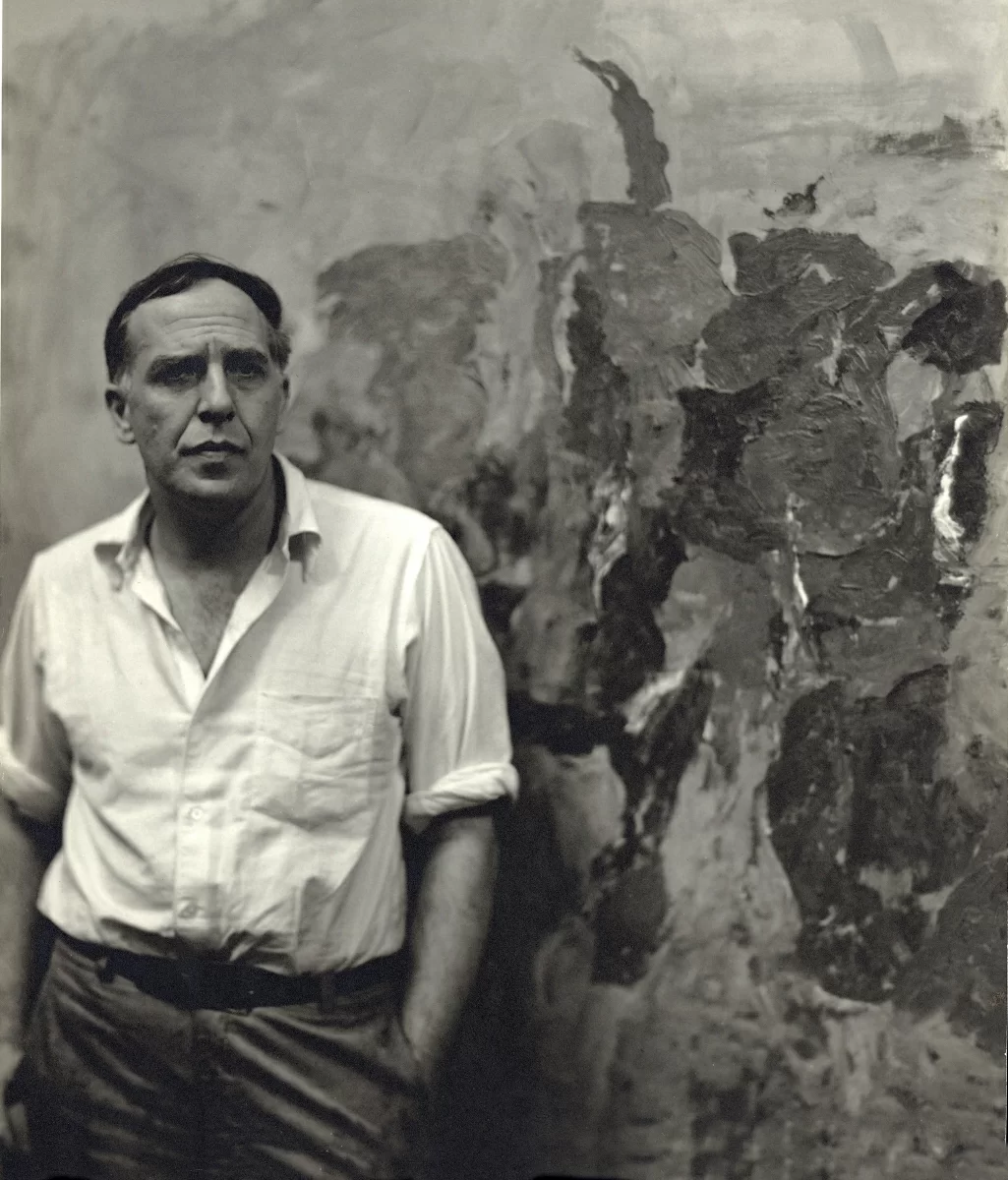
Philip Guston, born Phillip Goldstein, was a Canadian American artist, muralist, printmaker and draftsman. He was one of the most important exponents of abstract expressionism. He is considered a forerunner of the New Figurative Painting.
Philip Gaston was a member of the New York School, which included many representatives of abstract expressionism, such as Jackson Pollock and Willem De Kooning.
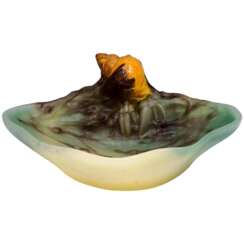

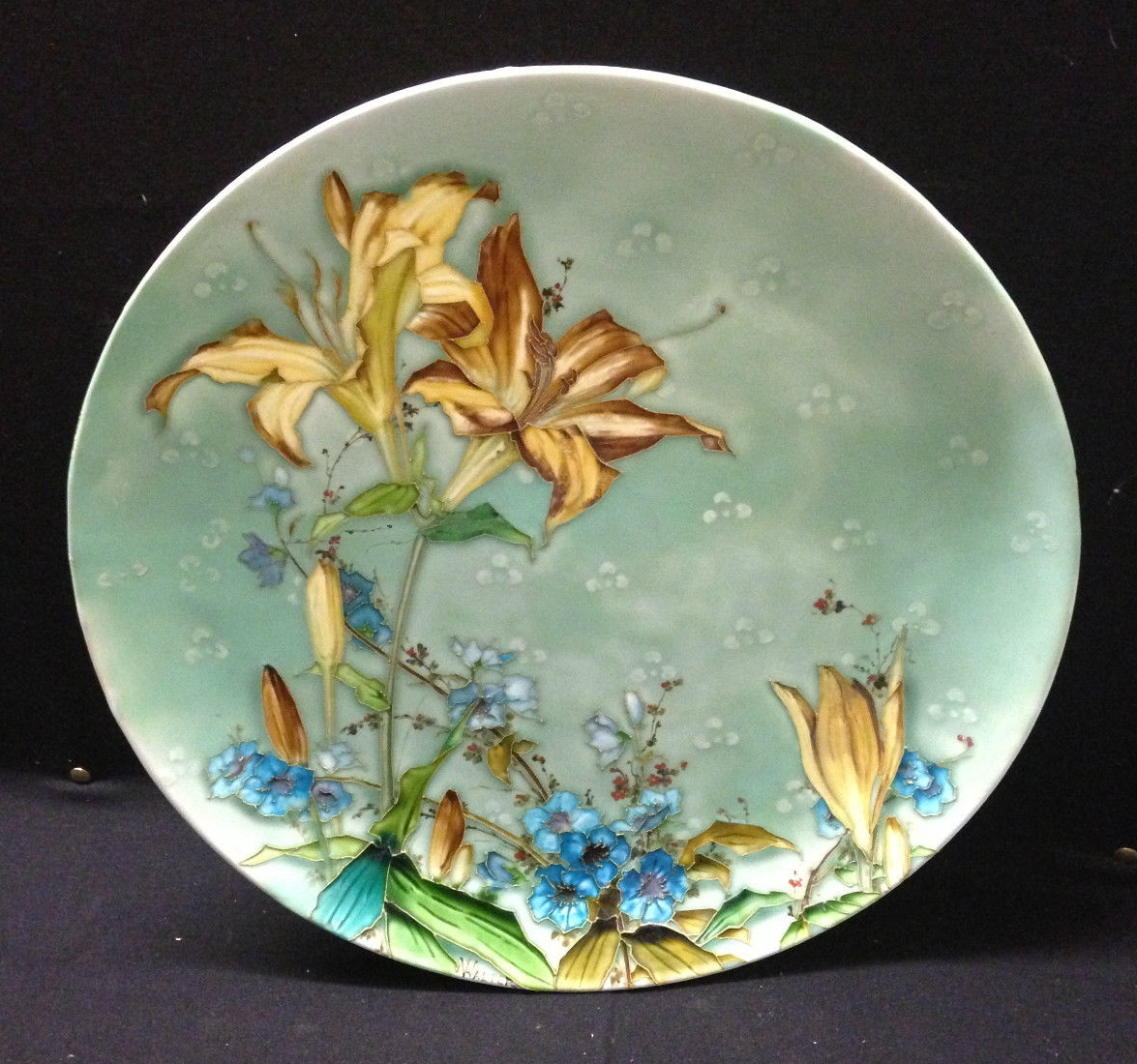
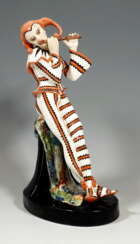
Victor Amalric Walter was a French glass maker mainly known for his pâte de verre (a glass casting method that translates as glass paste) pieces.


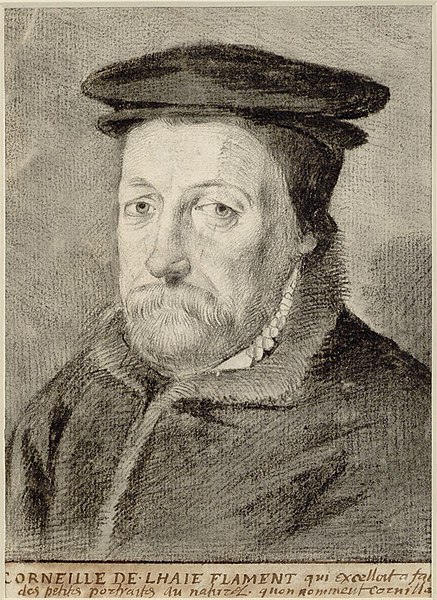
Corneille de Lyon, also Corneille de La Haye, was a Dutch painter who worked most of his life in Lyon. Portraitist, one of the most talented and prolific Renaissance painters.
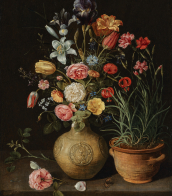
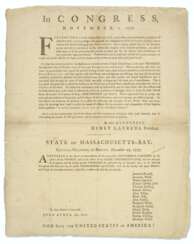

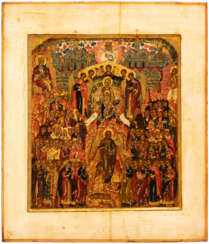

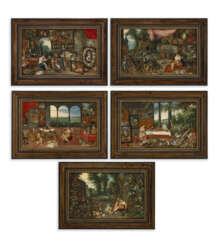

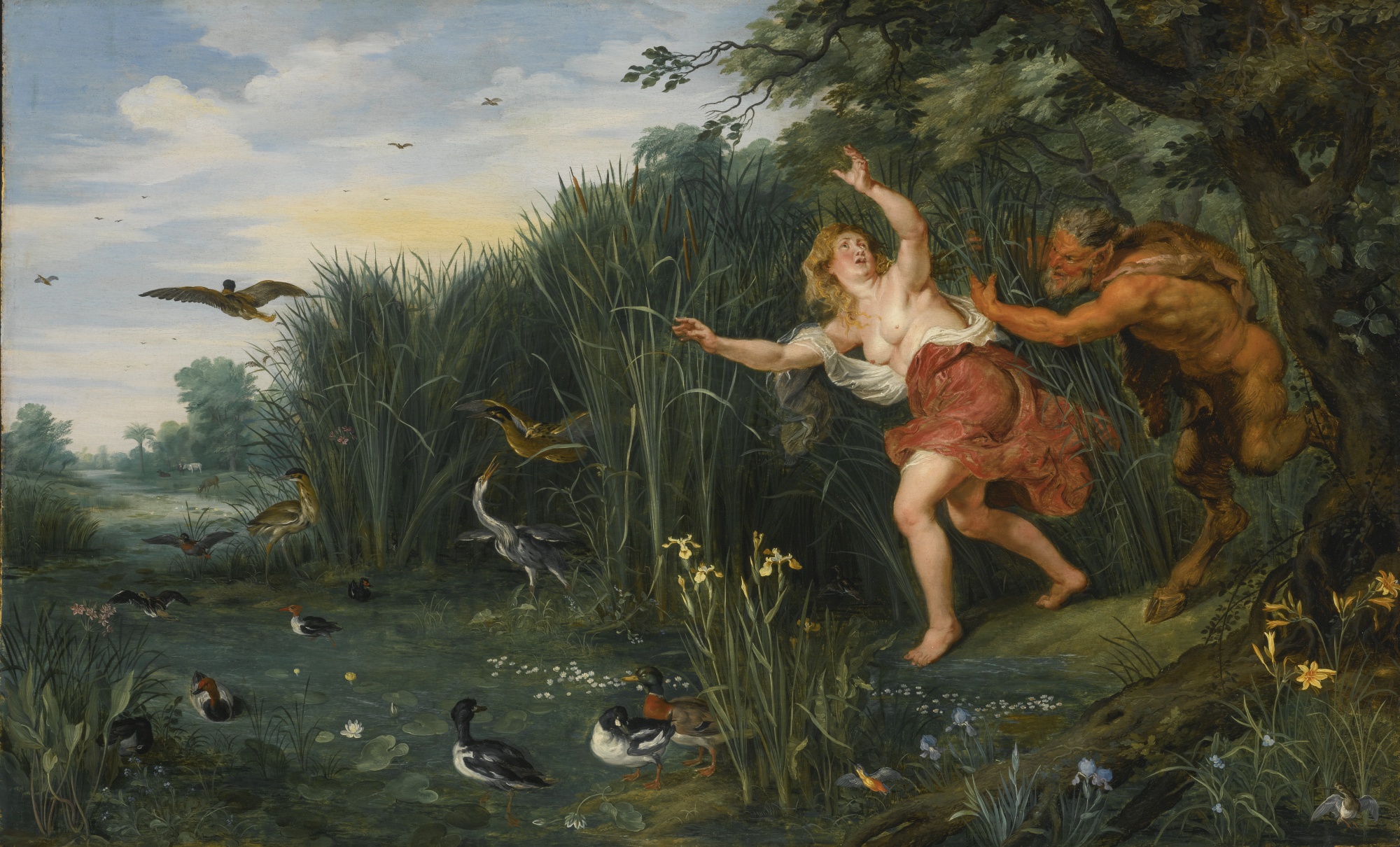
Jan Bruegel the Younger was a Flemish Baroque painter. He was the son of Jan Brueghel the Elder, and grandson of Pieter Bruegel the Elder, both prominent painters who contributed respectively to the development of Renaissance and Baroque painting in the Habsburg Netherlands. Taking over his father's workshop at an early age, he painted the same subjects as his father in a style which was similar to that of his father. He regularly collaborated with leading Flemish painters of his time.

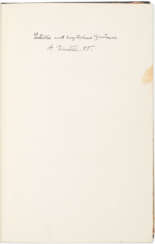

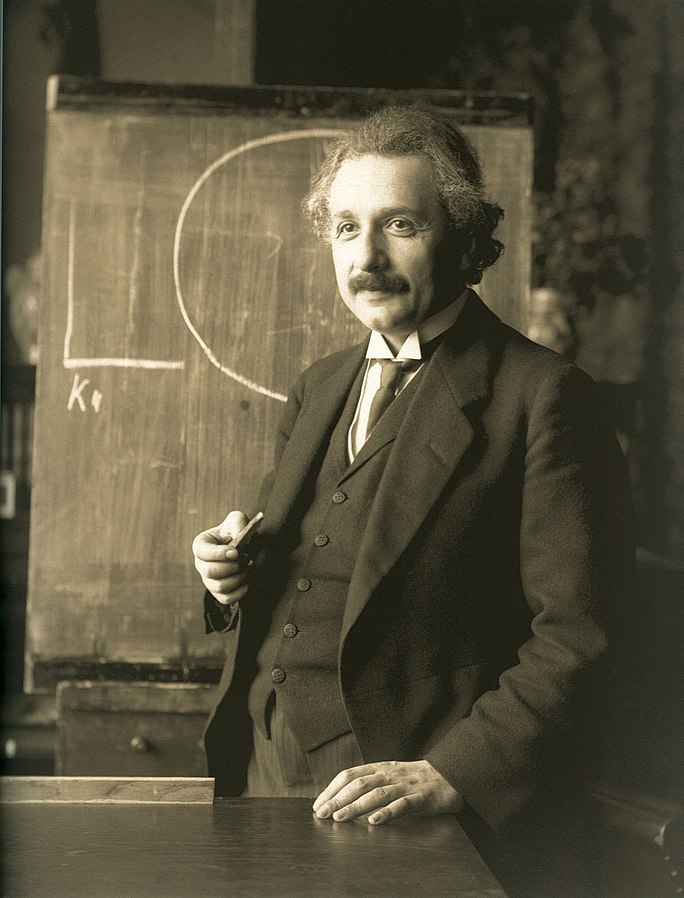
Albert Einstein was a German-born theoretical physicist, widely acknowledged to be one of the greatest and most influential physicists of all time. Einstein is best known for developing the theory of relativity, but he also made important contributions to the development of the theory of quantum mechanics. Relativity and quantum mechanics are together the two pillars of modern physics. His mass–energy equivalence formula E = mc2, which arises from relativity theory, has been dubbed "the world's most famous equation". His work is also known for its influence on the philosophy of science. He received the 1921 Nobel Prize in Physics "for his services to theoretical physics, and especially for his discovery of the law of the photoelectric effect", a pivotal step in the development of quantum theory. His intellectual achievements and originality resulted in "Einstein" becoming synonymous with "genius".

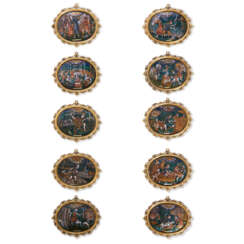

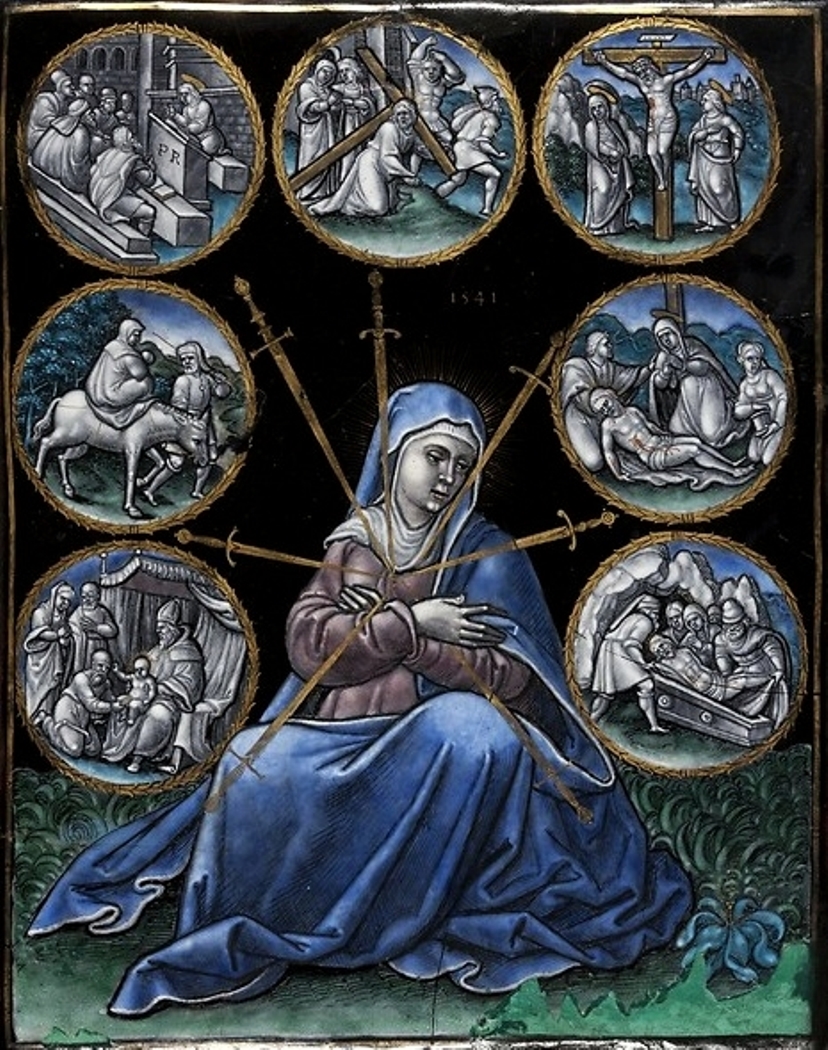
Pierre Reymond was a French painter and enameler.
Reymond ran a large workshop in Limoges, where one of his apprentices was Pierre Court. He specialized in tableware decorated with mythological scenes, including cups, plates, bowls and platters.