

thomas &



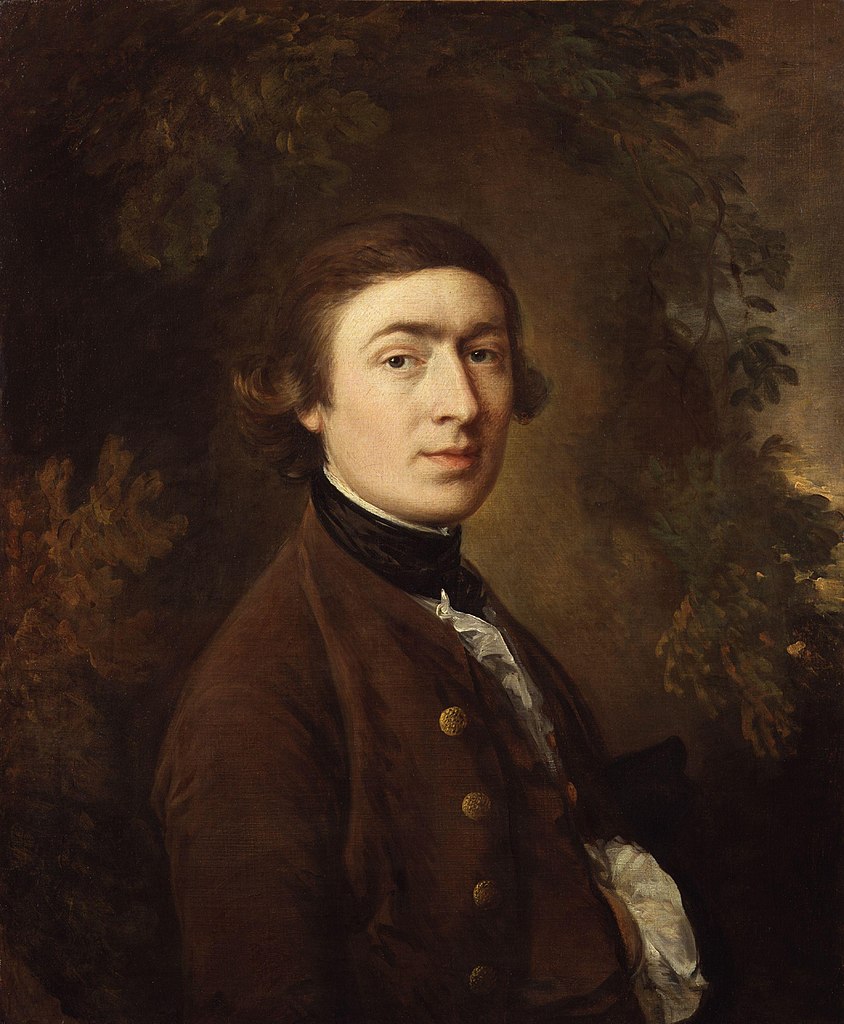
Thomas Gainsborough was an English painter, renowned for his mastery in both portraiture and landscape art, active during the 18th century. Born in Sudbury, Suffolk, Gainsborough displayed early artistic talent, which led him to London to study art seriously. He is often celebrated for his fluid and expressive brushwork and his innovative approach to portrait and landscape painting. Gainsborough was notably influenced by Dutch landscape paintings and the Rococo style, which is evident in his delicate and evocative use of color and light.
Thomas Gainsborough's career gained significant momentum when he moved to Bath, where he attracted a fashionable clientele. This period was marked by his creation of portraits that seamlessly integrated the sitters into lush, idyllic landscapes. Despite his success with portraits, Gainsborough preferred painting landscapes, often expressing a desire to escape the demands of portrait commissions to focus on these scenic representations.
Some of his most famous works include "The Blue Boy" and "Mr. and Mrs. Andrews." "The Blue Boy" is particularly noted for its vibrant blue costume and has been a hallmark of Gainsborough's style in capturing the personality and elegance of the youth. His works are held in high esteem and are part of collections across major museums globally, such as the National Gallery, Tate Britain, and the Huntington Library, to name a few.
For those interested in exploring Thomas Gainsborough's contributions to art, his paintings offer a glimpse into the social fabric and the natural beauty of 18th-century England, making him a pivotal figure in the English school of painting. His ability to convey character and atmosphere in his portraits and landscapes alike ensures his continued relevance and admiration in the art world today.
If you are keen on updates related to Thomas Gainsborough's art pieces, sales, and auctions, consider signing up for specialized newsletters or alerts that focus on his works and their presence in modern collections and sales events.


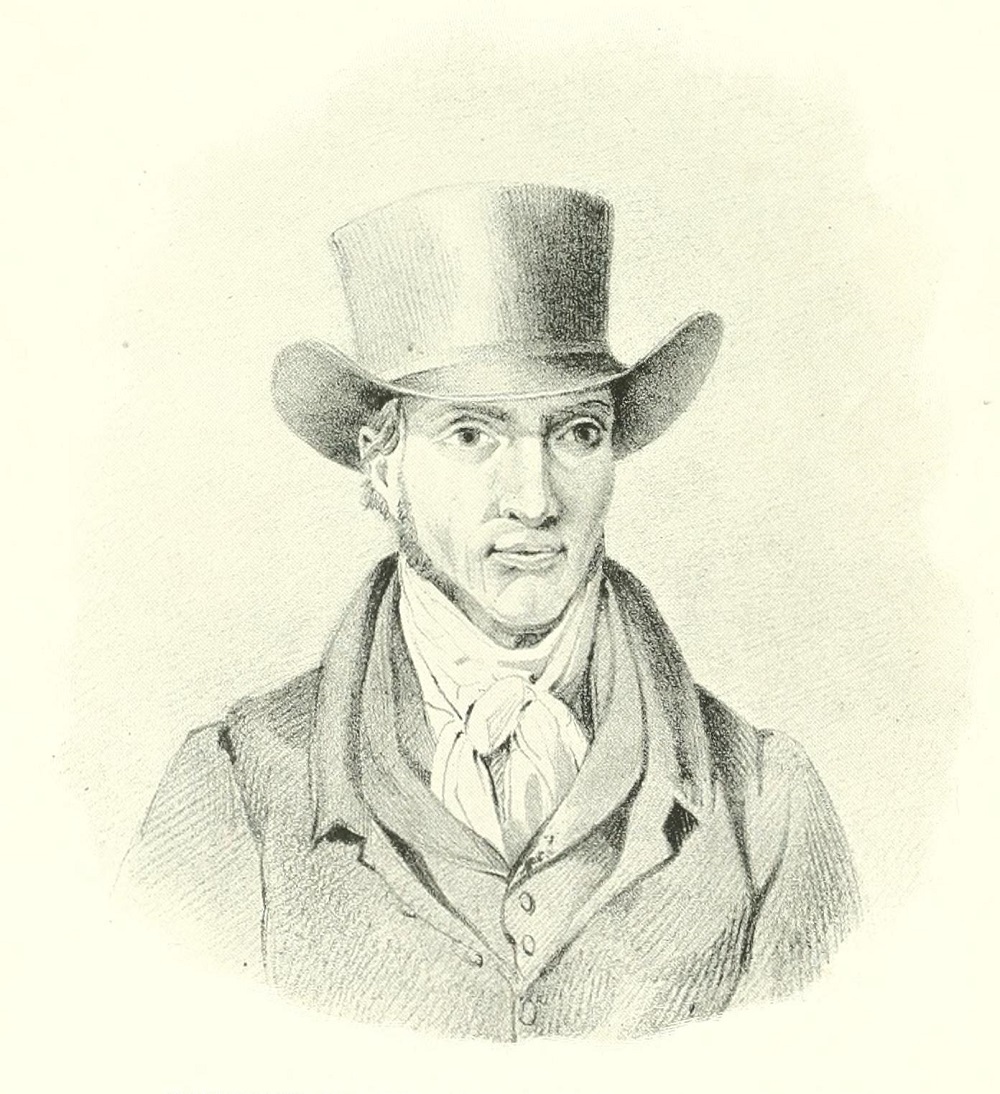
Henry Thomas Alcken was an English painter and engraver chiefly known as a caricaturist and illustrator of sporting subjects and coaching scenes. His most prolific period of painting and drawing occurred between 1816 and 1831.


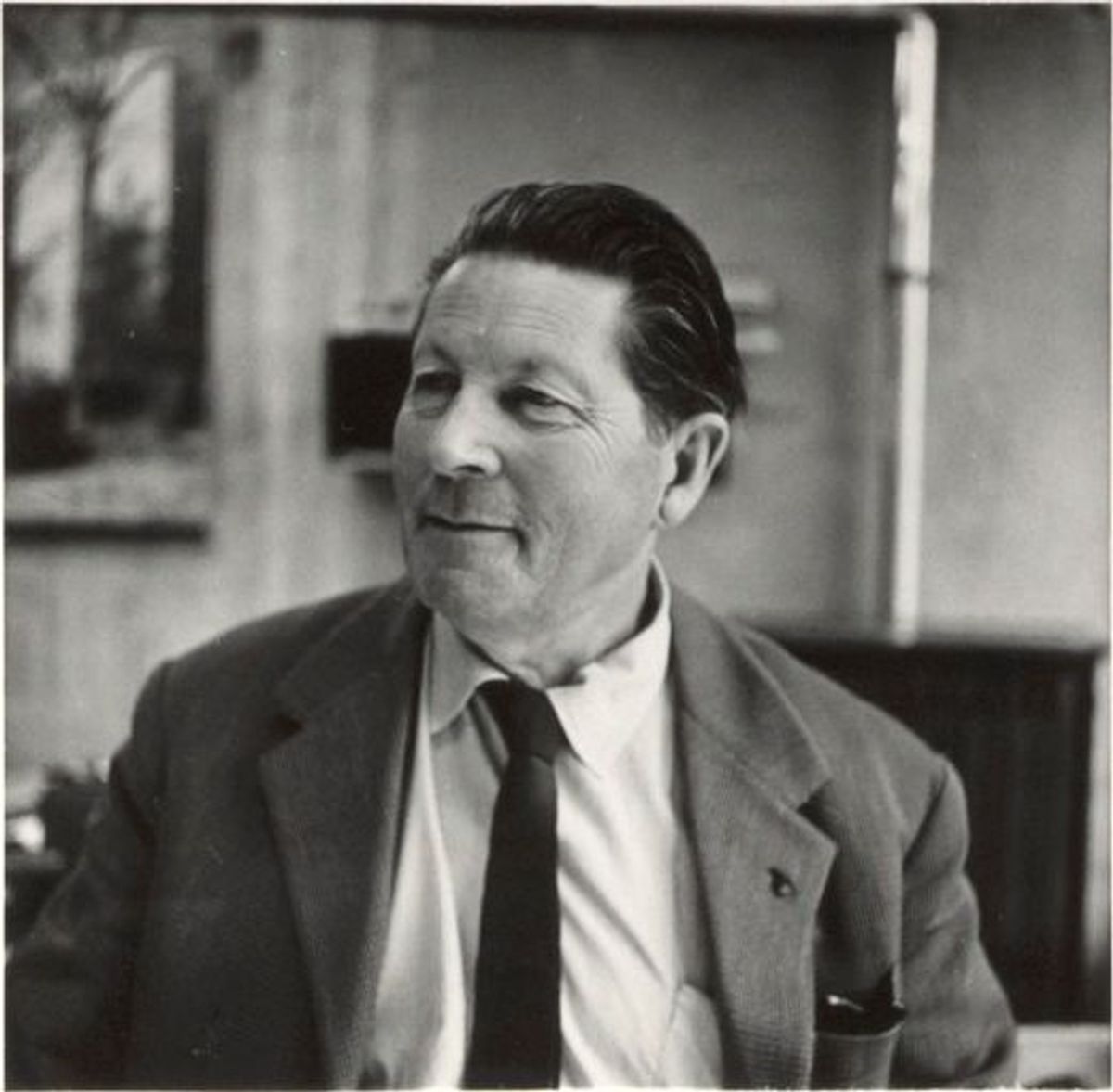



Henry Thomas Alcken was an English painter and engraver chiefly known as a caricaturist and illustrator of sporting subjects and coaching scenes. His most prolific period of painting and drawing occurred between 1816 and 1831.


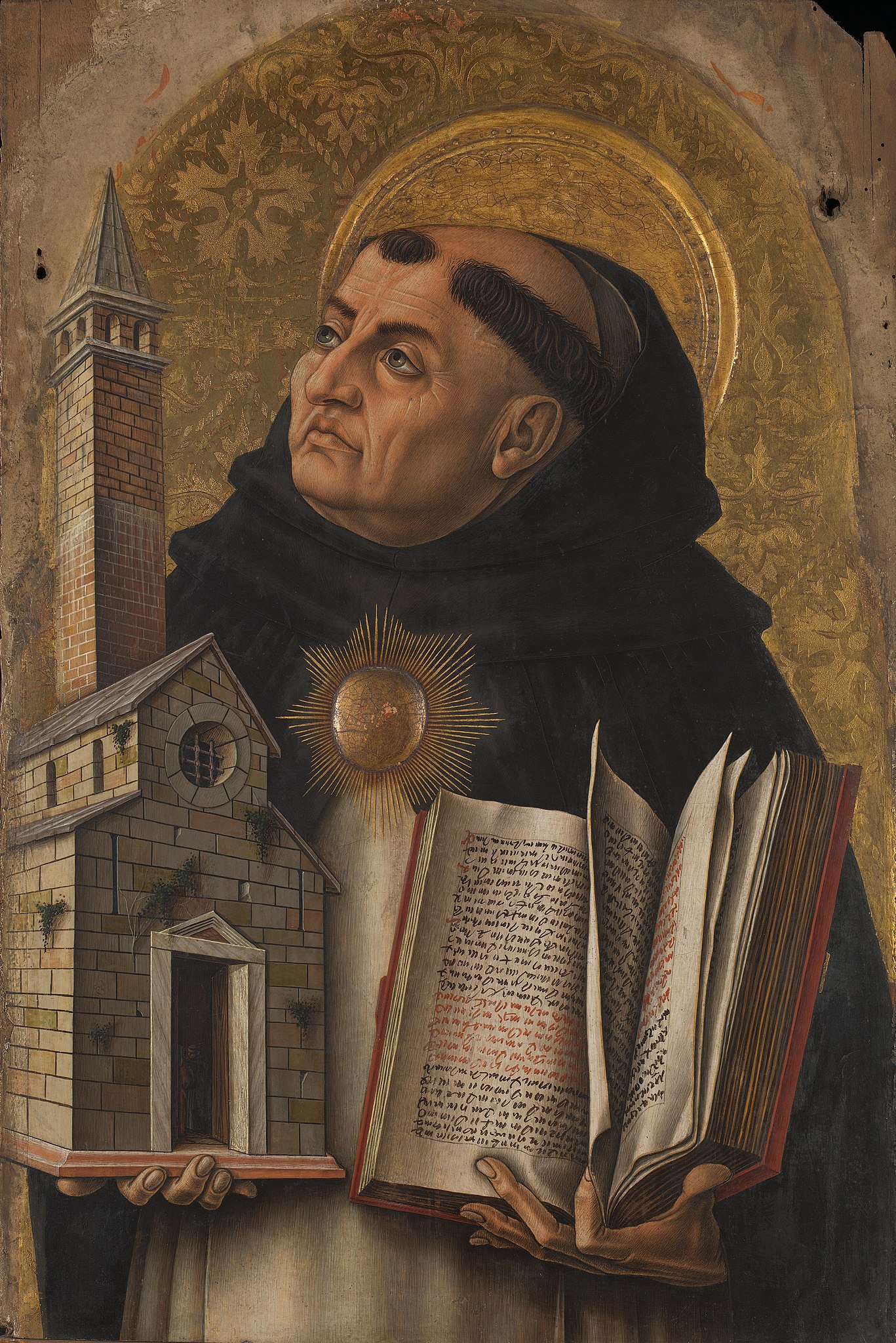
Thomas Aquinas (Italian: Tommaso d'Aquino, also called Aquinas, alias Doctor Angelicus) was an Italian poet and theologian, philosopher, and major medieval scholastic.
Thomas Aquinas is one of the most important theologians in the history of Western civilization, given the extent of his influence on the development of Roman Catholic theology since the fourteenth century. As a theologian, in his two masterpieces, Summa theologiae and Summa contra gentiles, he created the classical systematization of Latin theology, and as a poet, he wrote some of the most serious and beautiful Eucharistic hymns in the church liturgy. Thomas Aquinas is recognized by the Roman Catholic Church as the foremost Western philosopher and theologian and canonized as a saint.
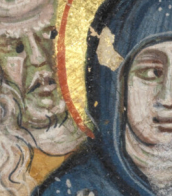



Thomas Aquinas (Italian: Tommaso d'Aquino, also called Aquinas, alias Doctor Angelicus) was an Italian poet and theologian, philosopher, and major medieval scholastic.
Thomas Aquinas is one of the most important theologians in the history of Western civilization, given the extent of his influence on the development of Roman Catholic theology since the fourteenth century. As a theologian, in his two masterpieces, Summa theologiae and Summa contra gentiles, he created the classical systematization of Latin theology, and as a poet, he wrote some of the most serious and beautiful Eucharistic hymns in the church liturgy. Thomas Aquinas is recognized by the Roman Catholic Church as the foremost Western philosopher and theologian and canonized as a saint.
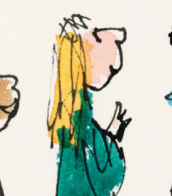
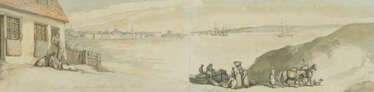

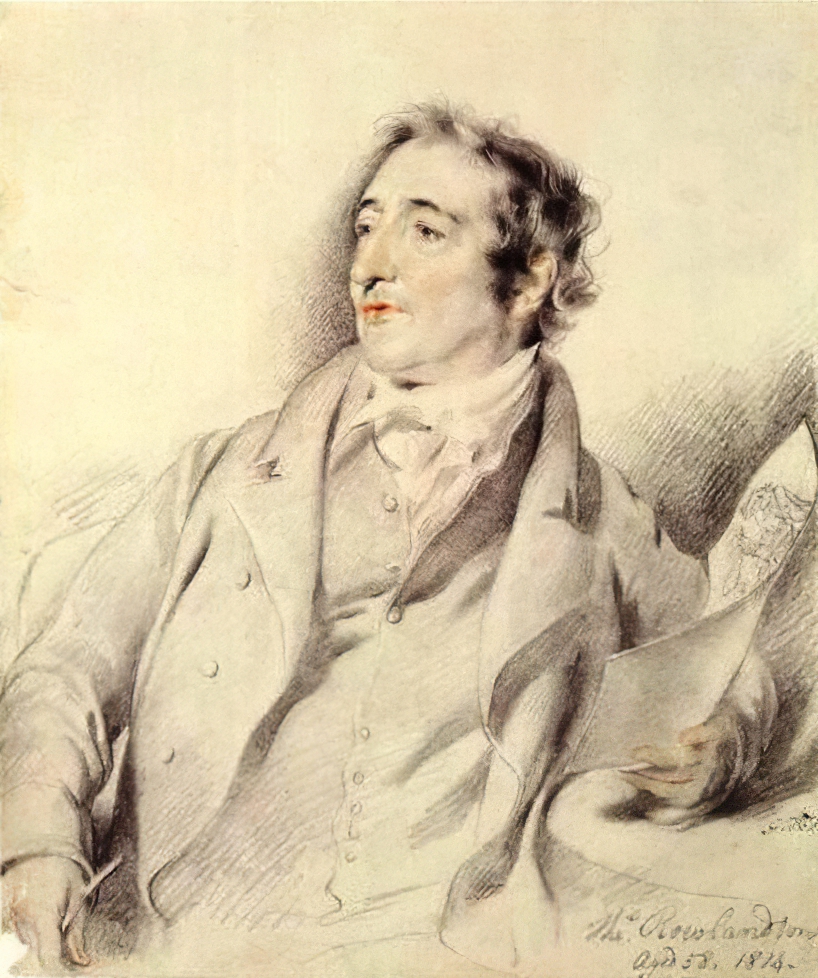
Thomas Rowlandson was an English artist and caricaturist of the Georgian Era, noted for his political satire and social observation. A prolific artist and printmaker, Rowlandson produced both individual social and political satires, as well as a large number of illustrations for novels, humorous books, and topographical works. Like other caricaturists of his age such as James Gillray, his caricatures are often robust or bawdy. Rowlandson also produced highly explicit erotica for a private clientele; this was never published publicly at the time and is now only found in a small number of collections. His caricatures included those of people in power such as the Duchess of Devonshire, William Pitt the Younger and Napoleon Bonaparte.


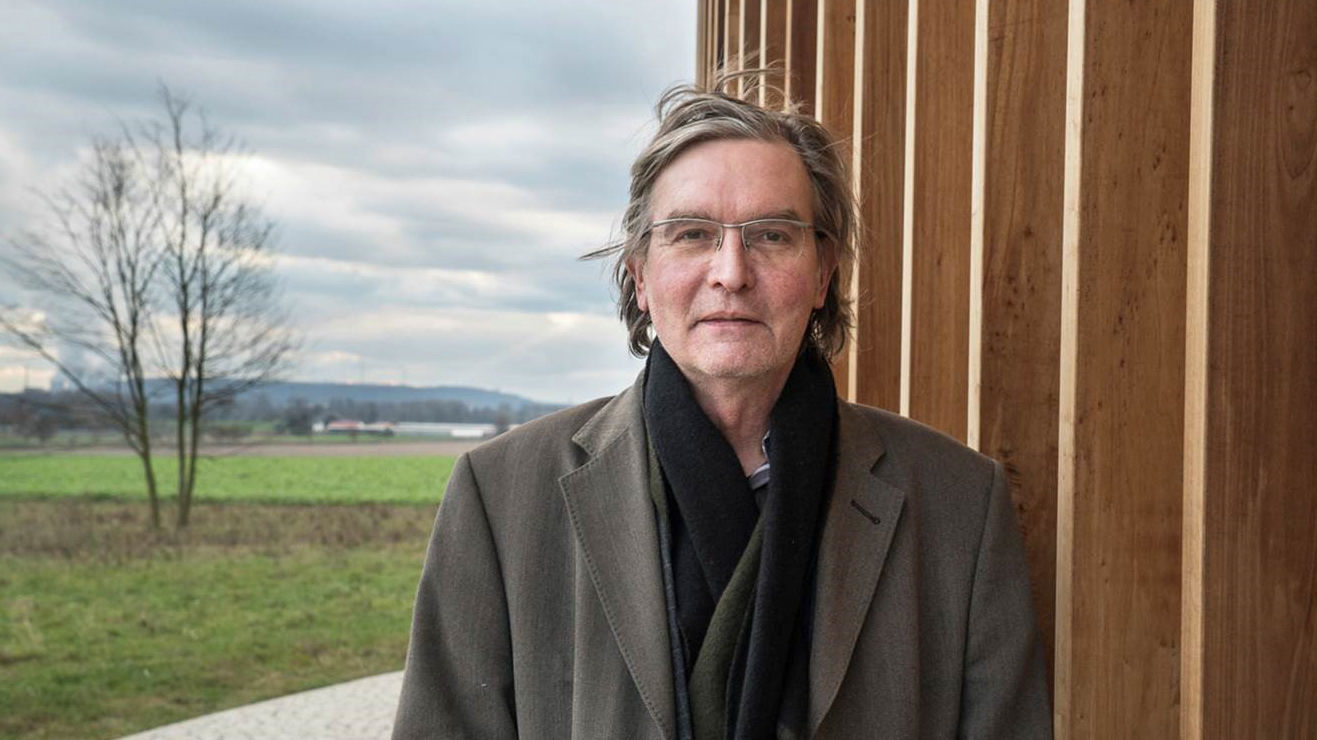
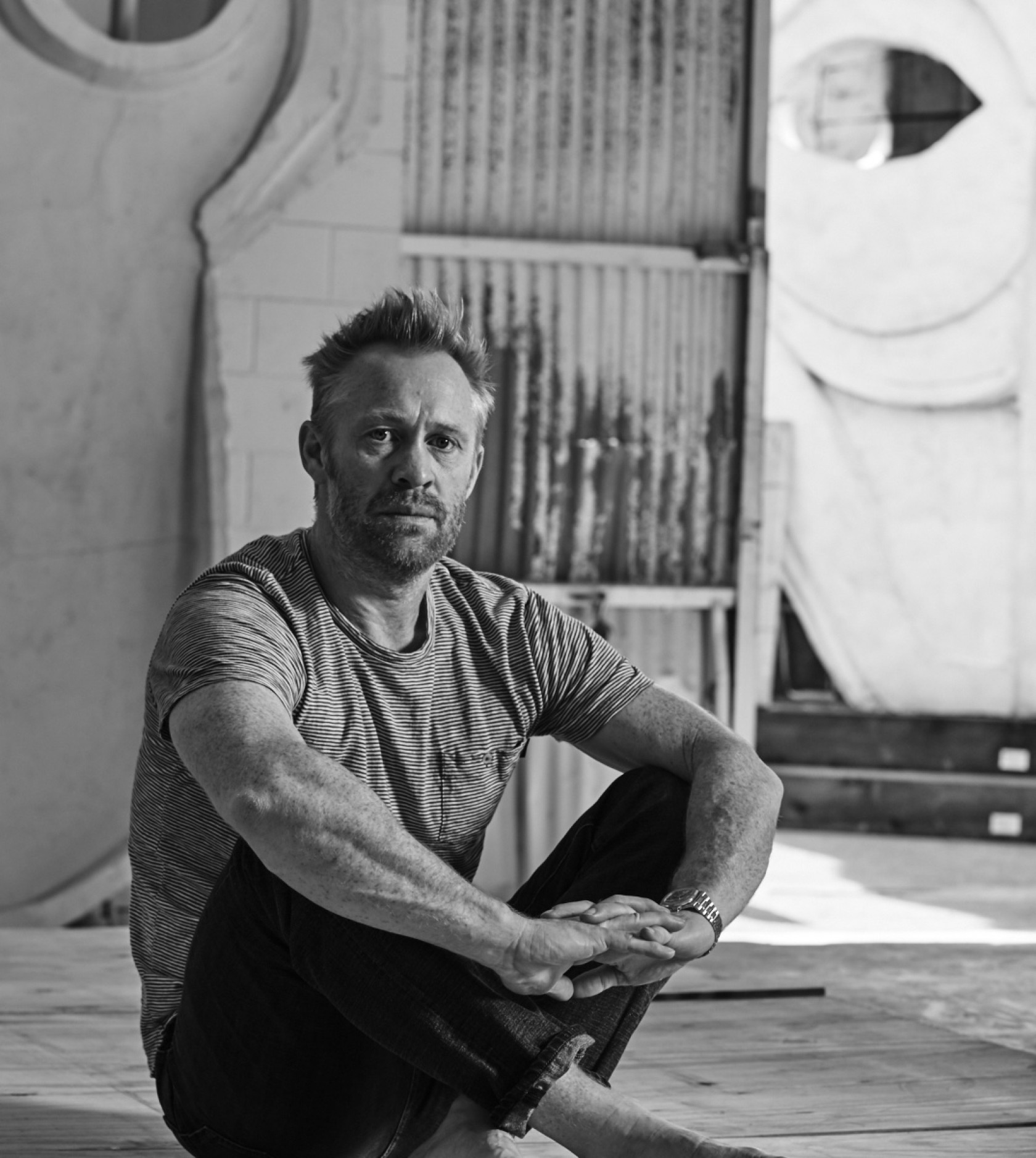
Thomas Schütte is a German contemporary artist. He sculpts, creates architectural designs, and draws. He lives and works in Düsseldorf.
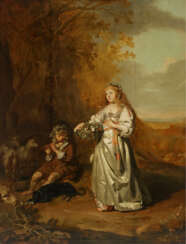

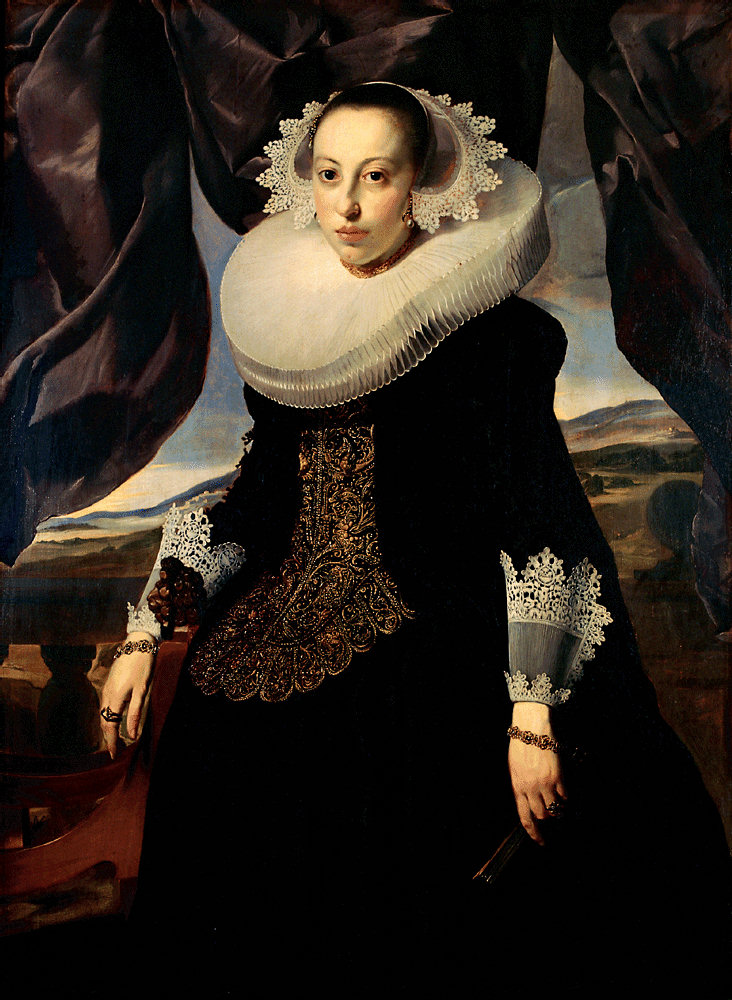
Thomas Hendricksz de Keyser was a Dutch portrait painter, a dealer in Belgium bluestone and stone mason. He was the most in-demand portrait painter in the Netherlands until the 1630s, when Rembrandt van Rijn eclipsed him in popularity. Rembrandt was influenced by his work, and many of de Keyser's paintings were later falsely attributed to Rembrandt.
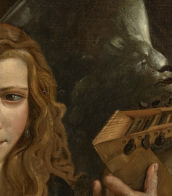
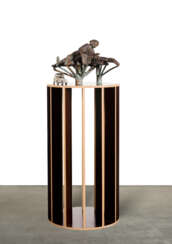

Thomas Schütte is a German contemporary artist. He sculpts, creates architectural designs, and draws. He lives and works in Düsseldorf.
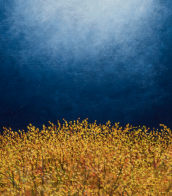


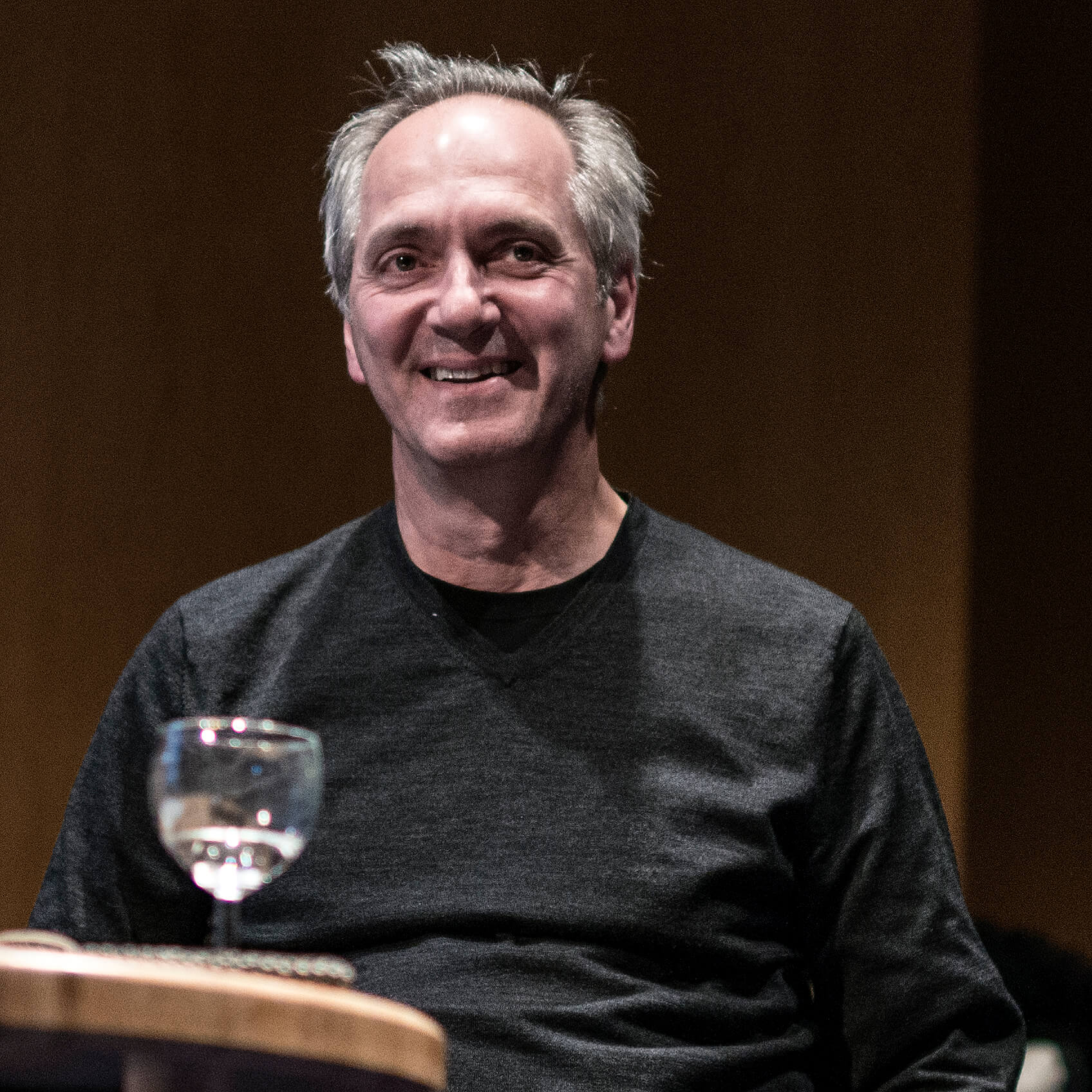
Thomas Struth is a German photographer who is best known for his Museum Photographs series, family portraits and black and white photographs of the streets of Düsseldorf and New York taken in the 1970s. Struth lives and works in Berlin and New York.
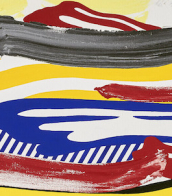
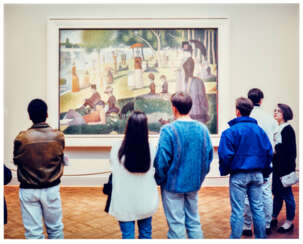

Thomas Struth is a German photographer who is best known for his Museum Photographs series, family portraits and black and white photographs of the streets of Düsseldorf and New York taken in the 1970s. Struth lives and works in Berlin and New York.
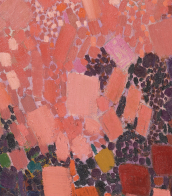
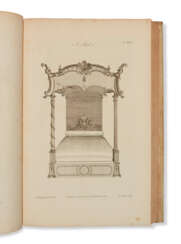

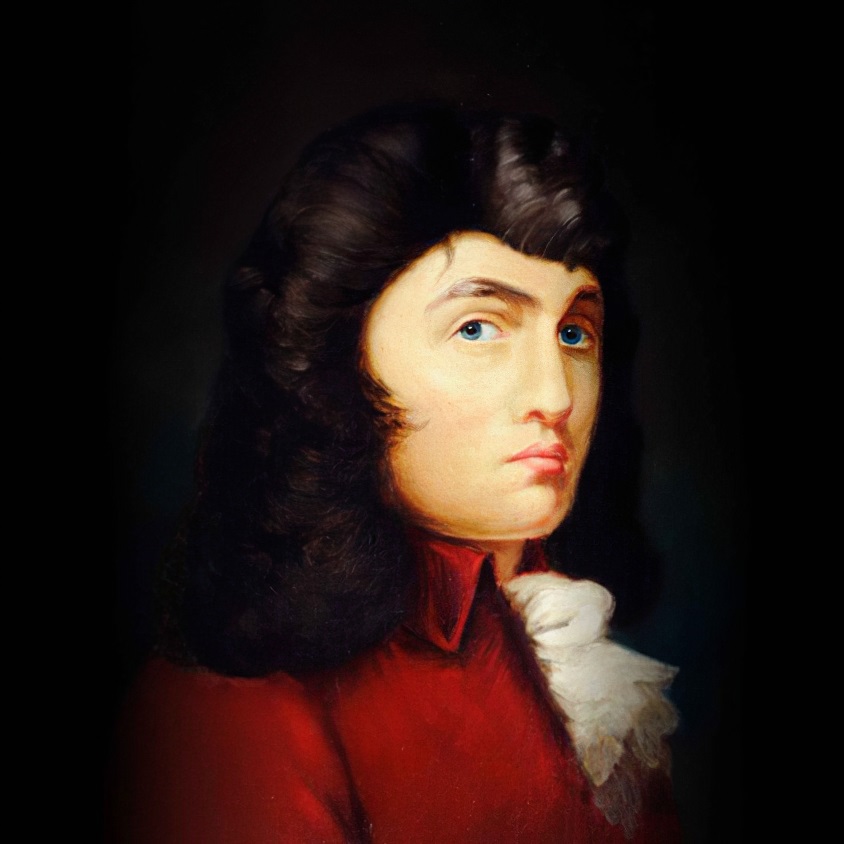
Thomas Chippendale was a cabinet-maker in London, designing furniture in the mid-Georgian, English Rococo, and Neoclassical styles. In 1754 he published a book of his designs in a trade catalogue titled The Gentleman and Cabinet Maker's Director — the most important collection of furniture designs published in England to that point which created a mass market for furniture—upon which success he became renowned. According to the Victoria and Albert Museum, «so influential were his designs, in Britain and throughout Europe and America, that "Chippendale" became a shorthand description for any furniture similar to his Director designs».


Thomas Aquinas (Italian: Tommaso d'Aquino, also called Aquinas, alias Doctor Angelicus) was an Italian poet and theologian, philosopher, and major medieval scholastic.
Thomas Aquinas is one of the most important theologians in the history of Western civilization, given the extent of his influence on the development of Roman Catholic theology since the fourteenth century. As a theologian, in his two masterpieces, Summa theologiae and Summa contra gentiles, he created the classical systematization of Latin theology, and as a poet, he wrote some of the most serious and beautiful Eucharistic hymns in the church liturgy. Thomas Aquinas is recognized by the Roman Catholic Church as the foremost Western philosopher and theologian and canonized as a saint.

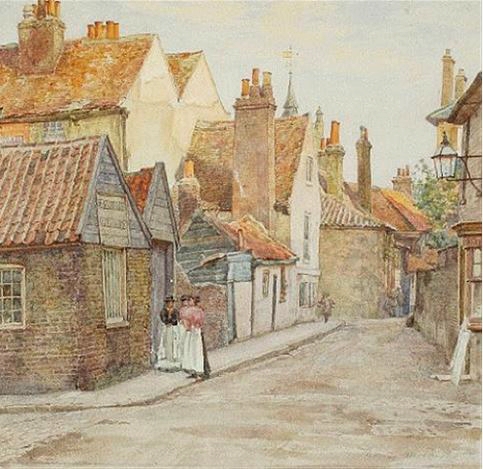




Thomas Schütte is a German contemporary artist. He sculpts, creates architectural designs, and draws. He lives and works in Düsseldorf.


Thomas Schütte is a German contemporary artist. He sculpts, creates architectural designs, and draws. He lives and works in Düsseldorf.


Thomas Schütte is a German contemporary artist. He sculpts, creates architectural designs, and draws. He lives and works in Düsseldorf.
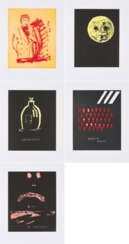

Thomas Schütte is a German contemporary artist. He sculpts, creates architectural designs, and draws. He lives and works in Düsseldorf.
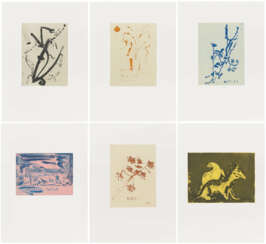

Thomas Schütte is a German contemporary artist. He sculpts, creates architectural designs, and draws. He lives and works in Düsseldorf.
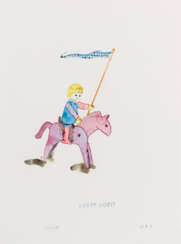

Thomas Schütte is a German contemporary artist. He sculpts, creates architectural designs, and draws. He lives and works in Düsseldorf.


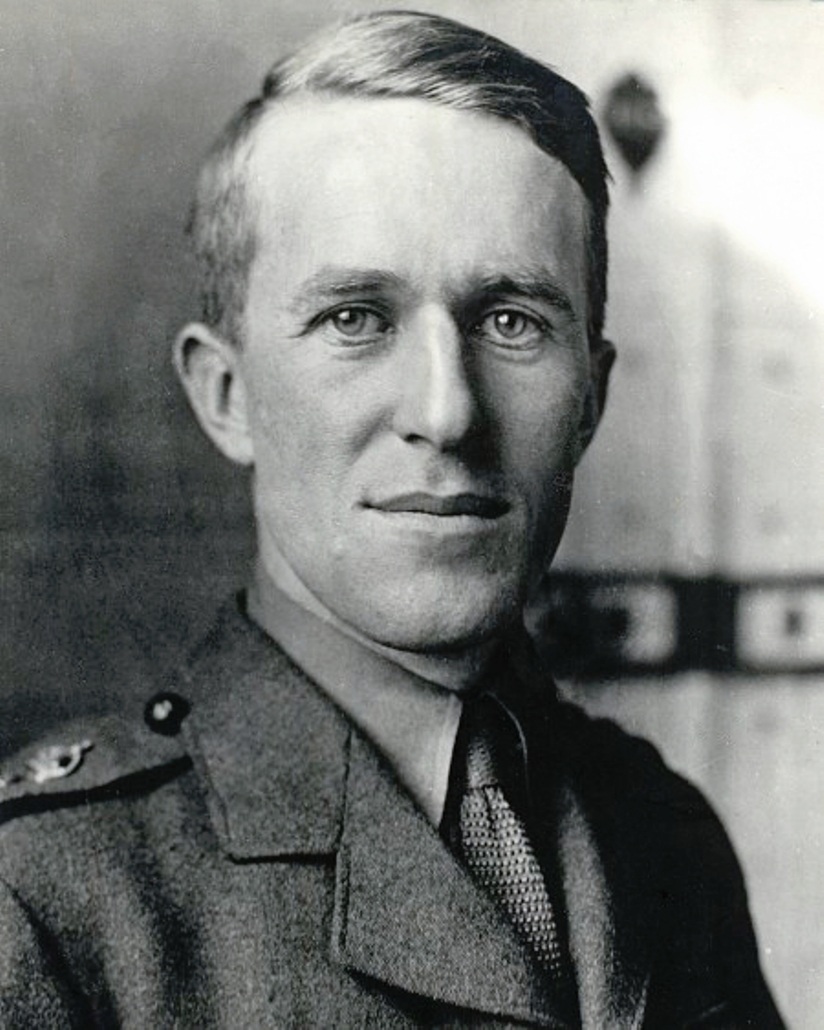
Thomas Edward Lawrence was a British scholar-archaeologist, military intelligence and strategist, writer and poet.
Thomas studied at the High School and Jesus College, Oxford, studying medieval military architecture in particular, researching Crusader castles in France and in Syria and Palestine. Then in the early 1900s he took part in an excavation, though more likely a cartographic reconnaissance from Gaza to Aqaba for strategic military purposes. The study was published in 1915 under the title The Wilderness of Zin (The Wilderness of Zin).
At the outbreak of World War I, Lawrence became a member of the cartographic staff of the War Office in London, tasked with producing a militarily useful map of Sinai. From 1914, with the rank of lieutenant, he was already active in various operations in Cairo and other Arab countries. It is believed that Lawrence made a significant contribution to the victory of the Arab revolt against the Ottoman Empire, and locals gave him the nickname Lawrence of Arabia.
Lawrence had time to work on his war memoirs as well, publishing a book about his activities, The Seven Pillars of Wisdom, in 1926. Also of interest are his poignant service chronicle "The Mint" and a considerable amount of correspondence. He was commissioned by book designer Bruce Rogers to translate Homer's Odyssey into English. Lawrence also wrote over 100 poems, which were published in the collection Minorities in 1971.
After World War I, Lawrence worked for the British Foreign Office and served in the Royal Air Force. He died in a motorcycle accident in May 1935 at the age of 46.

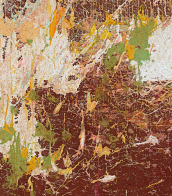


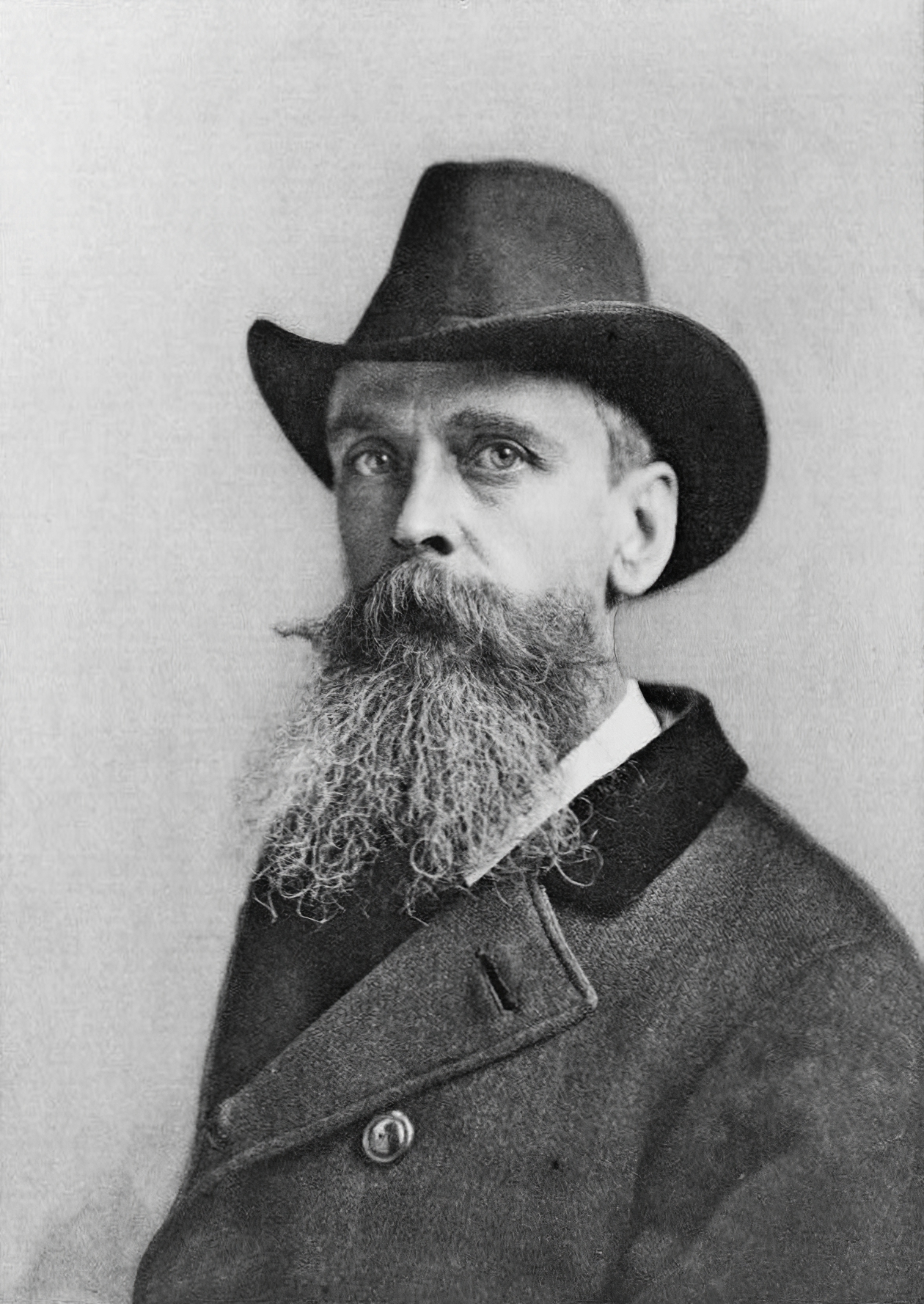
Thomas Moran was an American painter and printmaker of the Hudson River School in New York whose work often featured the Rocky Mountains. Moran and his family, wife Mary Nimmo Moran and daughter Ruth took residence in New York where he obtained work as an artist. He was a younger brother of the noted marine artist Edward Moran, with whom he shared a studio. A talented illustrator and exquisite colorist, Thomas Moran was hired as an illustrator at Scribner's Monthly. During the late 1860s, he was appointed the chief illustrator for the magazine, a position that helped him launch his career as one of the premier painters of the American landscape, in particular, the American West.
Moran along with Albert Bierstadt, Thomas Hill, and William Keith are sometimes referred to as belonging to the Rocky Mountain School of landscape painters because of all of the Western landscapes made by this group.
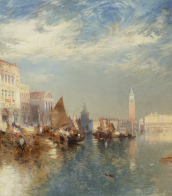




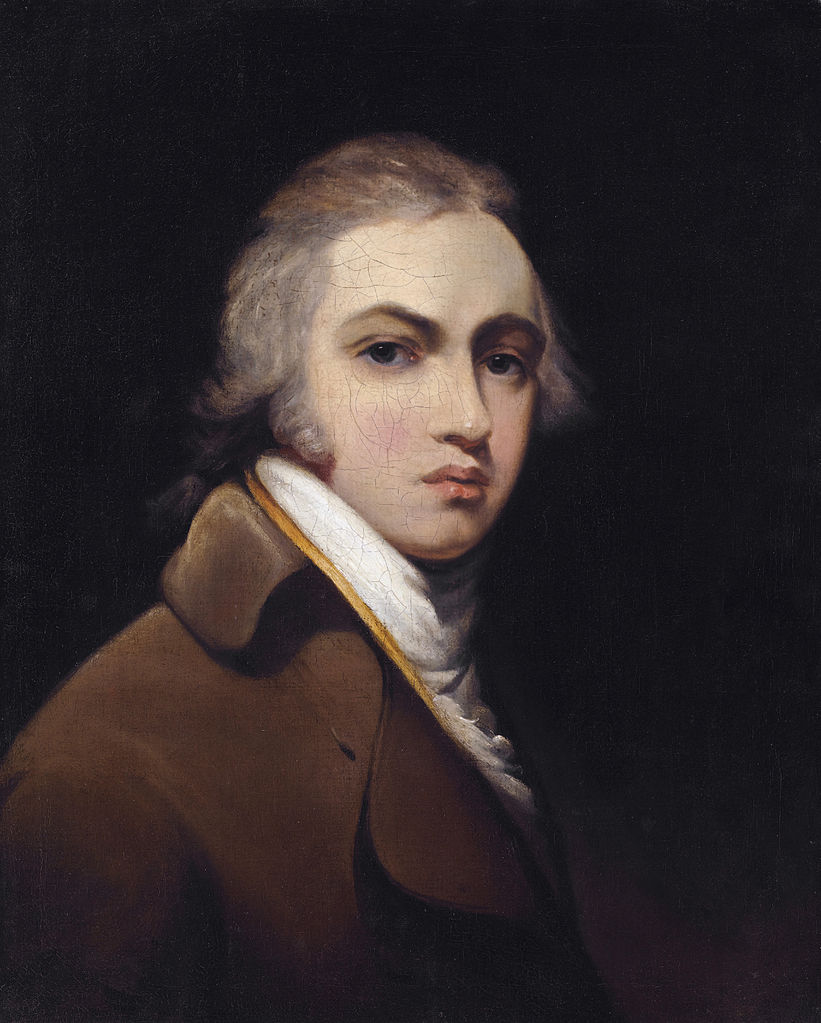
Thomas Lawrence was a prominent English painter, celebrated for his mastery in portraiture, who made a significant mark in the world of art and culture during the late 18th and early 19th centuries. Born in Bristol in 1769, Lawrence was a child prodigy, supporting his family through his artistic talents from a young age. His journey took him to Bath and eventually to London, where he swiftly established himself as a leading portrait artist, capturing the likenesses of society's most influential figures.
Thomas Lawrence's work is renowned for its elegance, capturing the essence and personality of his subjects with remarkable finesse. His ability to portray the delicate nuances of expression and character made his portraits highly sought after by the aristocracy and royalty alike. His commissions included portraits of King George III, Queen Charlotte, and the Prince Regent, as well as numerous other figures from the British and European nobility. Among his notable works are the portraits of Elizabeth Farren, soon to be the Countess of Derby, characterized by its vibrant expression and elegance, and the depiction of actress Sarah Siddons' daughters, which underscored his personal entanglements and the emotional depth he could convey through his art.
Despite his success, Thomas Lawrence's life was not without its challenges. He was perpetually in debt, a situation that puzzled his contemporaries given his tireless work ethic and the absence of any overt extravagance in his lifestyle. Furthermore, his romantic life was complicated, marked by his unfulfilled love for the Siddons sisters, which added a layer of personal tragedy to his story.
Thomas Lawrence's contributions to art were recognized by his election as a full member of the Royal Academy in 1794, and he later served as its president. His legacy is preserved in galleries and collections worldwide, including the National Gallery in London, which houses several of his masterpieces. His portraits of abolitionists and slave-owners alike reflect the complex social fabric of his time, offering a window into the era's cultural and historical context.
For collectors and experts in art and antiques, Thomas Lawrence's works represent not just aesthetic achievements but also valuable historical documents that capture the essence of an era. His portraits are a testament to the power of art to convey both the external likeness and the inner soul of the subject.
For those interested in the intersection of art, history, and culture, and who wish to stay informed about new discoveries, sales, and auction events related to Thomas Lawrence's work, signing up for updates is an invaluable resource. This ensures that enthusiasts and collectors alike remain at the forefront of developments in the world of art and antiques related to this illustrious painter.