to life meaning






![Autograph letter signed ('Eric A. Blair') to Dennis [Collings]](/assets/image/picture_3069379/6af83/a37bb91862ecb96e0686708f1d20b2561695852000jpg__fix_374_244.jpeg)
![Autograph letter signed ('Eric A. Blair') to Dennis [Collings]](https://veryimportantlot.com/assets/image/picture_3069379/6af83/a37bb91862ecb96e0686708f1d20b2561695852000jpg__fix_374_244.jpeg)


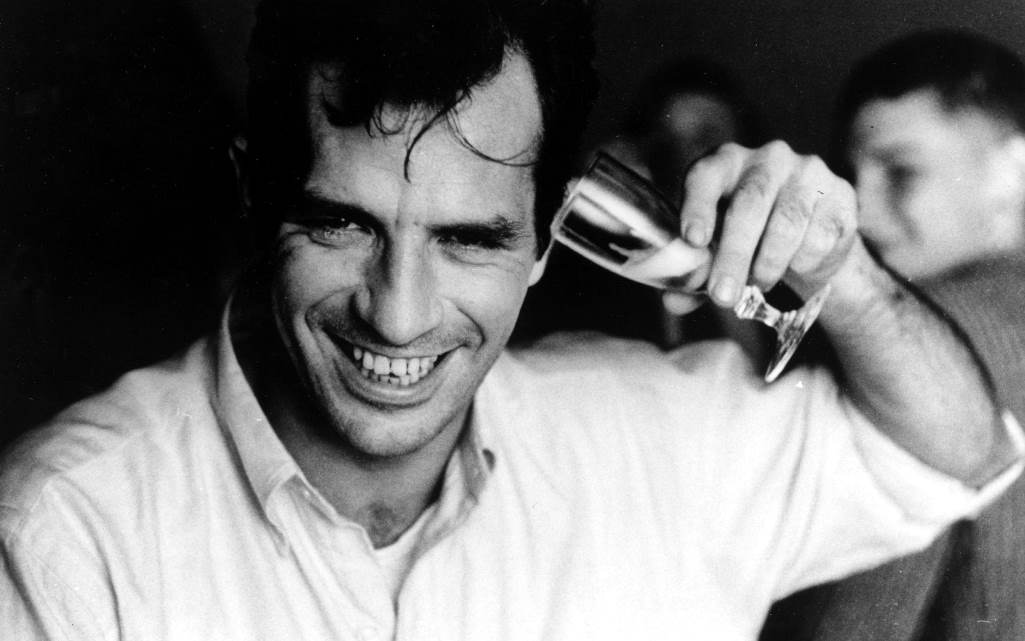
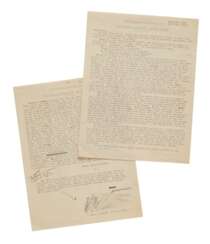

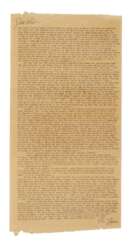



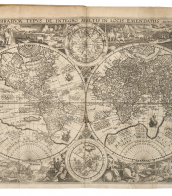
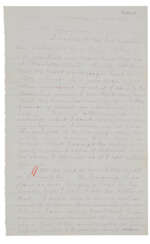

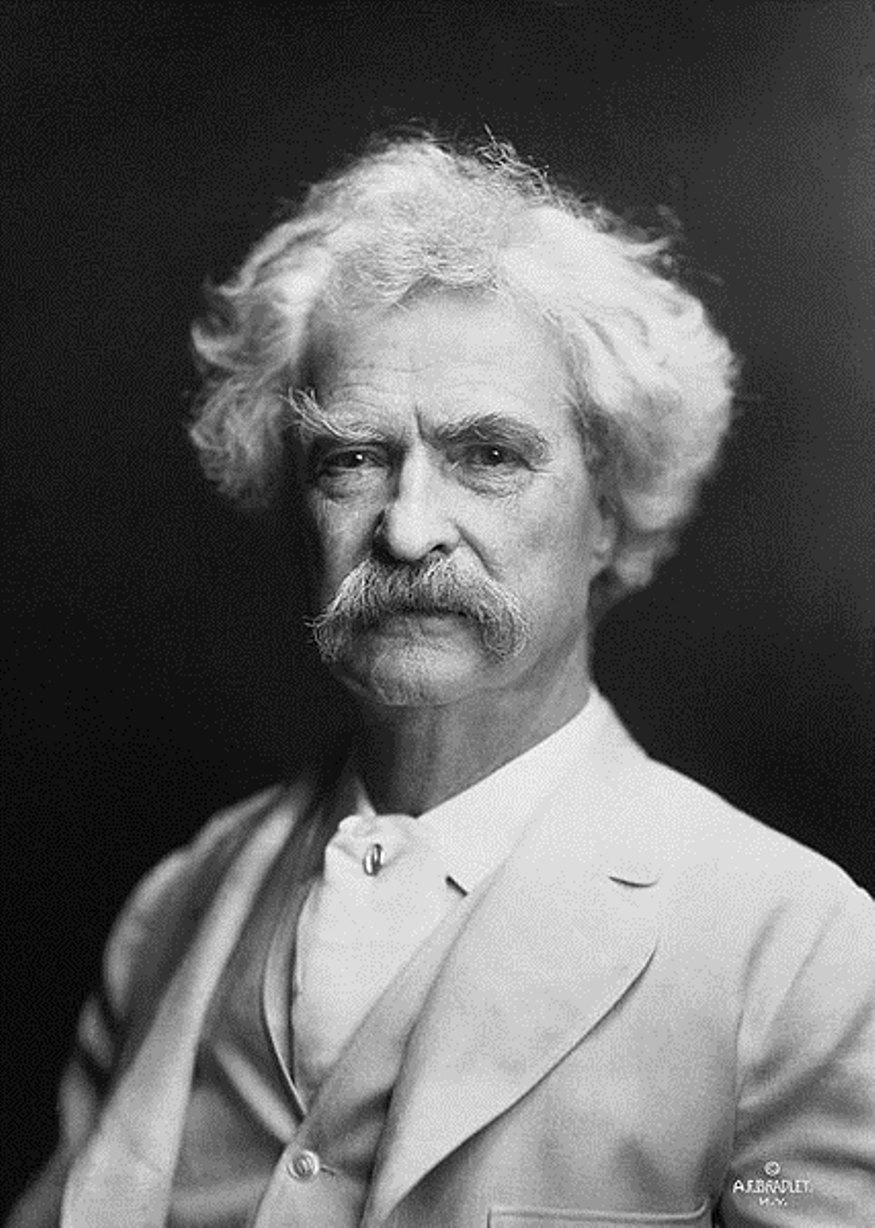
Mark Twain, real name Samuel Langhorne Clemens, was an American humanist writer, journalist, and social activist.
As a young man, Samuel worked in the printing press and in the gold mines, then went on a steamboat trip to Europe and the "Holy Land". His travel letters, full of vivid descriptions and ironic observations, were very well received by the public and were later revised into his first book, Innocents Abroad, published in 1869.
The pseudonym "Mark Twain" first appeared in 1863 under one of Samuel Clemens' short stories, and since then all his significant works have been signed by that name.
A talented storyteller, a peculiar humorist and moralist, Twain knew and loved his many diverse characters. His scandalizers and dreamers, caring aunts and ambitious politicians, grumpy widows and lying aristocrats, cunning but generous slaves, sentimental moralists, brave and naive children - all these types of American people Twain gave voice to thanks to his masterful command of colloquial language, slang and jargon. Twain wrote a lot and in a variety of genres: humor and satire, philosophical fiction and journalism and others, but he always stood on the position of humanist and democrat.
Mark Twain became world famous for his travel stories and adventure novels about his childhood, these are "The Adventures of Tom Sawyer" (1876) and "The Adventures of Huckleberry Finn" (1885). Twain is still one of America's, and indeed the world's, best and most beloved writers. His works have been and are still being published in many languages around the world.

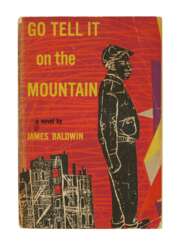

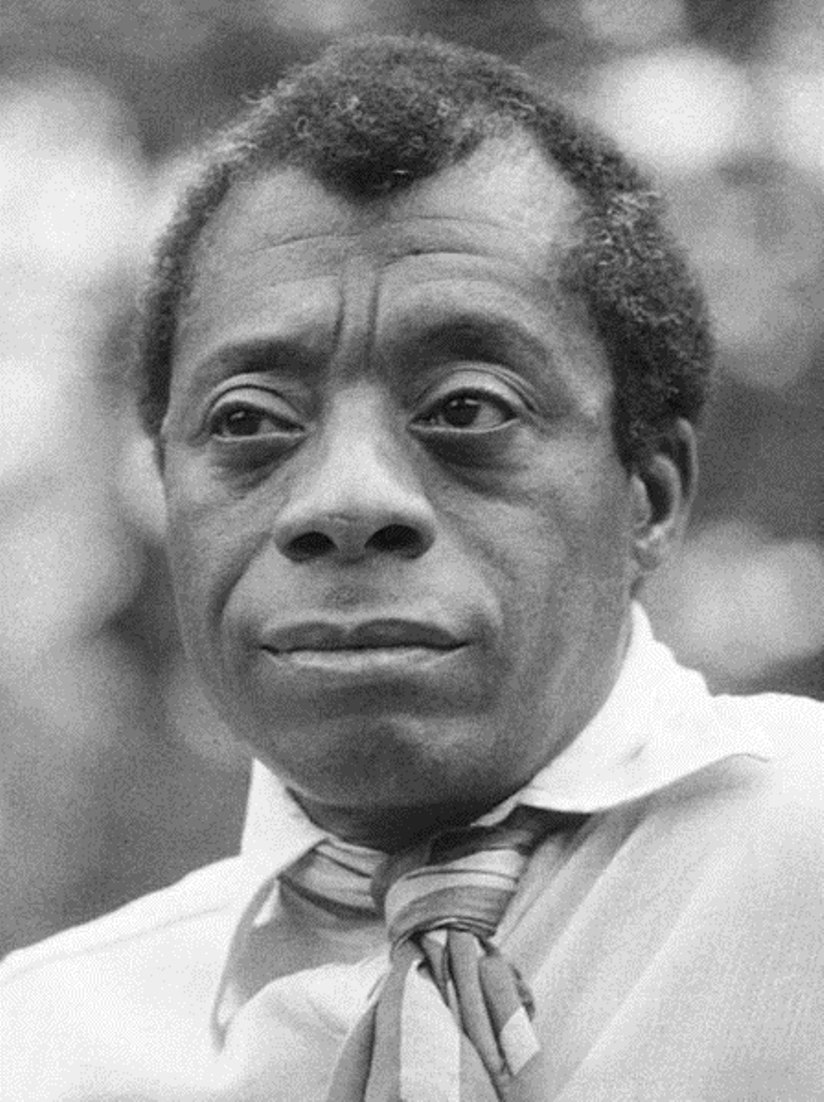
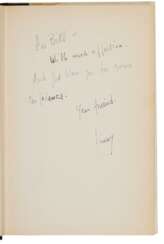







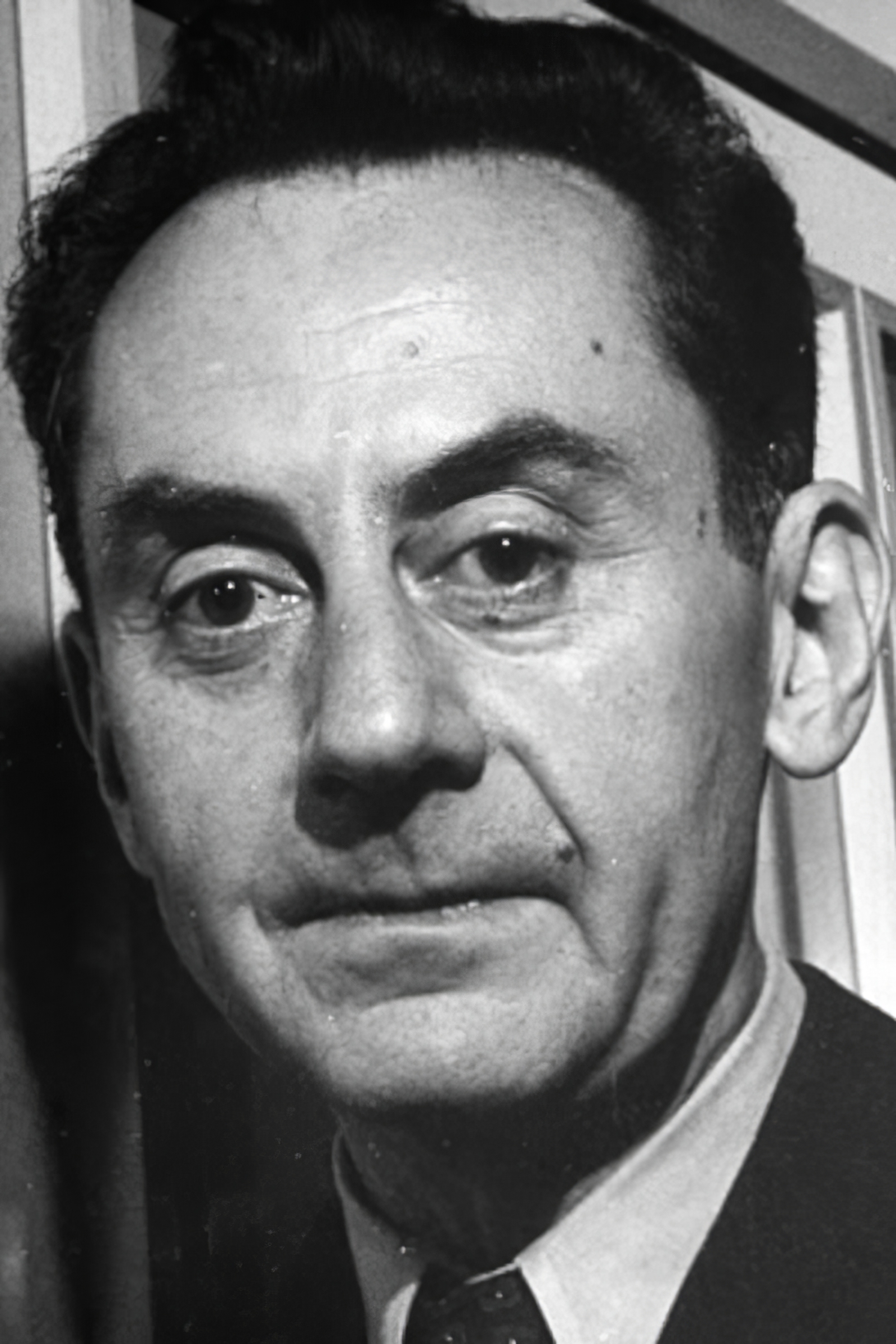
Man Ray, born Emmanuel Radnitzky, was an American visual artist who played a significant role in the Dada and Surrealist movements. His pioneering efforts in photography, alongside his work in painting and sculpture, have cemented his place as a major figure in modern art. Known for his innovative techniques and the ability to convey complex ideas through simple, striking visuals, Man Ray's contribution to the art world is profound.
Throughout his career, Man Ray was celebrated for his avant-garde approach and his ability to transcend traditional boundaries between different artistic mediums. His photography, characterized by experimental techniques such as solarization and rayographs (cameraless photographs), challenged conventional perceptions of photography as merely a means of representation. These artistic innovations made him a central figure in both Parisian and American art circles.
Man Ray's works are housed in some of the world's most prestigious museums and galleries, including the Museum of Modern Art in New York and the Centre Pompidou in Paris. His pieces, such as "Le Violon d'Ingres" and "Noire et Blanche," are iconic images that continue to influence artists today. His ability to blend the abstract with the realistic, and the humorous with the serious, has left a lasting legacy in the world of art.
For collectors and experts in art and antiques, the work of Man Ray offers a glimpse into the revolutionary changes that shaped the visual arts in the 20th century. His unique perspective and pioneering techniques continue to inspire and challenge those interested in the boundaries of creativity and expression.
If you're passionate about the avant-garde, or simply wish to explore the fascinating world of Man Ray further, sign up for our updates. You'll receive alerts on new product sales and auction events related to Man Ray, ensuring you never miss an opportunity to engage with the legacy of this extraordinary artist.
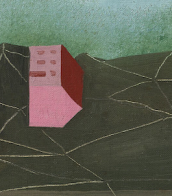
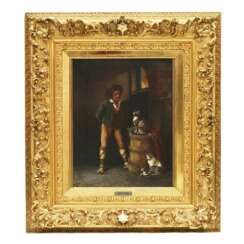


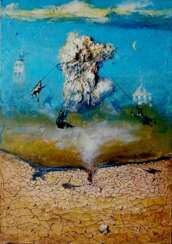



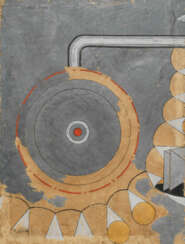

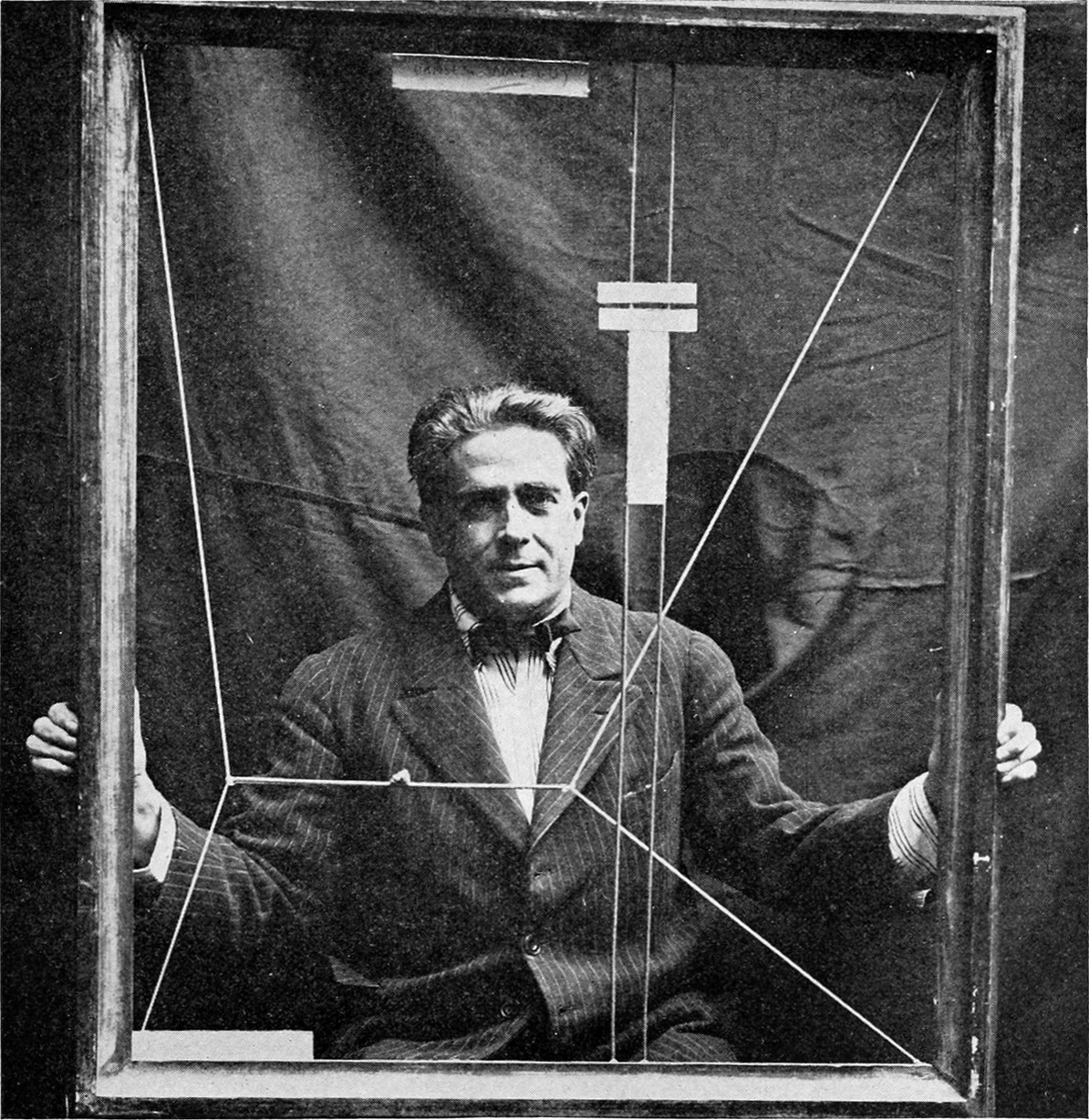
Francis Picabia, born Francis-Marie Martinez de Picabia, was a French avant-garde painter, poet, and typographist, whose work is celebrated for its diversity and innovation. His journey through various art movements, including Impressionism, Cubism, Dadaism, and Surrealism, showcases his refusal to be confined by any one style. Picabia's art is known for its eclectic nature, often blending mechanical elements with organic forms, thereby challenging traditional perceptions of art and beauty.
Picabia's significant contribution to the art world lies not just in his varied artistic output but also in his philosophical approach to creation. He believed in the freedom of expression, often using his art to critique societal norms and the art establishment itself. This rebellious spirit made him a pivotal figure in the Dada movement, where his works were celebrated for their irony and disdain for conventional art values.
Among his notable works, "Amorous Parade" and "I See Again in Memory My Dear Udnie" stand out, housed in prestigious institutions like the Museum of Modern Art in New York. These pieces exemplify Picabia's mastery over blending different elements of art movements, creating works that remain influential to this day. His legacy is not just in the pieces he created but also in his attitude towards art, encouraging future generations to challenge and redefine the boundaries of creativity.
For collectors and experts in art and antiques, Picabia's works represent not only significant artistic achievements but also valuable insights into the evolution of modern art. To stay informed about new product sales and auction events related to Francis Picabia, sign up for updates. This subscription is an essential resource for enthusiasts looking to enrich their collections with pieces from one of the most innovative artists of the 20th century.










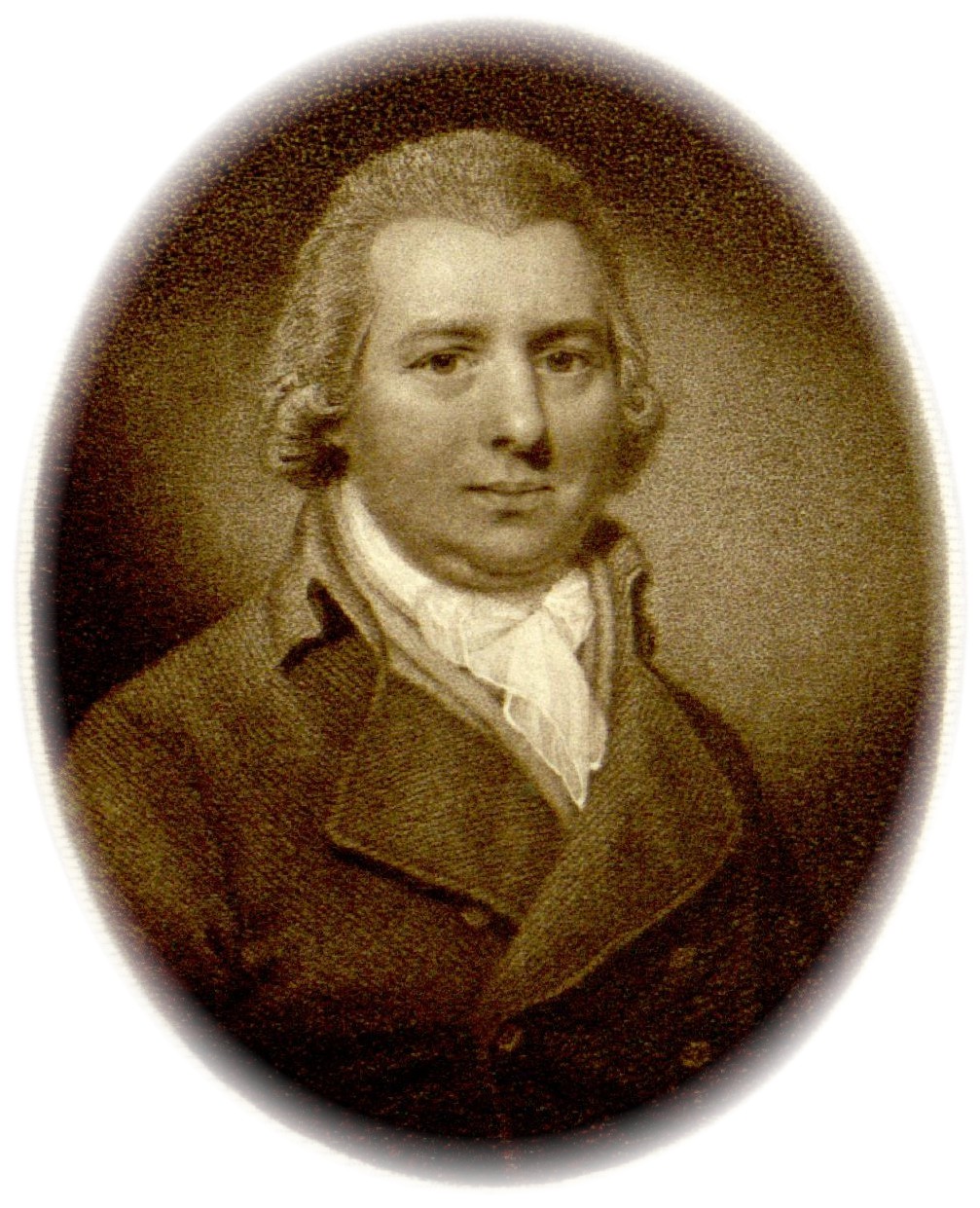
William Curtis was a British botanist and entomologist, editor of the oldest botanical publication in Great Britain.
Curtis became interested in natural history in his youth, and at the age of 25 had already published "Instructions for the Collection and Preservation of Insects", particularly butterflies. In 1779 he founded his own London botanical garden at Lambeth and published Flora Londinensis (1777-1798), a 6-volume work on urban nature.
In 1787 Curtis began publishing the later popular Botanical Magazine, which also featured hand-colored plates by artists. This magazine has changed its name several times over time, but is still continued by the Royal Botanic Gardens, Kew, as a publication for those interested in horticulture, ecology or botanical illustration. Interestingly, the magazine was entirely hand-colored until 1948.
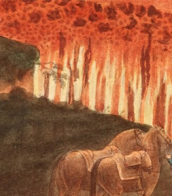
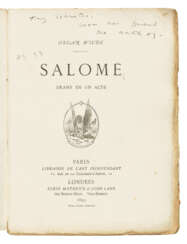

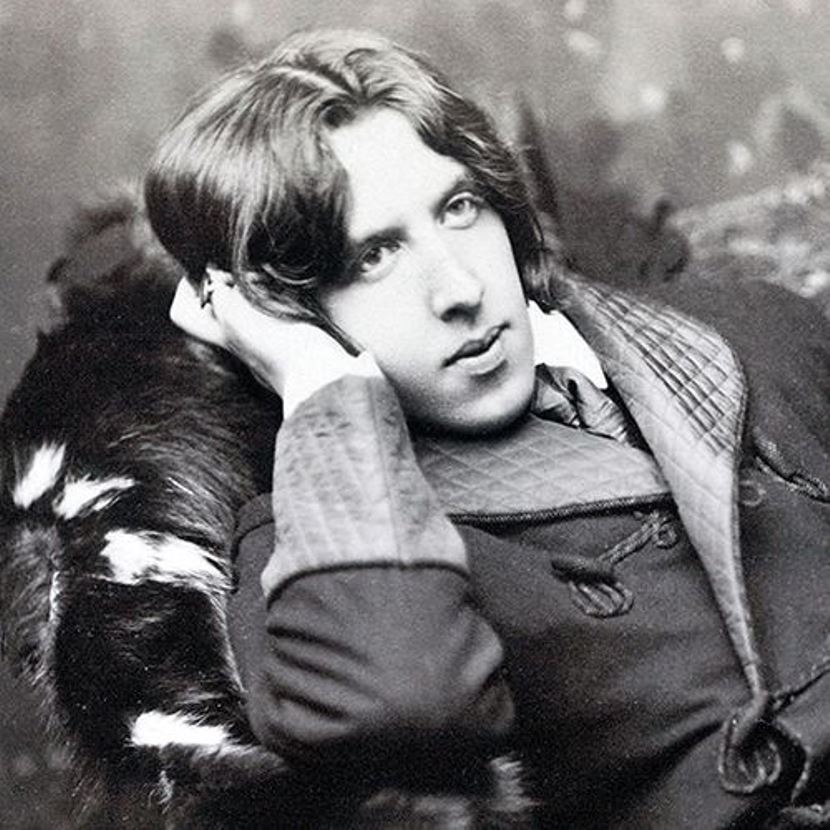
Oscar Fingal O'Flahertie Wills Wilde - Irish writer, poet, philosopher and playwright, a bright representative of the literature of the Victorian period.
Oscar's parents were fond of literature and history, gave their son an excellent education. After graduating from Oxford University, Oscar moved to London, where he quickly entered the circle of secular society. His first book, a collection of poems, was published in 1881. Over the next year, the aspiring writer traveled across America with lectures on art. Then he traveled to France, where he met key figures of French literature of the time - Victor Hugo, Paul Verlaine, Emile Zola and others. Returning to his homeland, Oscar married, thanks to which his children's fairy tales appeared. His popularity grew rapidly, his work was favorably reviewed by Bernard Shaw.
Next, "The Crime of Lord Arthur Seville", "The Canterville Ghost", "The Sphinx without a riddle" were written. In 1890 Oscar Wilde wrote the novel "The Portrait of Dorian Gray", which was considered immoral in high society, but it brought the author the greatest fame. This novel is still considered a classic of world literature to this day. In the early 1890s Oscar Wilde wrote comedy plays "Lady Windermere's Fan", "A Woman Not Worth Watching", "An Ideal Husband" and "How Important It Is to Be Serious". In them, the author shows himself a master of witty dialog. During his life, Wilde wrote nine plays, one novel, many poems, stories and essays.
Bright and full life of a successful and talented writer ended when he met Lord Alfred Douglas. For this scandalous connection with the man, Oscar Wilde was sentenced to two years in prison. After leaving prison, he settled in France under an assumed name, abandoned by everyone. He wrote his last work, the autobiographical "Ballad of Reading Prison" two years before his death at the age of 46.